

Yonesaburo Tsukiji
| Gamera effects directors | |||||||
|
|
| |||||
| ||||||||||||||||||||||||||||||||||||||||||||||||||||
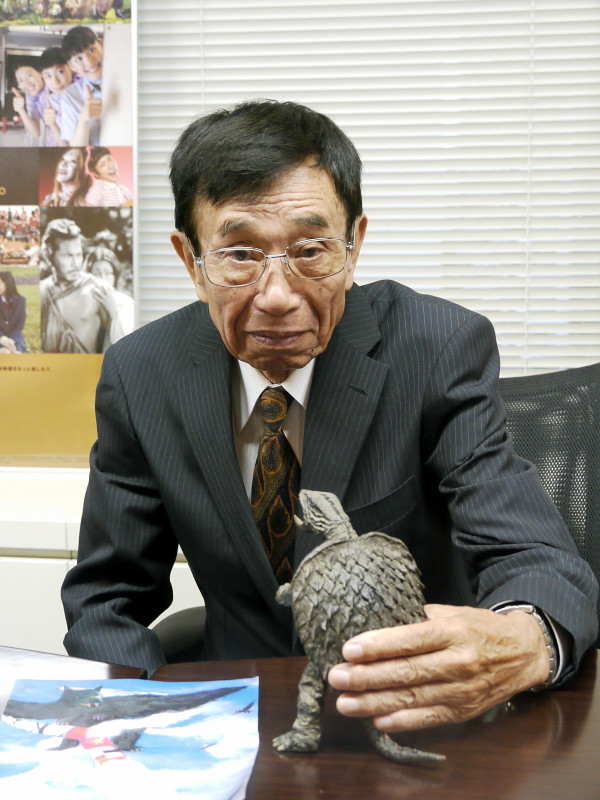


Yonesaburo Tsukiji (築地 米三郎 Tsukiji Yonesaburō) was a Japanese special effects director, cameraman, and producer. Spending the first three decades of his career at the Daiei Motion Picture Company, he was a key figure in the development of its special effects technology, and is sometimes regarded as the "Father of Daiei Tokusatsu." He spearheaded the special effects photography on over 50 of the company's films, including its first full-scale kaiju film, Gamera the Giant Monster (1965), whose titular Gamera he co-created.
Tsukiji fell in love with cinema from a young age, making daily trips to a movie theater across the street from his childhood home.[1][2] His career in the industry began in the late 1930s,[b] when he was hired as a camera assistant at Shinko Kinema.[1][5] Following the company's merger with Daito Film and part of Nikkatsu to form Dai Nippon Film Productions (later Daiei) in 1942, Tsukiji found himself working under special effects technicians Goro Watanabe and Tatsuyuki Yokota in Daiei Tokyo Studio's Special Photography Section. However, Watanabe soon fell ill, and Tsukiji and fellow assistant Toru Matoba were entrusted with taking over the section's operations.[6][c] Tsukiji's earliest-known special effects assignment was Kozo Saeki's The Phantom Tower (1948).
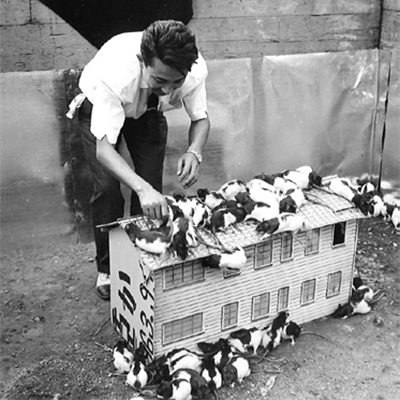
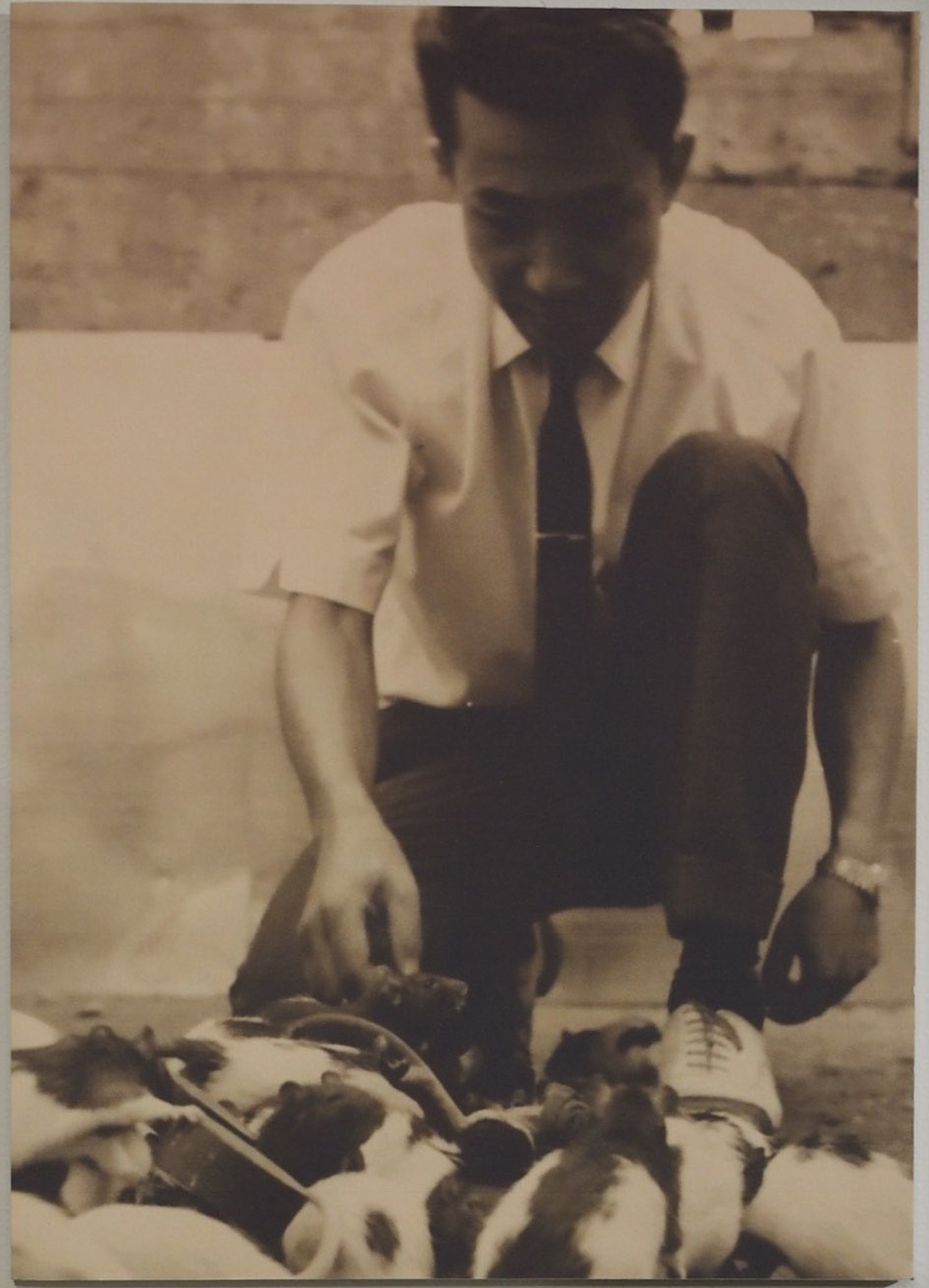
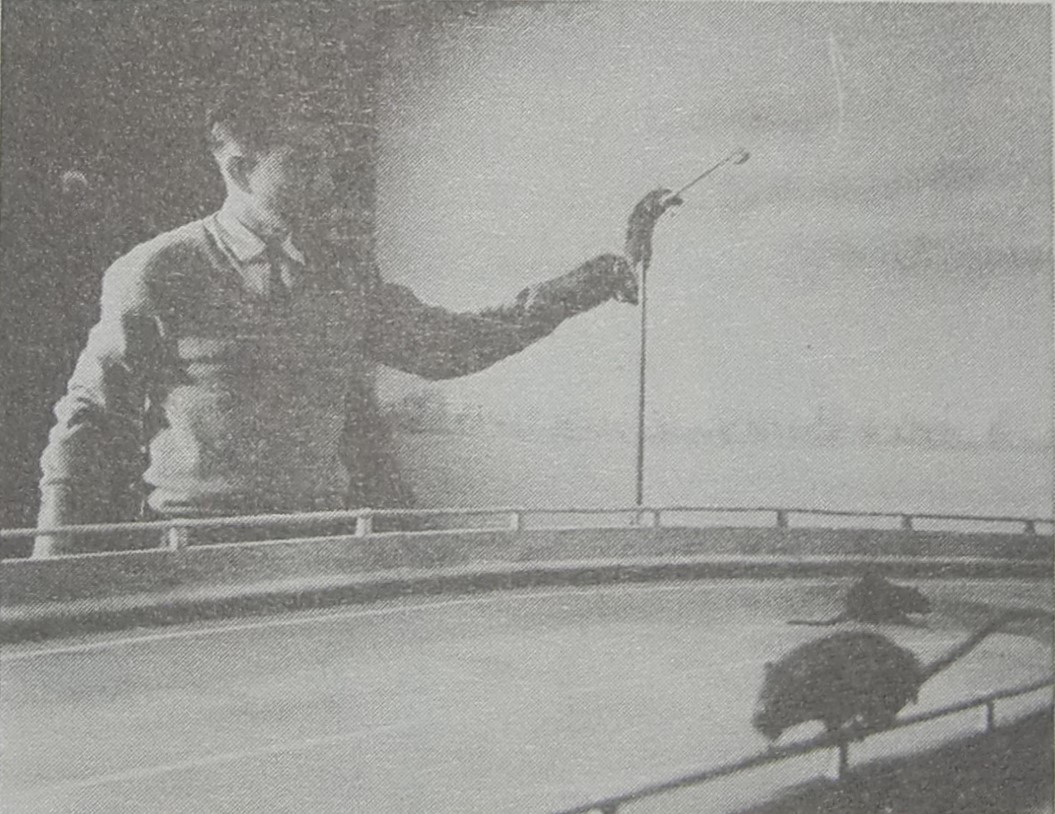
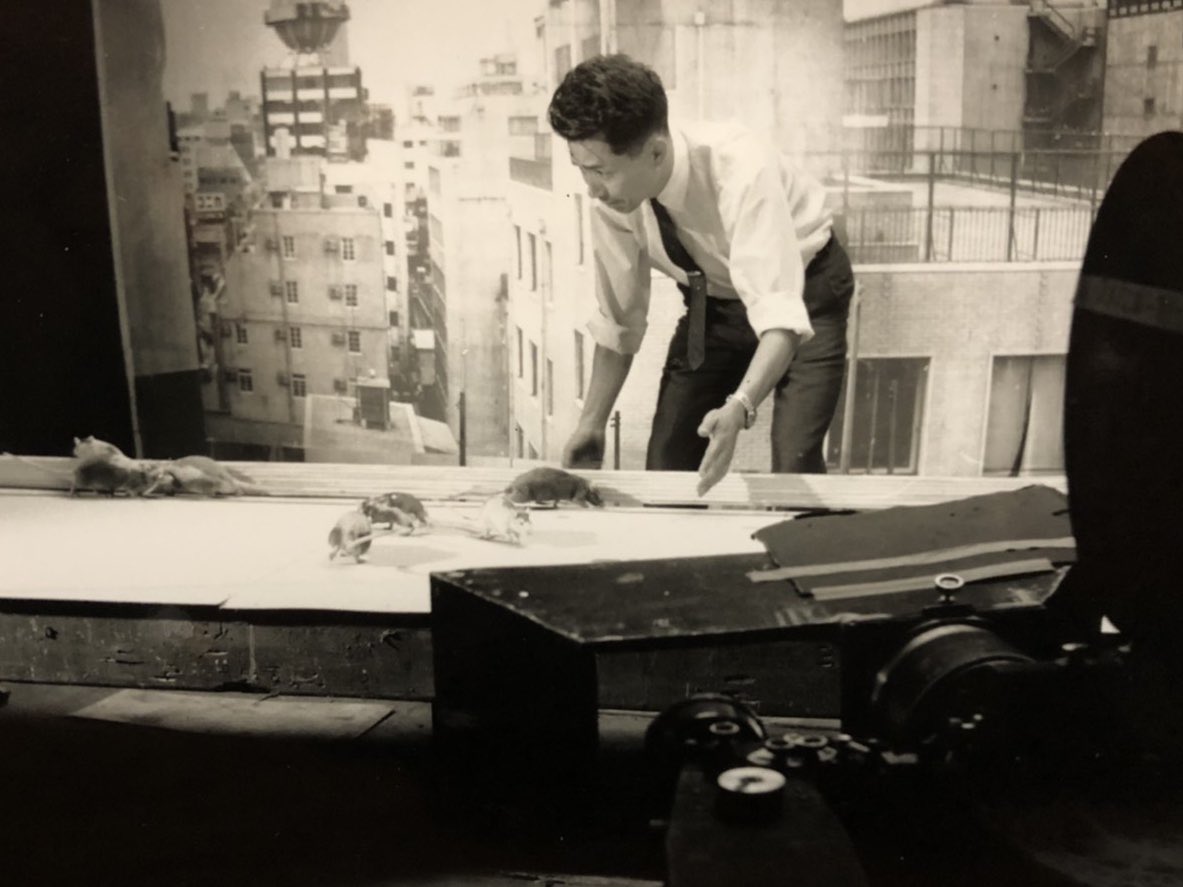
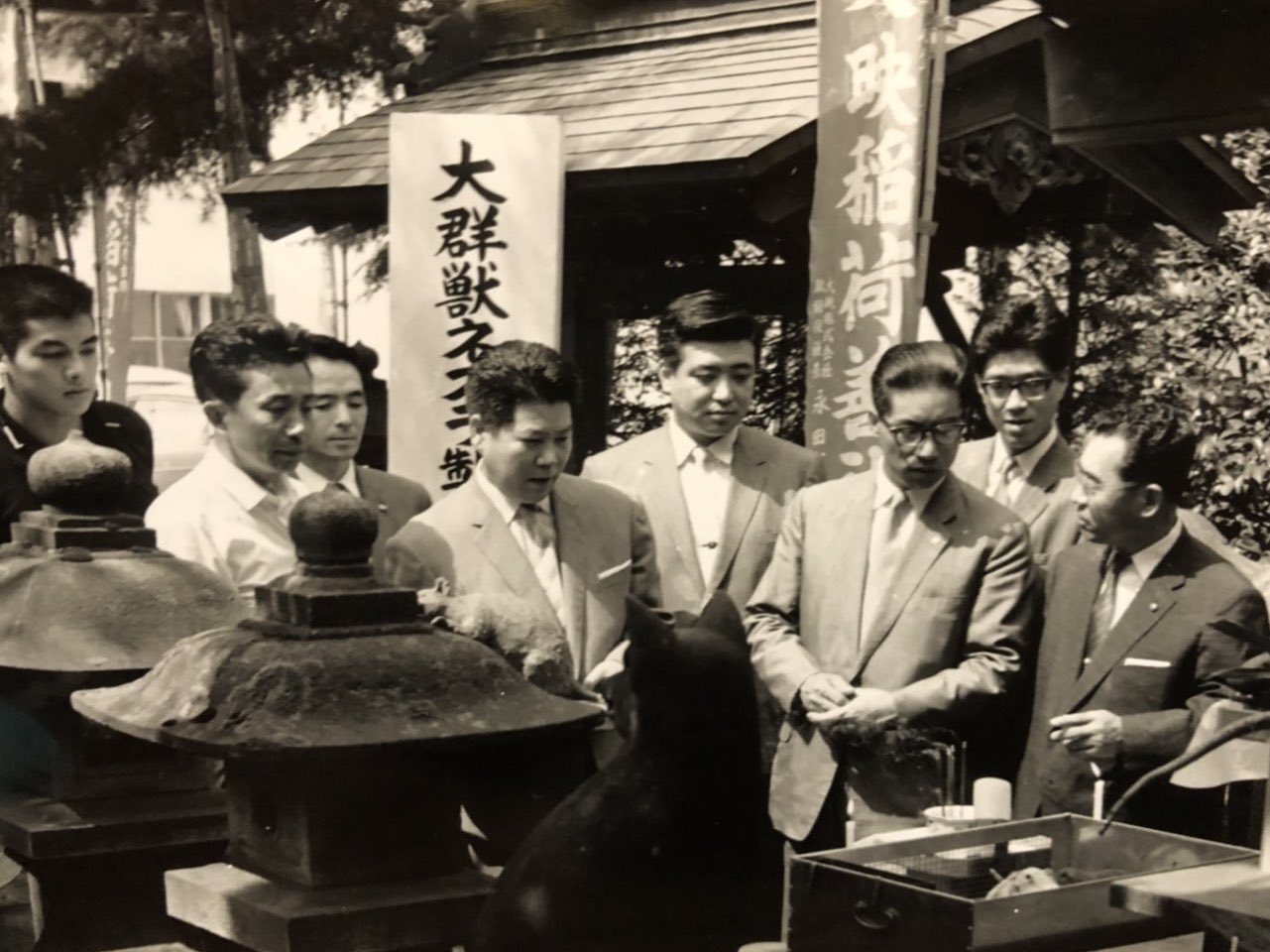
Though many of Tsukiji's works consisted of small-scale effects for dramas, his filmography includes several notable genre films. He collaborated with Matoba on Japan's first science-fiction film in color, Warning from Space (1956), and directed special effects sequences for such films as the blockbuster period pieces Nichiren—A Man of Many Miracles (1958) and The Great Wall (1962), and the sci-fi–infused action film Wind Velocity 75 Meters (1963). In 1963, Tsukiji conceived of a film about giant mutated rats attacking Japan, capitalizing on both the blossoming kaiju genre and Alfred Hitchcock's The Birds (1963). Entitled Giant Horde Beast Nezura, the film was scheduled for a New Year's 1964 release, but its production was forced to be canceled after the use of live rats proved a danger to health and safety.[8]
Though a failure, Nezura paved the way for Gamera the Giant Monster, which Tsukiji described as his "redemption".[9] After a turbulent production of its own, Gamera was released in 1965 to financial success. The film proved to be Tsukiji's last with Daiei, however, as he departed from the company in 1966 to found Tsukiji Special Effects Productions.[1][2] This came the year after Daiei Tokyo's only other special effects director, Matoba, had left to join Tsuburaya Productions in 1965, thus leaving Gamera director Noriaki Yuasa and his cameramen Kazufumi Fujii and Yuzo Kaneko to fill the void on Gamera vs. Barugon (1966) and all subsequent productions. Through his own firm, Tsukiji most famously produced the special effects for International Television Films' TV series Princess Comet (1967–1968).
Tsukiji became a film producer in his later years, and pushed for the creation of a reimagining of Nezura titled Nezoorabat, which never came to fruition.[10] He passed away on March 30, 2012.[citation needed]
Selected filmography
Director of special effects
- Warning from Space (1956) [uncredited; with Toru Matoba][11][12]
- Eye of the Jaguar (1956)
- Cave of the Blue Dragon (1956)
- Wind Velocity 75 Meters (1963)
- Giant Horde Beast Nezura (1963, canceled)
- Gamera the Giant Monster (1965)
- Gamera Super Monster (1980) [stock footage][d]
Interviewee
- "Daiei Tokusatsu Spectacle Box" (LD 1999)
- "Special Photographer Yonesaburo Tsukiji Interview" (DVD 2001)
- "Director Yonesaburo Tsukiji, the Father of Daiei Tokusatsu, Speaks" (TV 2010)[13]
Gallery
-
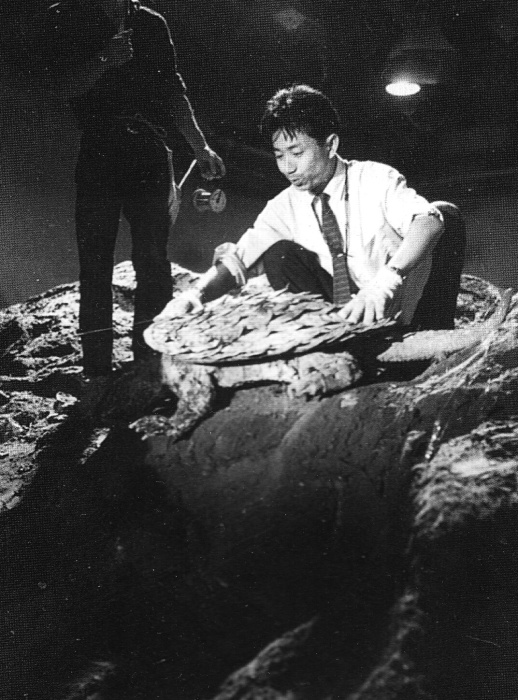
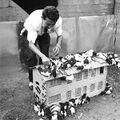 Tsukiji corraling rats for Giant Horde Beast Nezura
 -
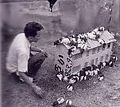
-
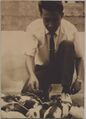
-
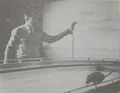 Tsukiji on Nezura's highway set
 -
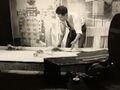
-
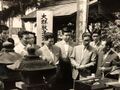 Tsukiji (second from left) attending a ceremony for the rats killed in Nezura's production
 -
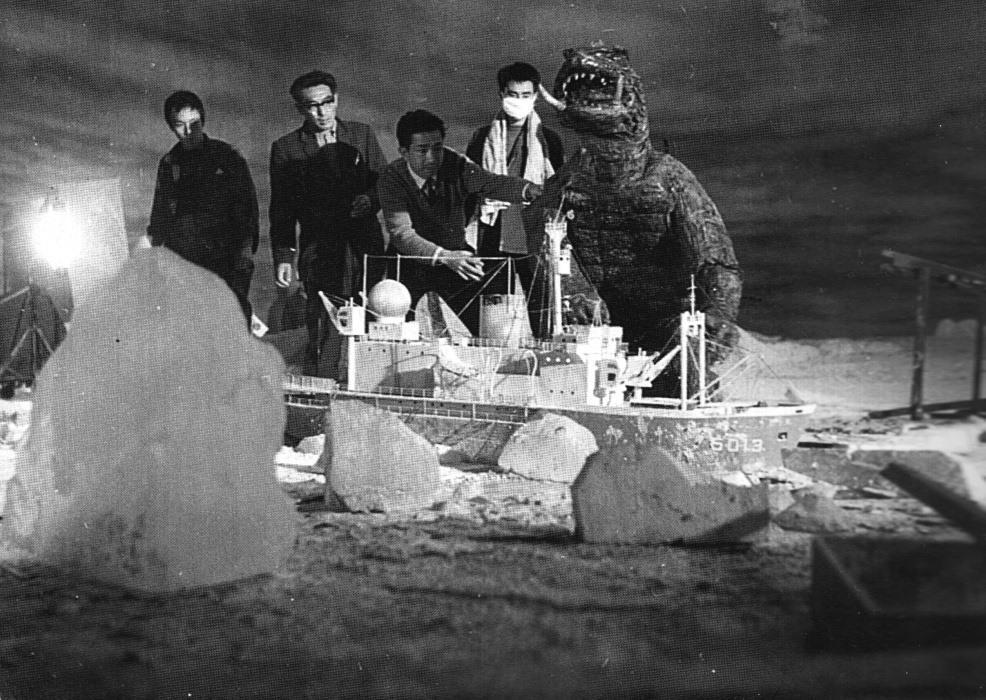
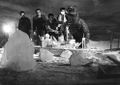 Tsukiji (middle) on the North Pole set of Gamera the Giant Monster
 -
 Tsukiji with a Gamera scale model
Videos
|
Trivia
- Former Daiei production manager Kiyoshi Kawamura included a character based on Tsukiji, named Yonegoro Tsukioka, in a fictionalized account of the company's downfall titled "Gomera's Flute." Tsukiji also directly inspired Yonejiro Tsukaji, played by Masanori Kikuzawa, from 3Y's 2020 Giant Horde Beast Nezura biopic Nezura 1964. His granddaughter Mari cooperated with the film's production, receiving a special thanks in the end credits, and attended a promotional event for the film ahead of its release.[14]
- Tsukiji was initially attached to helm The Whale God (1962)'s special effects, even completing preparations, but was suddenly assigned to The Great Wall (also 1962) and replaced by Toru Matoba.[15]
- The same year that Tsukiji directed the special effects for Noriaki Yuasa's Gamera the Giant Monster (1965), Yuasa worked as his assistant director on the war film Zero-Fighters.[16]
- Tsukiji became close friends with Toho special effects director Eiji Tsuburaya, which he attributed to a shared interest in compositing. Their bond grew in the mid-to-late-1950s when, after Daiei technicians had discovered their own method of developing color film, Tsukiji passed along information about the process to Tsuburaya's compositor, Hiroshi Mukoyama. As a favor to Tsukiji, Tsuburaya lent him several miniature planes from Toho for use in Daiei's film Zero-Fighters.[9]
- Tsukiji was known to be averse to sharing his rushes.[17] In a 1984 interview, he recalled that during the production of Kozaburo Yoshimura's Night Butterflies (1957), Yoshimura watched his rushes and complained that the footage was unusable. Tsukiji lied that he would have the scene reshot, but in actuality just edited down the existing footage, and was praised by Yoshimura for how it turned out. He concluded, "This is why I often say inexperienced filmmakers can't be shown [footage] until it's finished".[9]
External links
Notes
- ↑ Multiple 1980s publications report Tsukiji's year of birth as Taishō 11 (1922),[1][2] while the interview from the 1999 LaserDisc set Daiei Tokusatsu Spectacle Box states 1923.[3] His birthday has sometimes been misreported as August 5, but the correct day is August 15 according to his granddaughter Mari.[4]
- ↑ Sources disagree on whether his employment began in 1937[5] or 1939.[1]
- ↑ Sources disagree on whether Tsukiji was promoted to effects work in 1946[7] or 1956.[1] The former seems more likely due to, as mentioned hereafter, Tsukiji having credited work as early as 1948.
- ↑ Credited alongside special effects cinematographers Kazufumi Fujii (Gamera vs. Barugon–Guiron and Zigra) and Yuzo Kaneko (Jiger).
References
This is a list of references for Yonesaburo Tsukiji. These citations are used to identify the reliable sources on which this article is based. These references appear inside articles in the form of superscript numbers, which look like this: [1]
Bibliography/videography
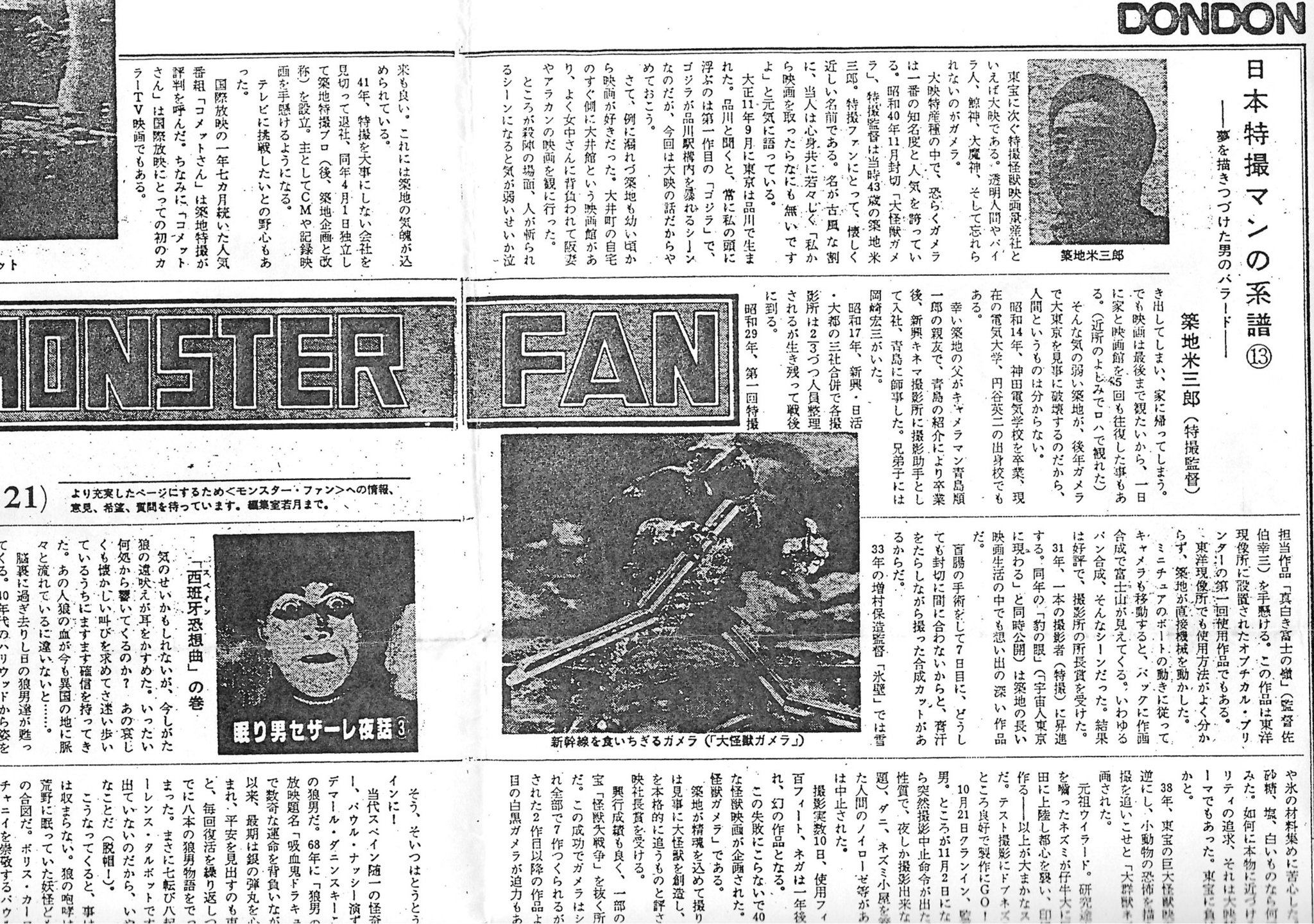
- Ikeya, Noriyoshi (26 November 1984). Daiei Special Effects Collection: Daimajin. Tokuma Shoten.
- Daiei Tokusatsu Spectacle Box (Interview). Daiei Video. 1999 – via YouTube.
- Shimizu, Takashi; Makuta, Keita; Motoyama, Sho (20 July 2010). Daiei Tokusatsu Movie Chronicle. Kadokawa Shoten Publishing. ISBN 978-4-04-854511-2.
|
| ||
Comments
Showing 0 comments. When commenting, please remain respectful of other users, stay on topic, and avoid role-playing and excessive punctuation. Comments which violate these guidelines may be removed by administrators.

|