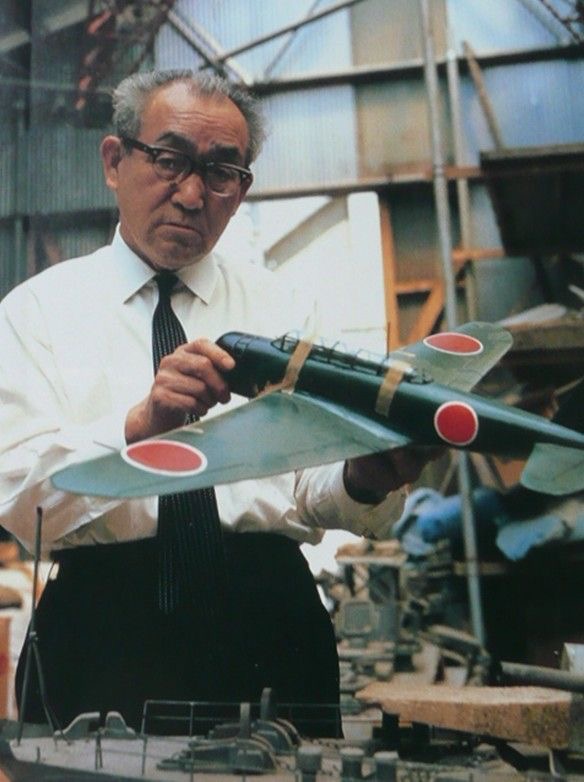
My heart and mind are as they were when I was a child. Then I loved to play with toys and to read stories of magic. I still do. My wish is only to make life happier and more beautiful for those who will go and see my films of fantasy.
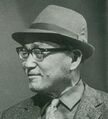
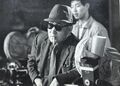
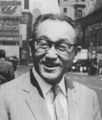
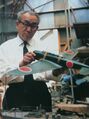
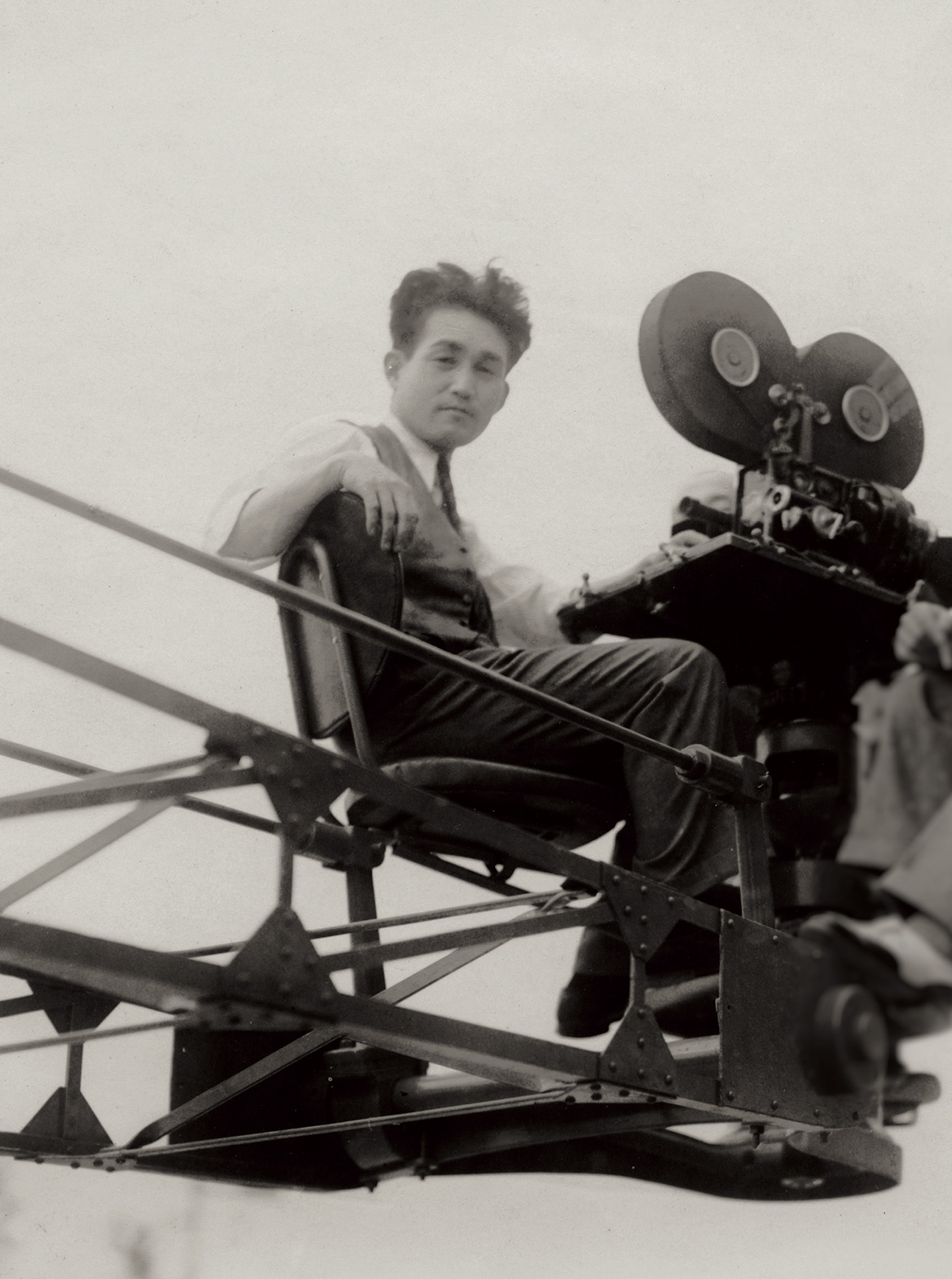
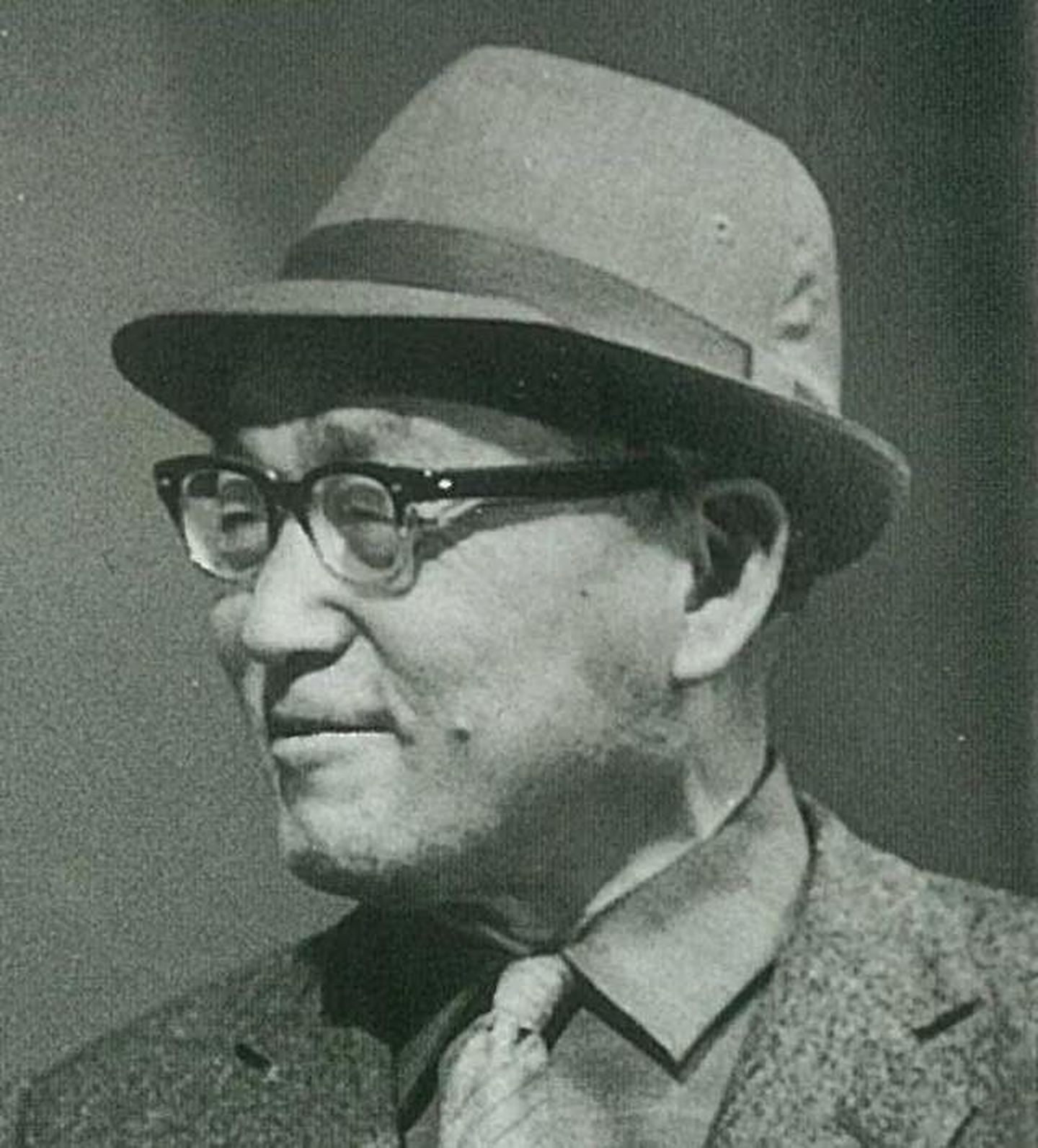
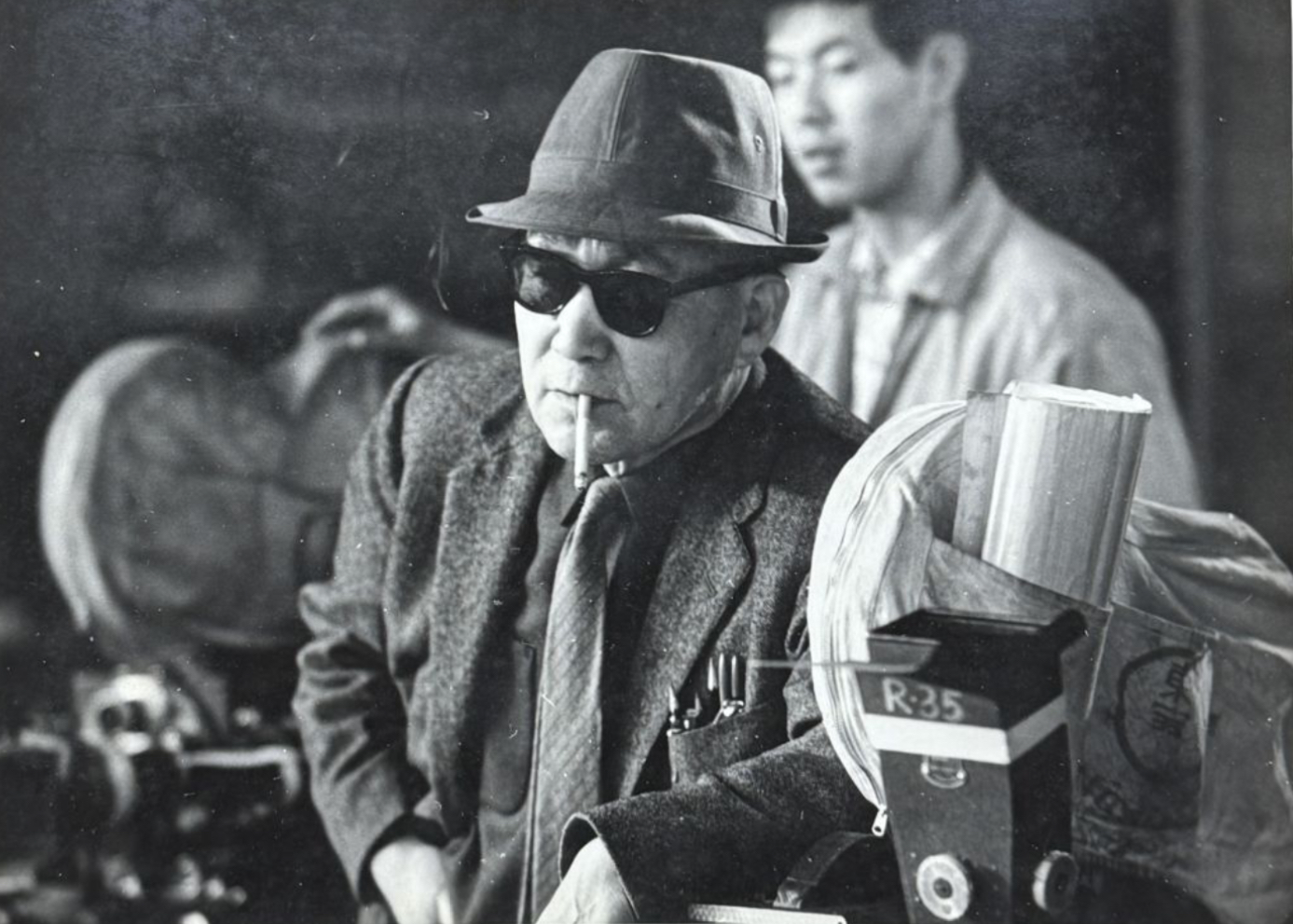
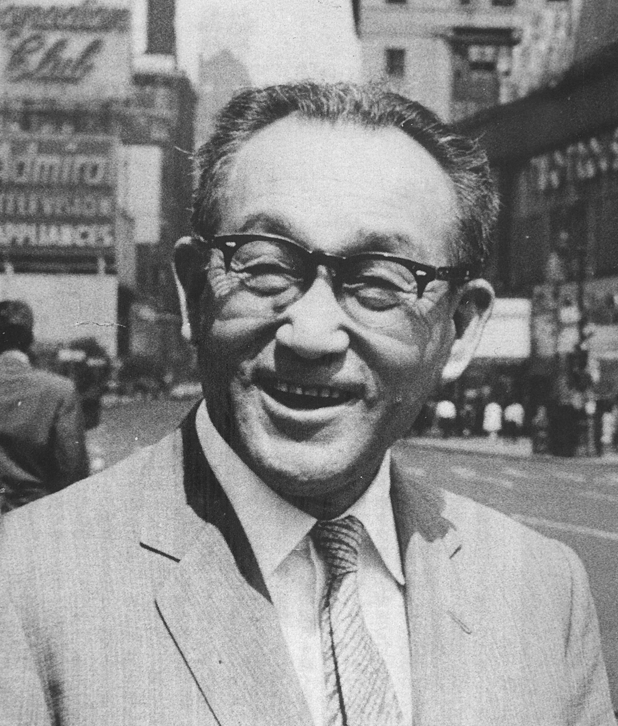
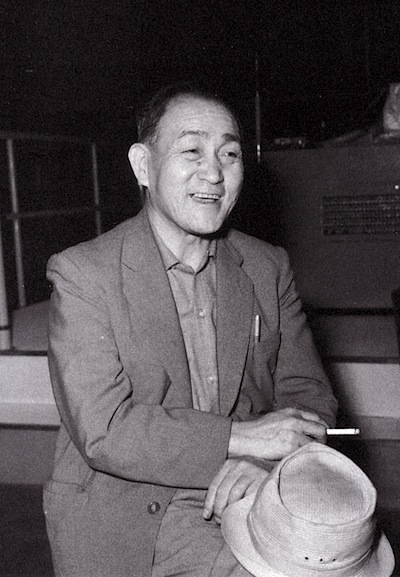
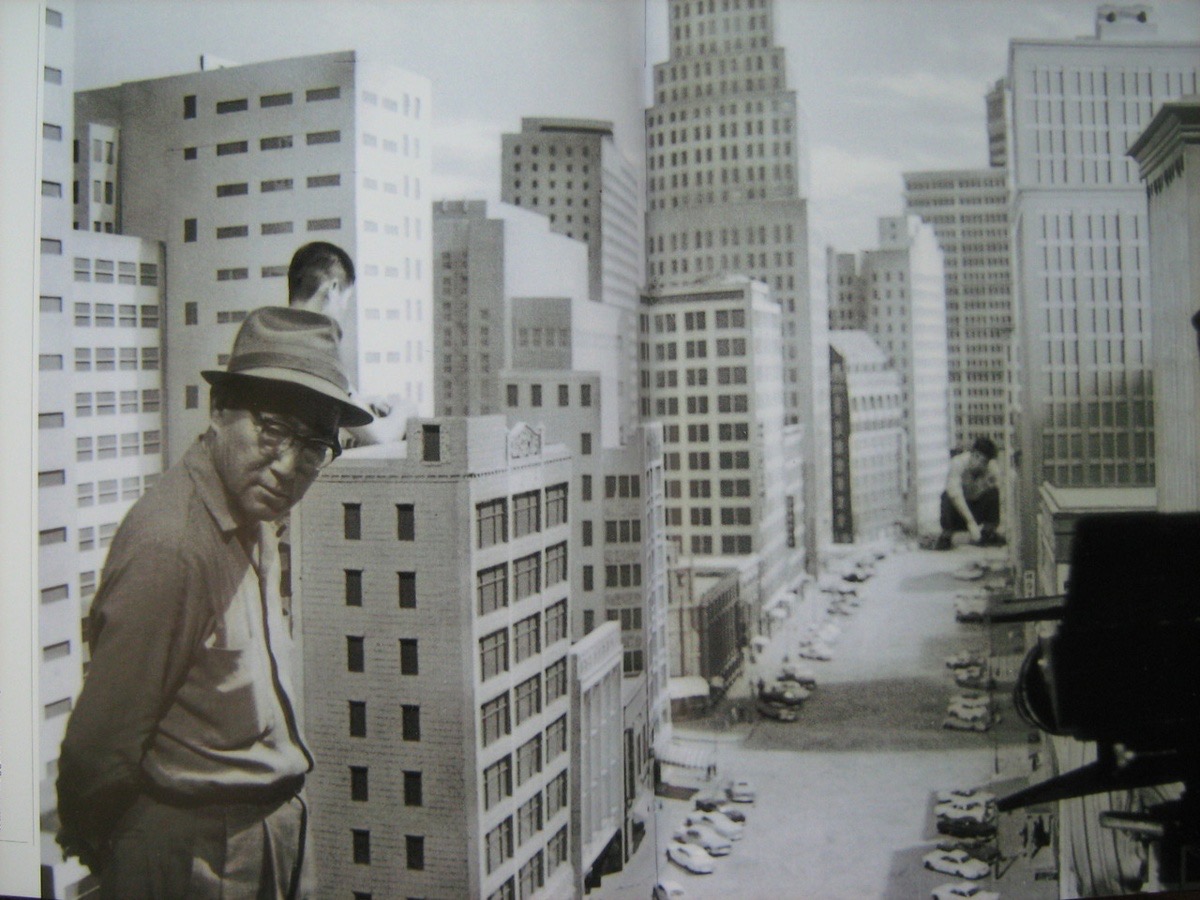
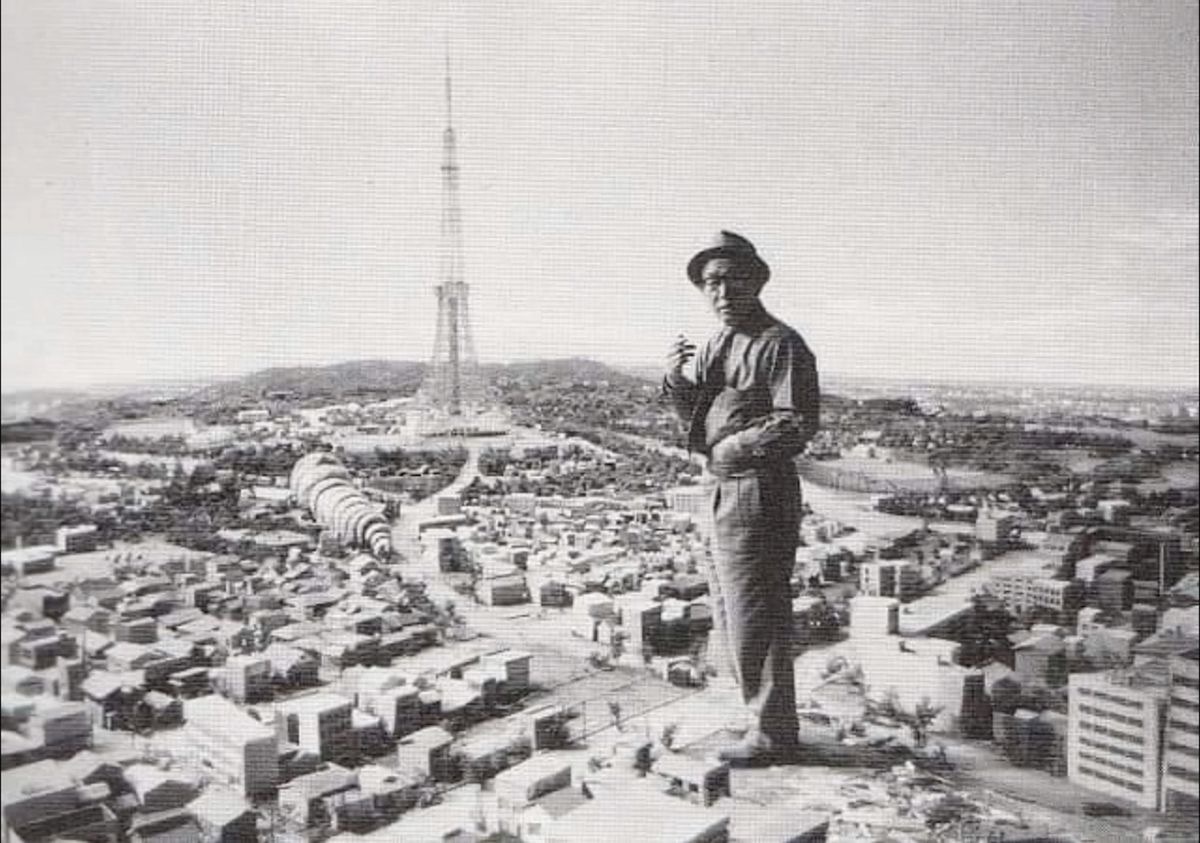
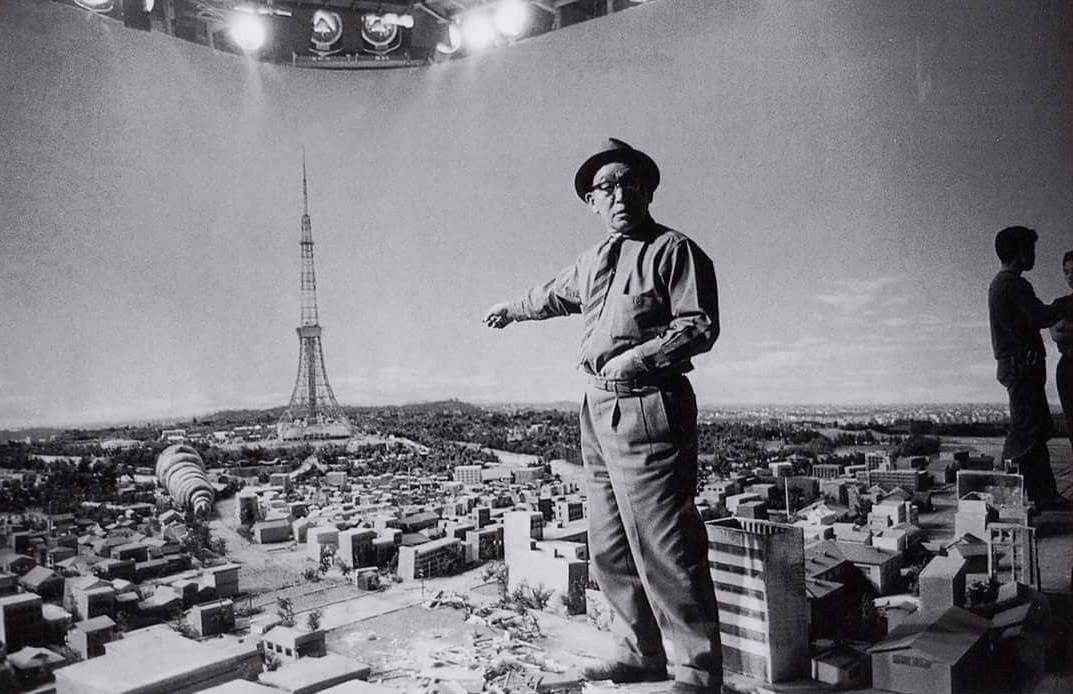
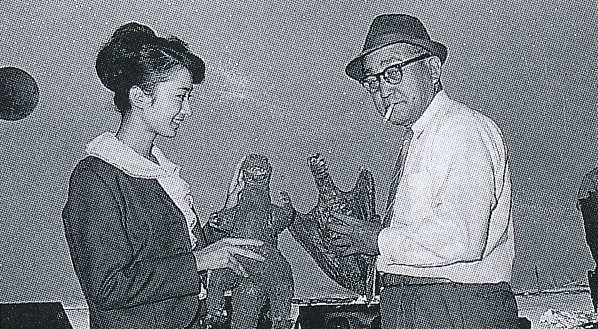
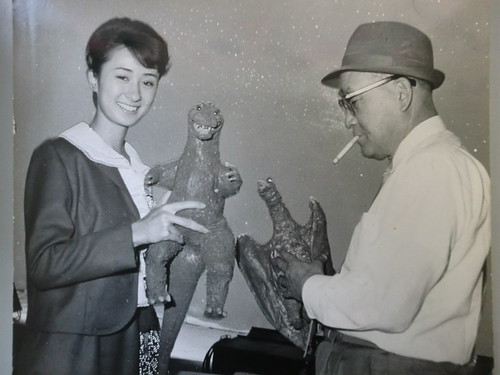
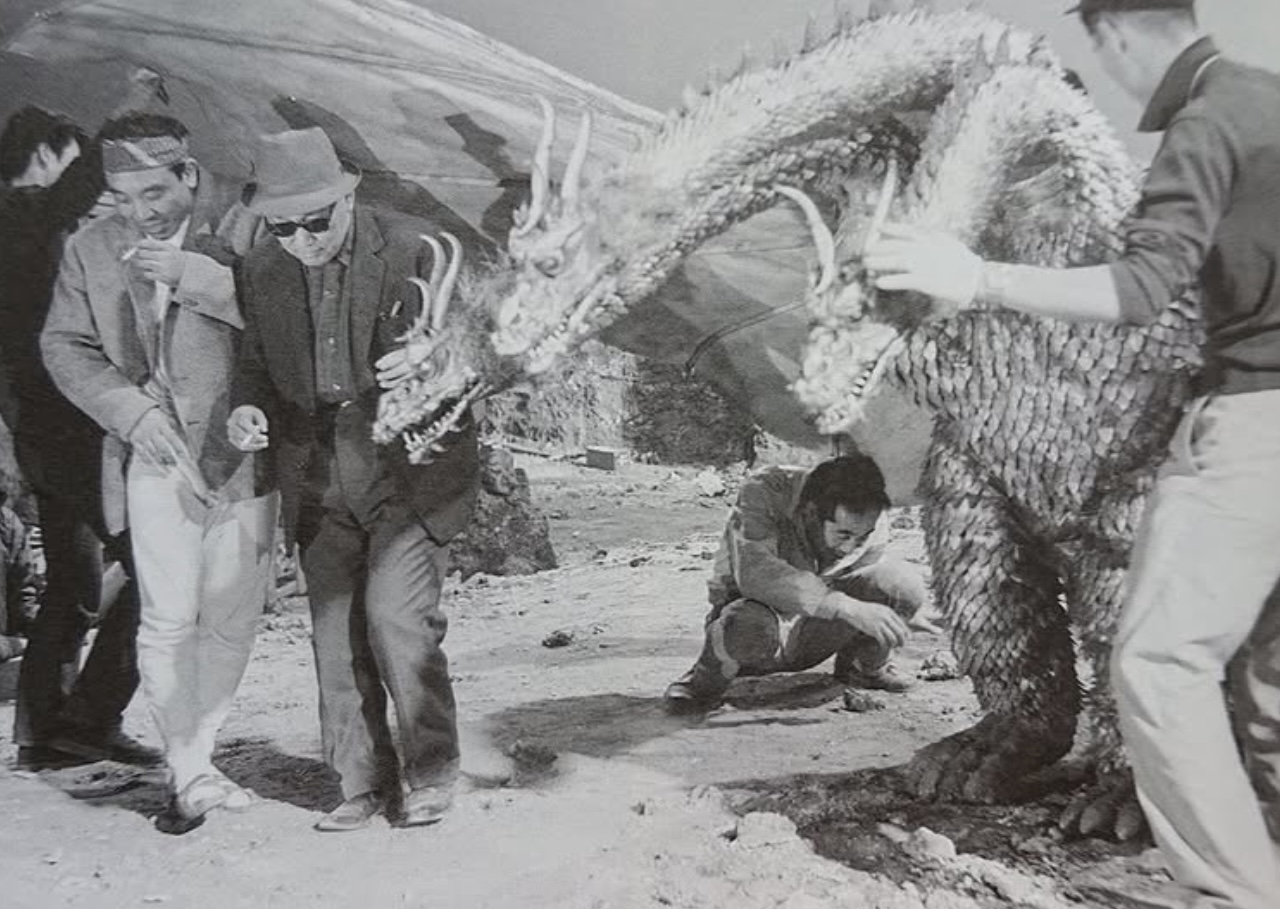
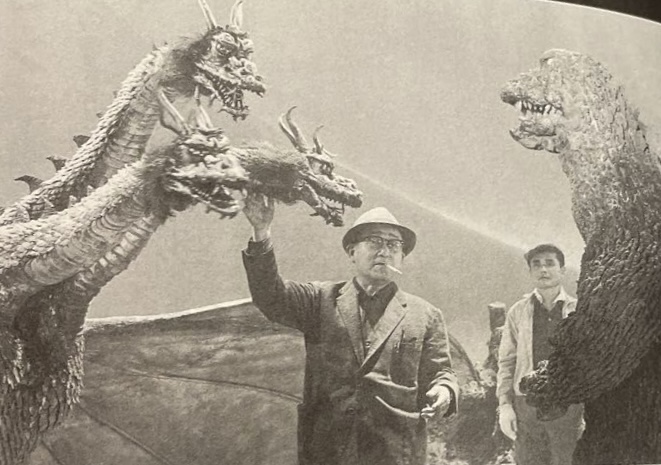
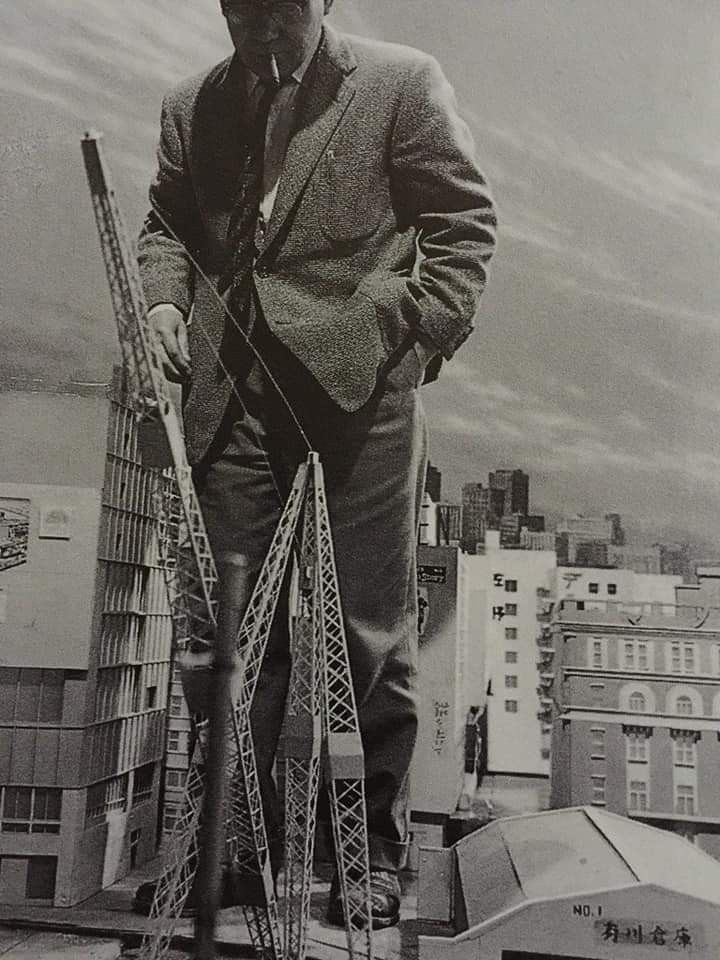
Eiji Tsuburaya(円谷 英二, Tsuburaya Eiji), born Eiichi Tsumuraya(圓谷 英一, Tsumuraya Eiichi), was a Japanese special effects director and cameraman. Tsuburaya rose to fame primarily due to his work on Toho's war, kaiju, and science fiction films between the 1940s and 60s, when he pioneered various tokusatsu (special effects) techniques such as suitmation. Tsuburaya was one of the creators of Godzilla, who would go on to become Toho's most famous creation and an international icon.
In 1963, Tsuburaya founded his own special effects studio, Tsuburaya Productions, which would become known for producing the Ultra Series. Tsuburaya himself served as supervisor for several of the studio's early tokusatsu television series, including Ultra Q, Ultraman and Ultraseven. Toward the end of his life, Tsuburaya received honorary credit for directing or supervising the special effects on some of Toho's kaiju films, even though his responsibilities with his own company and later declining health limited his involvement. Tsuburaya's duties at Toho would be taken up by his understudies Sadamasa Arikawa and Teruyoshi Nakano following his death from a heart attack on January 25, 1970.[3] Tsuburaya Productions continued operating under his family until 2007, when it was acquired by TYO Inc. On January 11, 2019, the Eiji Tsuburaya Museum opened in his hometown of Sukagawa, commemorating his life and films.[6]
A scientist named Eiji Tsuburaya appears in the Challenge of the GoBots episode "Destroy All Guardians." He creates the dinosaurs Ichigar, Kaitodan, and Jerigan - stand-ins for Godzilla, Rodan, and Baragon, respectively.
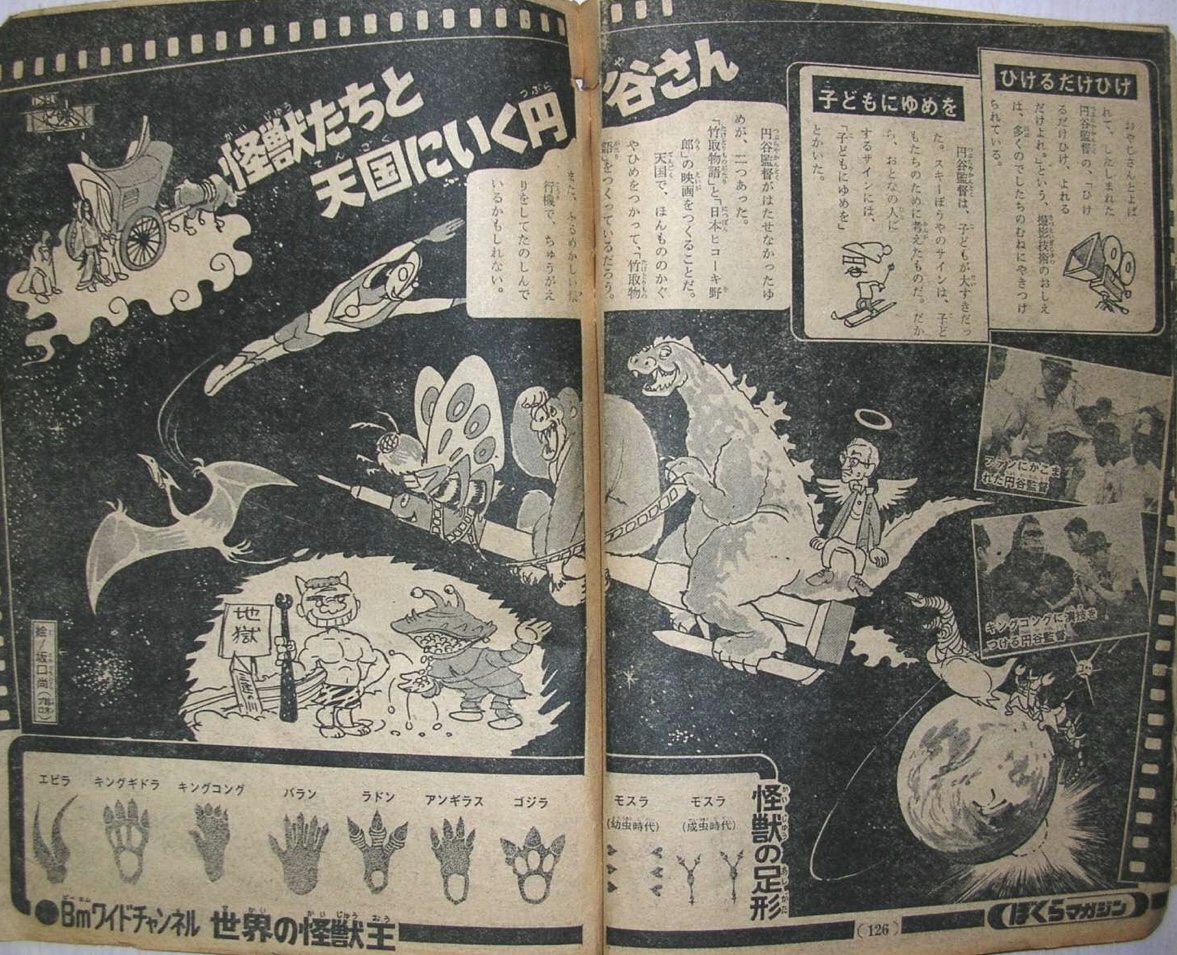
In 1962, Tsuburaya made preparations for a film adaptation of The Tale of the Bamboo Cutter, the same story upon which his special effects debut Princess Kaguya (1935) was based. Though he shelved the project to work on King Kong vs. Godzilla that year,[17] he penned a script for "Princess Kaguya" years later while being treated in a hospital in Izu, but passed away soon after.[2] His first son Hajime attempted to realize the idea in his stead,[18] recruiting Hiroyasu Yamaura to write a screenplay and Yoshiyuki Kuroda to direct, but this too fell through after Hajime's own death in 1973 on the same day that the film was scheduled to begin shooting.[19]Toho Pictures would ultimately produce an unrelated movie adaptation of The Tale of the Bamboo Cutter with Fuji TV, entitled Princess from the Moon (1987), which featured effects by Tsuburaya's protégé Teruyoshi Nakano.
↑While Eiji Tsuburaya's family registry says that he was born on July 10,[1] he, his family, and Tsuburaya Productions give his birthdate as July 7.[2] The latter date has special significance, as it is the high day of the Japanese star festival Tanabata. Still other sources give a birth date of July 5.[2]
This is a list of references for Eiji Tsuburaya. These citations are used to identify the reliable sources on which this article is based. These references appear inside articles in the form of superscript numbers, which look like this: [1]
Showing 19 comments. When commenting, please remain respectful of other users, stay on topic, and avoid role-playing and excessive punctuation. Comments which violate these guidelines may be removed by administrators.




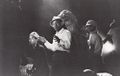
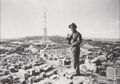
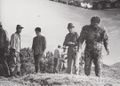
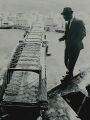
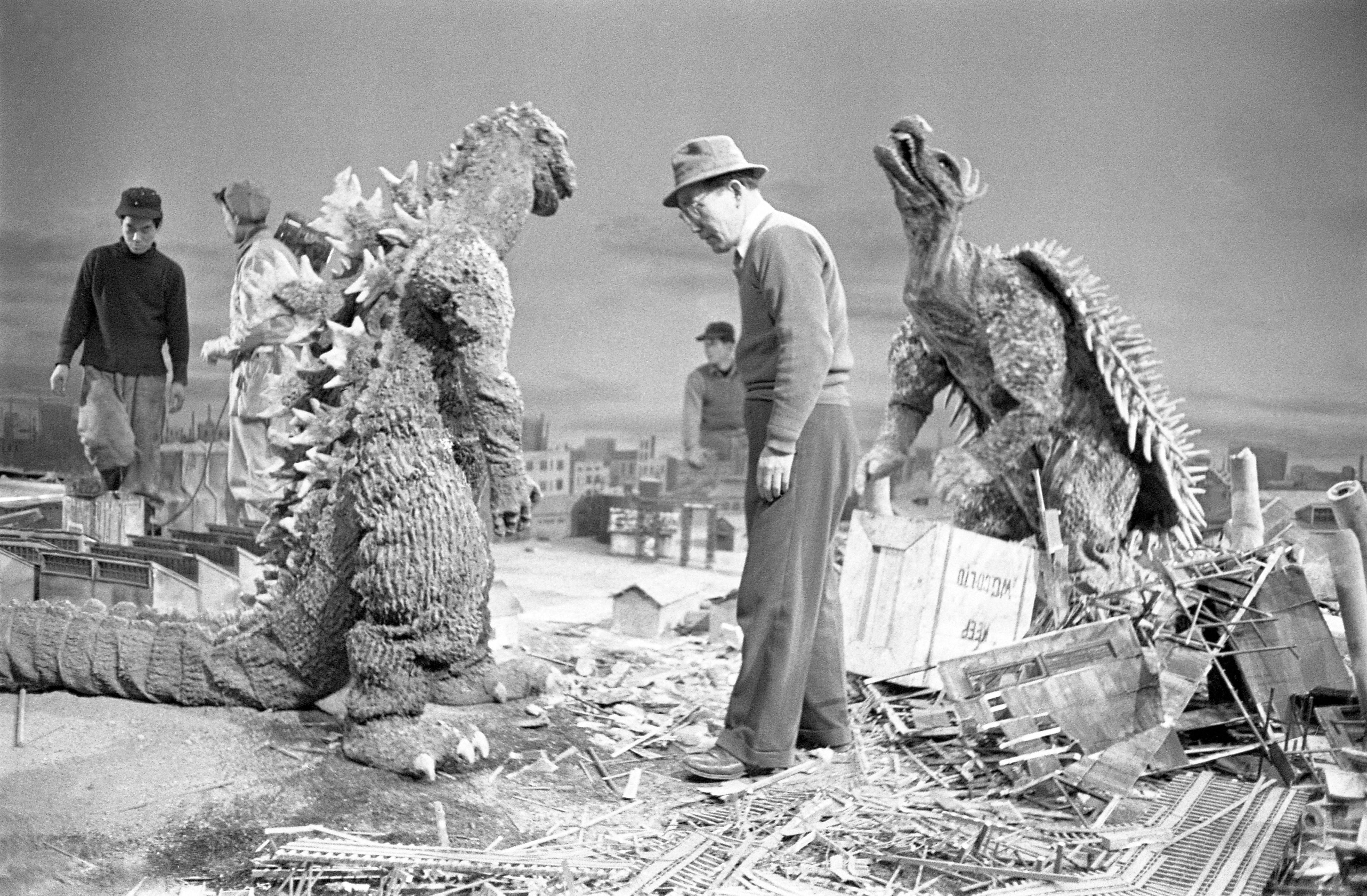
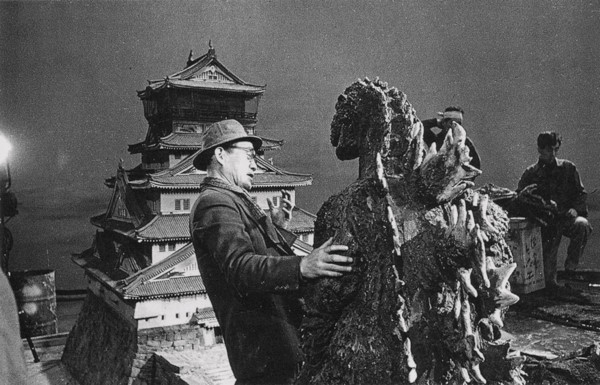
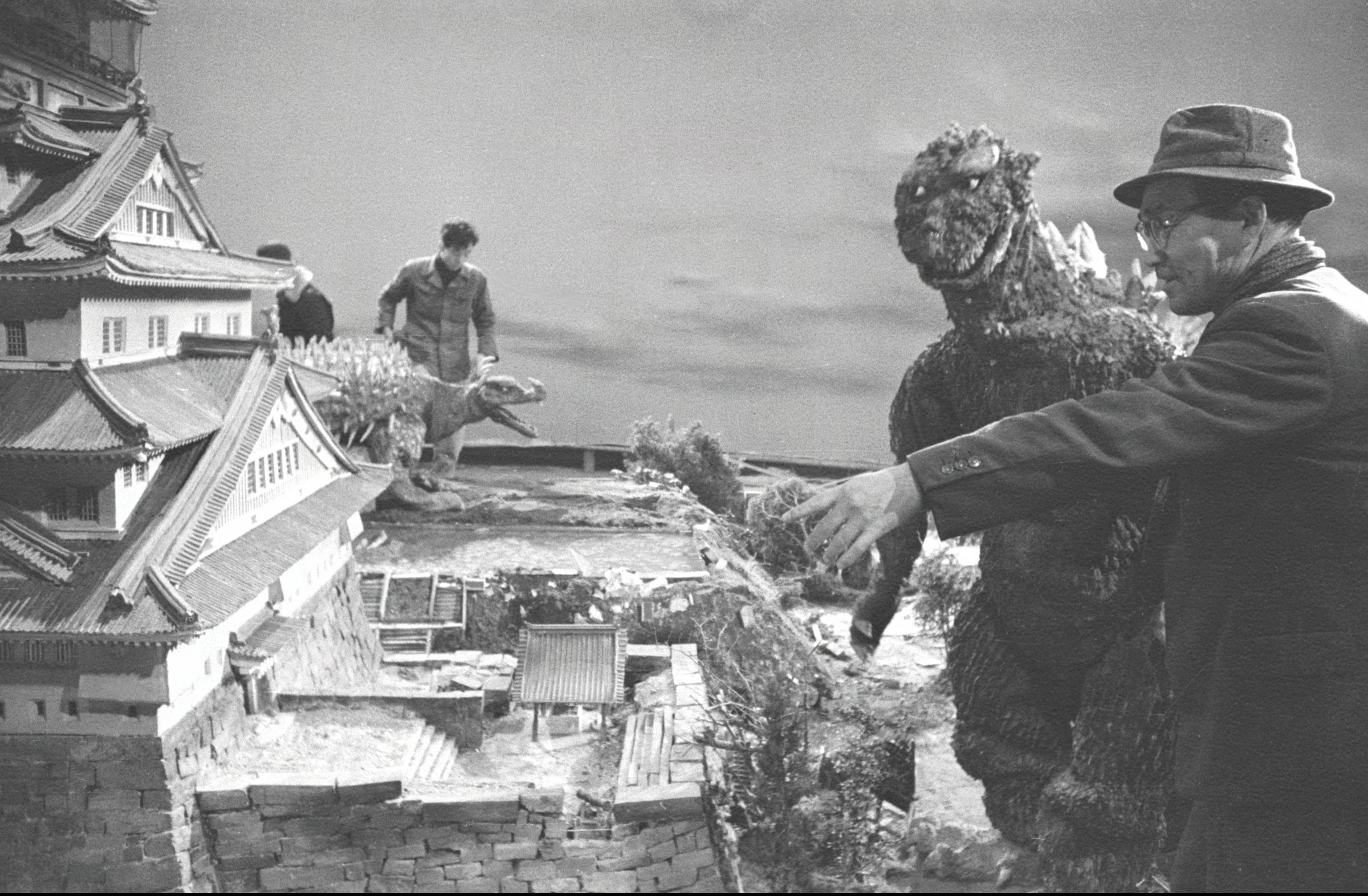
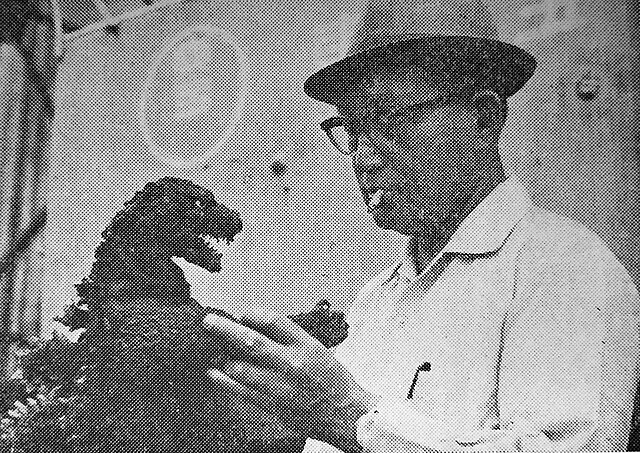
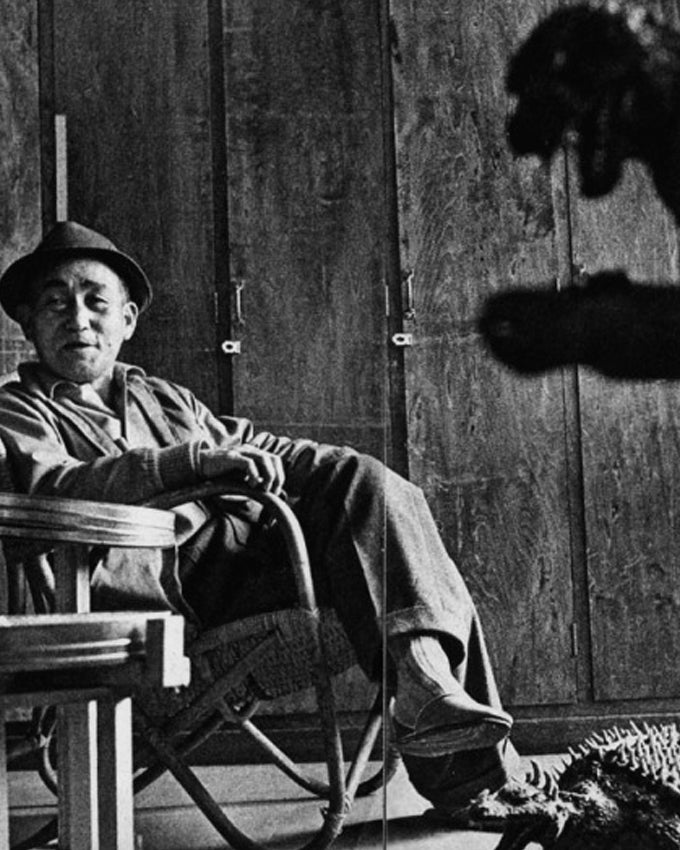
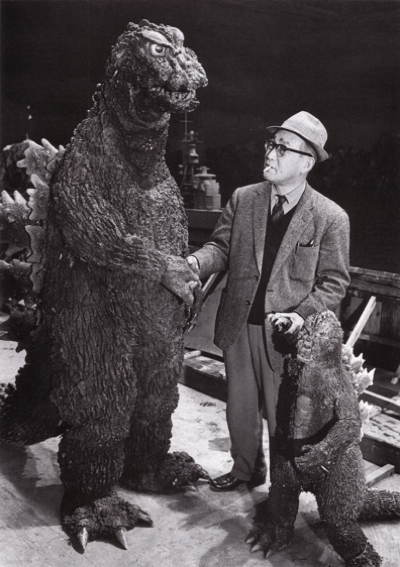
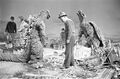 Tsuburaya on the set of Godzilla Raids Again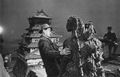
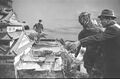
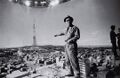
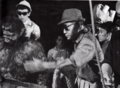
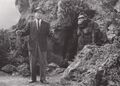
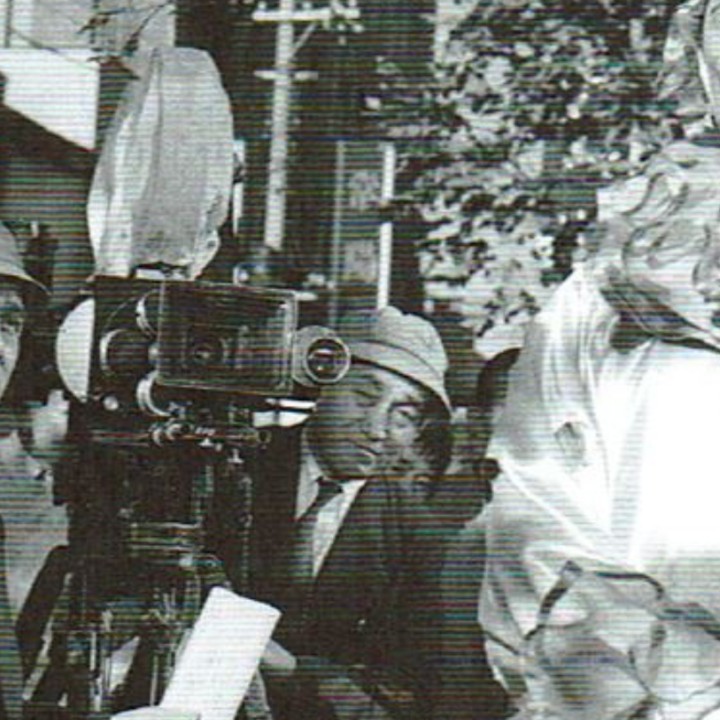
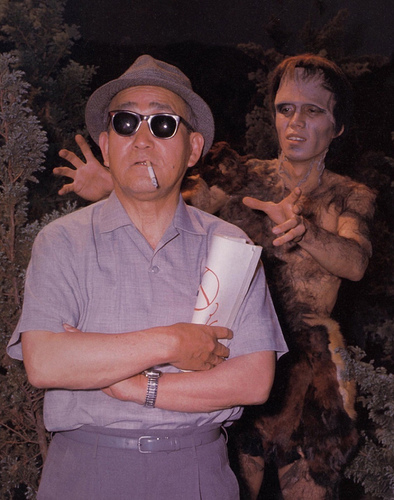
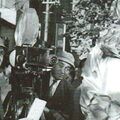 Tsuburaya on the set of Invisible Man
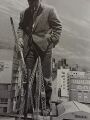
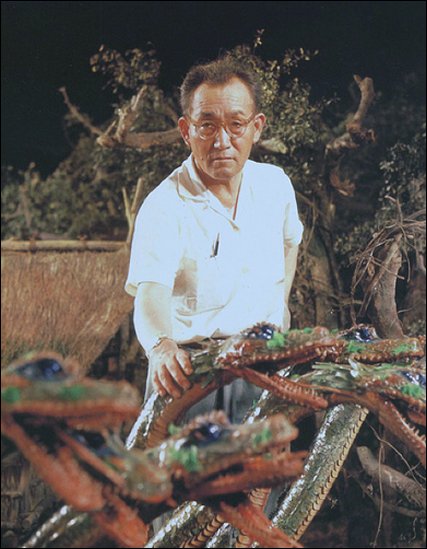
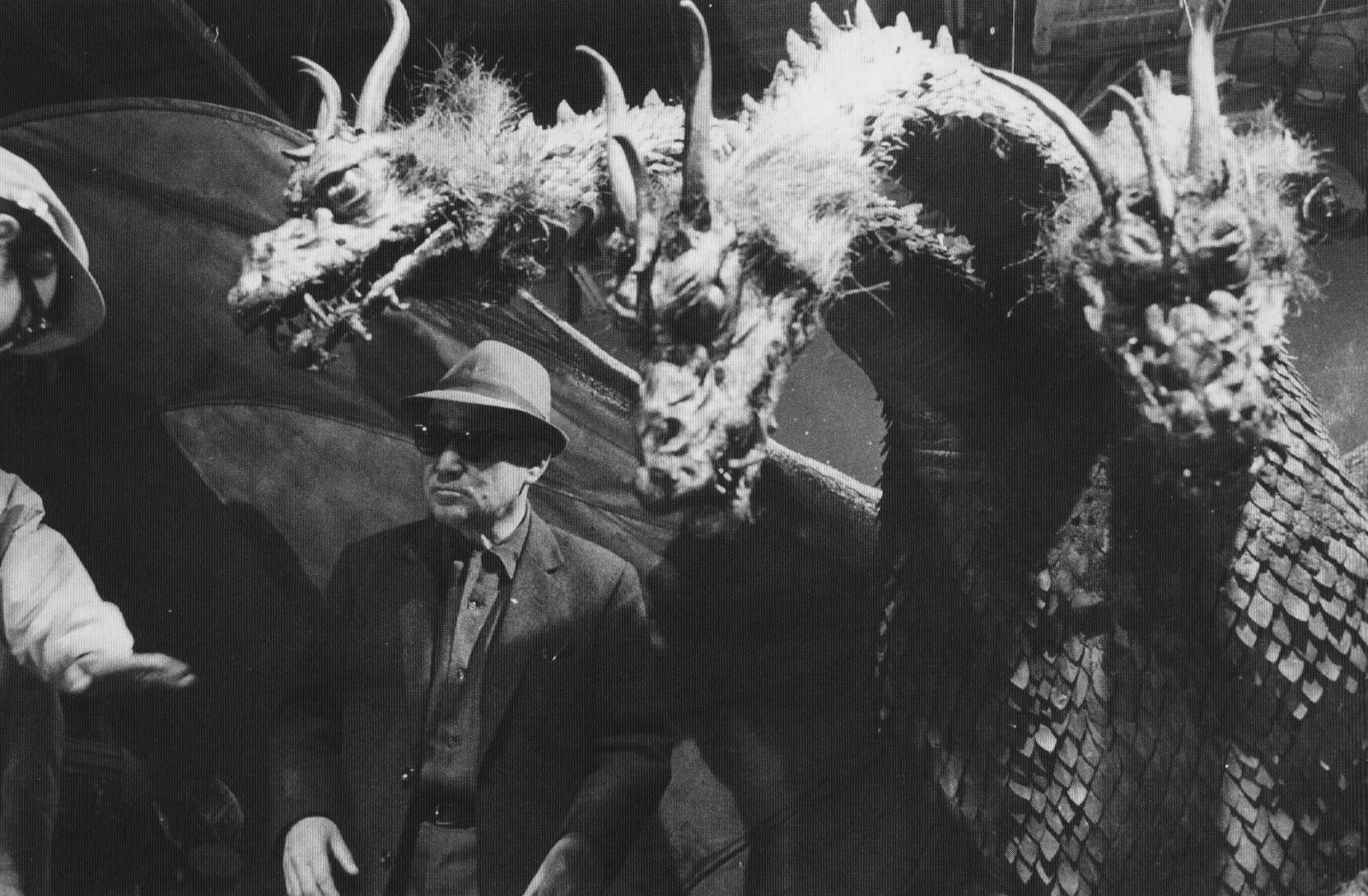
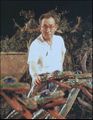 Tsuburaya with the Yamata no Orochi puppet on the set of The Three Treasures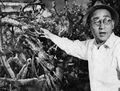
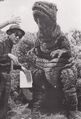
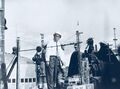 Tsuburaya with the Rodan suit on the set of Rodan (film)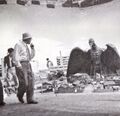
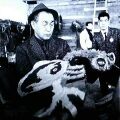
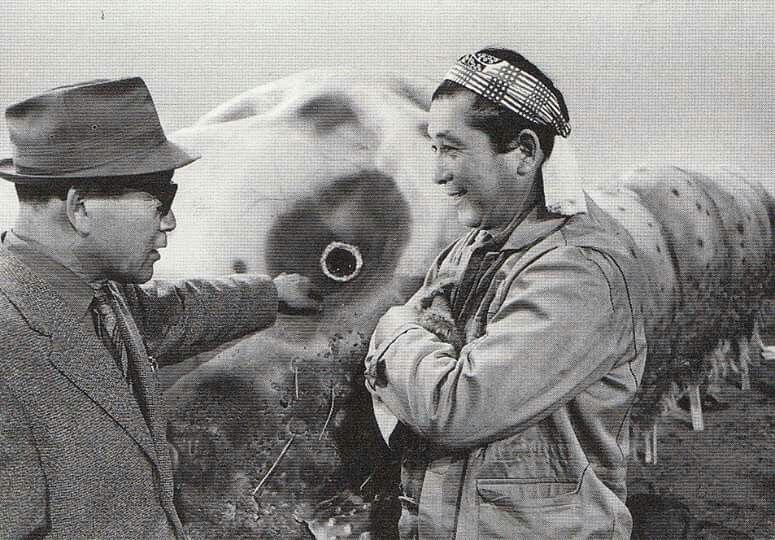
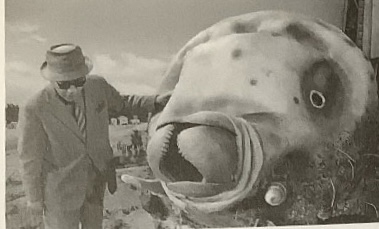
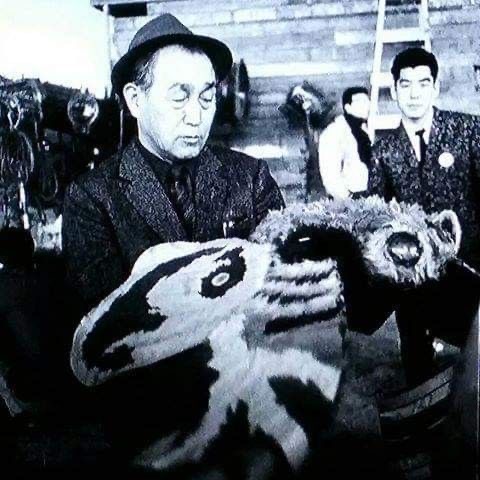
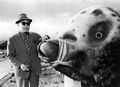 Tsuburaya with the Mothra larva suit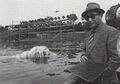
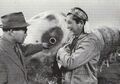
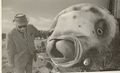
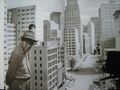
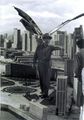
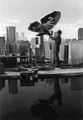
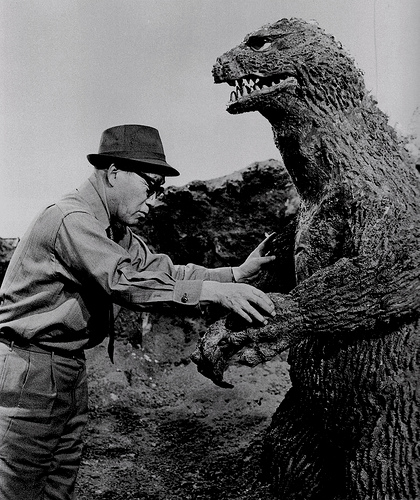
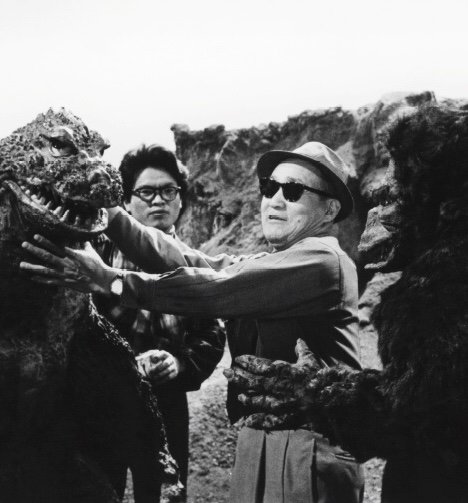
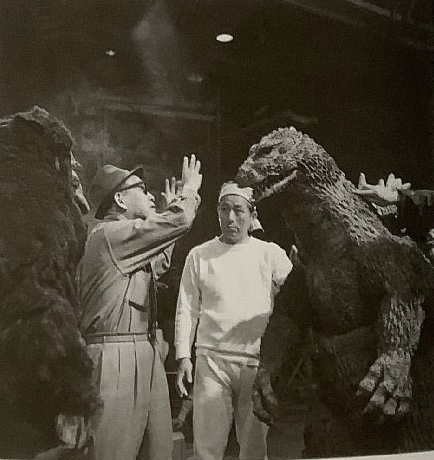
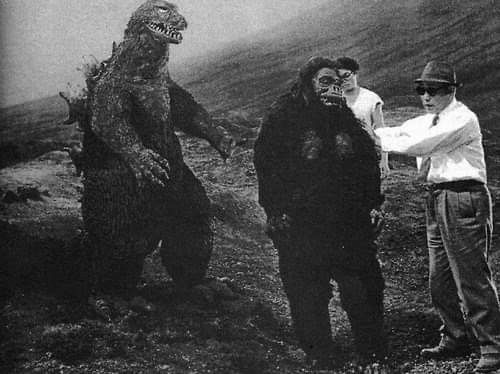
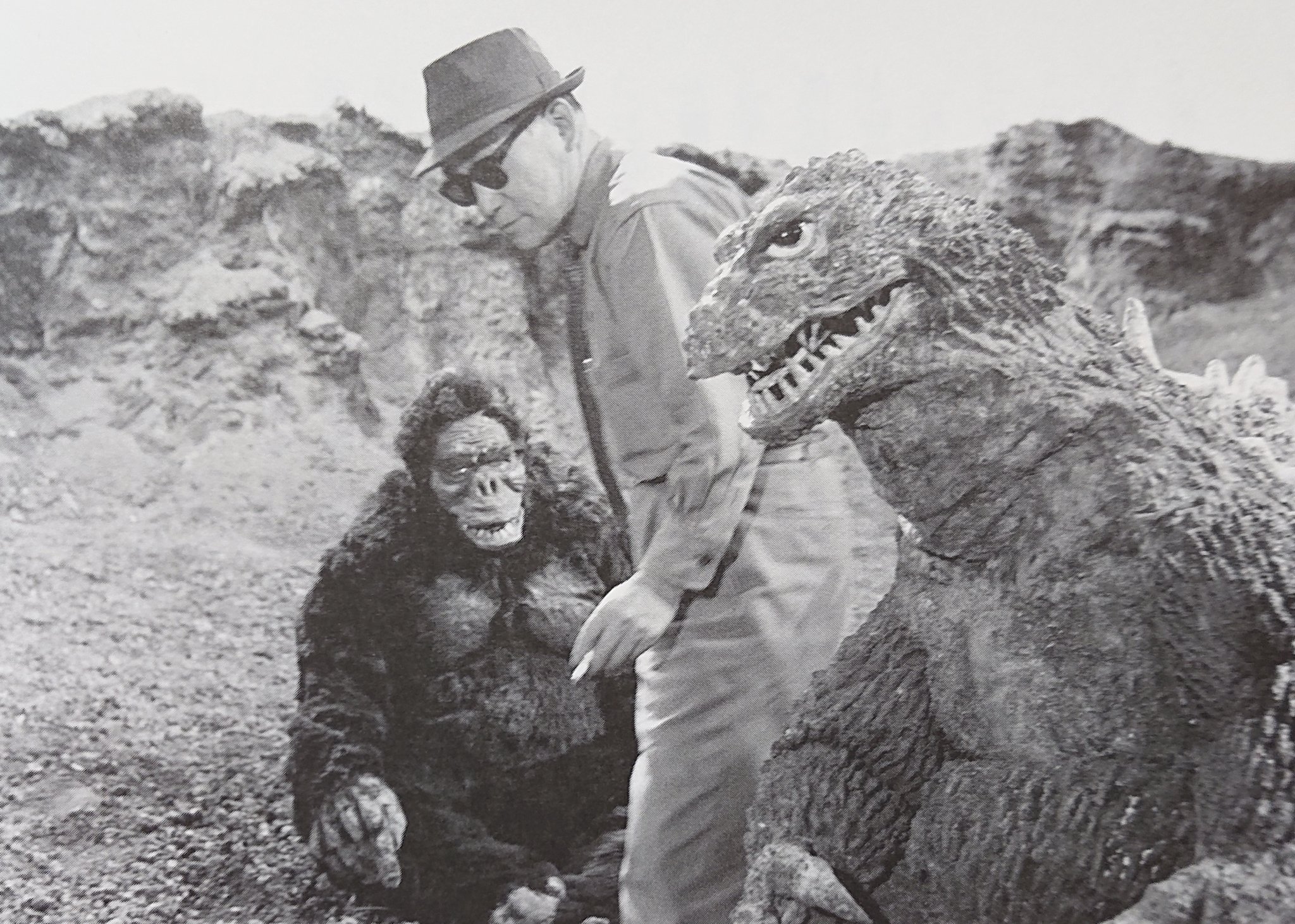
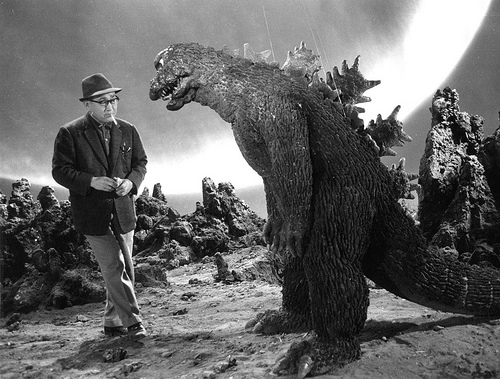
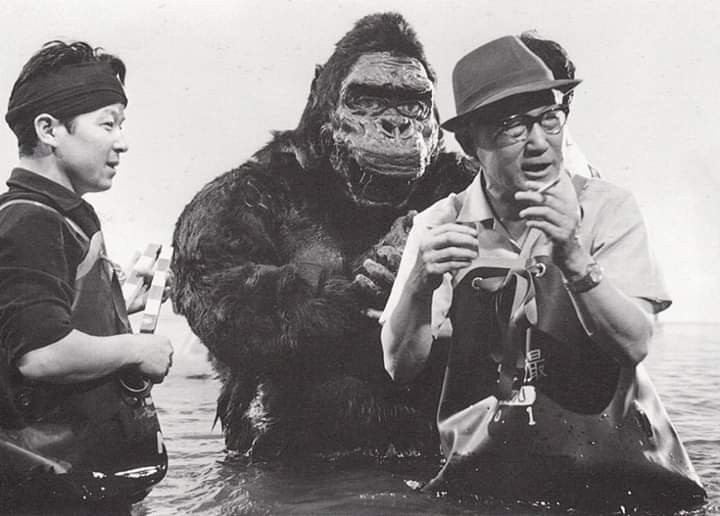
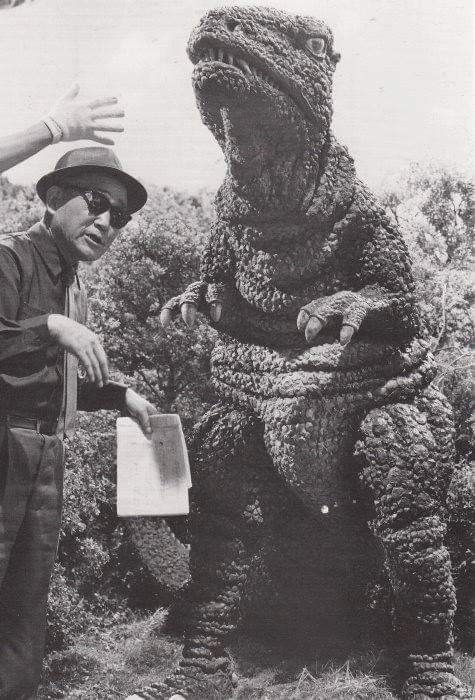
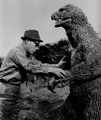 Tsuburaya with the KingGoji suit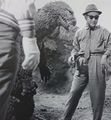
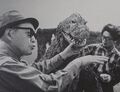
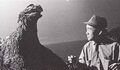
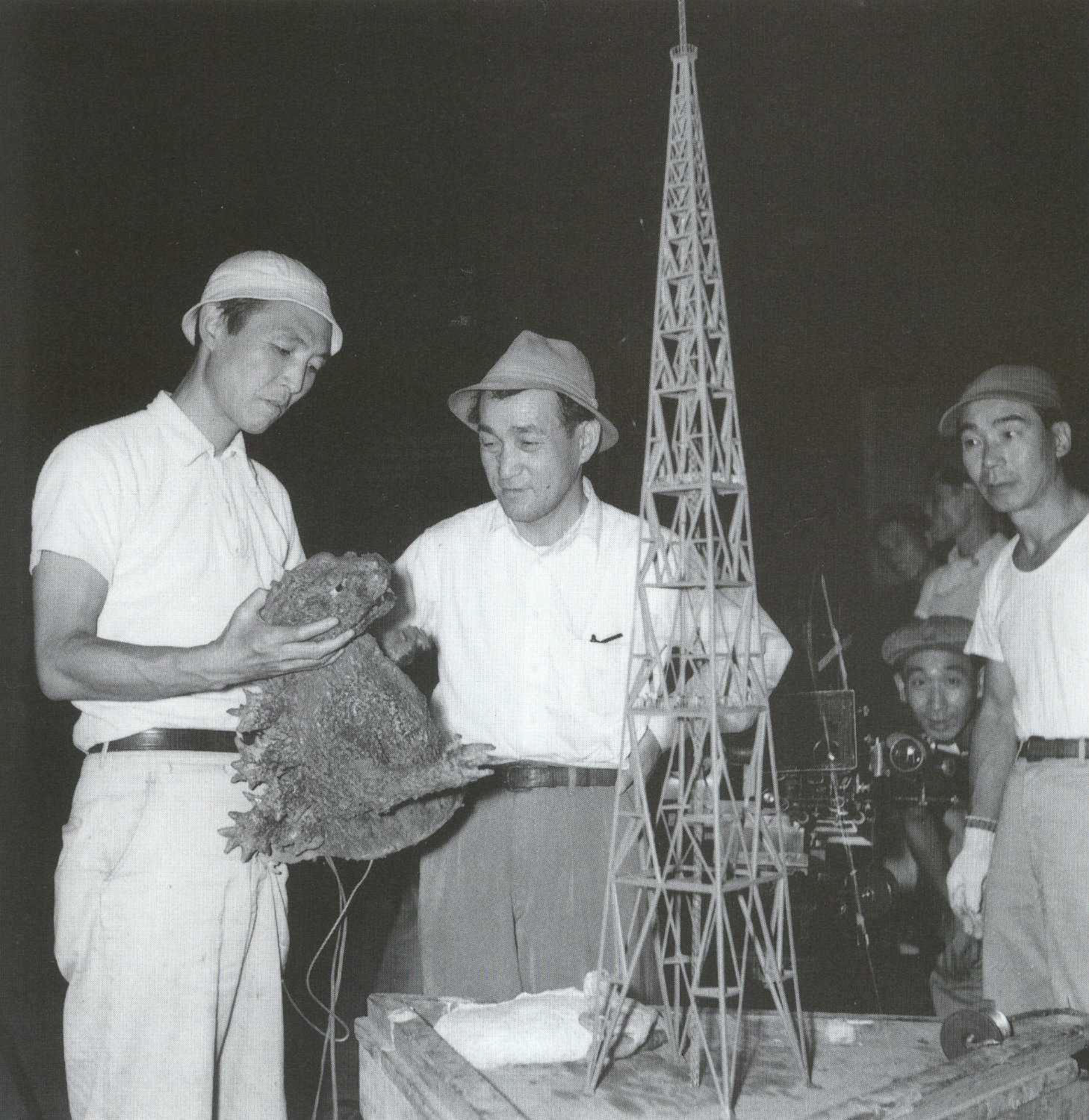
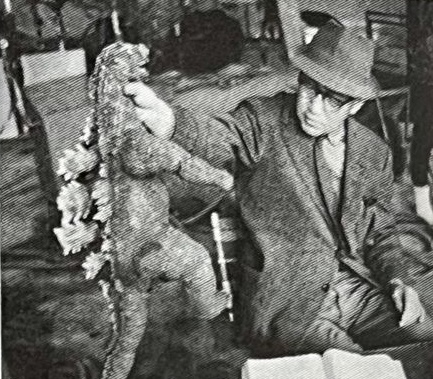
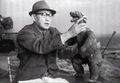 Tsuburaya with the Godzilla stop motion puppet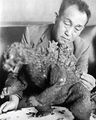
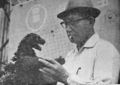
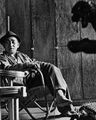
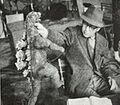
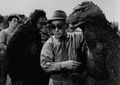
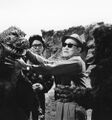
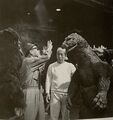
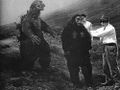
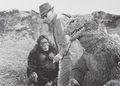
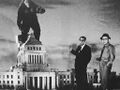
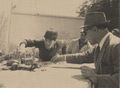
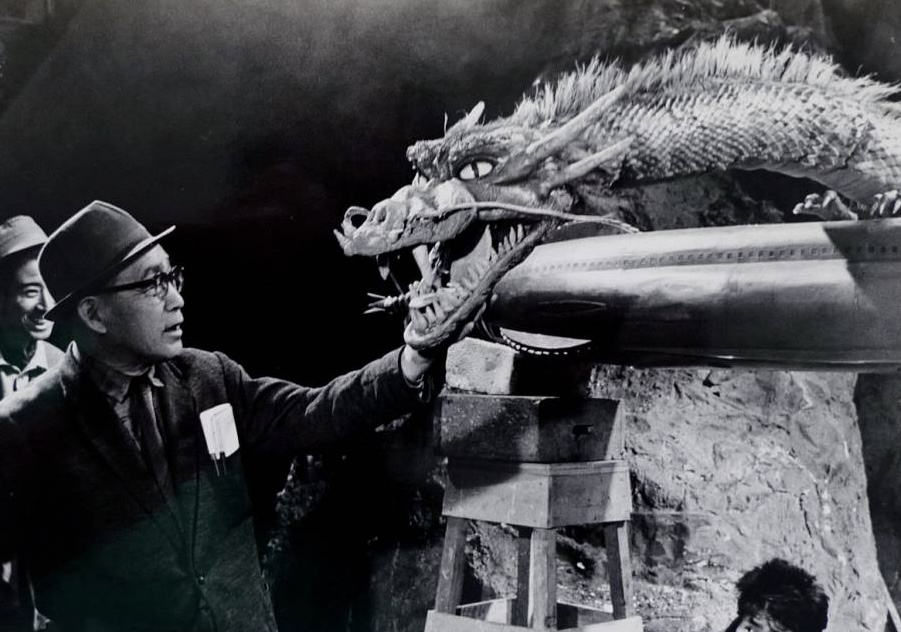
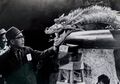 Tsuburaya with the Manda puppet on the set of Atragon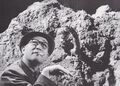
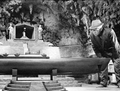
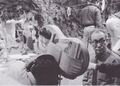
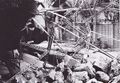
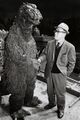
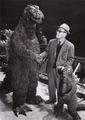
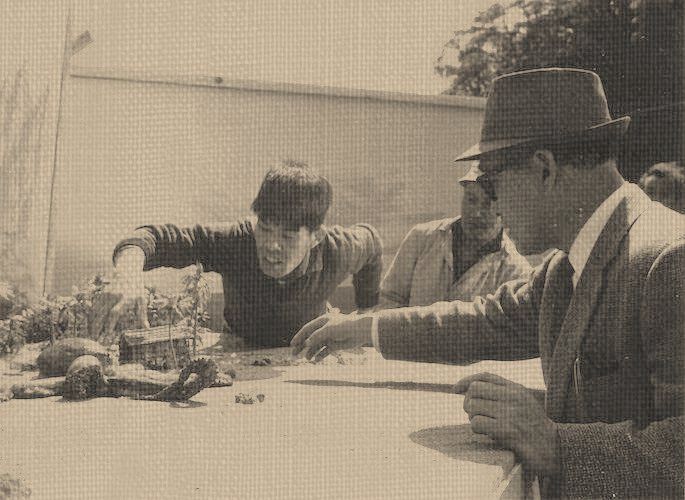
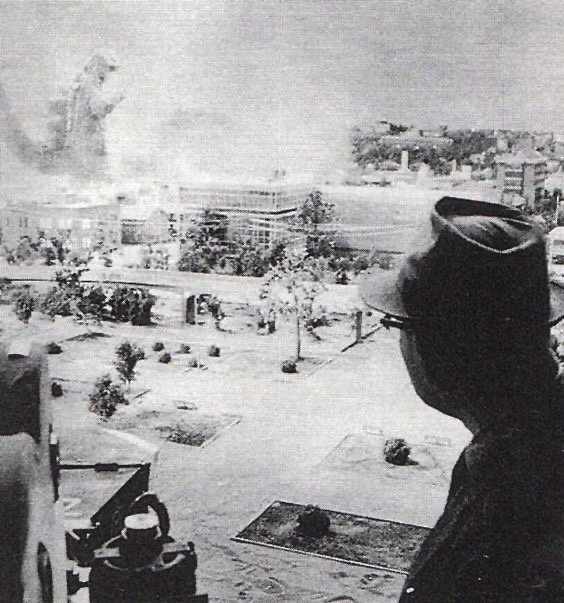
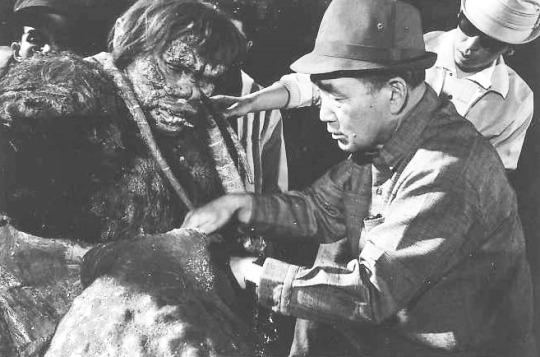
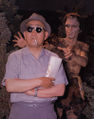 Eiji Tsuburaya with Koji Furuhata on the set of Frankenstein vs. Baragon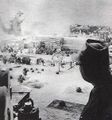
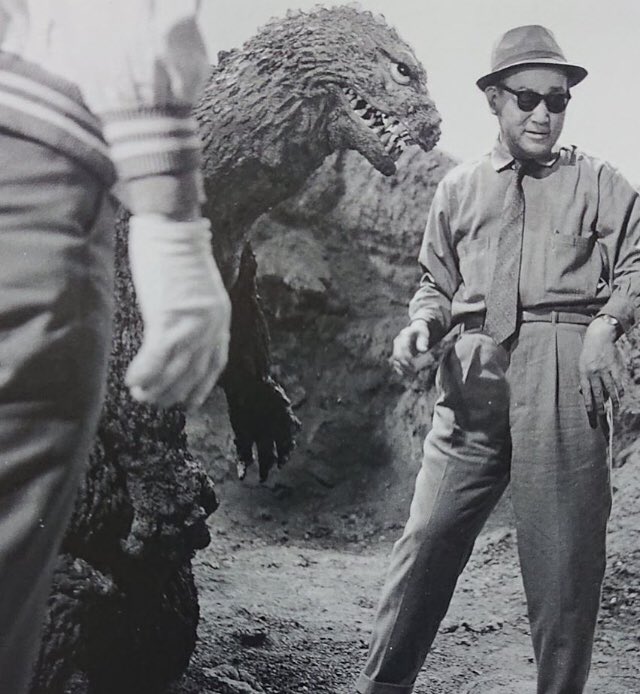
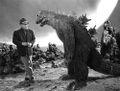 Eiji Tsuburaya with the DaisensoGoji suit on the set of Invasion of Astro-Monster
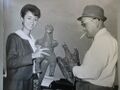
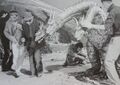
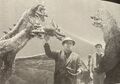

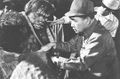
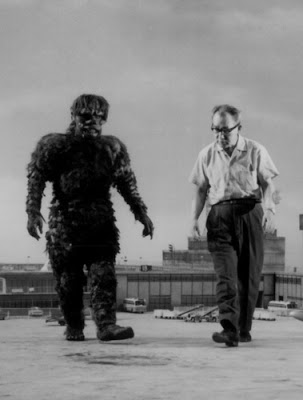
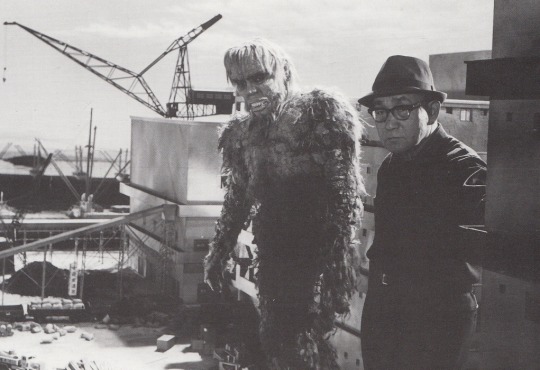
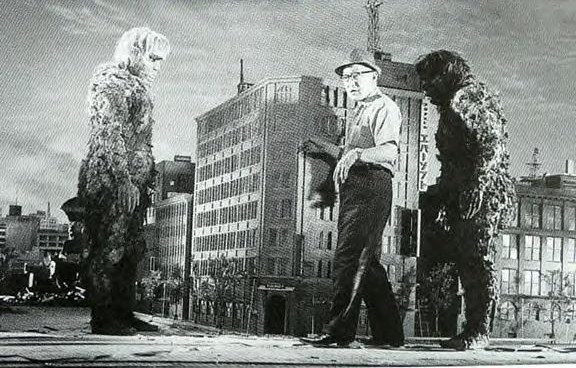
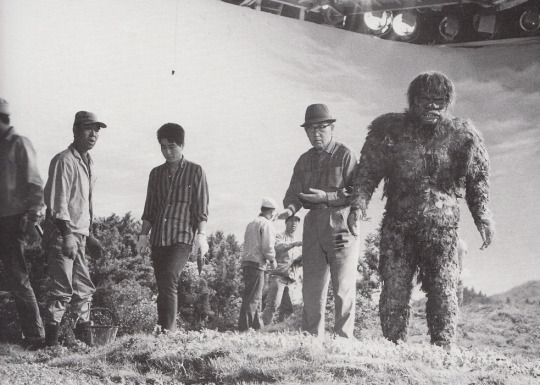
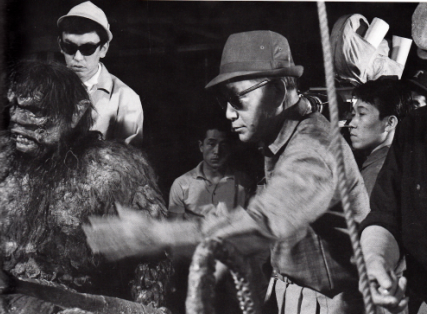
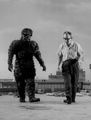 Eiji Tsuburaya with the Gaira suit
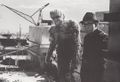 Eiji Tsuburaya with the Sanda suit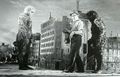
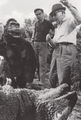
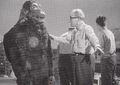
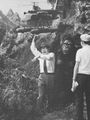
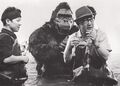
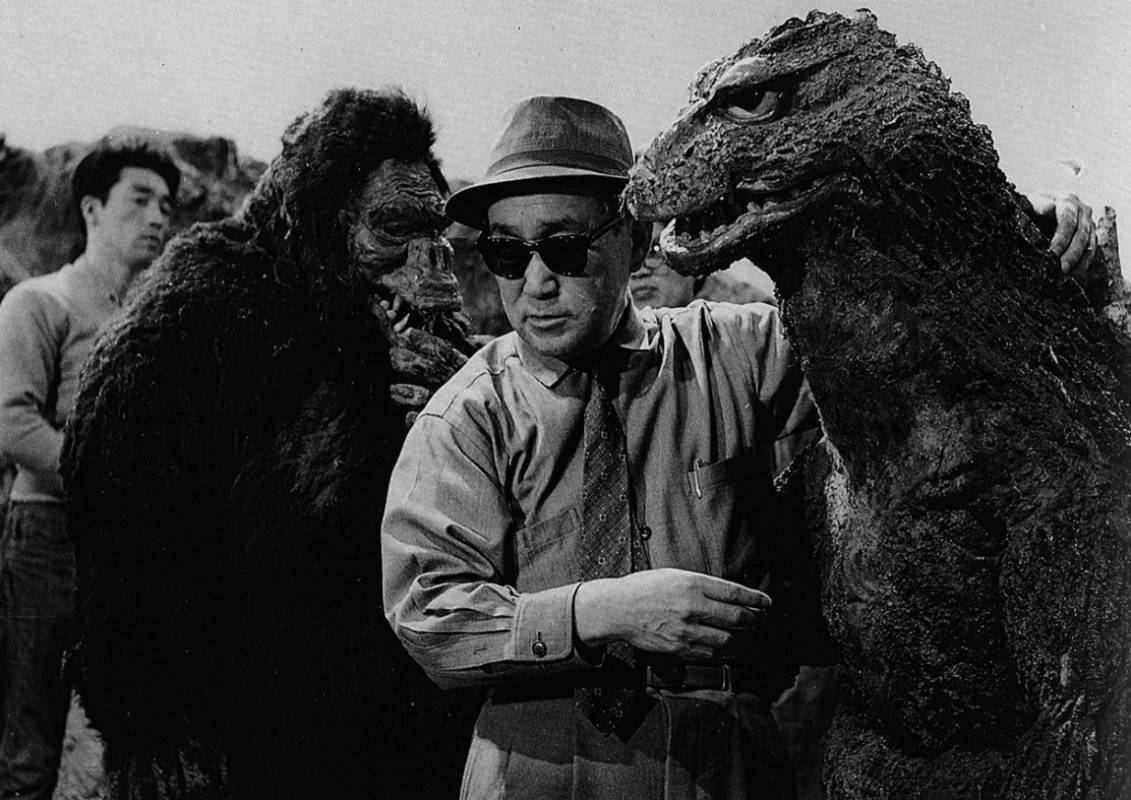
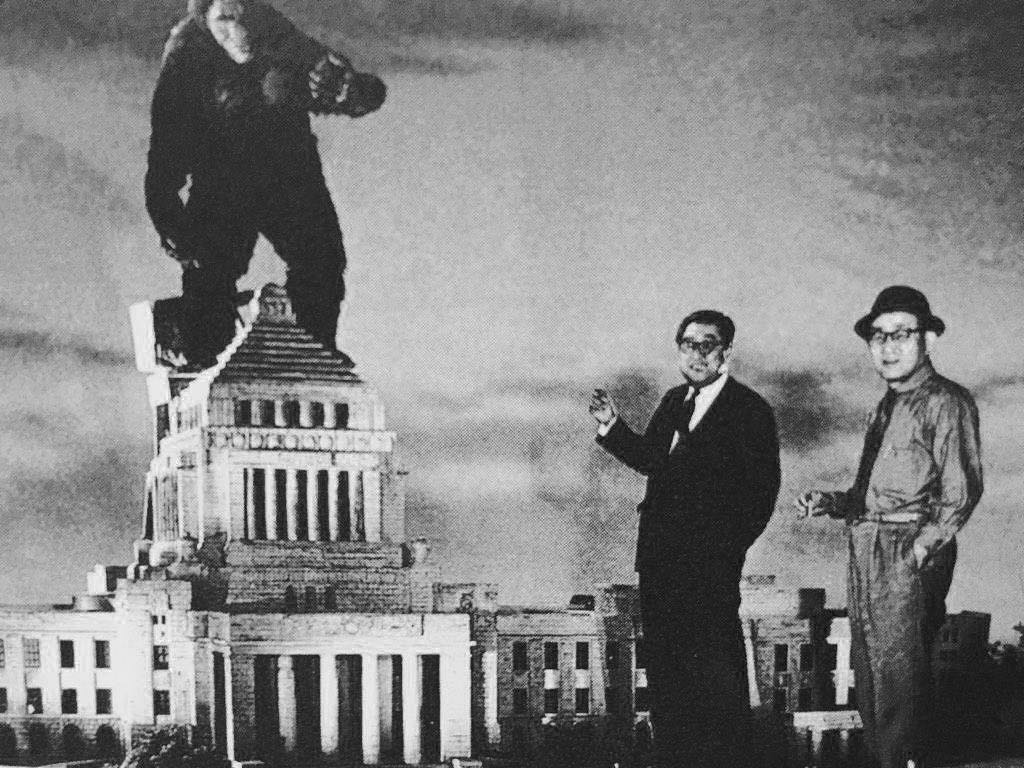
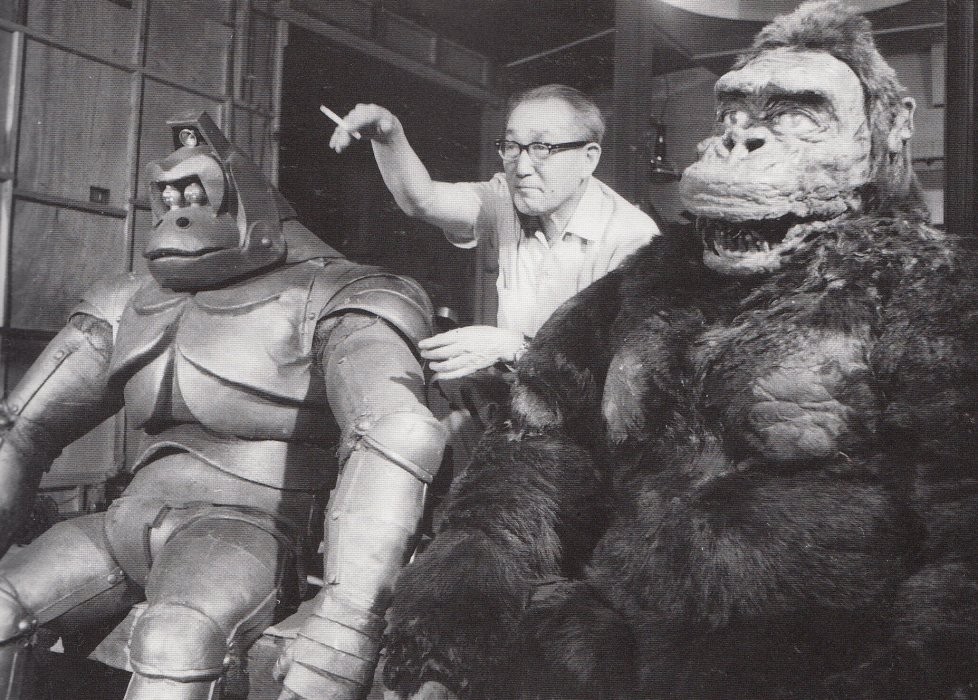
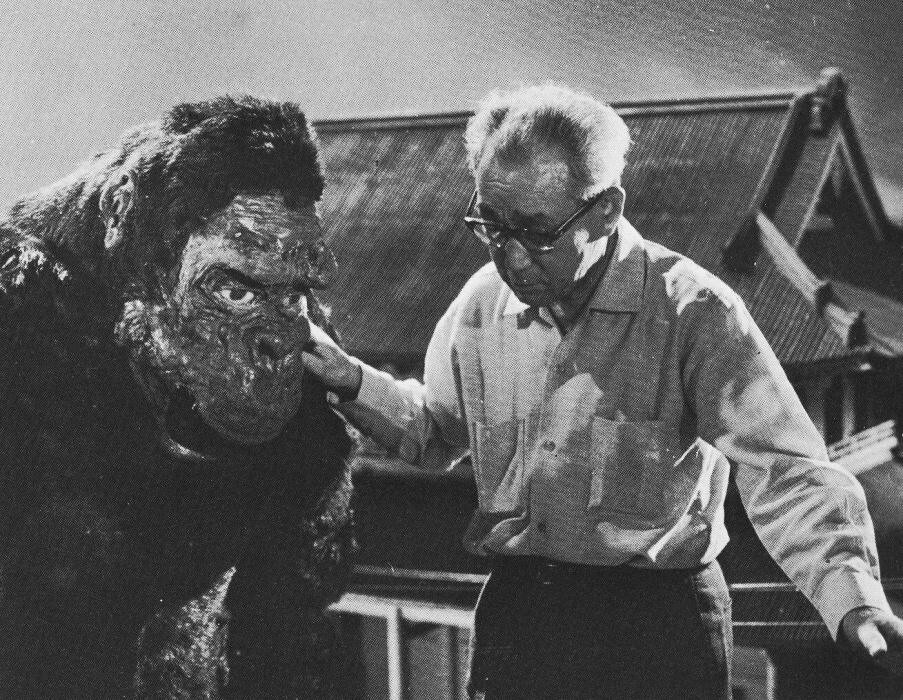
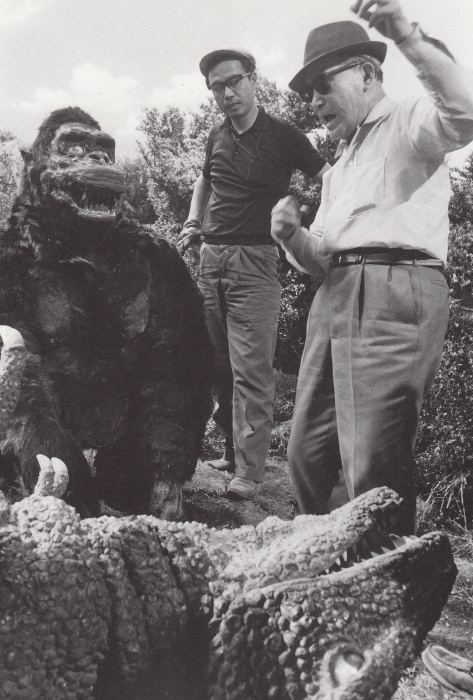
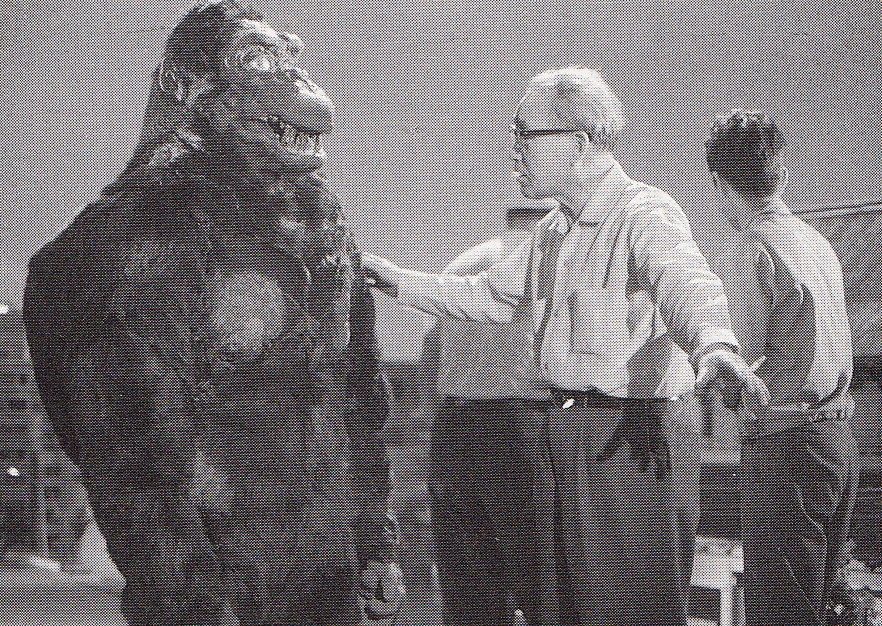
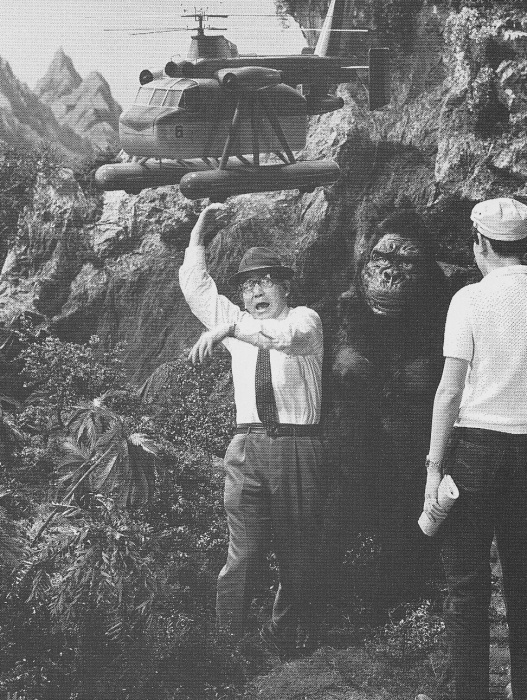
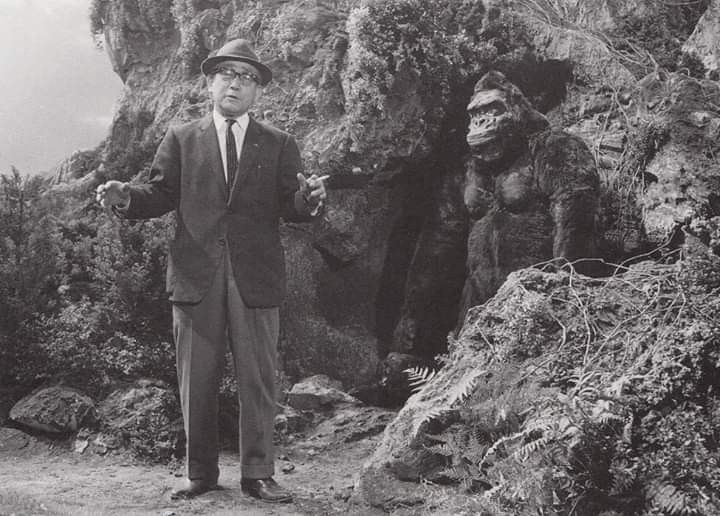
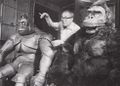 Eiji Tsuburaya with the Mechani-Kong and King Kong suits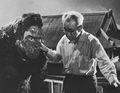
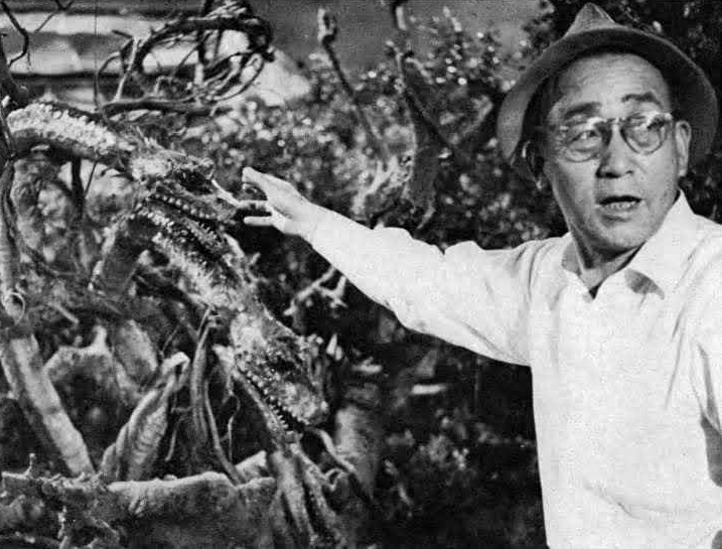
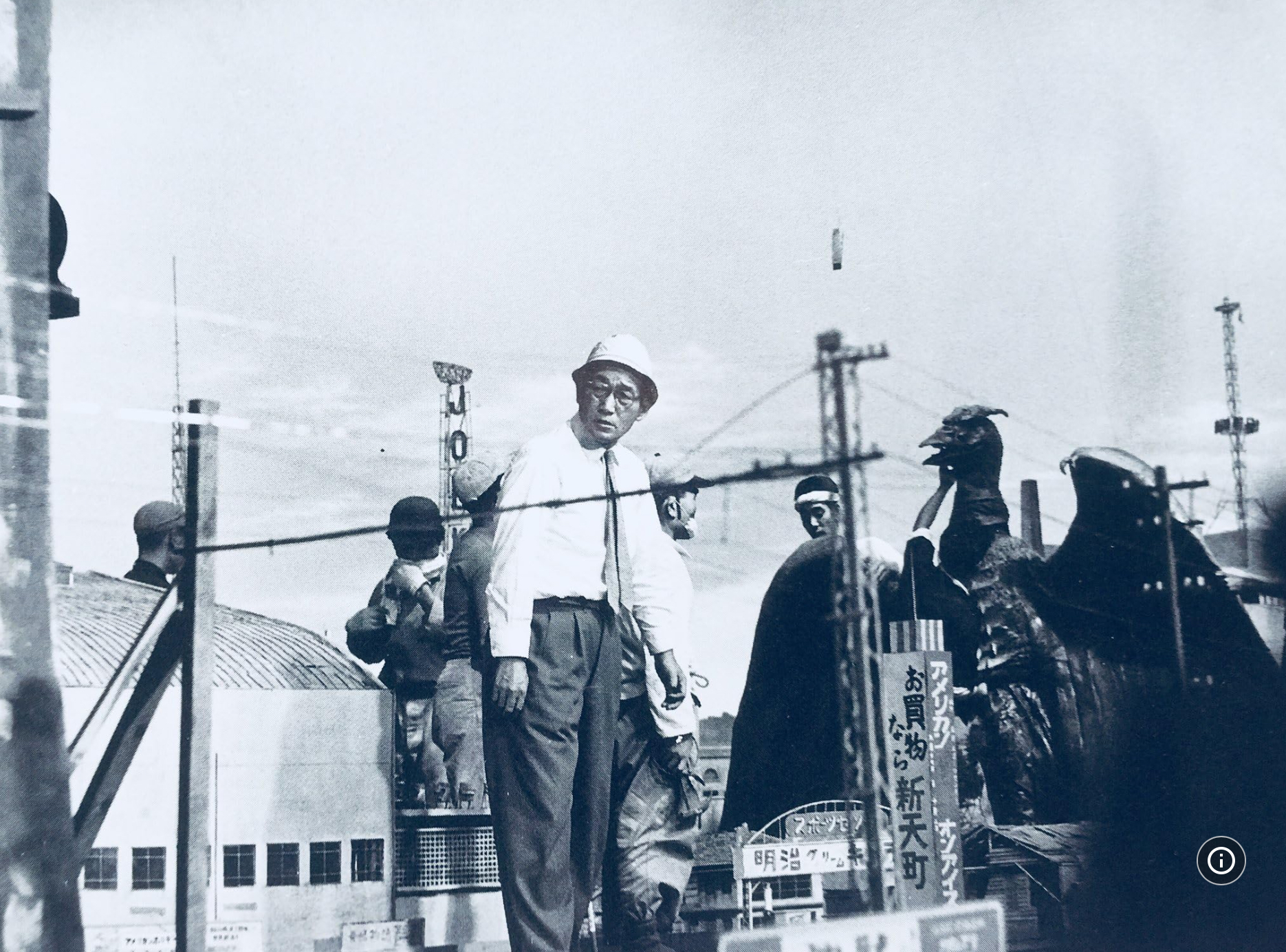
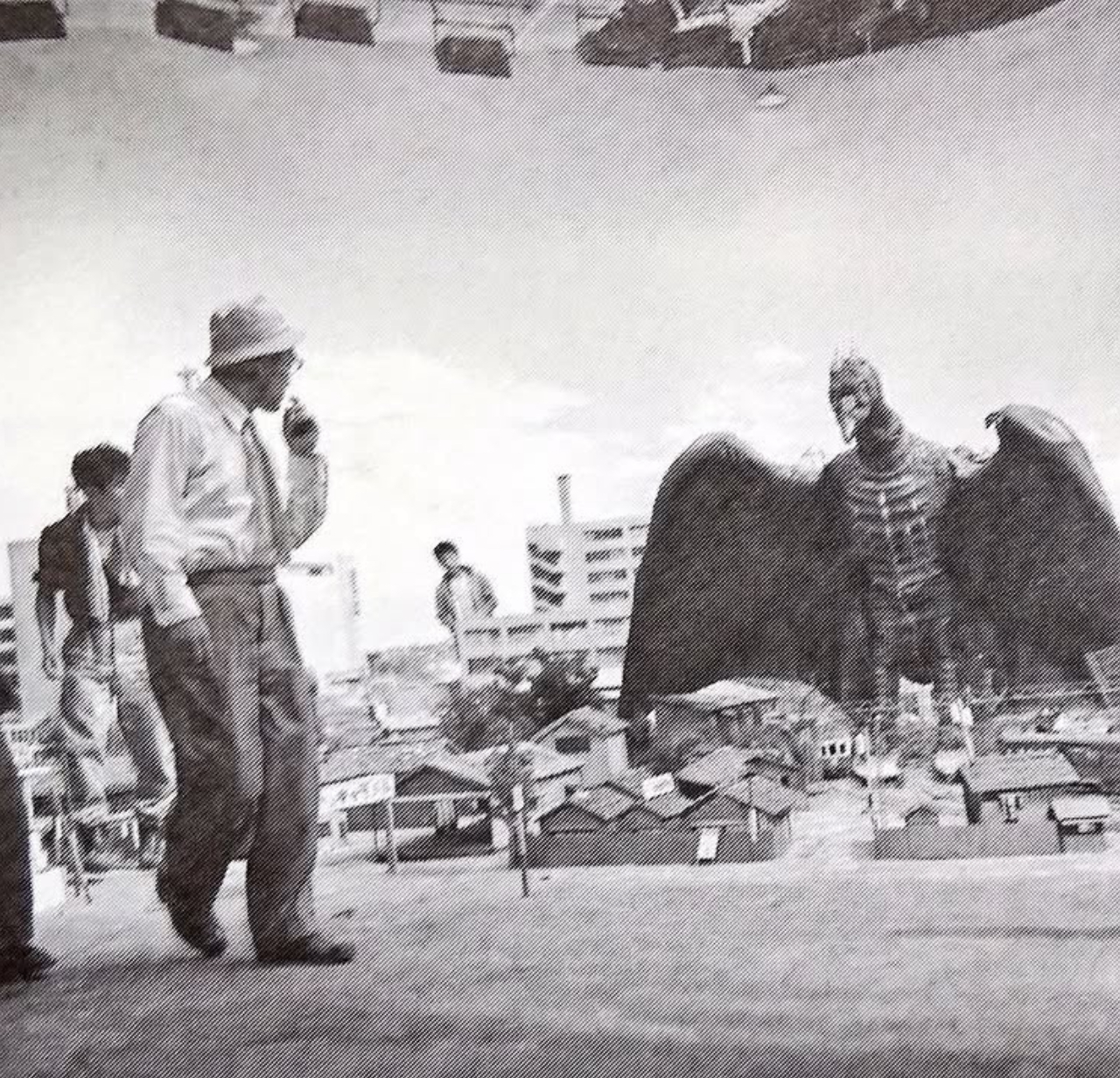

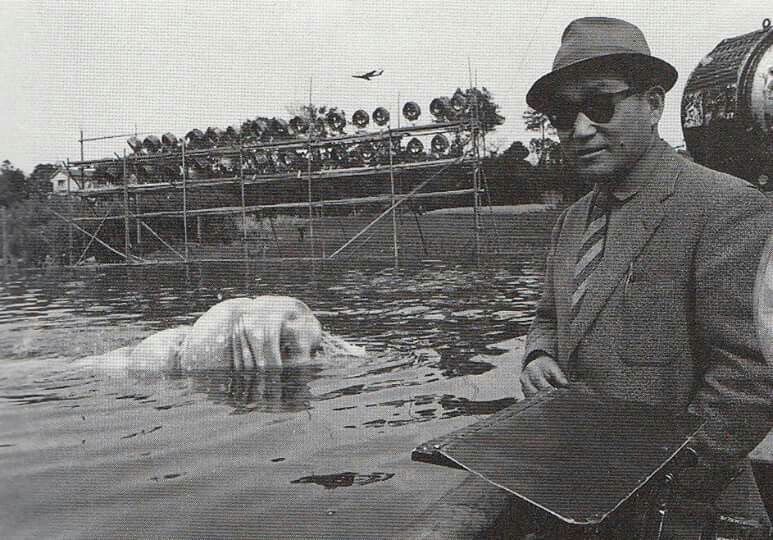


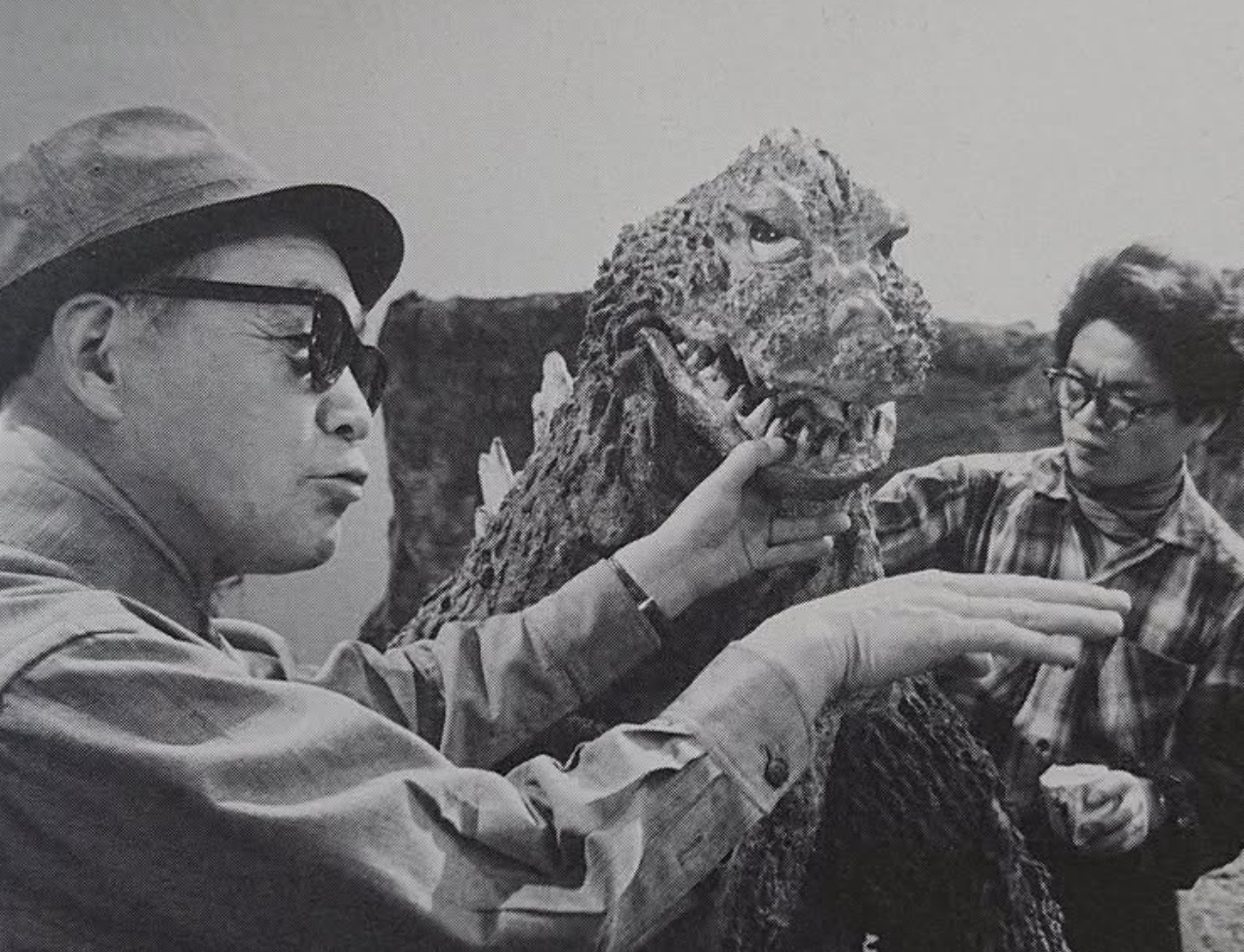
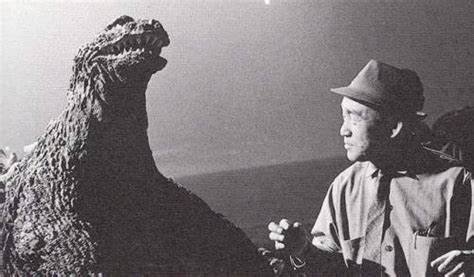
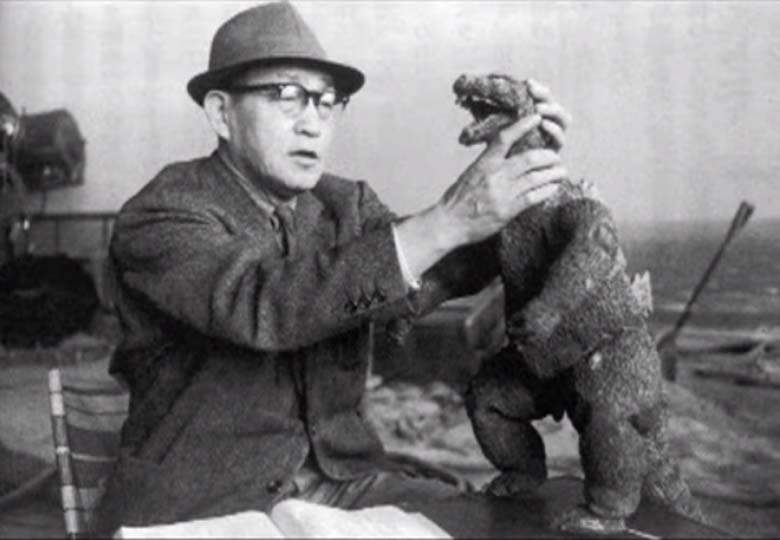
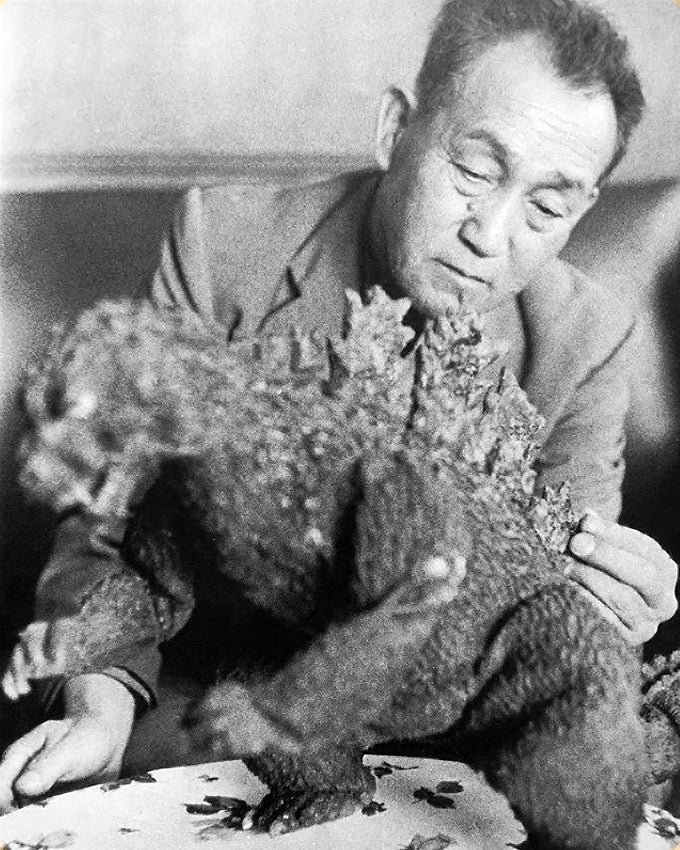
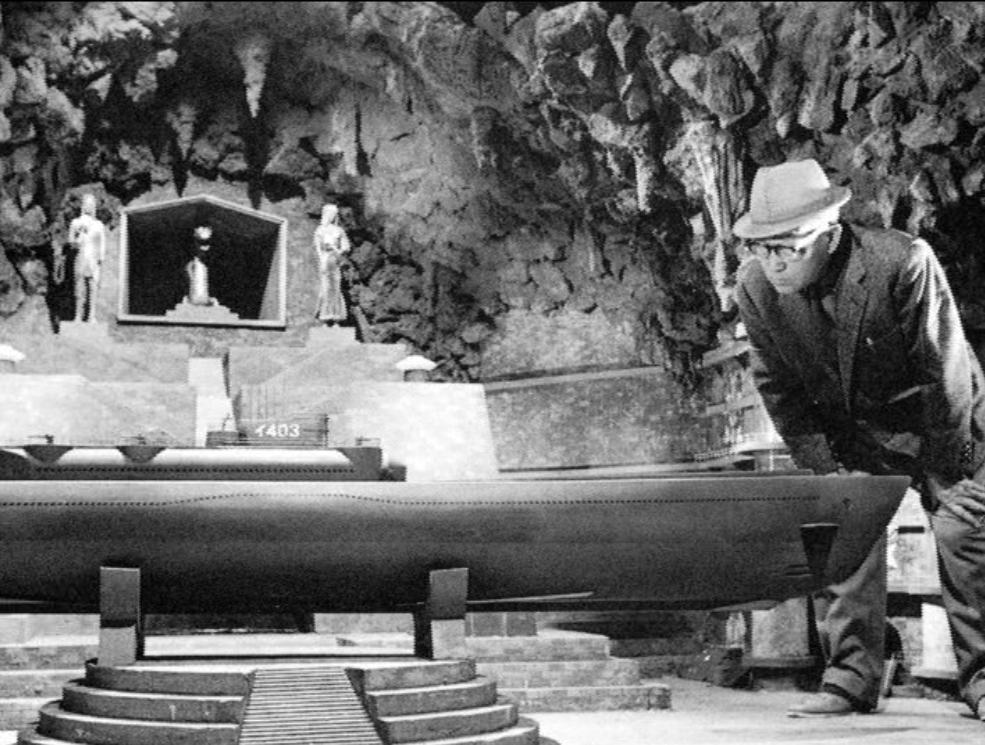
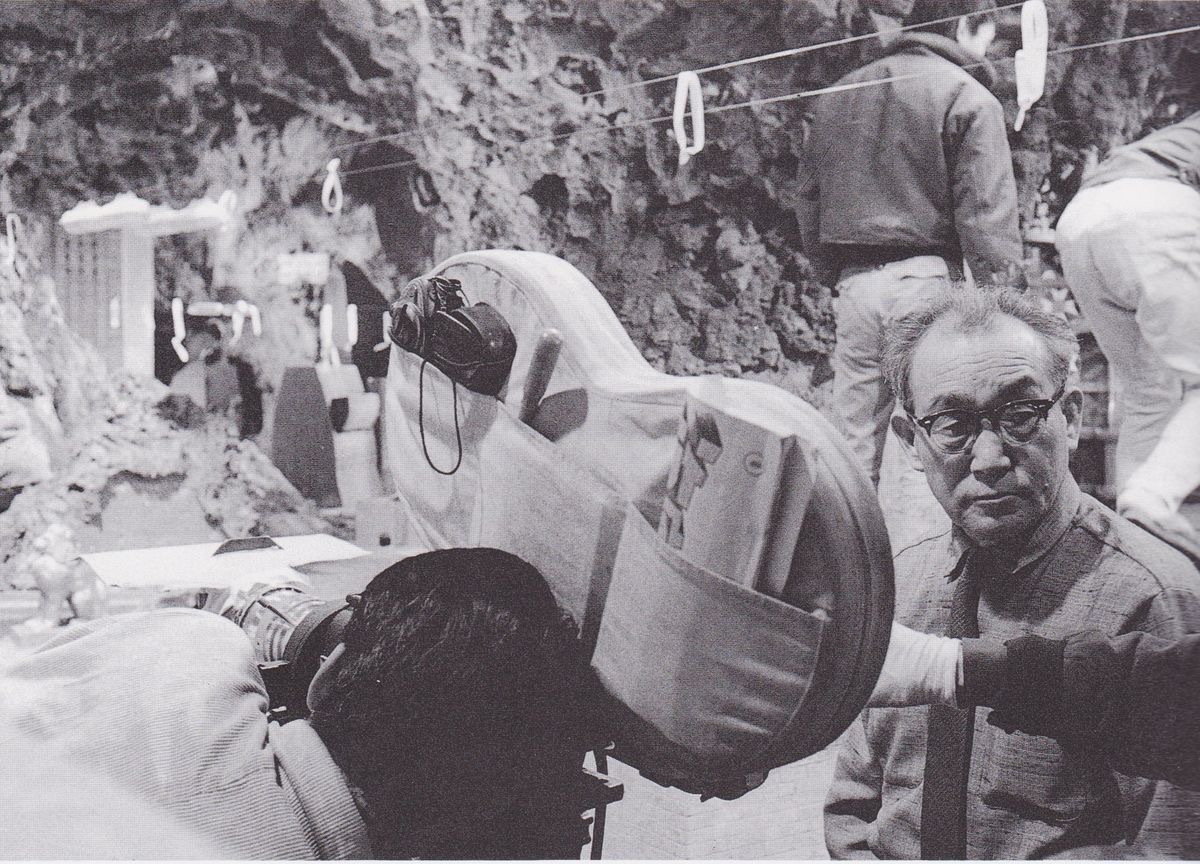
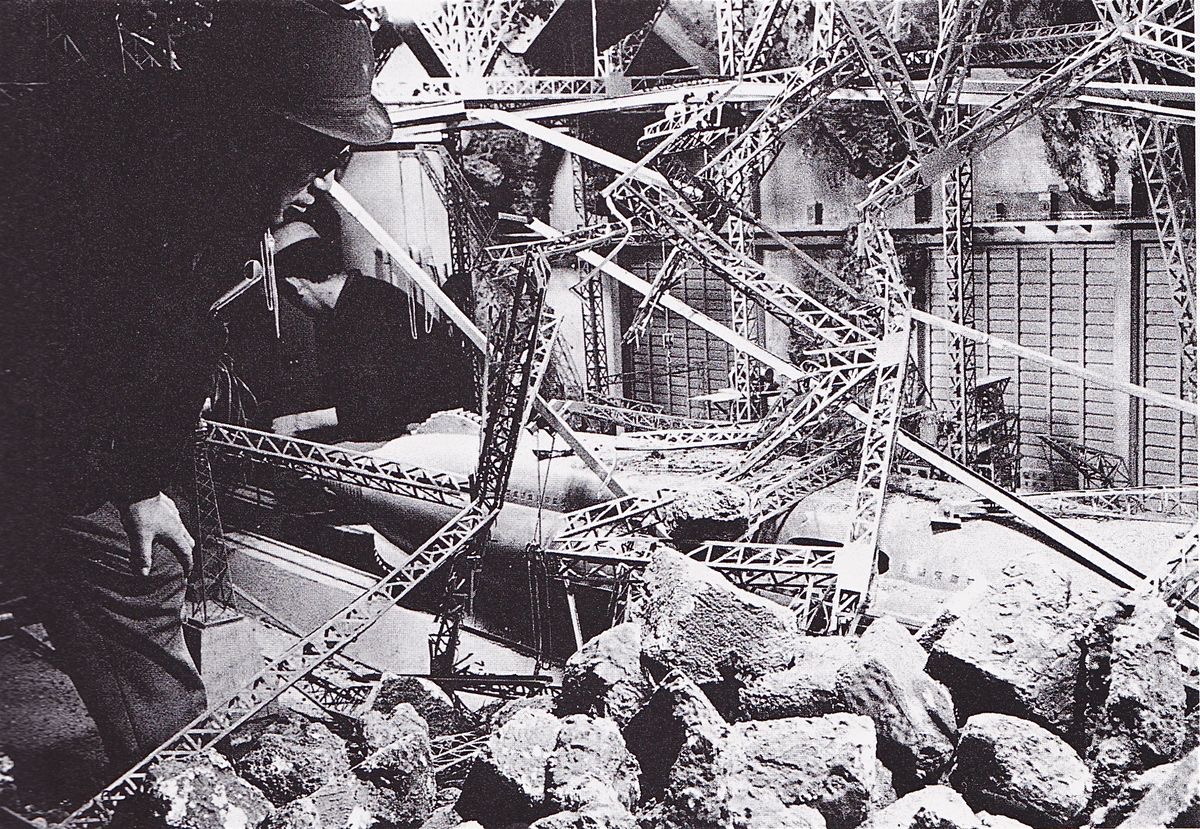
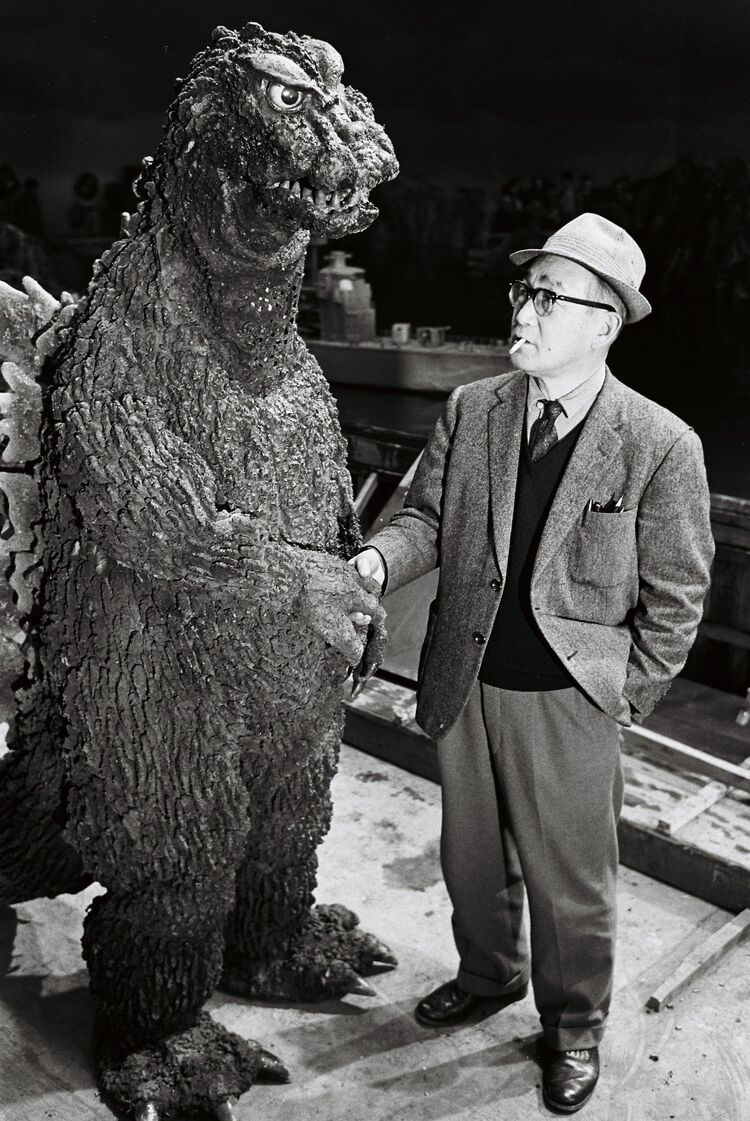
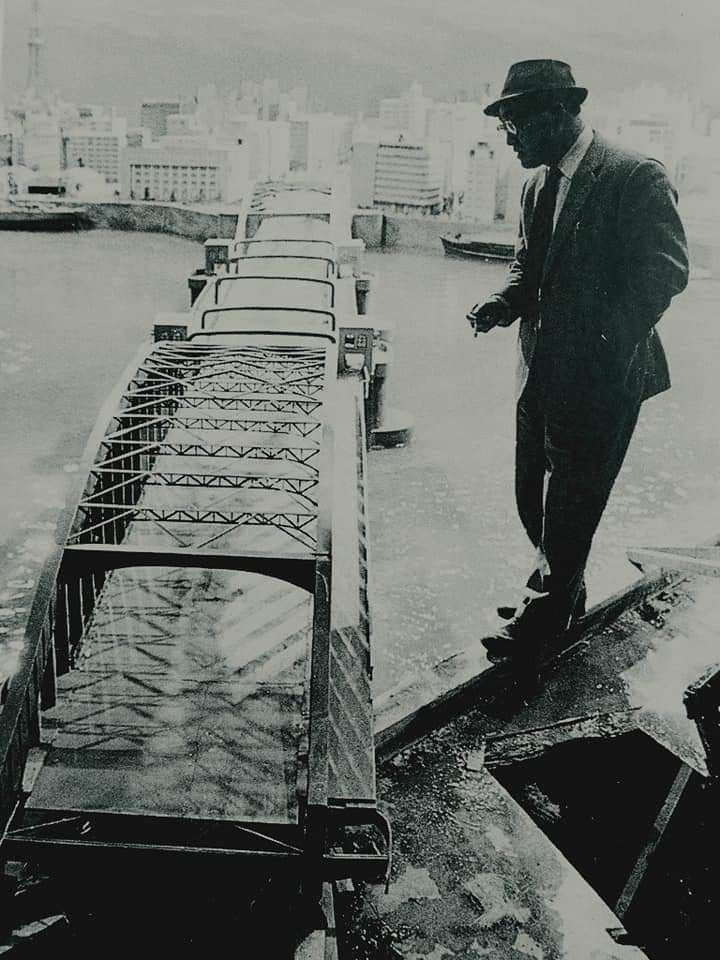
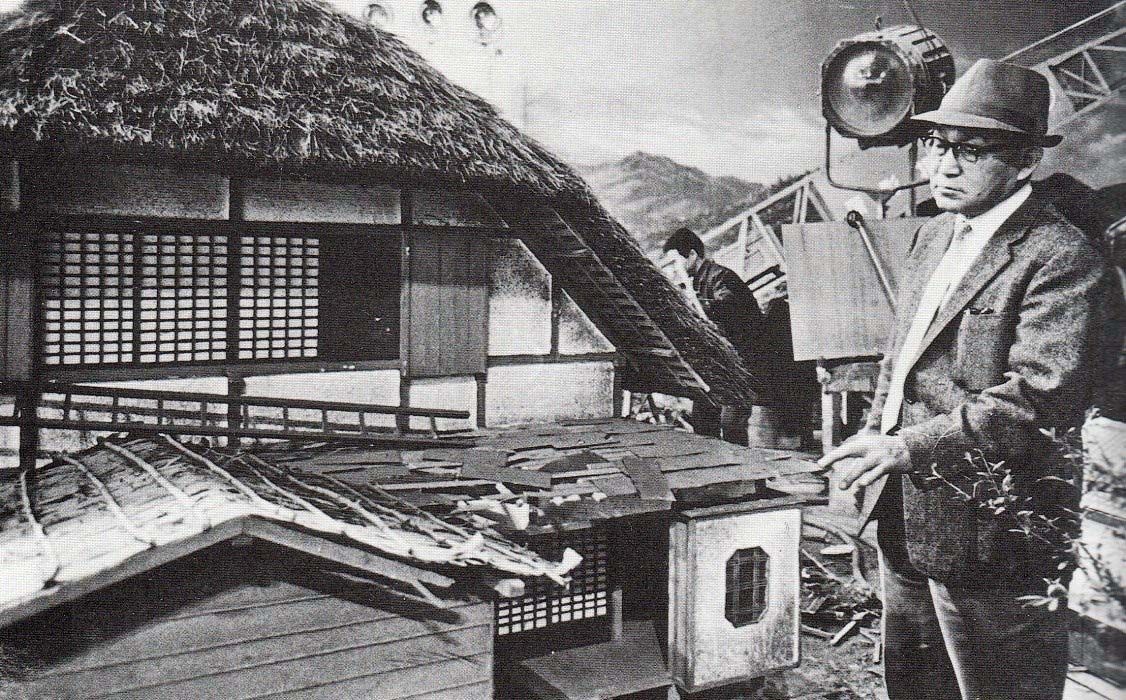
 M1 Eiji Tsuburaya
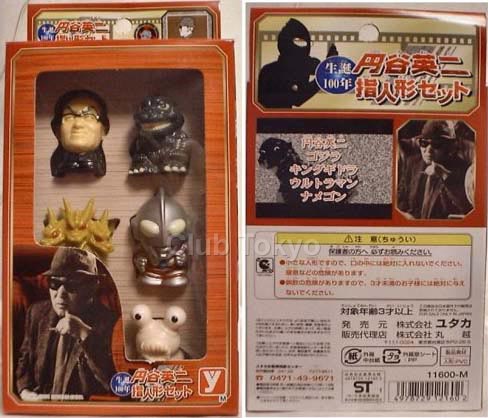
 Tsuburaya Productions Eiji Tsubaraya Commemorative Set (Box A)
 Tsuburaya Productions Eiji Tsubaraya Commemorative Set (Box B)
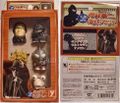 Bandai commemorative SD set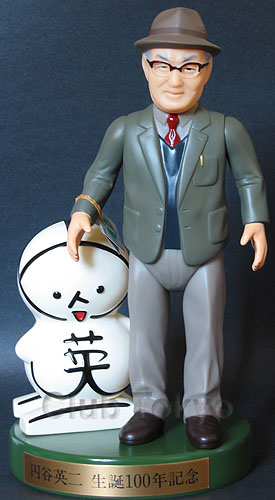
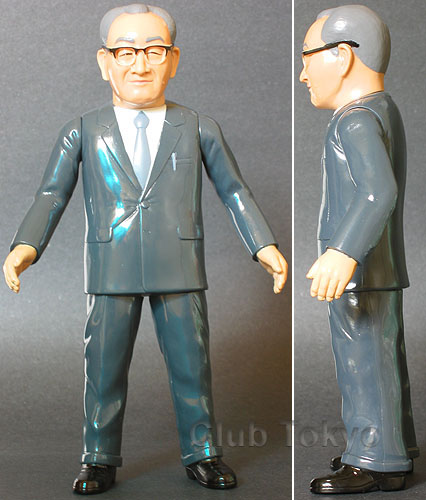
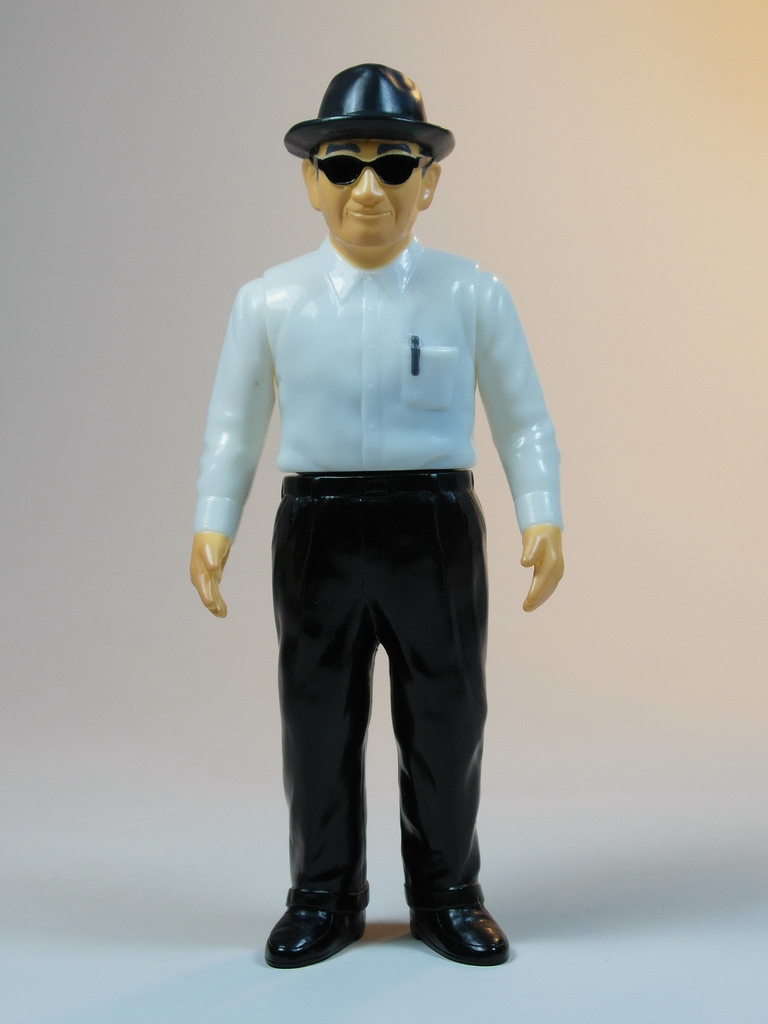
 Eiji Tsuburaya biographical manga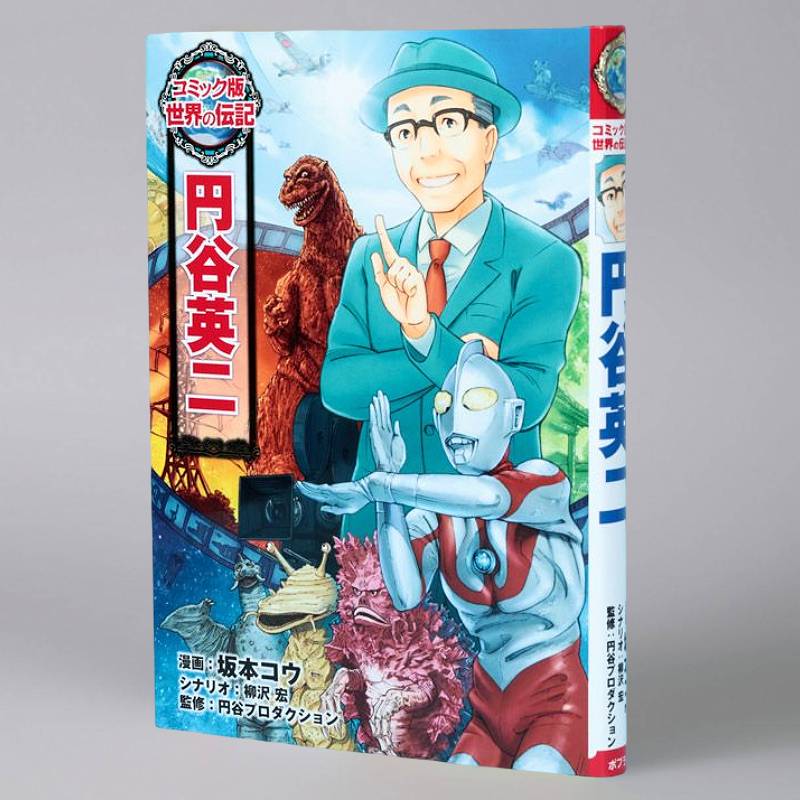
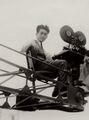
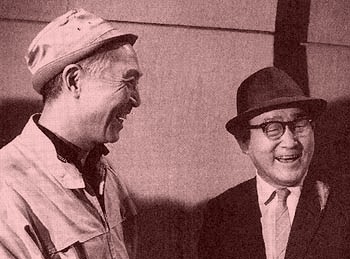
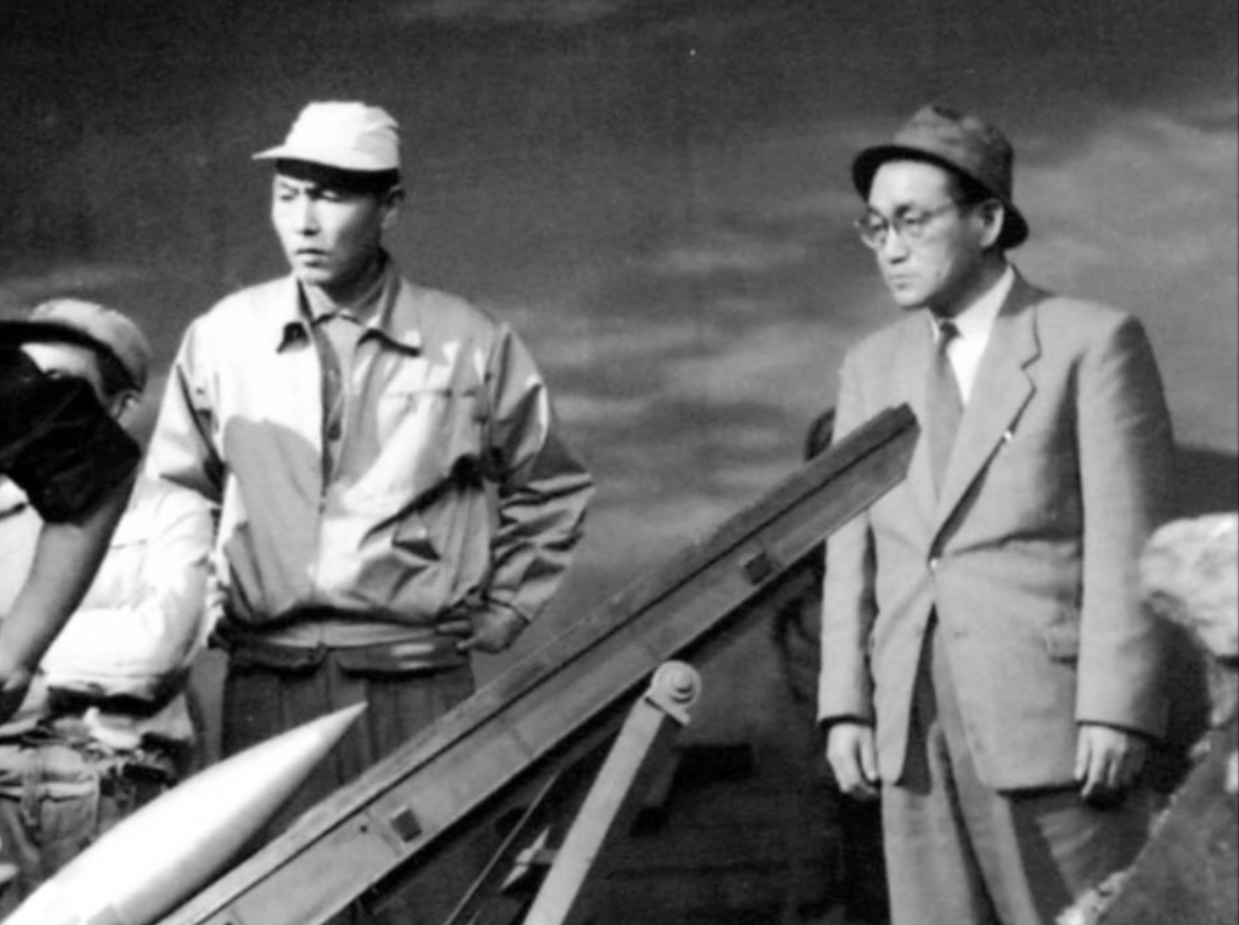
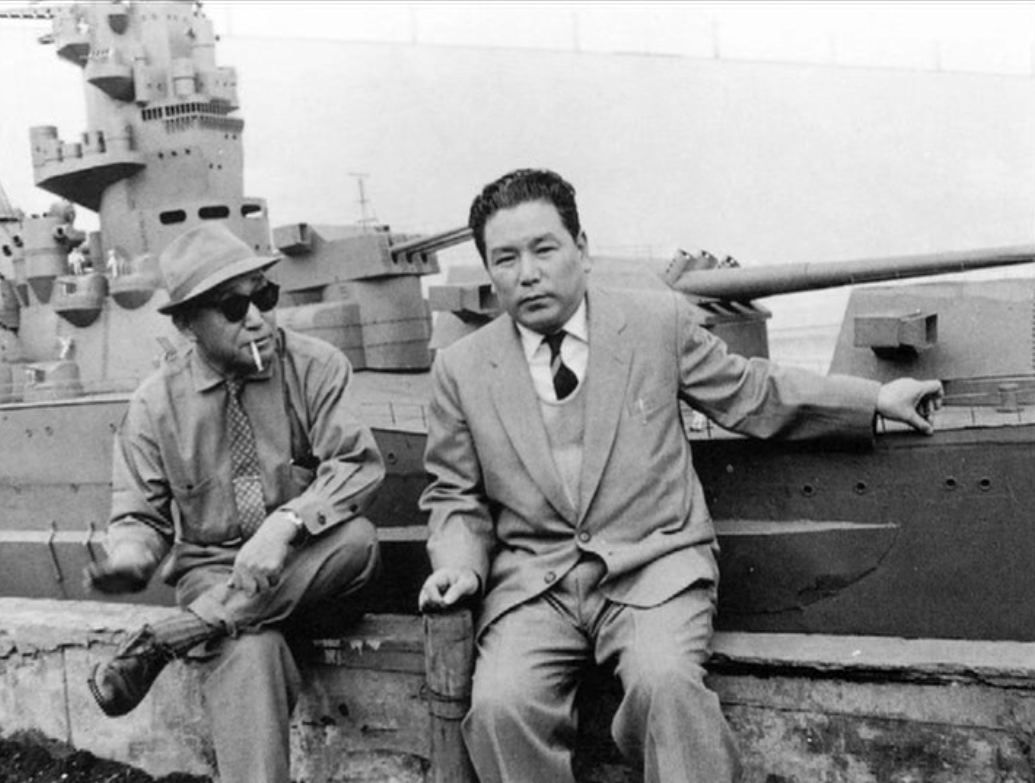
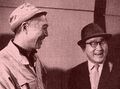 Tsuburaya with Ishiro Honda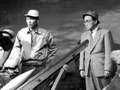
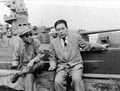 Tsuburaya with Tomoyuki Tanaka