This page is a sandbox. Sandboxed pages are unfinished and not yet approved. Information found here may be unpolished or unverified.
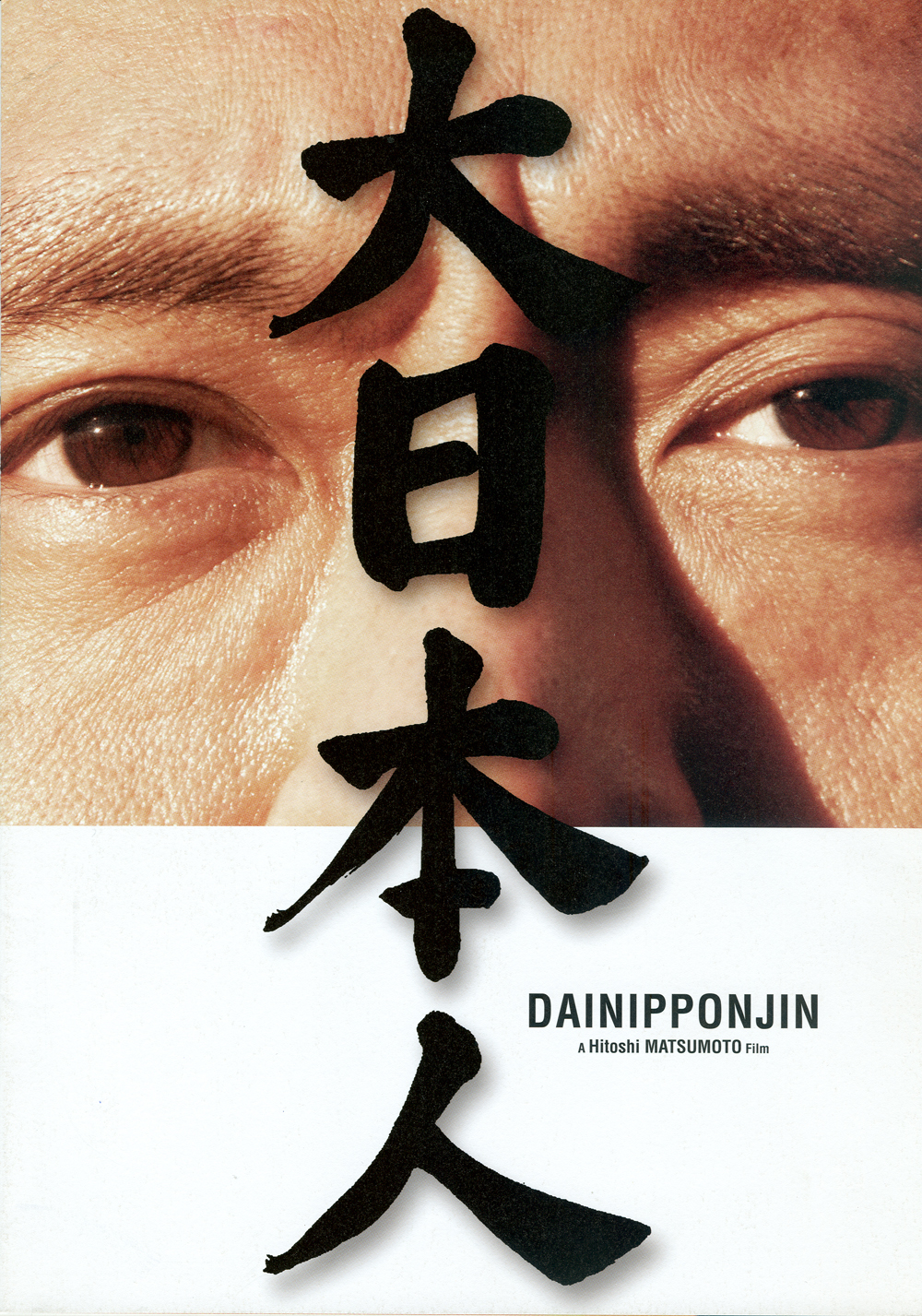
Big Man Japan(大日本人, Dai Nipponjin, lit. Great Japanese) is a 2007tokusatsukaijufilm co-produced by Realproducts and Yoshimoto Kogyo Company and distributed in Japan by Shochiku. The film was released to Japanese theaters on June 2, 2007 and to American theaters on May 15, 2009.
Plot
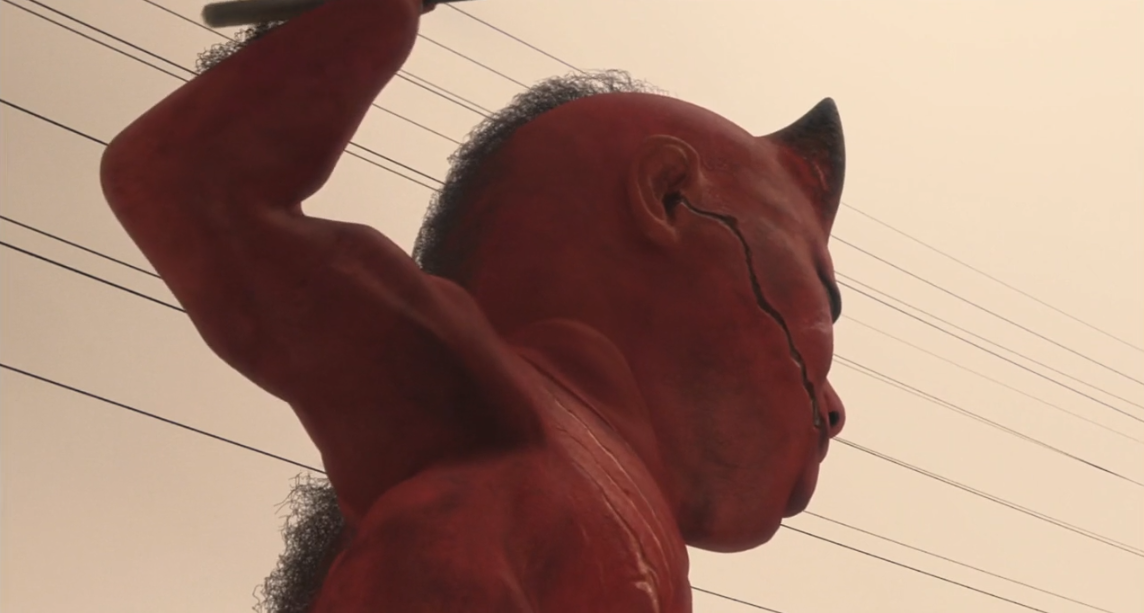
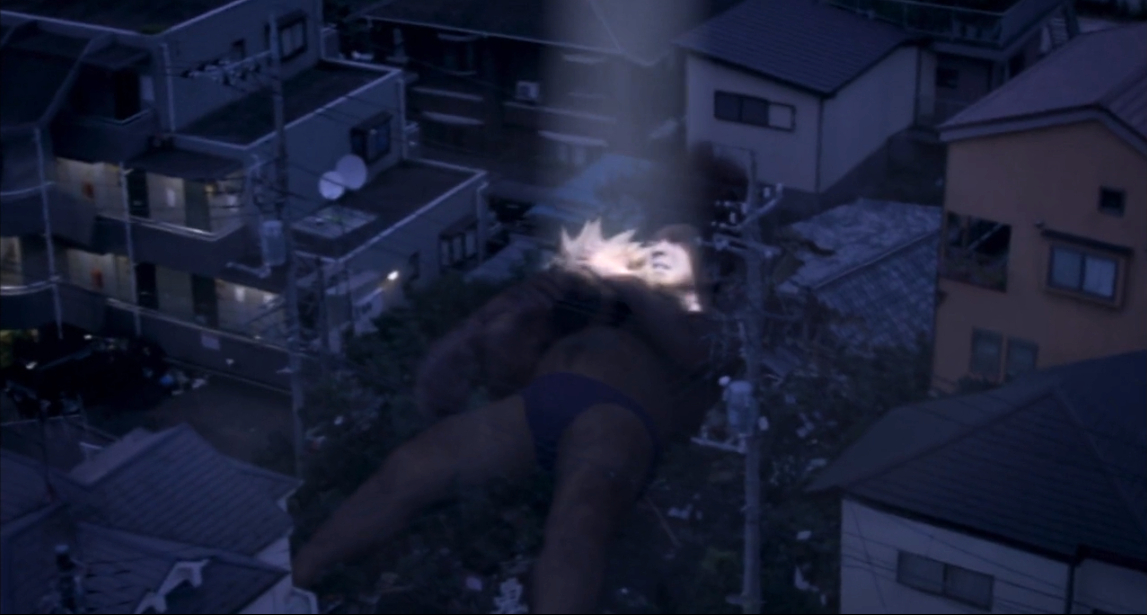
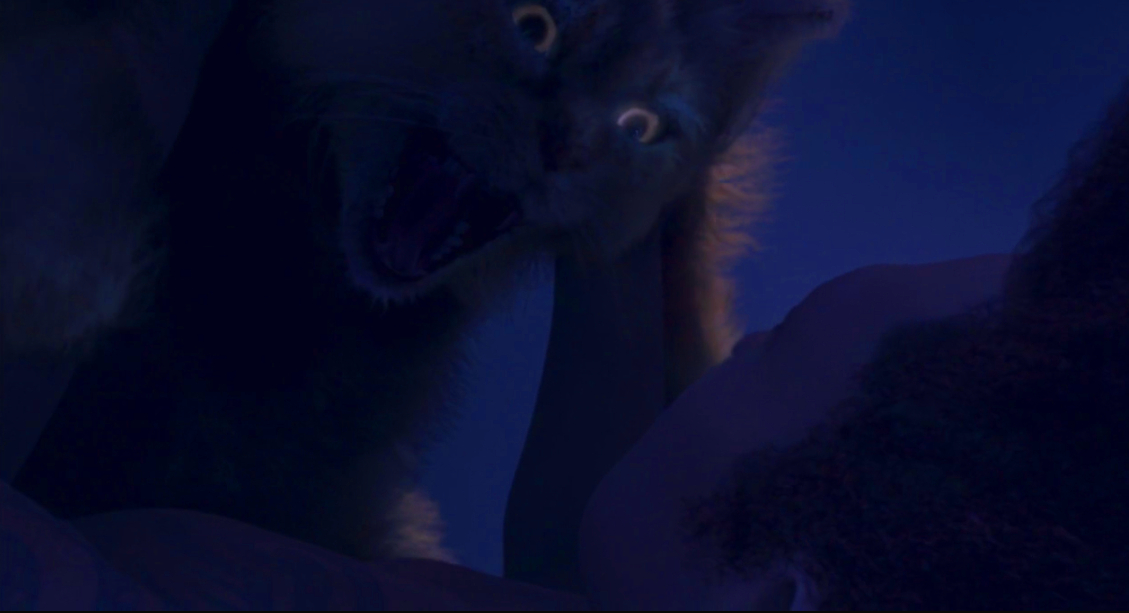
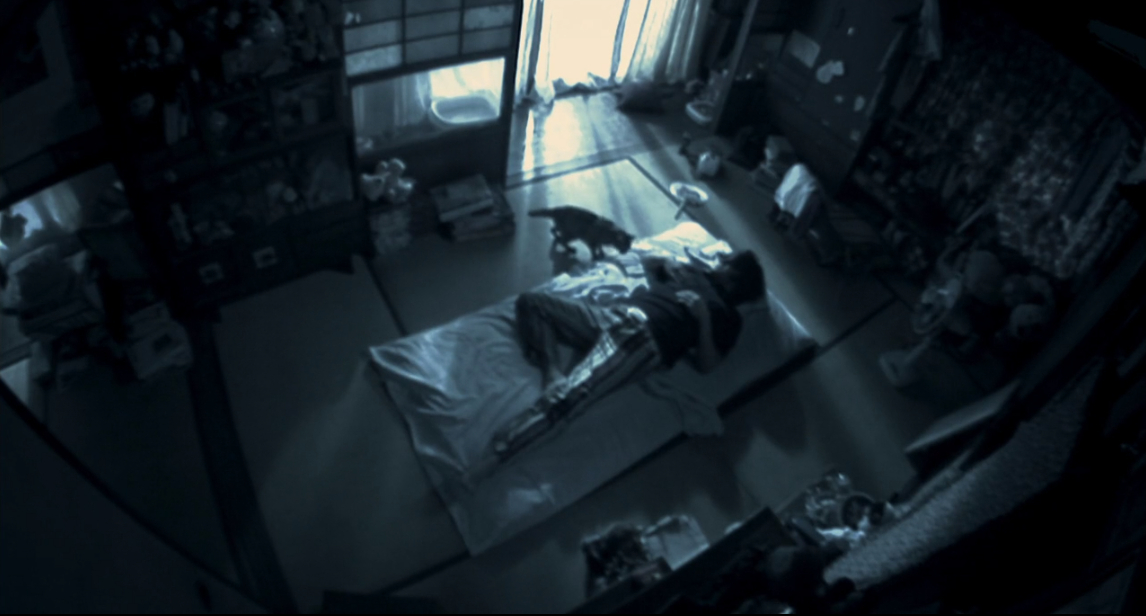
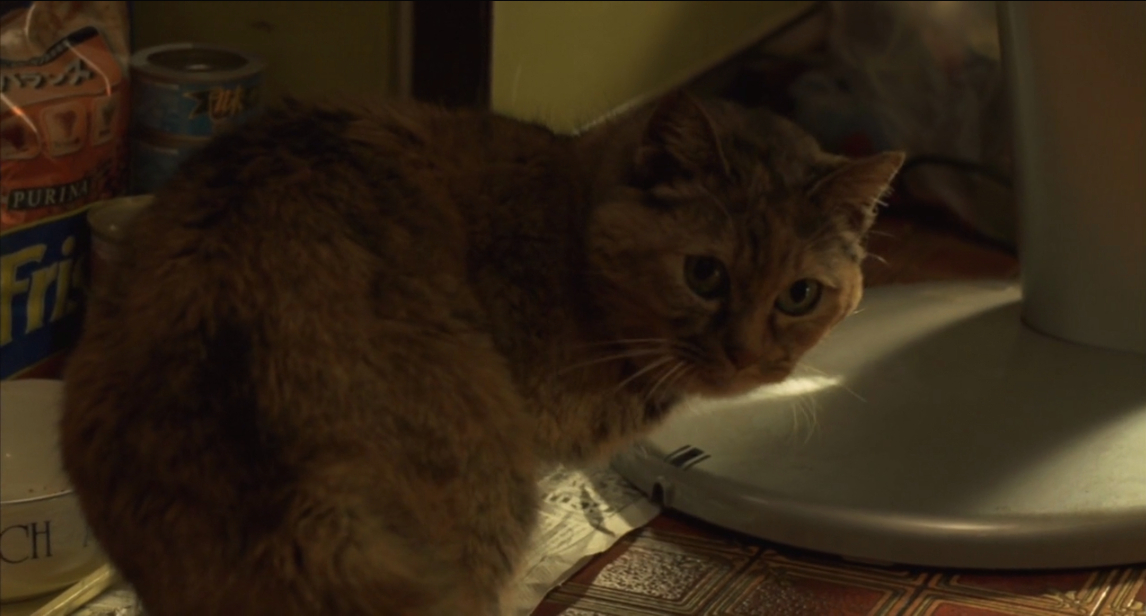
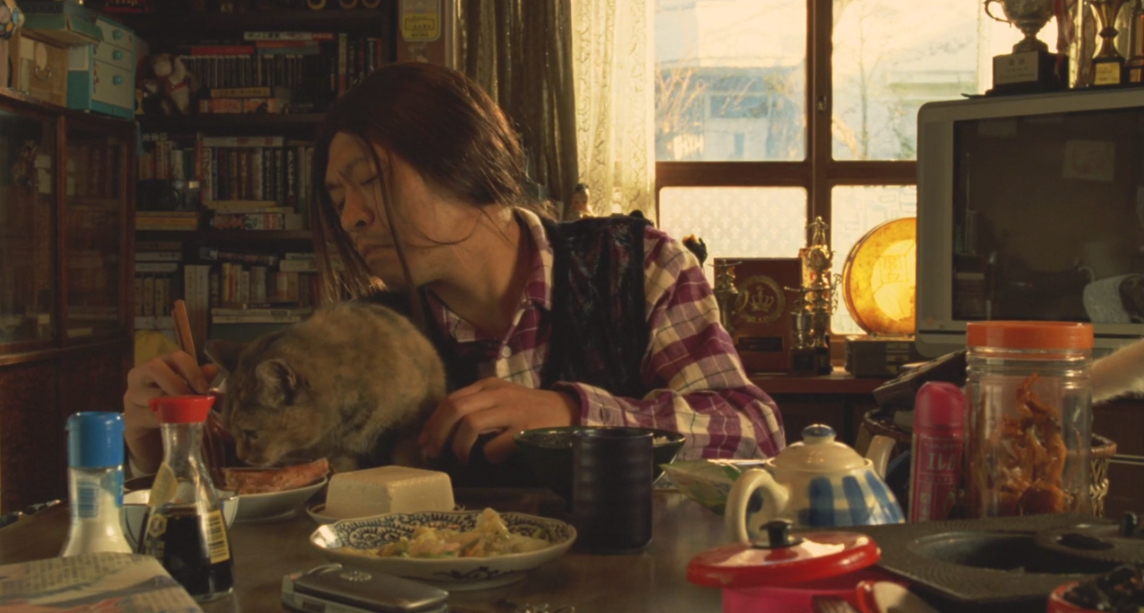
A documentary film crew interviews and follows the life of Masaru Daisato, the sixth and current member in a family line of supernatural protectors of Japan who can temporarily grow into giants when infused with electricity.
Despite the fame and admiration that the previous giant guardians had garnered, defending Japan from various monsters of similar heights, by Masaru's time, the tradition is viewed as old hat by the jaded Japanese public and as controversial by the unfairly critical Japanese media, even though giant monsters still menace the country on a near-weekly basis and there is still a need for Masaru's service. It also doesn't help matters that Masaru himself is something of a loser: an unkempt divorced father living alone with a timid and lazy demeanor that only adds fuel to the criticisms, especially when compared to his far more successful late father, The Fifth, and still-living grandfather, The Fourth, the latter of which having succumbed to mental illness in his old age.
Staff
Staff role on the left, staff member's name on the right.
Directed by Hitoshi Matsumoto
Written by Hitoshi Matsumoto, Mitsuyoshi Takasu
Executive producing by Yasushi Minatoya
Produced by Akihiko Okamoto
Music by Towa Tei
Cinematography by Hideo Yamamoto
Edited by Soichi Ueno
Production design by Etsuko Aiko, Yuji Hayashida
Cast
Actor's name on the left, character played on the right.
Hitoshi Matsumoto as Masaru Daisato / Big Man Japan
Riki Takeuchi as Haneru-no-ju
Ua as Manager Kobori
Ryûnosuke Kamiki as Warabe-no-ju
Haruka Unabara as Shimeru-no-ju
Tomoji Hasegawa as Interviewer / Director
Itsuji Itao as Female Niou-no-ju
Hiroyuki Miyasako as Stay With Me
Takayuki Haranishi as Male Niou-no-ju
Daisuke Miyagawa as Super Justice
Takuya Hashimoto as Midon
Taichi Yazaki as Daisato's Grandfather
Shion Machida as Daisato's Ex-wife
Atsuko Nakamura as Bar Proprietress Azusa
Daisuke Nagakura as Daisato's Grandfather - Younger
Motohiro Toriki as Daisato's Father
Keidai Yano as Young Daisato
Junshiro Hayama as Shinto Priest
Koichi Kitamura as Commander 1
Norio Nakayama as Commander 2
Toshihiro Koike as Udon Noodle Shop Owner
Atsuo Tanaka as Kanto District Security Guard
Yoshio Takahashi as Security Guard in Mikawa
Yoshihiro Kasuya as Care Worker
Yumiko Ise as Kyoko
Roselyn Yoshio as Nina
Kaho Okajima as Daisato's Daughter
Jeong-Suk O. as Announcer
Yoshihisa Shimazaki
Katsumune Onuki
Norihito Kobari
Masayuki Sekine as Daisato's Ex-Wife's Boyfriend
Takumi Matsumoto
Ryushin Tei
Tatsuya Oba as Convenience Store Clerk
Salam Diagne as Super Justice's Father (as Saramu Jânyu)
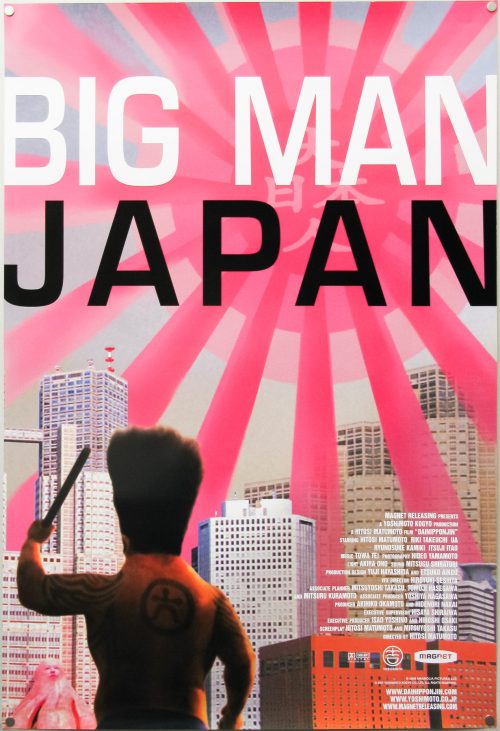
United States - March 13, 2008 (Cleveland International Film Festival); April 3, 2008 (Wisconsin Film Festival); July 4, 2008 (New York Asian Film Festival); May 15, 2009[view poster]
Because of the film's positive reception during its limited but lengthy theatrical run in America, Columbia Pictures optioned a remake with Neil H. Moritz attached as producer and Phil Hay and Matt Manfredi taking on screenwriting duties.[1] The project went silent after its initial 2011 announcement but in 2013, the screenwriters gave the online new site Collider an update on the remake; namely, that it was still in the works but not much else. Afterwards, the planned American remake virtually vanished into development hell and is widely believed to have been quietly killed off.
Big Man Japan was first screened at the Cleveland International Film Festival on March 13, 2008 and was screened in April of the same year at the Newport Beach International Film Festival and the Wisconsin Film Festival. On May 15, 2009, the film was given a theatrical release by Magnet Releasing.
This is a list of references for Big Man Japan (film). These citations are used to identify the reliable sources on which this article is based. These references appear inside articles in the form of superscript numbers, which look like this: [1]
Showing 10 comments. When commenting, please remain respectful of other users, stay on topic, and avoid role-playing and excessive punctuation. Comments which violate these guidelines may be removed by administrators.