

ShodaiGoji
| Godzilla designs | |||||||
|
|
| |||||
| ||||||||||||||||||||||||||||||||||||||||||||||
| Candidate for deletion This article has been marked for deletion. Reason: Plans to merge Godzilla design pages with Godzilla incarnation pages are underway. For more information, see the forum topic. |
- This article is about the 1954 Godzilla design. For the Godzilla incarnation, see Godzilla (First Generation).
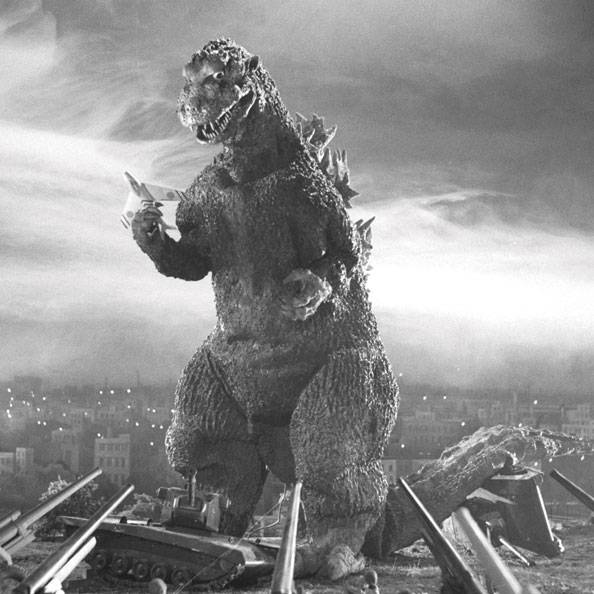
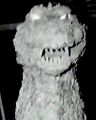
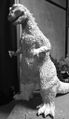
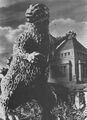
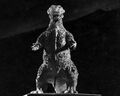
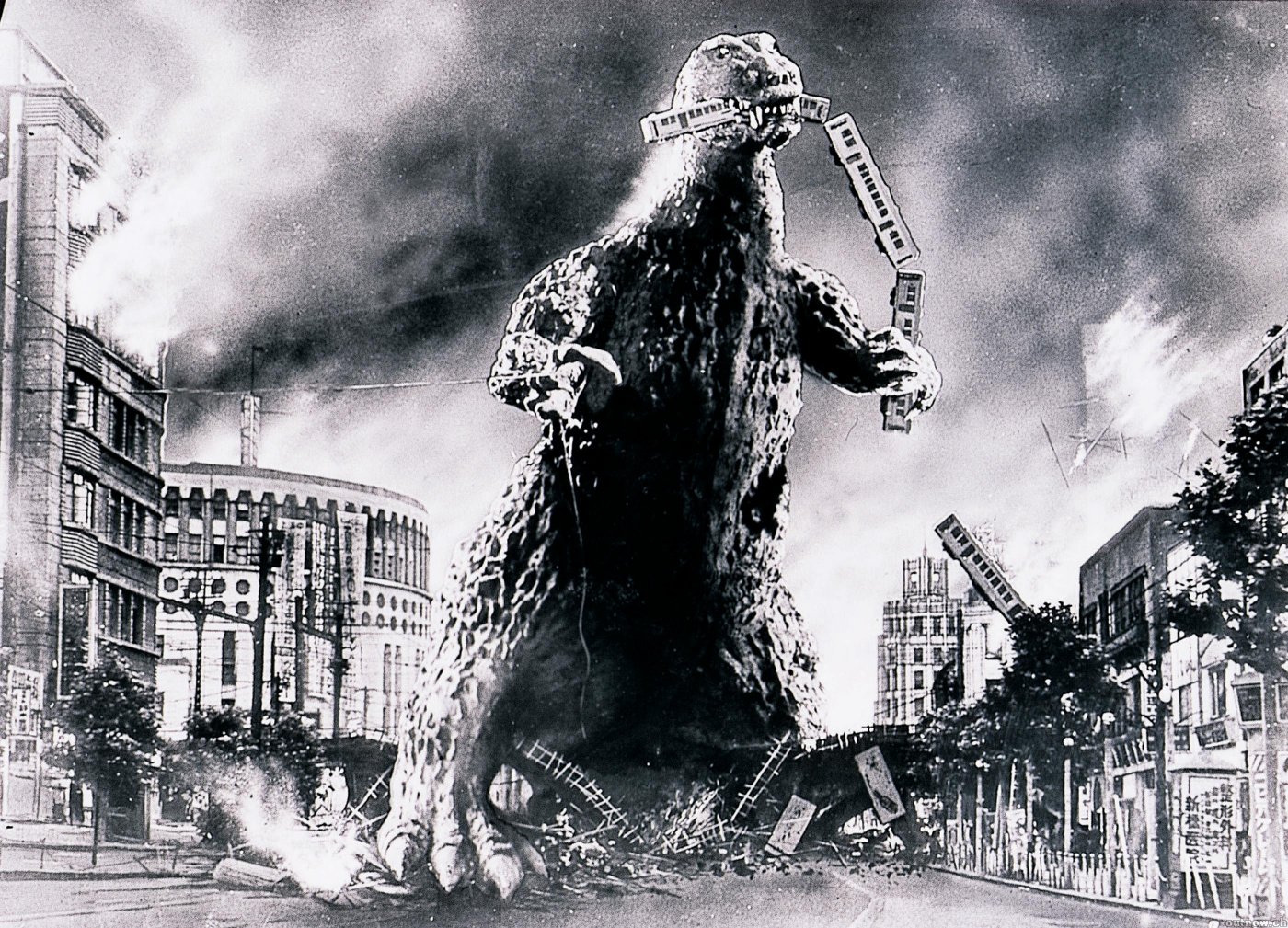
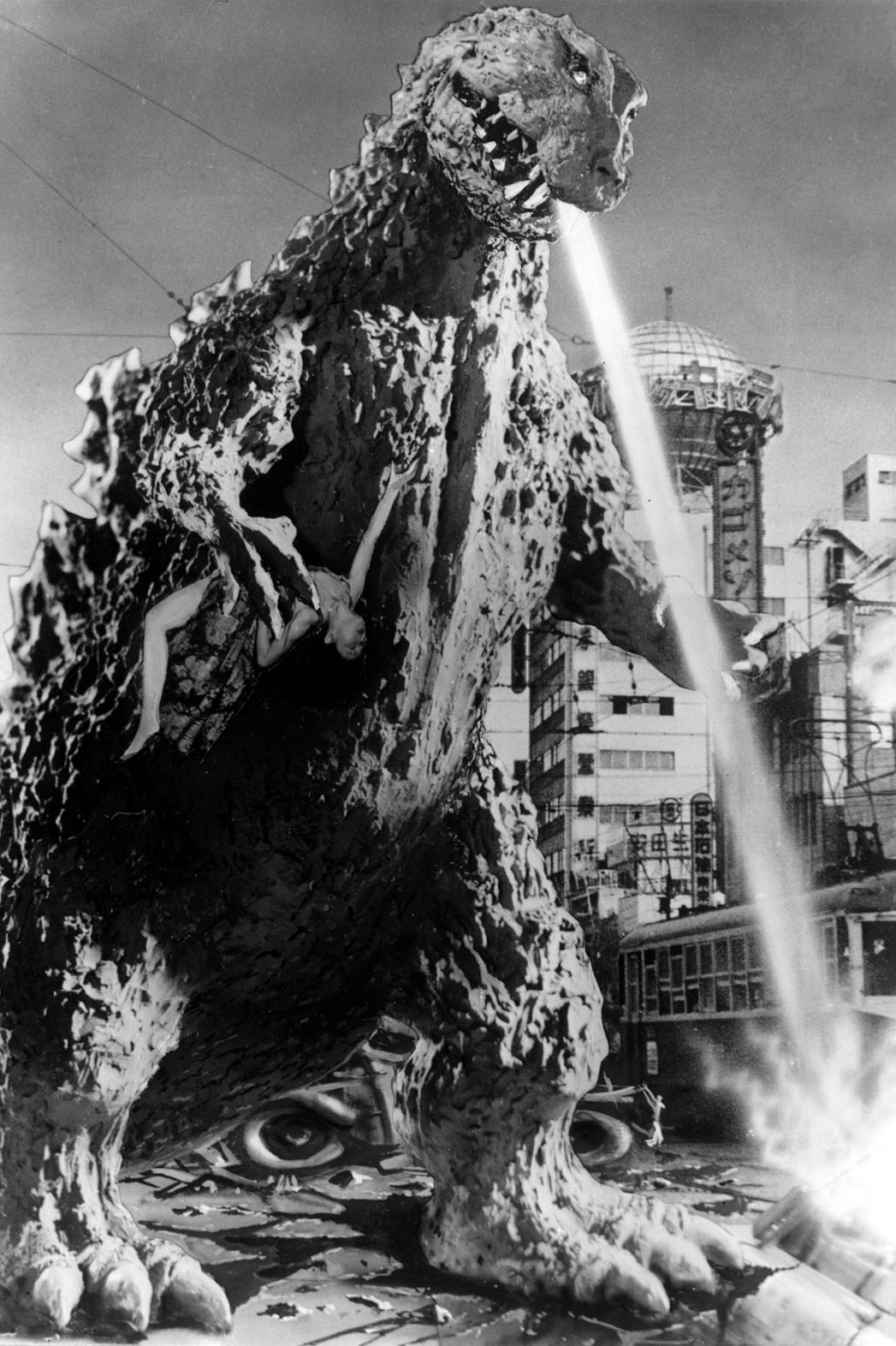
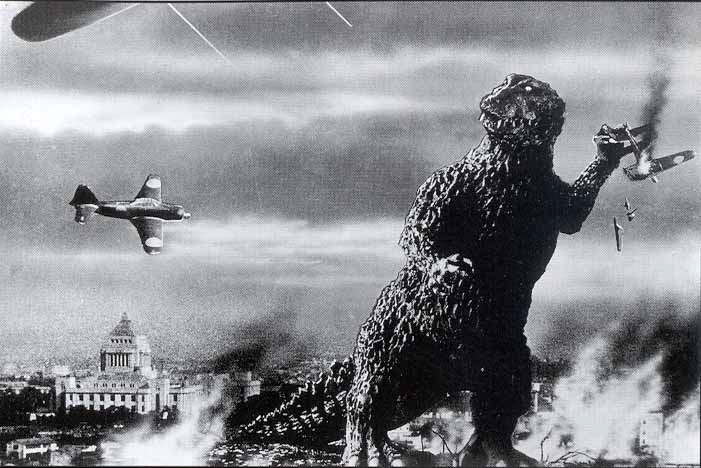
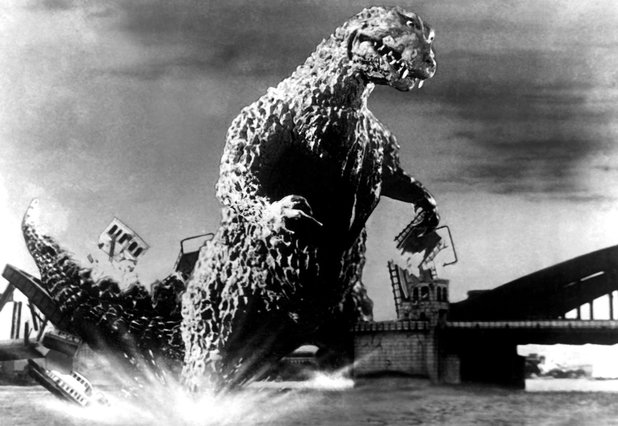
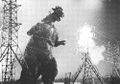
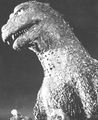
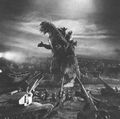
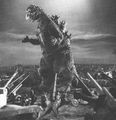
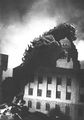
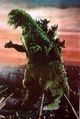
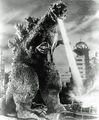
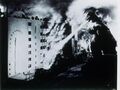
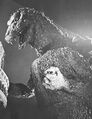
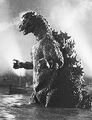
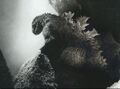
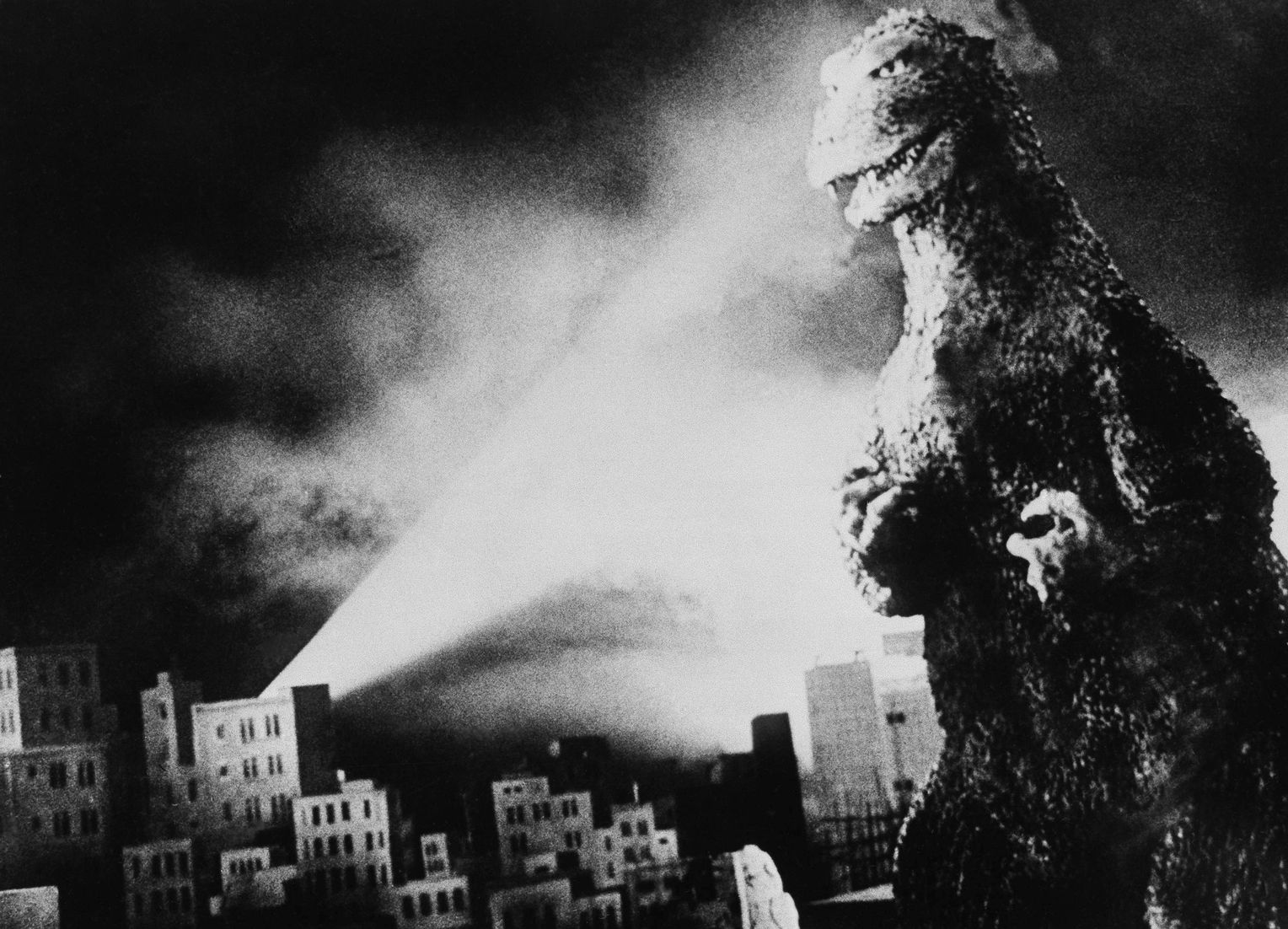
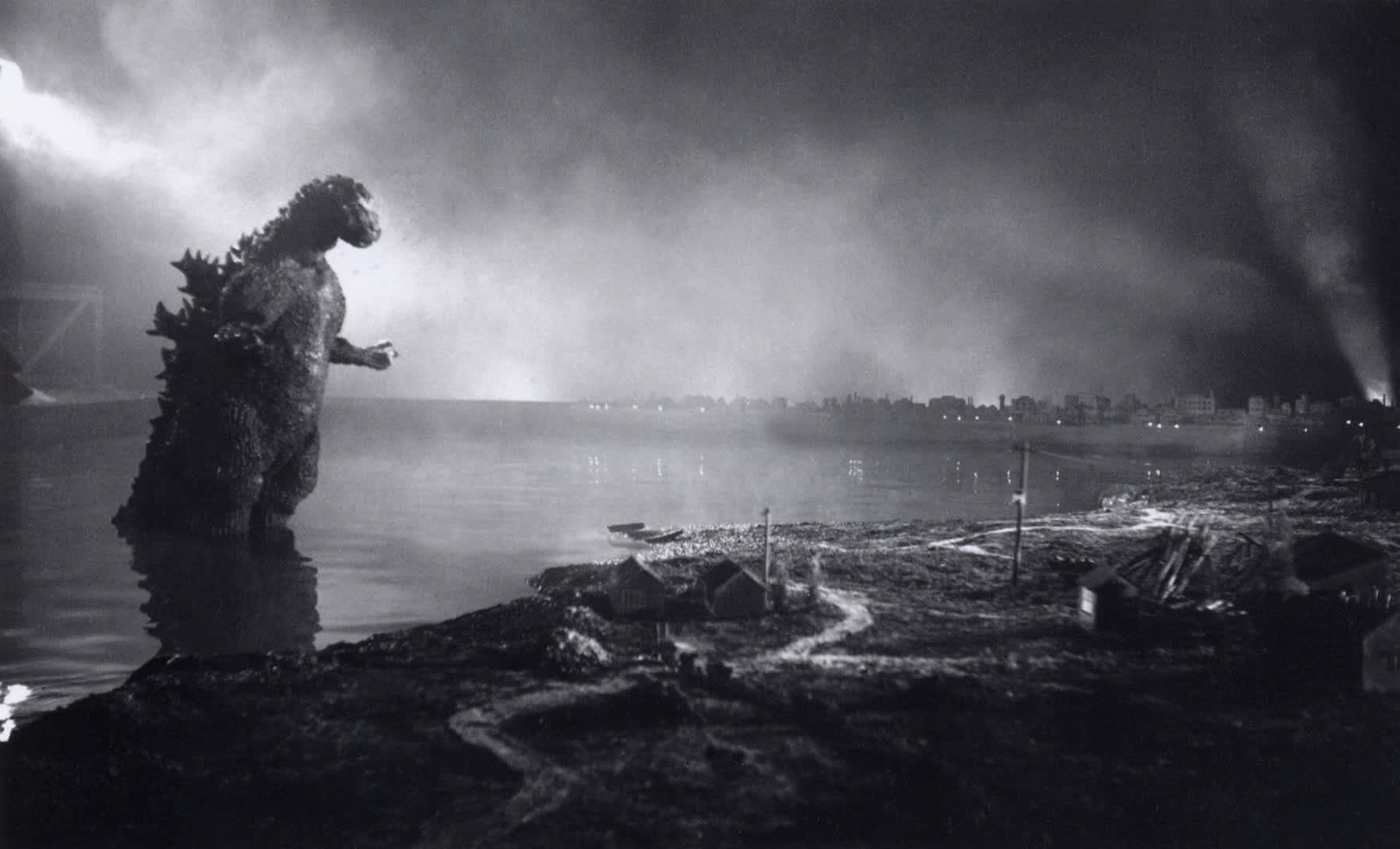
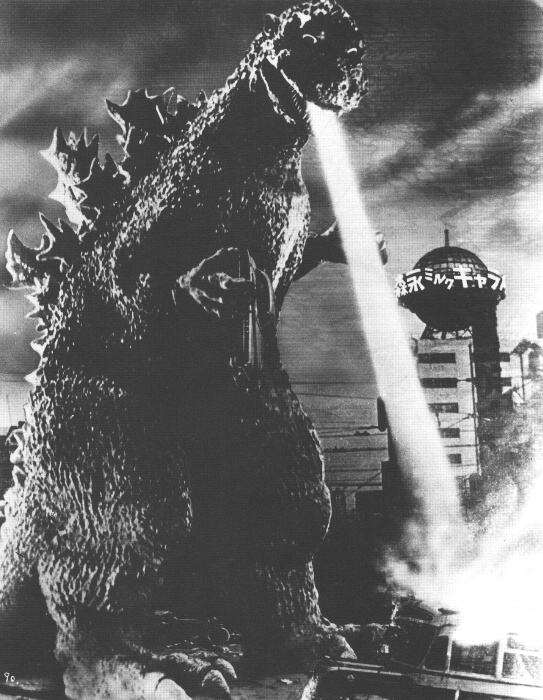
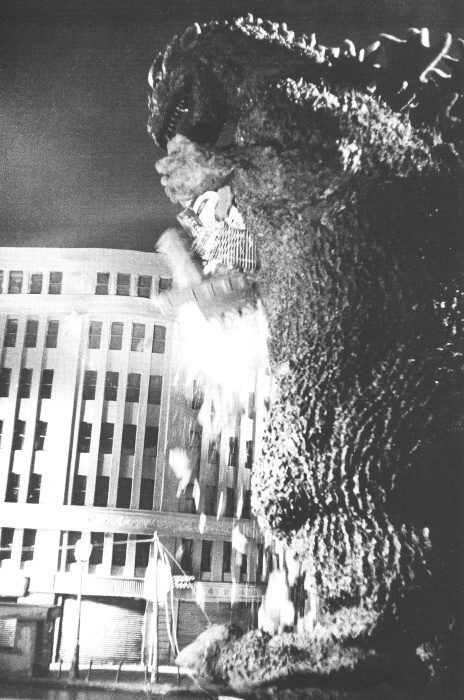
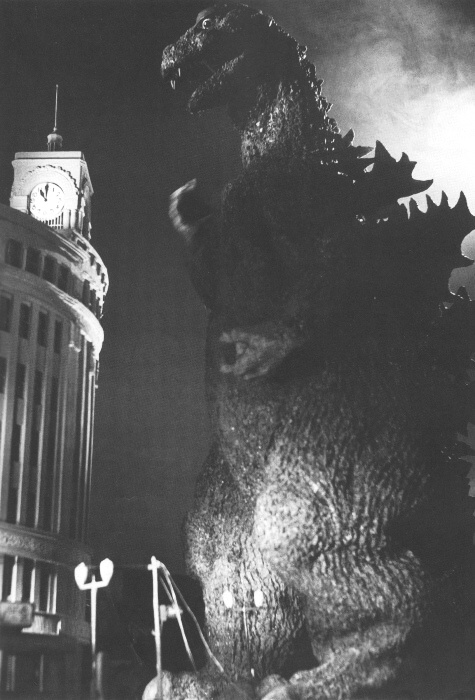
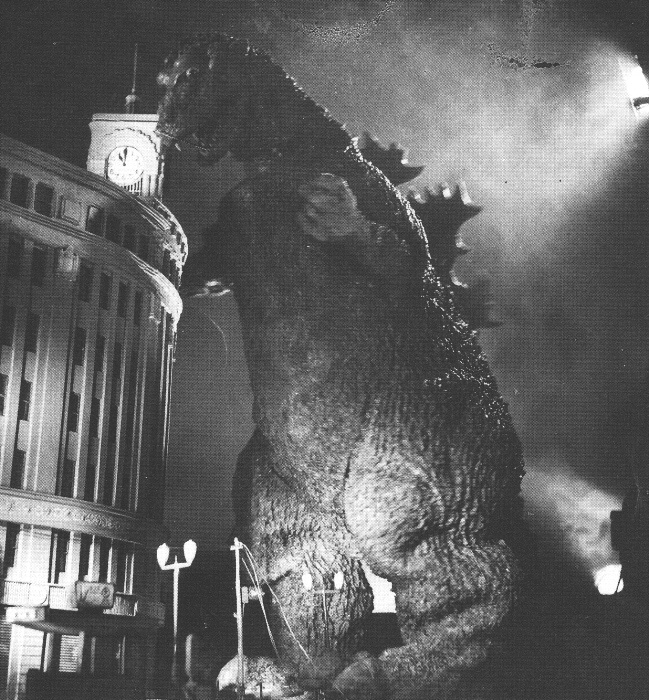
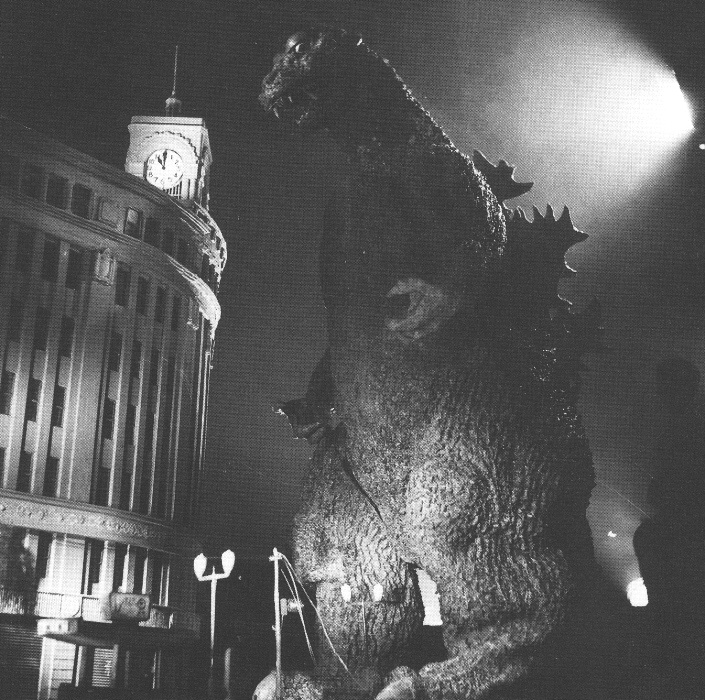
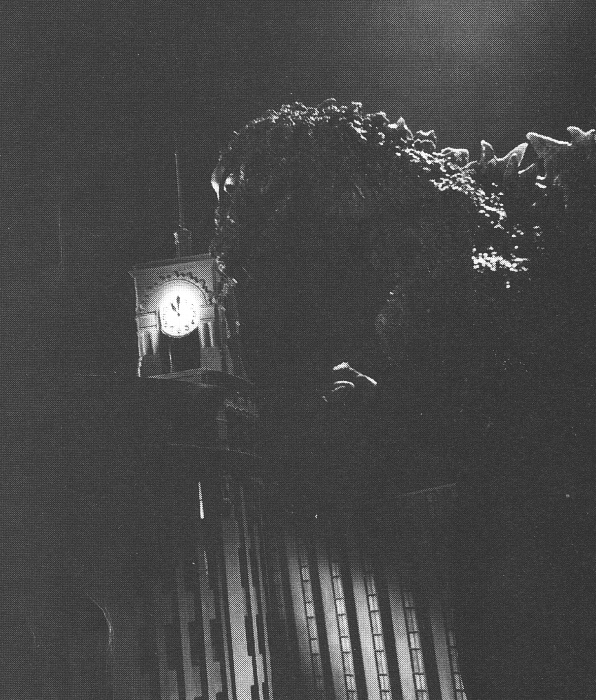
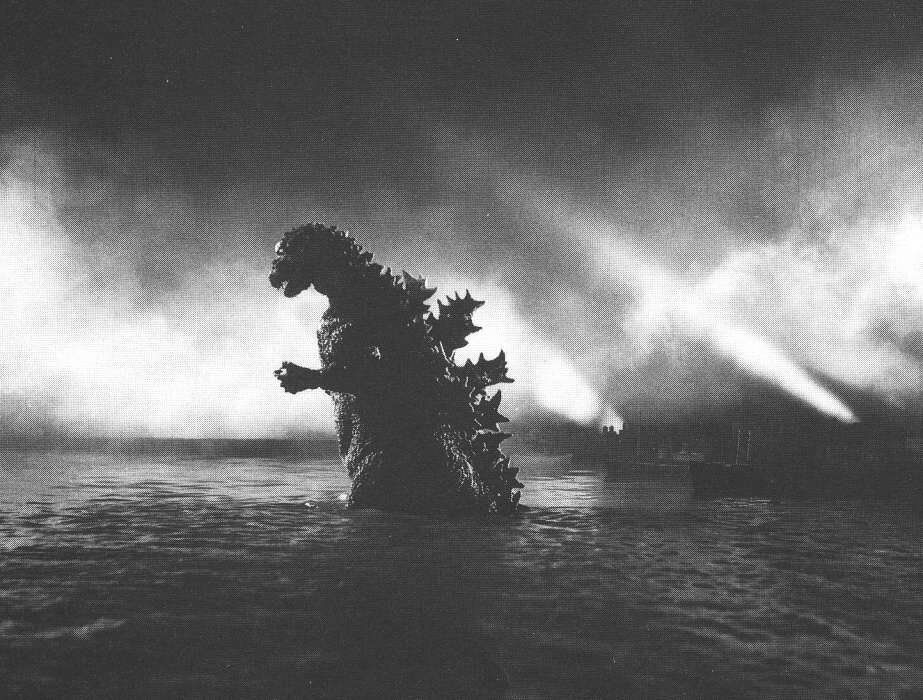
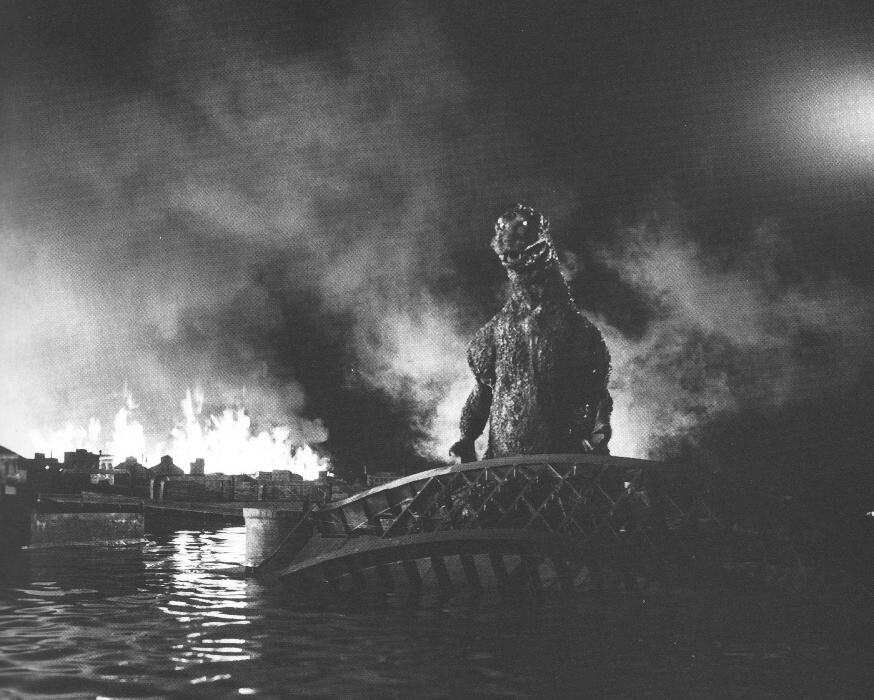
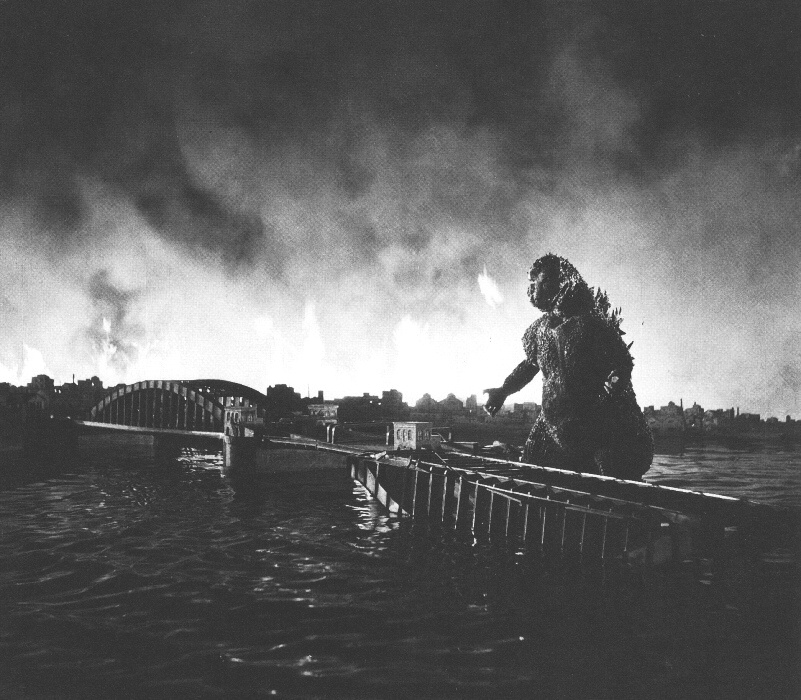
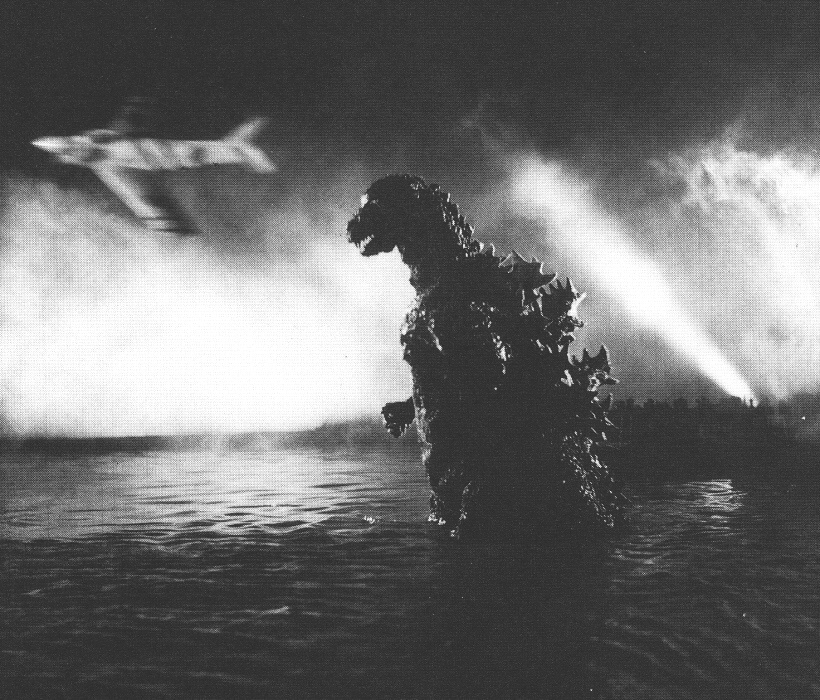
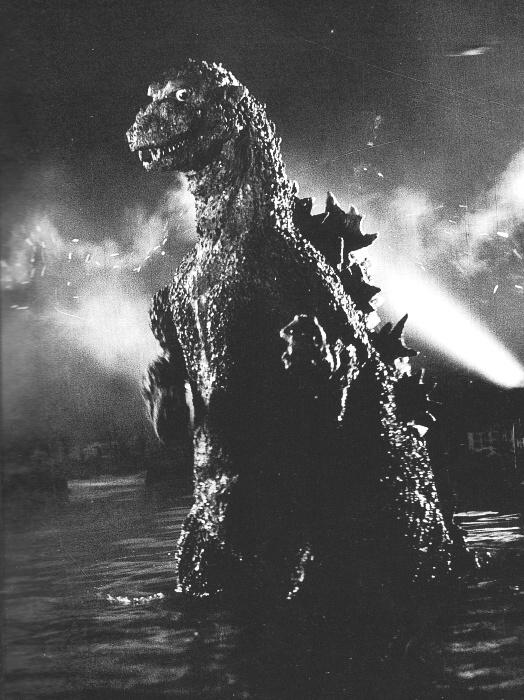
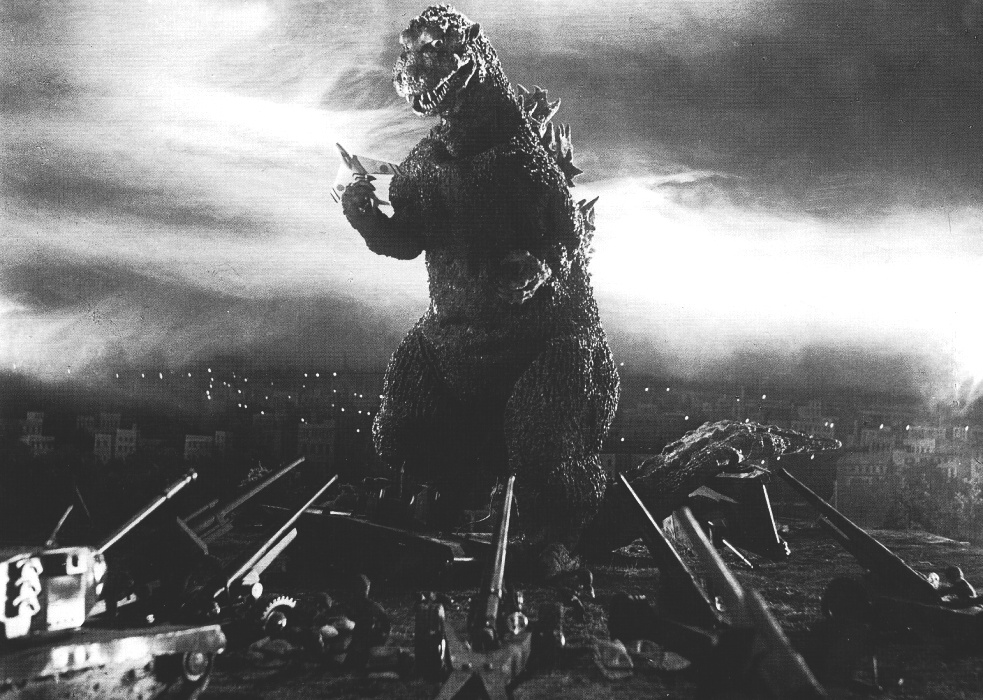
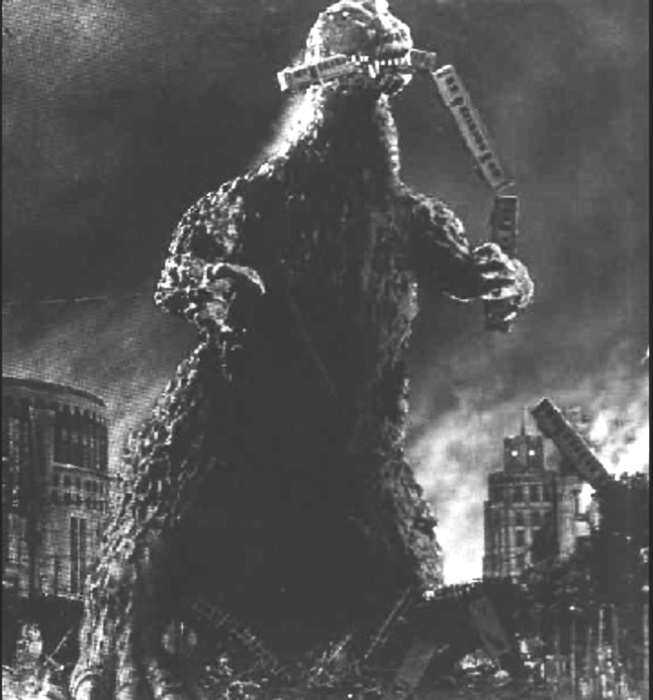
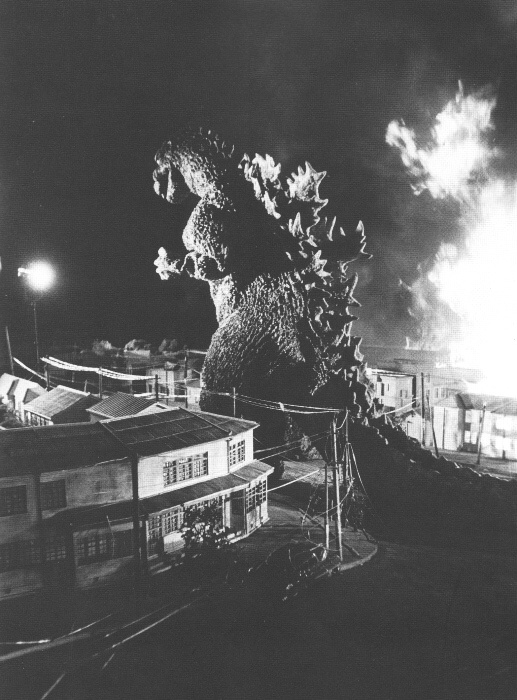
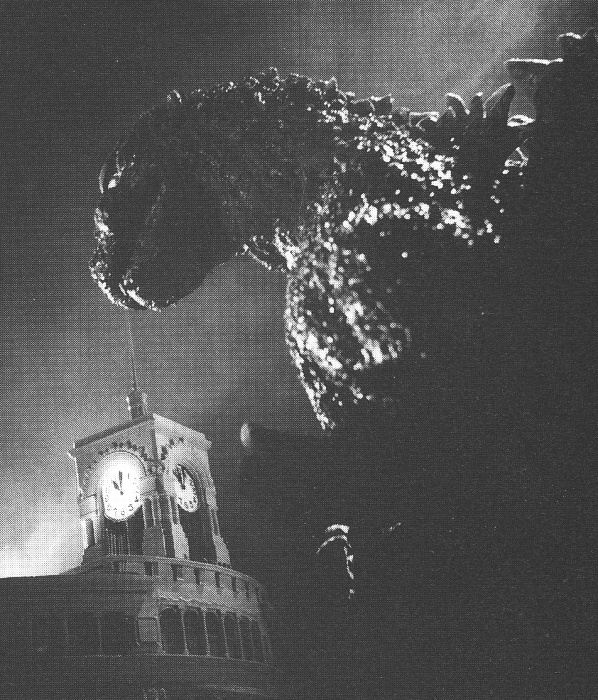
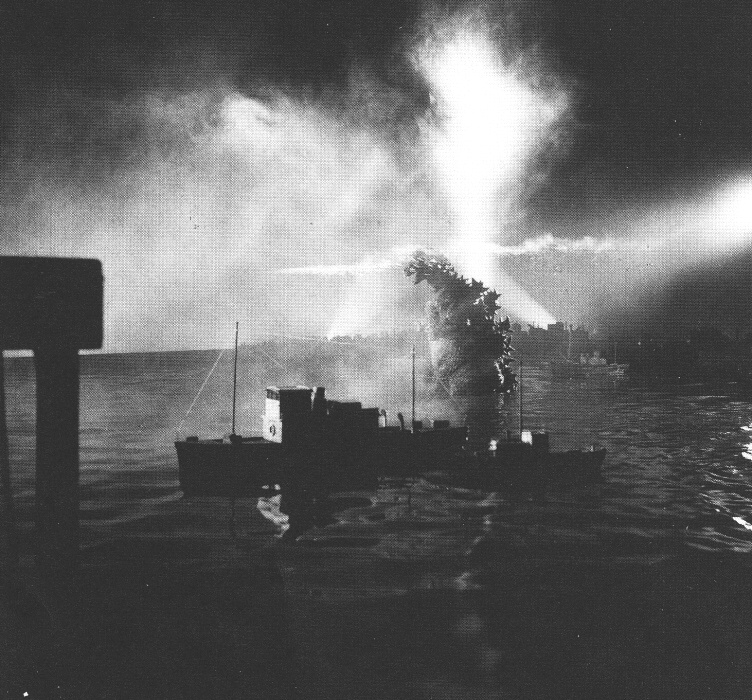
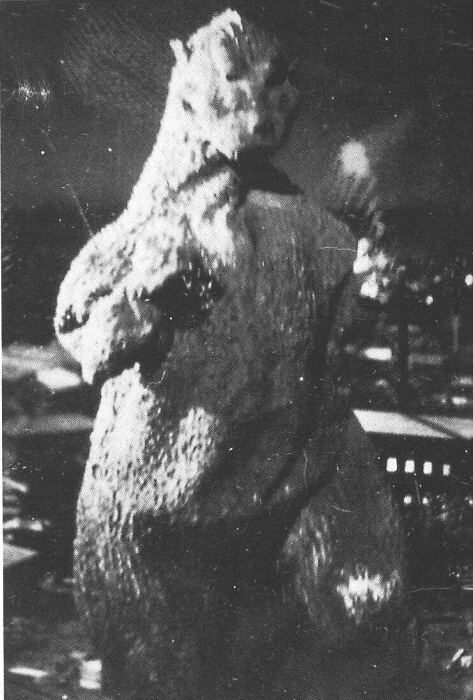
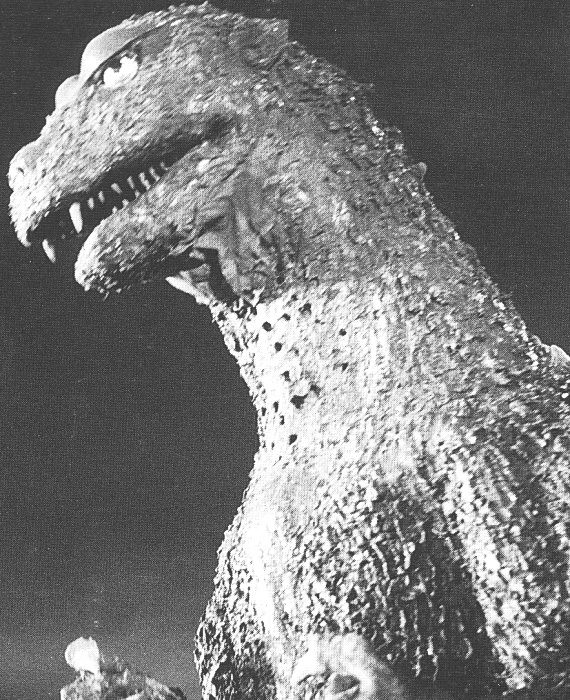
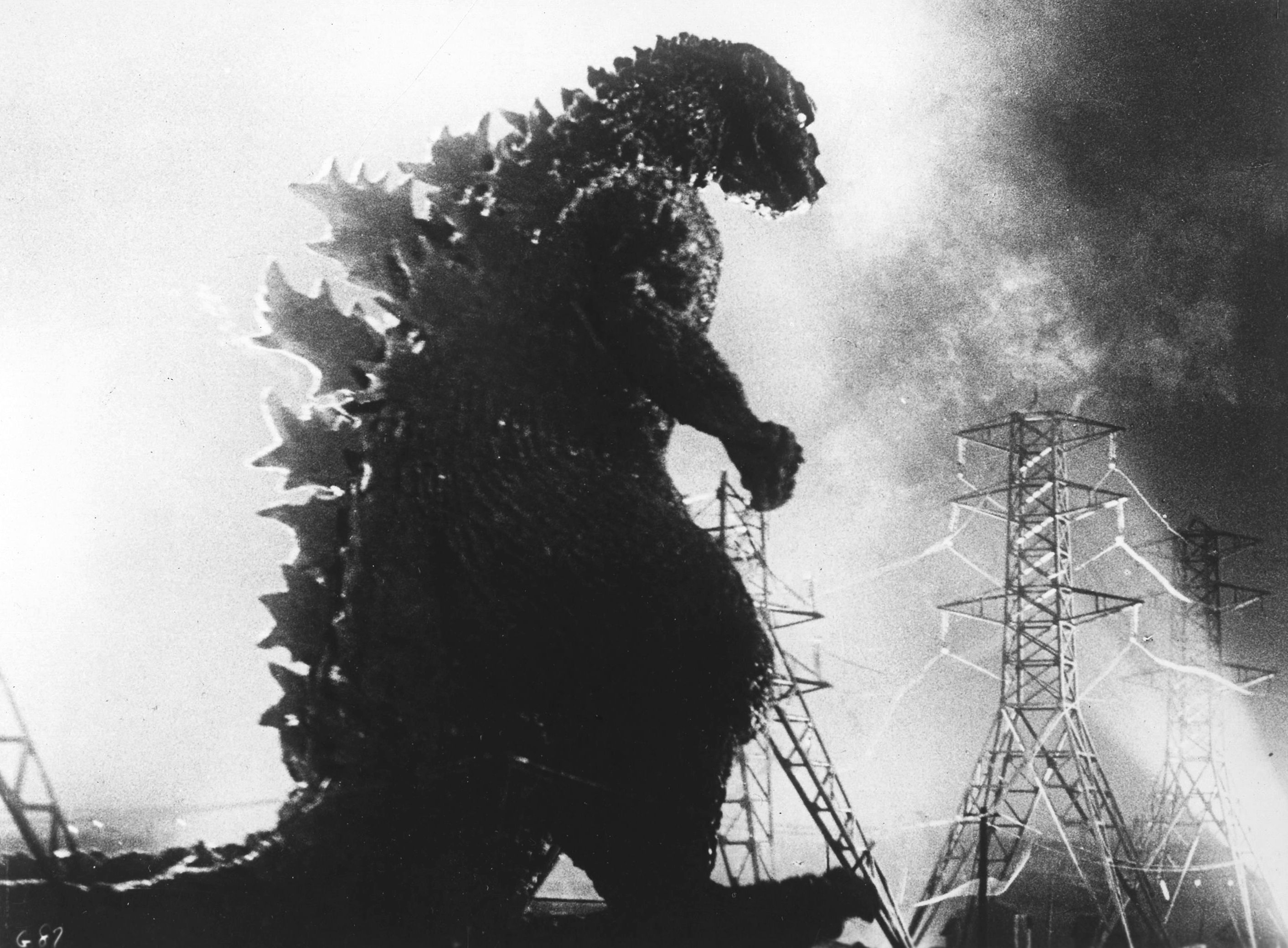
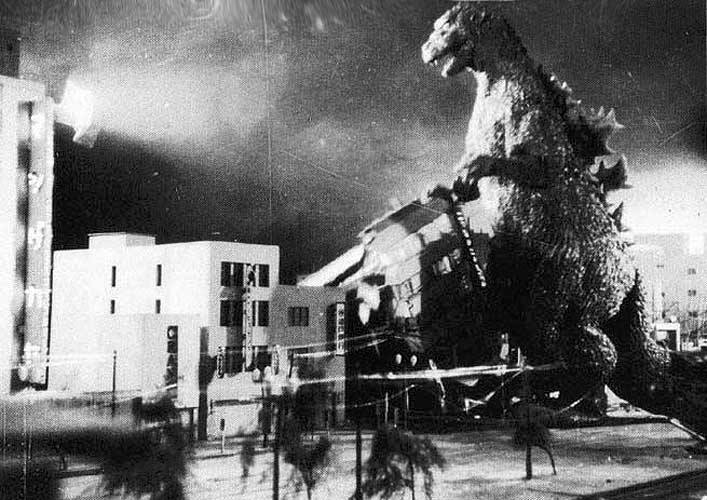
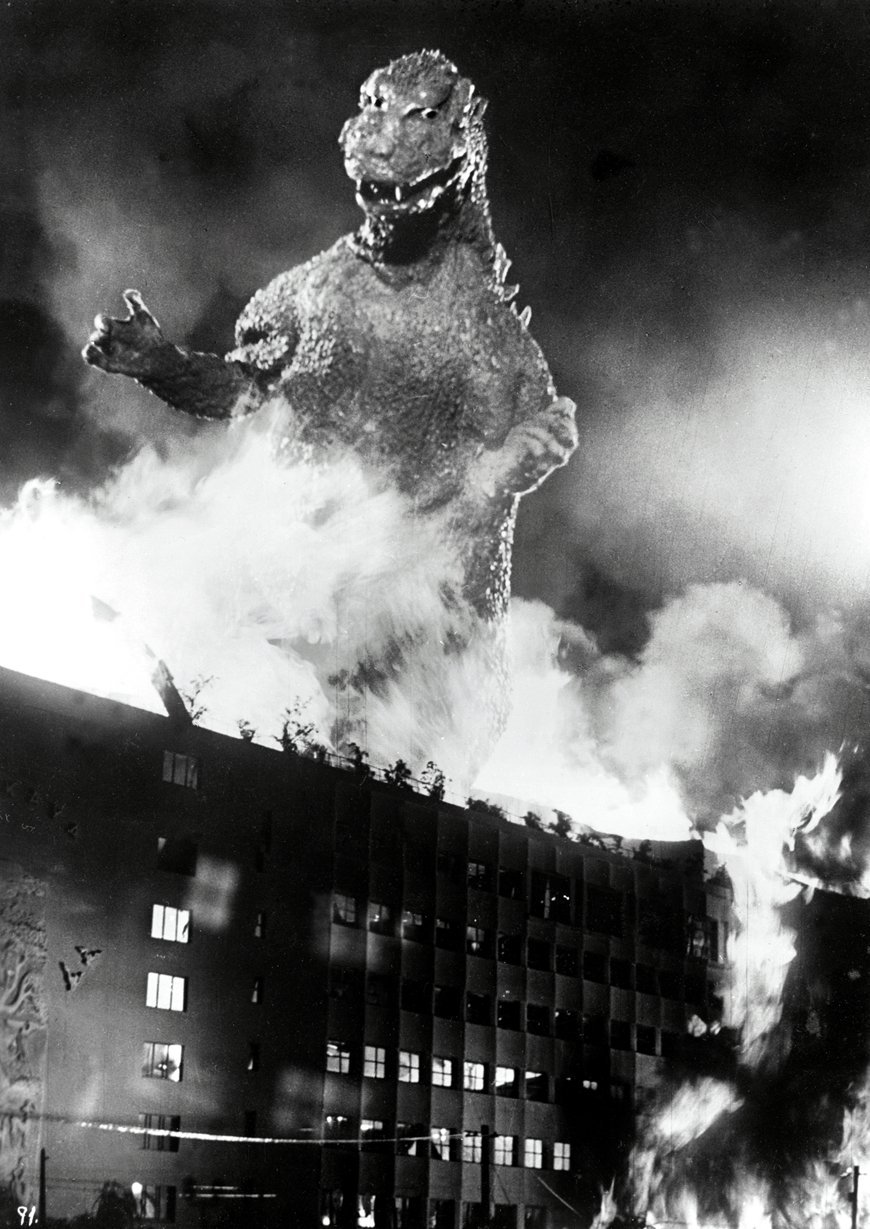
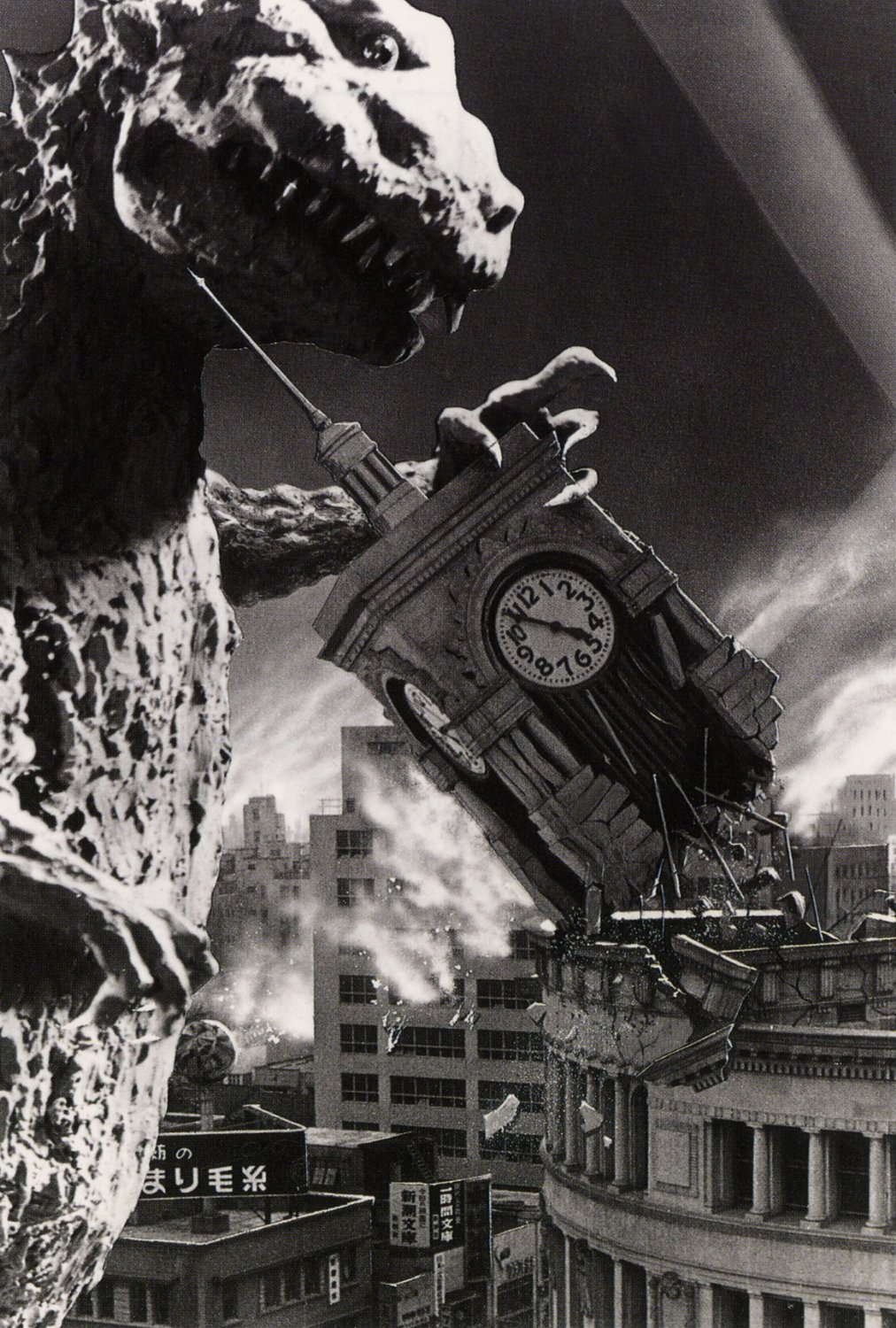
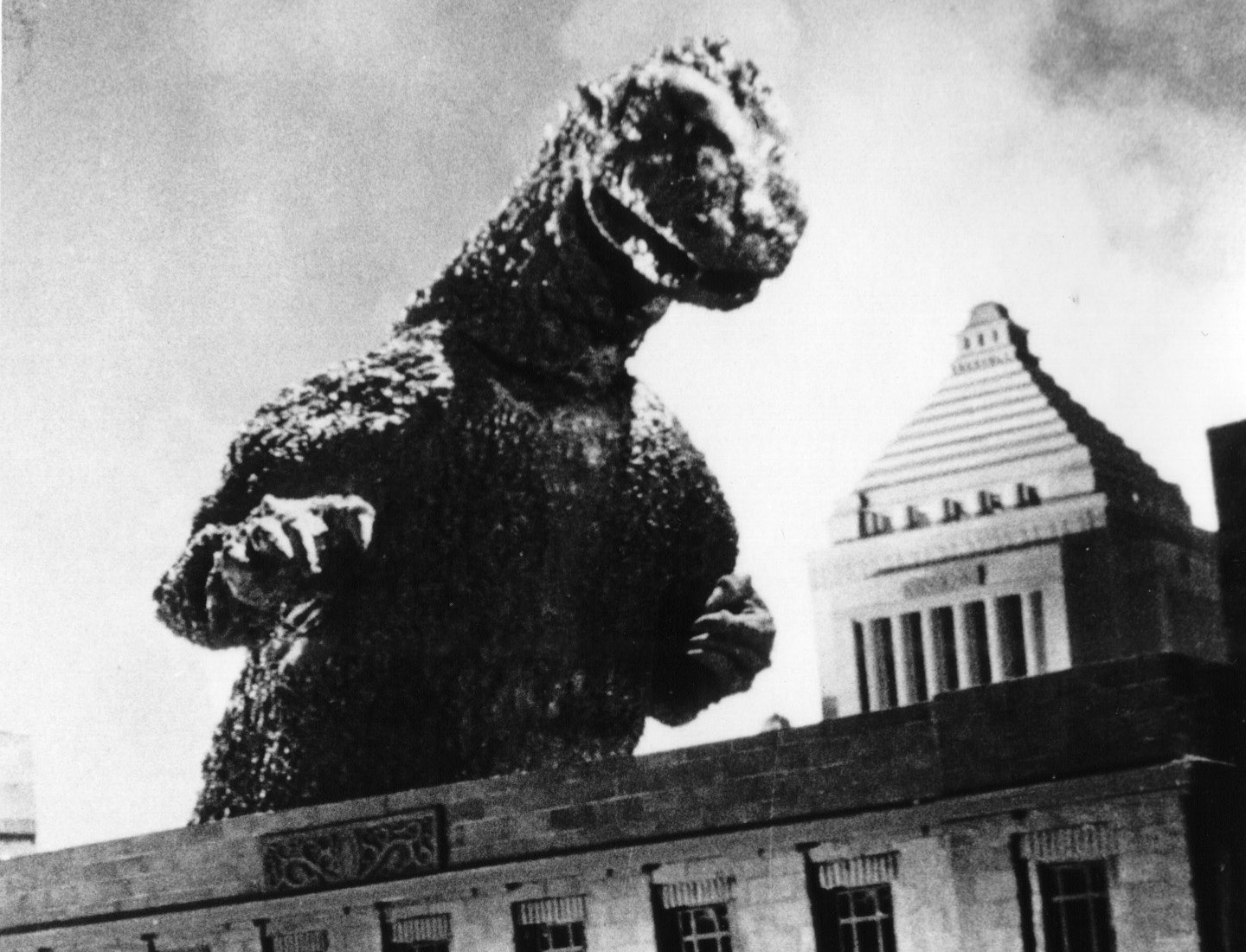
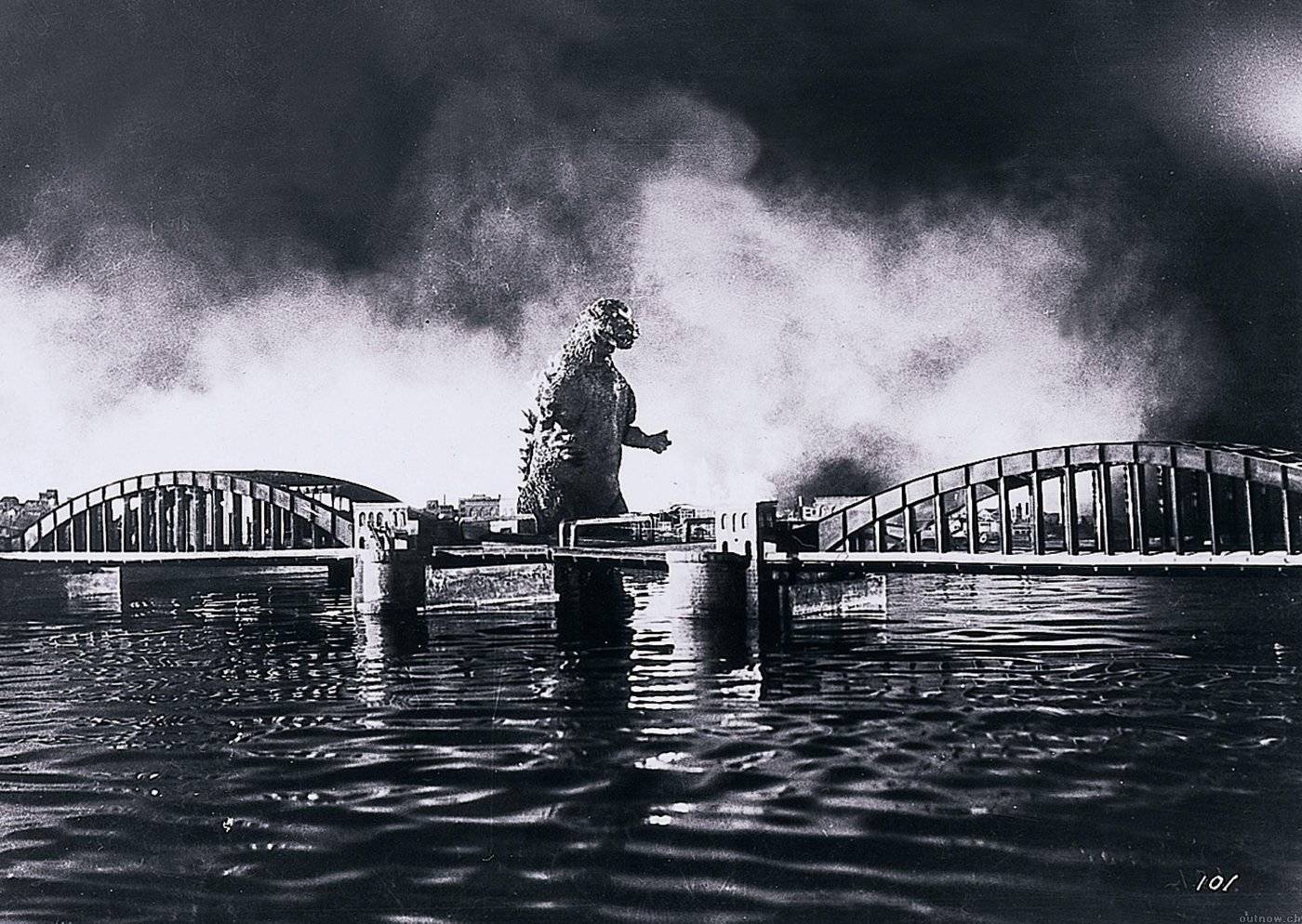
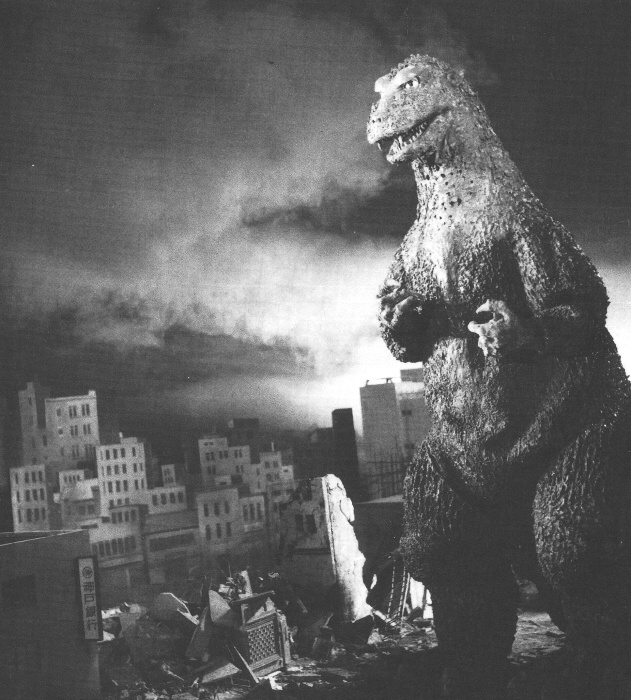
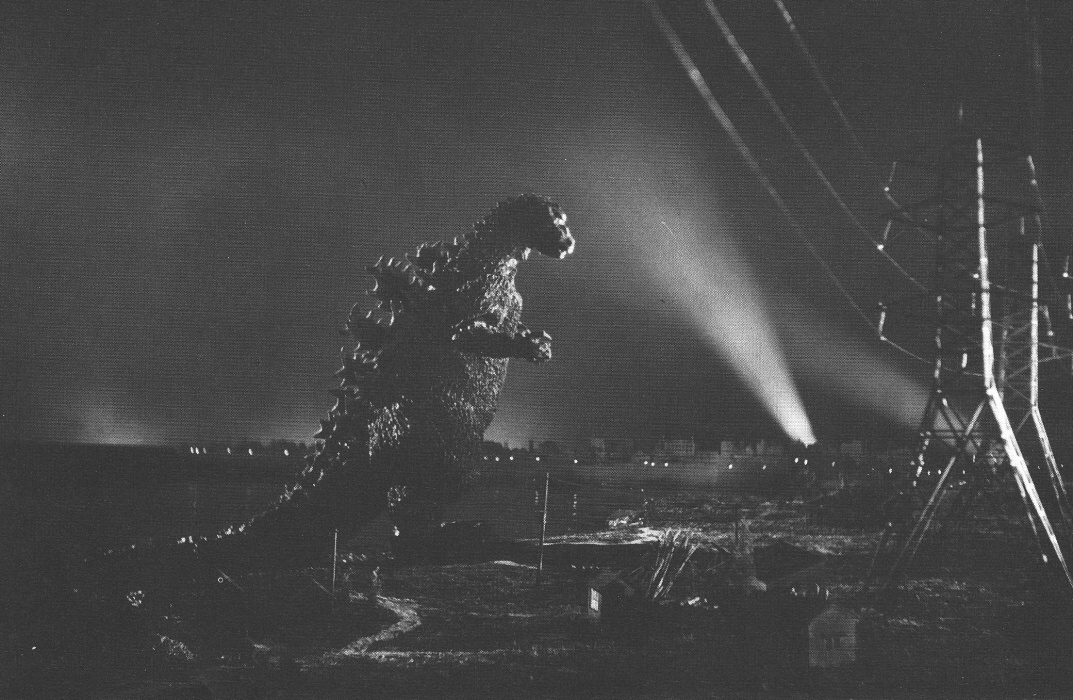
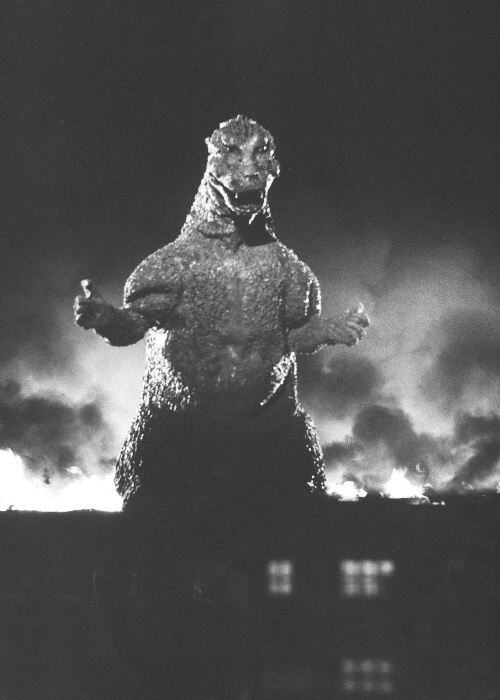
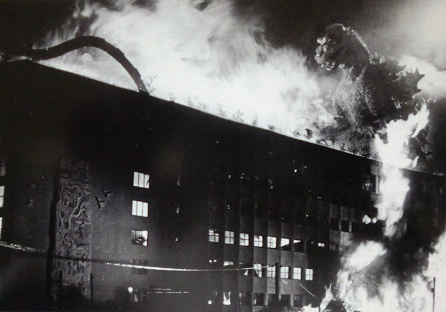
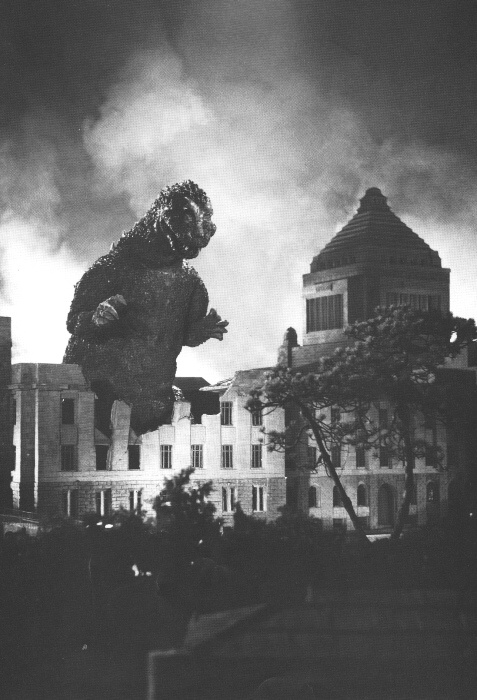
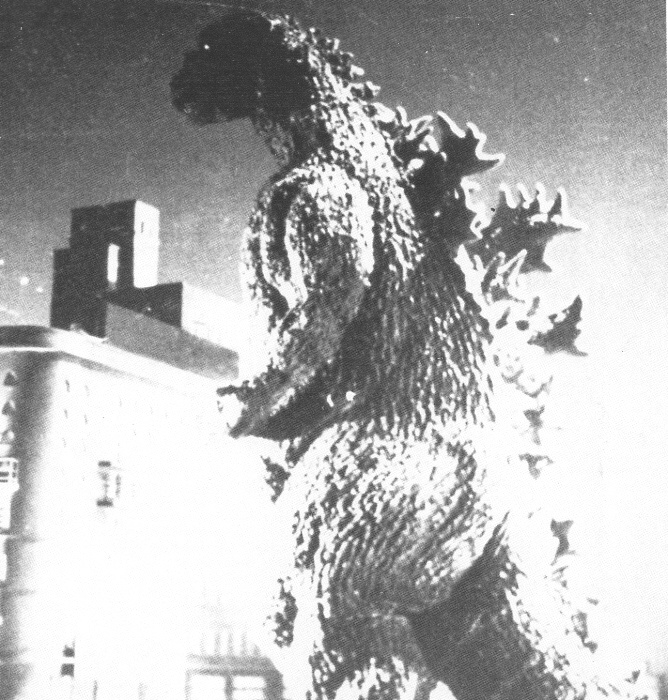
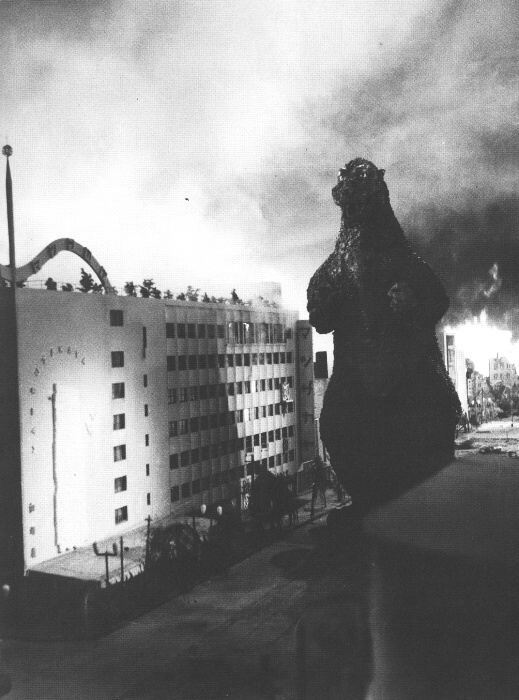
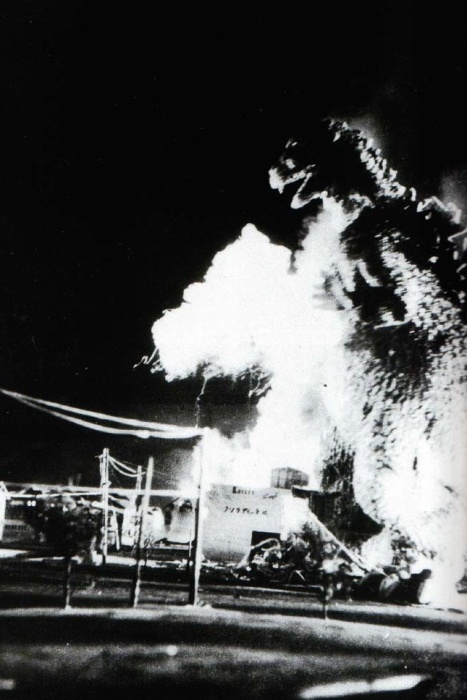
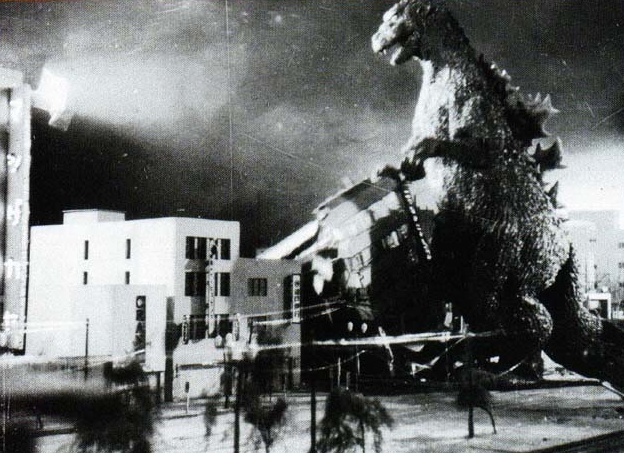
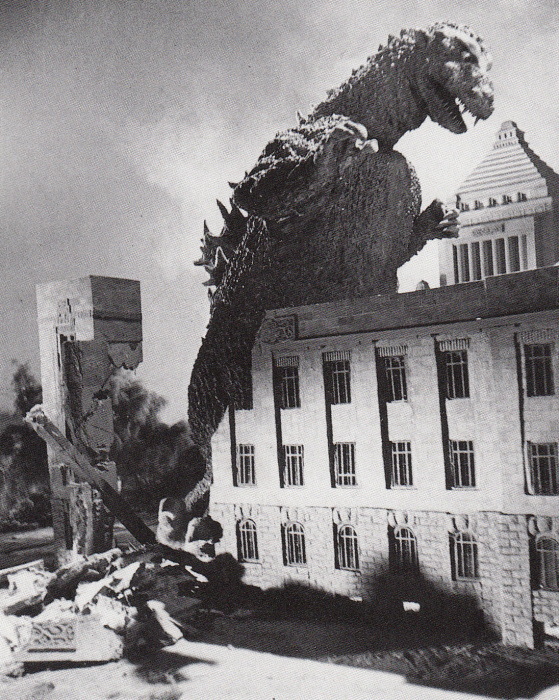
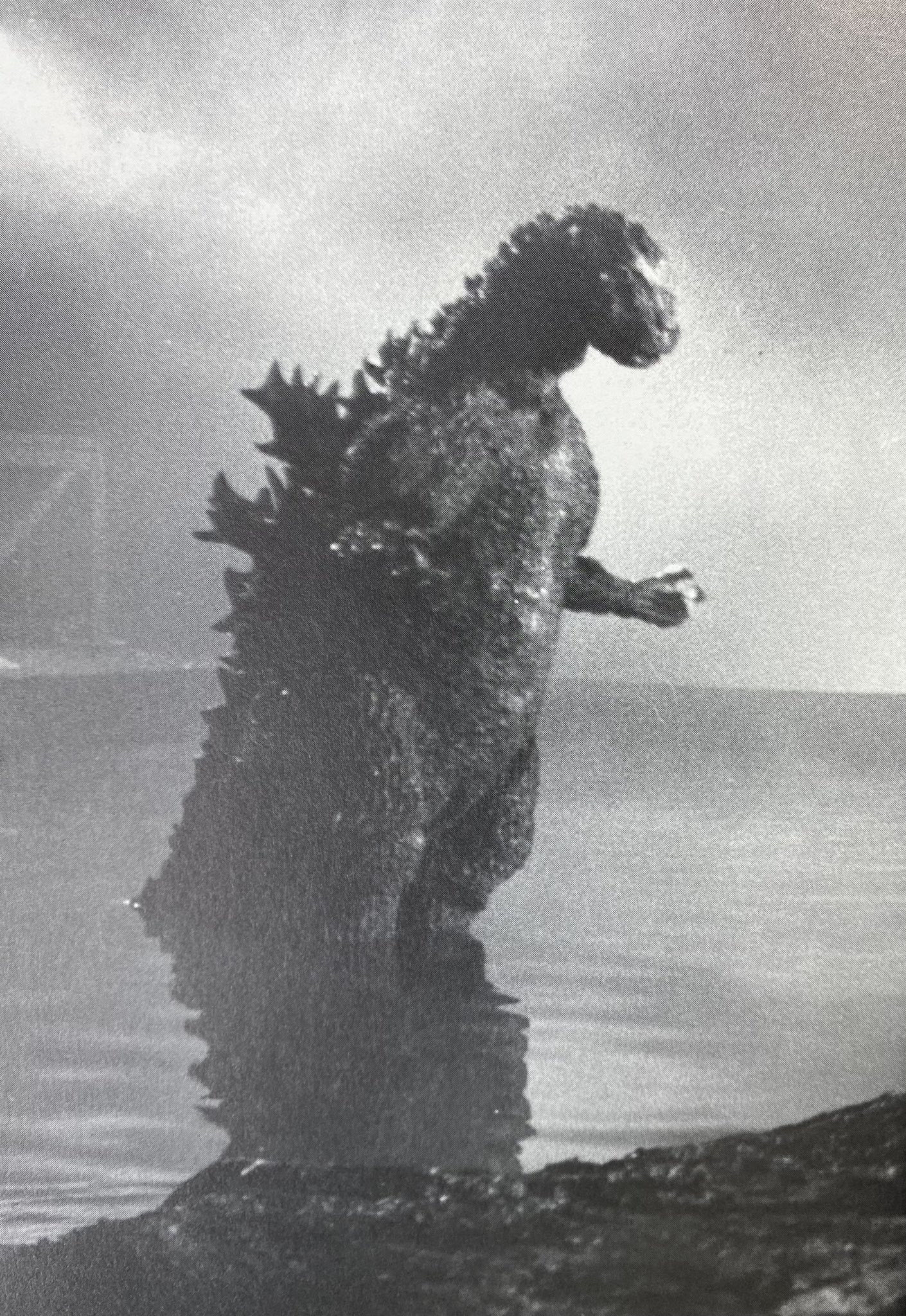
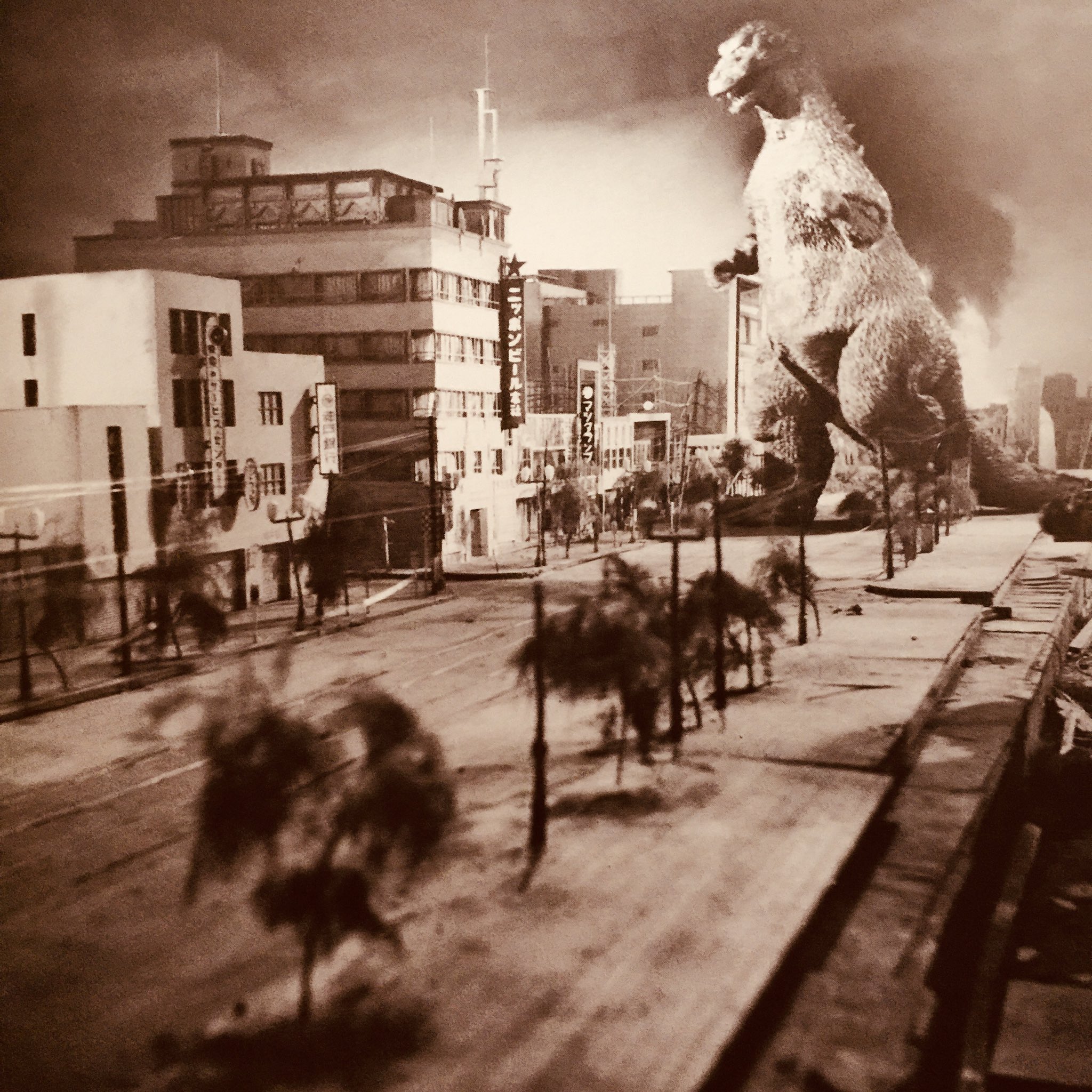
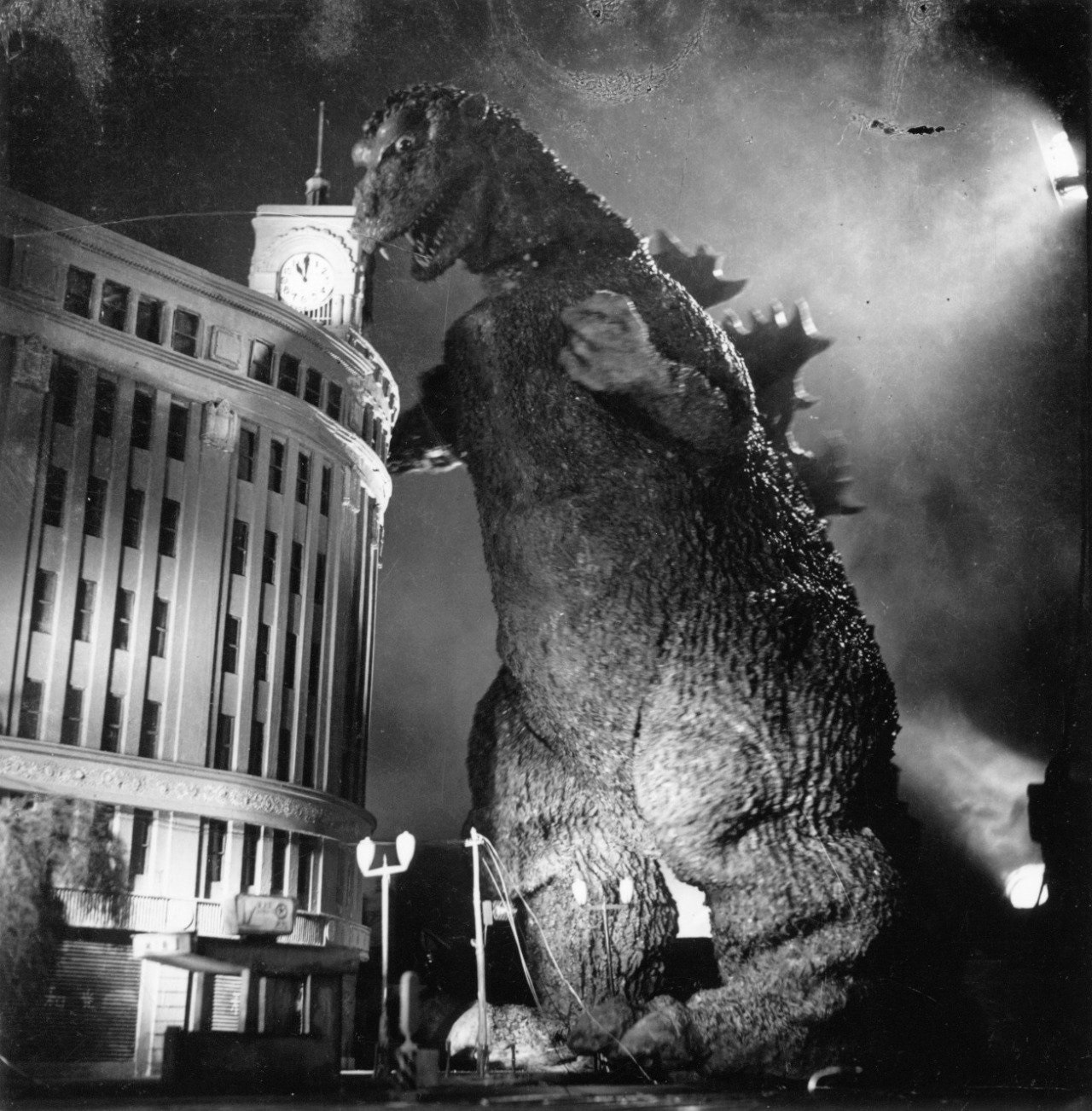
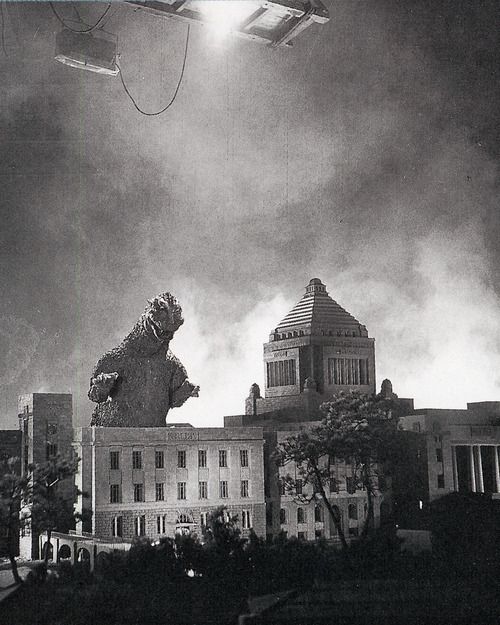
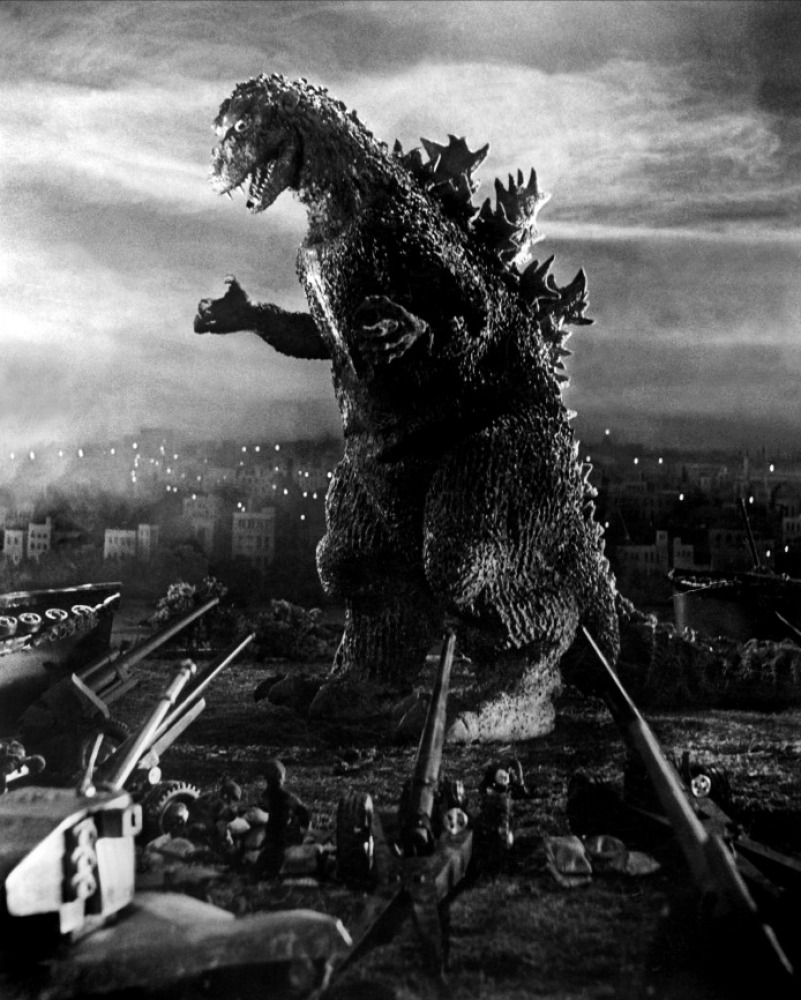
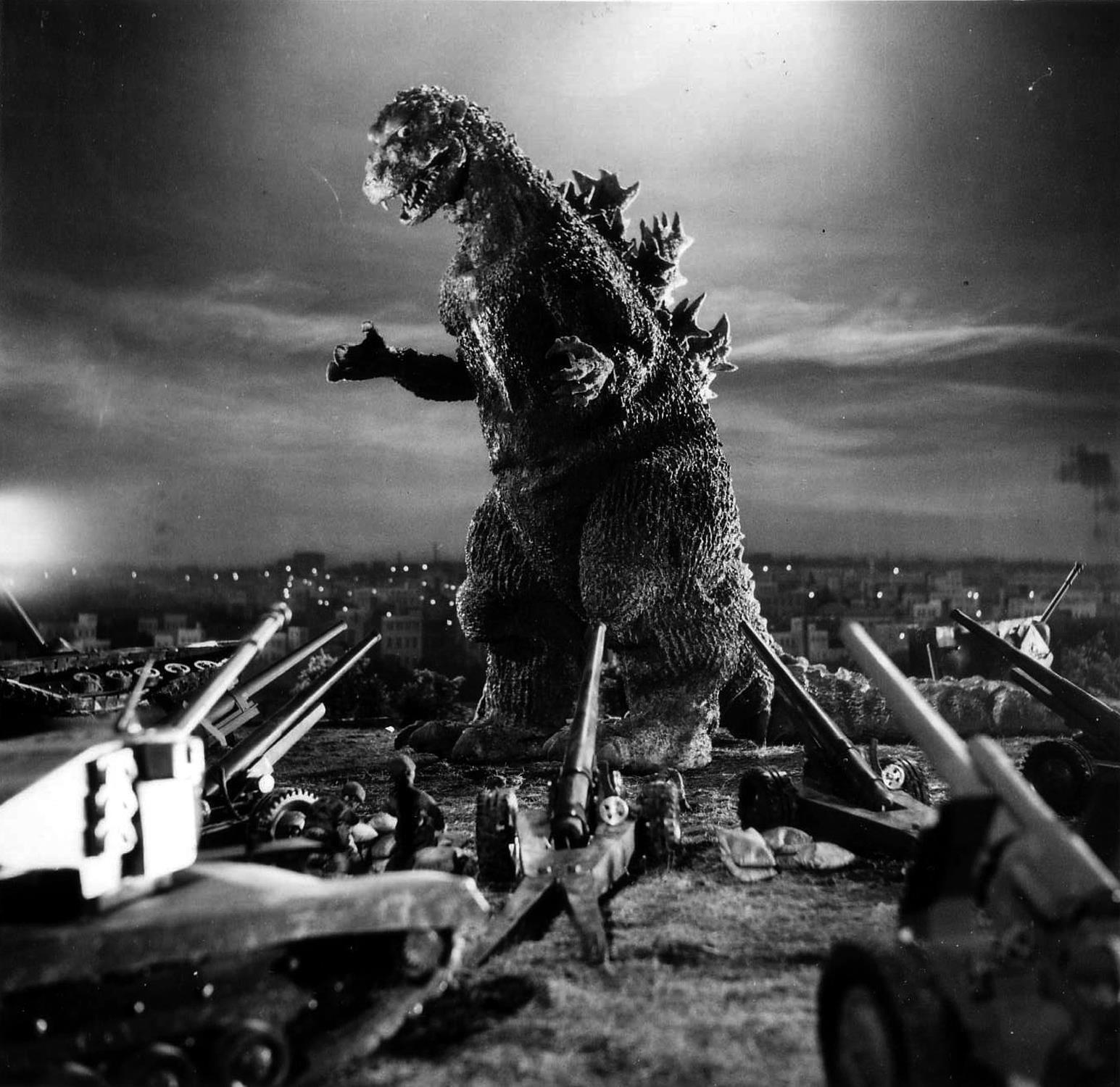
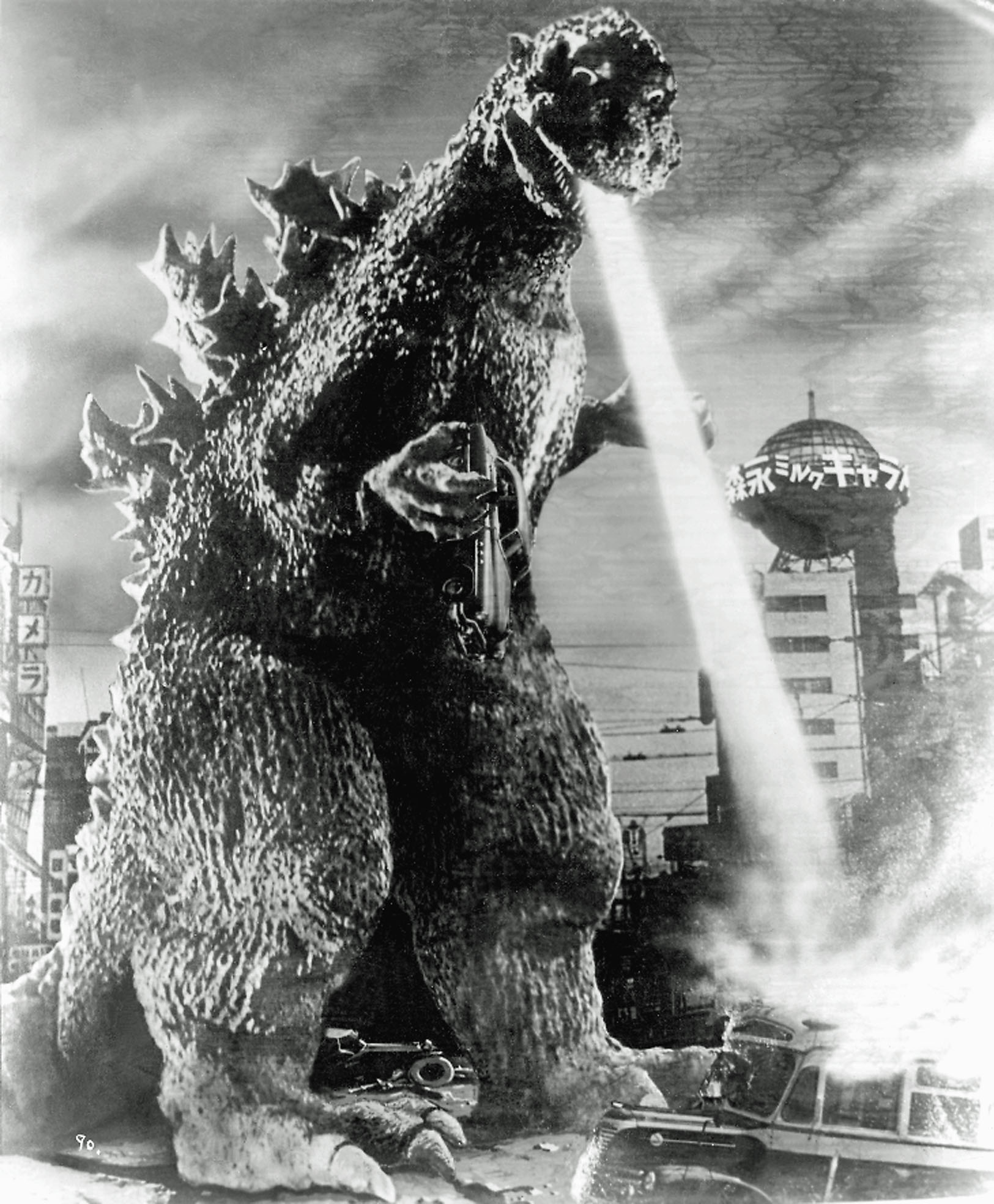
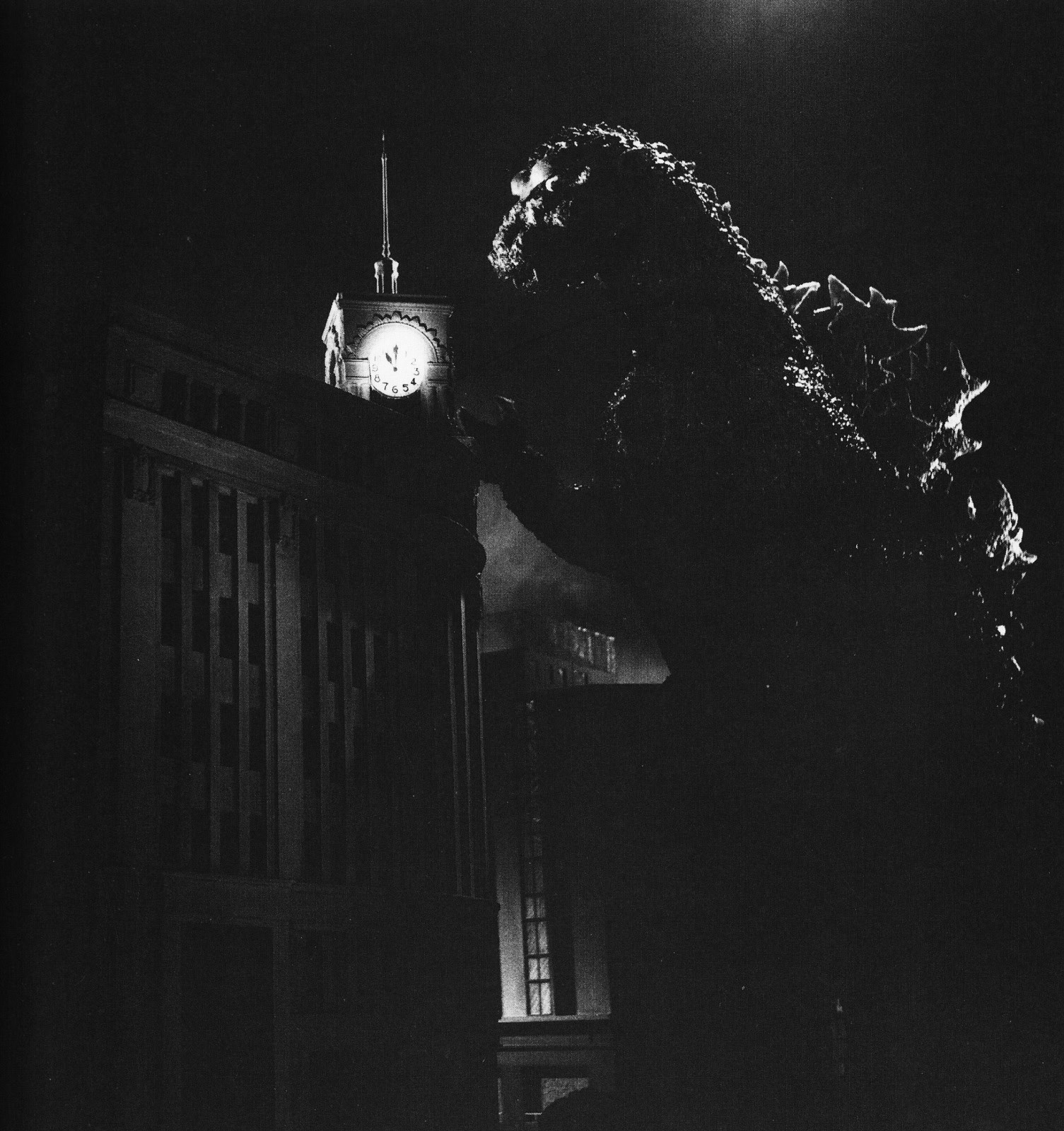
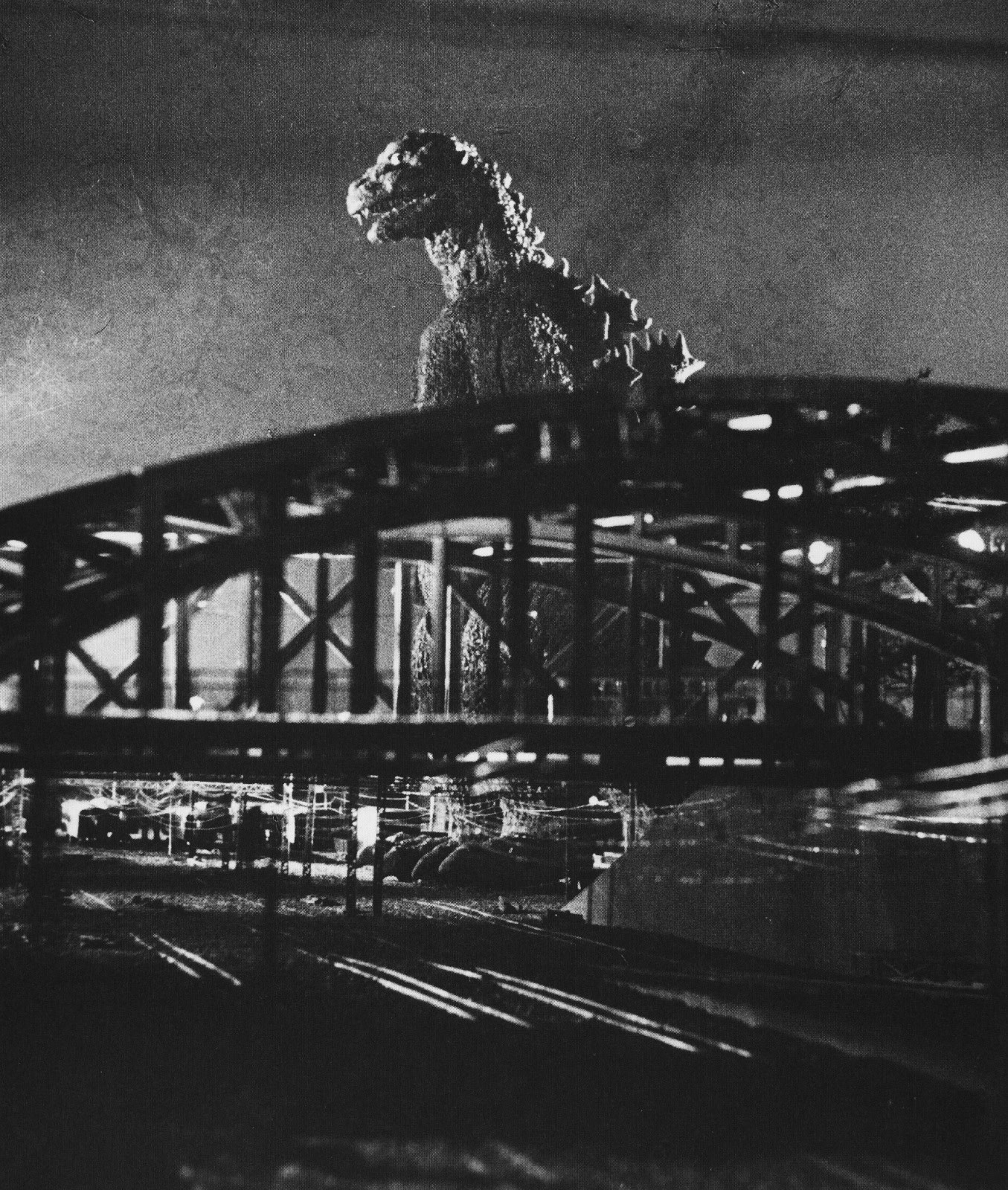
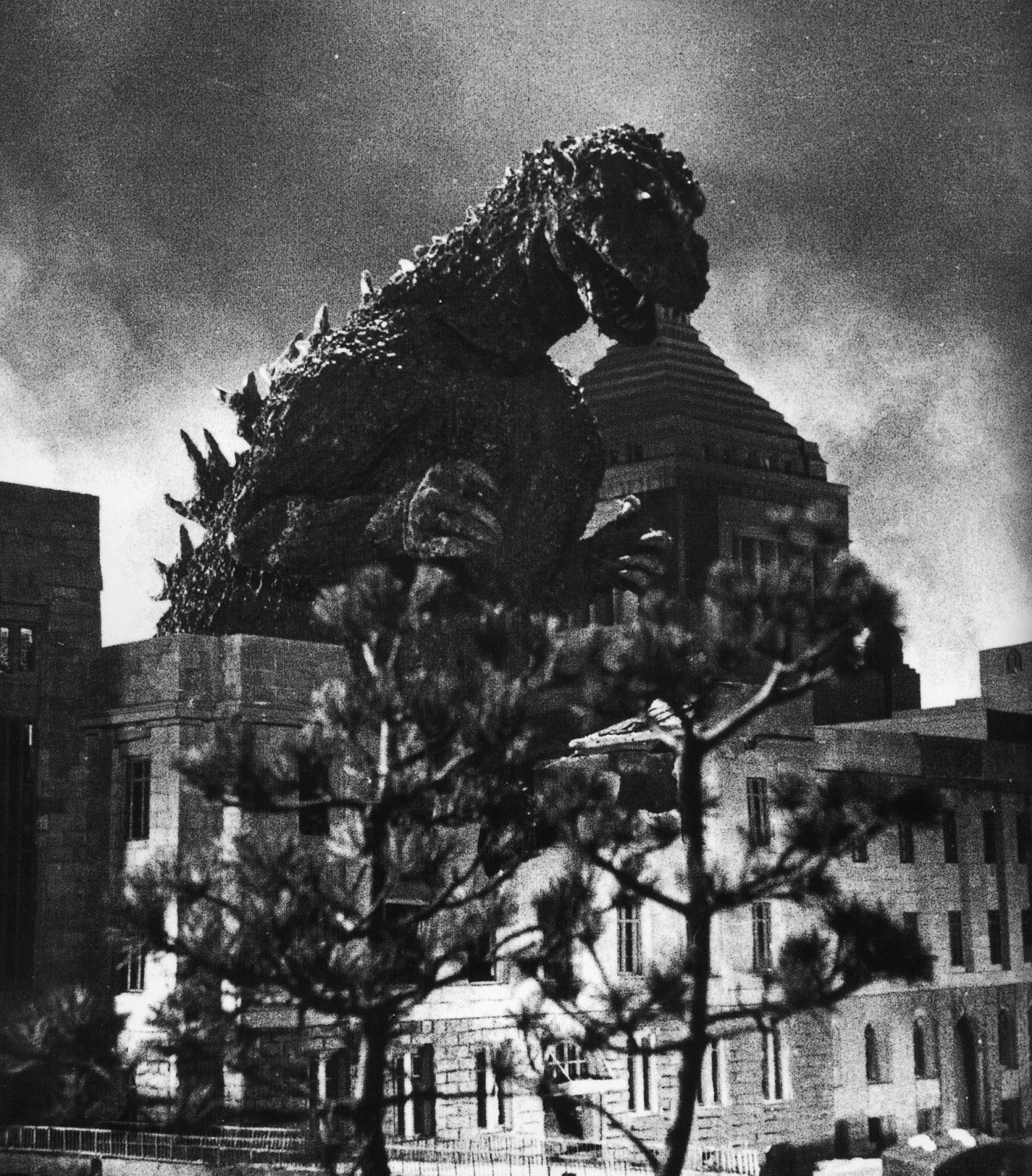
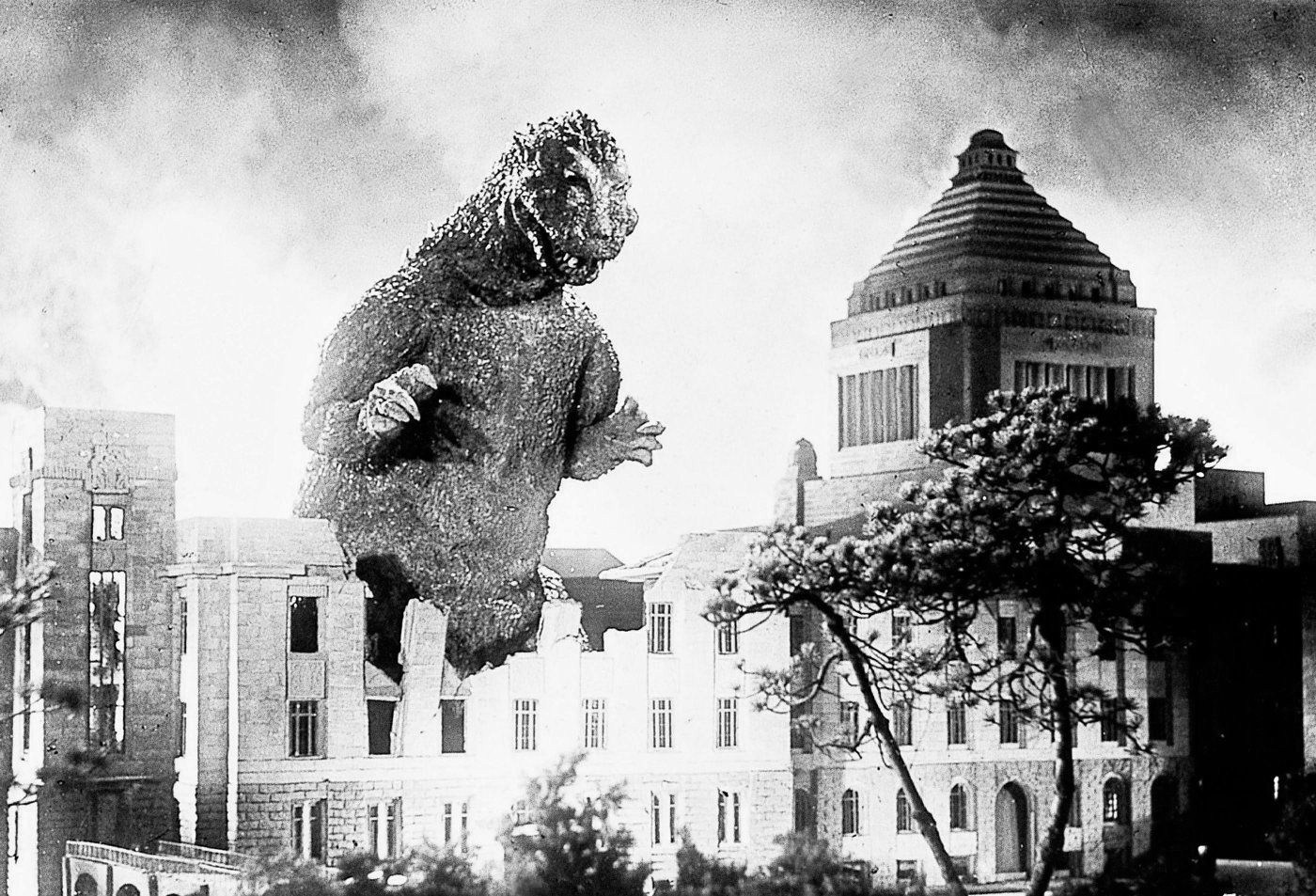
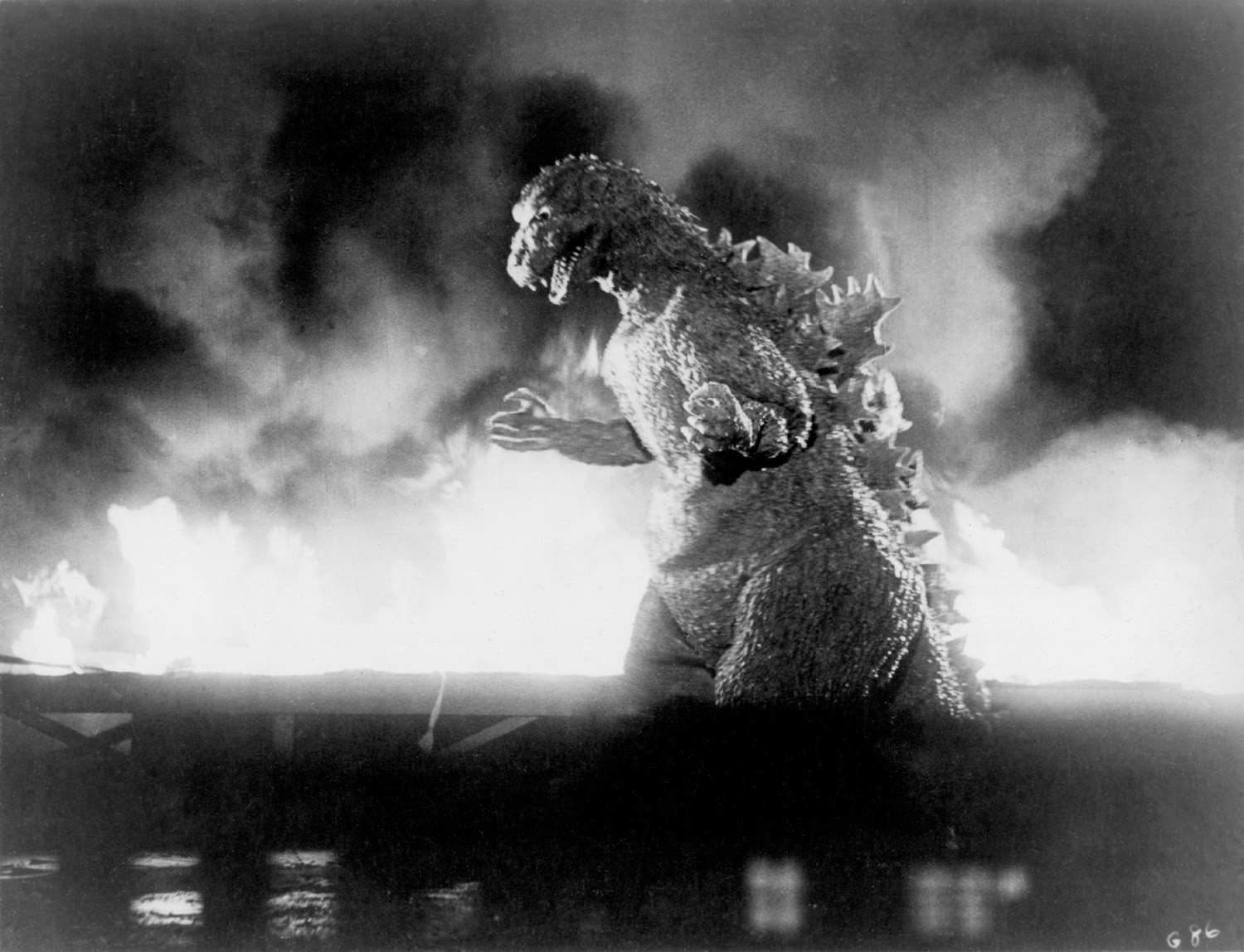
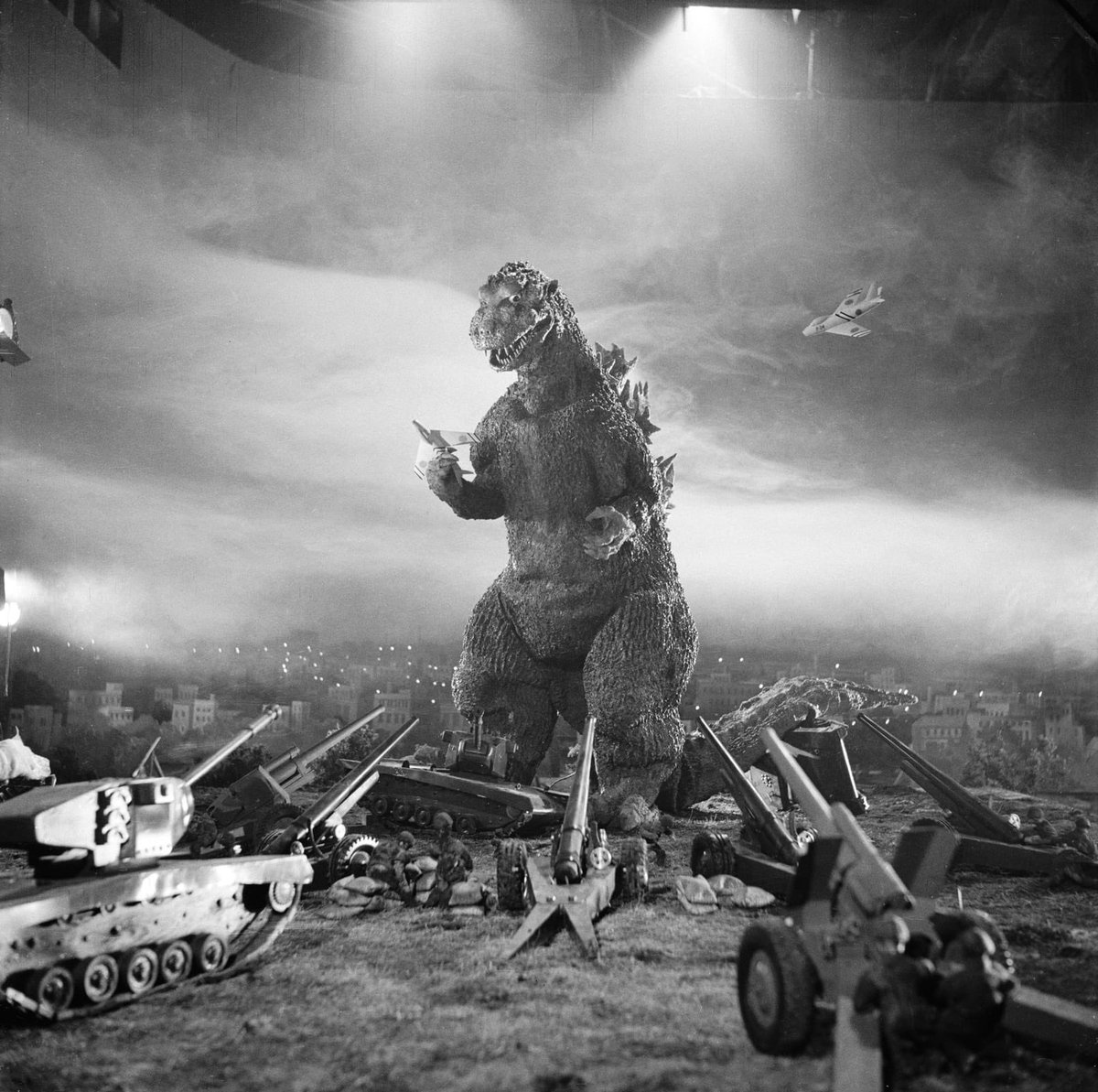
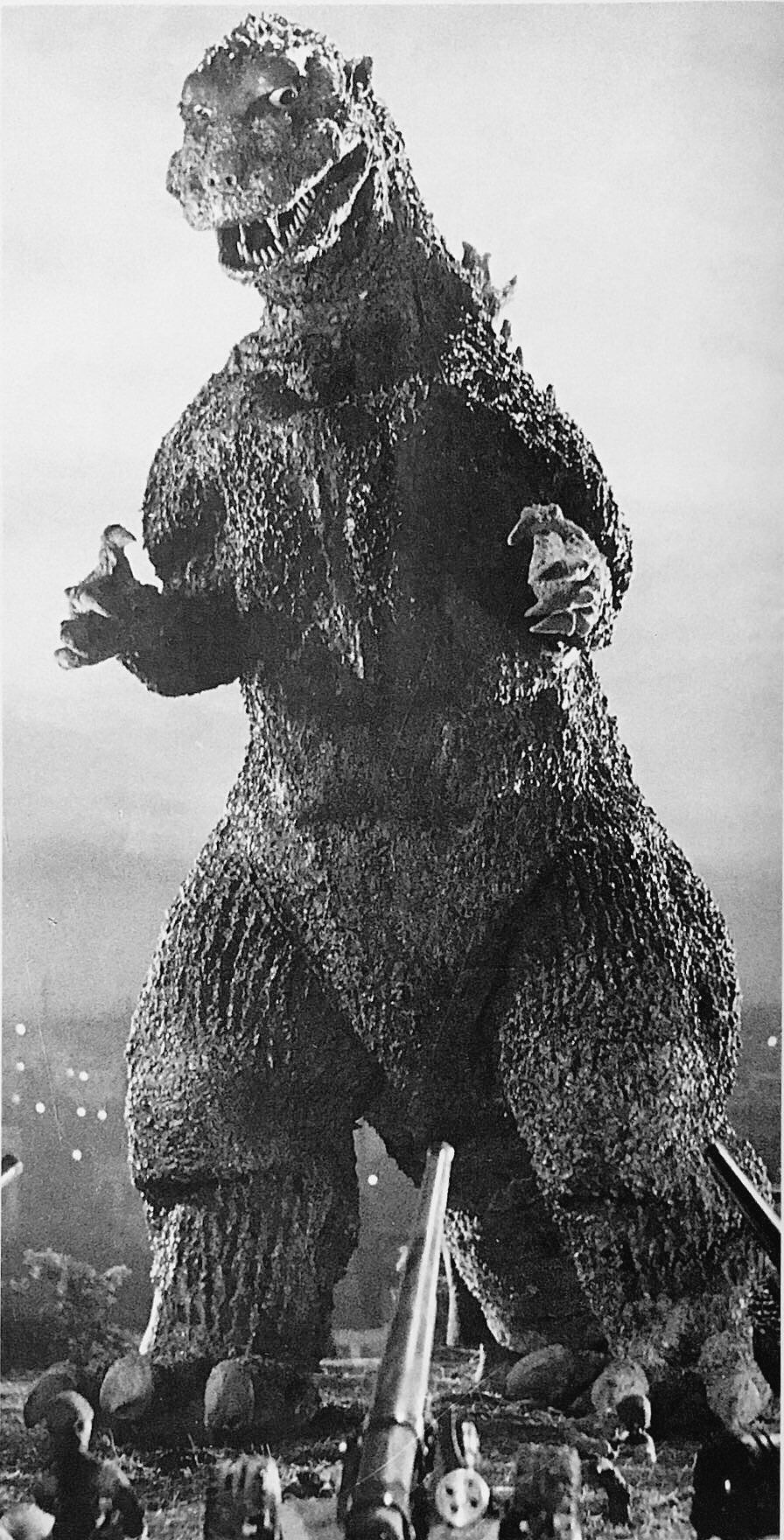
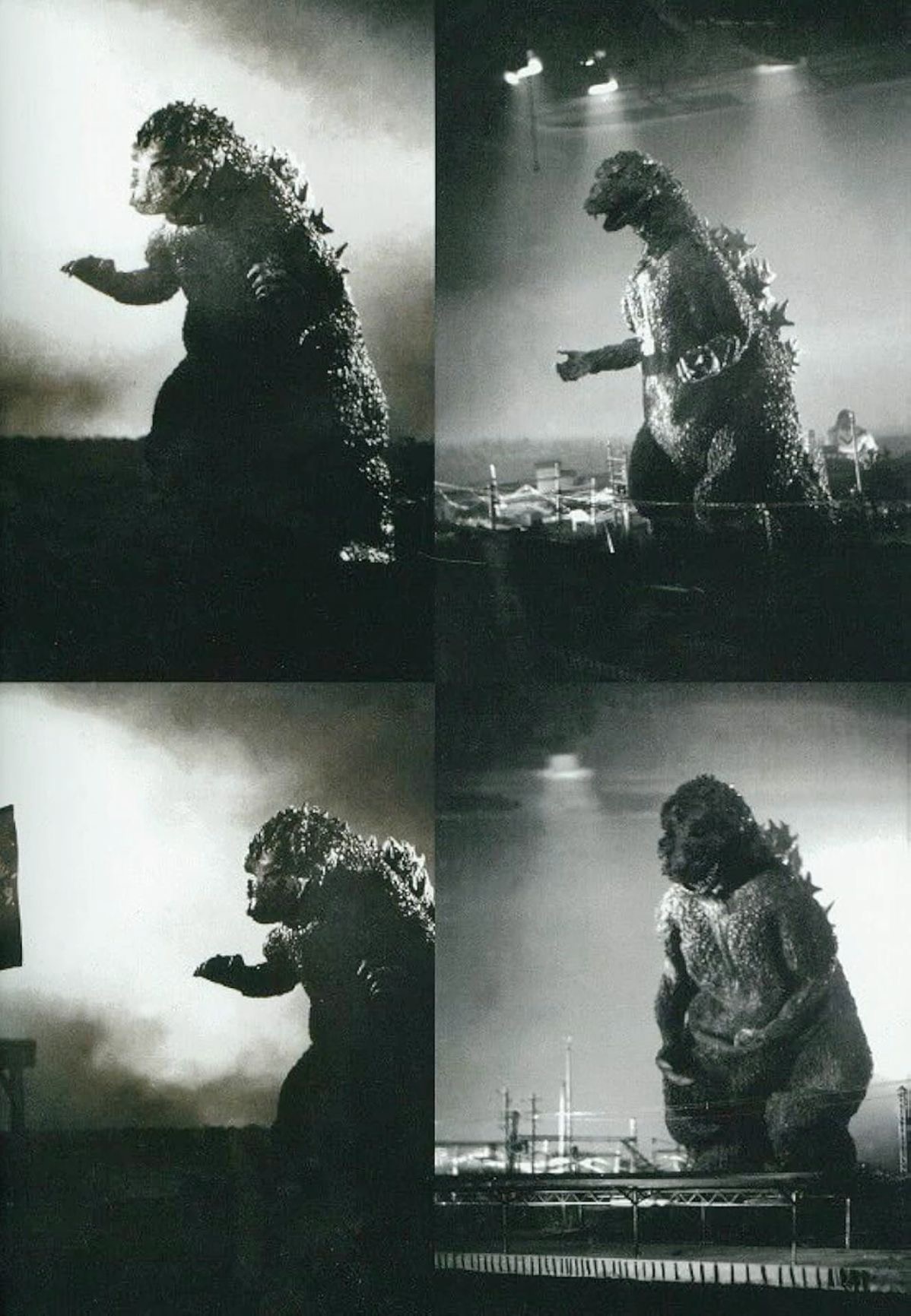
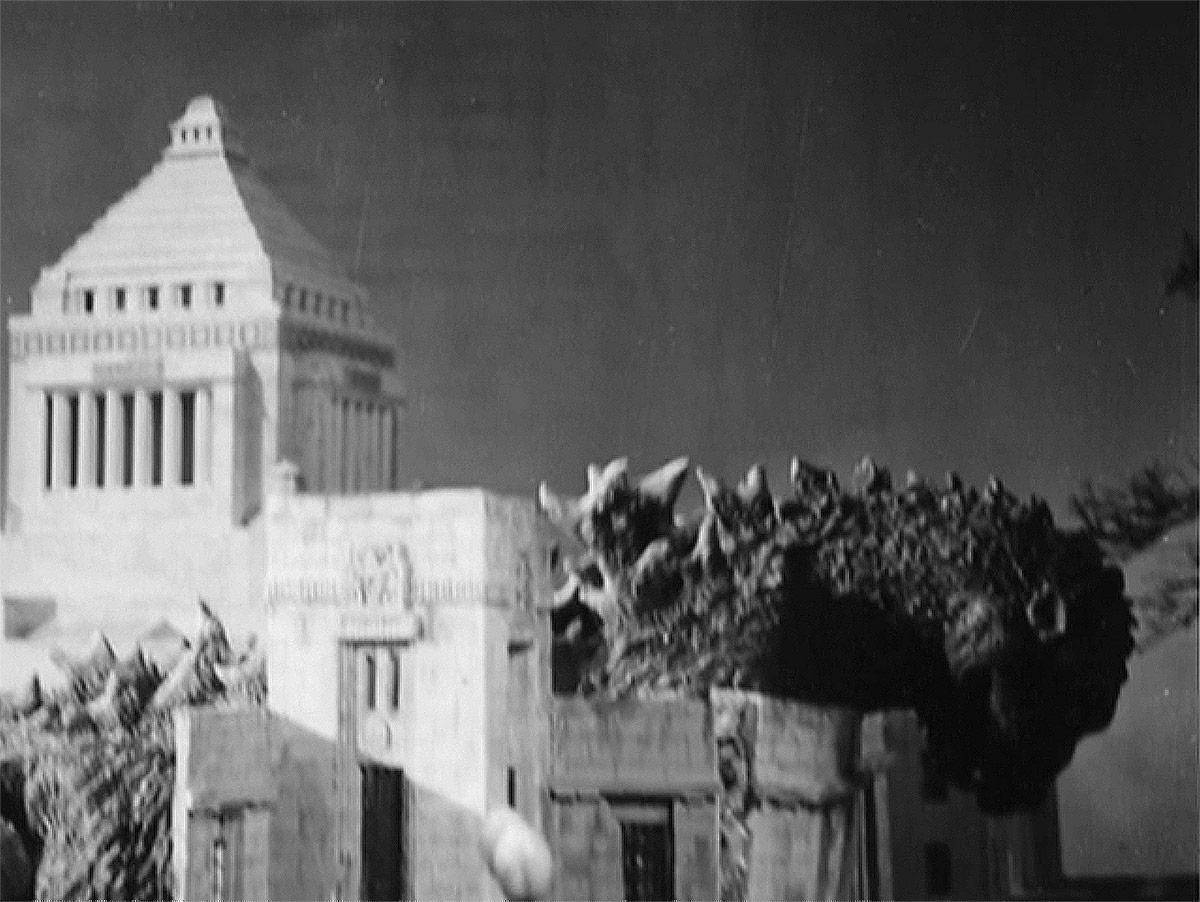
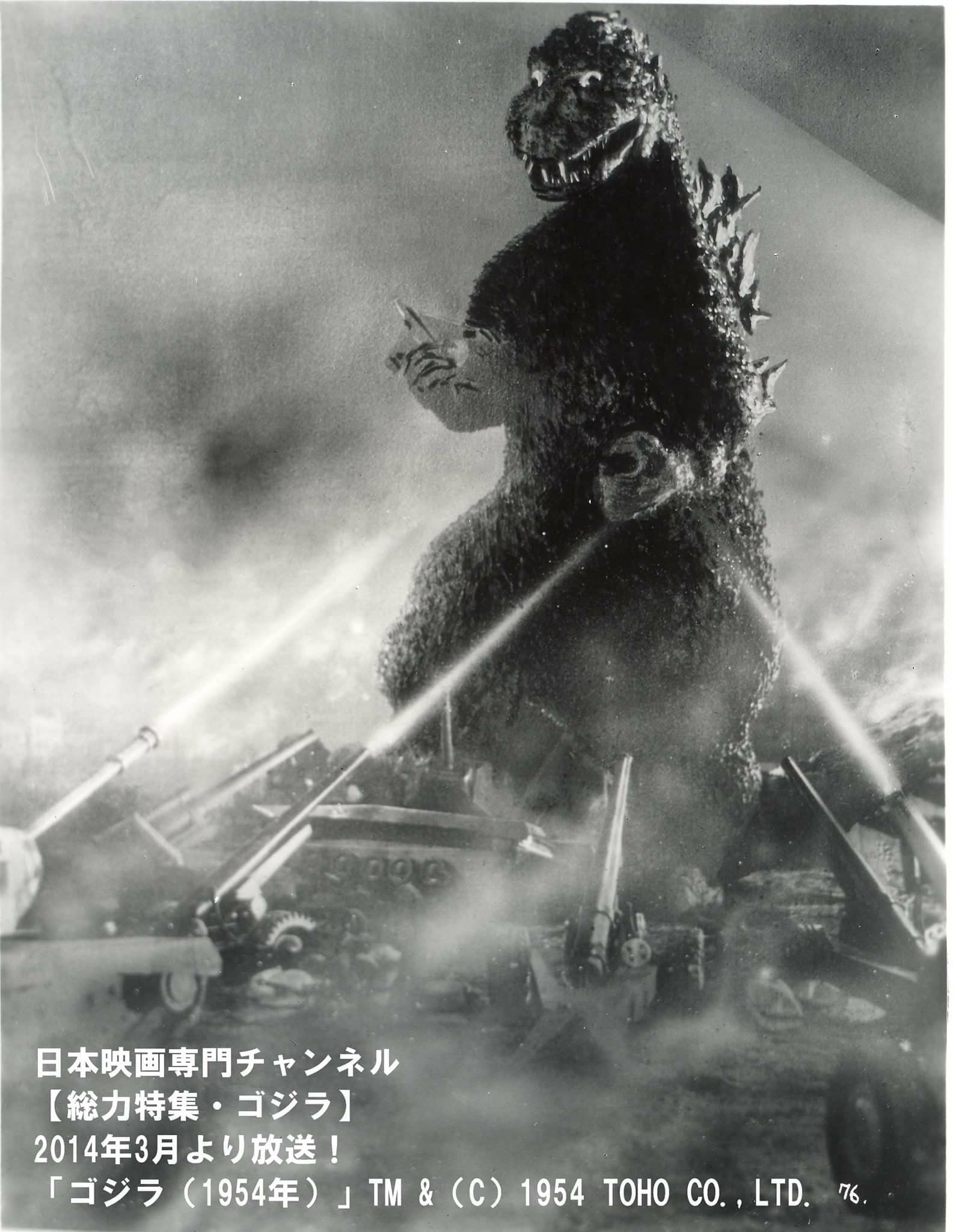
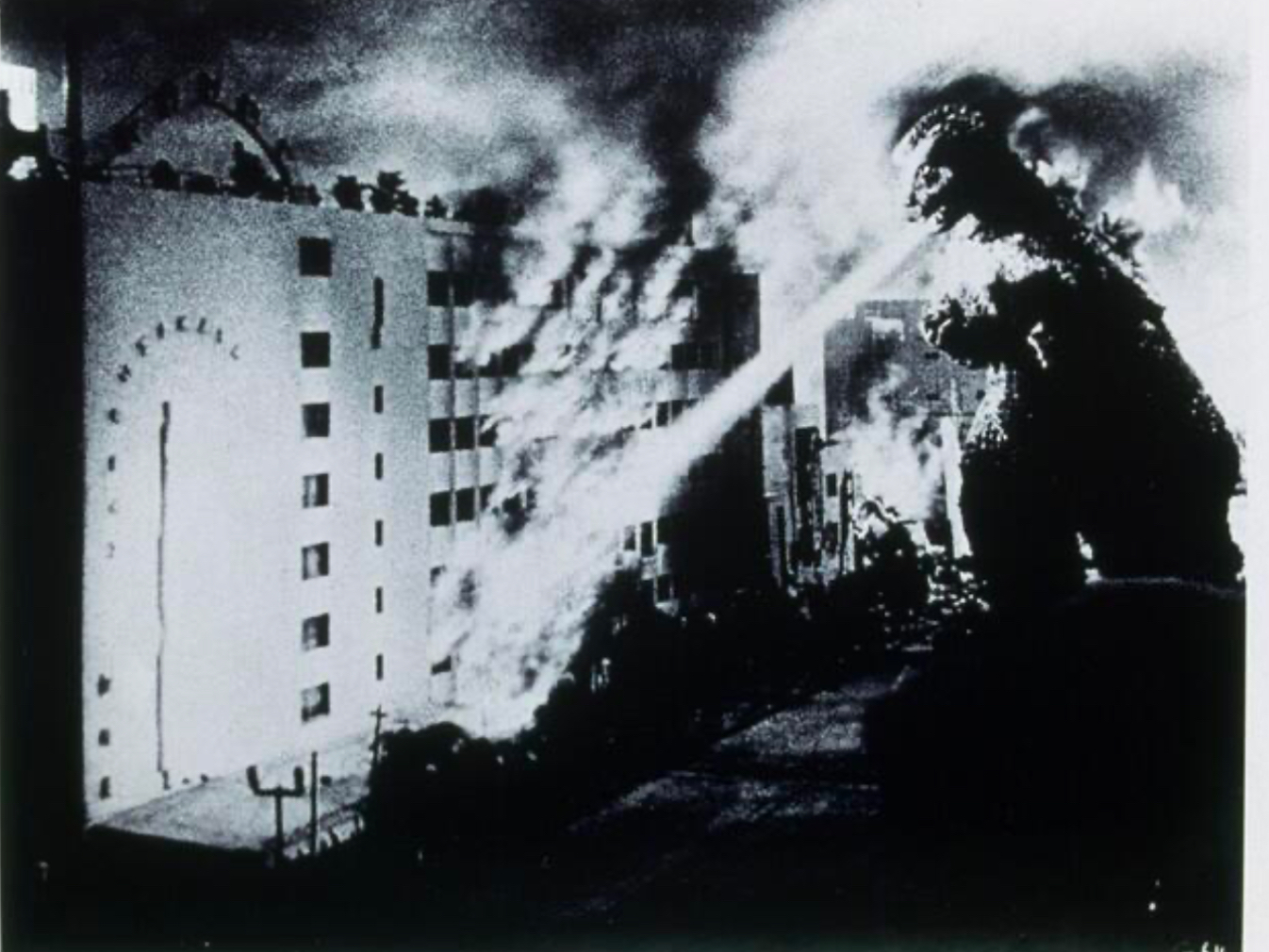
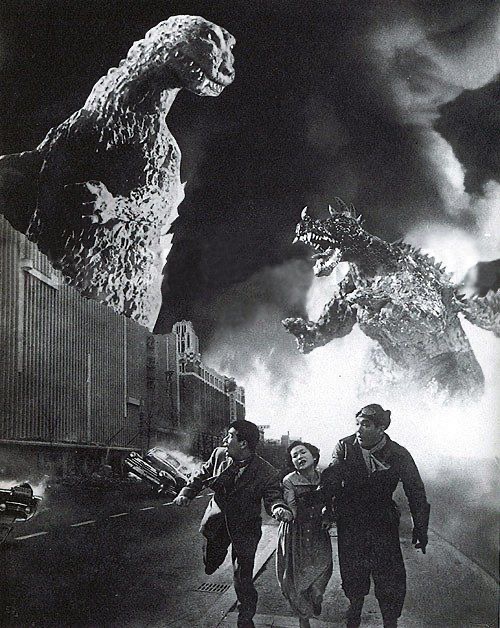
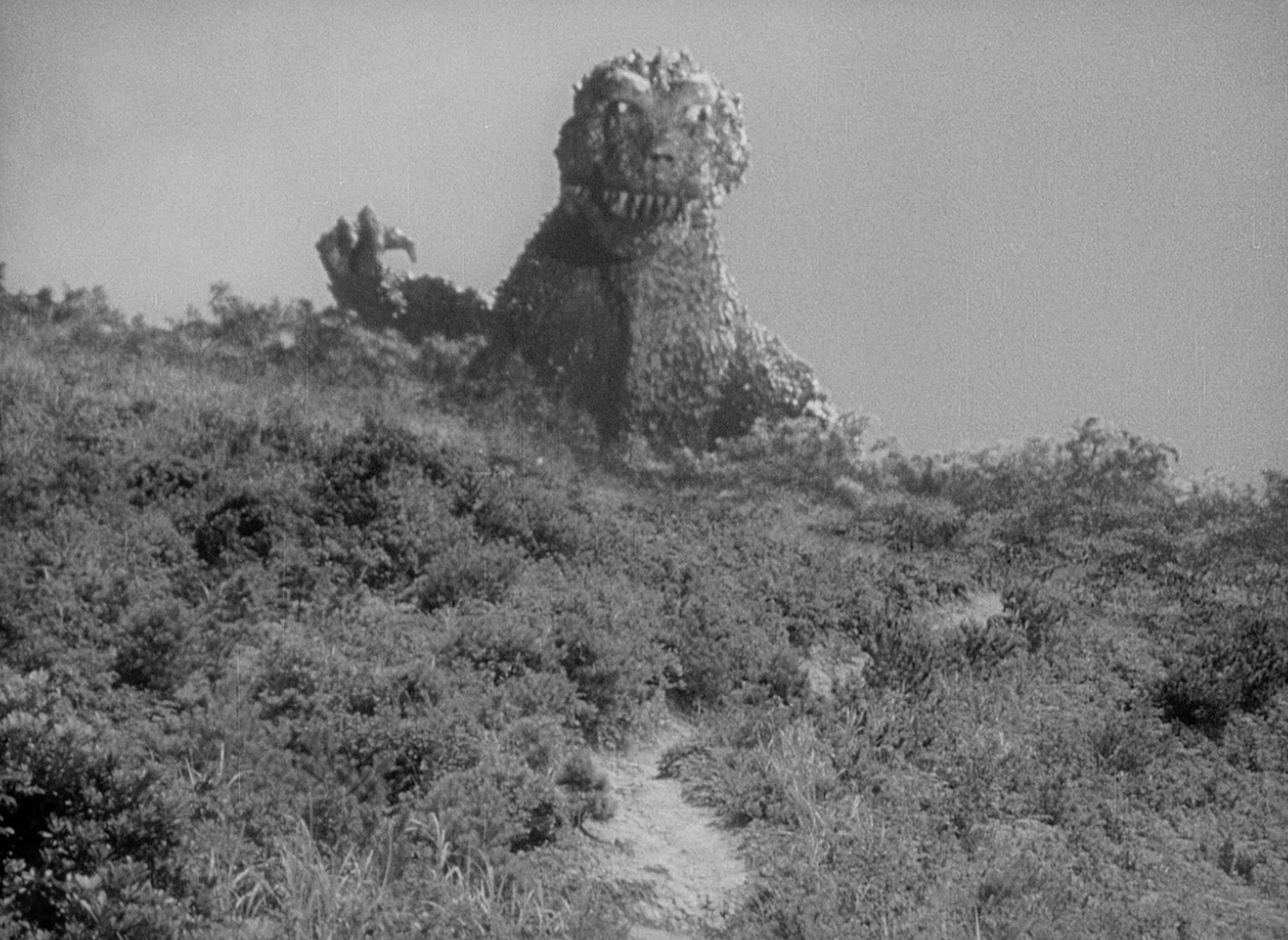
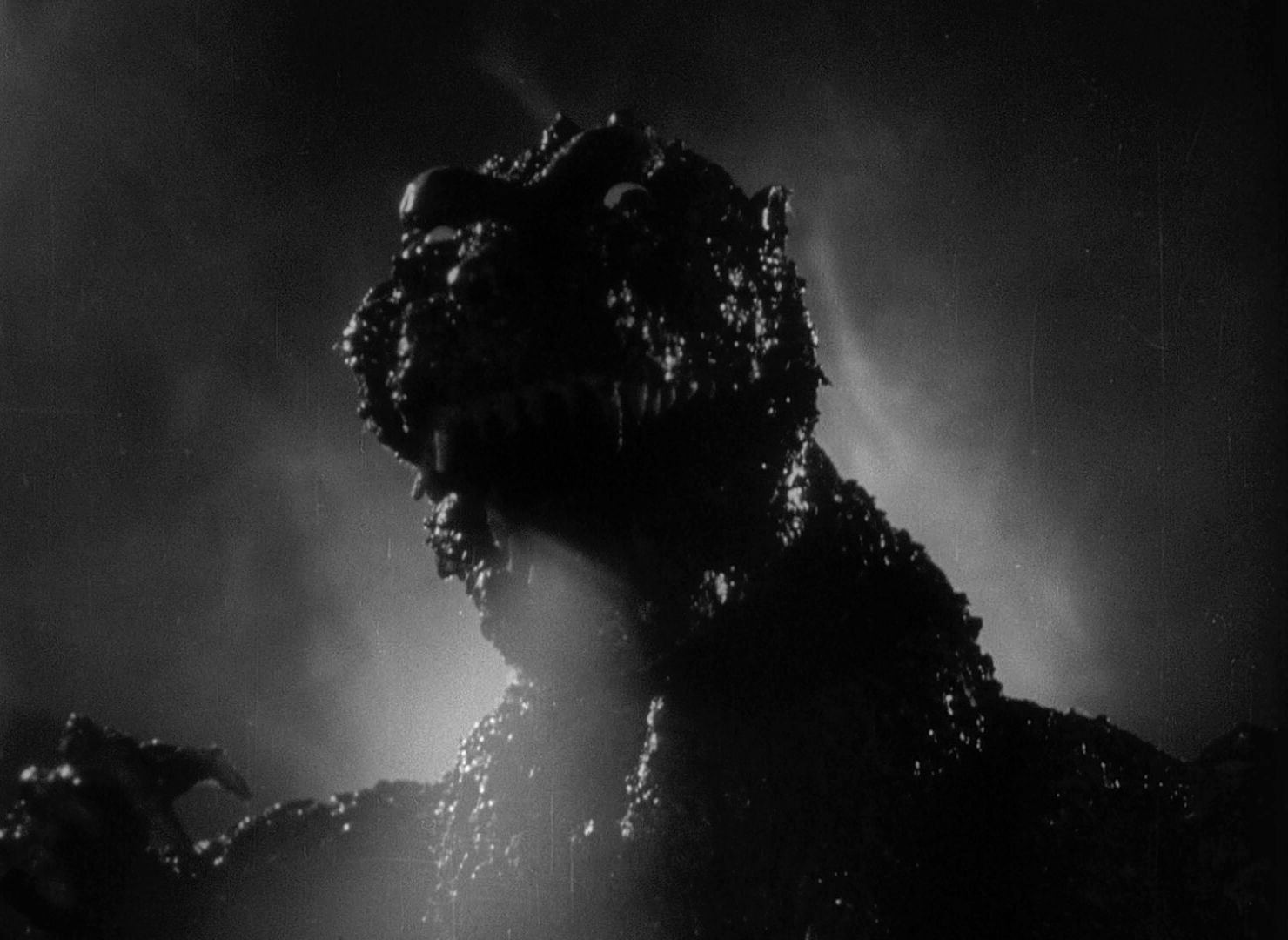
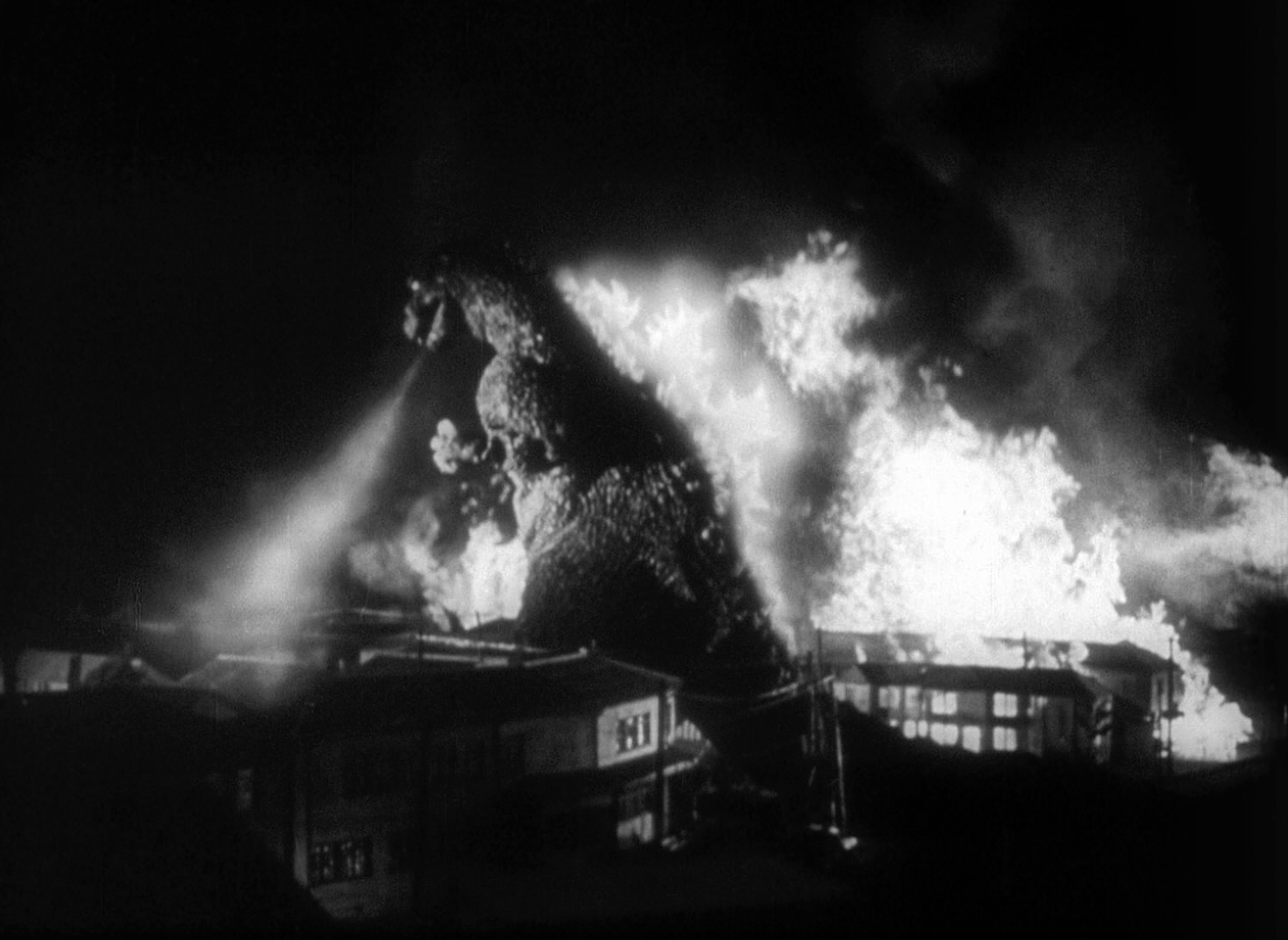
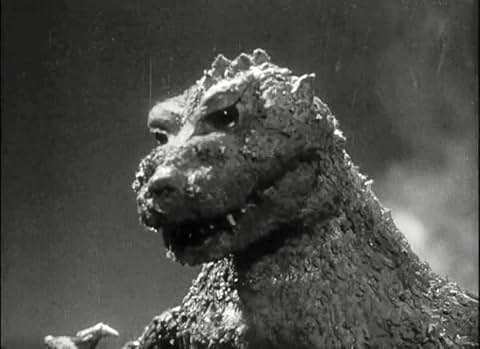
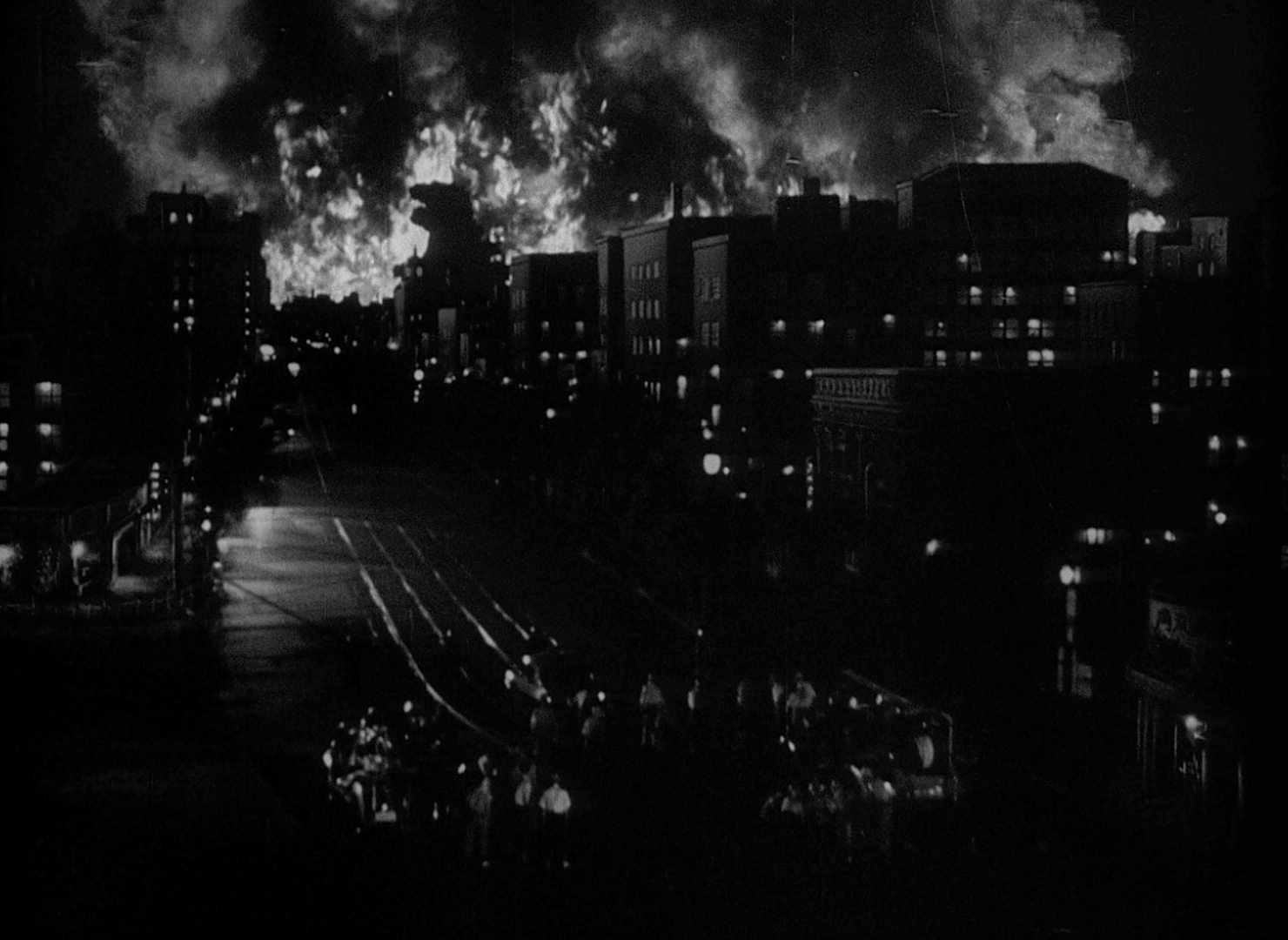
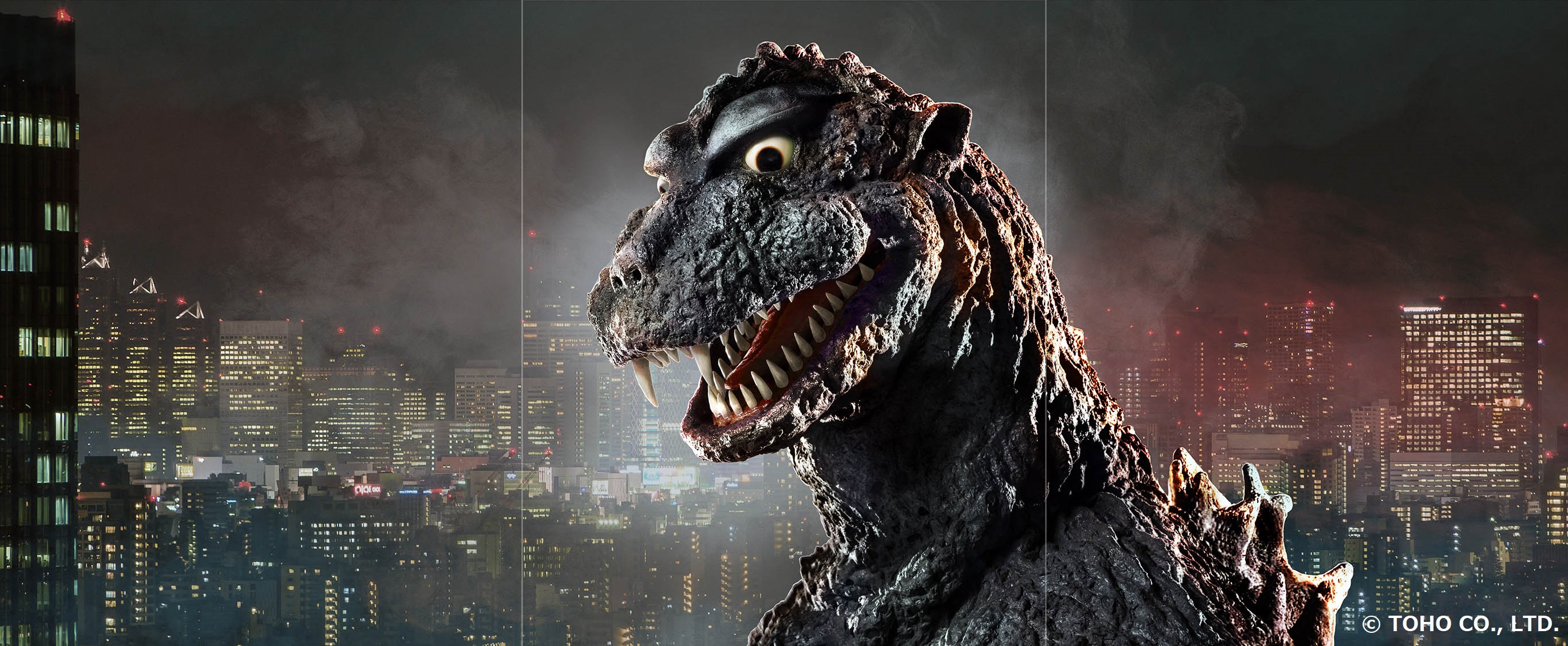
The ShodaiGoji (初代ゴジ) is the Godzilla suit design used in the 1954 Godzilla film Godzilla. The original onscreen design for the character, the ShodaiGoji heavily inspired all designs that followed and remains one of the most popular looks for Godzilla.
Name
The ShodaiGoji's name comes from shodai (初代), meaning "first generation," and Goji, which comes from Godzilla's Japanese name, Gojira (ゴジラ). This design is also known as HatsuGoji, which comes from hatsu (初), meaning "first," and Gojira.
Development
|
[citation(s) needed] — This article is missing references. Please improve this article by including relevant citations. As a reader, exercise caution when encountering unsourced statements. |
|---|
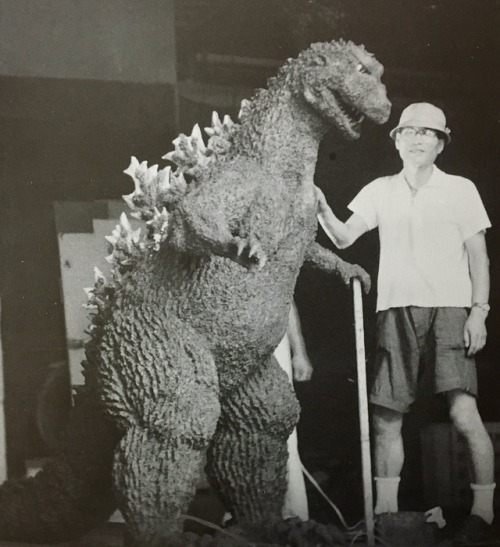
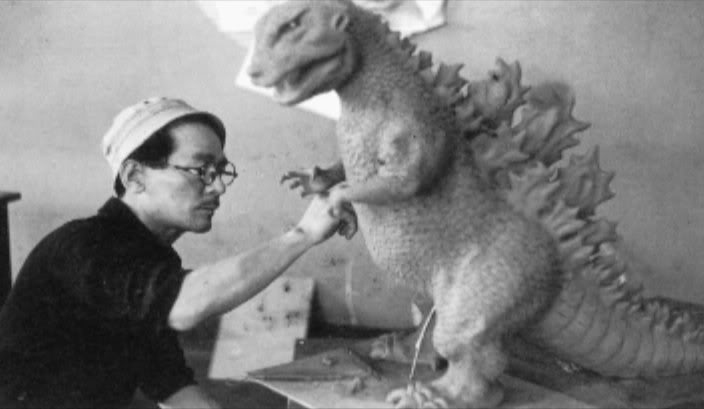
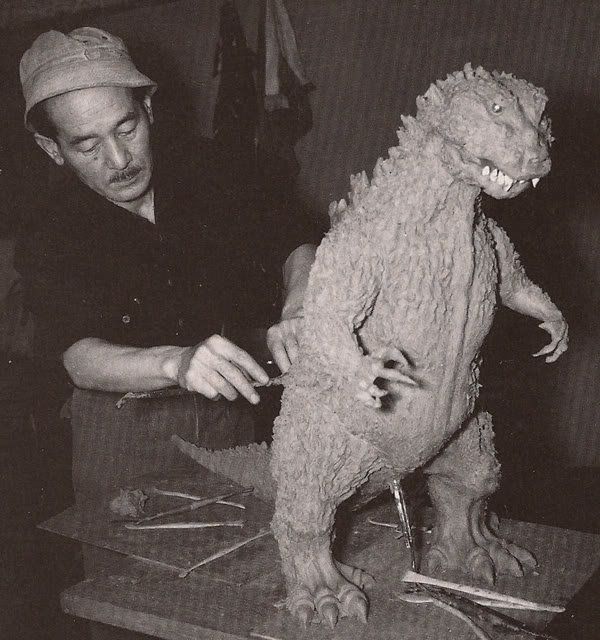
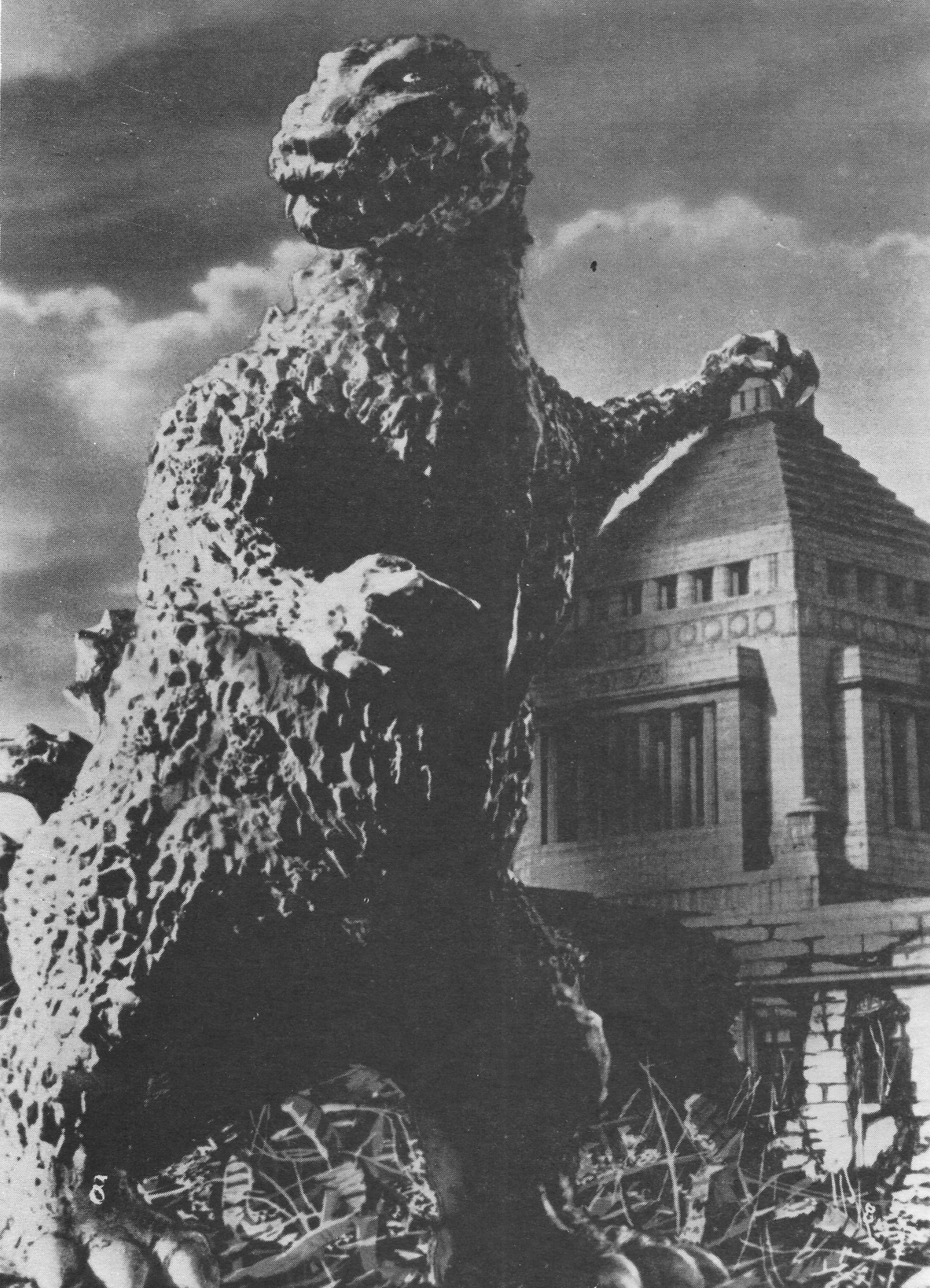
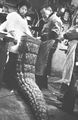
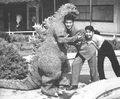
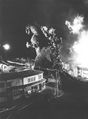
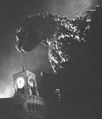
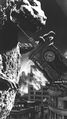
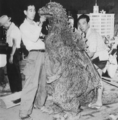
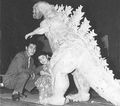
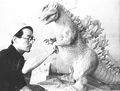
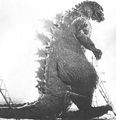
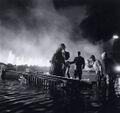
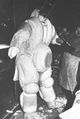
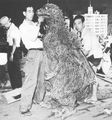
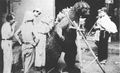
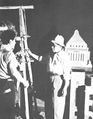
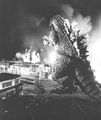
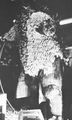
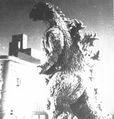
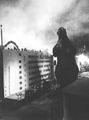
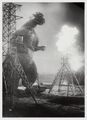
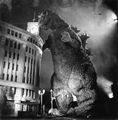
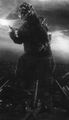
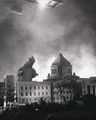
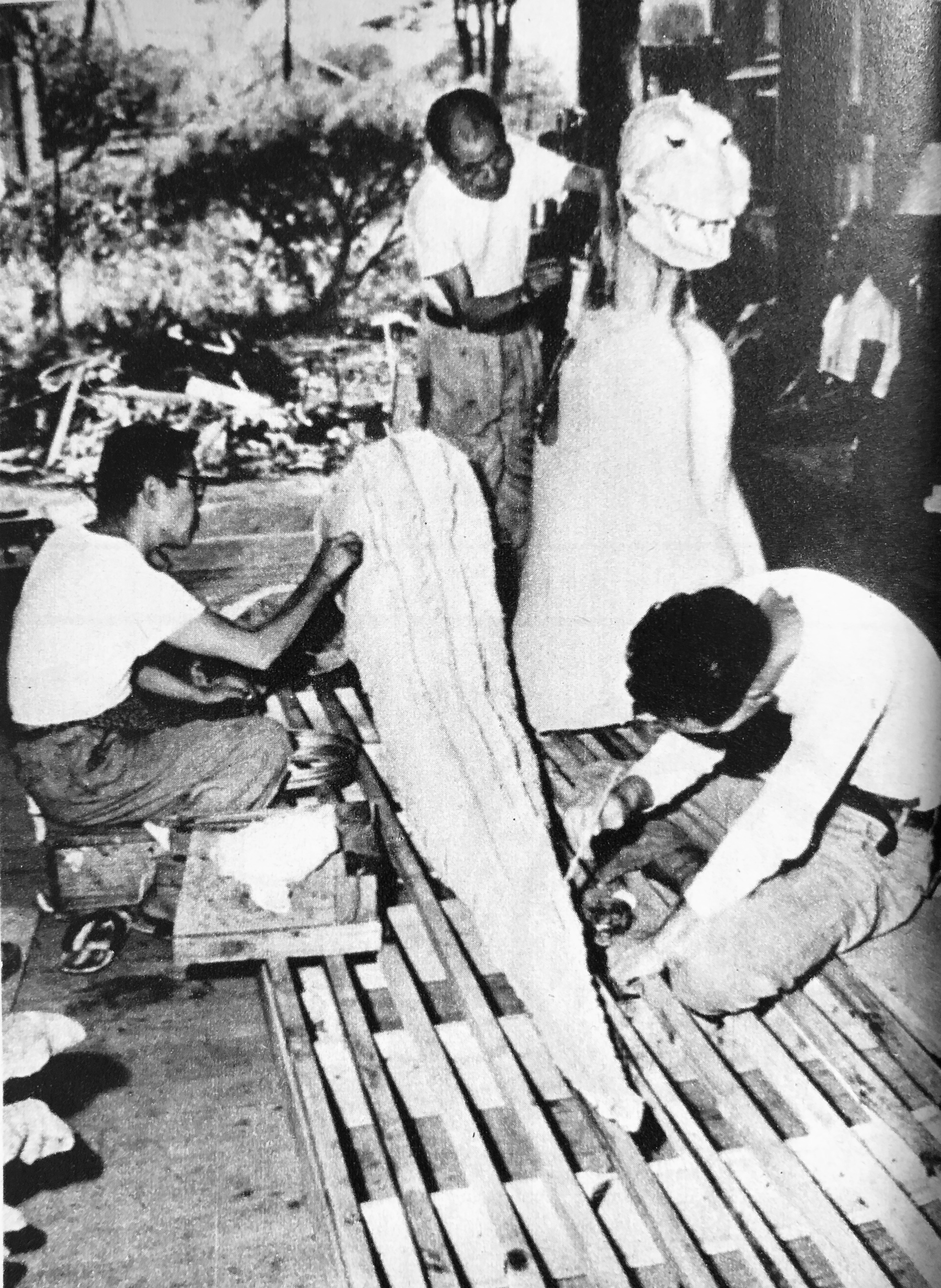
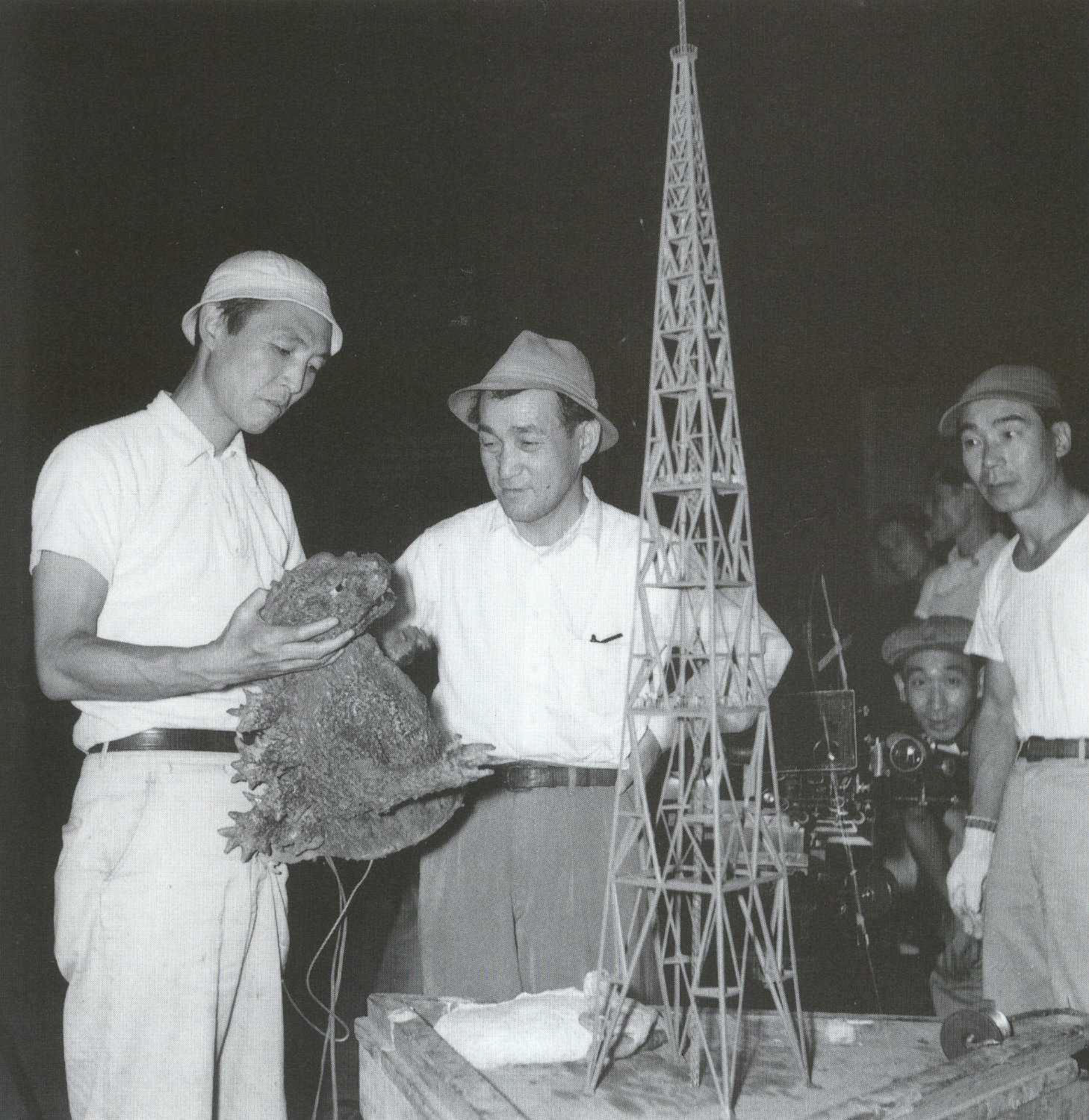
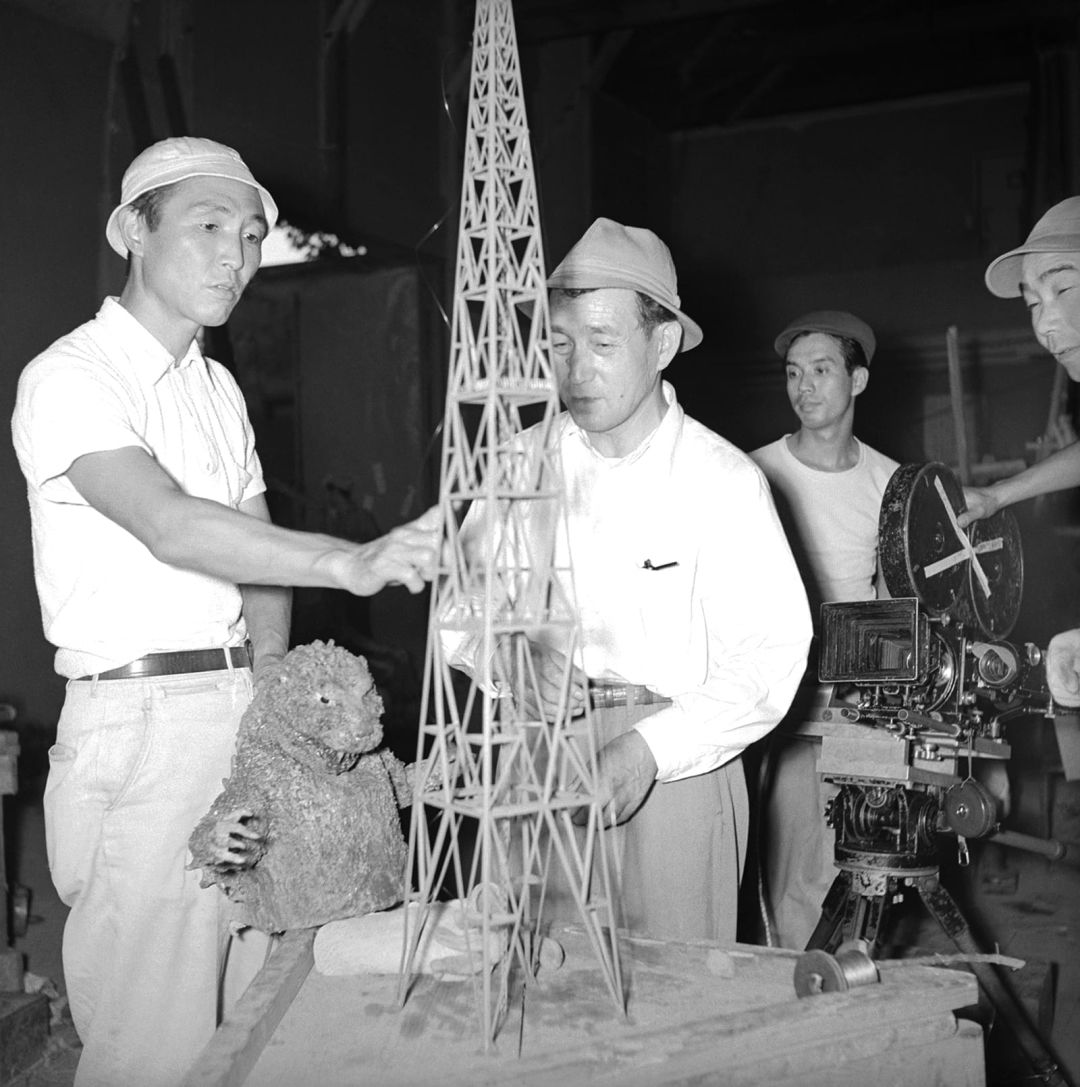
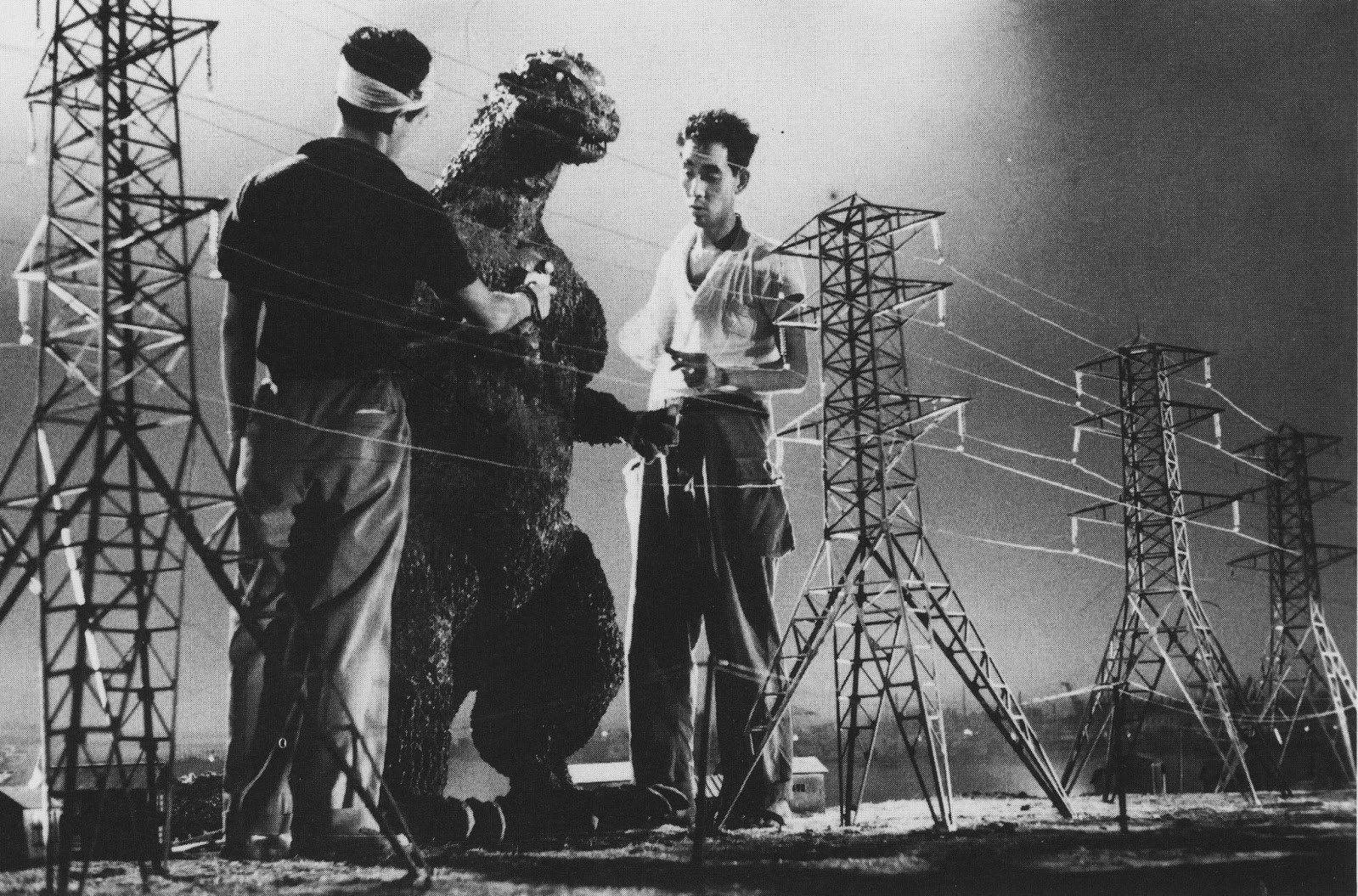
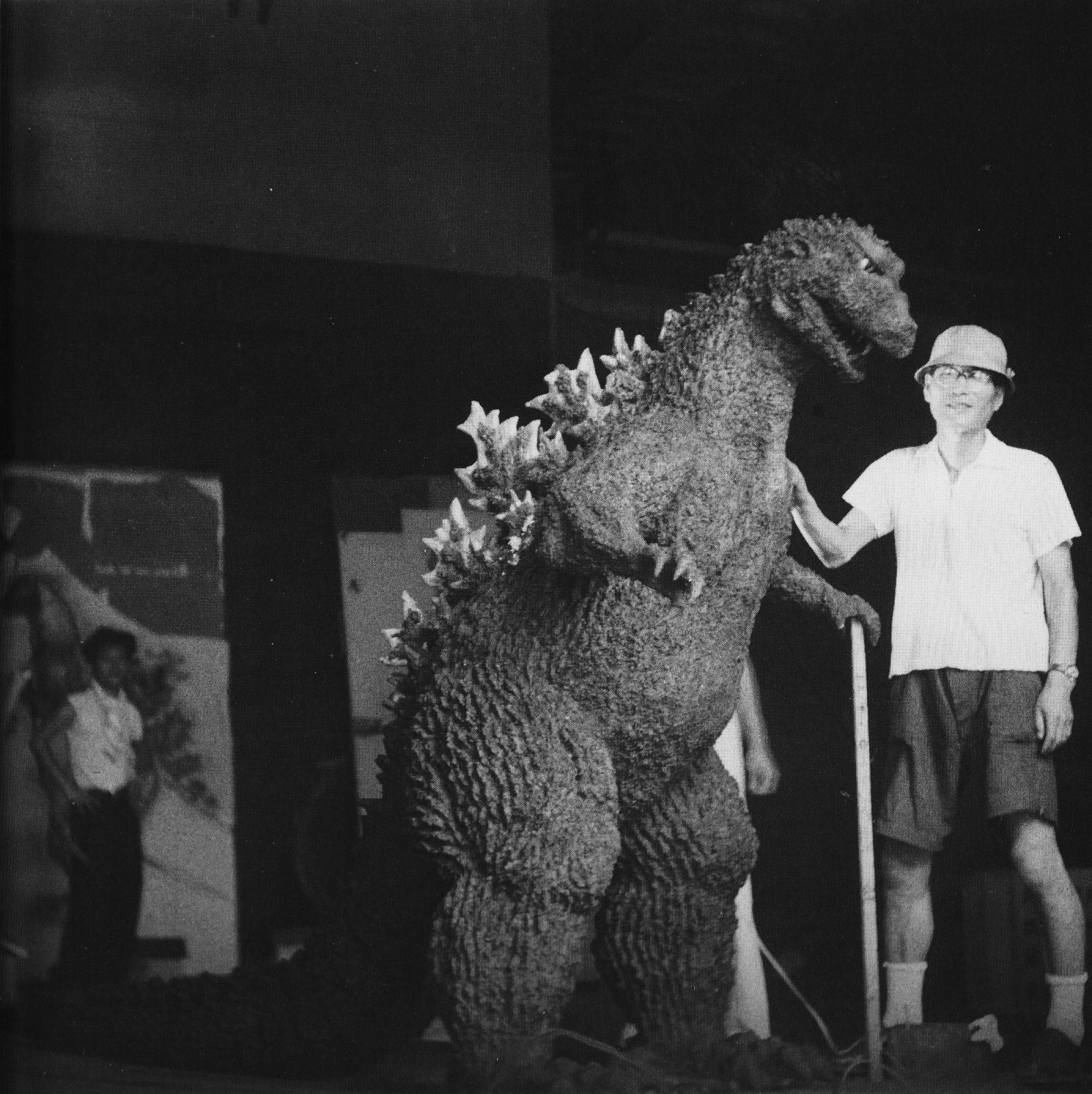
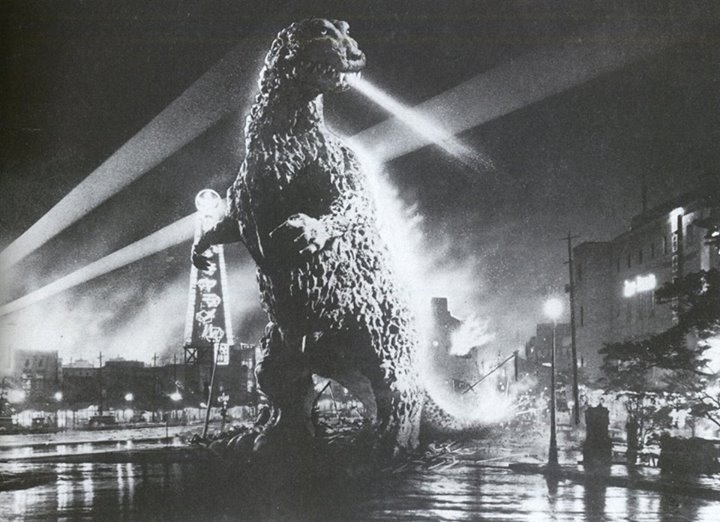
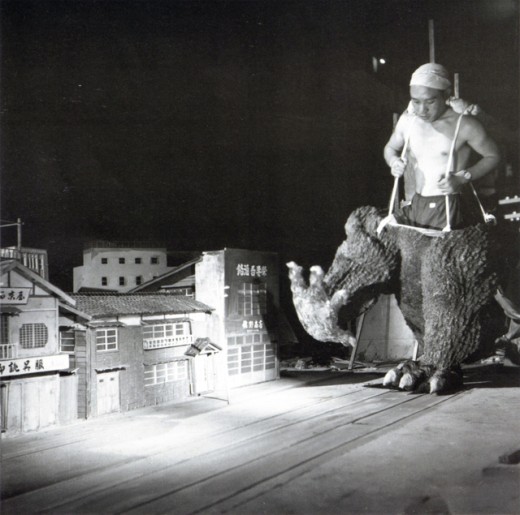
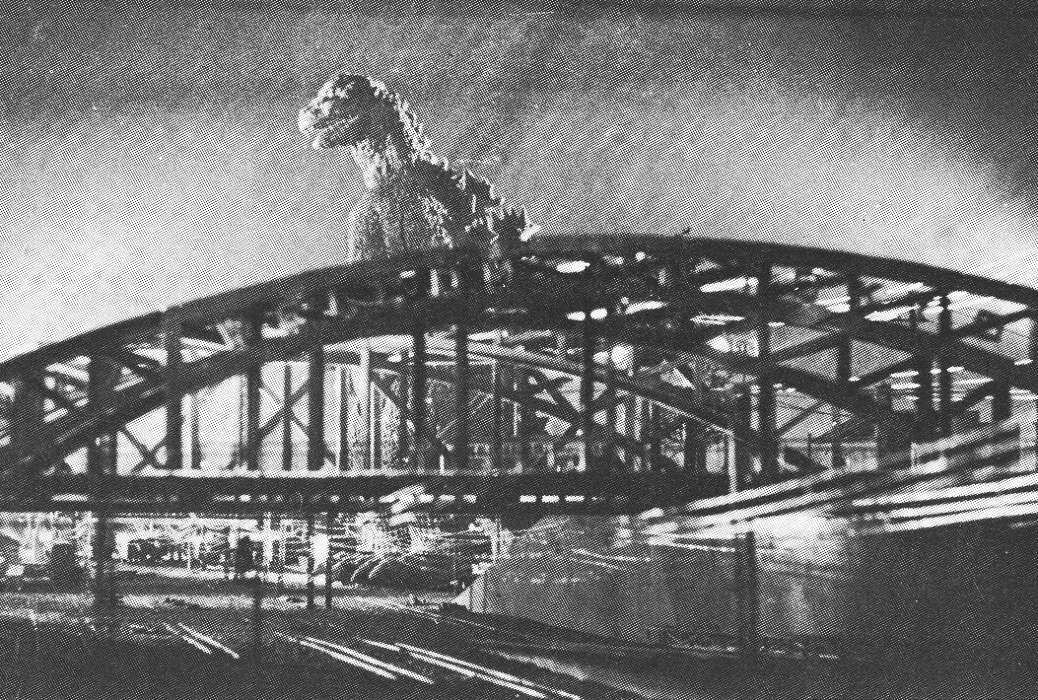
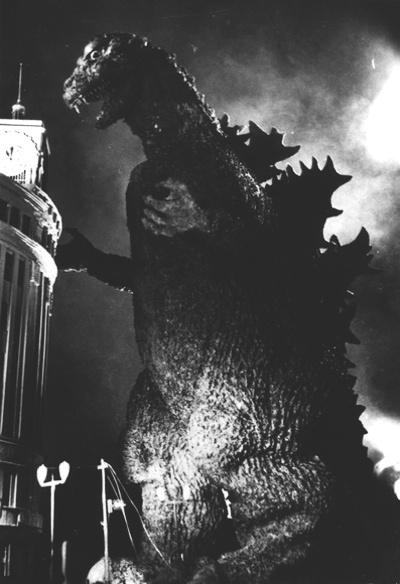
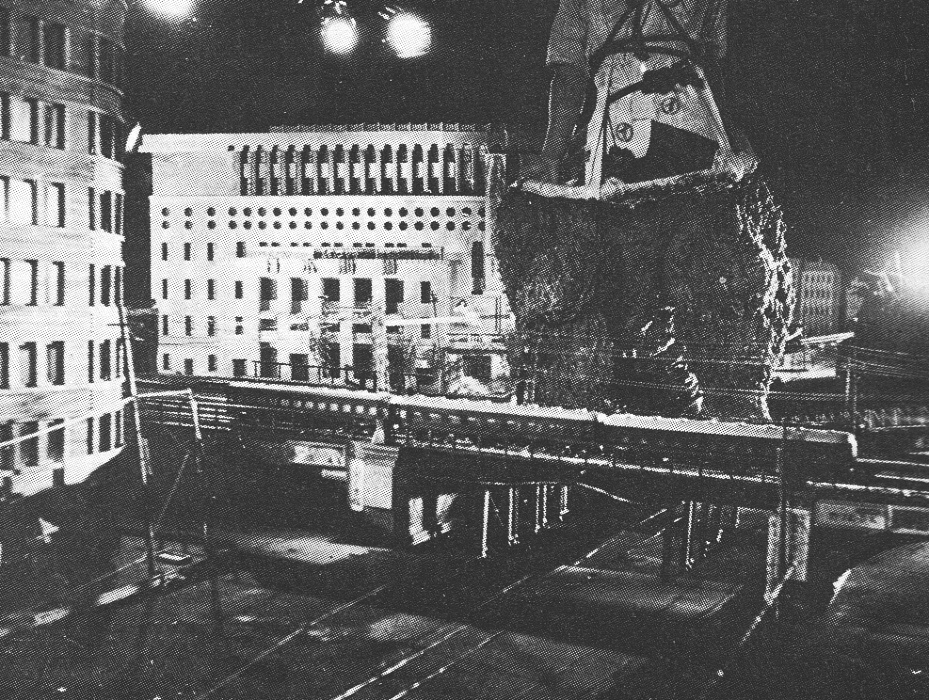
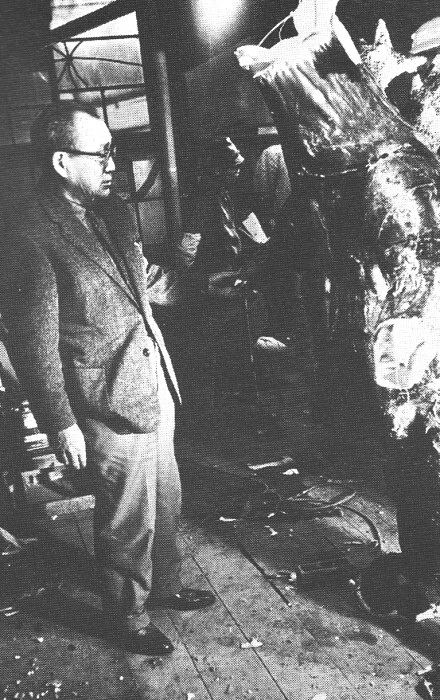
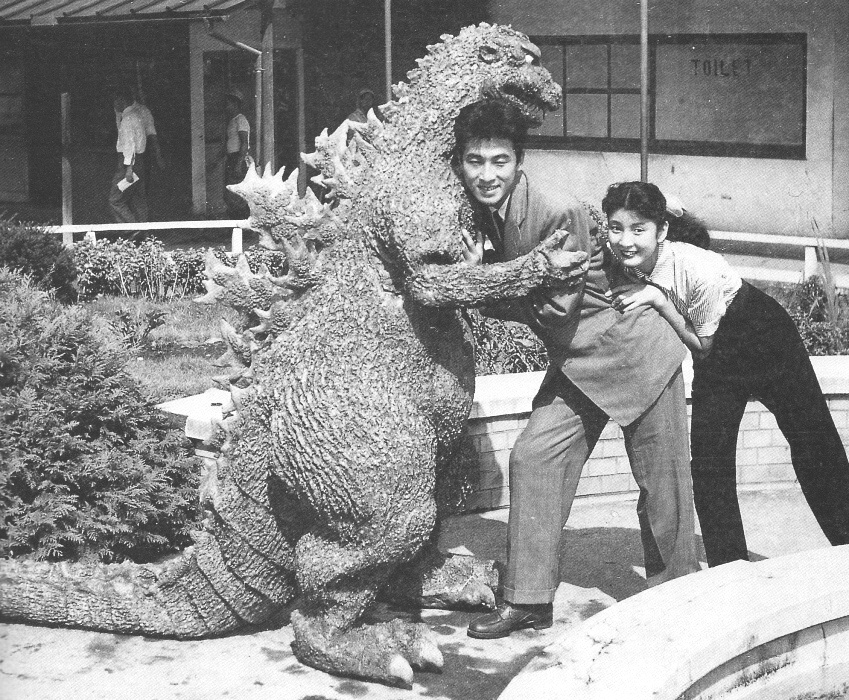
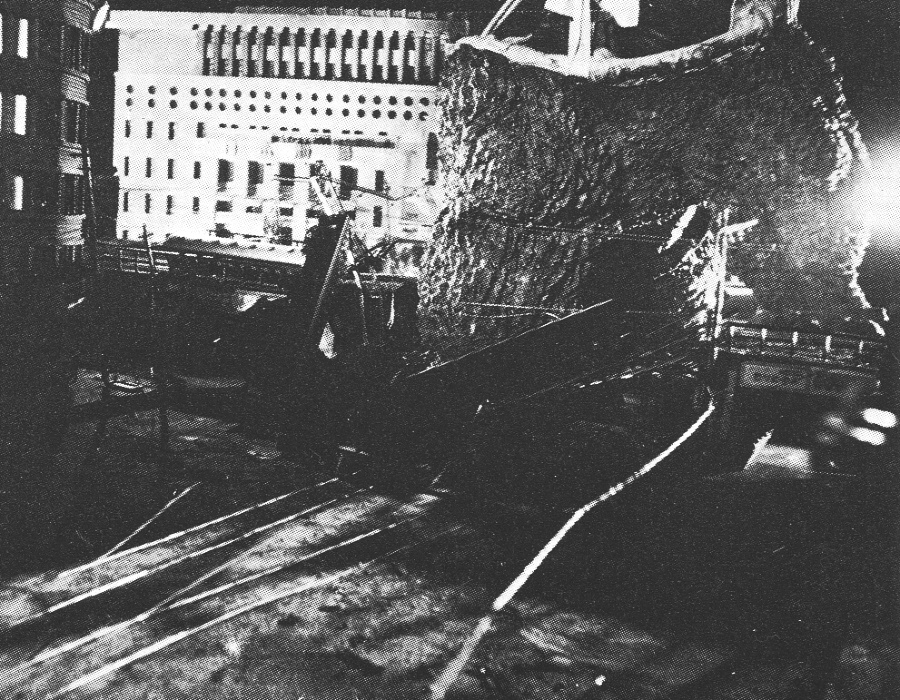
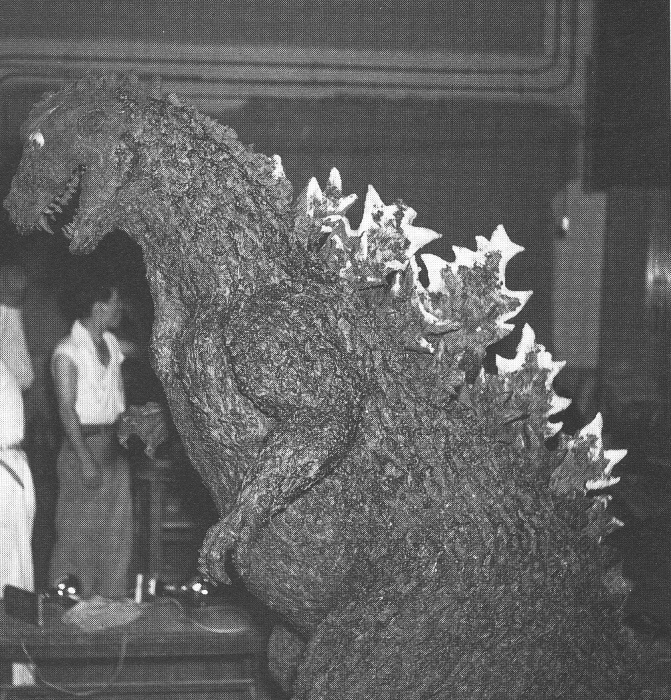
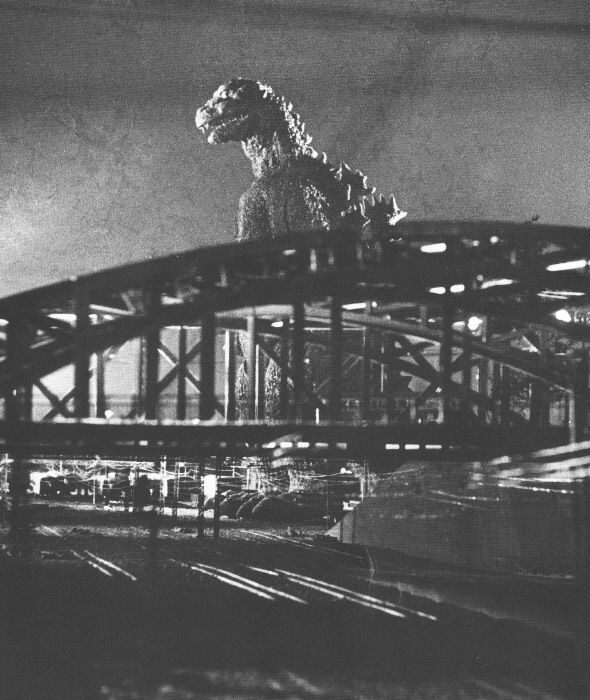
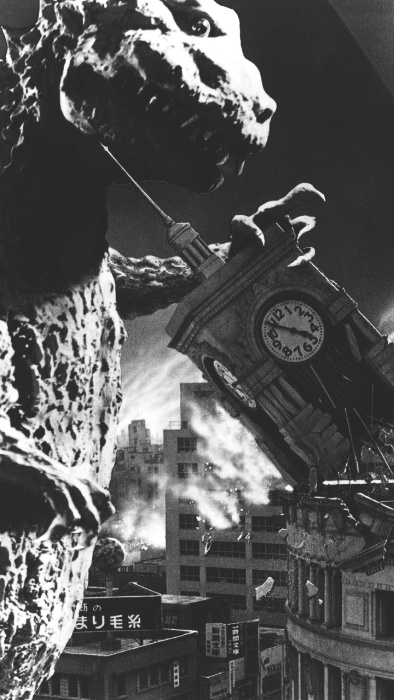
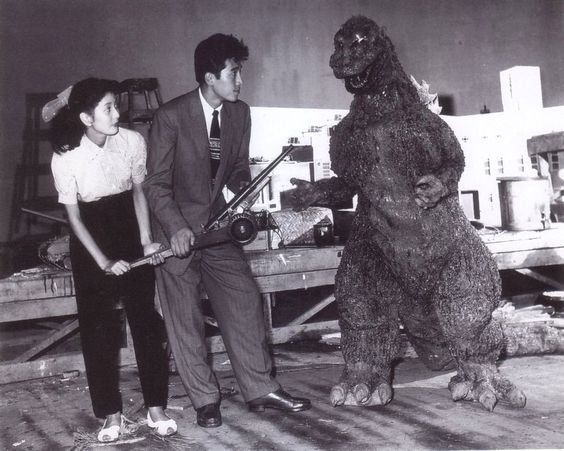
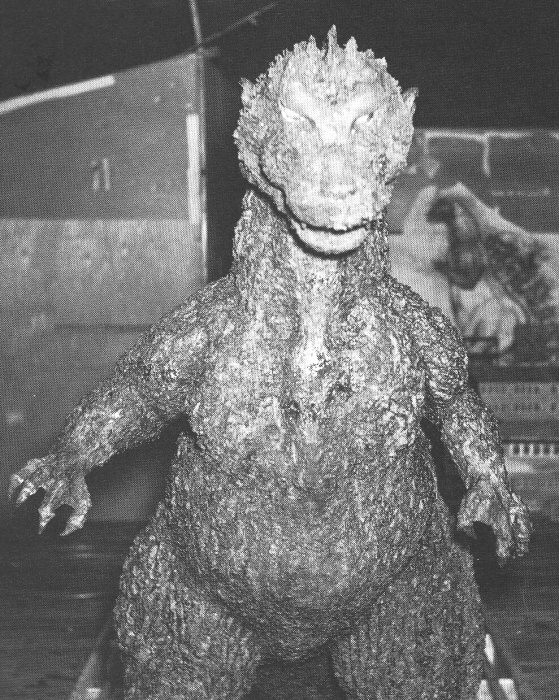
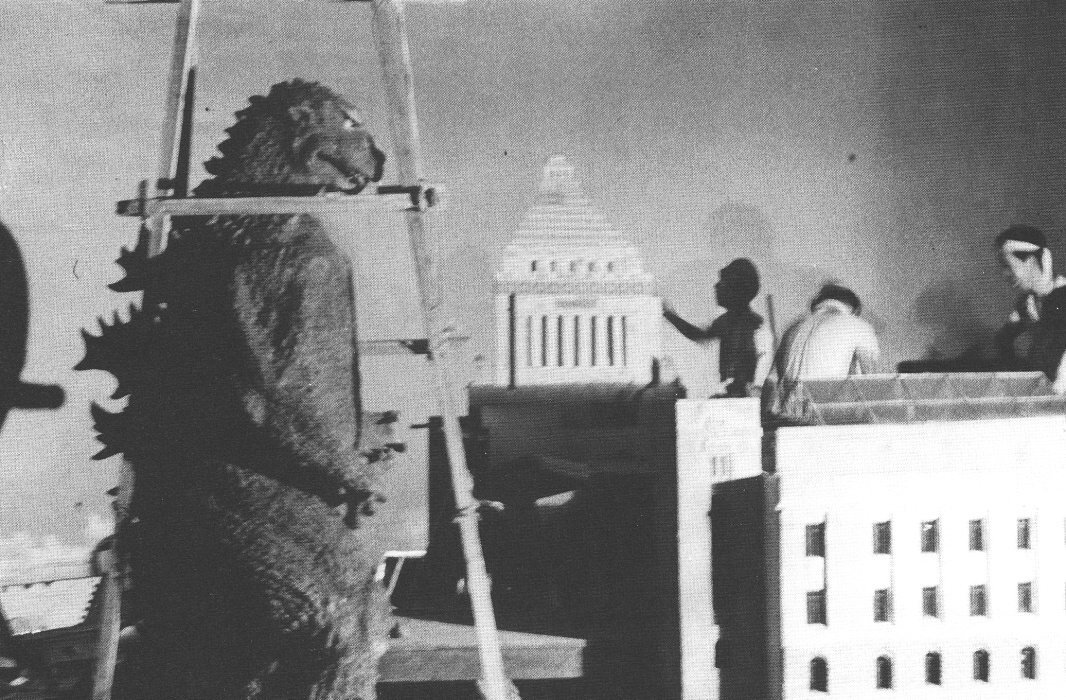
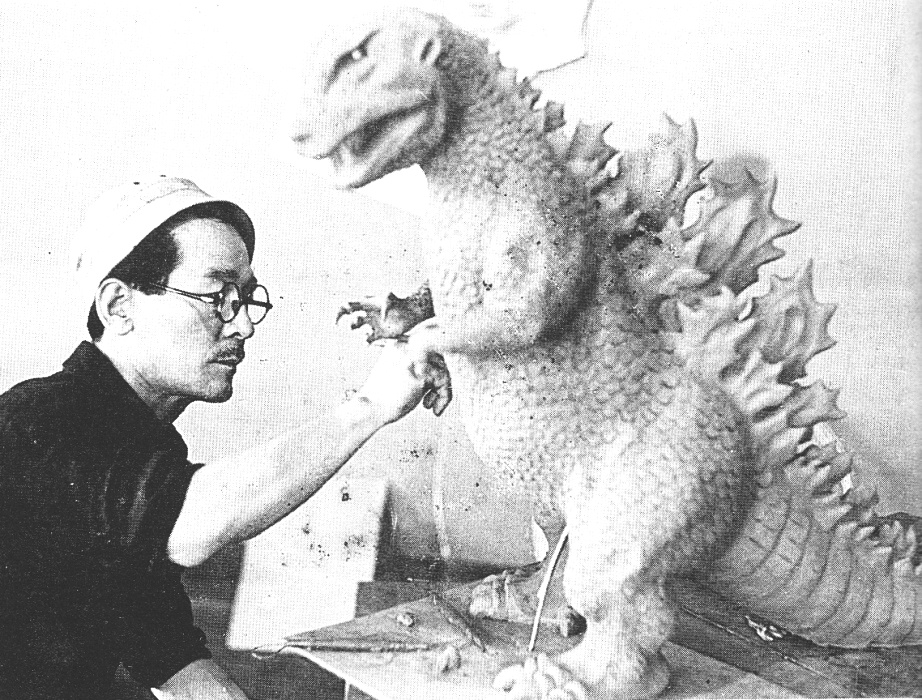
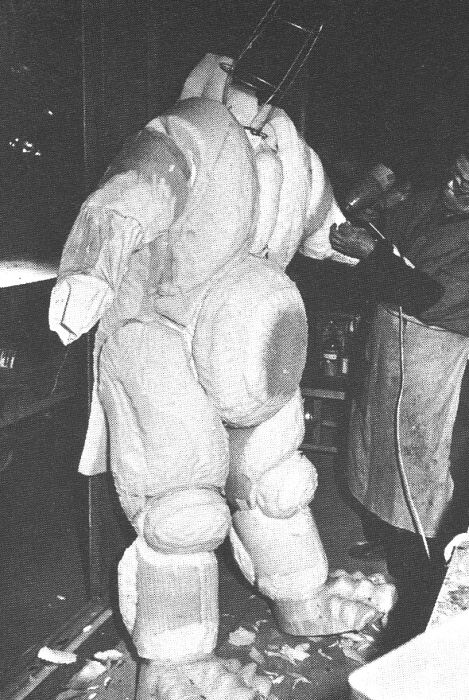
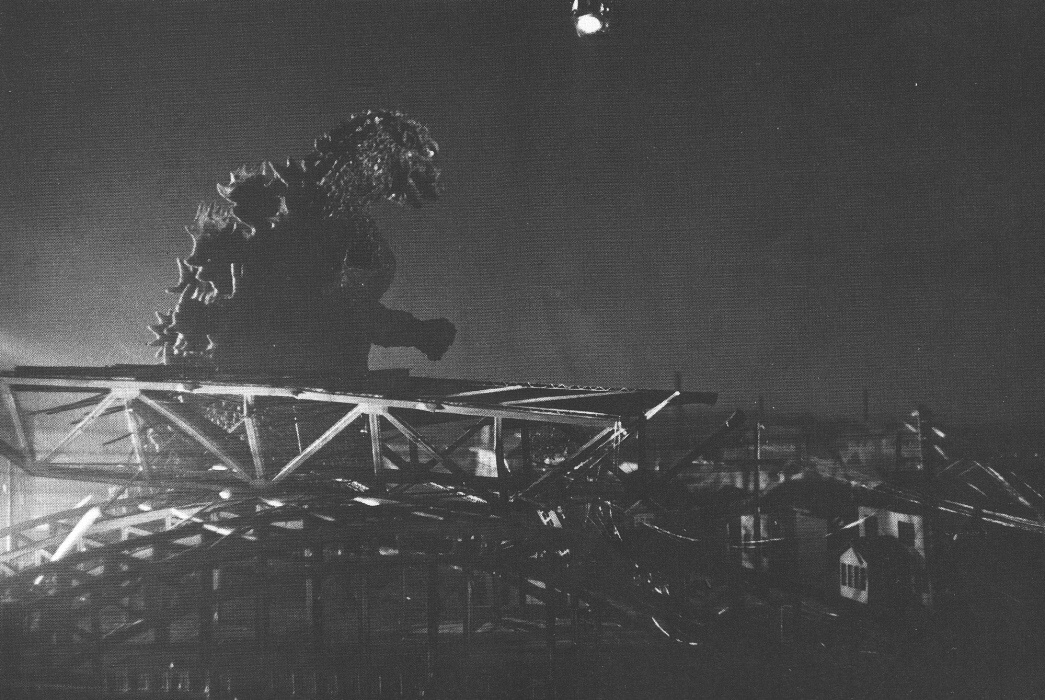
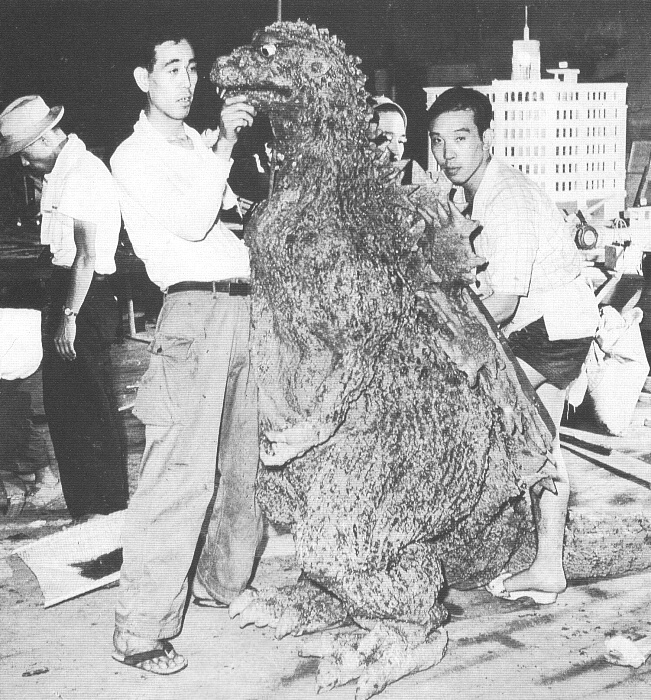
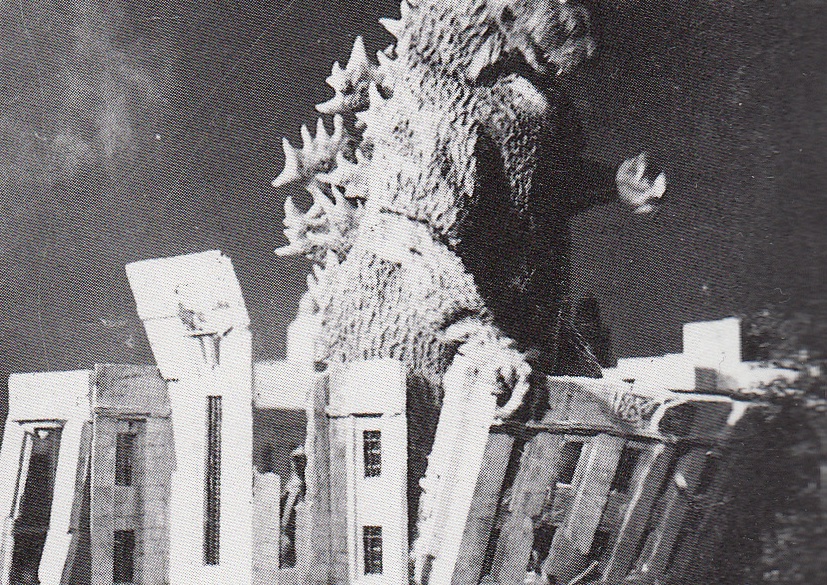
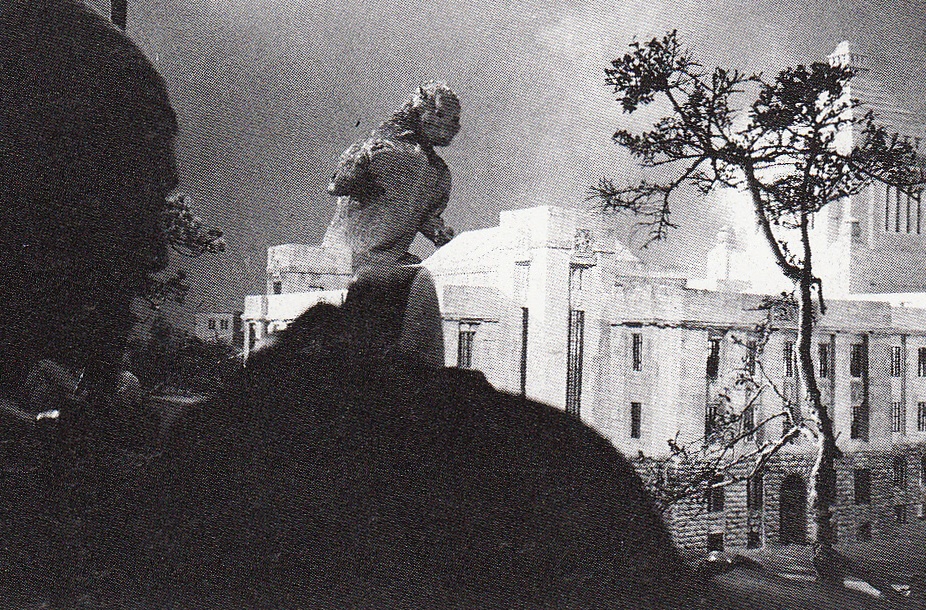
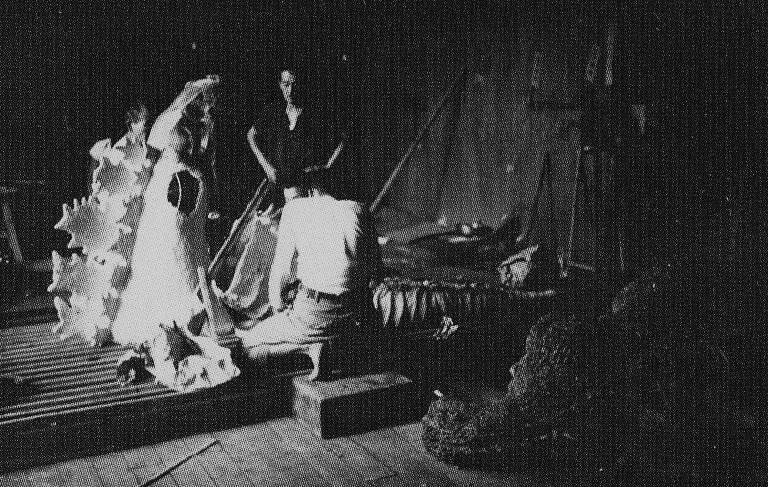
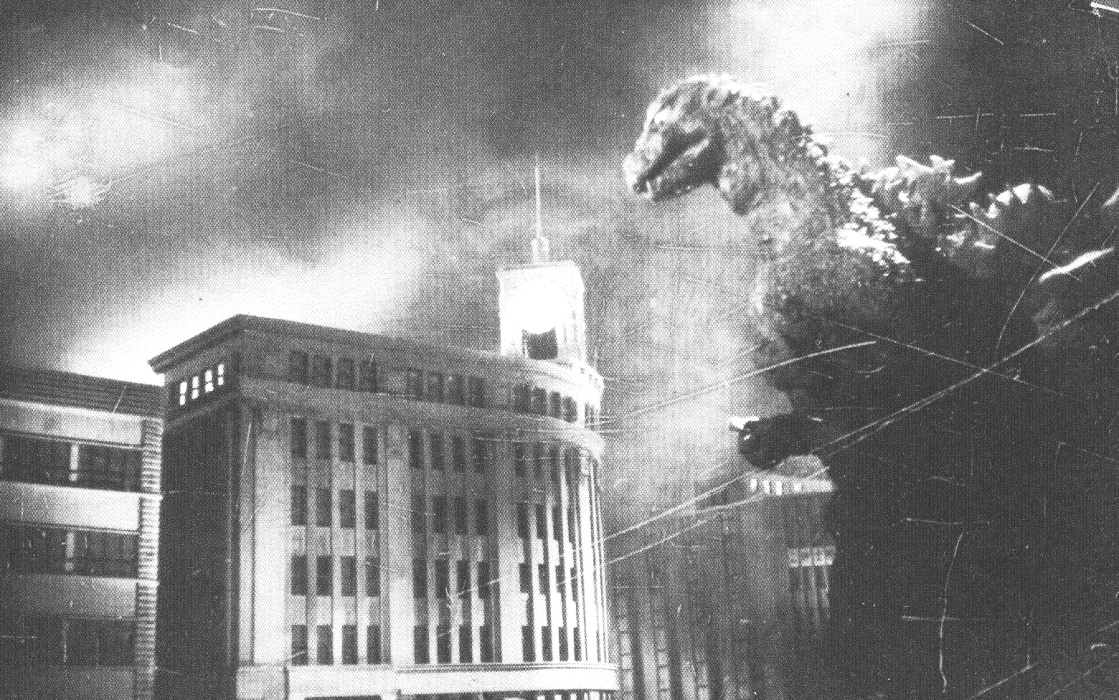
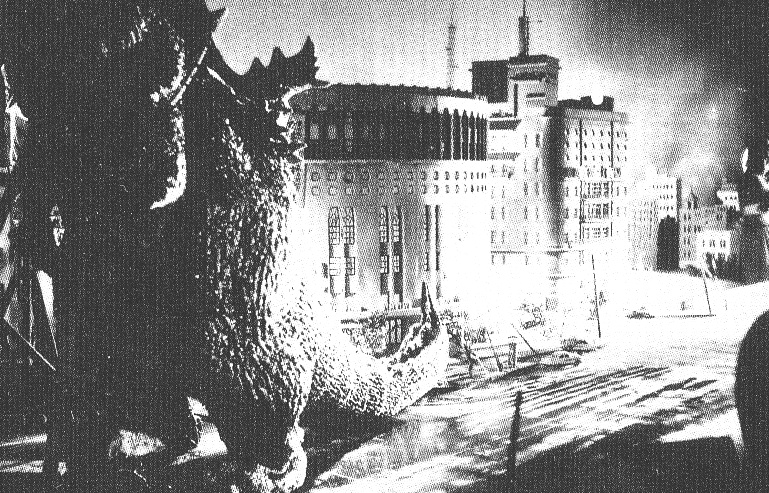
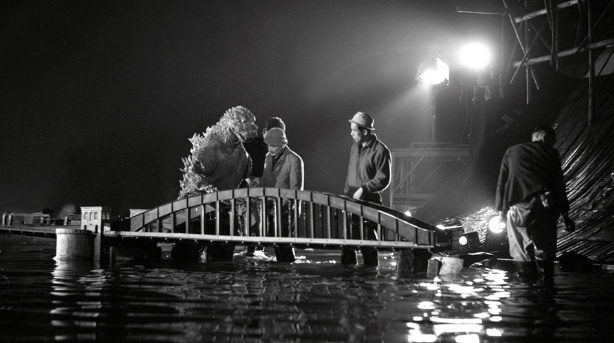
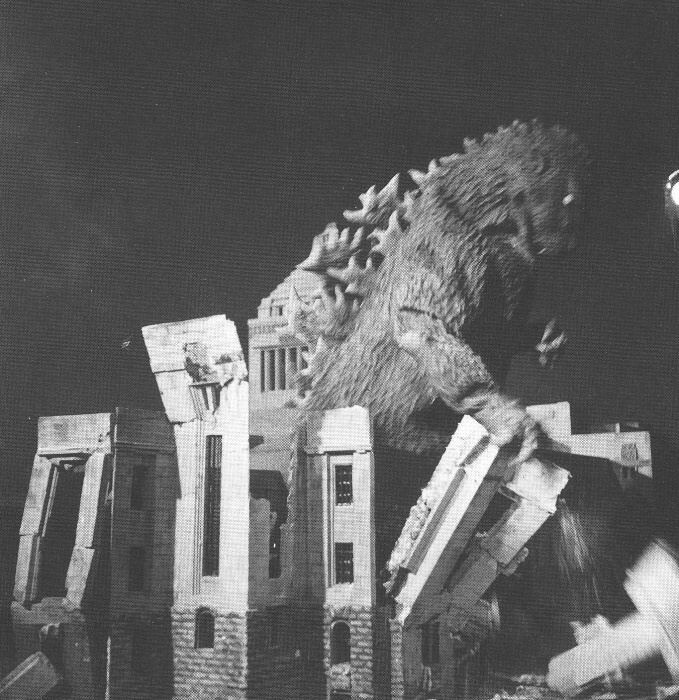
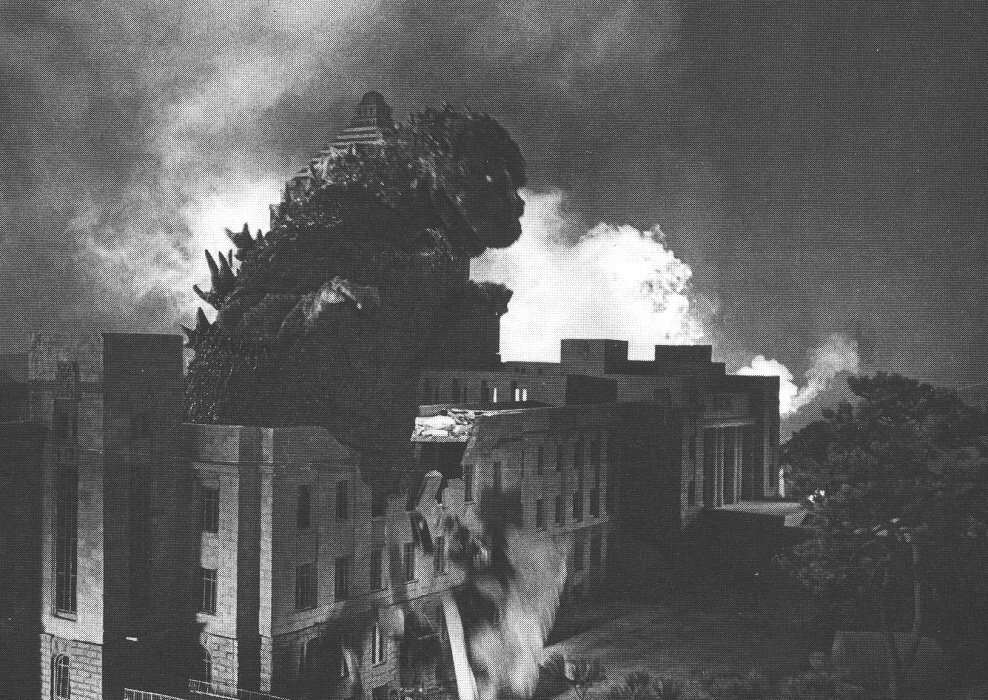
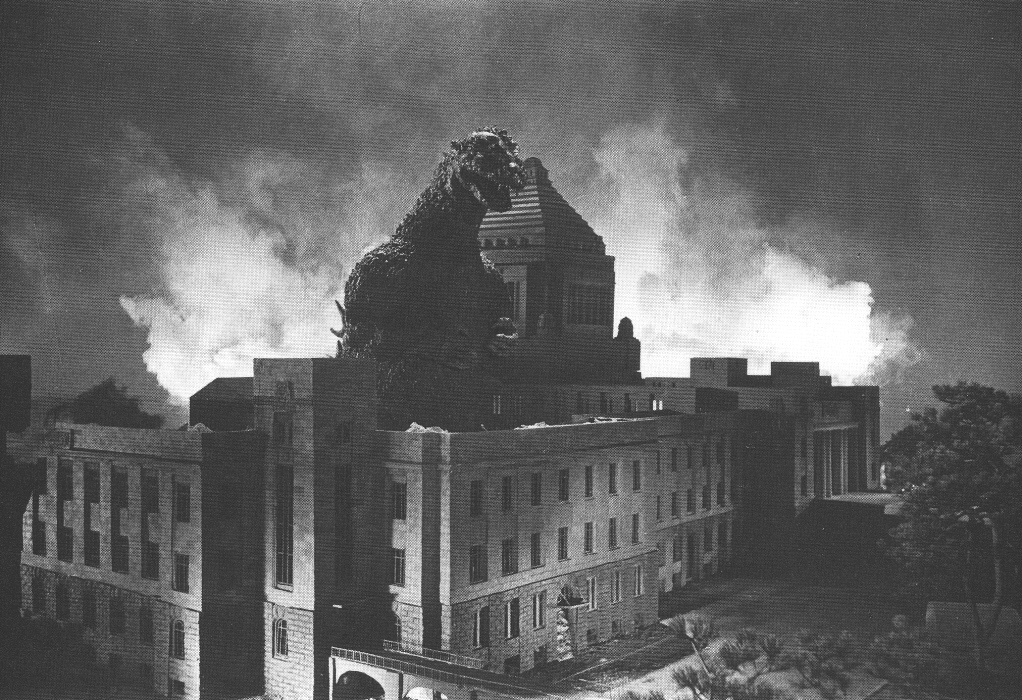
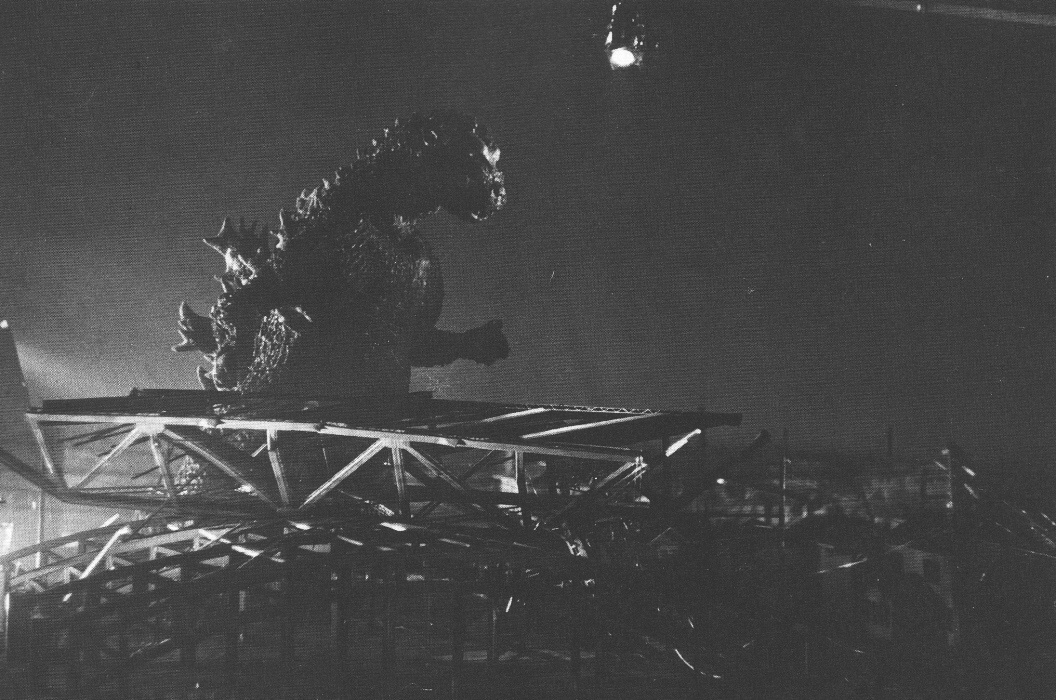
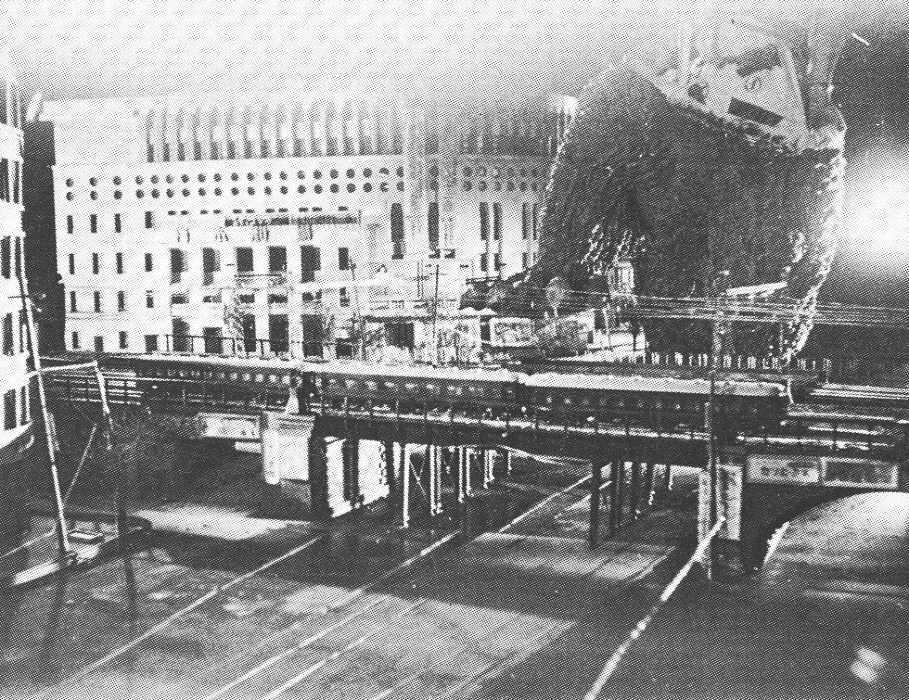
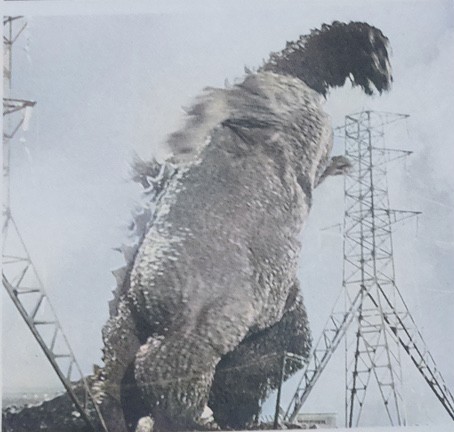
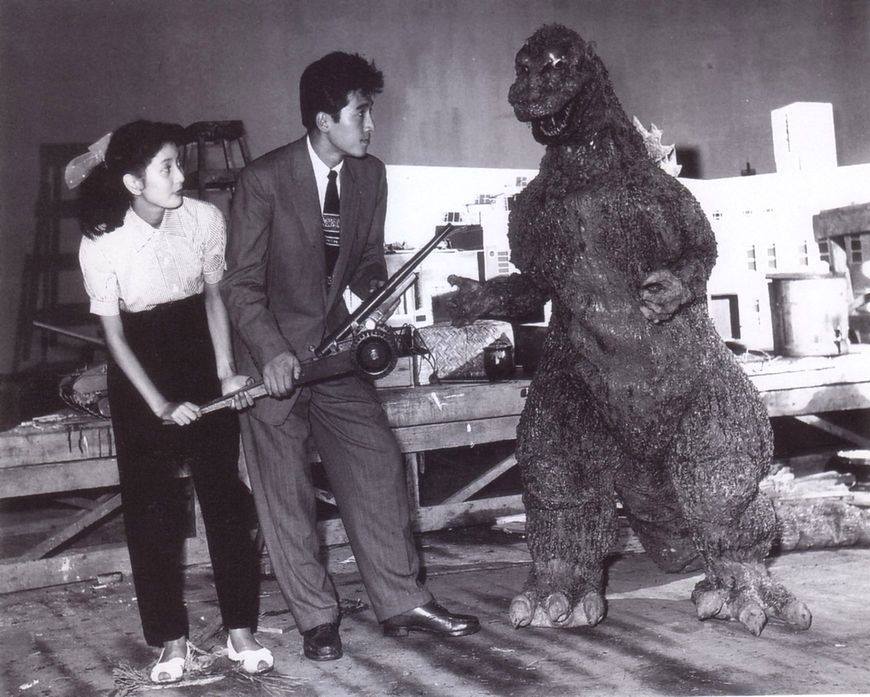
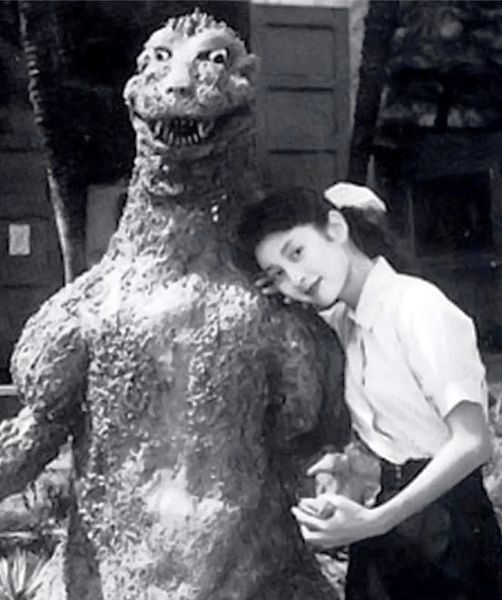
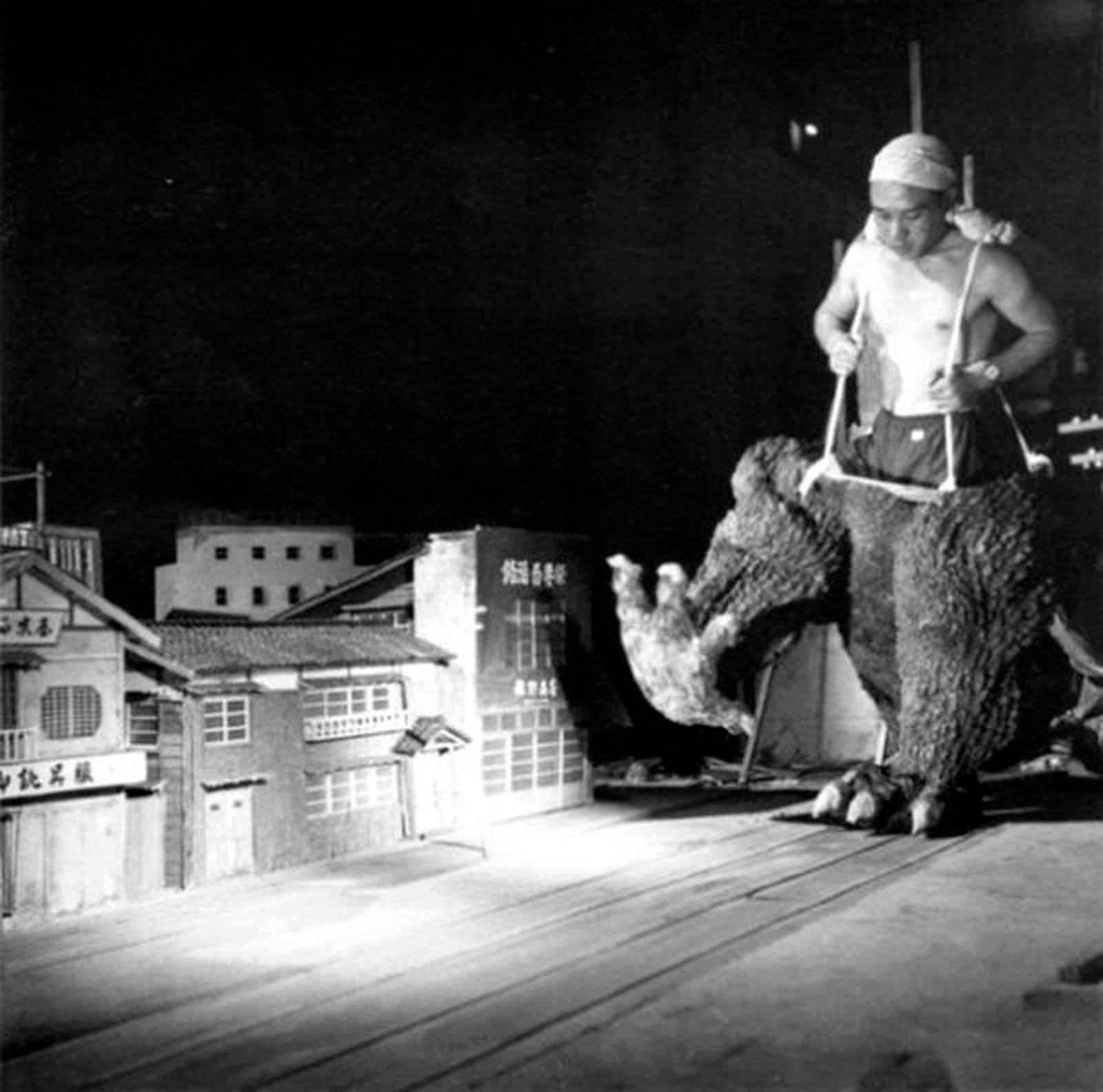
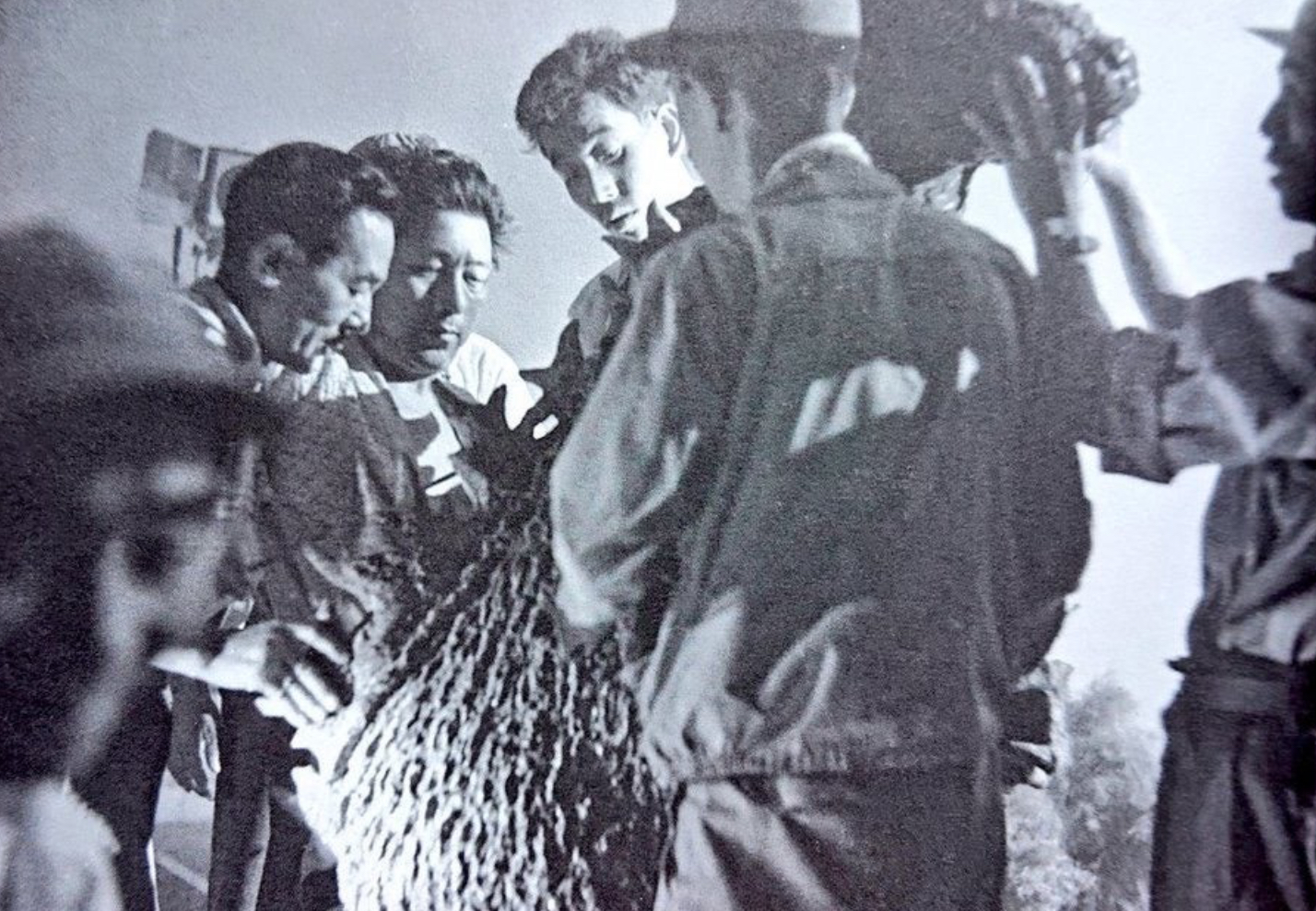
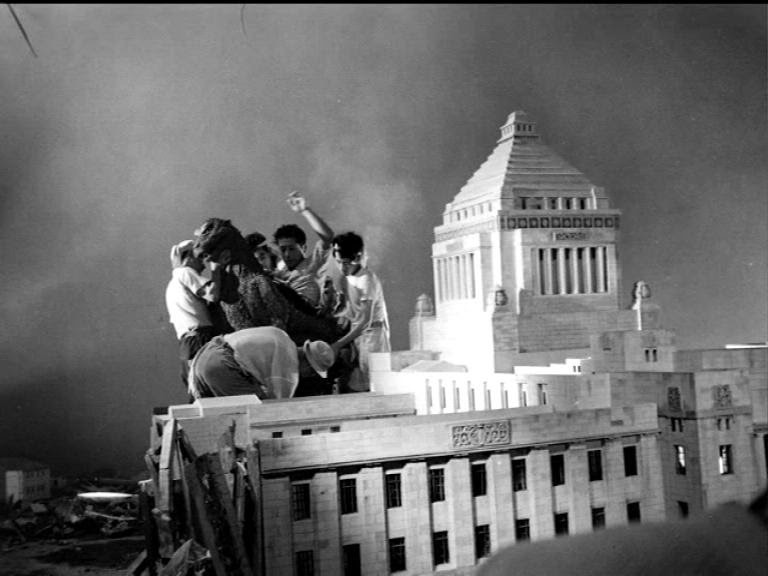
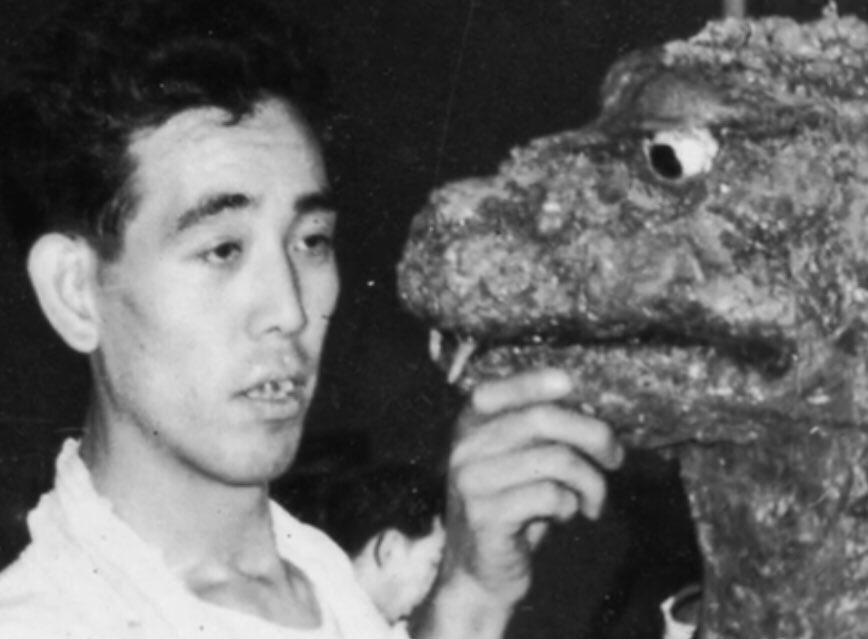
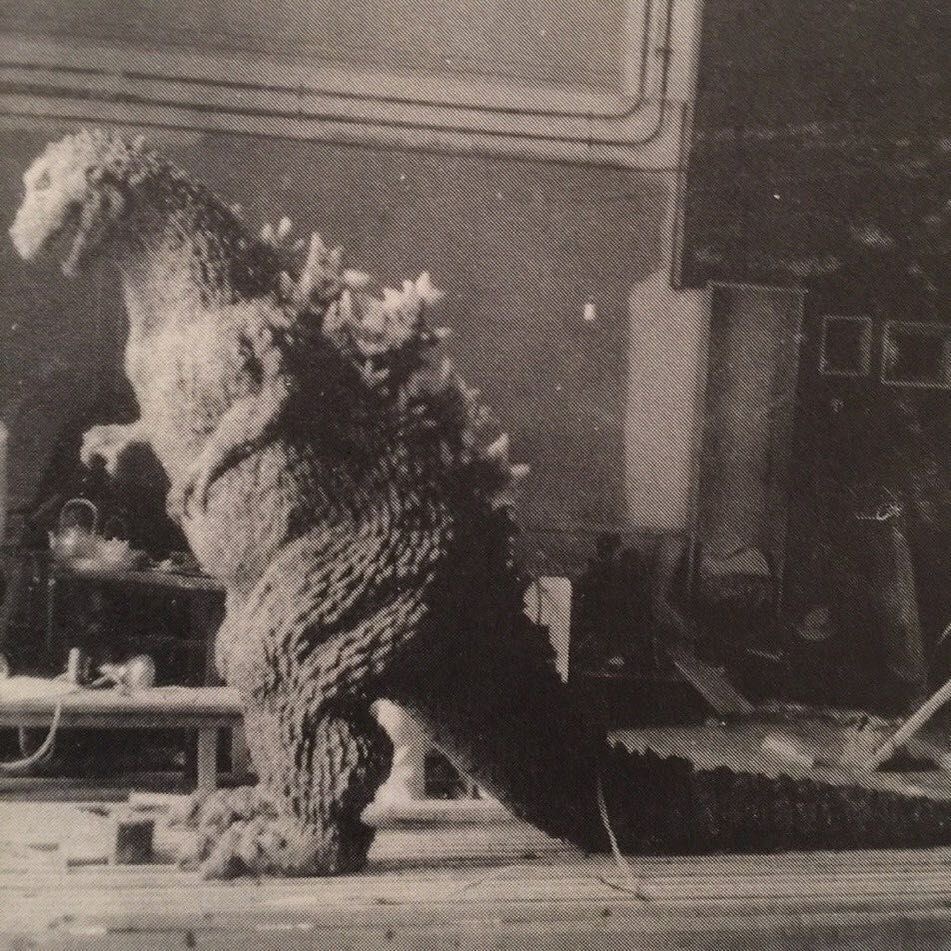
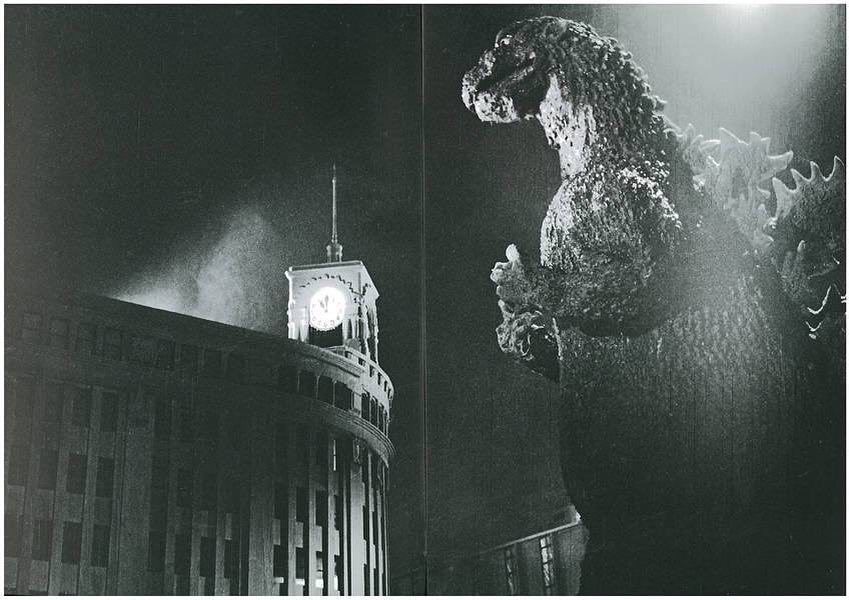
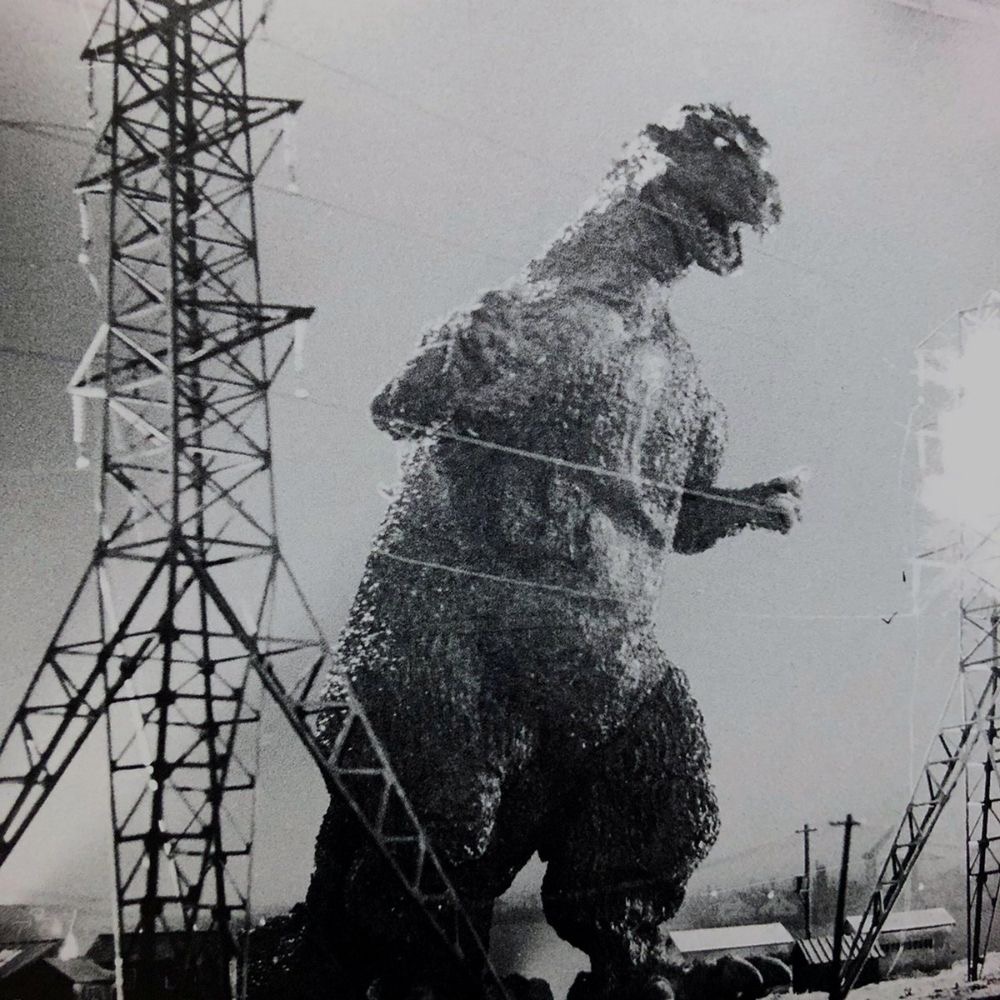
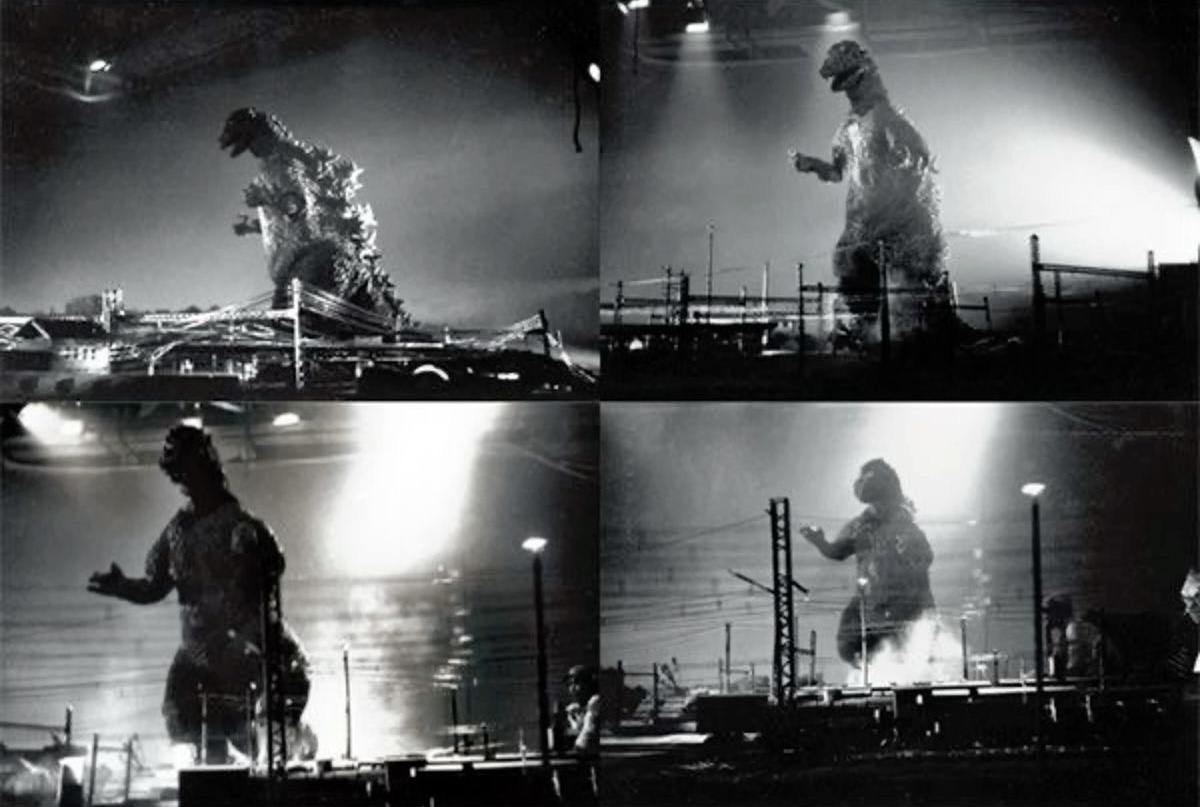
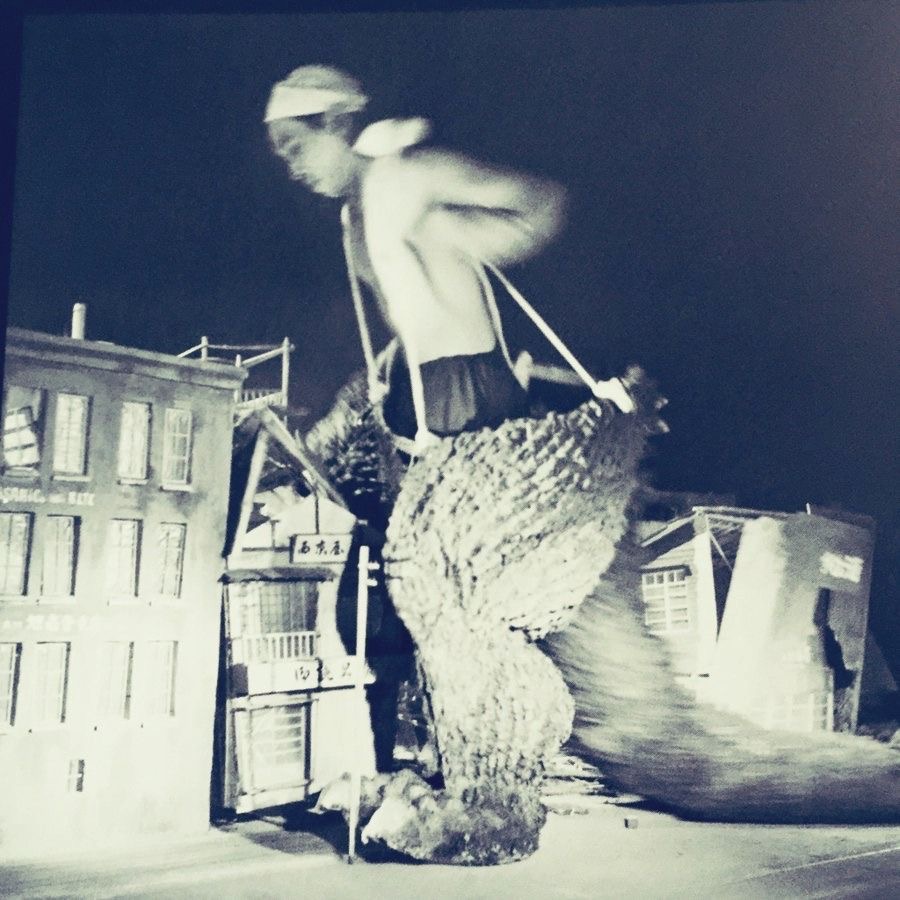
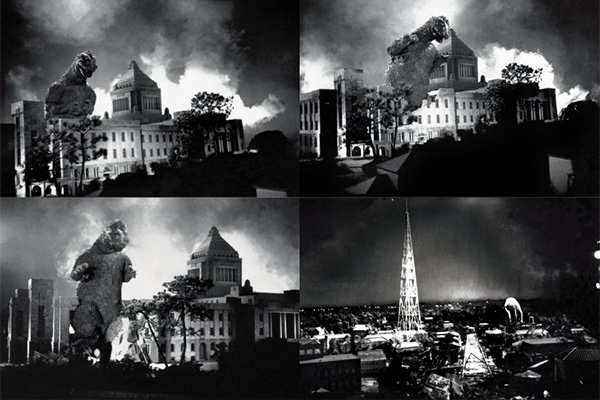
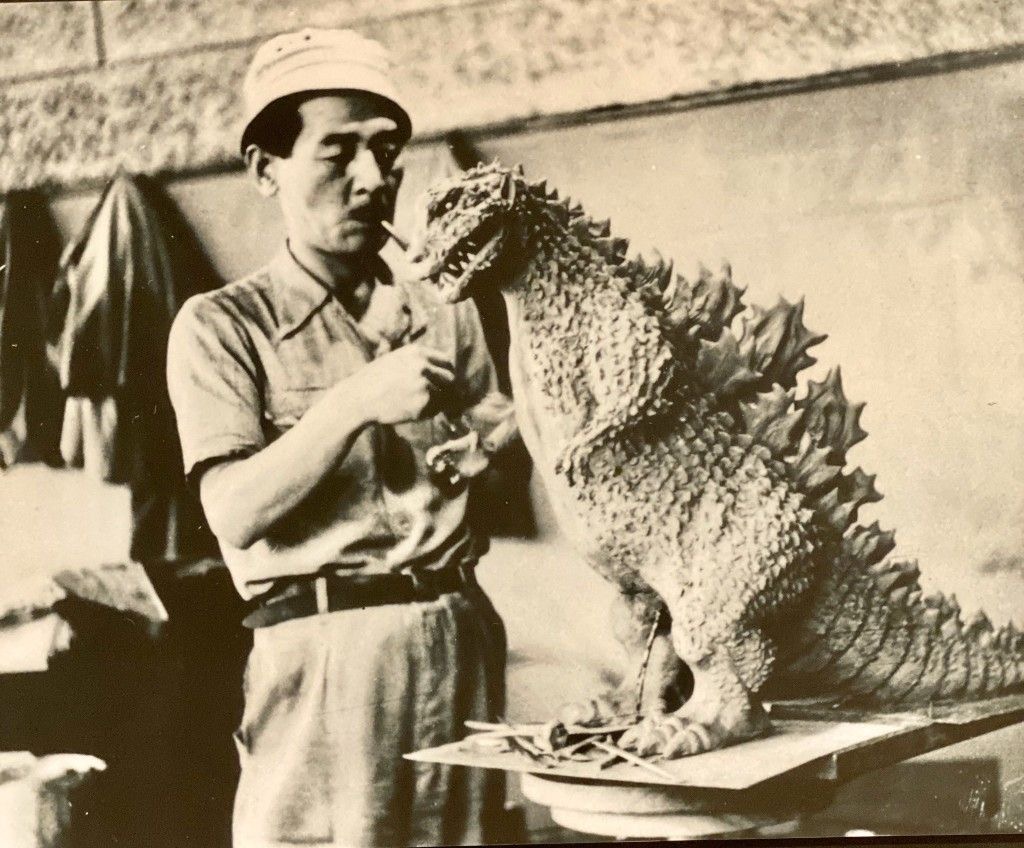
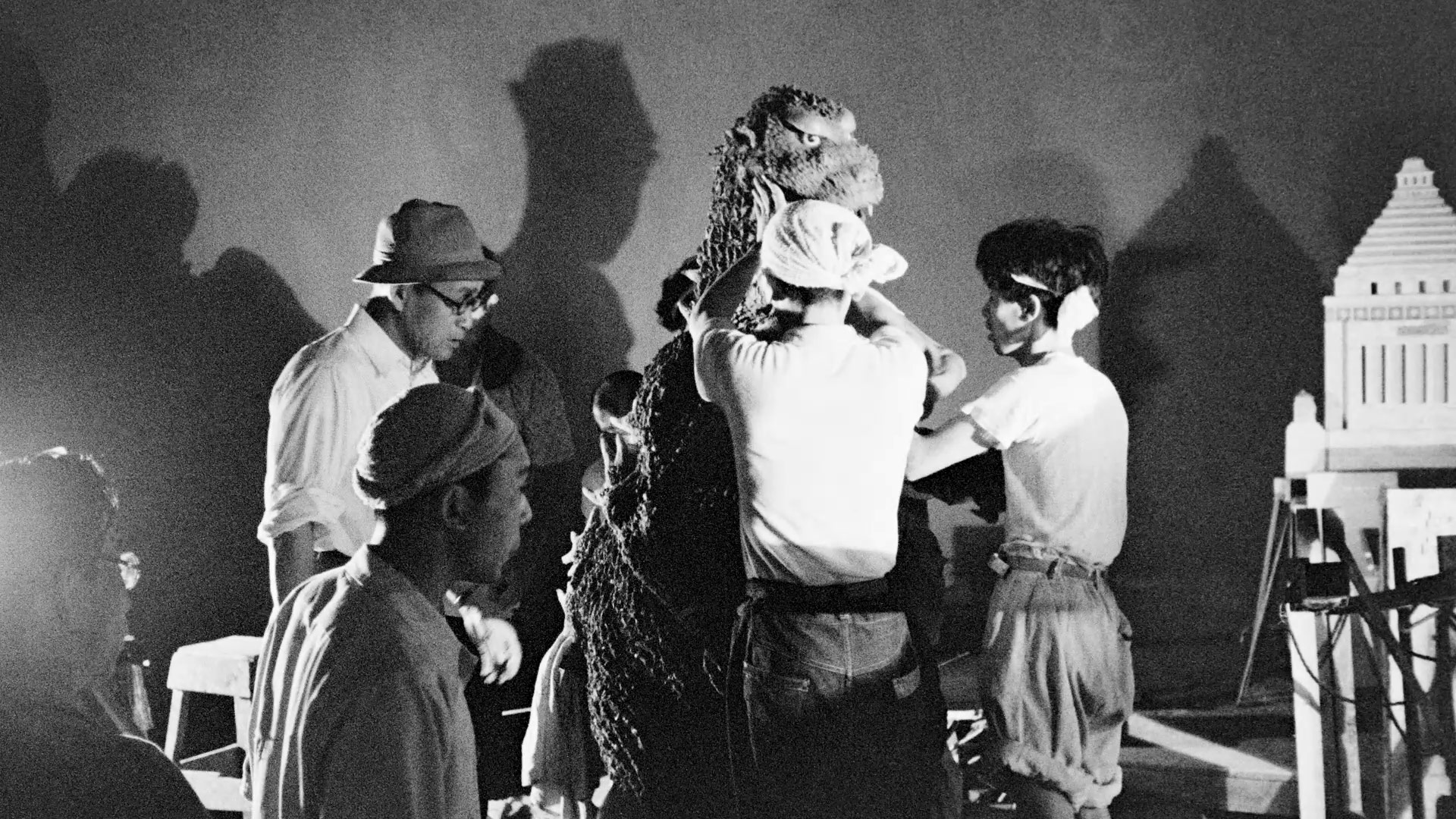
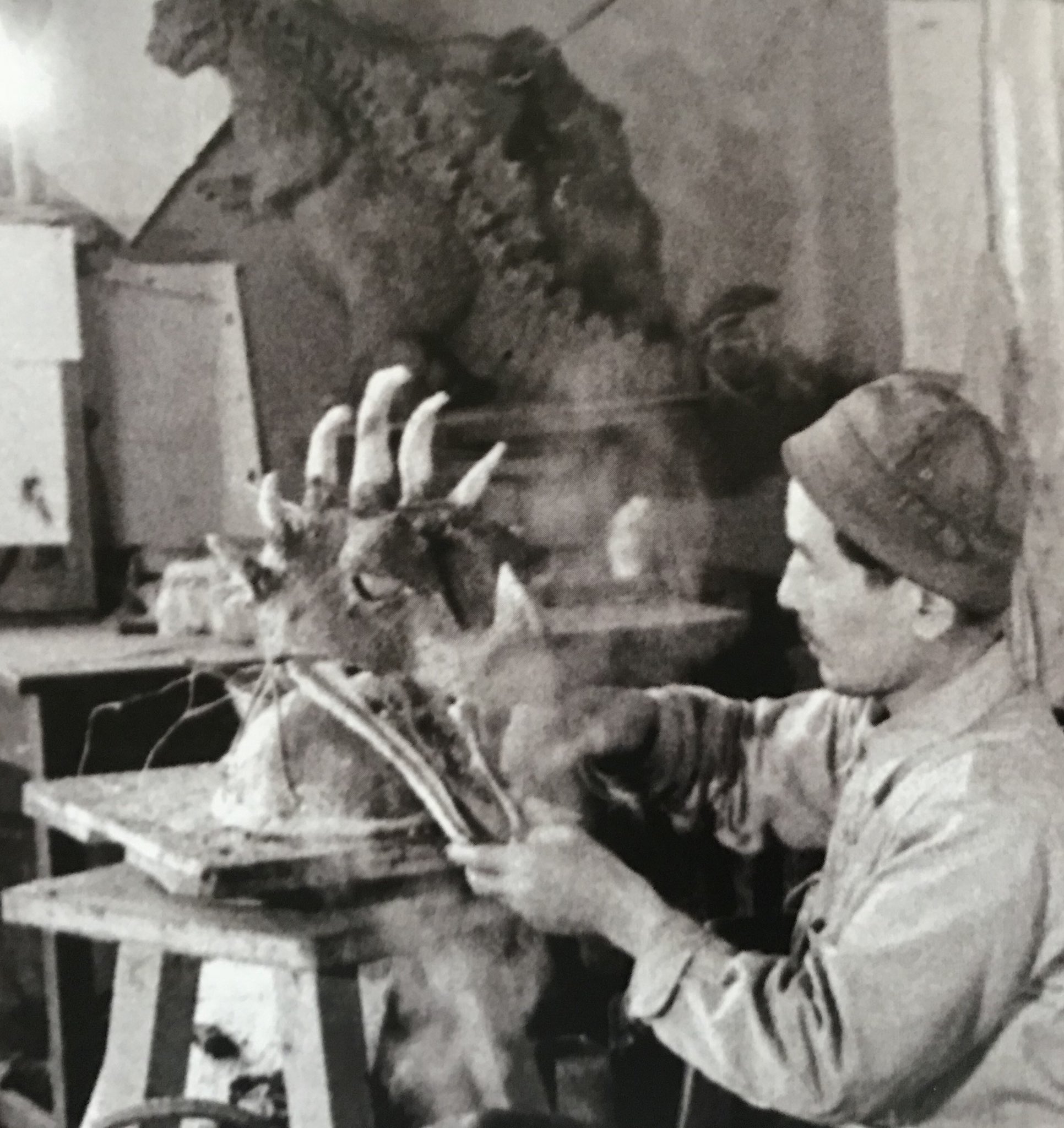
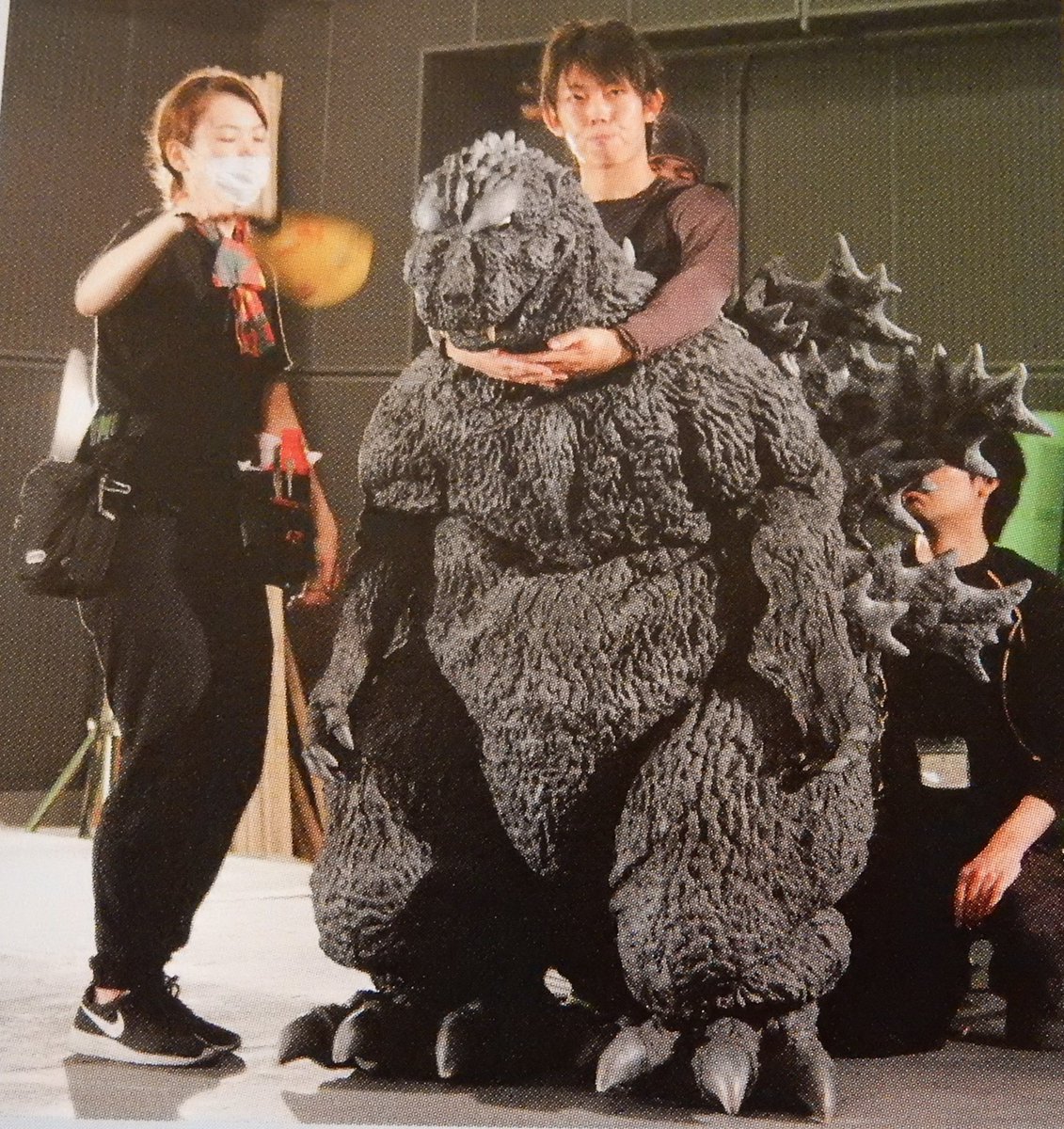
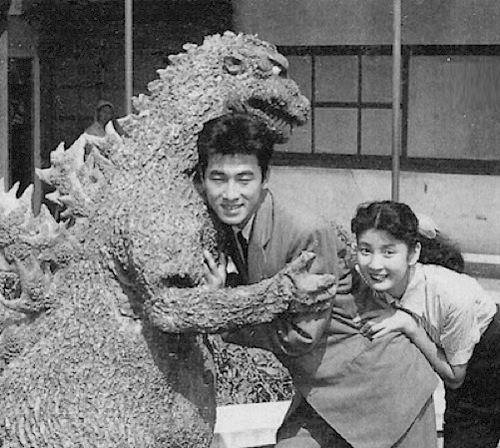
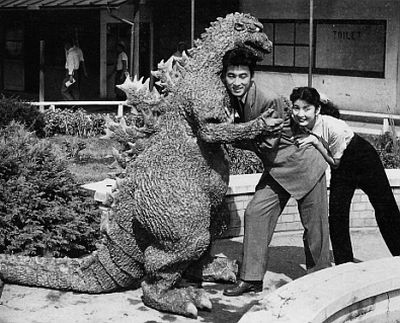
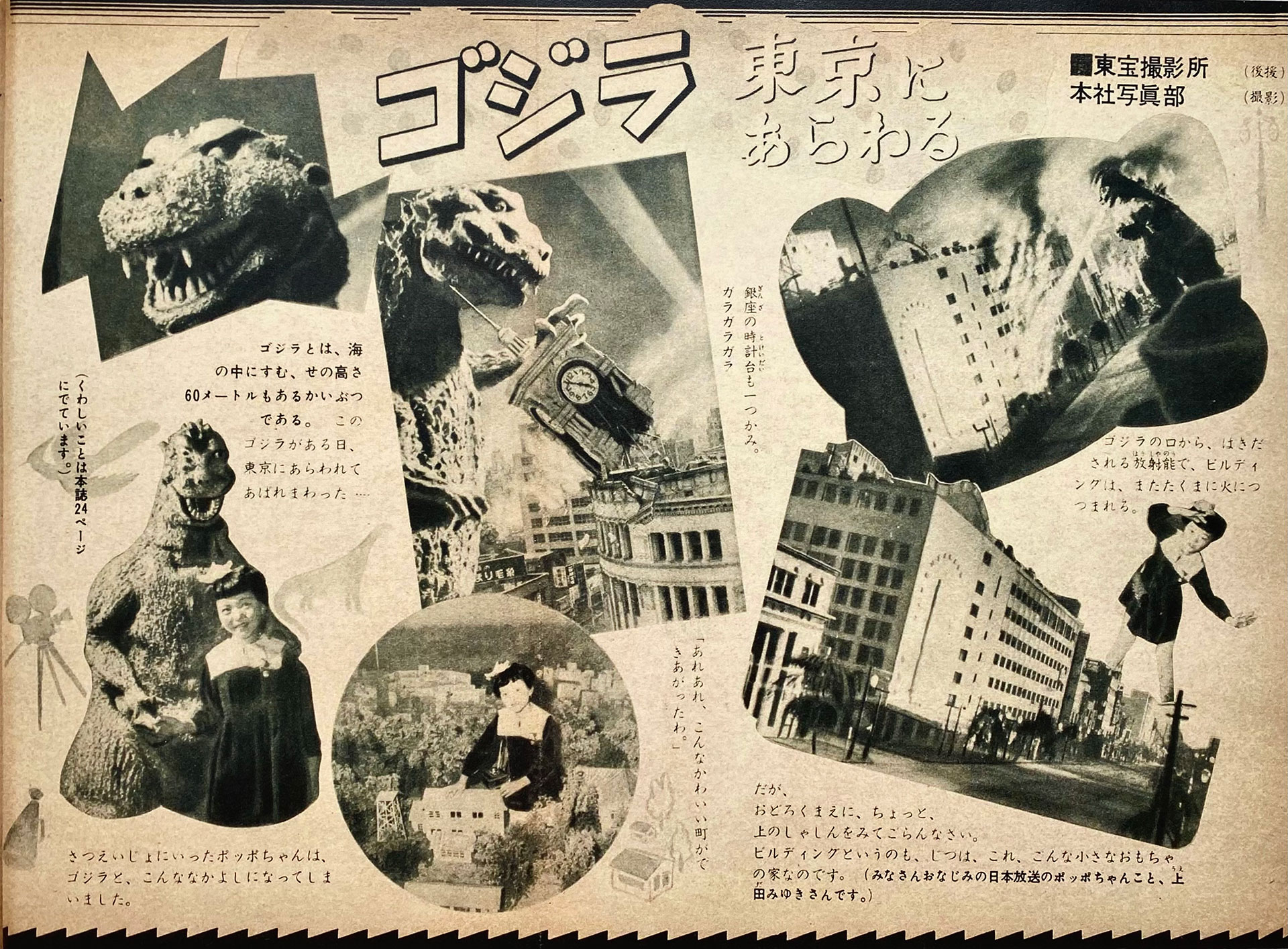
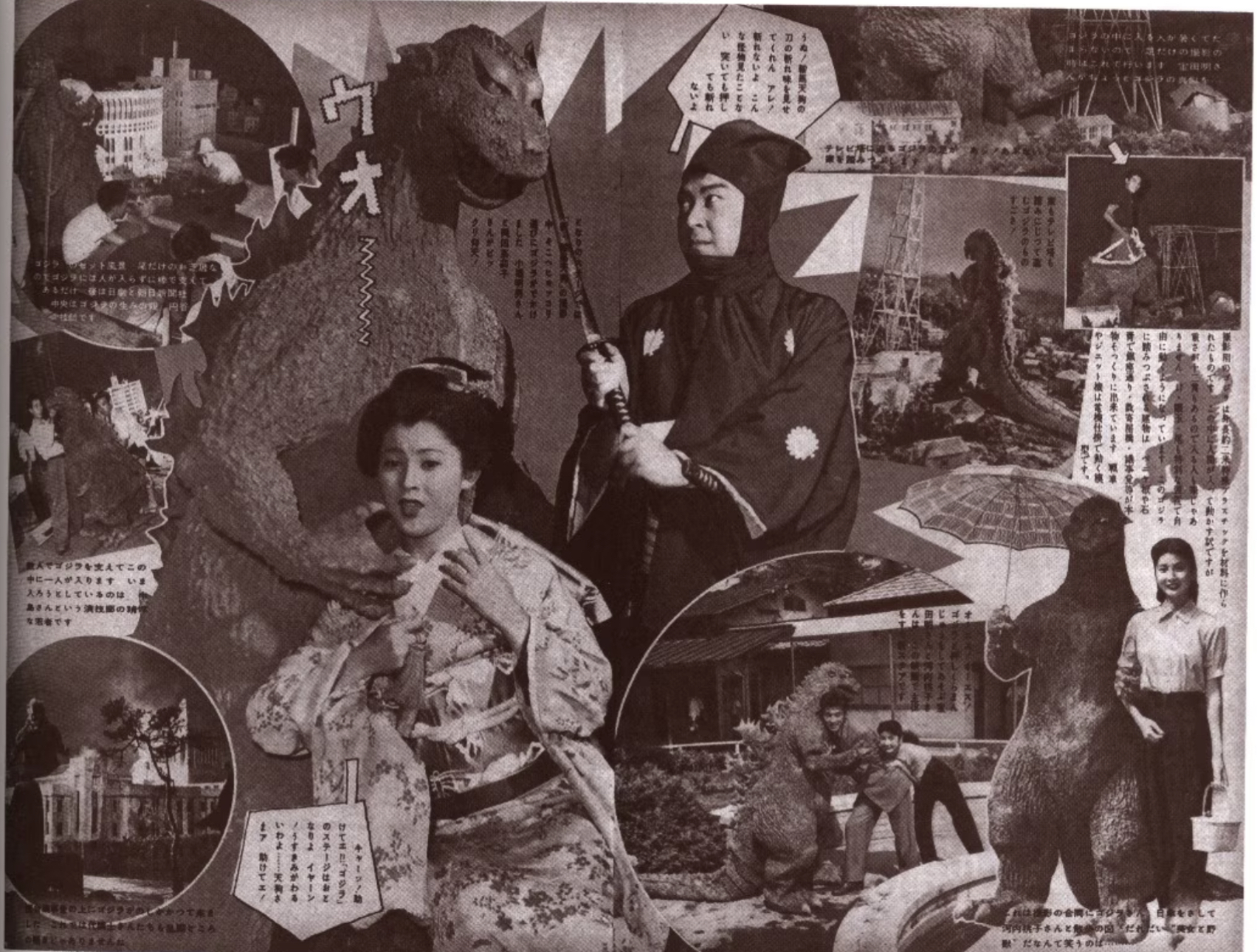
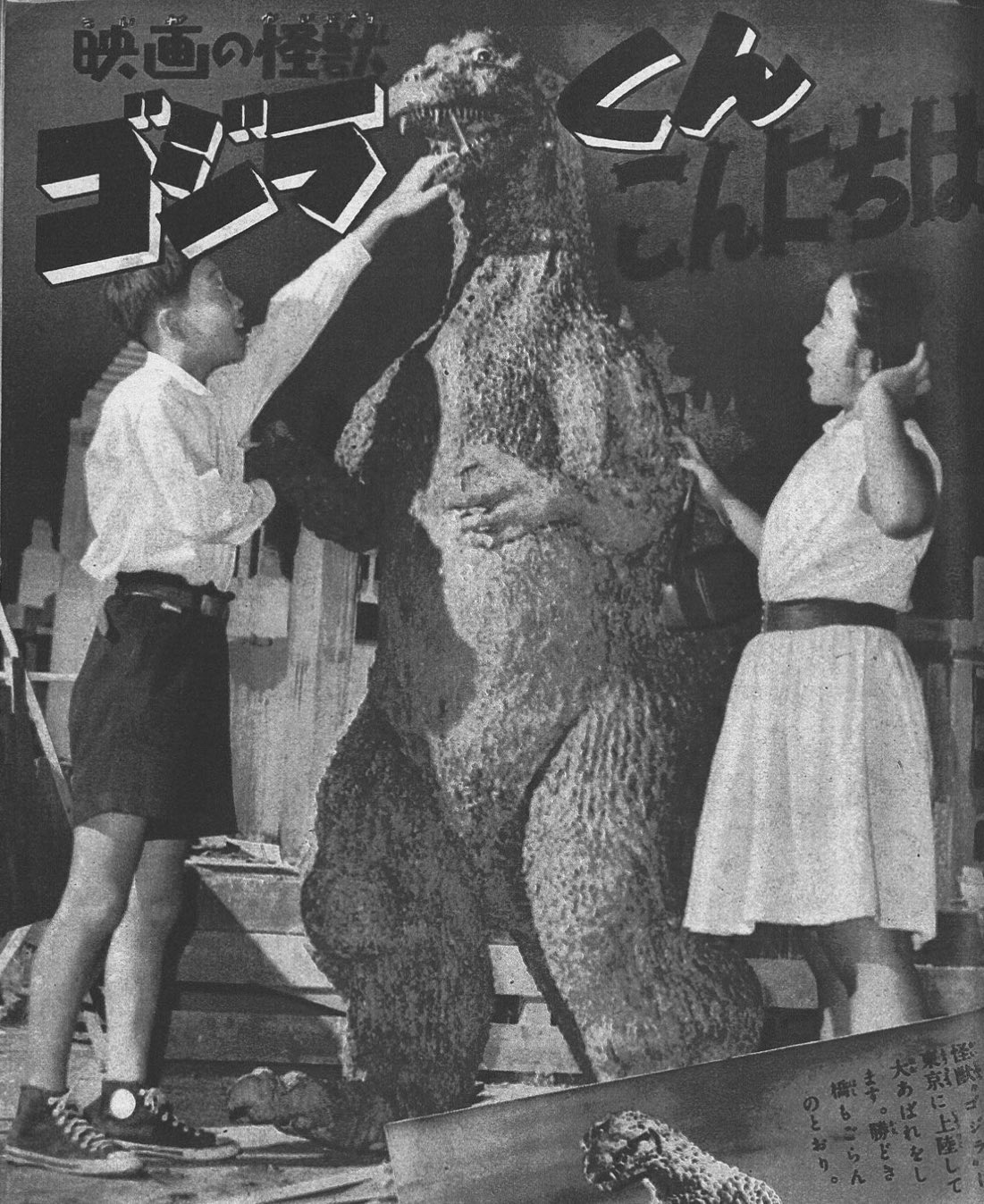
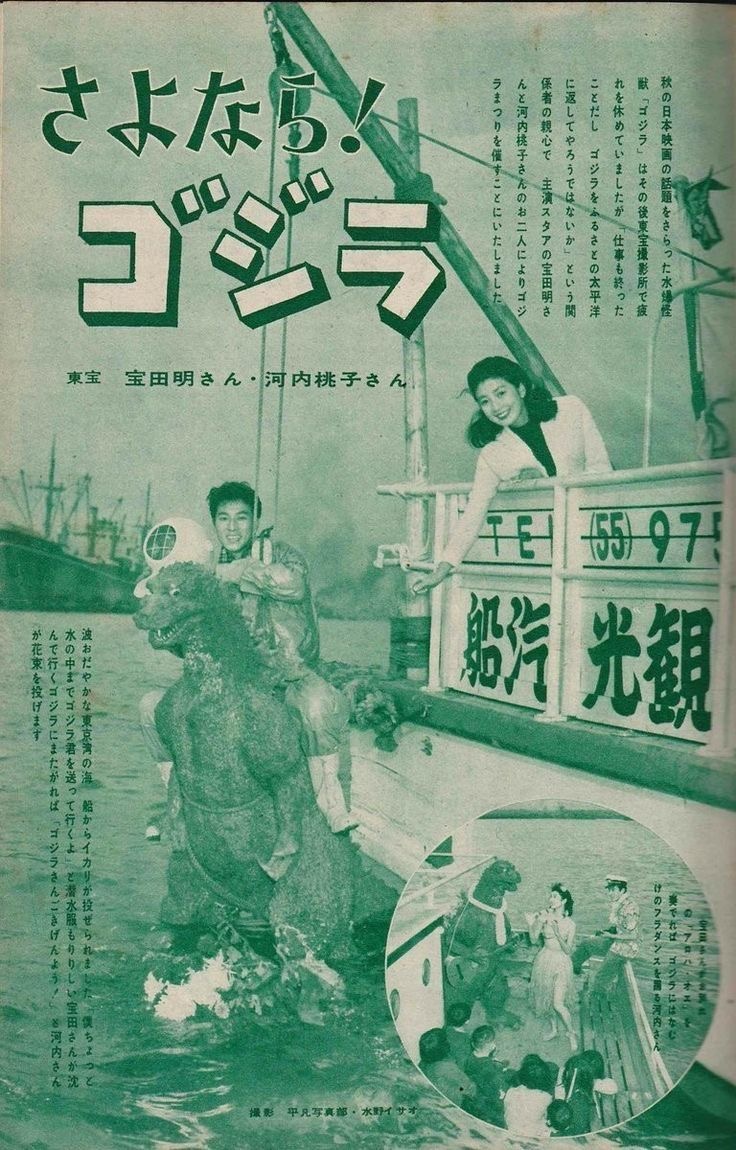
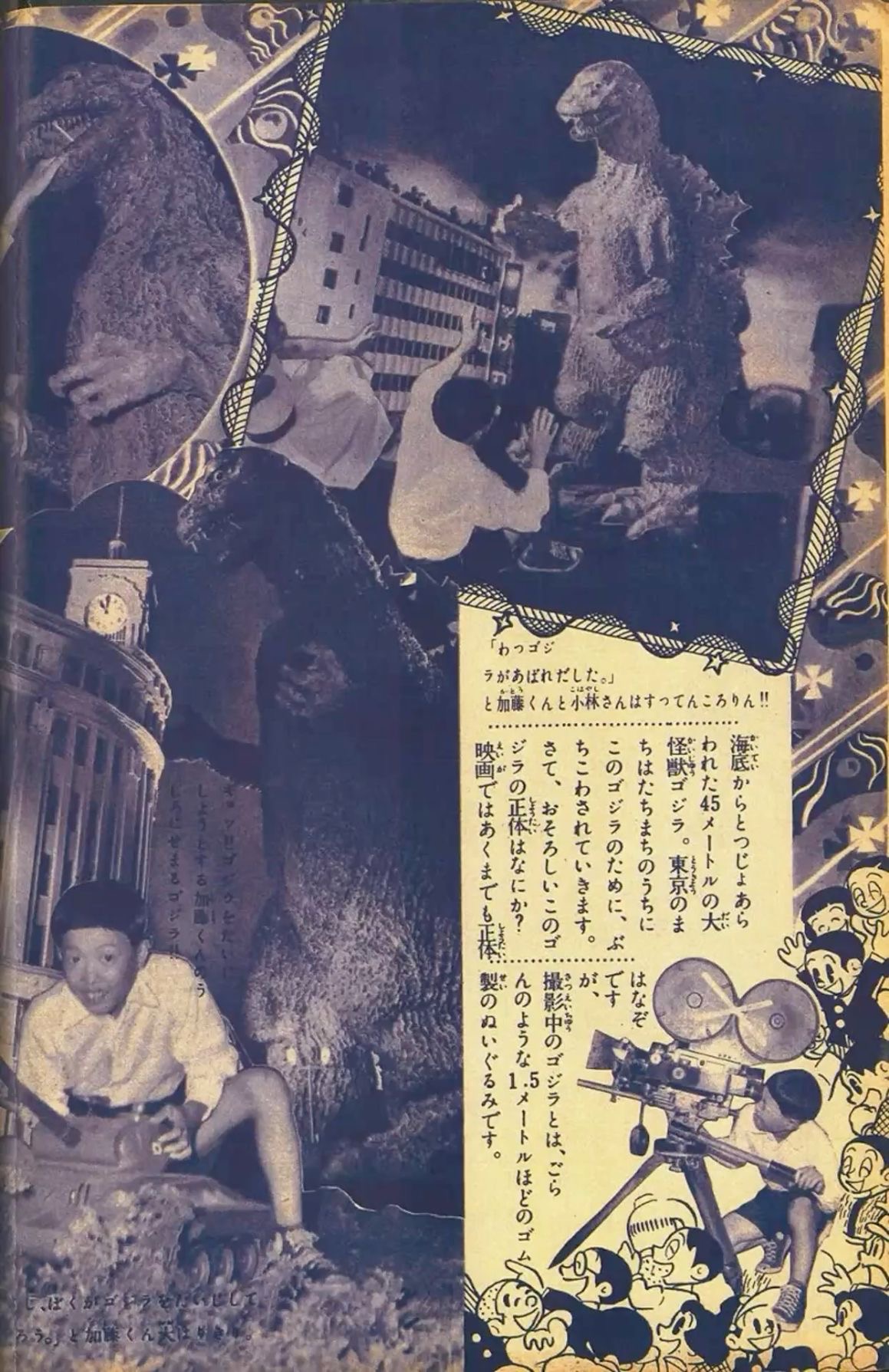
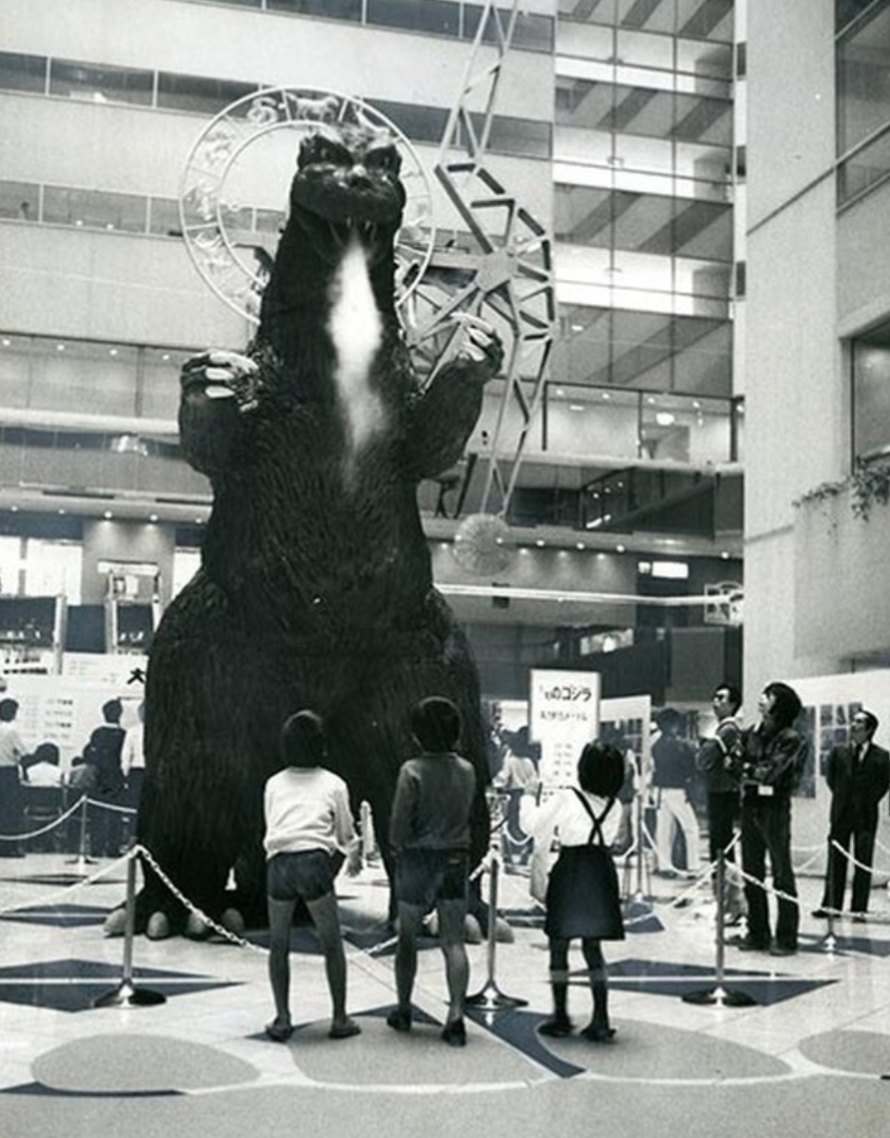
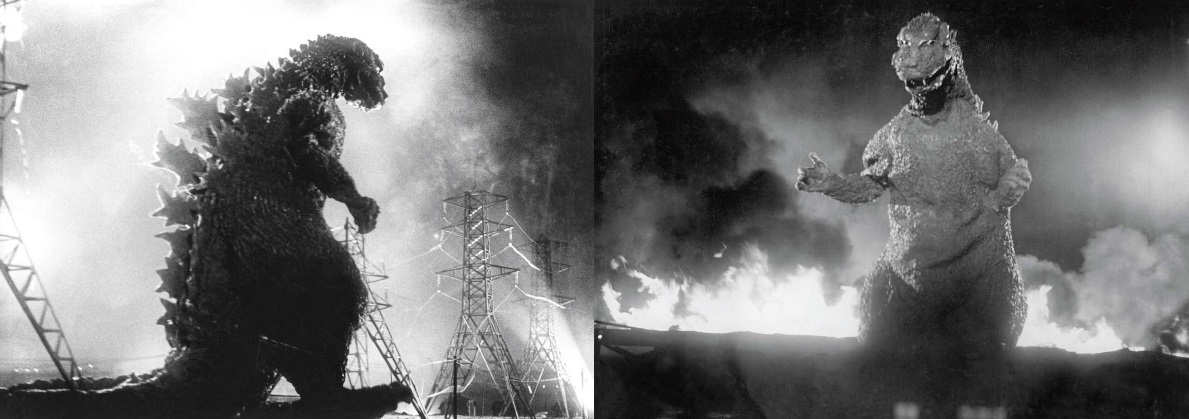
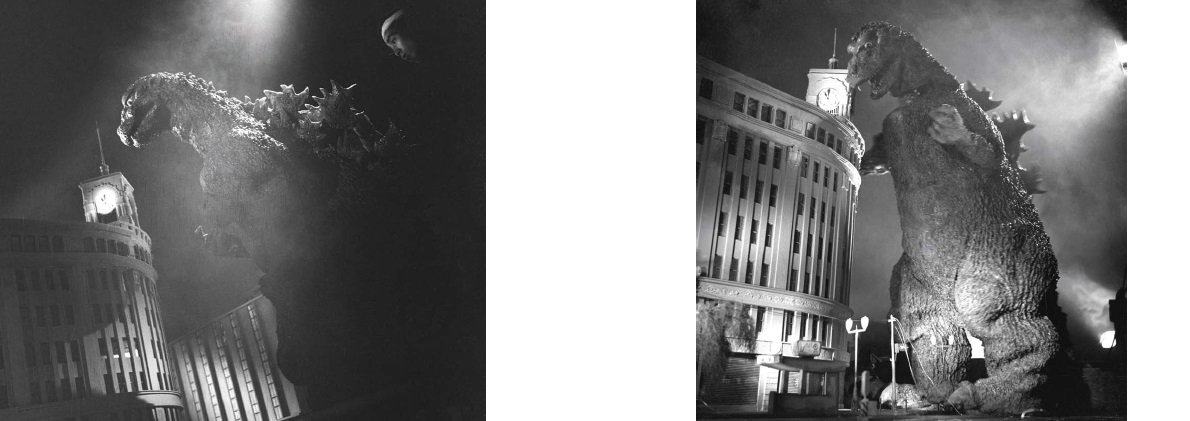
The ShodaiGoji suit was modeled by Teizo Toshimitsu, Kanju and Yasuei Yagi, and Eizo Kaimai. Two suits were actually made, with the first suit, designated "No. 1," proving too heavy to perform in. As such, a lighter No. 2 suit was quickly created, though it still weighed 100 kilograms.[2] The No. 1 suit was divided at the waist, with its lower body being used for close-ups of Godzilla's legs as he walked around Ginza and Shinagawa stations.
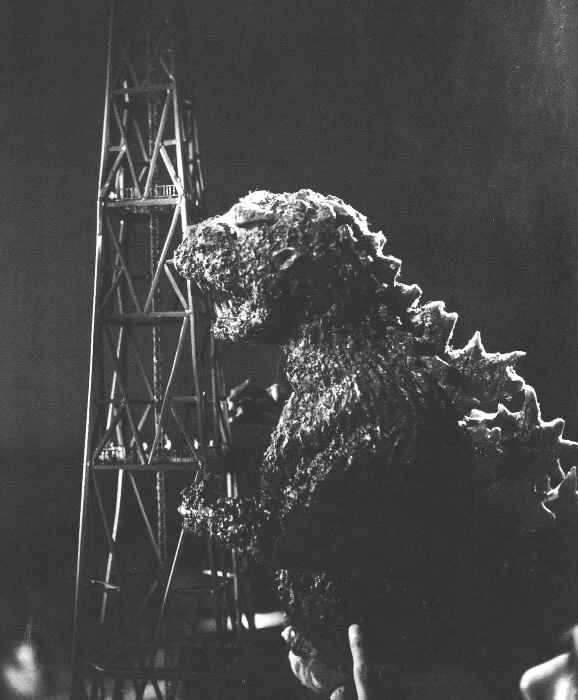
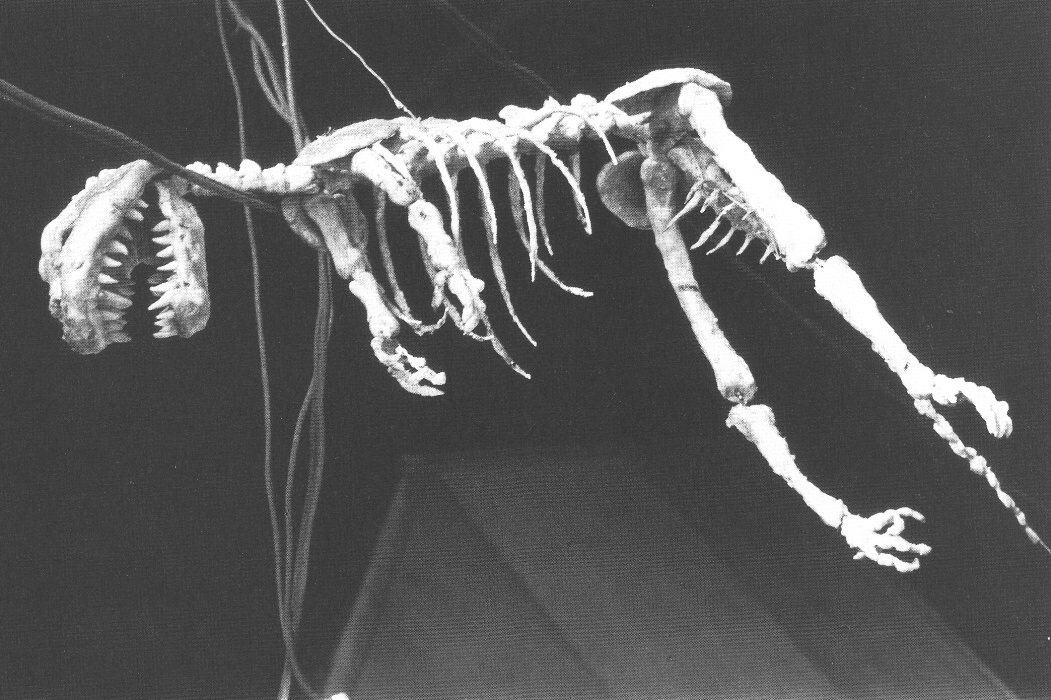
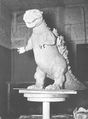
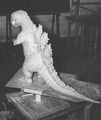
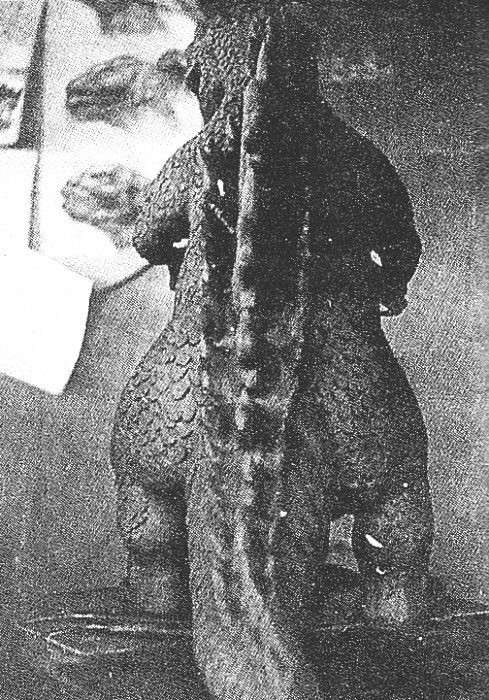
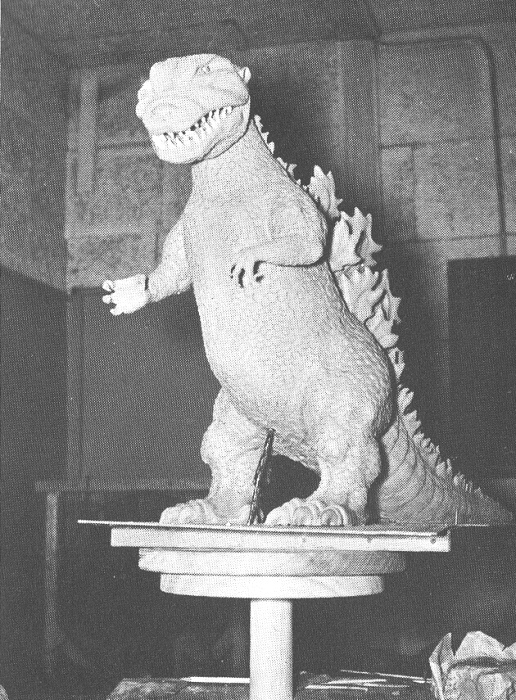
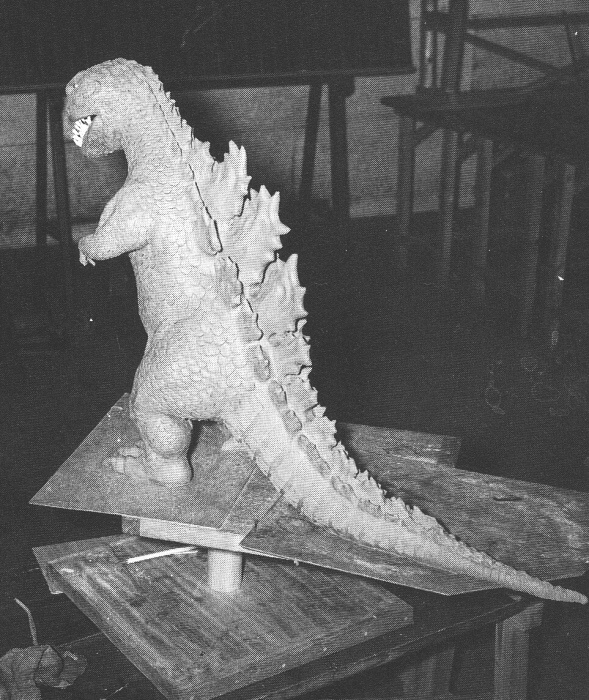
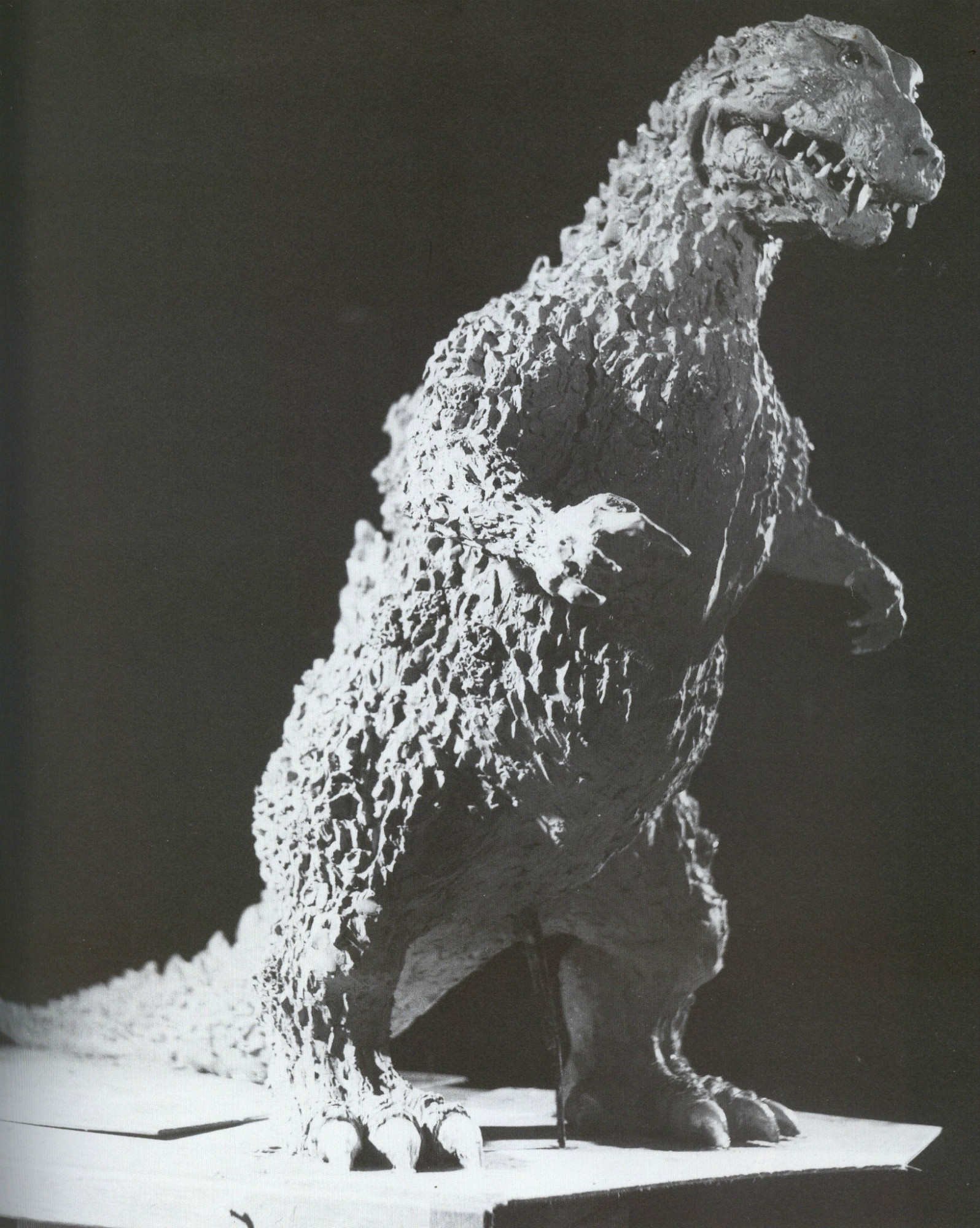
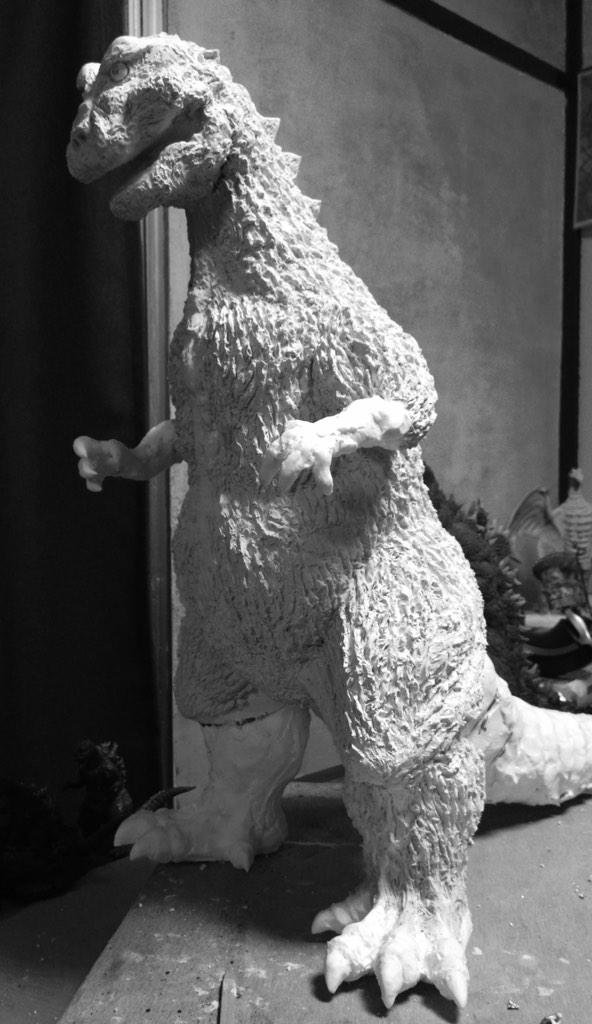
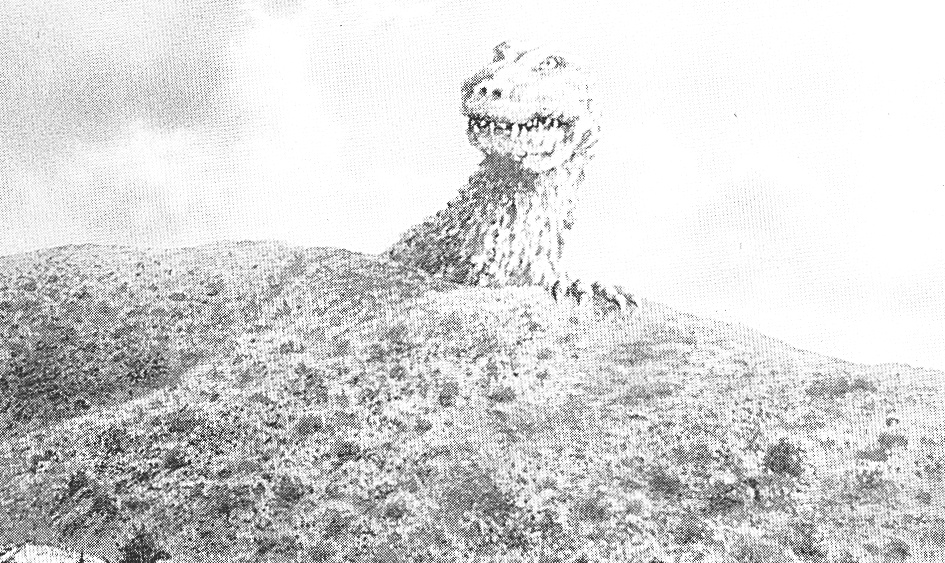
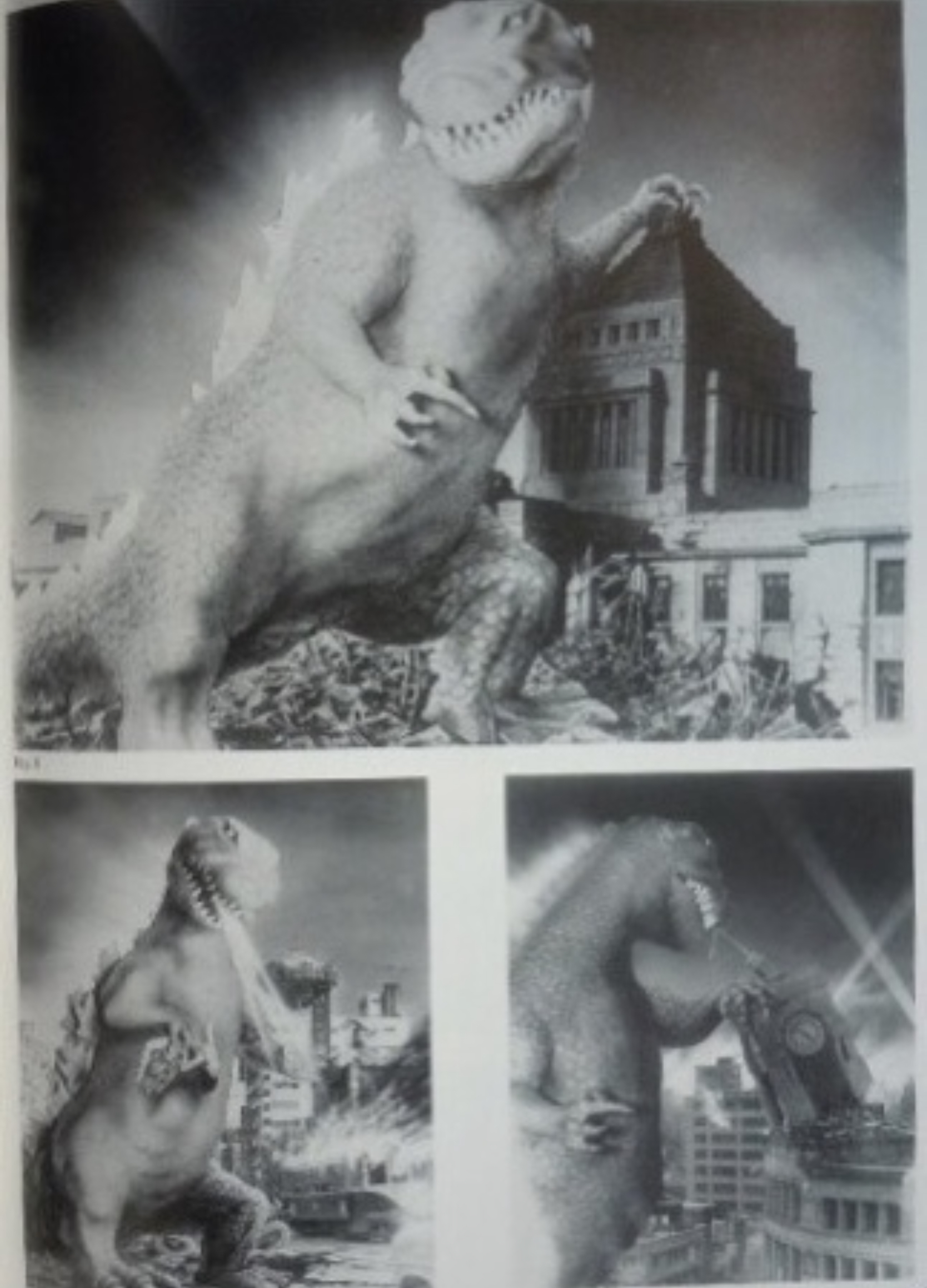
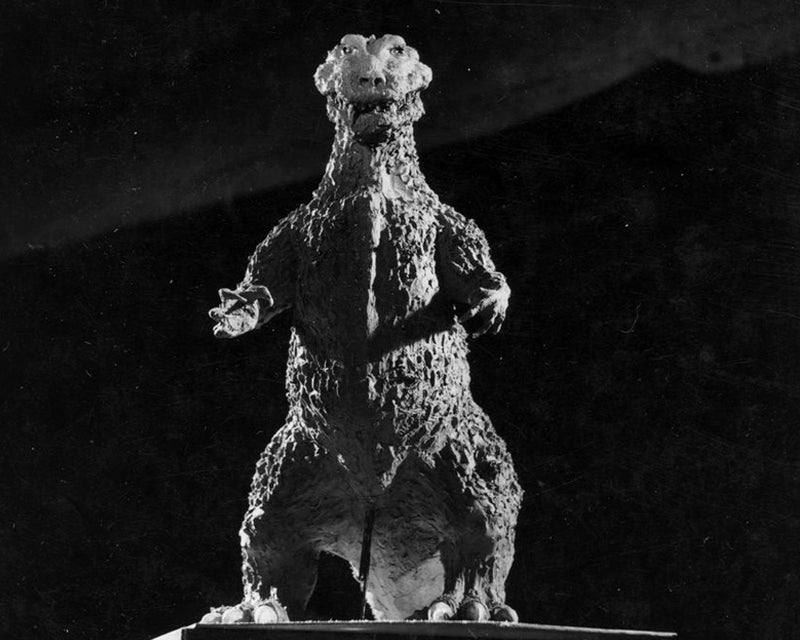
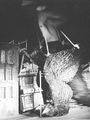
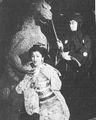
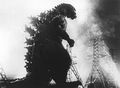
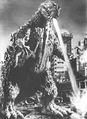
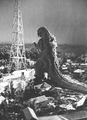
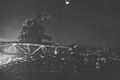
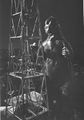
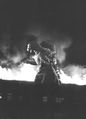
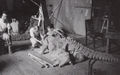
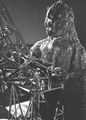
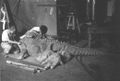
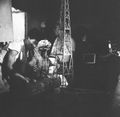
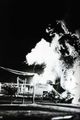
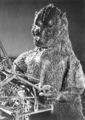
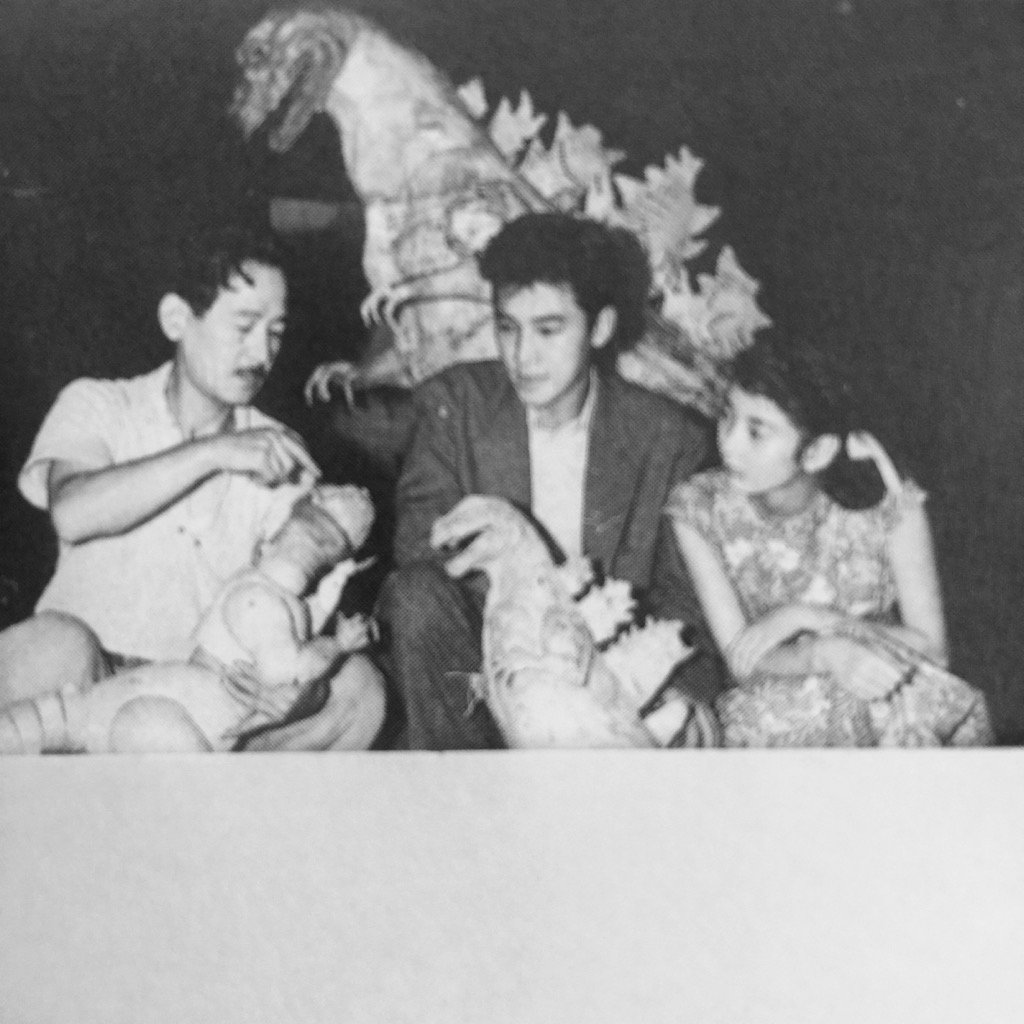
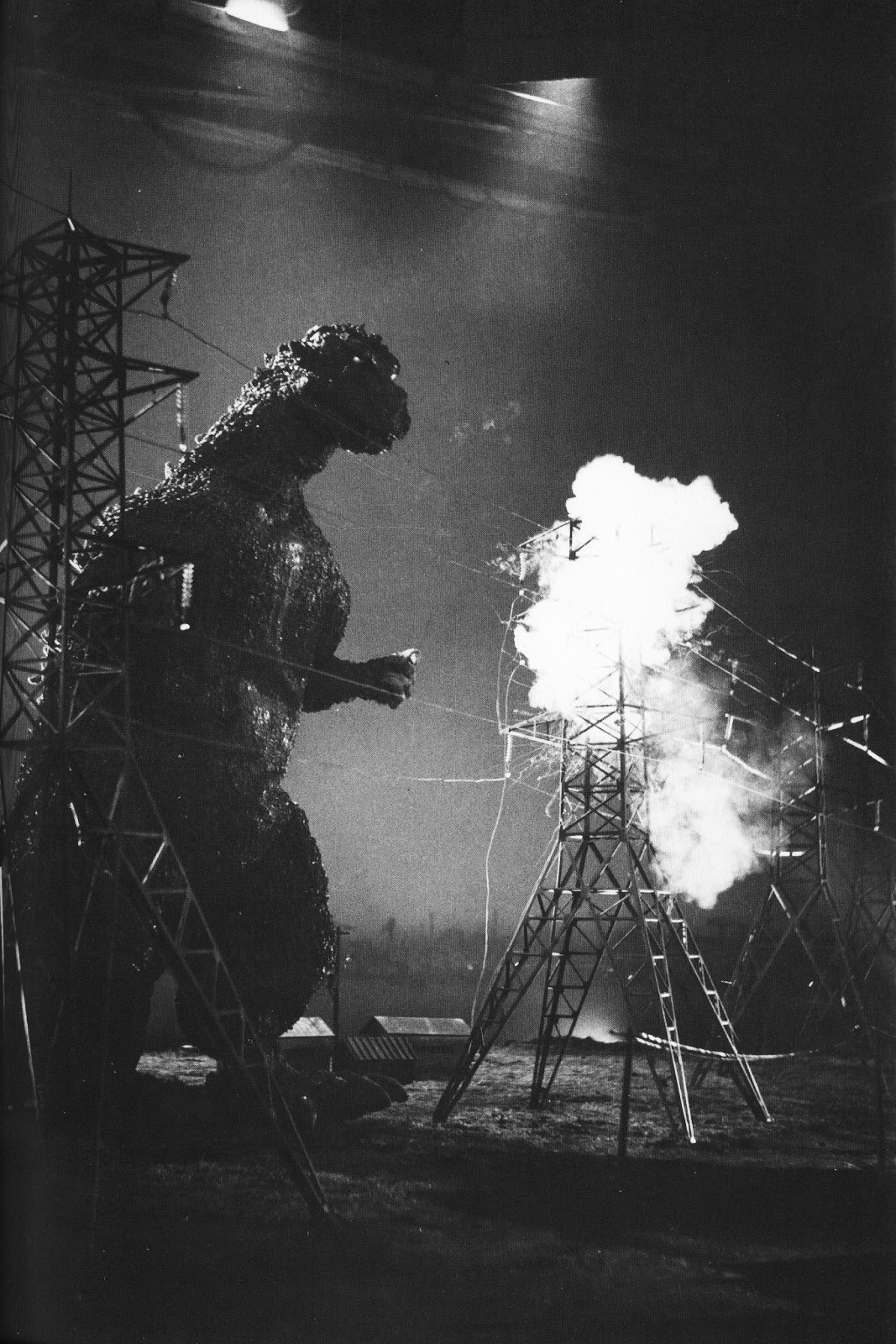
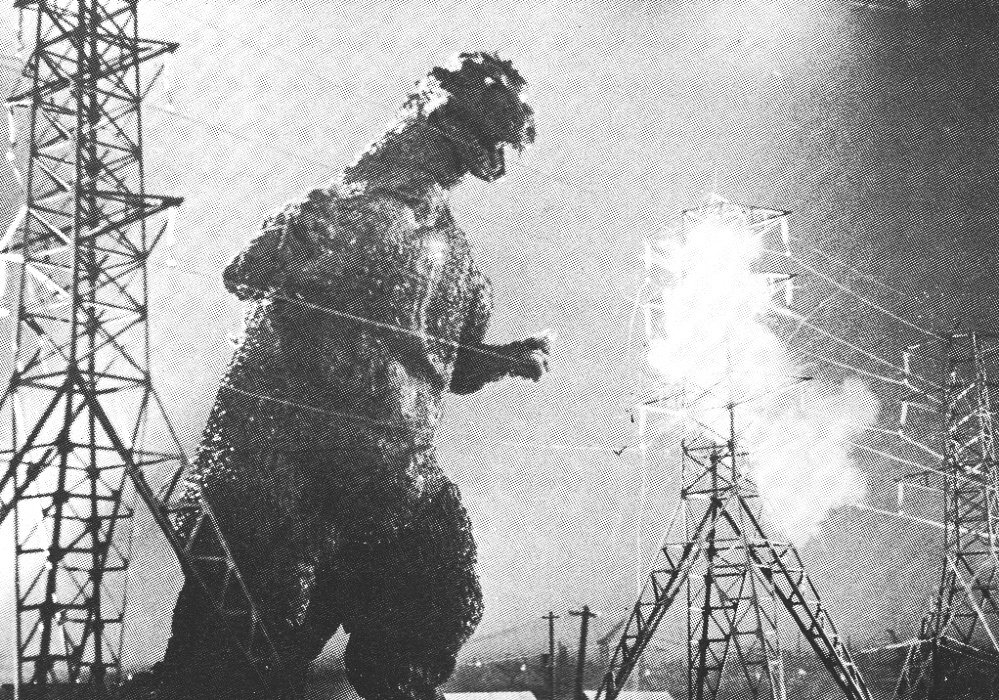
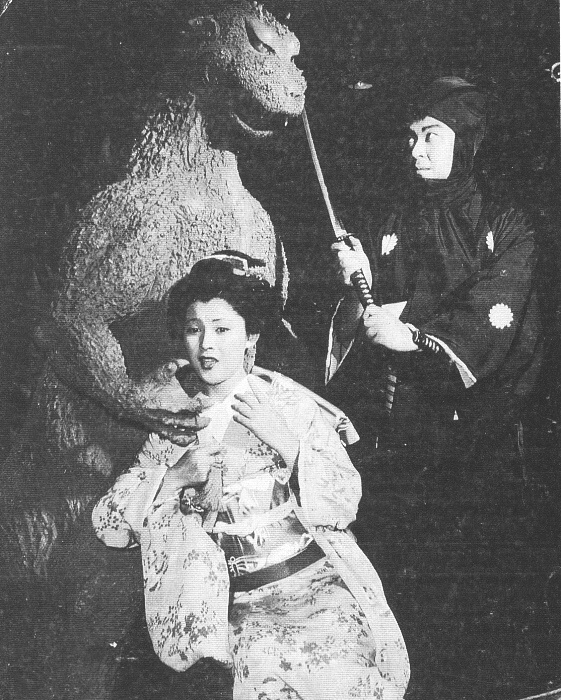
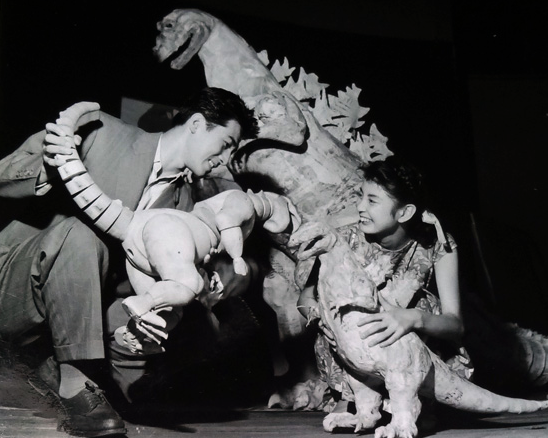
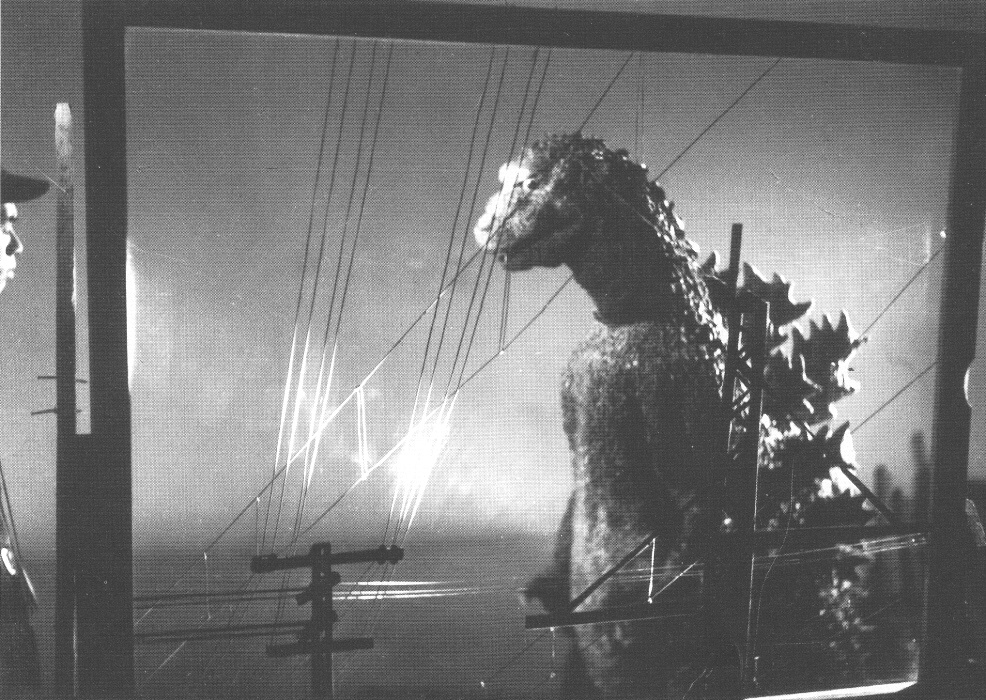
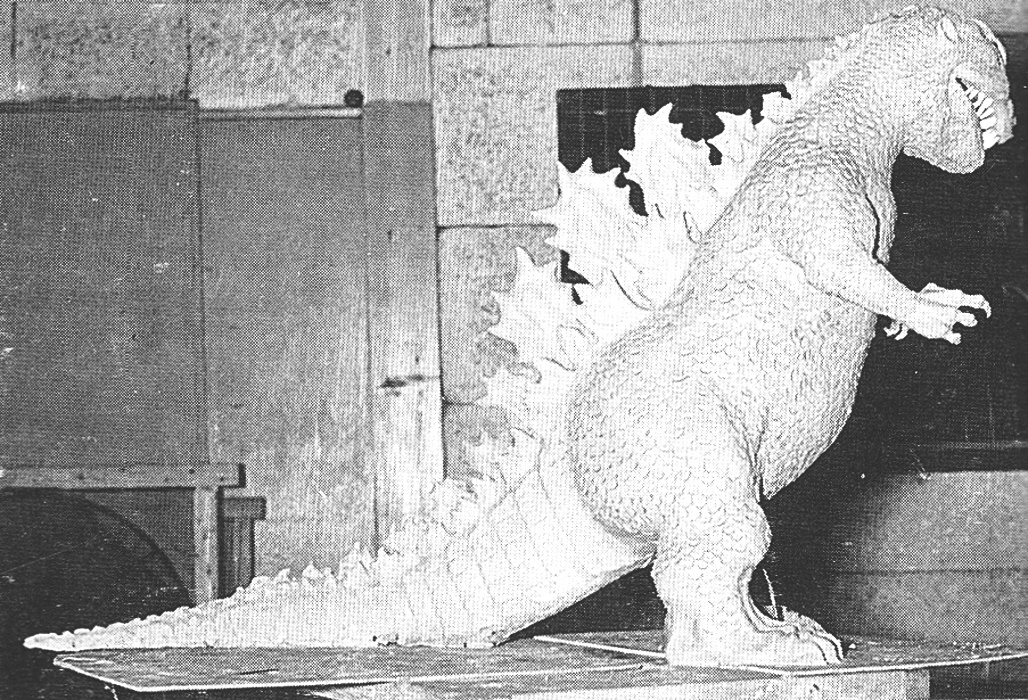
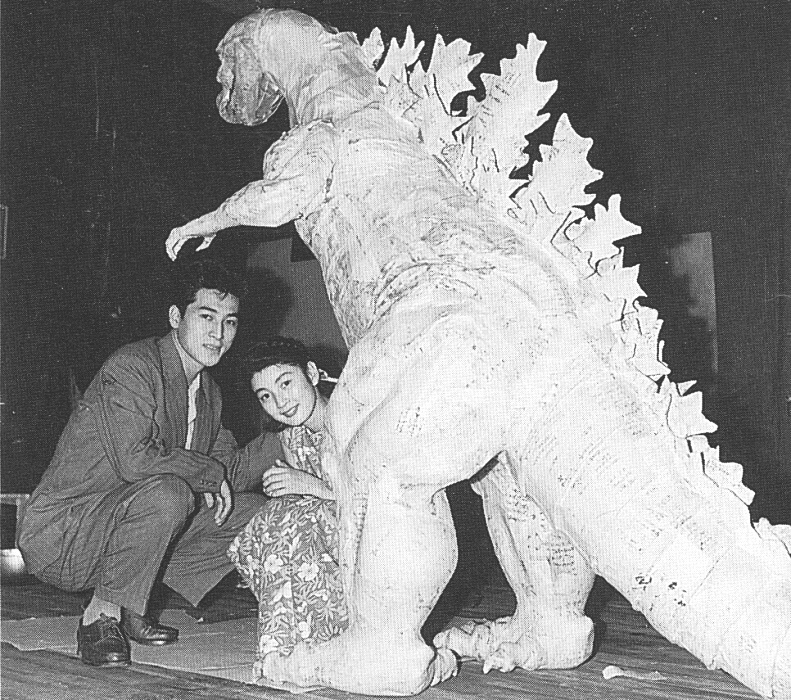
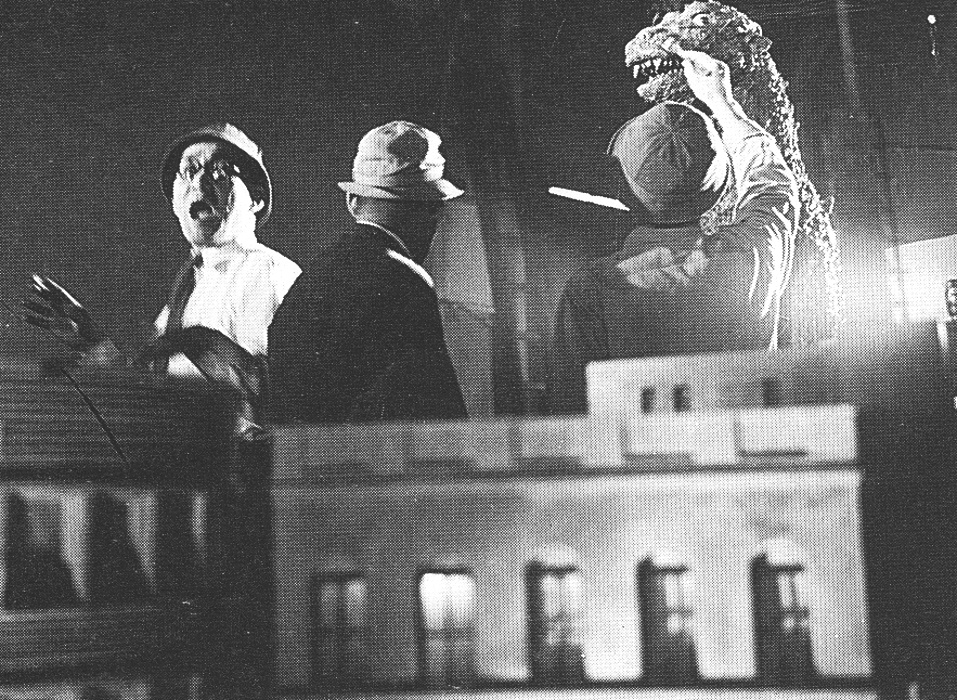
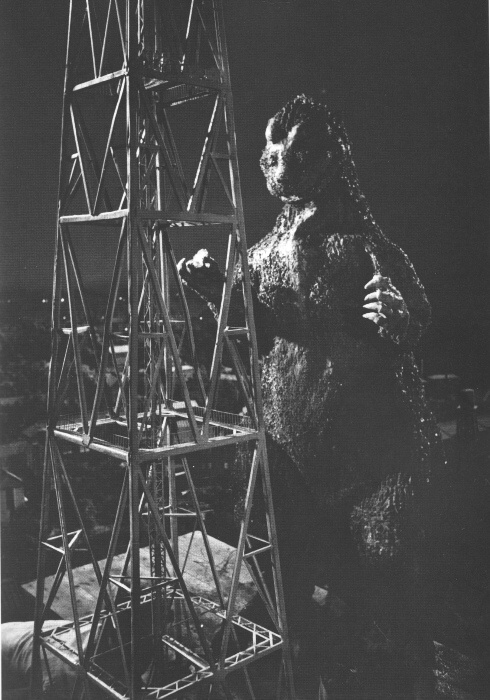
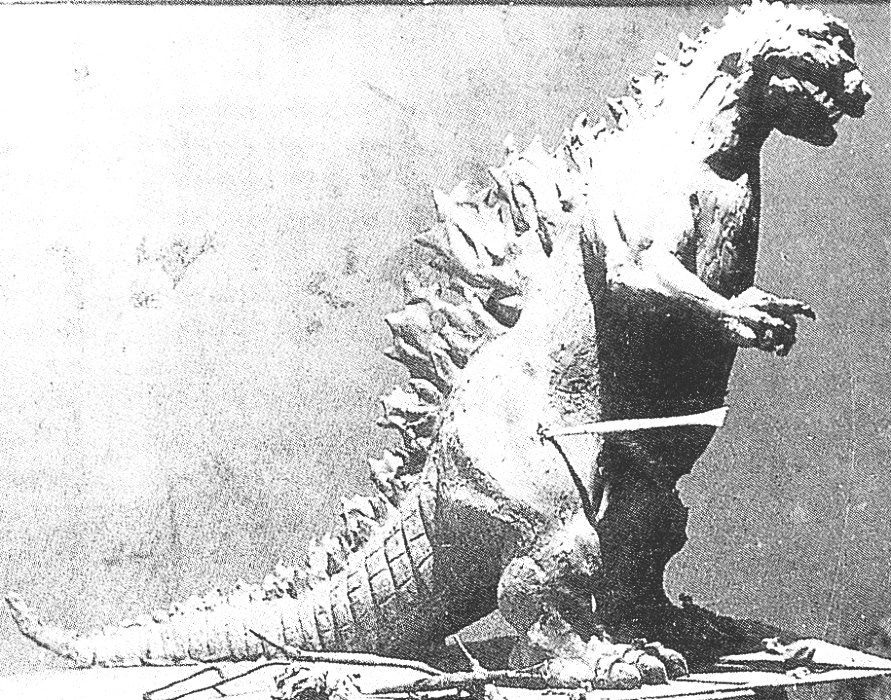
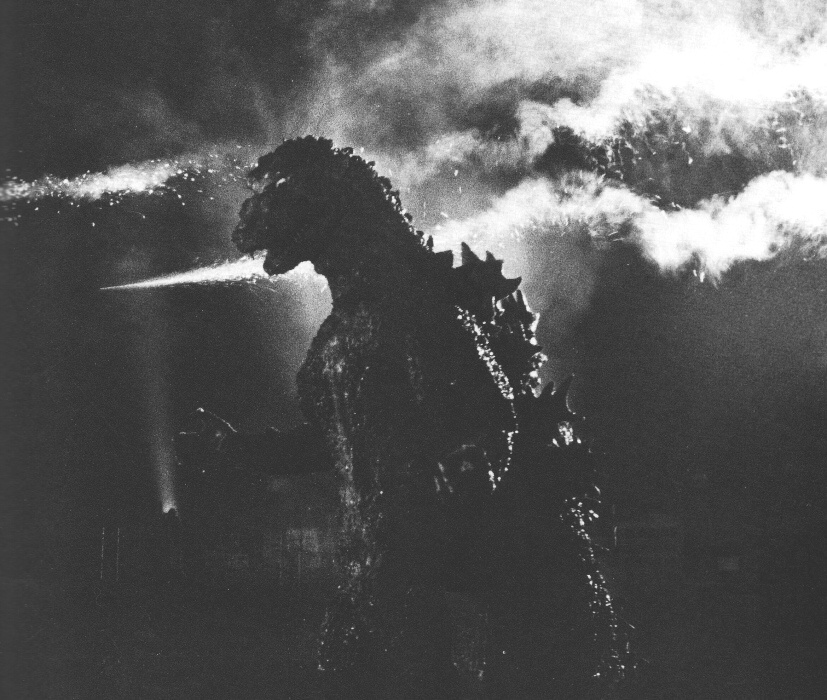
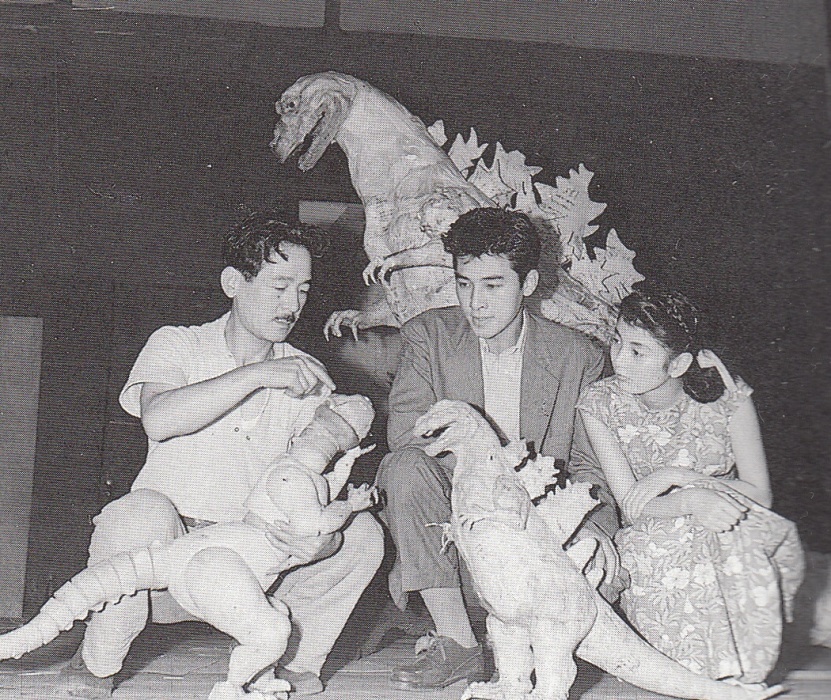
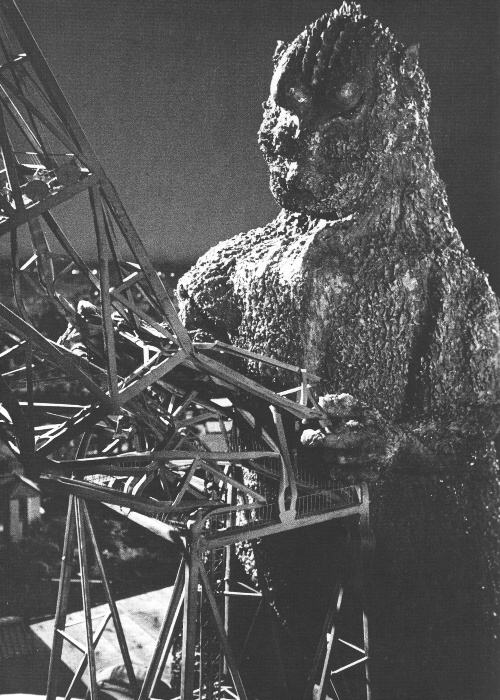
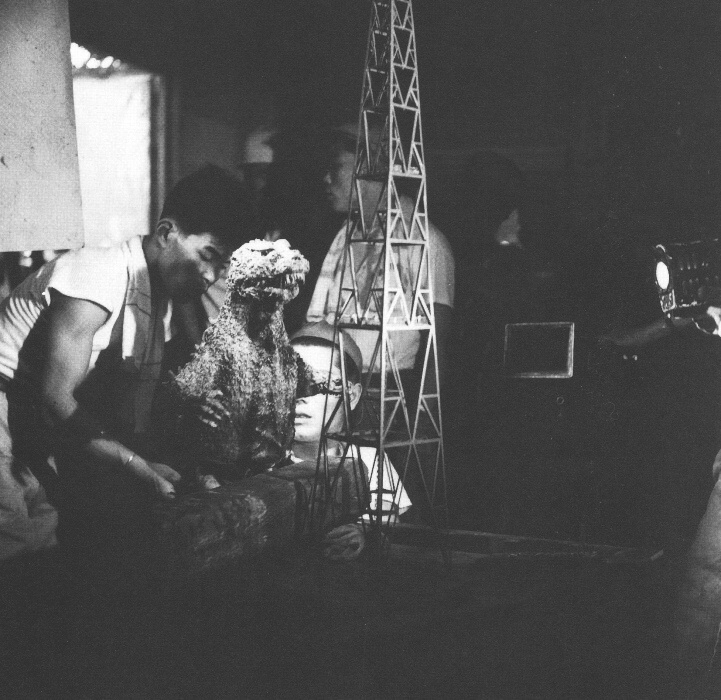
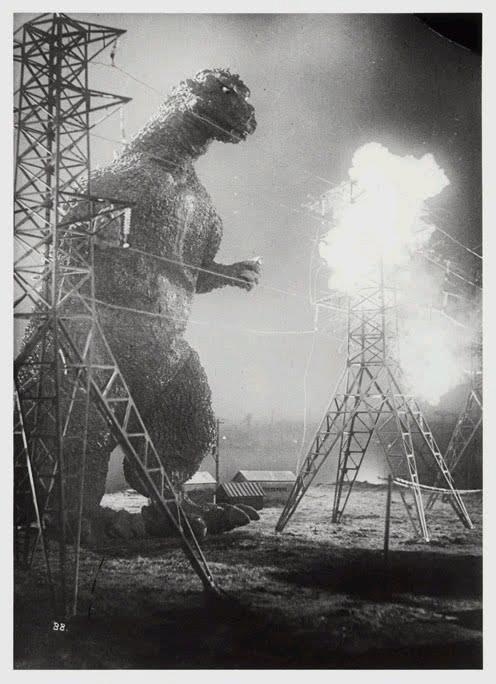
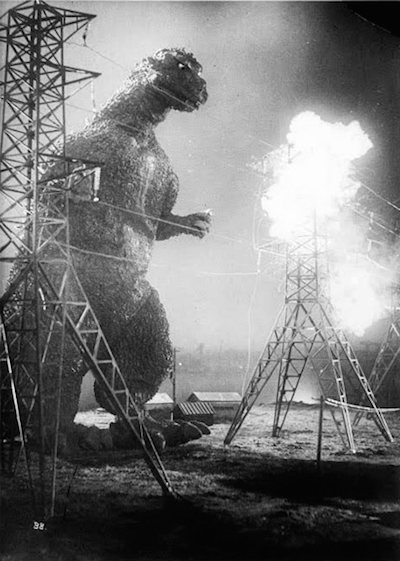
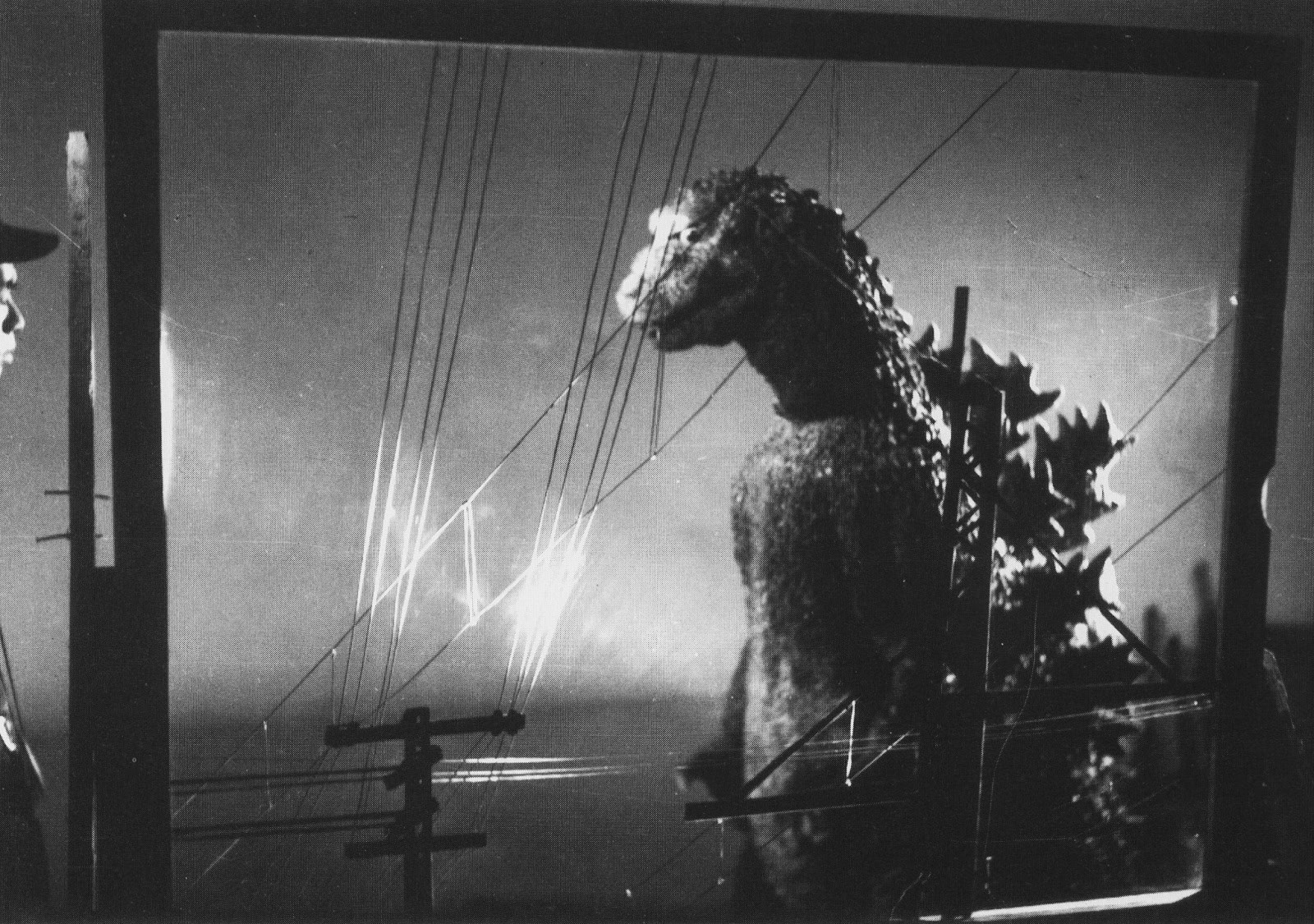
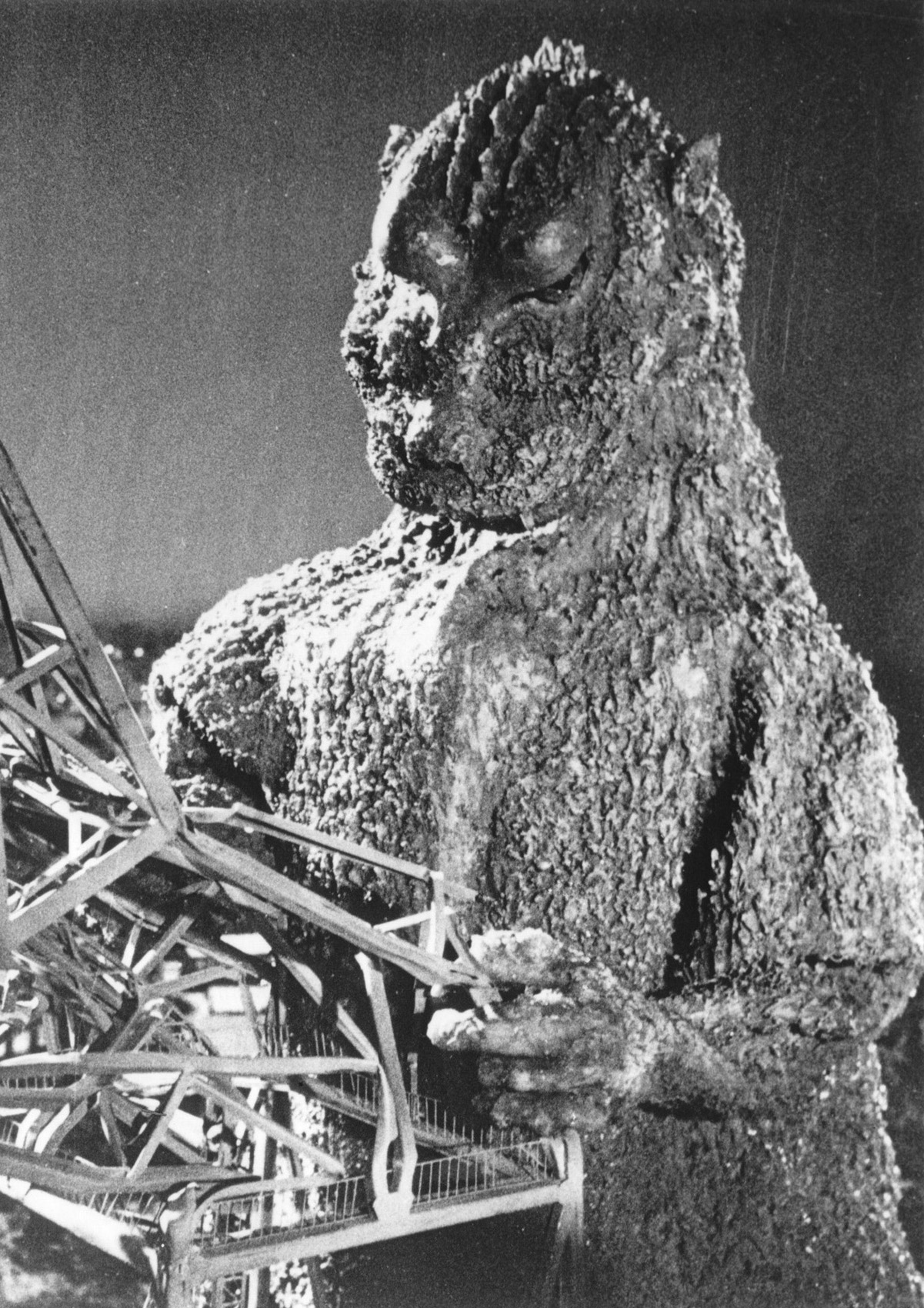
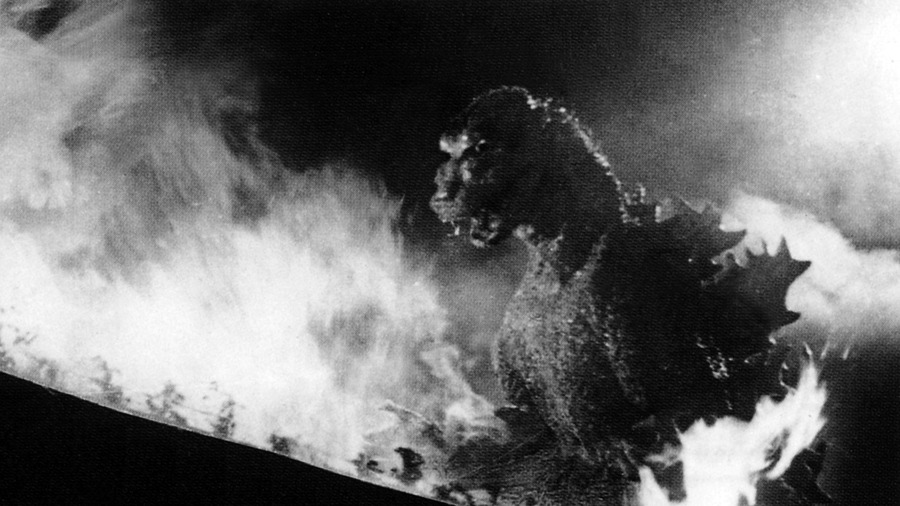
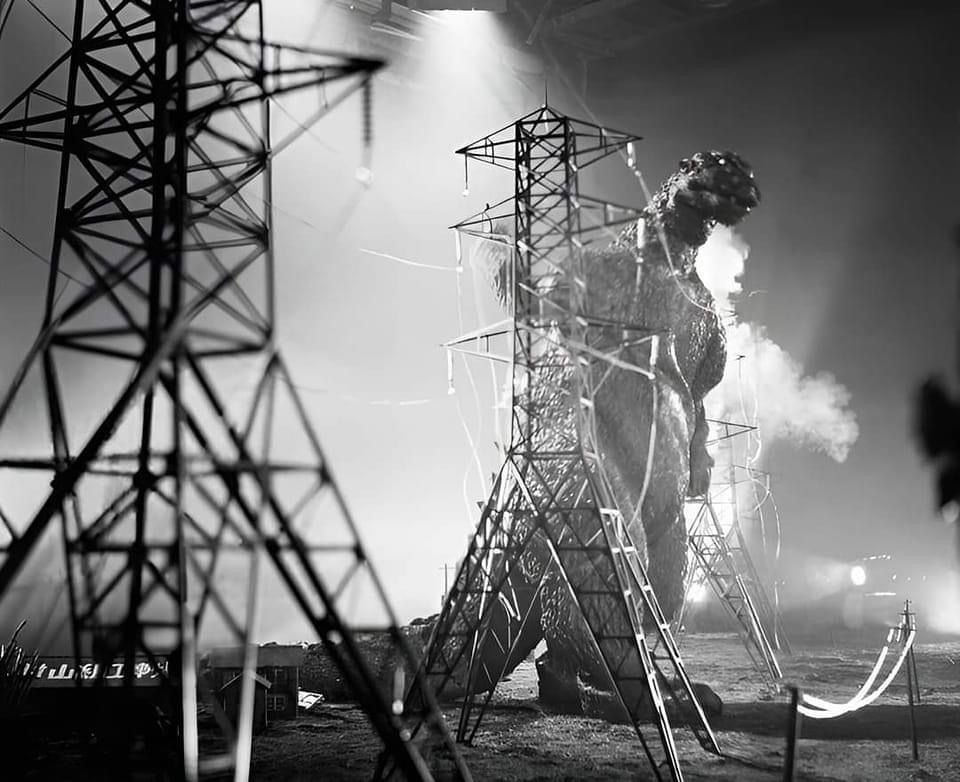
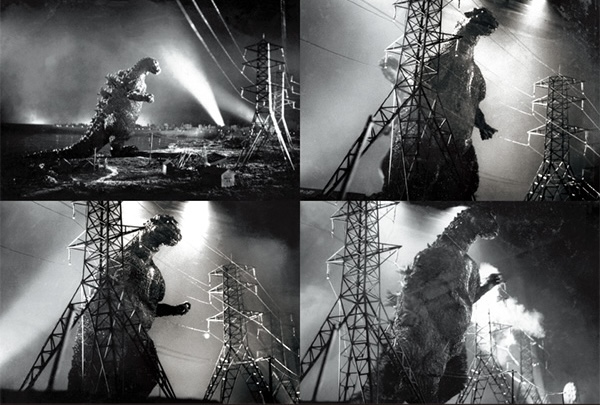
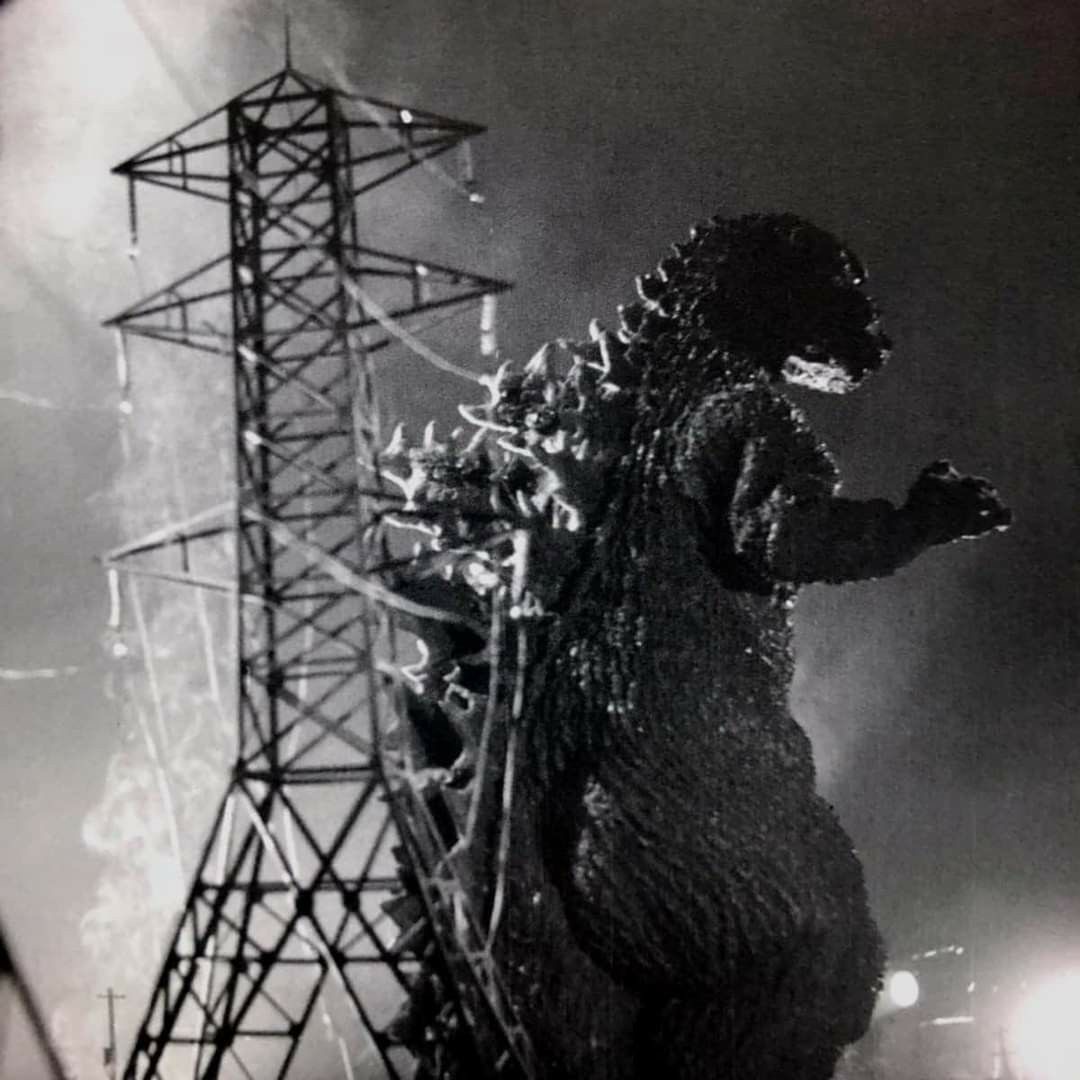
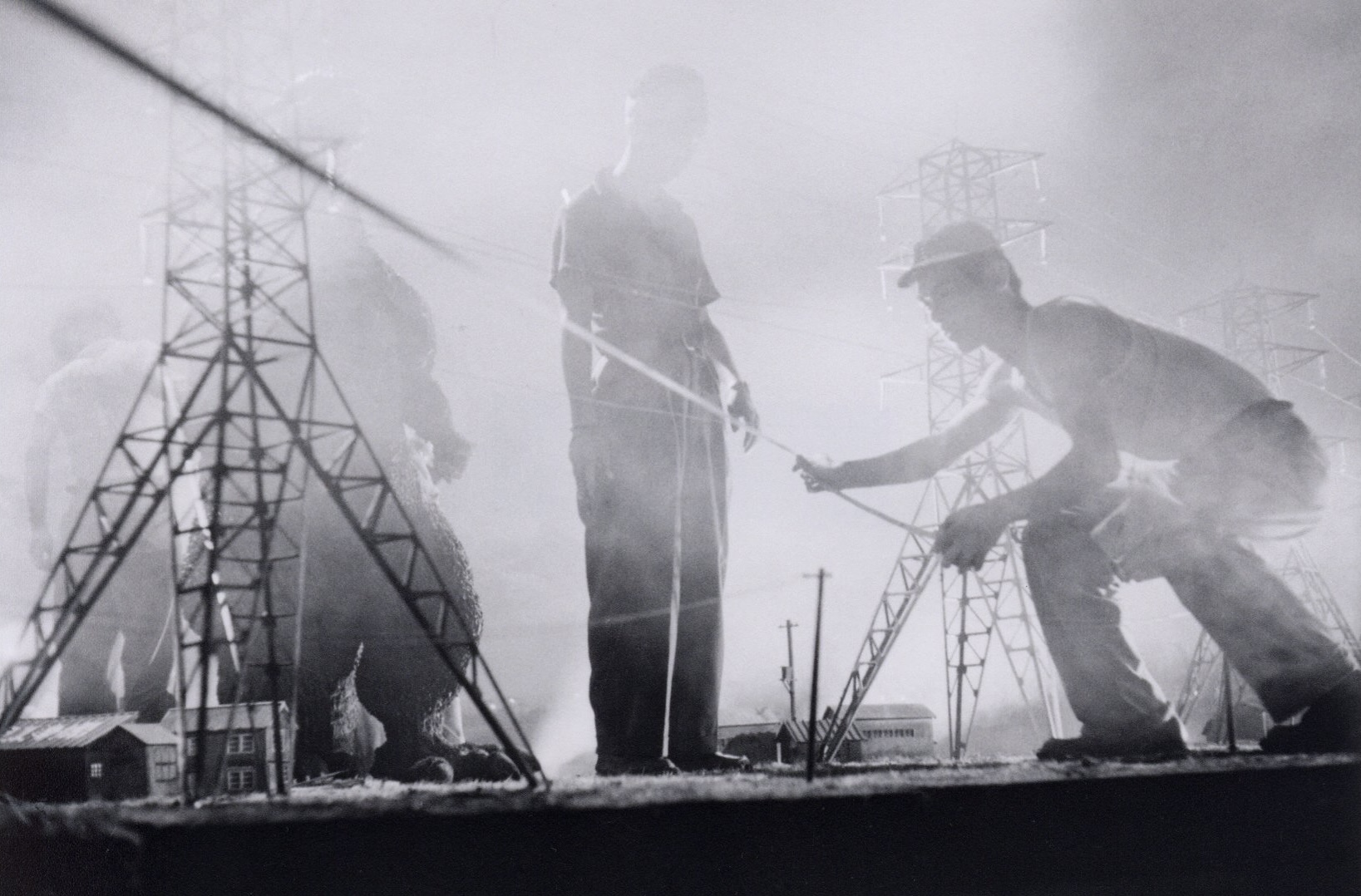
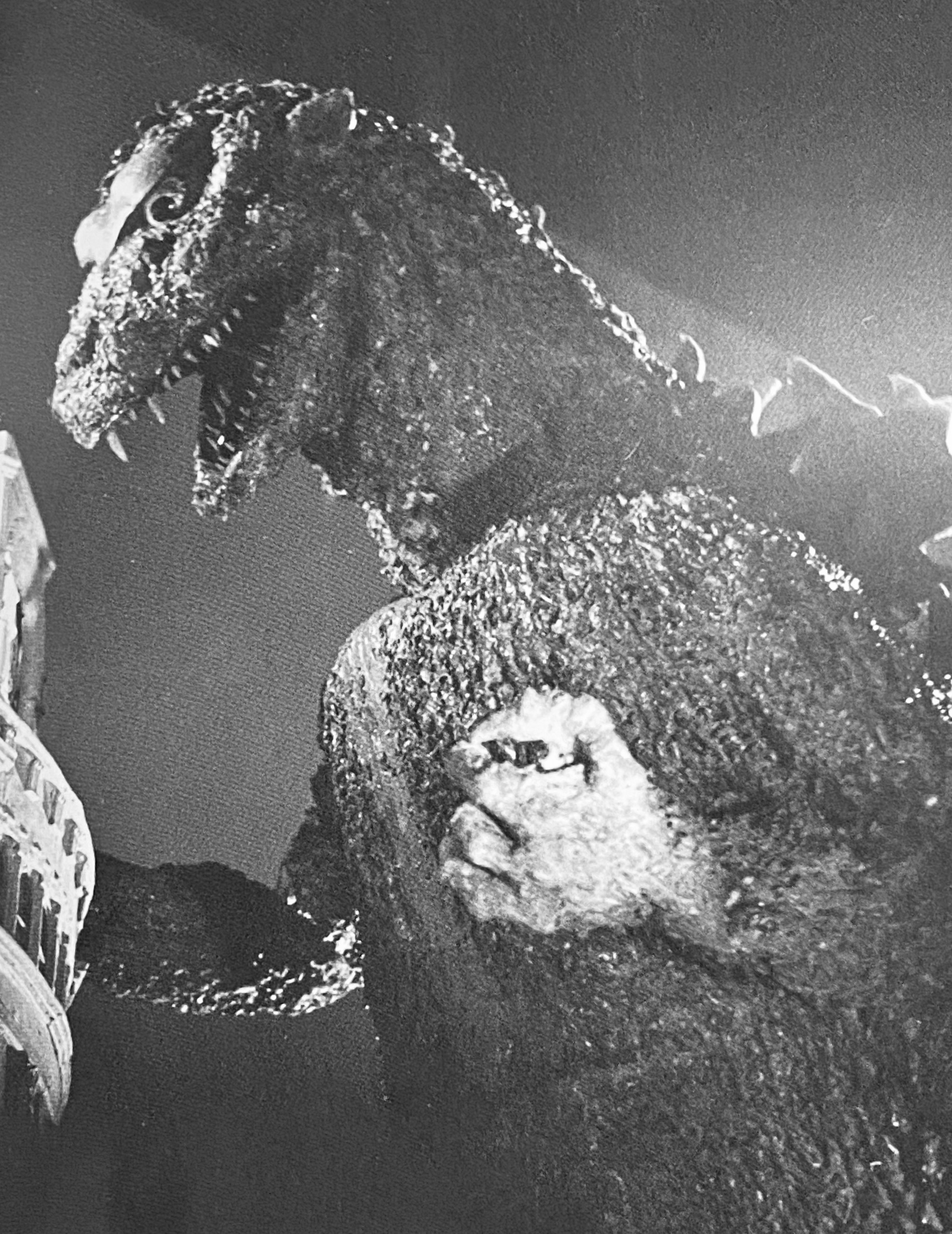
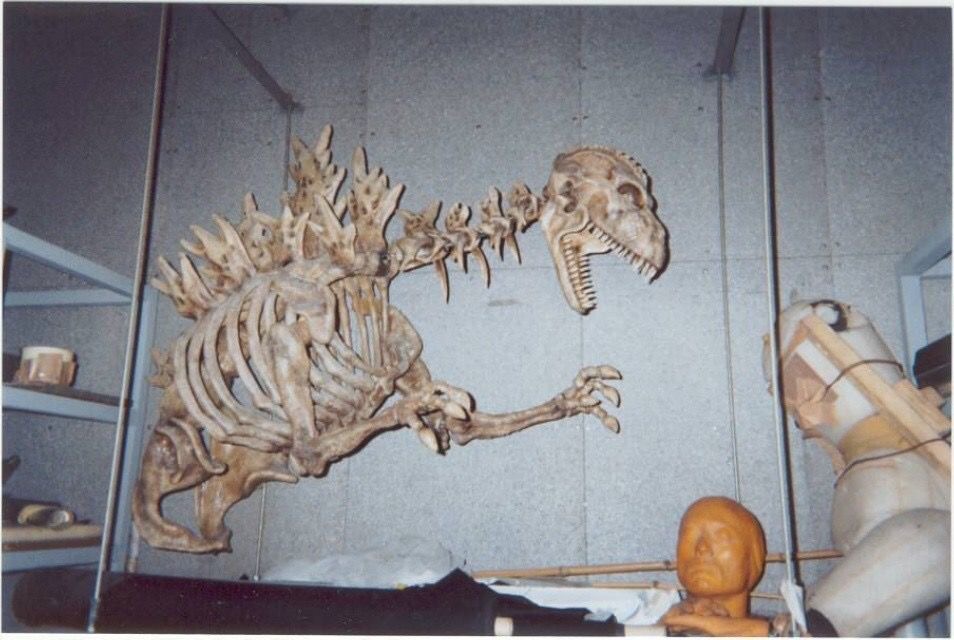
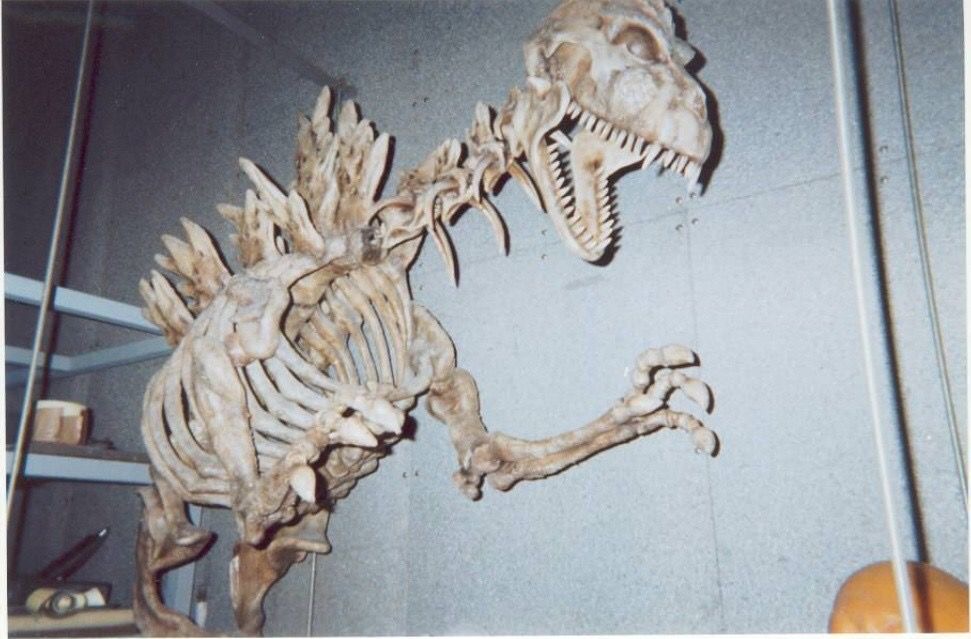
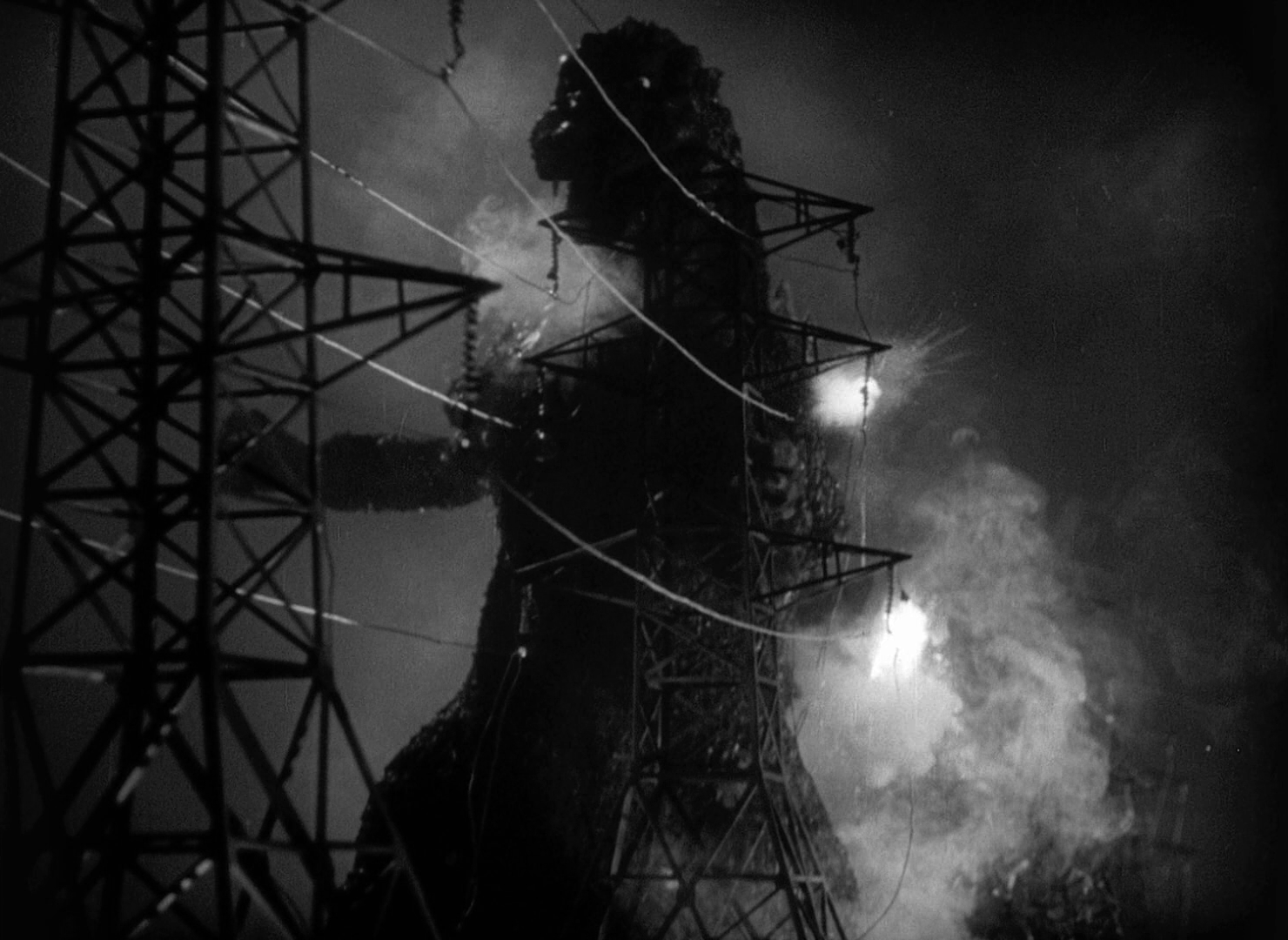
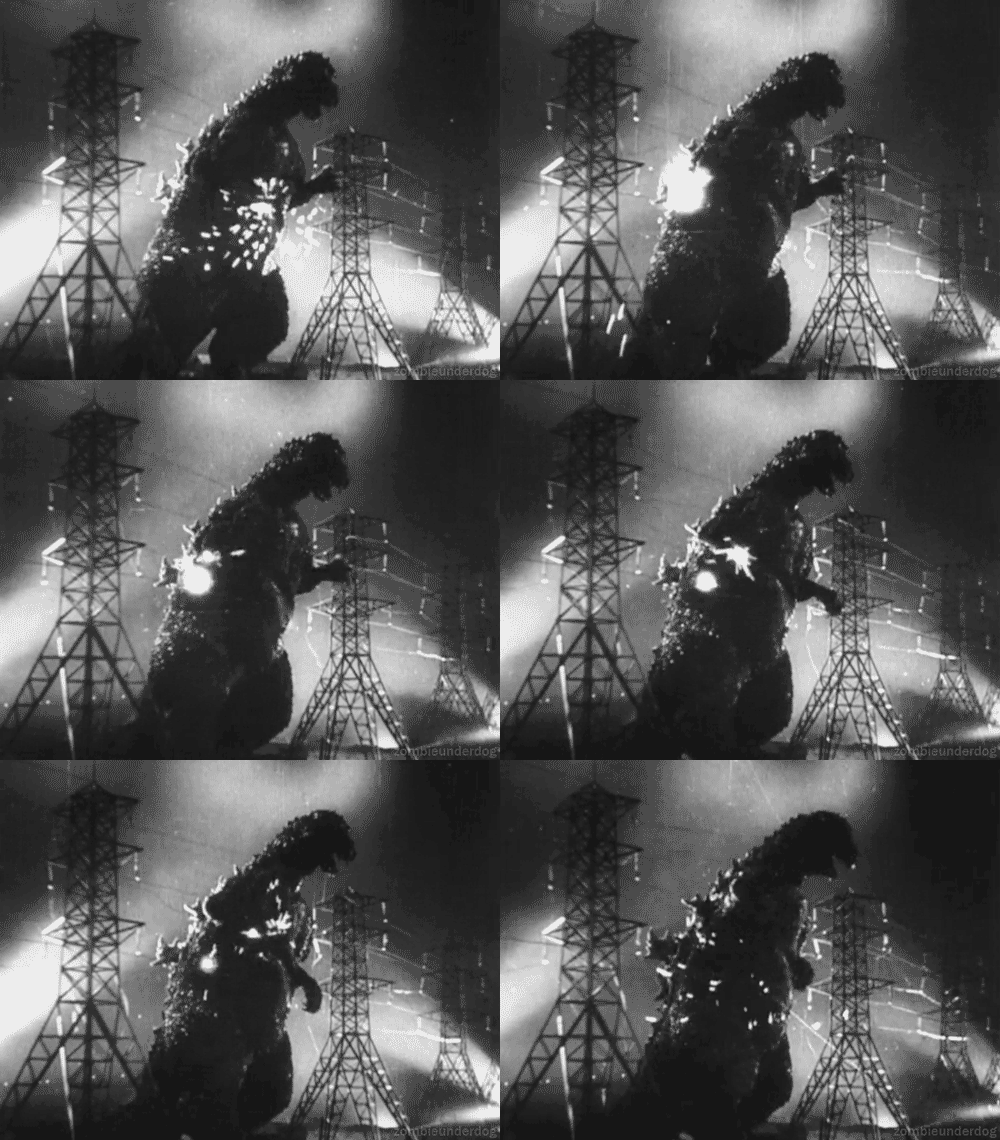
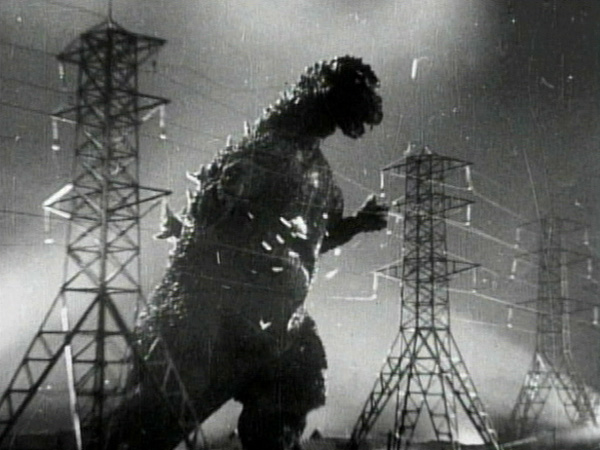
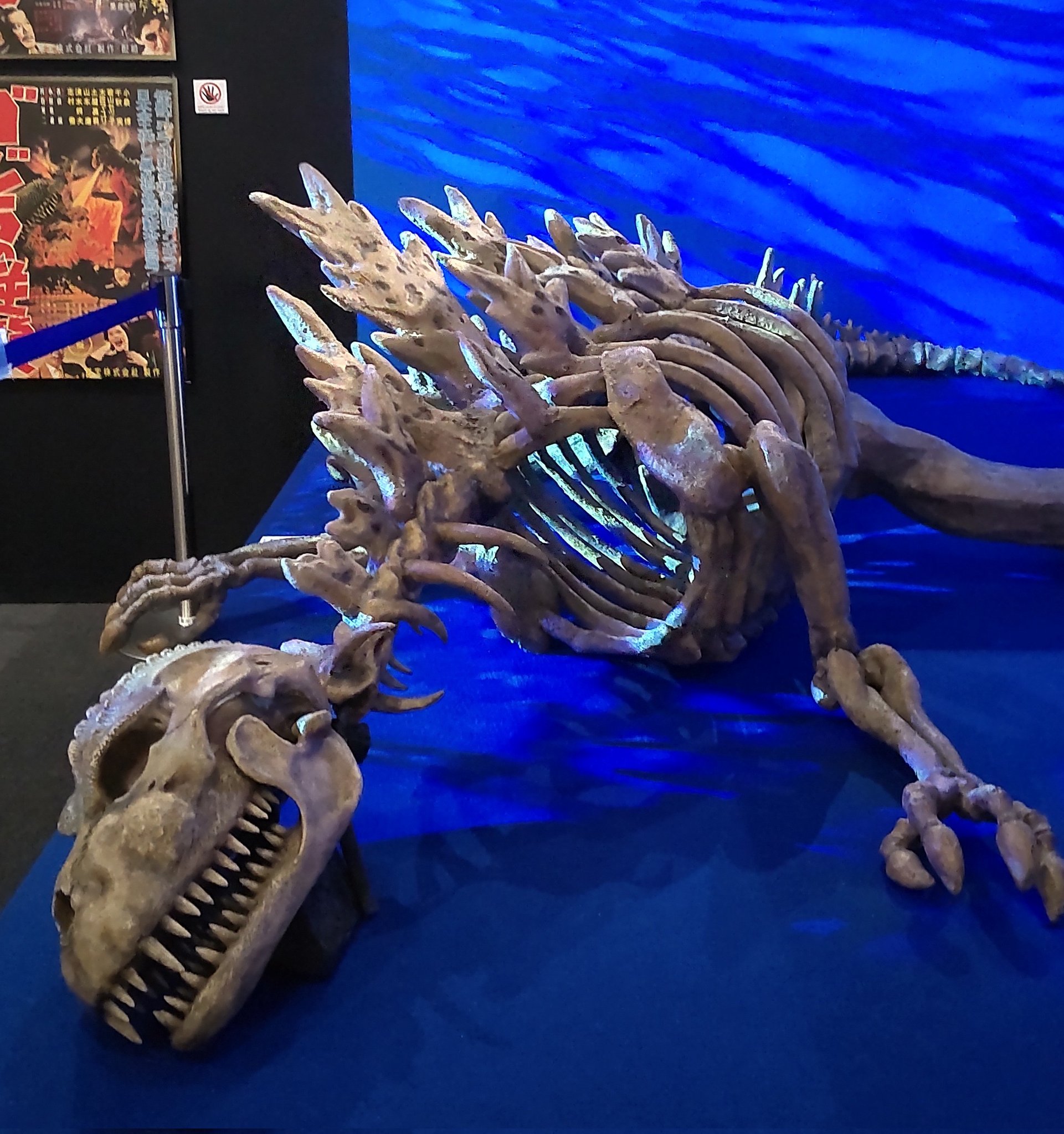
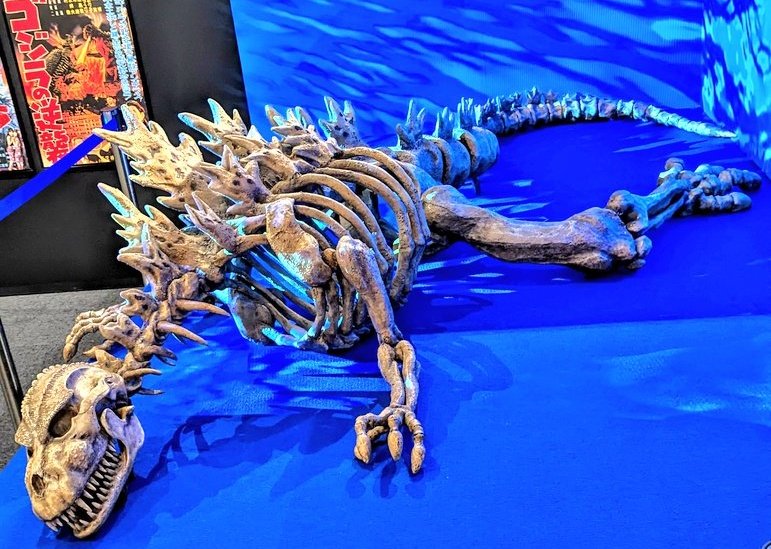
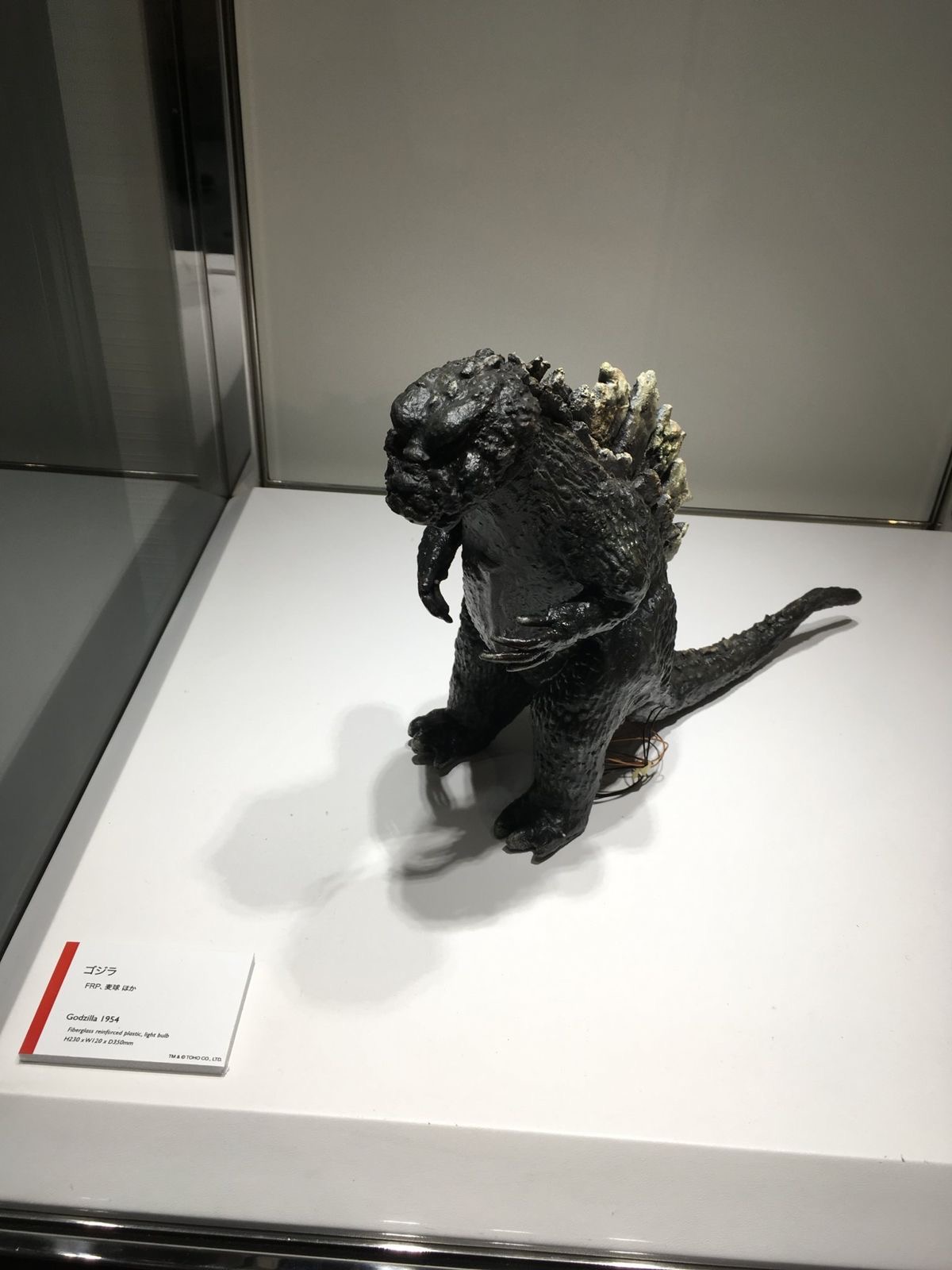
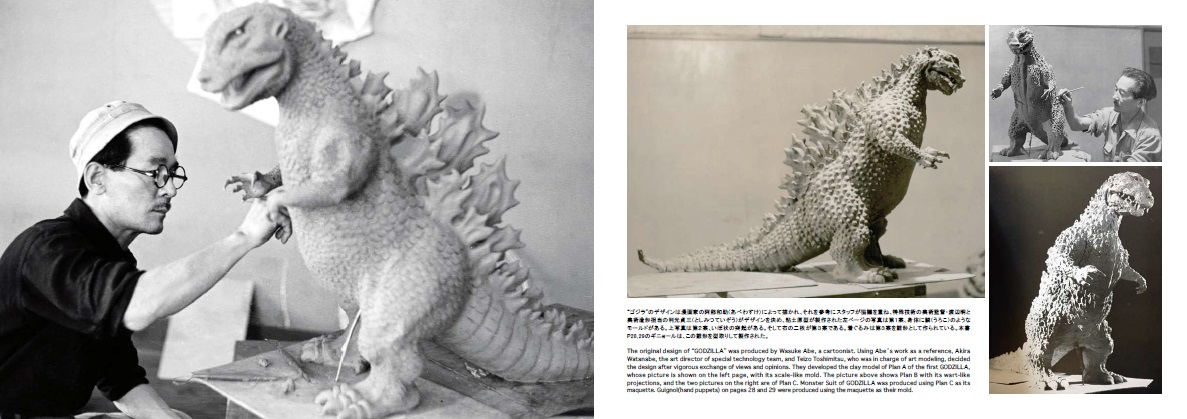
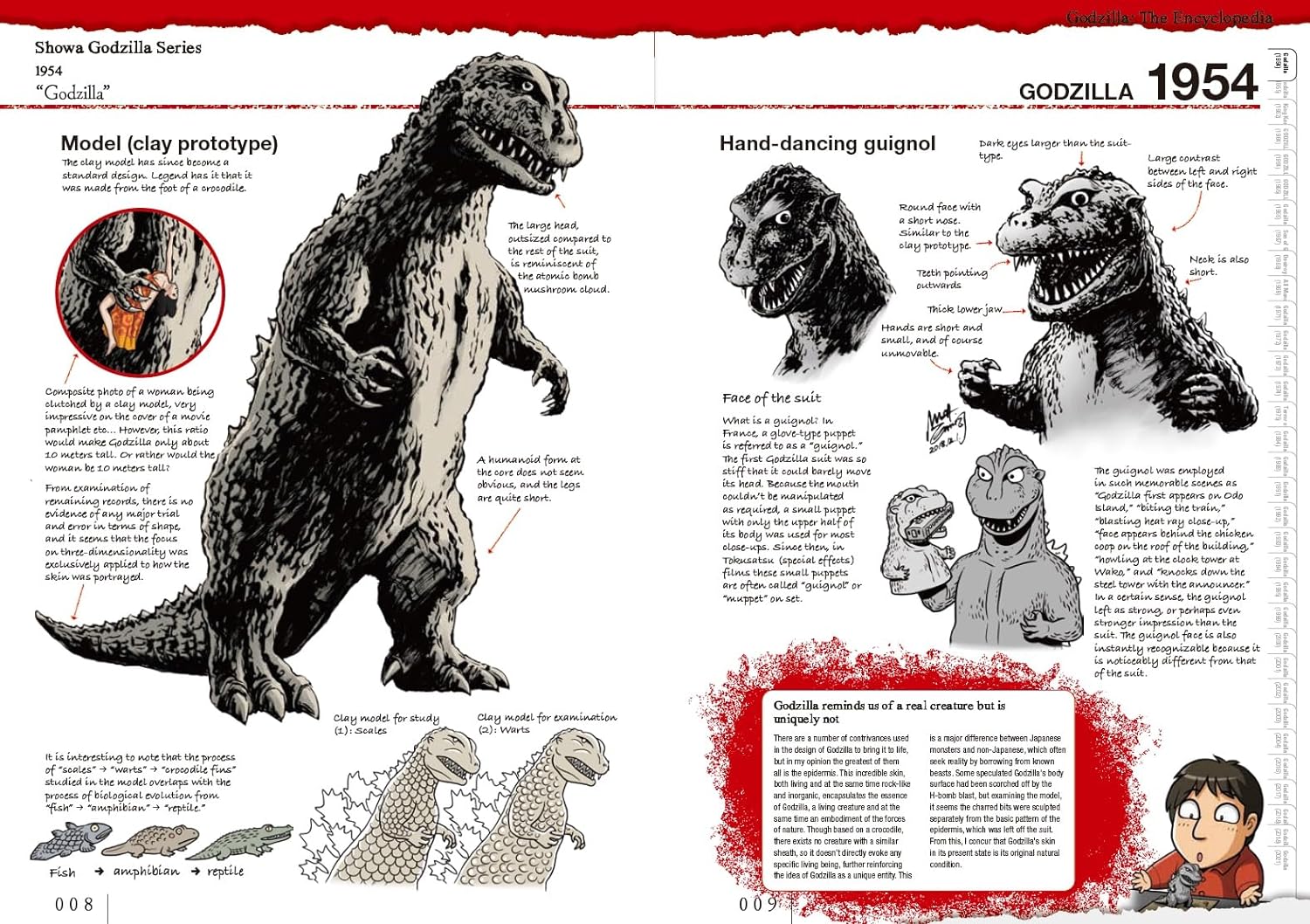
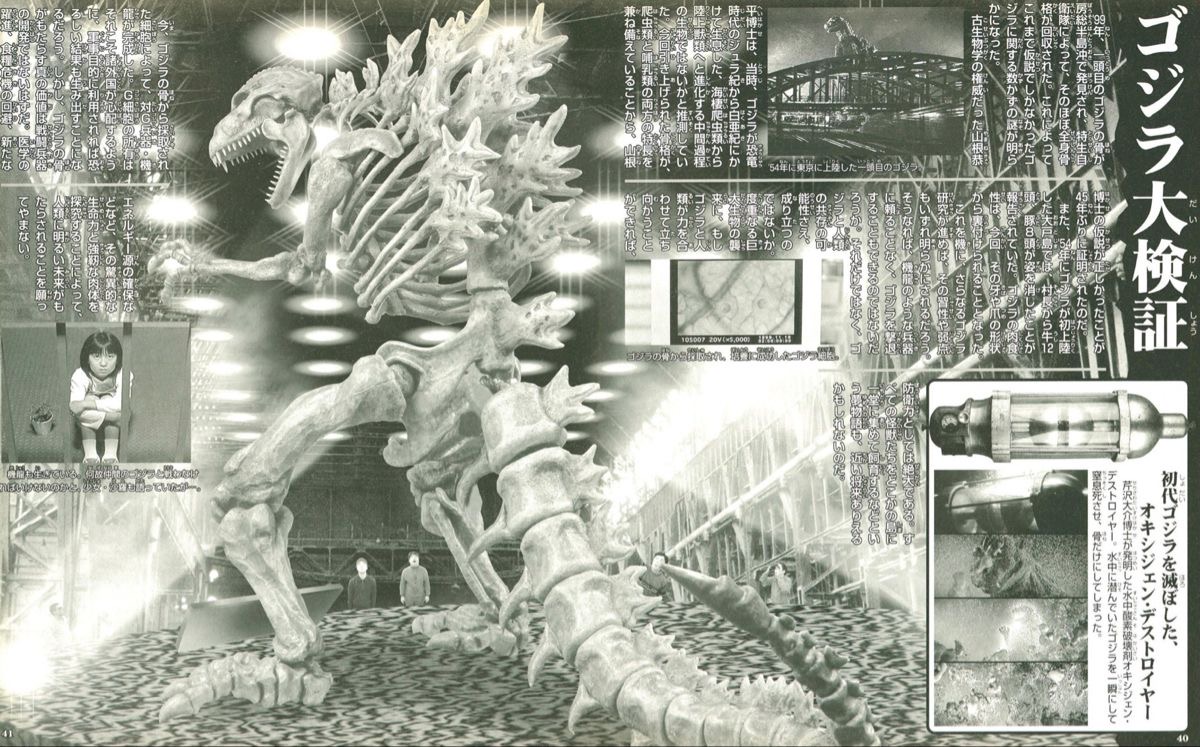
A hand-operated Guignol of Godzilla's upper body was employed for close-ups to convey facial expressions and perform scenes such as Godzilla biting down on a steel tower or using his atomic breath. A 2-shaku (Japanese foot) clay model modeled with plaster and coated in rubber was used for reference when modeling the Guignol. Still, the design and appearance of the Guignol were noticeably different from those of the suit. An uncredited Fumio Nakashiro operated the Guignol. When operating it, Nakashiro laid on his back so his head would not appear on camera. The Godzilla skeleton prop used at the film's climax was created by Teizo Toshimitsu by applying rubber to a wire model.
-
 The Godzilla skeleton prop
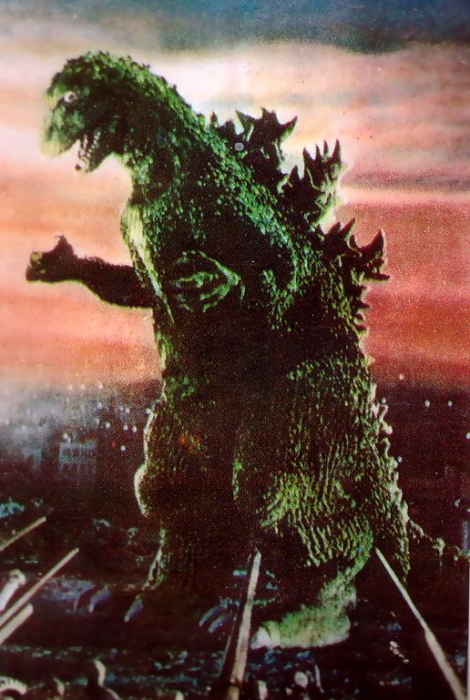
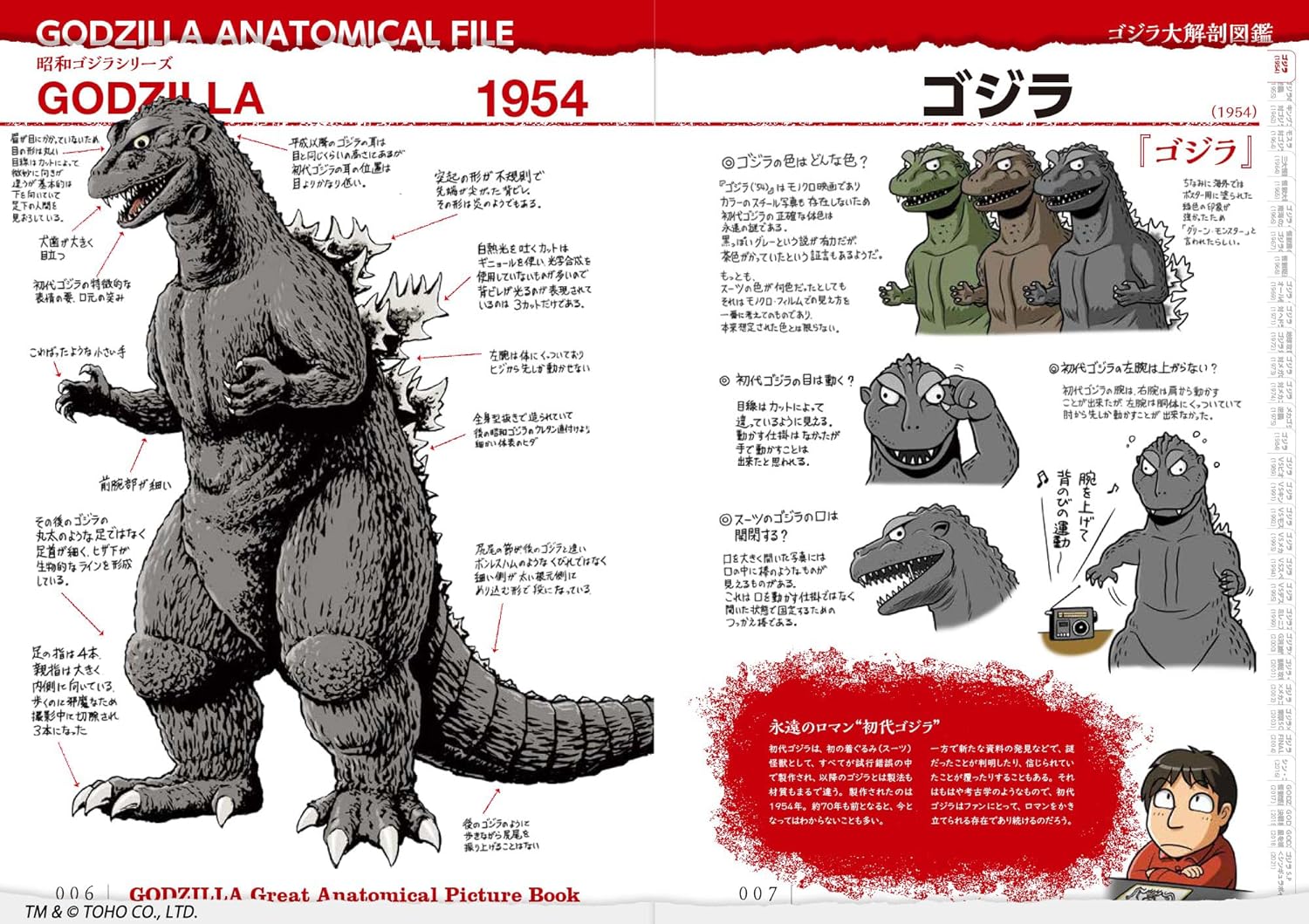
As the film was in black-and-white, Godzilla's body color was unclear onscreen, though Eizo Kaimai stated "The body surface is gray with oil-based paint sprayed on white rubber, and the inside of the mouth is painted bright red to make a difference in color." Conversely, Sadamasa Arikawa stated that "The body color was red-black and not gray" and modeling assistant Yoshio Suzuki testified that "It was gray or brown, and it was a dull color."
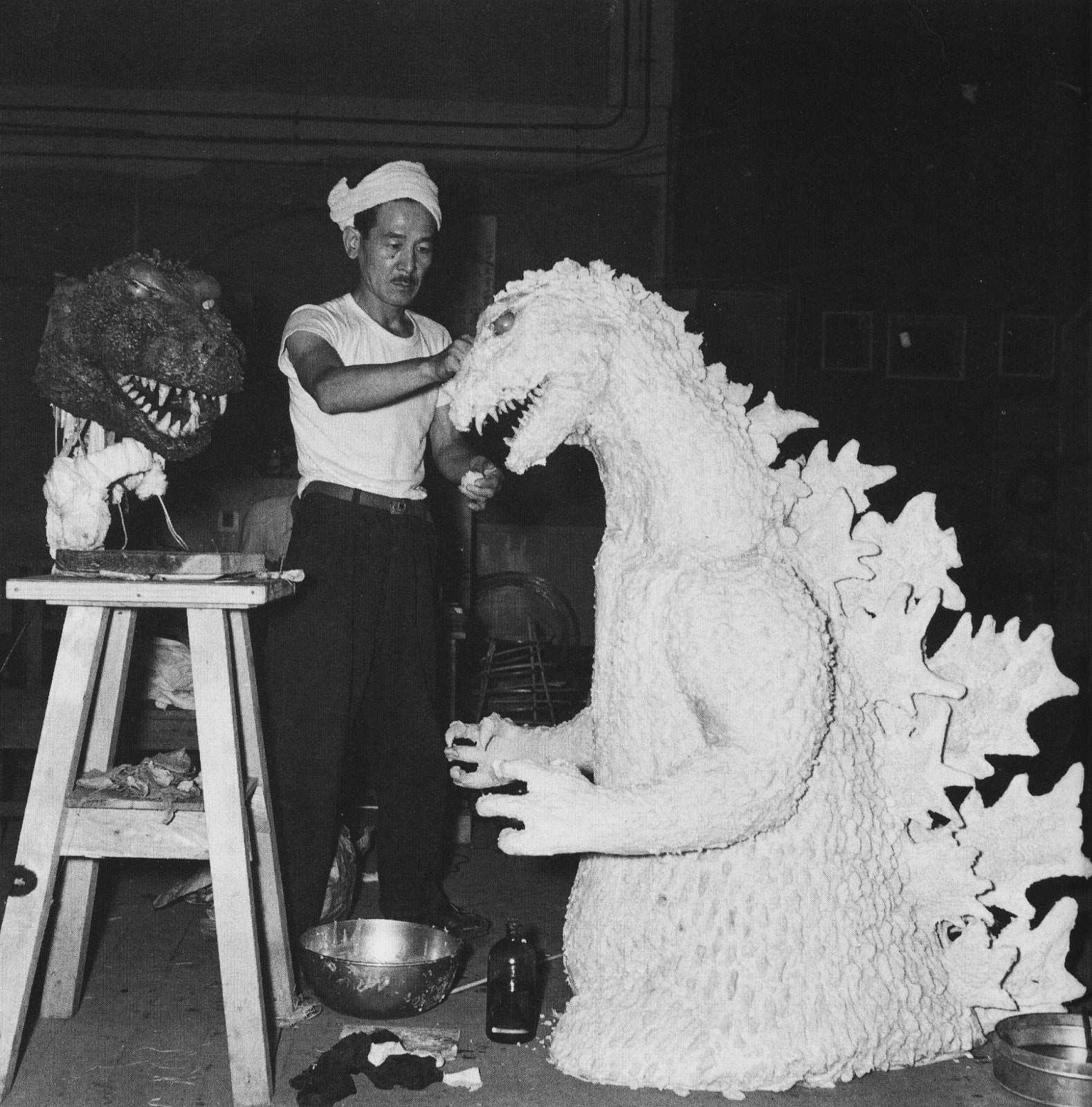
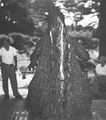
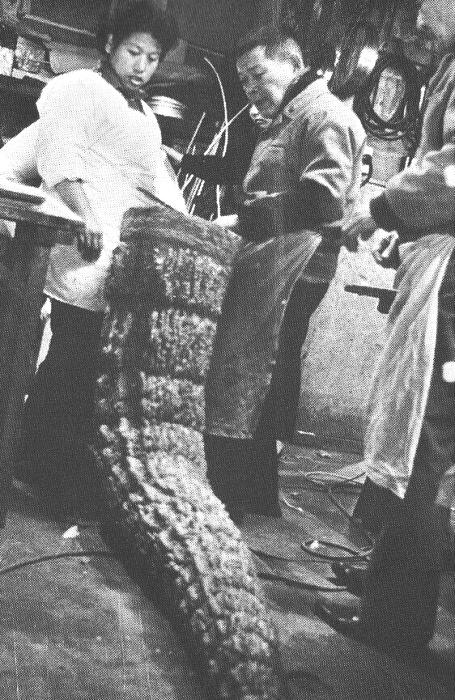
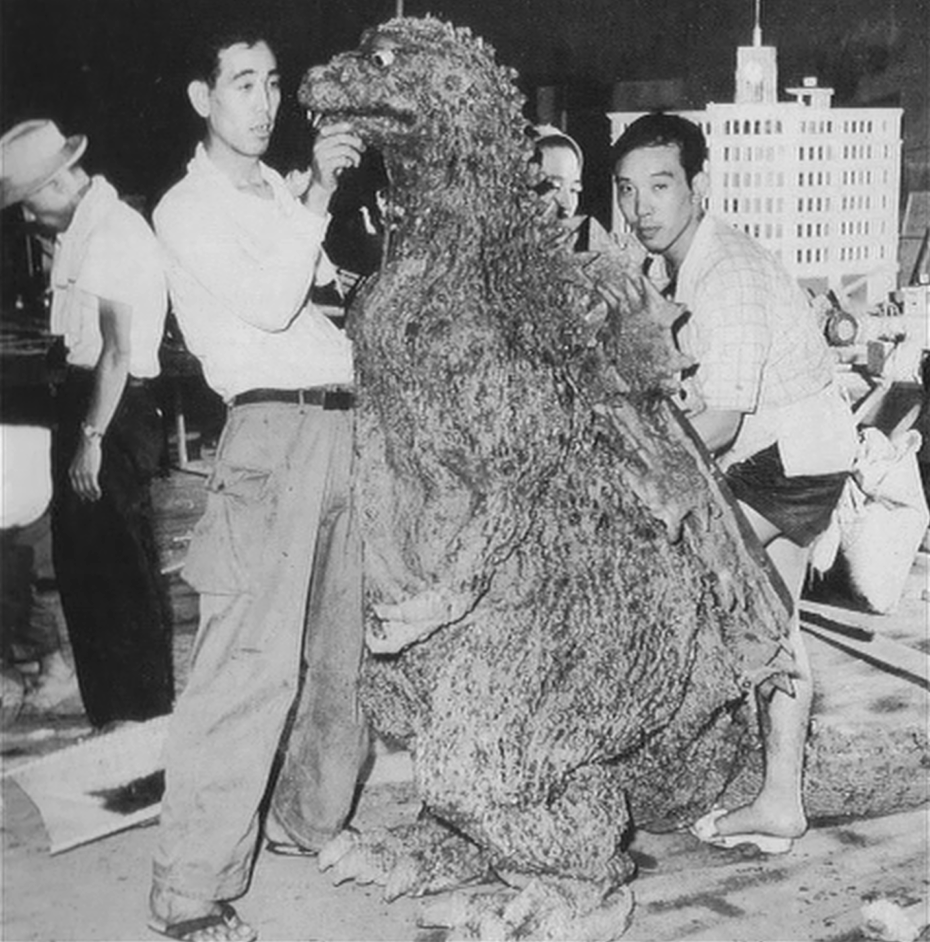
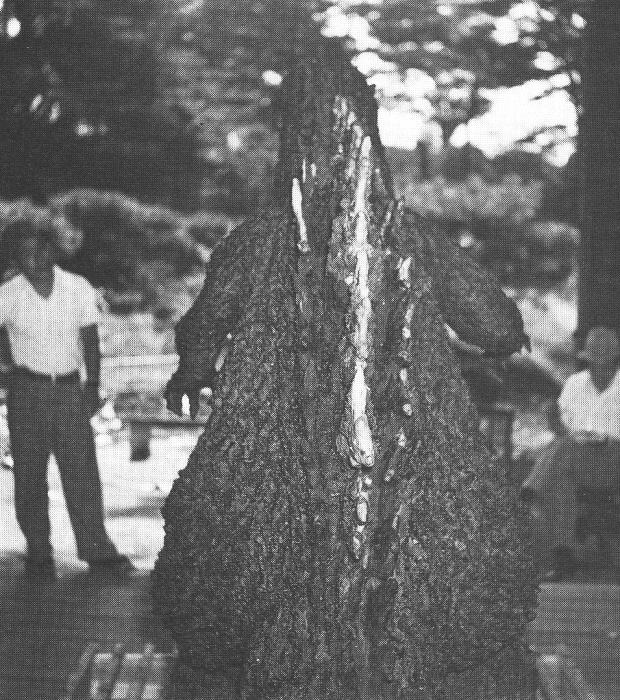
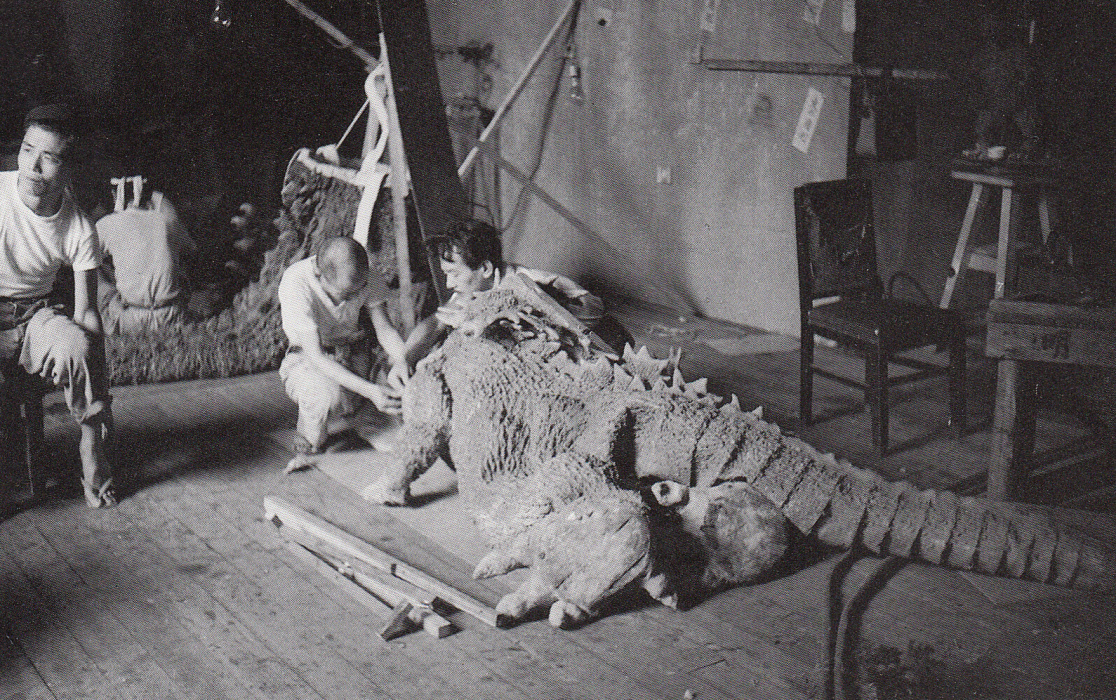
To create the rubber skin of the ShodaiGoji suit, a block of raw rubber was soaked overnight in water so that it became soft by the next morning. It was mixed with a batter of vaseline, clay, and gypsum. The rubber skin was then heated and dried at a temperature of 250 degrees Celsius in a special baking kiln created by arranging infrared lamps inside of it. The rubber material was stated to be very expensive. Kanju and Yasuei Yagi, brothers who had experience as craftsmen working on amusement park attractions, applied the rubber skin to the No. 1 suit in a papier-mache technique, with hard-kneaded rubber applied to the surface to create folds. However, the rubber was initially not sufficiently kneaded and as such the skin tore as soon as the suit moved. After much trial-and-error with kneading the rubber, the No. 1 Godzilla suit was completed and was extremely hard, weighing over 150 kilograms. The suit fell over immediately during filming, and it was impossible for the actor to get back up.
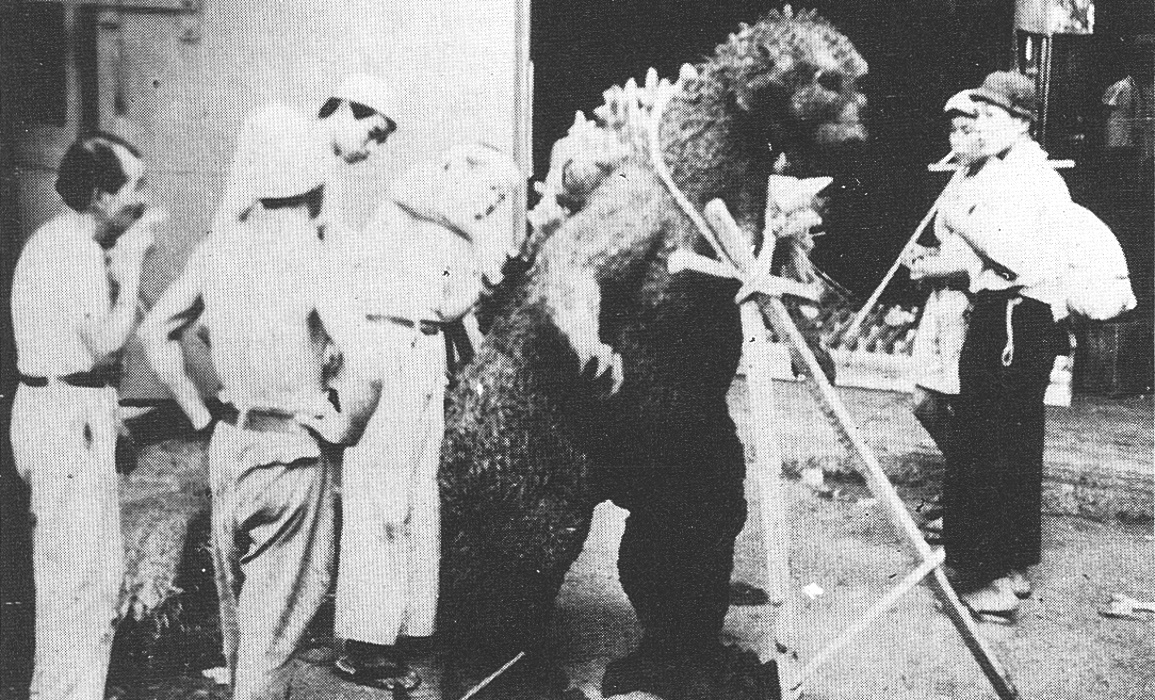
According to Kaimai, there was no urethane foam or sponge material available at the time, and so the interior of the suit was sewn with cotton stuffed inside a cloth bag, which further increased its weight. A hook was used rather than a zipper on the back of the suit, and during filming the back was closed and tied shut with fishing wire. Rather than boots, the actor in the suit wore clogs. The eyeballs of the suit were created by the woodworking department, who modeled small egg-shaped wooden balls. The eyeballs and mouth were connected by brake wire from a motorcycle, which ran through the suit and exited through the back of the tail, where an external apparatus was used to move them. The fangs of the suit were made from rubber, as they were said to not appear convincing when made with wood. The dorsal fins were created by placing paper over a wire mesh core and applying rubber over this. The suit's left arm was joined with the body at the elbow, reflecting the clay prototype for both suits and making it impossible for the suit actor to move this arm.
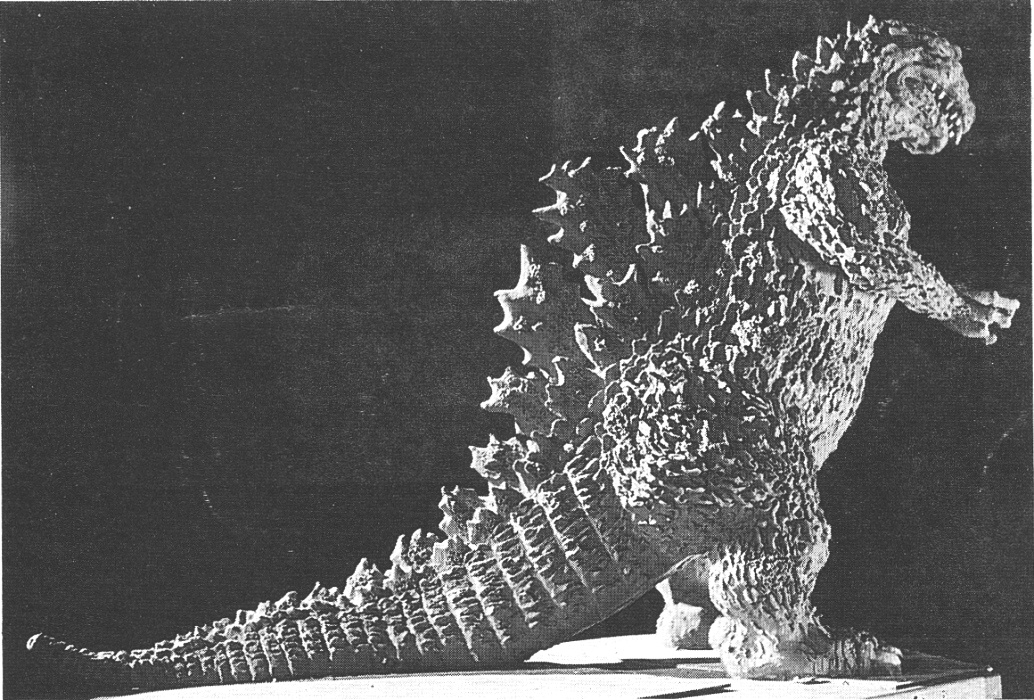
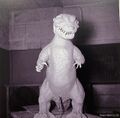
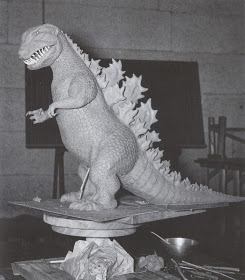
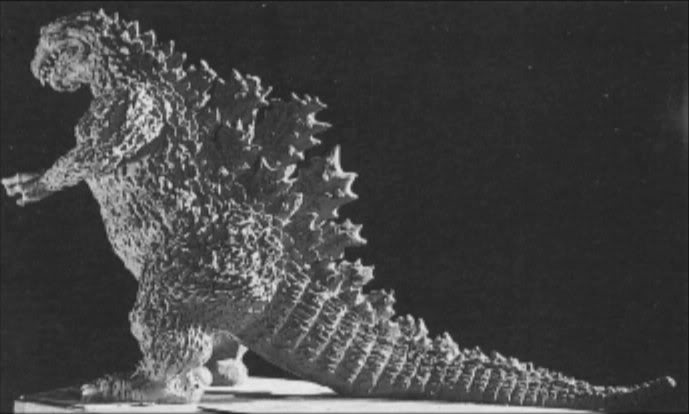
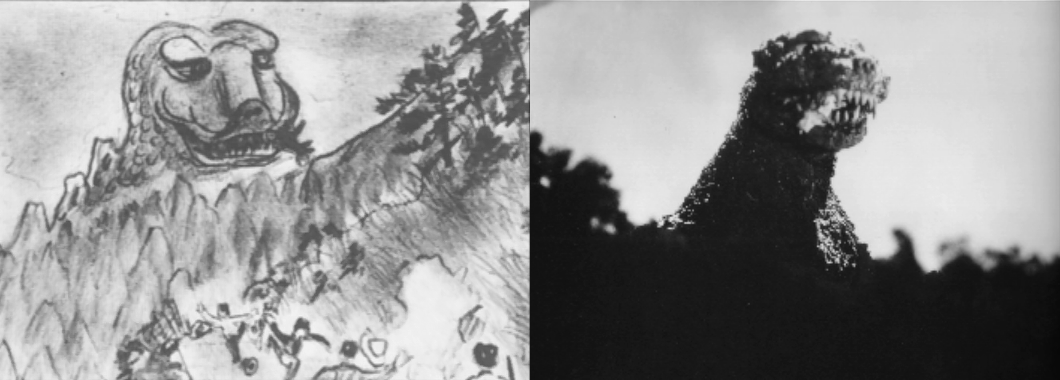
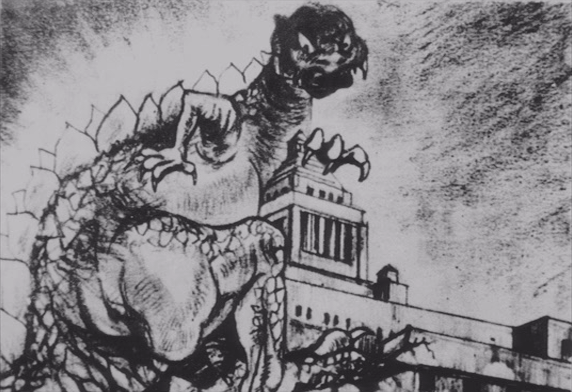
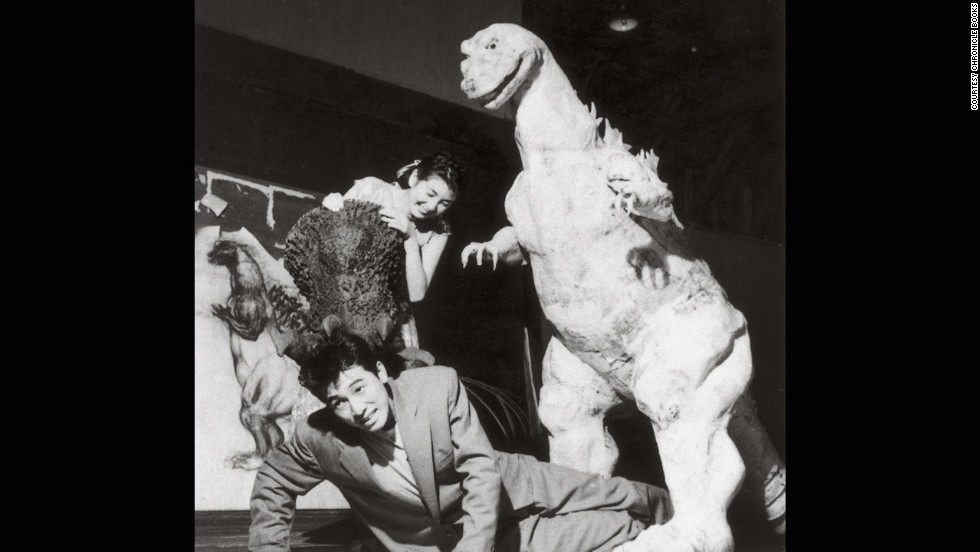
A prototype model was created for reference when modeling the suits. It had a very large head, walked upright on two legs, and featured a crocodile-like round face and and snake-like scales over its body. The appearance of this prototype was very different from the finished suits, featuring simple raised dorsal fins and three-fingered hands. Tomoyuki Tanaka, Ishiro Honda, and Eiji Tsuburaya wanted Godzilla to appear as a living organism, and so many changes were made from the prototype model, such as the keloid-scar-inspired burned skin. Aspects of gorillas were also adapted into the design, in combination with existing inspiration from reptiles and amphibians. As such, the final Godzilla suits looked more mammalian than the prototype model.[3]
Katsumi Tezuka, a former professional baseball player, was persuaded by Ishiro Honda to serve as Godzilla's suit actor. However, Eiji Tsuburaya replaced Tezuka as Godzilla's main actor with Haruo Nakajima, an actor who usually played bit roles in Toho's films. The actors' field of vision inside the suit was very narrow, and they could only see their feet. Tezuka shined a flashlight on Nakajima's feet to guide him when he wore the suit. While filming in Toho's special effects pool, a power cable under the water accidentally leaked, shocking Nakajima and causing him to faint. Tsuburaya taught Godzilla's roar and movement to Tezuka and Nakajima every day with direct gestures. Tsuburaya encouraged the men to "learn to walk again" in order to convey Godzilla's different method of movement. Nakajima stated that he based Godzilla's walk on the intimidating presence of a lion, the upright movement of a bear, and the leg movement of an elephant at the zoo.
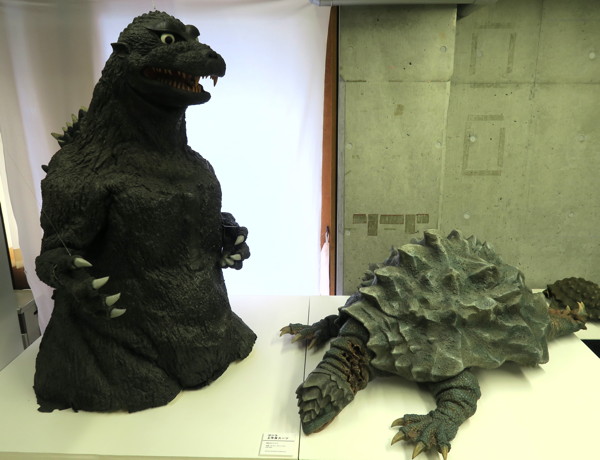
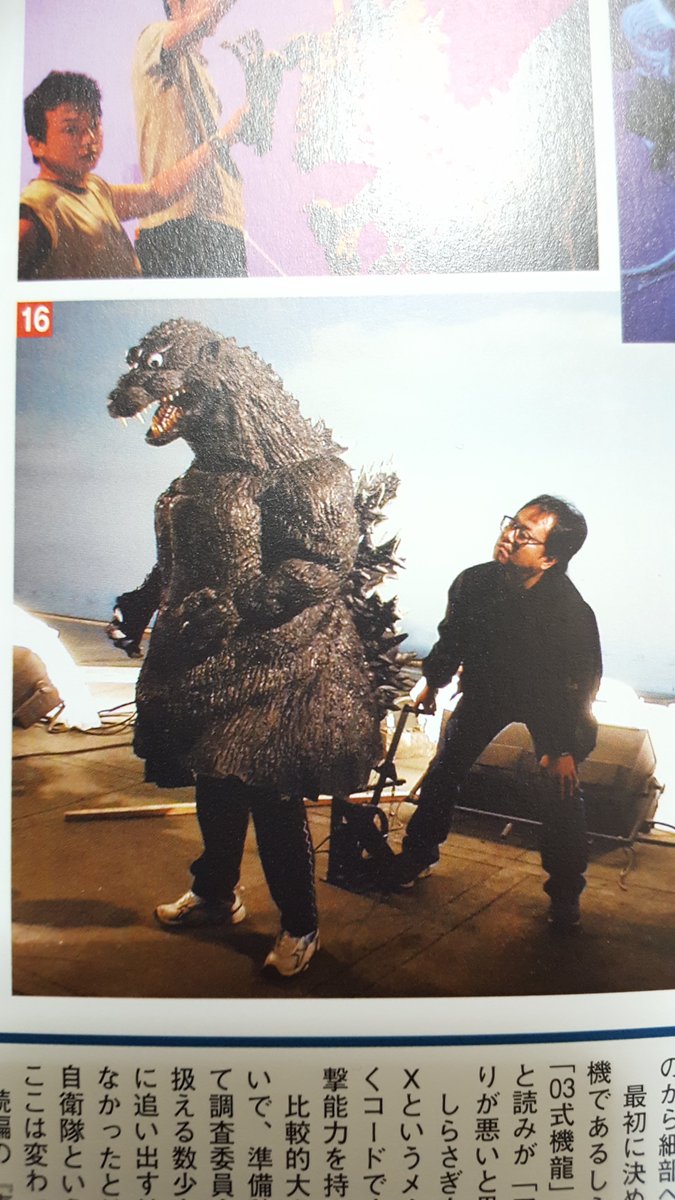
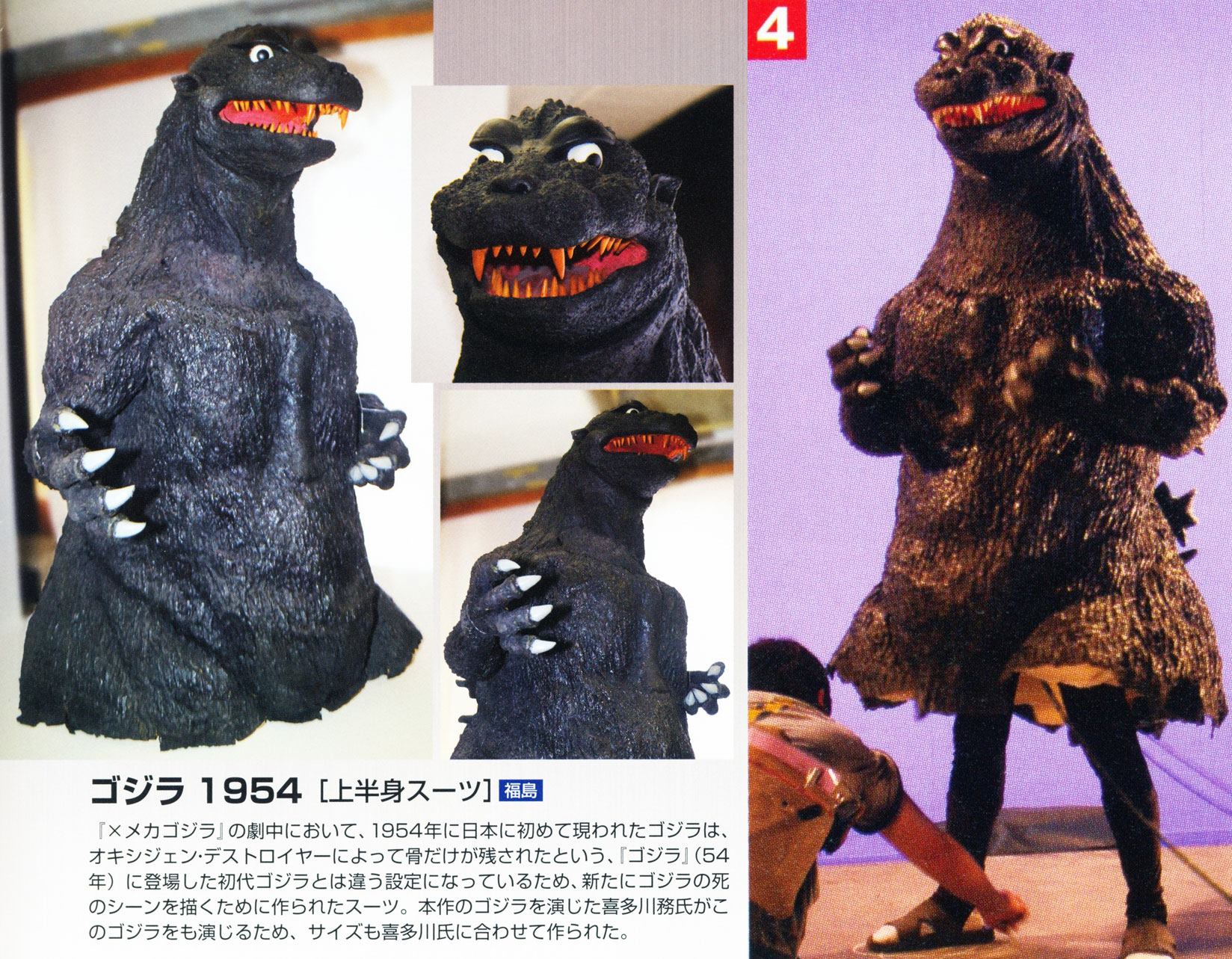
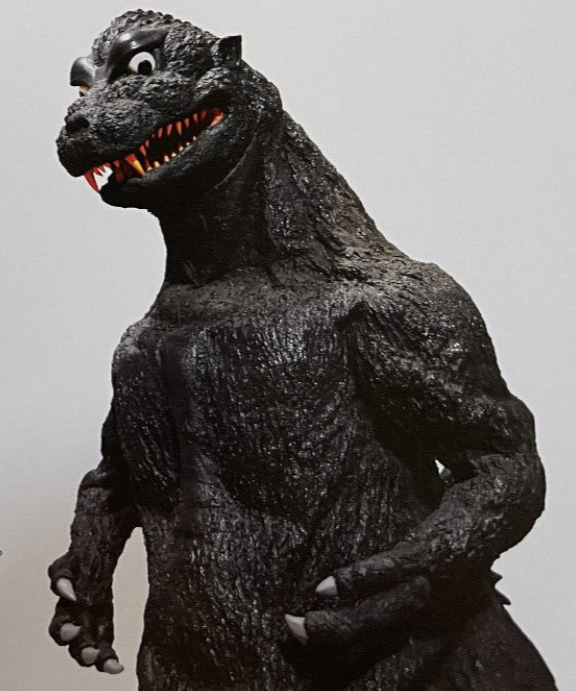
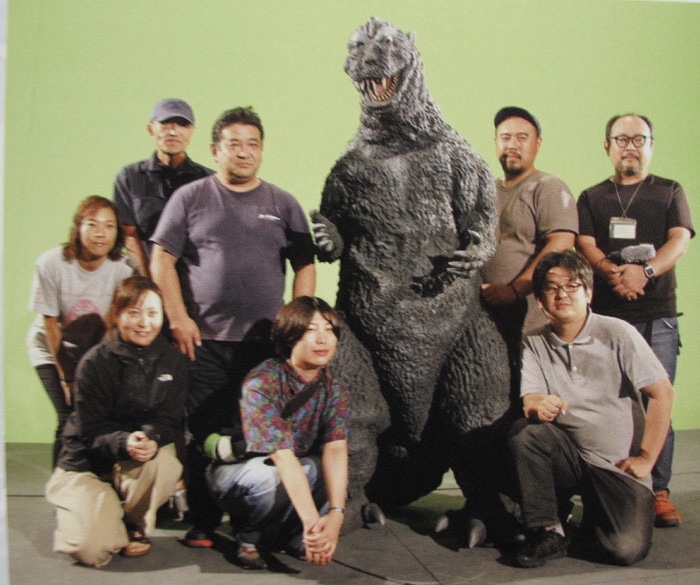
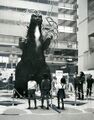
48 years later, in 2002, a reproduction of the upper half of the ShodaiGoji suit was created for a flashback sequence in Godzilla Against Mechagodzilla showing the original Godzilla's demise at the hands of the Oxygen Destroyer. This partial suit was modeled by Shinichi Wakasa's company MONSTERS, and worn by primary Godzilla suit actor Tsutomu Kitagawa.
-
 The partial ShodaiGoji suit created for Godzilla Against Mechagodzilla alongside the Kamoebas prop from Godzilla: Tokyo SOS
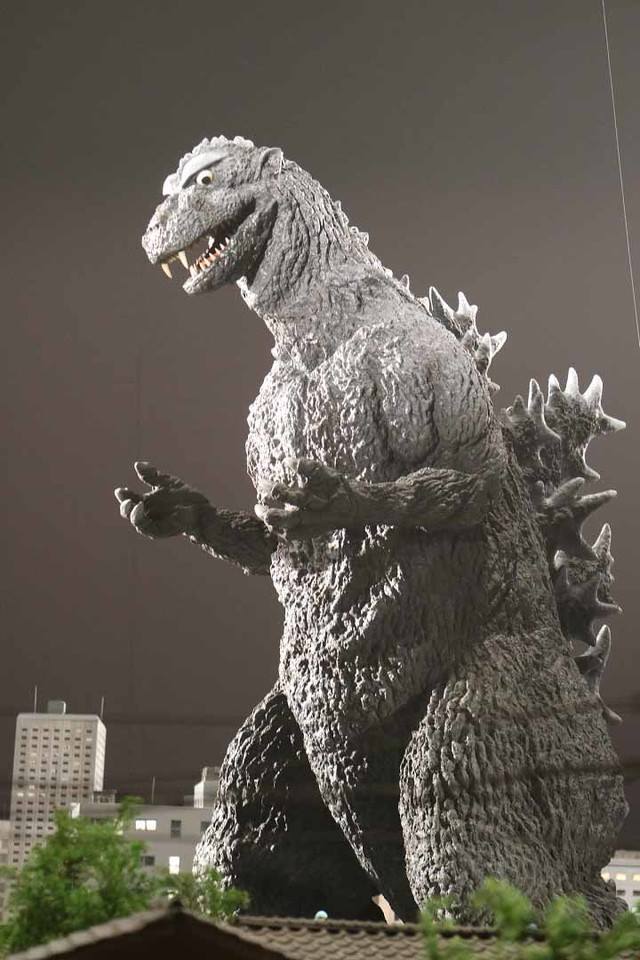
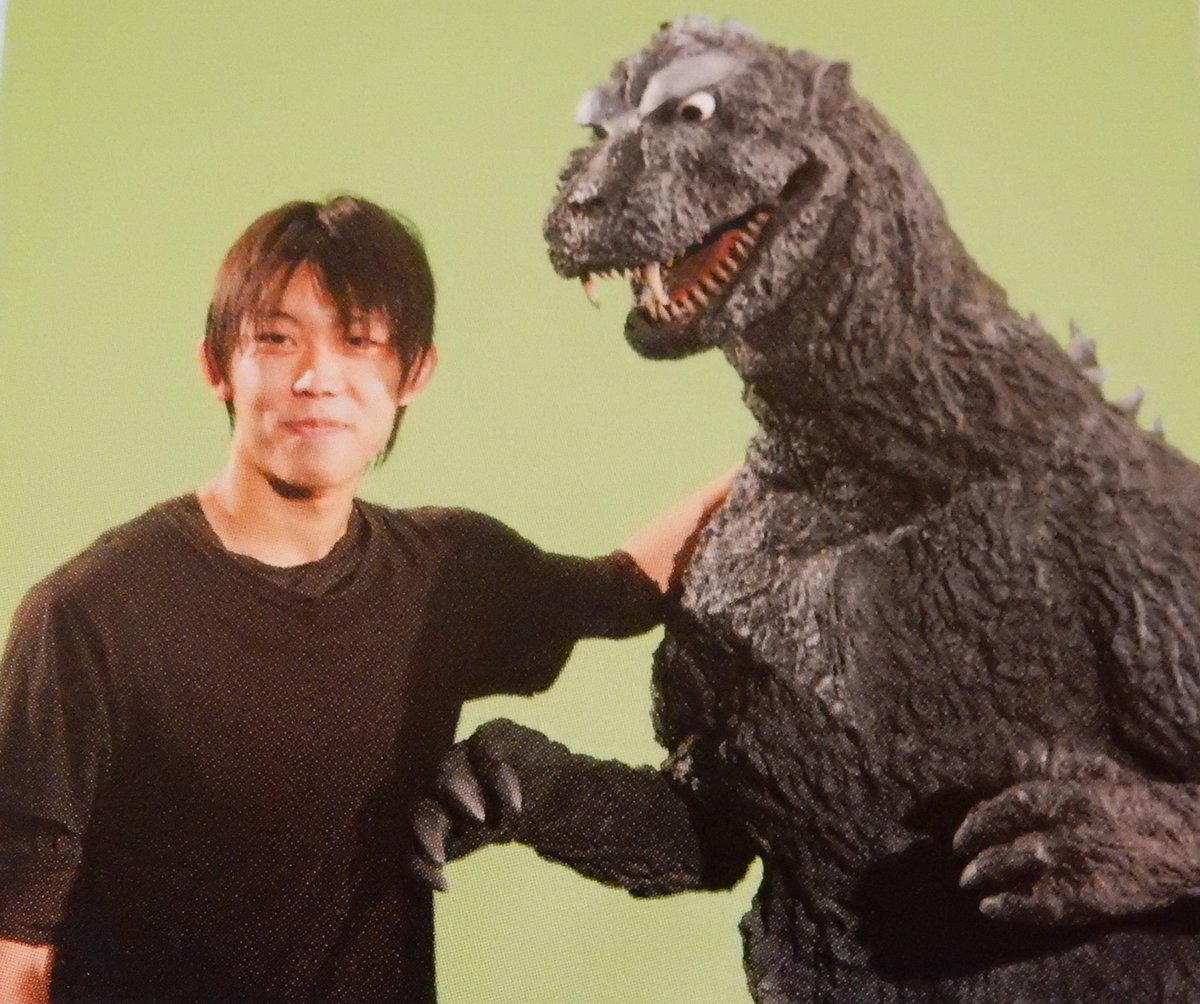
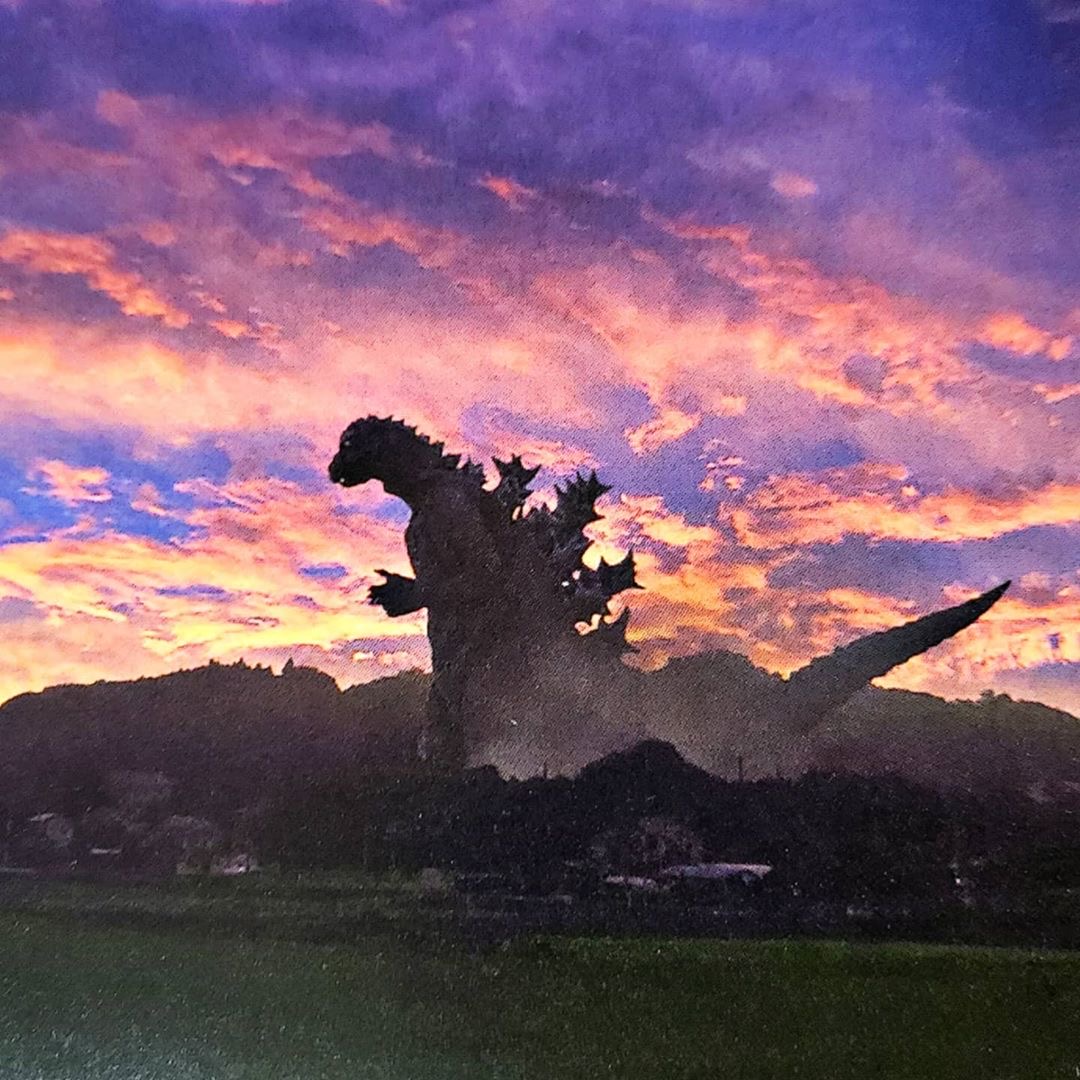
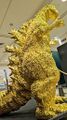
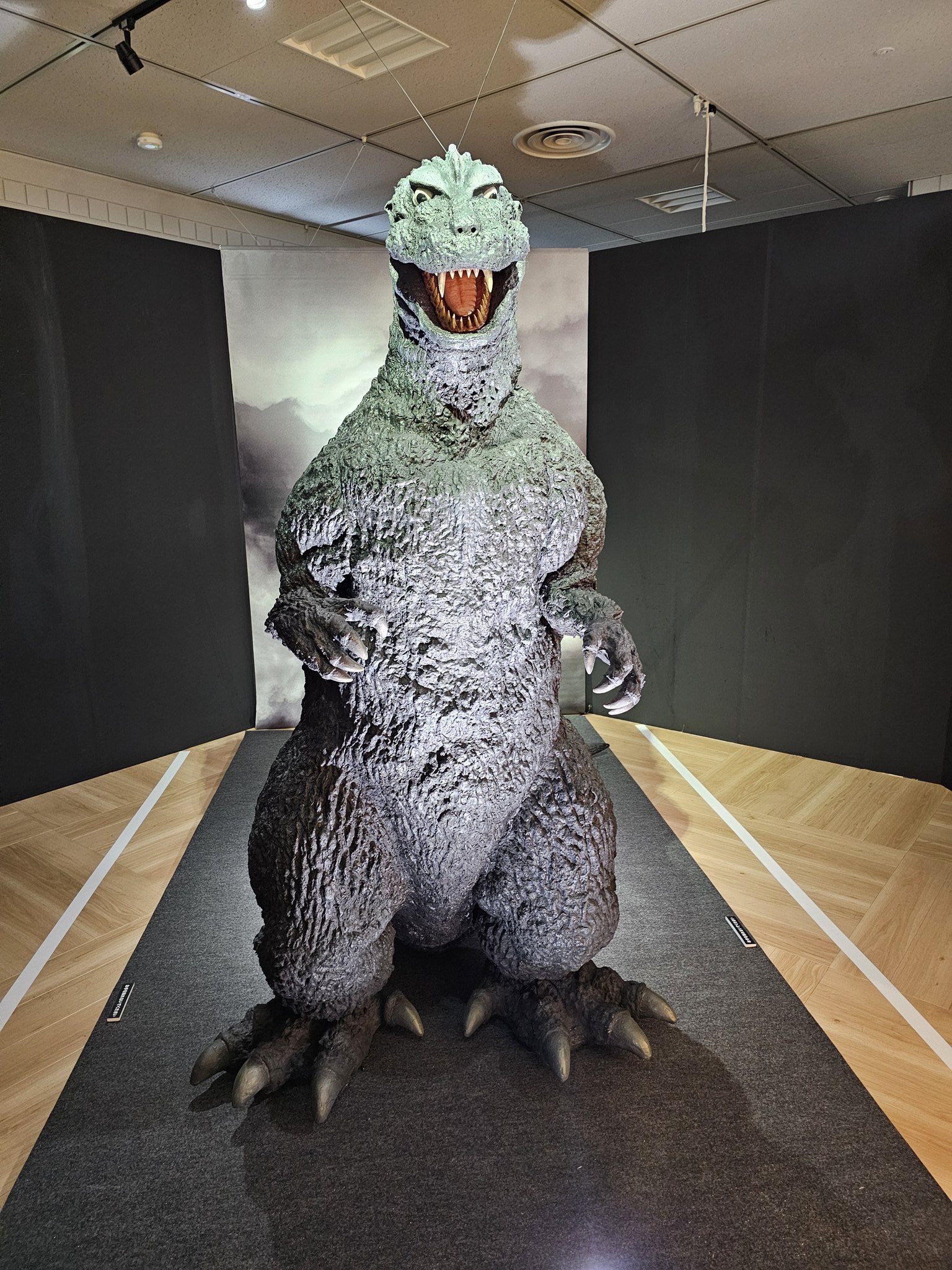
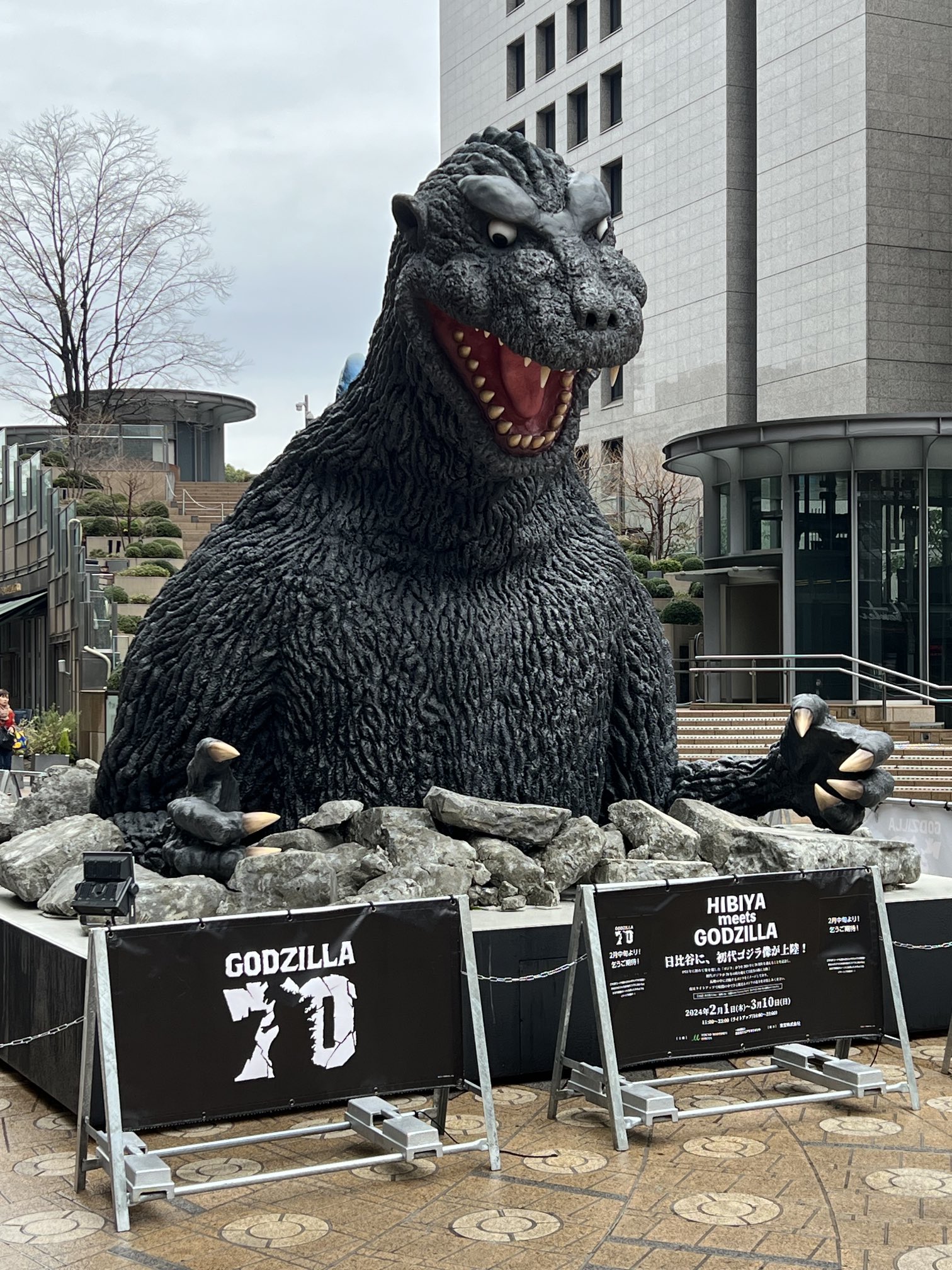
A complete recreation of the ShodaiGoji was created and exhibited at Godzilla Fest 2018 on November 3 in Hibiya, Tokyo. This reproduction was modeled by the company up.art, based on a 3D scan of a garage kit of the ShodaiGoji created by Yuji Sakai. Sakai himself was responsible for finishing the suit's head. It was used in the short film Dream Challenge: Godzilla Appears in Sukagawa, which is exhibited at the Eiji Tsuburaya Museum in Sukagawa, Fukushima Prefecture; three BOSS Coffee commercials between 2019 and 2023; and the 2024 music video for COCKTAIL's "Yours Ever".
-
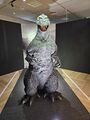
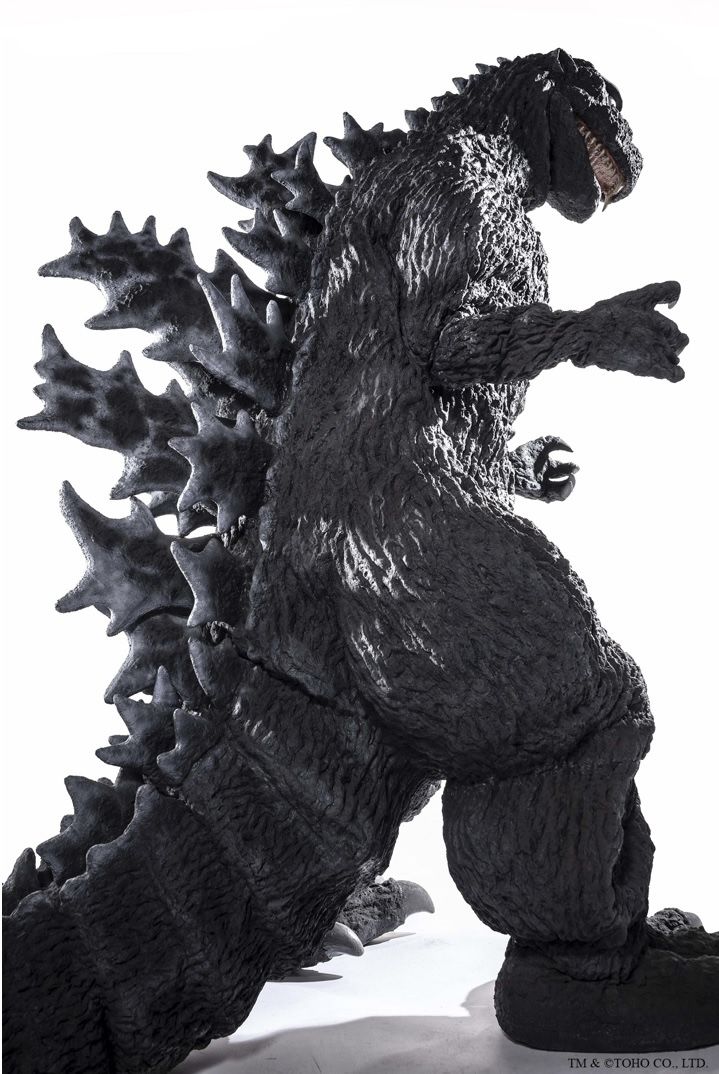
 up.art's recreation of the ShodaiGoji suit
Detail
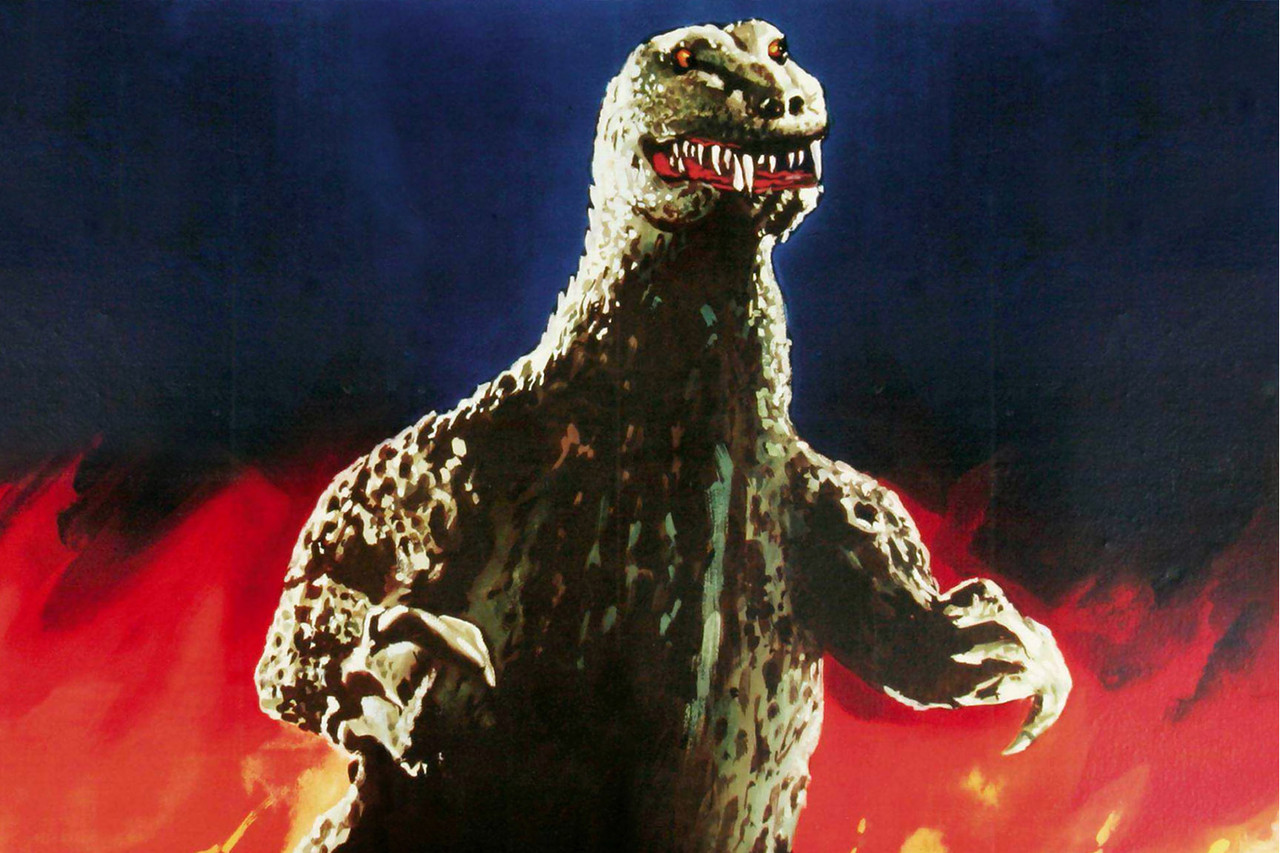
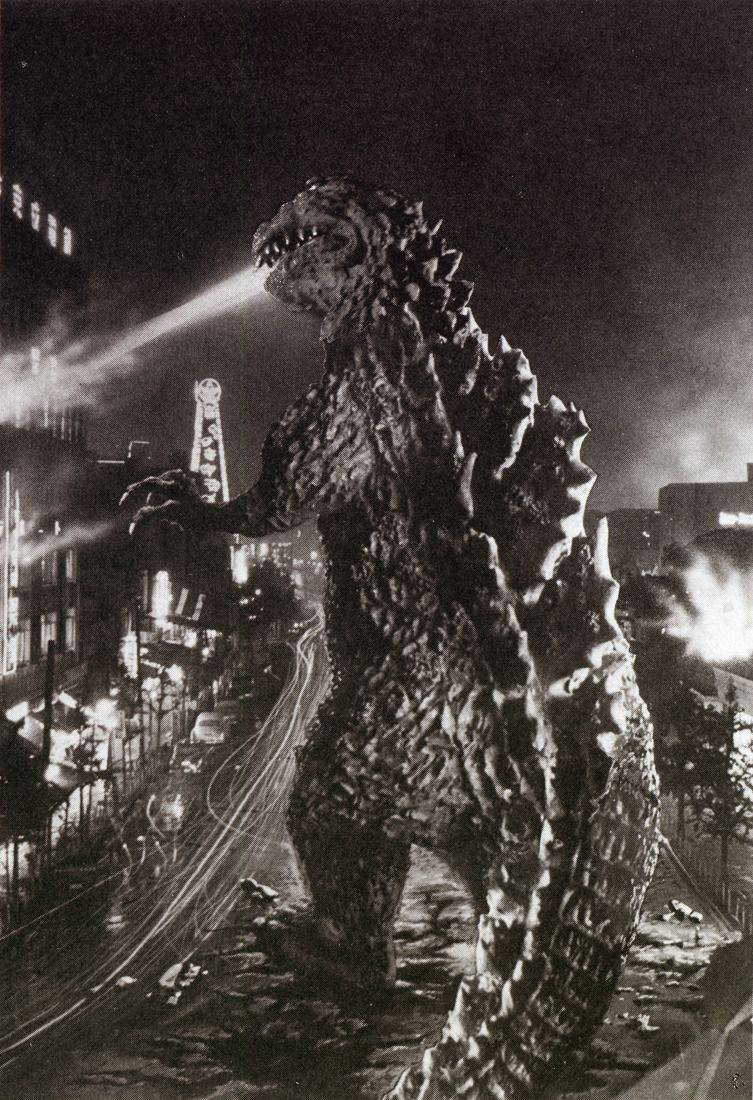
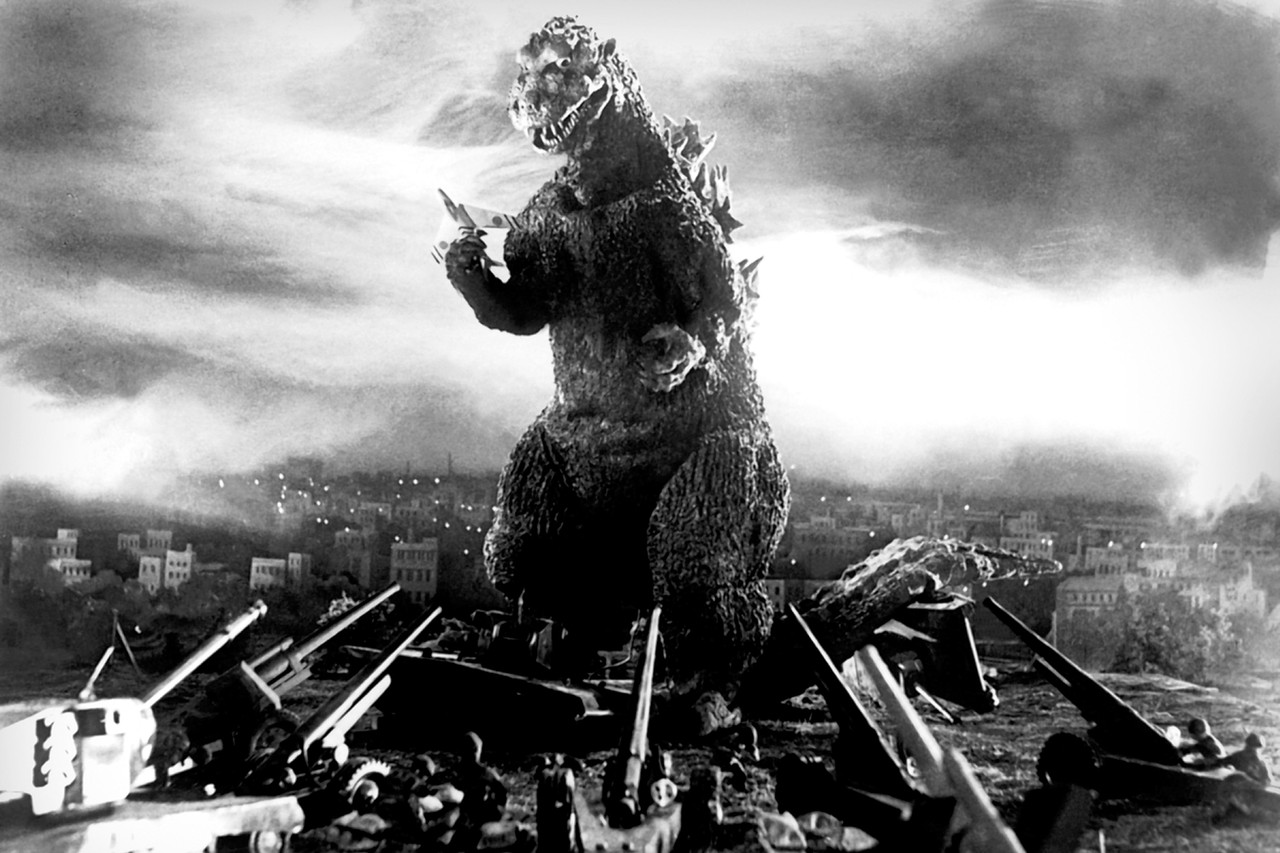
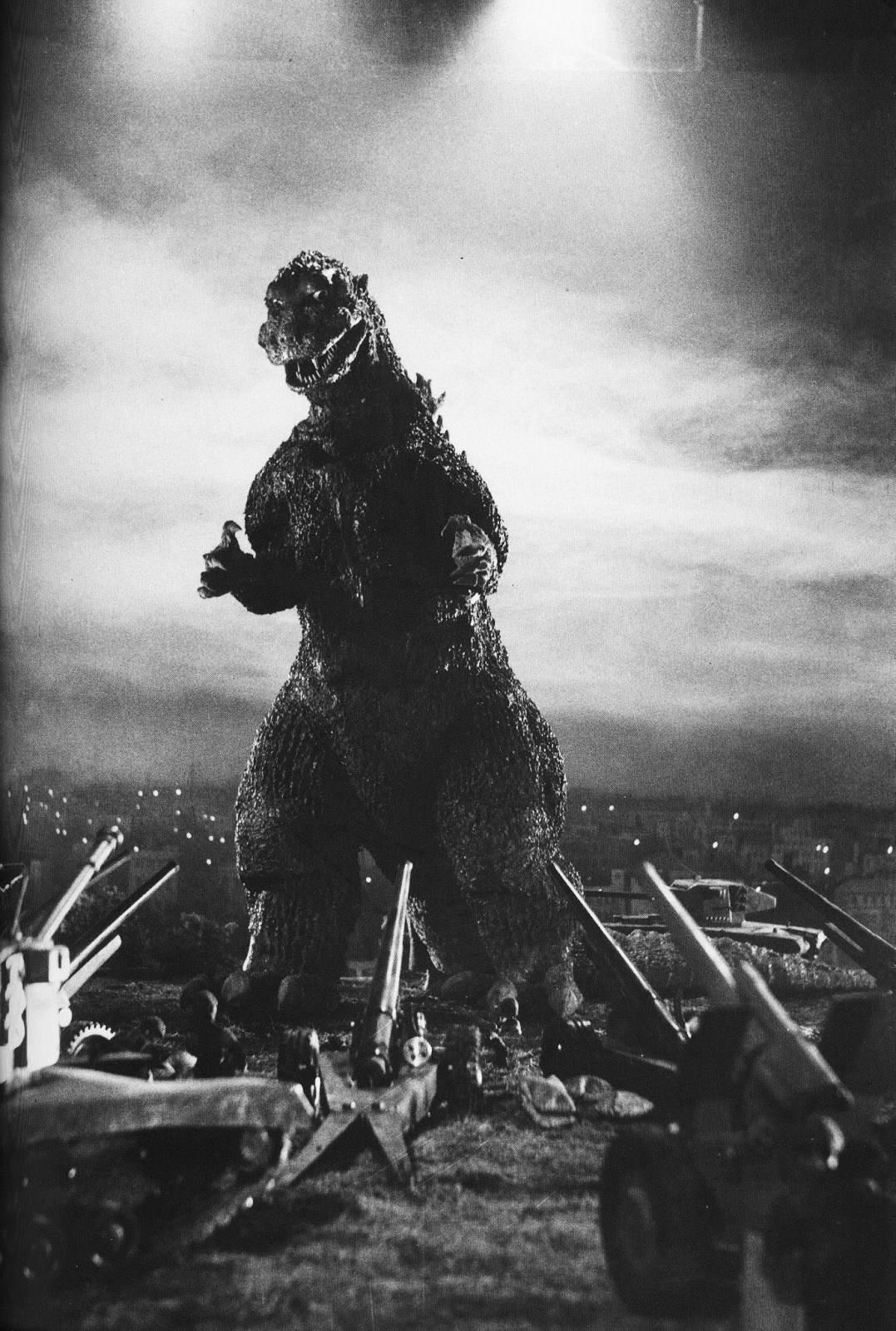
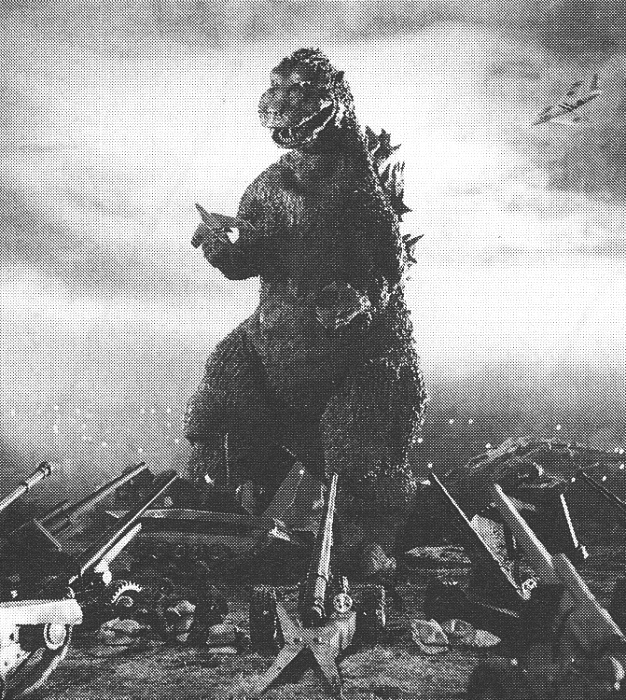
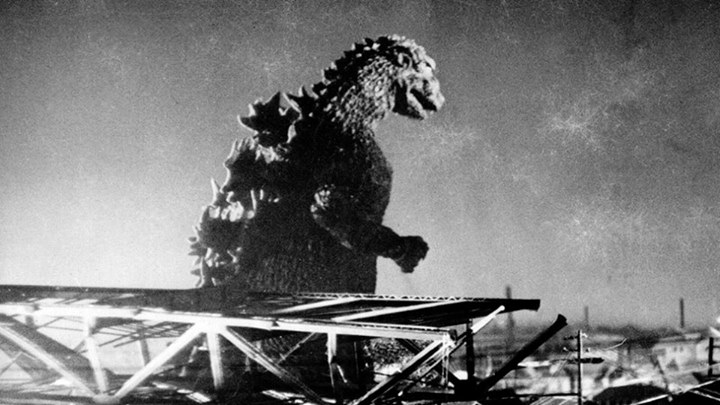
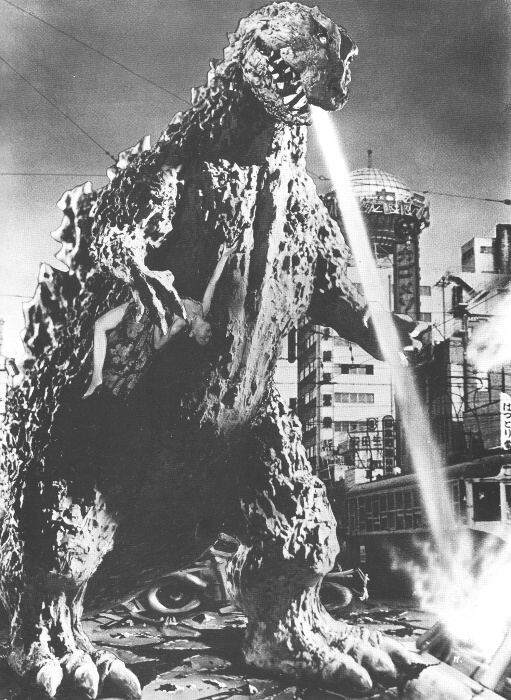
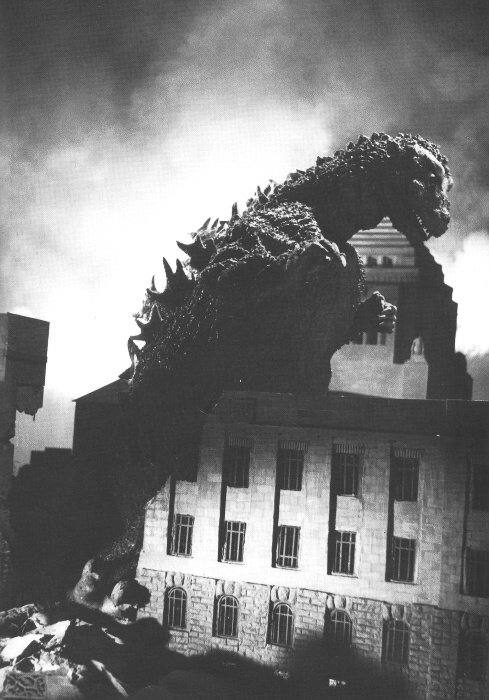
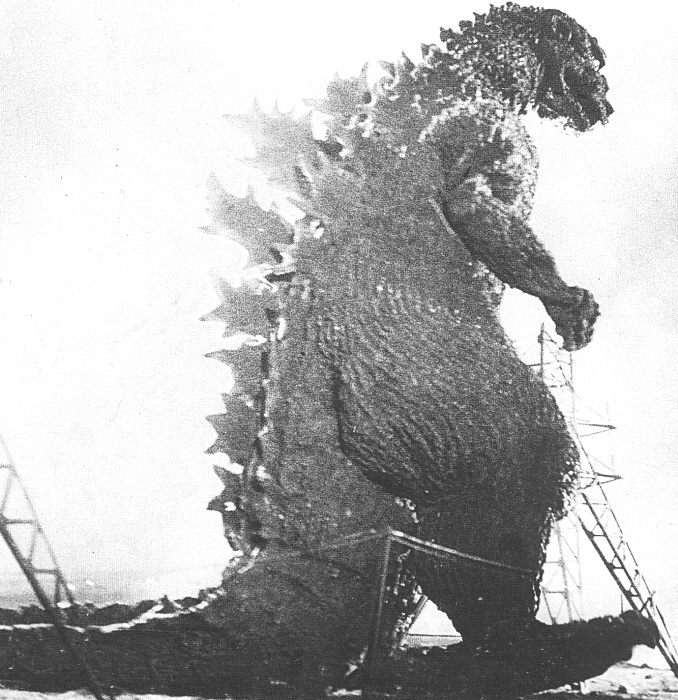
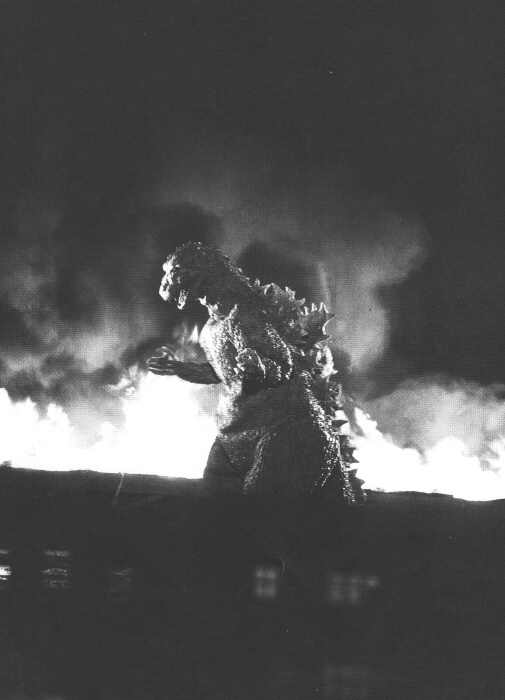
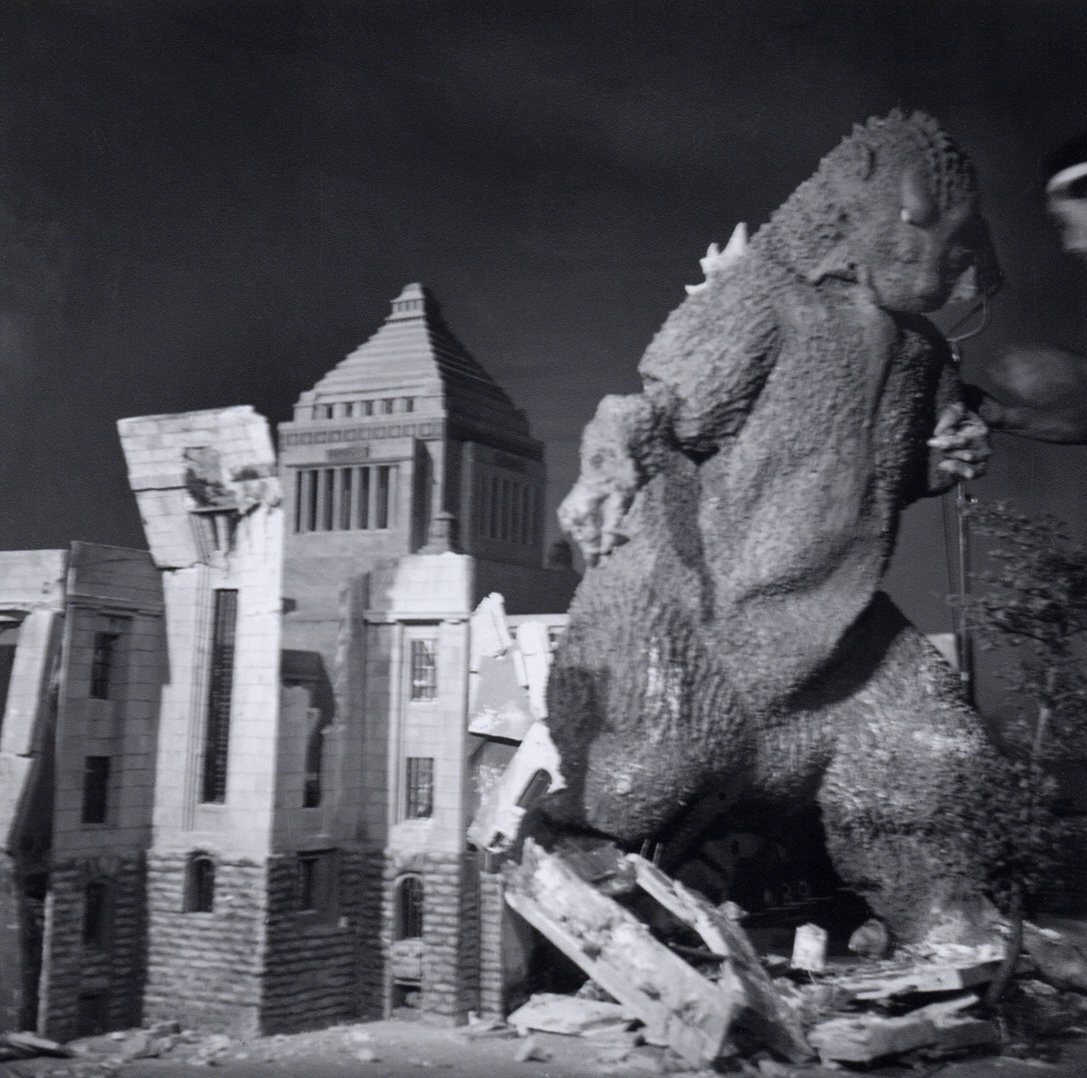
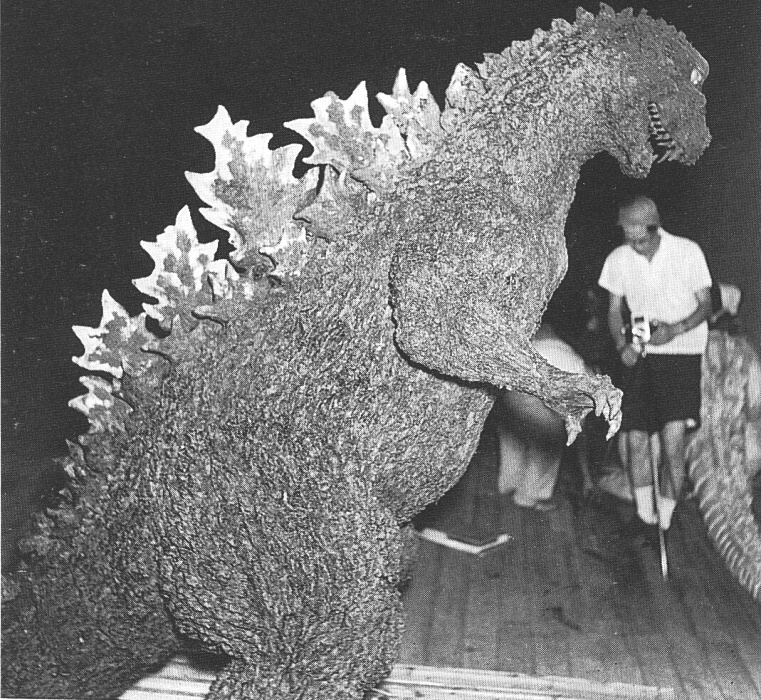
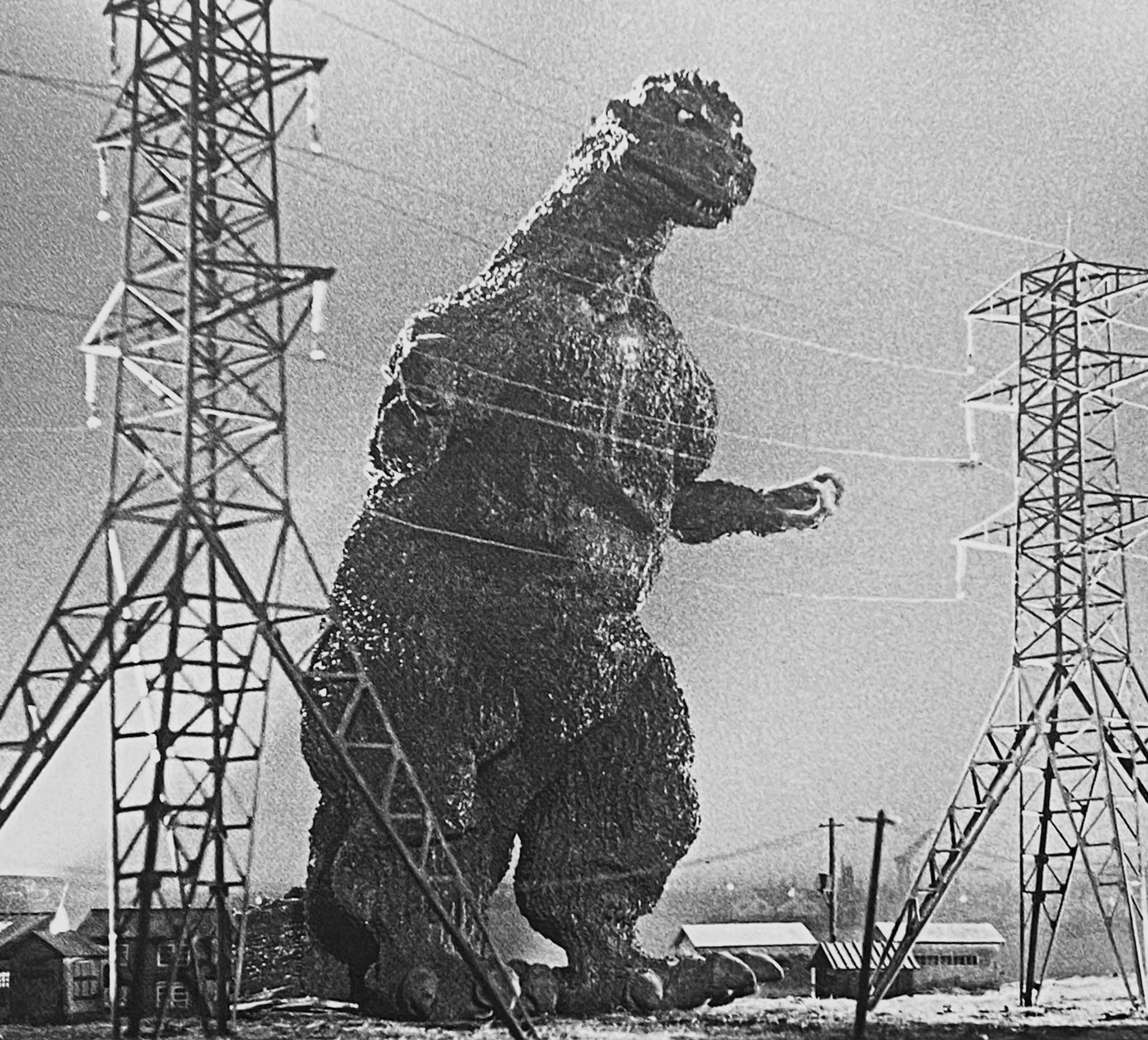
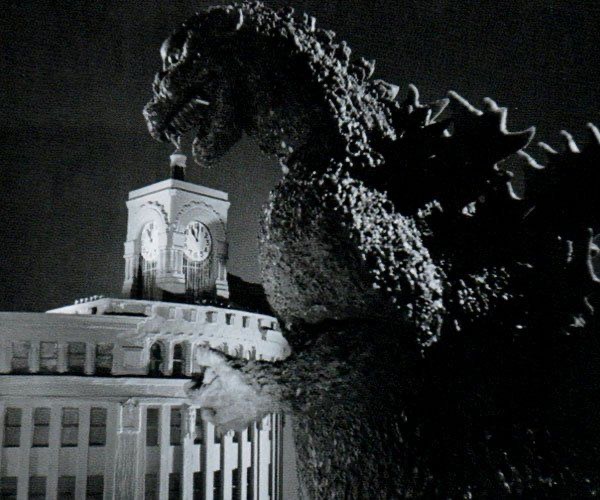
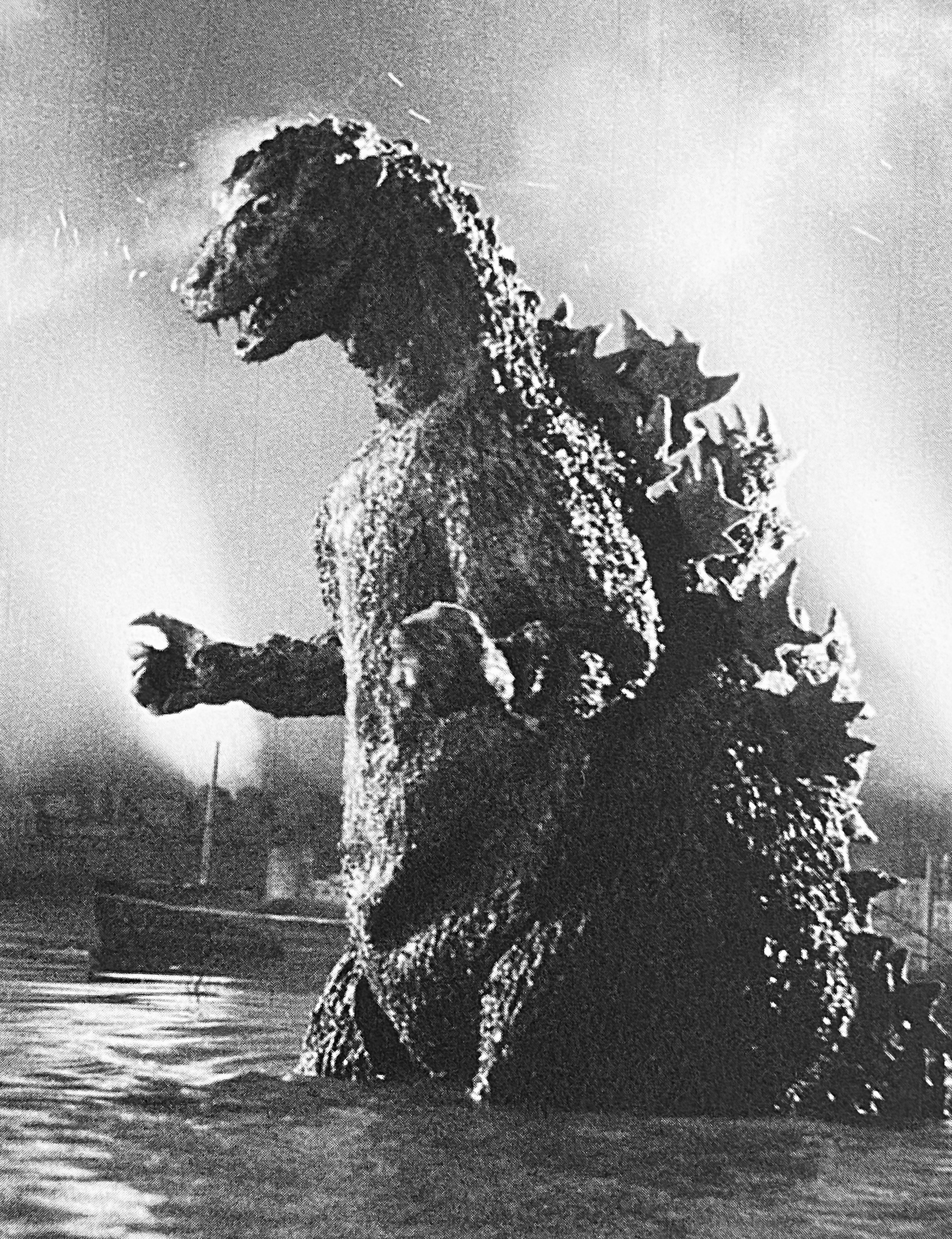
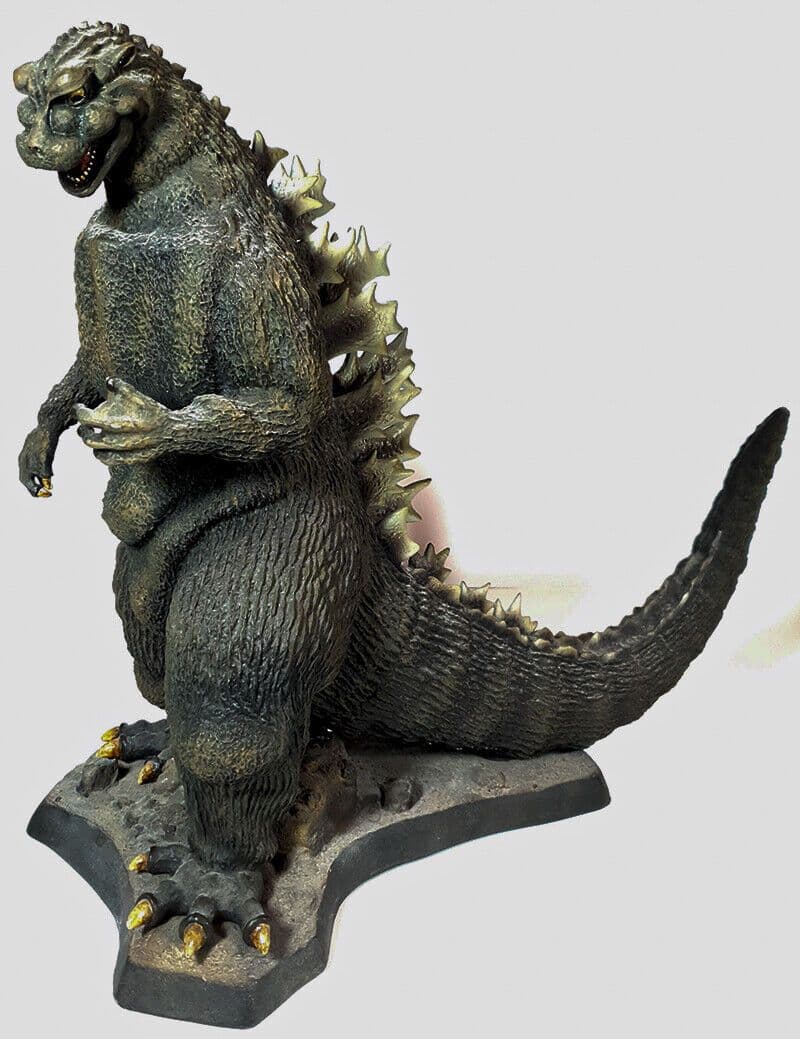
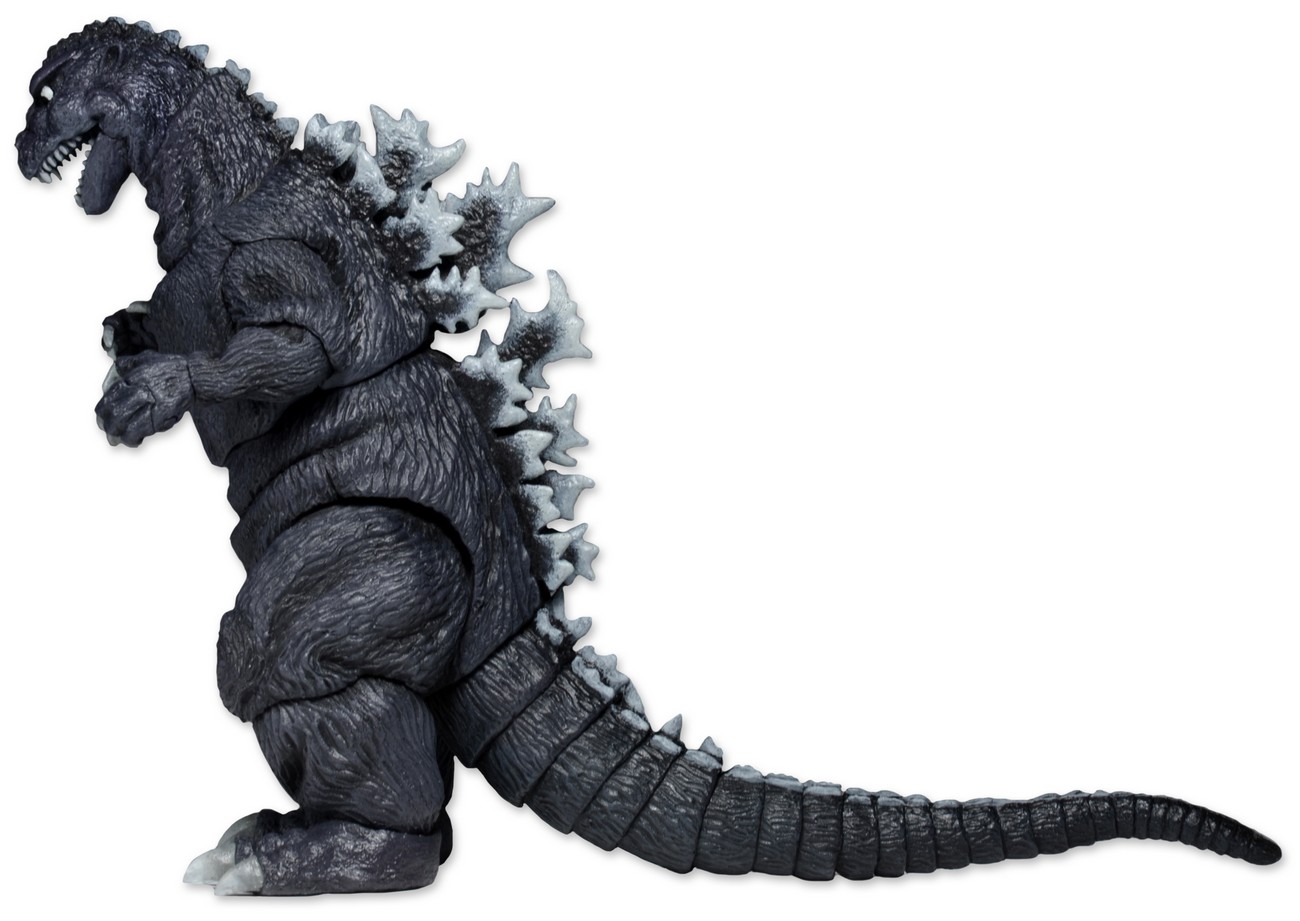
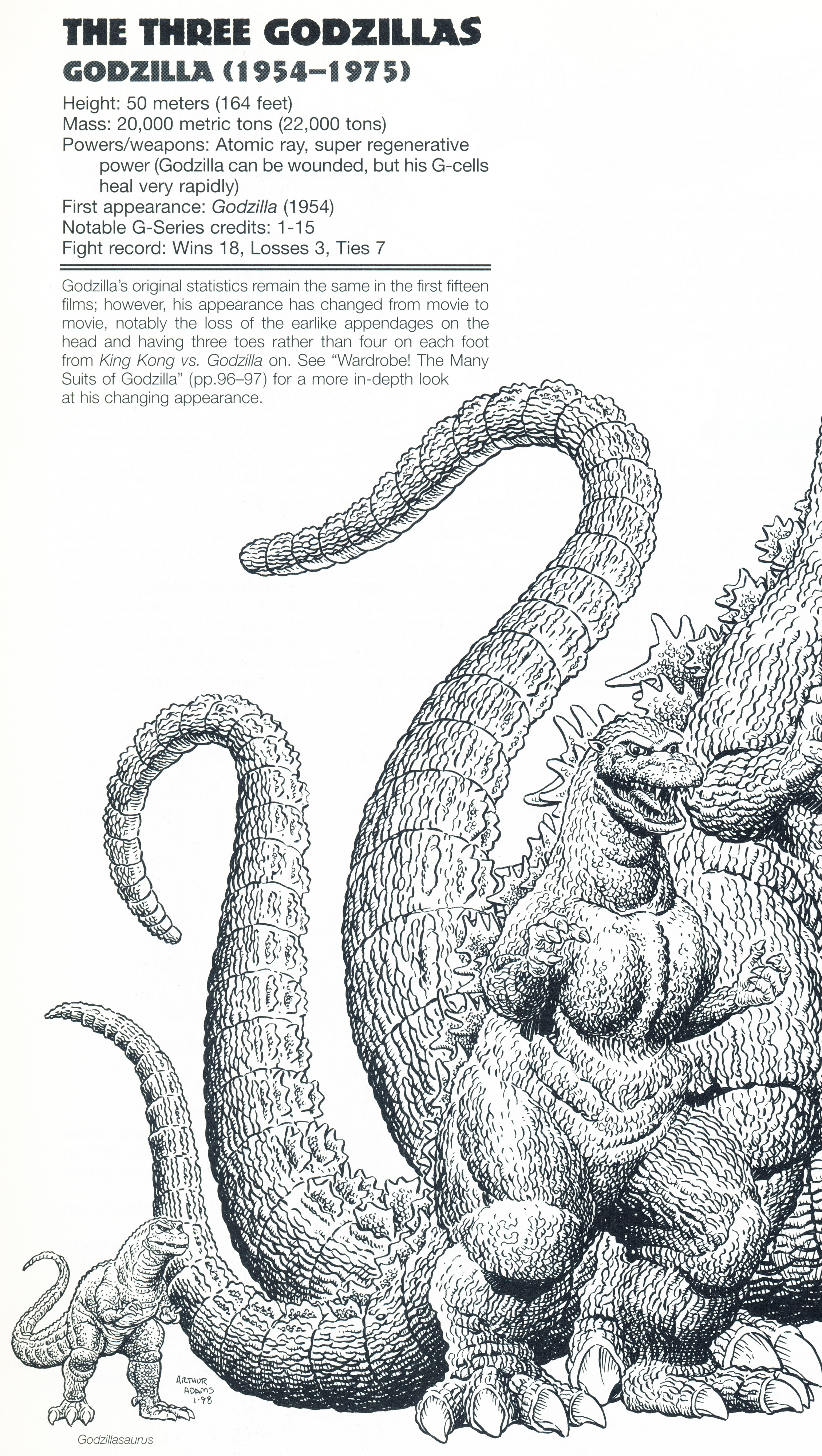
As the first official design, the ShodaiGoji suit would set the basic template for nearly all Godzilla designs to come. That is, a gigantic, bipedal reptilian creature with rough, bumpy, usually charcoal gray scales with a keloid scar or tree bark-like texture; a fairly small head with prominent eyebrow-like ridges over the eyes; moderately long, humanoid arms with four fingers including an opposable thumb; thick, muscular legs; a long, powerful, segmented tail; and three rows of generally bone-white dorsal plates.
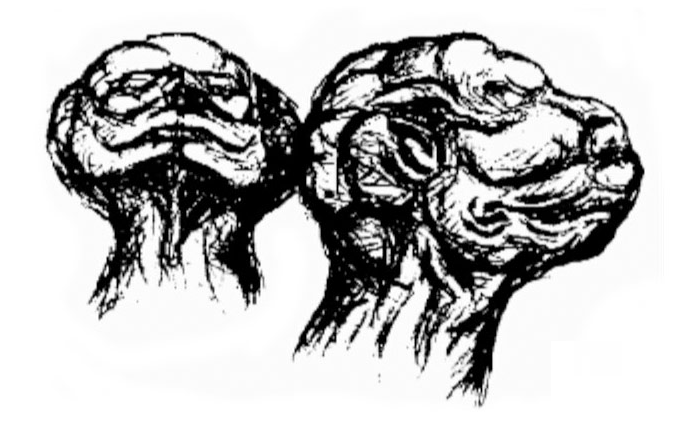
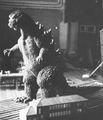
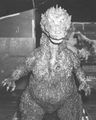
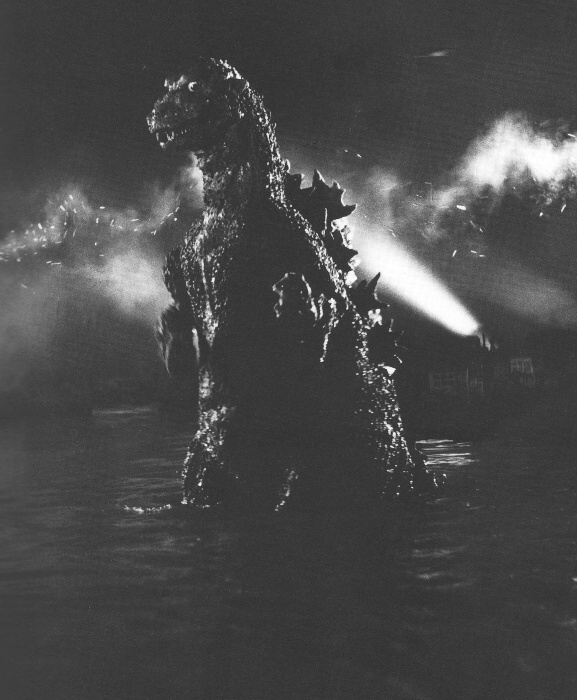
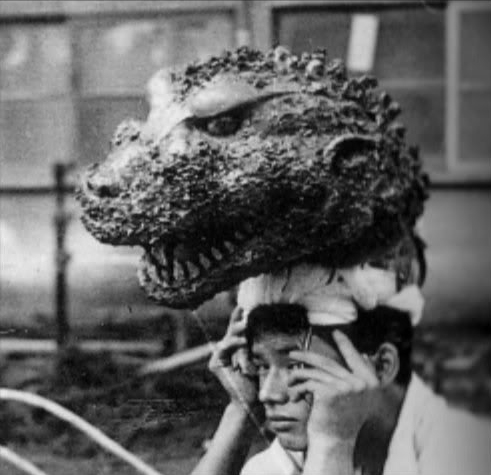
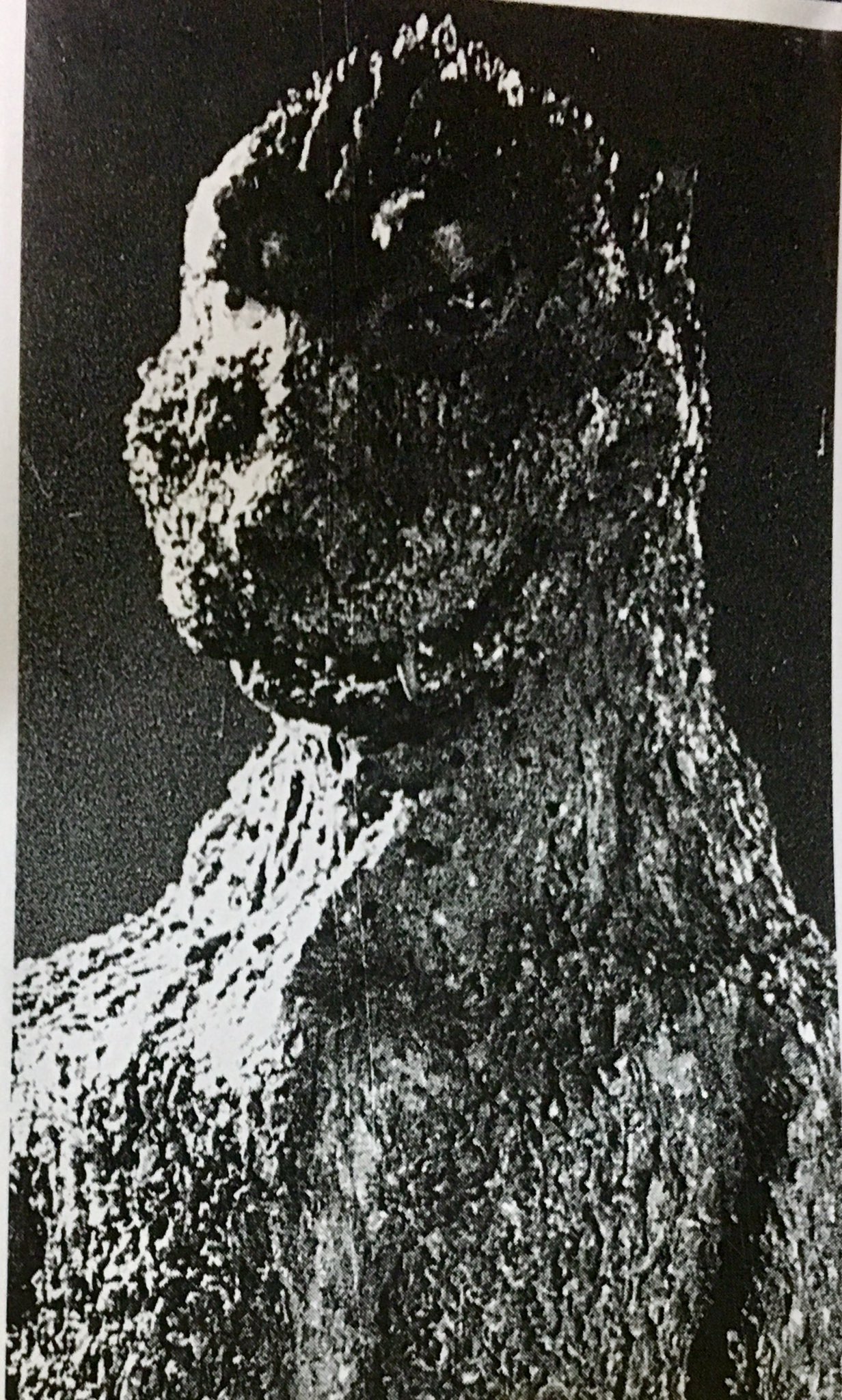
The ShodaiGoji suit has a reptilian, wedge-shaped head with a large, wide mouth attached to a fairly short, serpentine neck. The face is round and lumpy with a large upper jaw and a thin lower jaw, and the nose is similar to that of a crocodilian or Chinese dragon. The cranium is small relative to the rest of the head, and resembles the sagittal crest found on gorillas. The head also sports a pair of small, pointed, ears. The eyes are round and have white sclera with large black pupils that are painted to look in a downward direction. When viewed from a frontward direction, the pupils on each eye point in the opposite direction of each other. The teeth are conical in shape and, with the exception of a pair of large fangs on the upper jaw, they are all uniform in size.
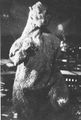
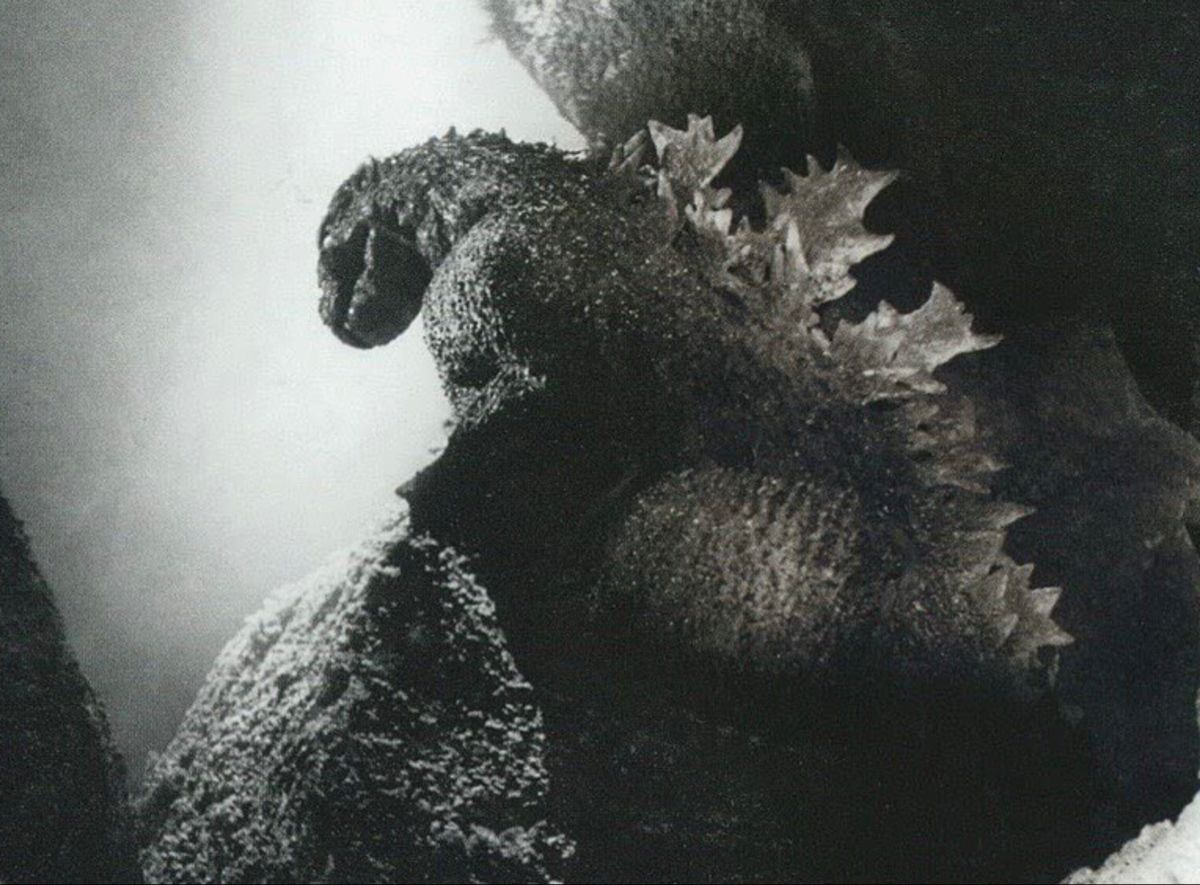
This design also has a barrel-shaped upper body with wide shoulders and a prominent sternum accompanied by a concave collarbone. The biceps are quite large and roughly twice as wide as the forearms. The hands are considerably wider than the wrists and sport four semi-webbed digits each. The legs on this design are fairly short, columnar, and quite muscular, and sport prominent knees. The feet are plantigrade and very wide, being comparable in thickness with the legs themselves. Like the hands, the ShodaiGoji's feet also sport four clawed semi-webbed digits each. This suit's tail is fairly short in proportion to its body, having a rough underside, a pointed tip, and faint tail segments that aren't as prominent as those of later suits. Unlike most of the later designs, the ShodaiGoji suit's dorsal plates were staggered and uneven in appearance. They also curved slightly forward, whereas most of the later suits would have plates that didn't curve in any particular direction.
For close-up shots, a hand-held puppet and a prototype ShodaiGoji suit were used. The puppet primarily differed from the suit in that it had a much larger head with a wider and puffier face with a very flat, almost nonexistent cranium and forehead and a shorter, thicker neck. Additionally, it also had much smaller and thinner arms and hands, giving it a less humanoid and more dinosaurian appearance. The teeth on the puppet version were uneven and had a needle-like appearance to them. A separate partial suit consisting only of Godzilla's lower body was employed for shots of just Godzilla's feet and legs.
It is unknown what color the ShodaiGoji suit was painted, as the film it appeared in was shot in black-and-white. Rumors frequently suggest that the suit was painted brown, although most later designs have opted for a charcoal gray or black coloration.
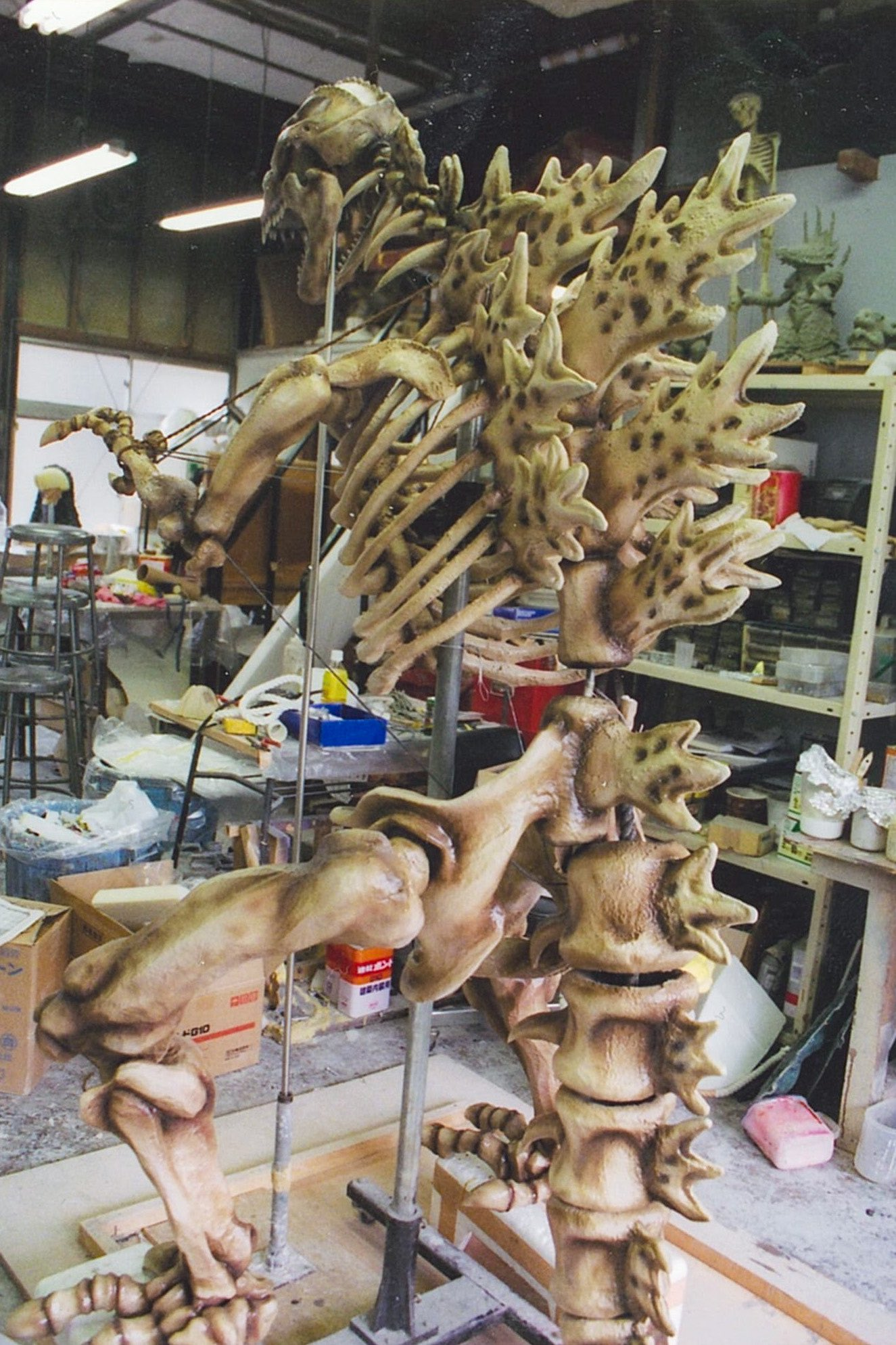
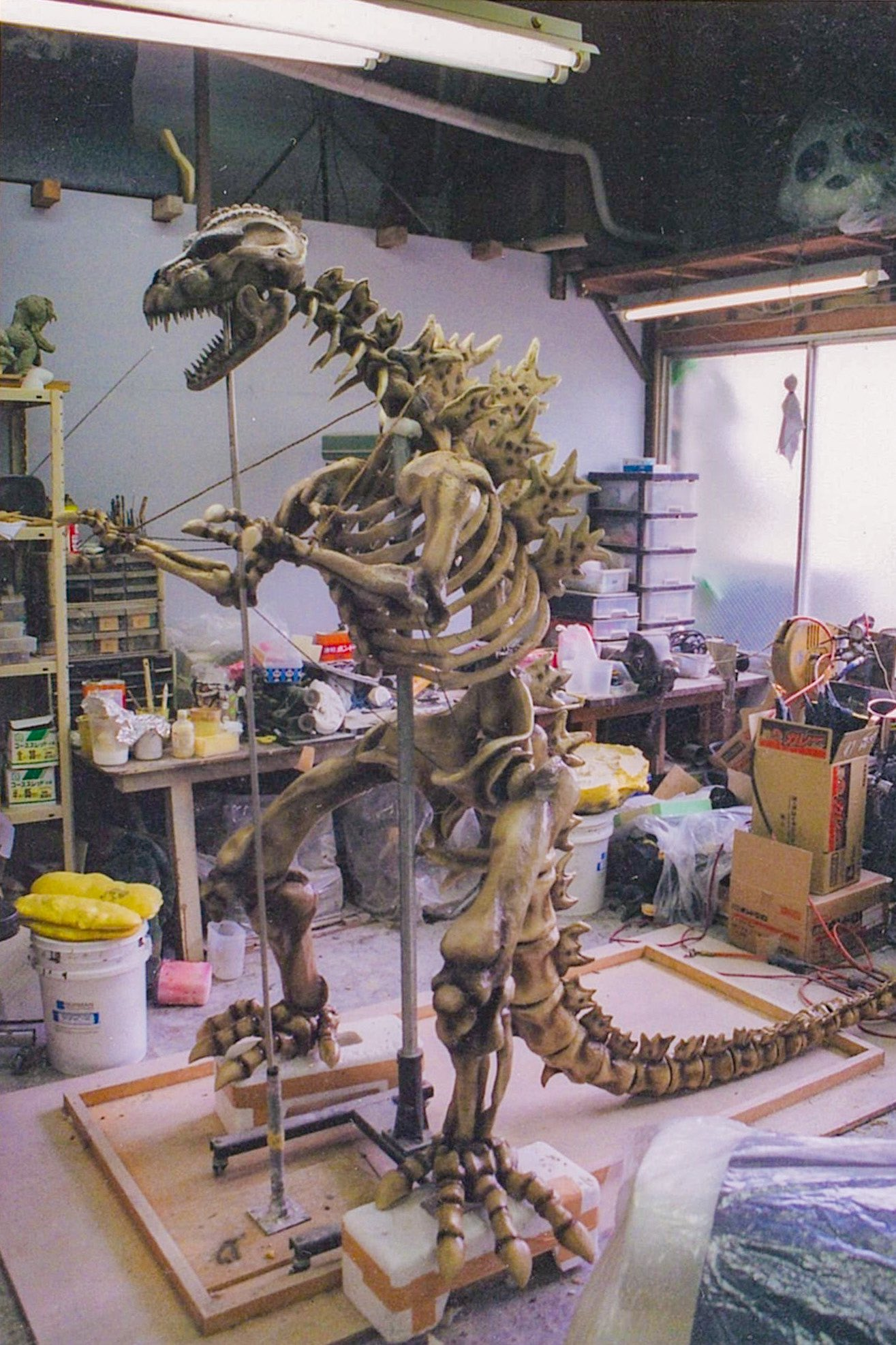
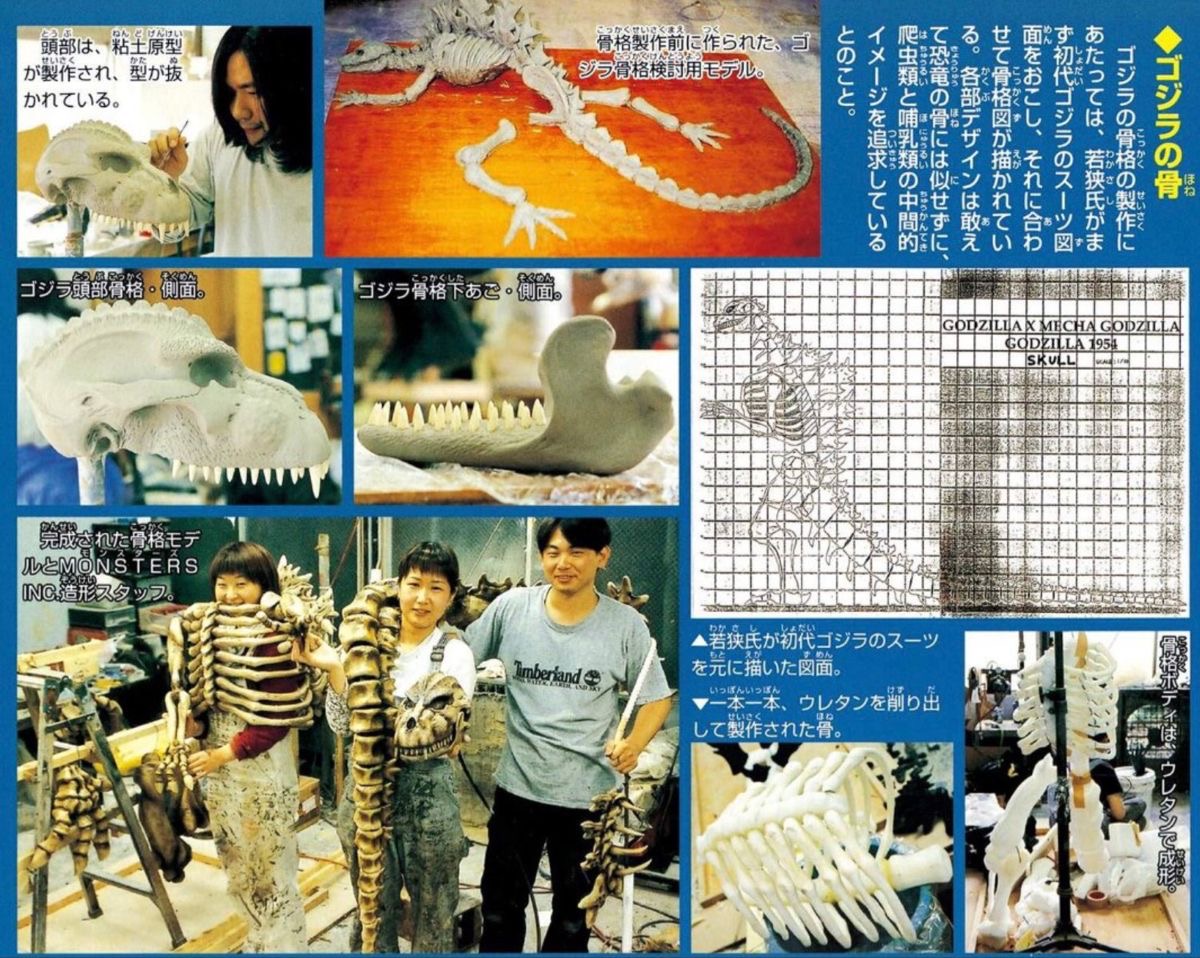
A partial ShodaiGoji suit was constructed for flashback scenes in Godzilla Against Mechagodzilla in 2002, in order to recreate the original Godzilla's attack on Tokyo in 1954 and to emphasize the fact that, in this continuity, the monster was merely reduced to a skeleton by the Oxygen Destroyer instead of being completely disintegrated. Production photos reveal that this half-suit's body and dorsal plates were painted a bluish-gray, the claws were painted white, the teeth were painted yellowish-orange, and the inside of the mouth was painted a bright pink. None of these color choices are visible on film, though, as the flashback scenes featuring this suit were filmed in black-and-white.
Portrayal
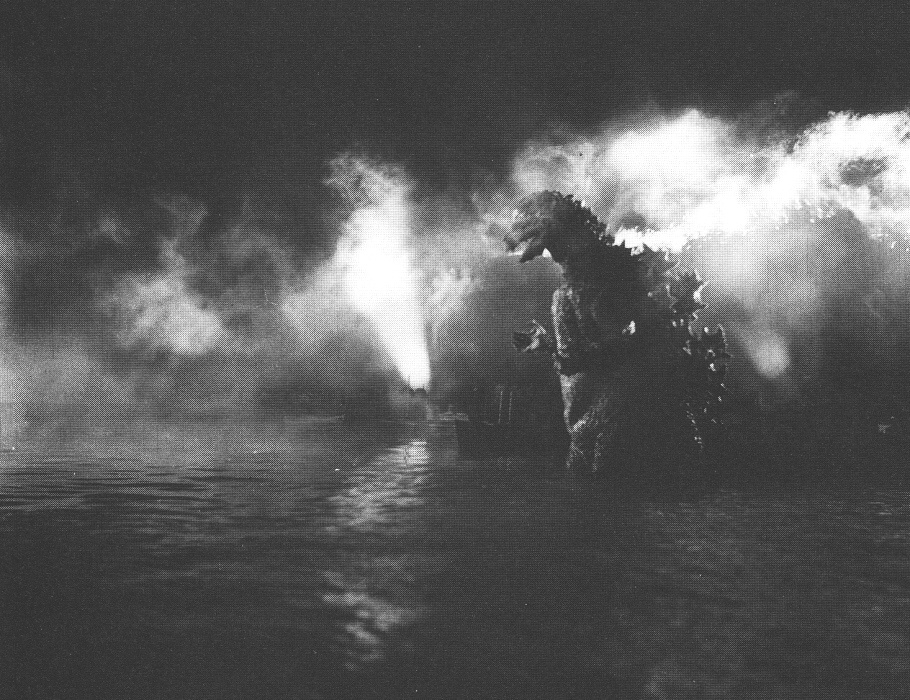
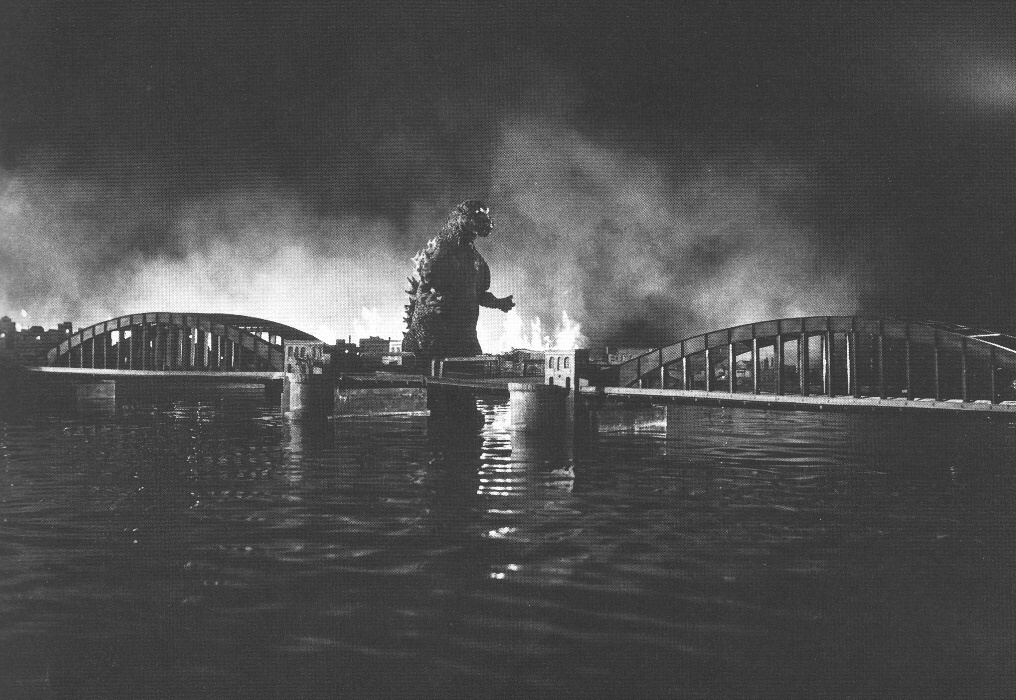
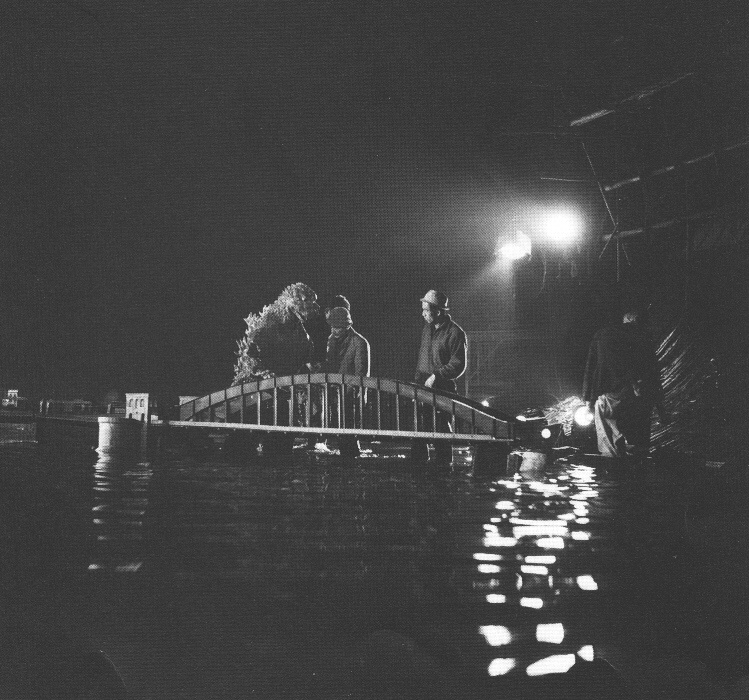
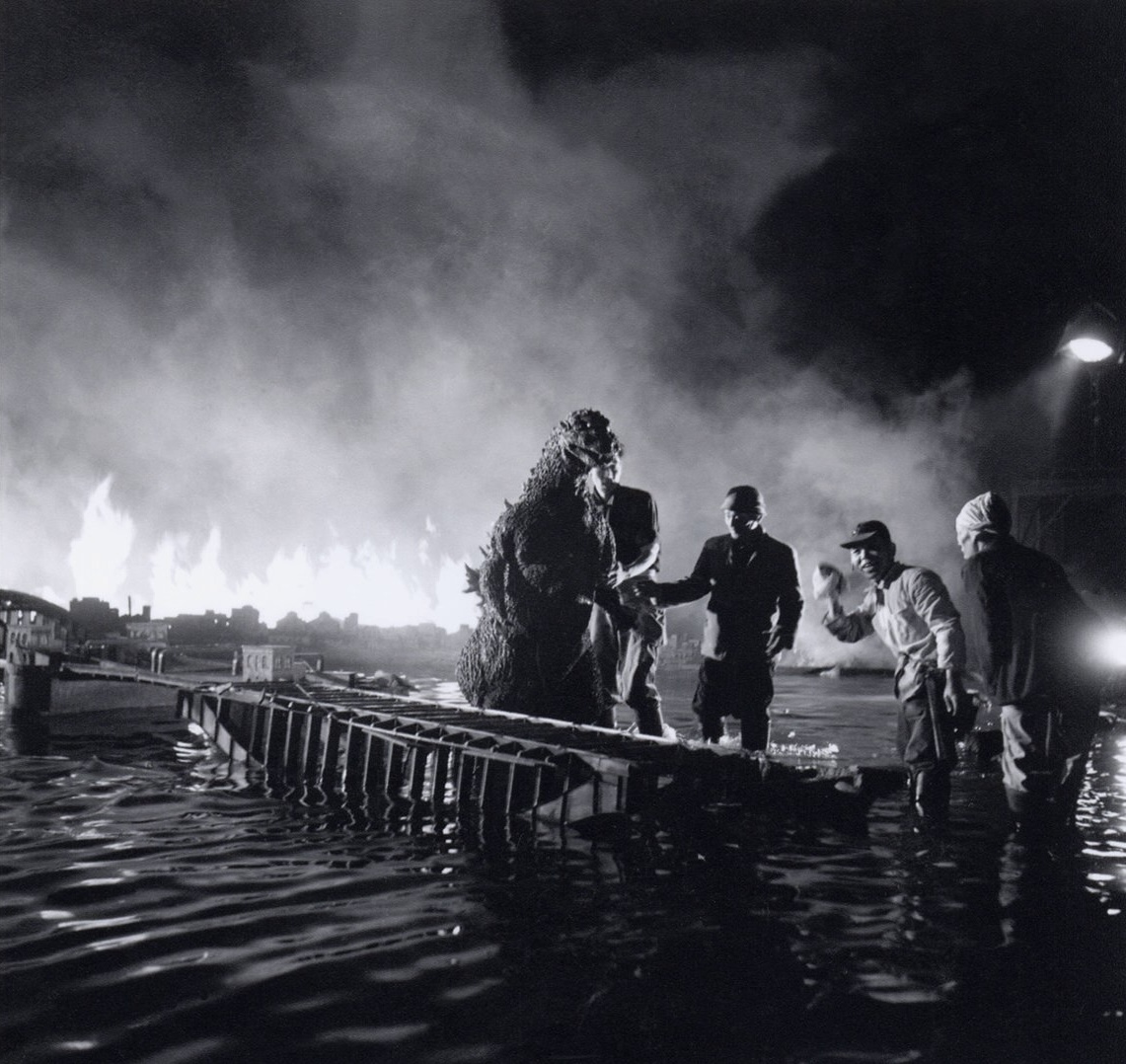
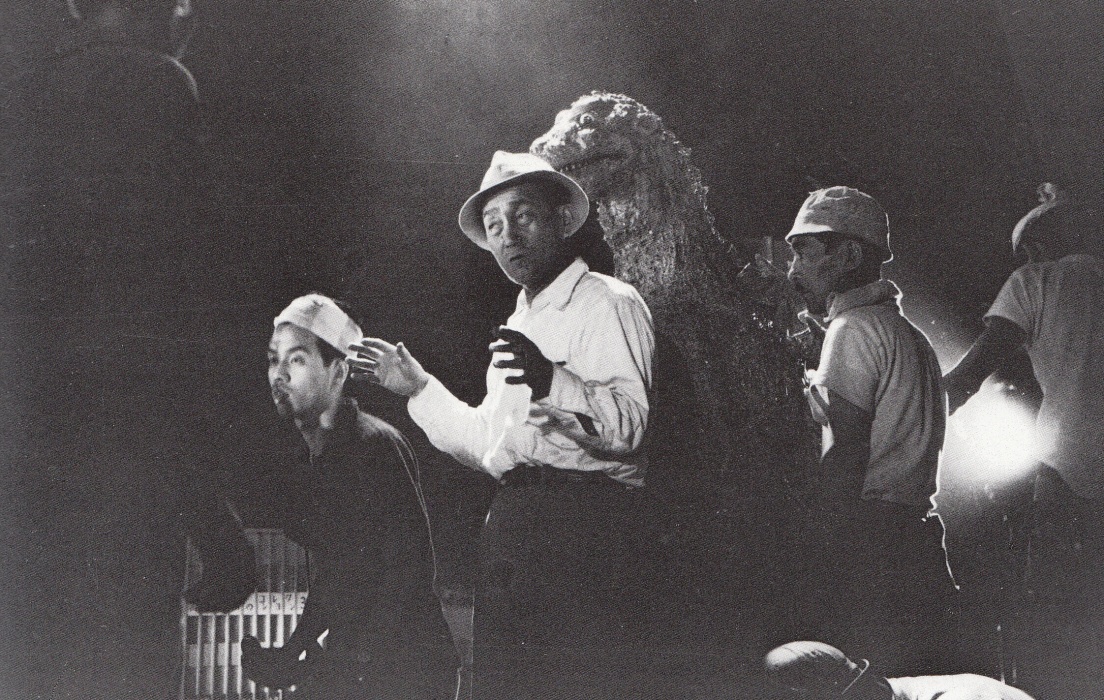
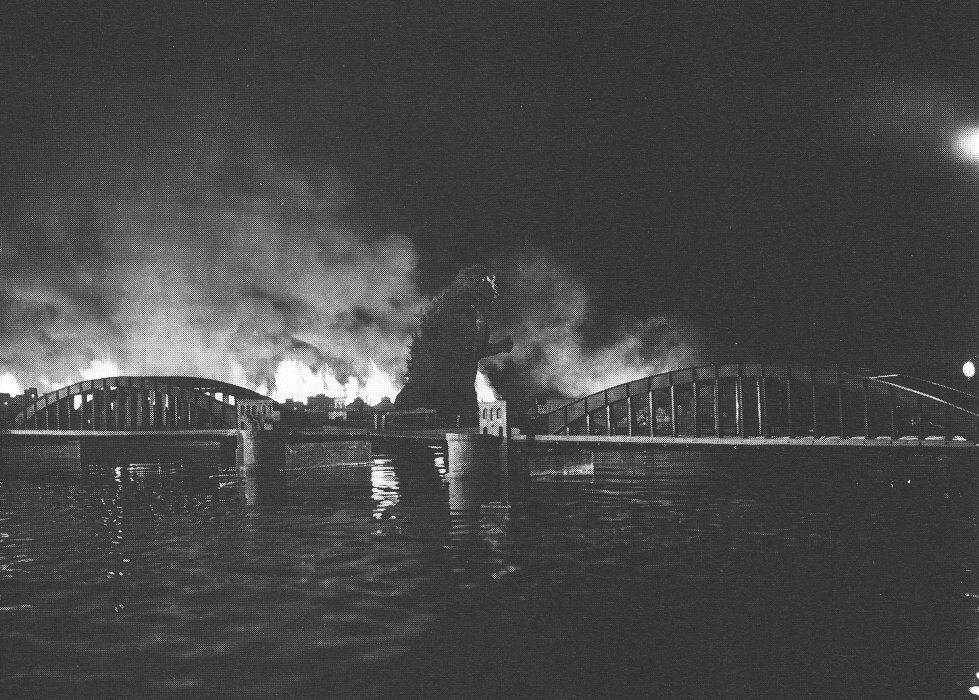
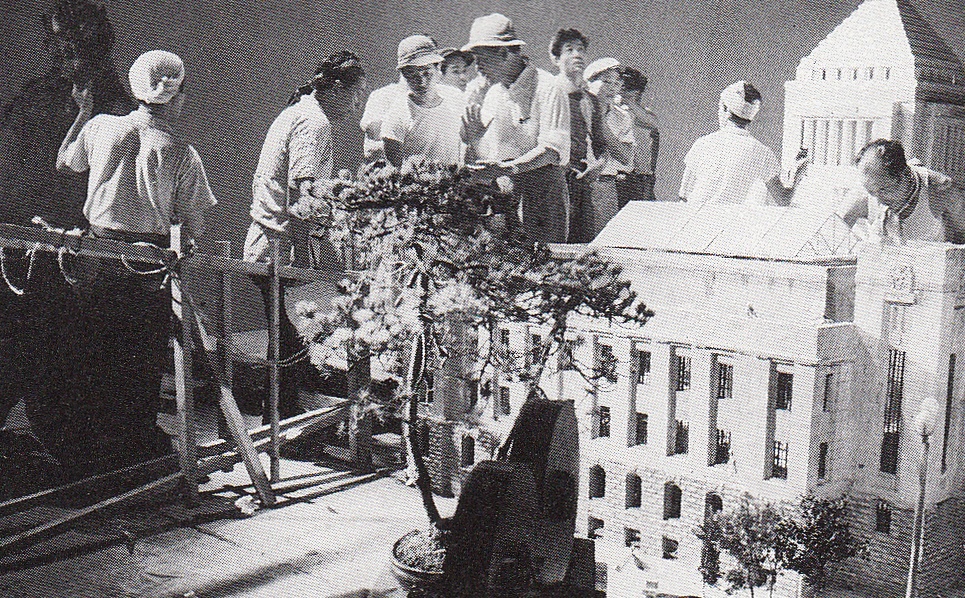
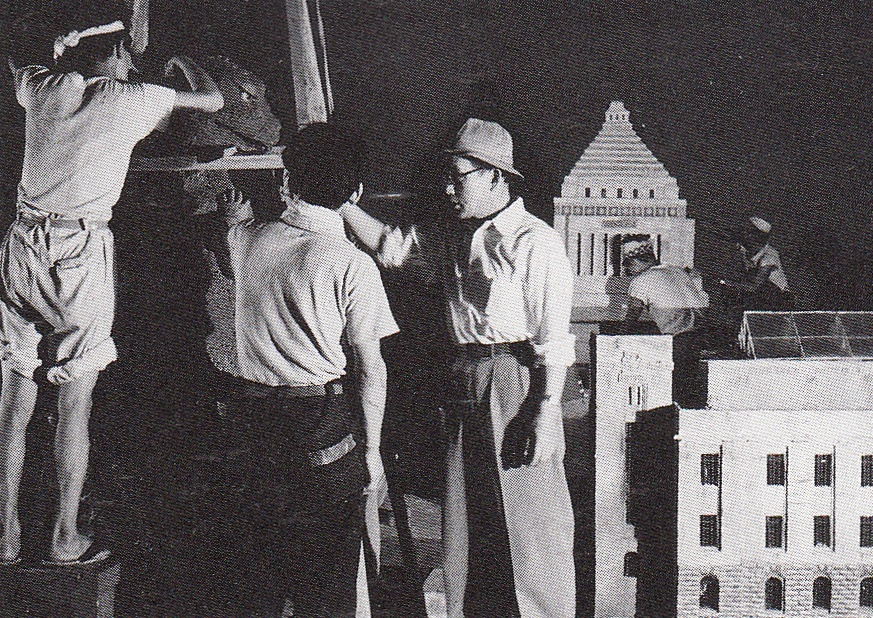
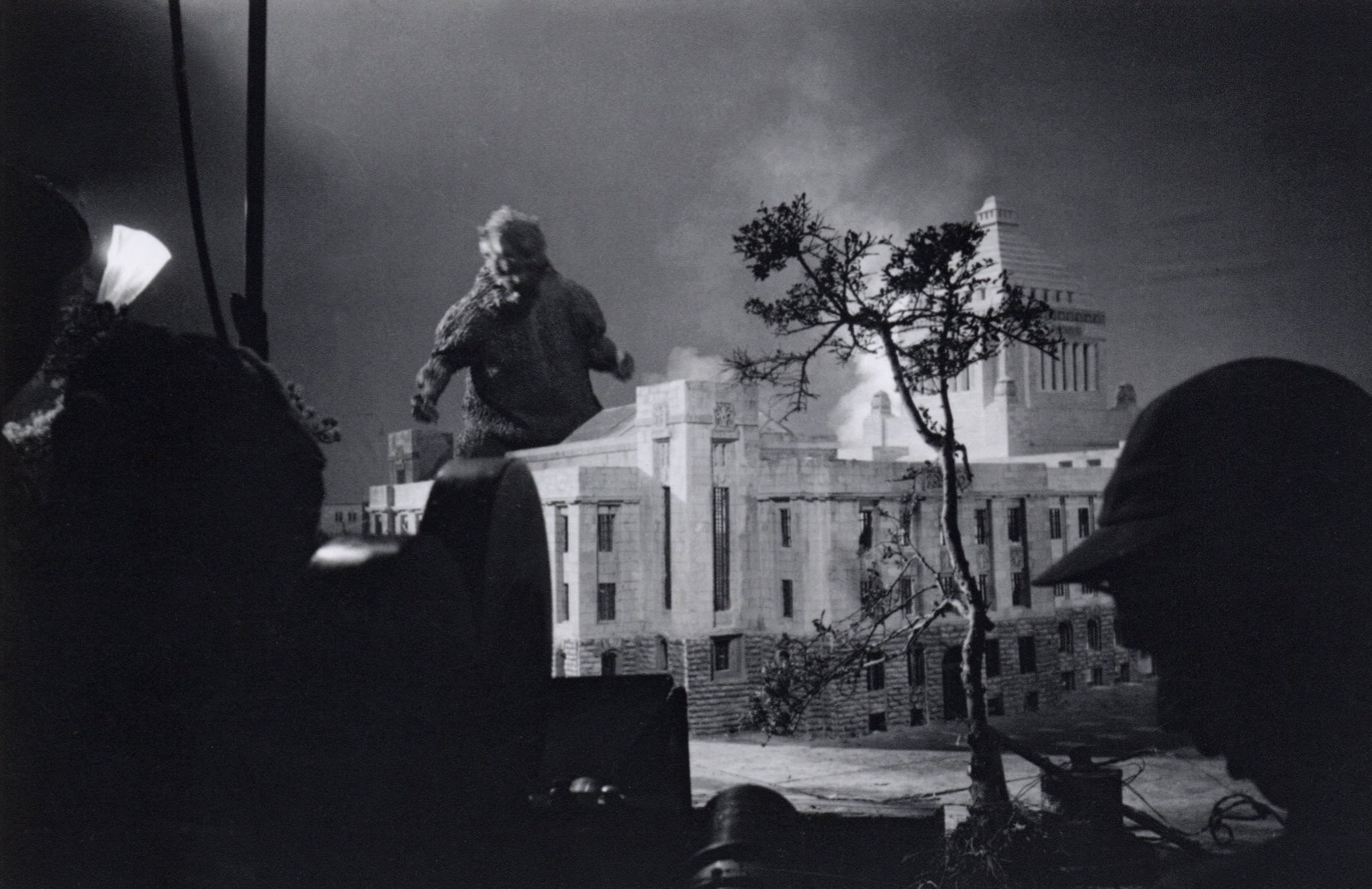
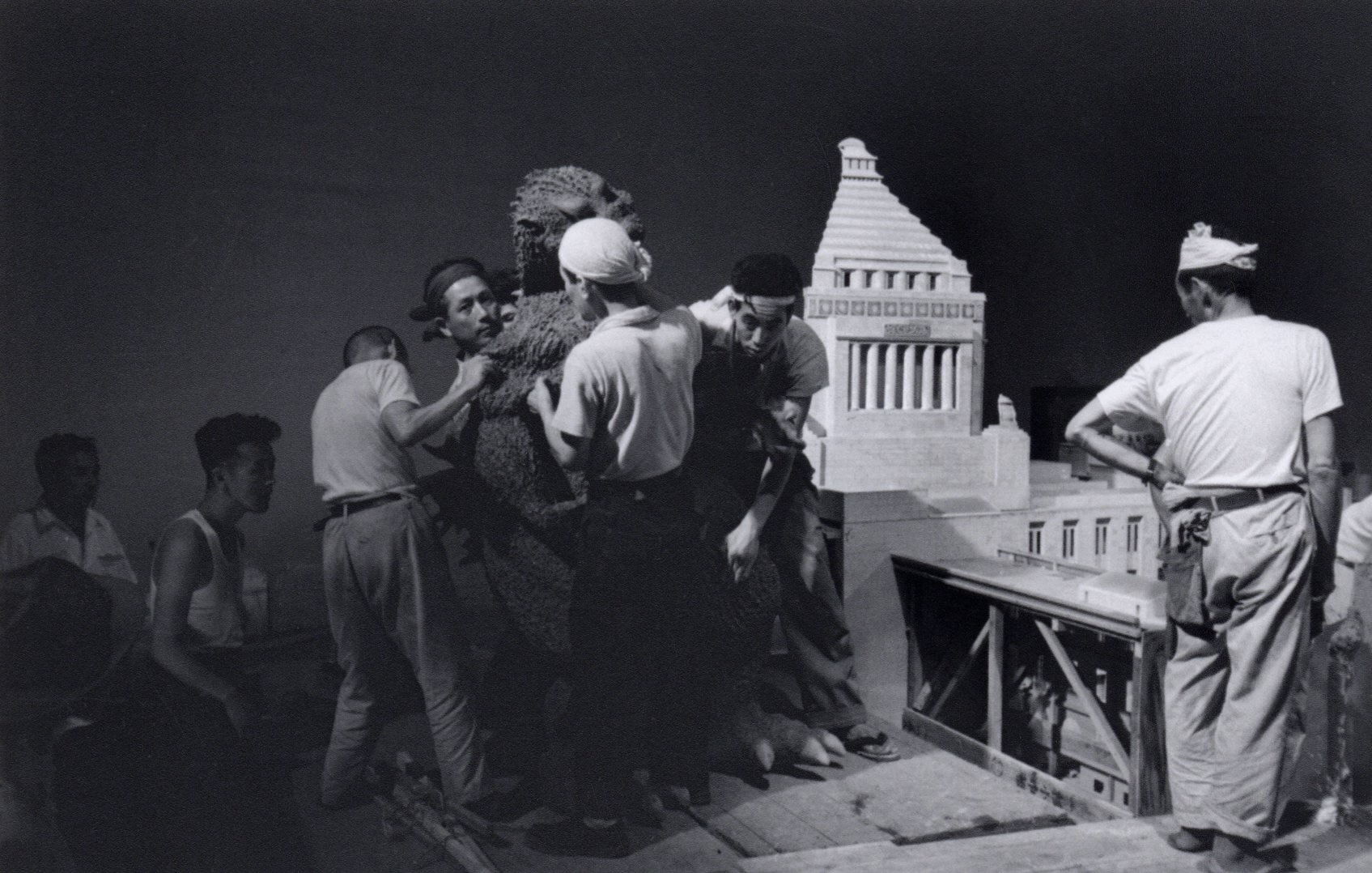
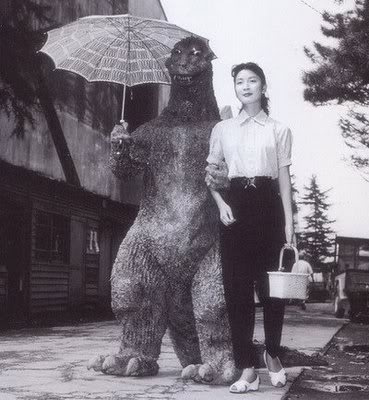
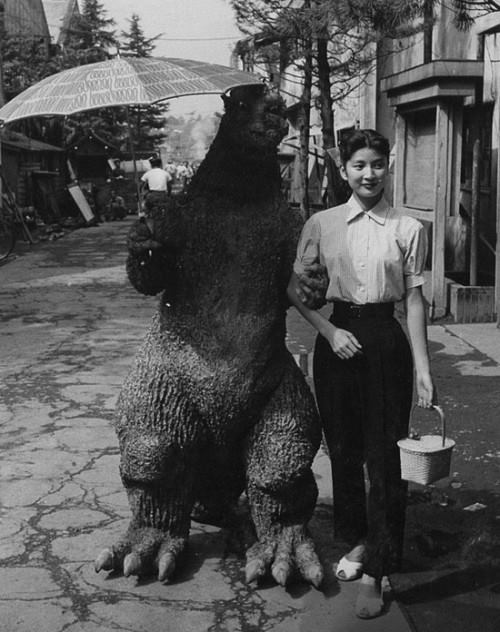
The ShodaiGoji was the first of its kind - a suit fully operated by a man inside of it. As there were no established procedures on how to build or operate a suit like the original Godzilla suit, Godzilla special effects artist Eiji Tsuburaya and the production staff had to pioneer a new technique later known as suitmation.[4] The ShodaiGoji suit and the original prototype suit were built by Eizo Kaimai.
The ShodaiGoji was primarily worn by Haruo Nakajima, who would go to portray Godzilla in every subsequent film up to Godzilla vs. Gigan. Nakajima said that he based Godzilla's walk on an Indian elephant named "Indira" that was living at Ueno Park in Tokyo around the time of production of Godzilla. He specifically focused on the way each foot came to a complete rest on the ground before it moved again.[5] The result projected strength and the illusion of size.[6] He also paid attention to the arm motions of bears and the head movements of birds. According to Nakajima, temperatures inside the suit reached up to 60 degrees Celsius, and he couldn't move the suit's left hand at all.
Use in other media
Short films, etc.
- Dream Challenge: Godzilla Appears in Sukagawa (2019)
- "The Faceless Star" (2019) [commercial]
- "The Impact of a Blue Day" (2021) [commercial]
- "GO YOUR WAY" (2023) [commercial]
- "Yours Ever" (2024) [music video]
- Tokyo GODZILLAs (2024)
- Is Your Godzilla Collection Stop-Motion Ready? (2026)
Web series
- Godziban (web 2019-2025) [episodes 14, 20, 33-34, 40, 47, and 50; special episode 3] [as Grandpa Zilla]
Video games
- CinemaScope Adventure: Godzilla (1984) - NEC PC-8801 and Fujitsu FM-7
- Godzilla (1993) - NEC PC-9801 [stills]
- Godzilla Generations (1998) - Sega Dreamcast
- Godzilla: Trading Battle (1998) - Sony PlayStation
- Godzilla: Giant Monsters All-Out Typing Attack (2001) - IBM PC/AT, NEC PC98-NX [opening, end credits]
- Godzilla: Unleashed (2007) - Nintendo Wii
- Monster Strike (2013) - Android and iOS
- Godzilla (2014) - PlayStation 3 and 4 [Kaiju Guide]
- Godzilla Kaiju Collection (2015) - Android and iOS
- Kai-Ri-Sei Million Arthur (2014; added in 2016) - Android and iOS
- Godzilla Defense Force (2019) - Android and iOS
- Godzilla Battle Line (2021; added in 2022) - Android, iOS, and PC
- XR World (2022) - Android, iOS, and PC
- Minecraft: Bedrock Edition (2011; added in 2024) - Mobile, Windows, Chromebook, PlayStation, Nintendo Switch, Xbox
- Digimon Color Godzilla 70th Edition (2025) – handheld game
Tabletop games
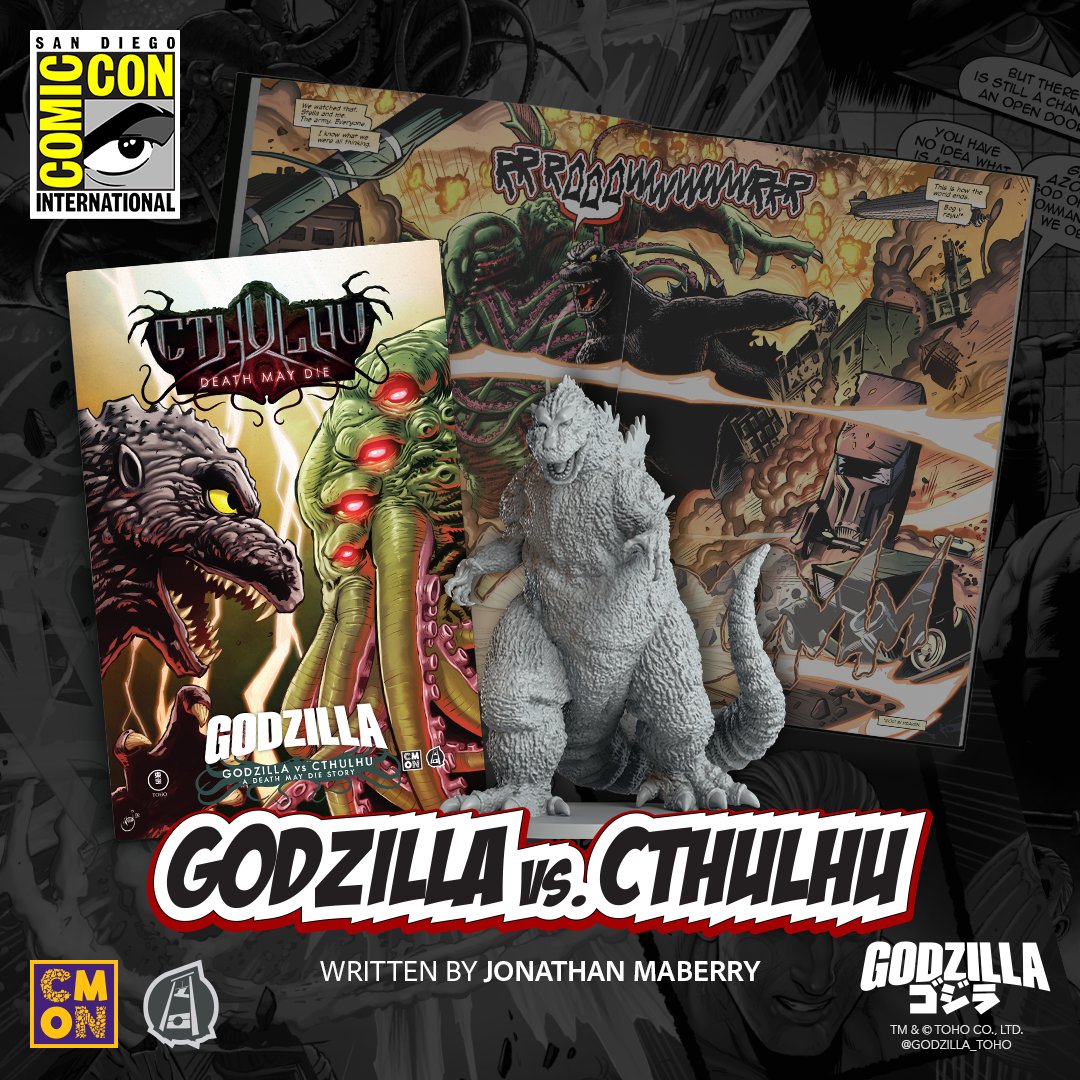
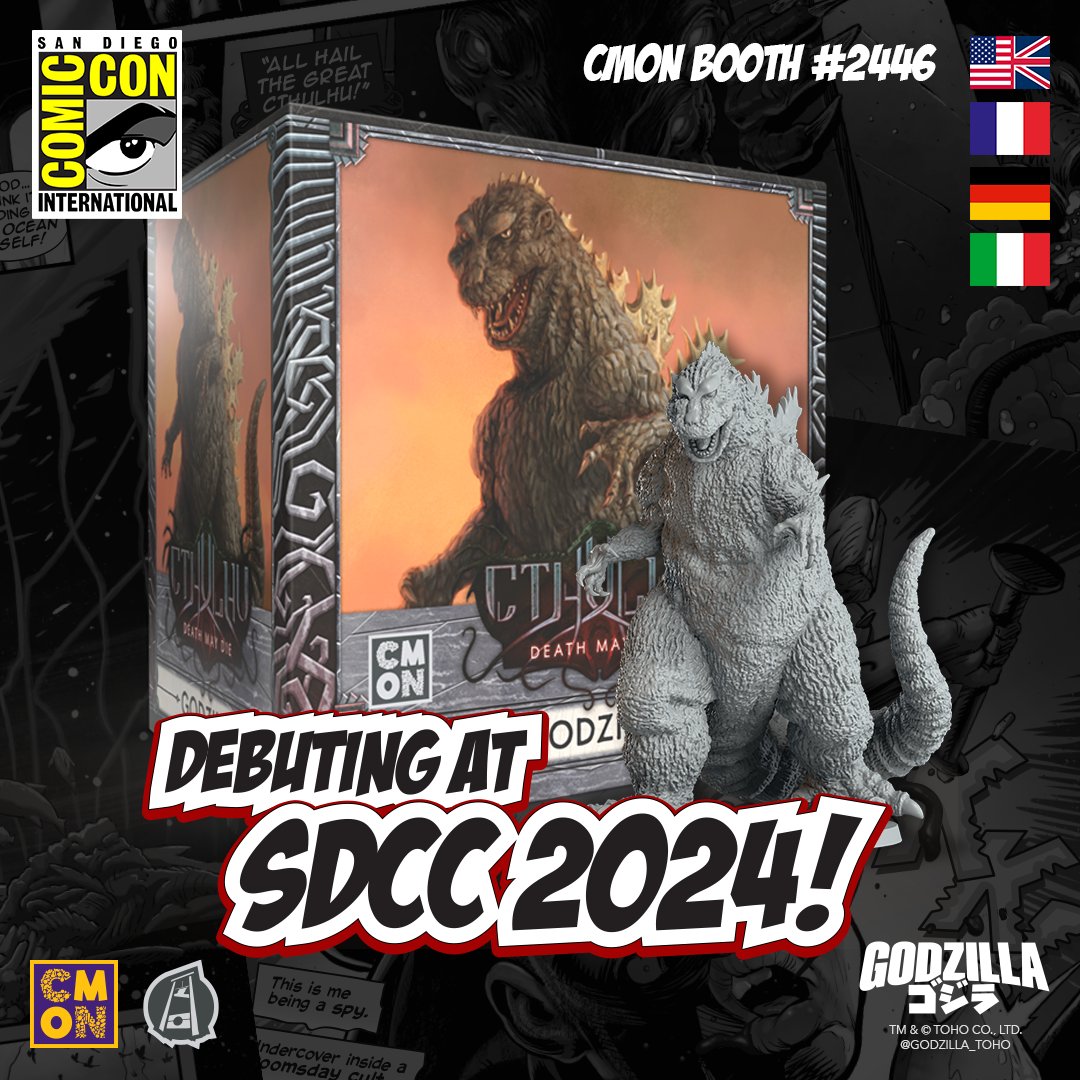
- Cthulhu: Death May Die (2019; added in 2024)
Books
Comics
- Romeo & Juliet and Godzilla (2026)
Gallery
Concept art
Godzilla (1954)
-
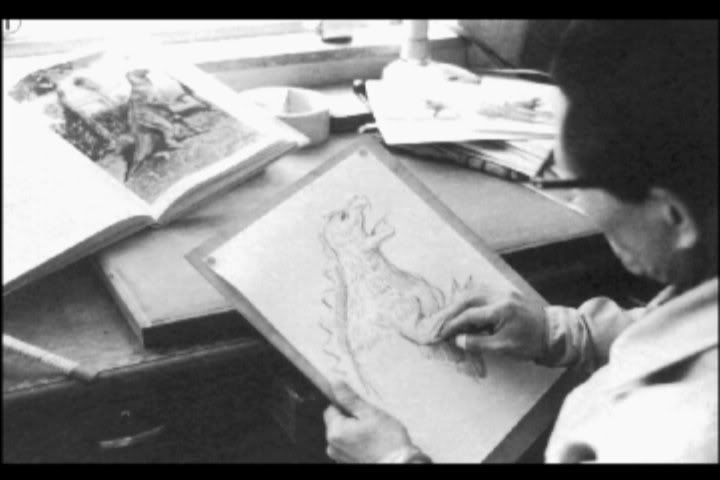
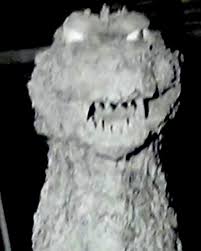
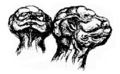 Godzilla head concept art
 -
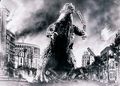 Godzilla concept art
 -
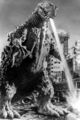 Godzilla concept art
 -
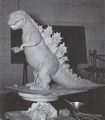 Godzilla concept statue
 -
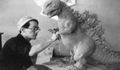 Godzilla concept statue
 -
 Godzilla concept statue
 -
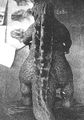 Godzilla concept statue
 -
 Godzilla concept statue
 -
 Godzilla concept statue
 -
 Godzilla concept statue
 -
 Godzilla concept statue
 -
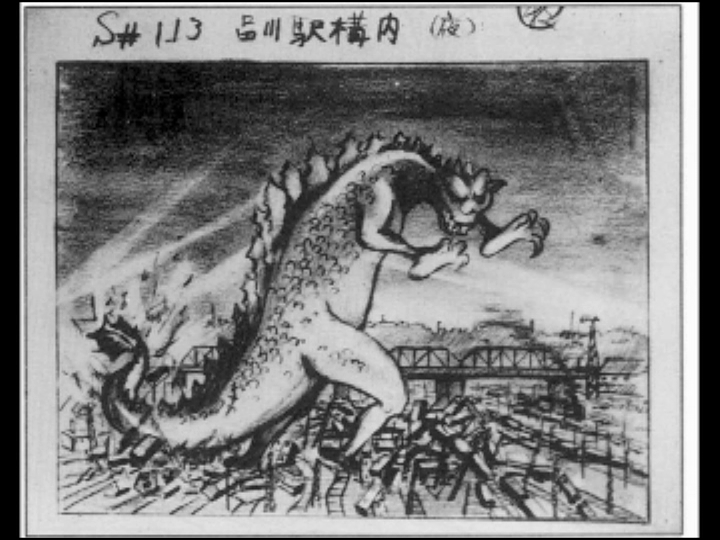
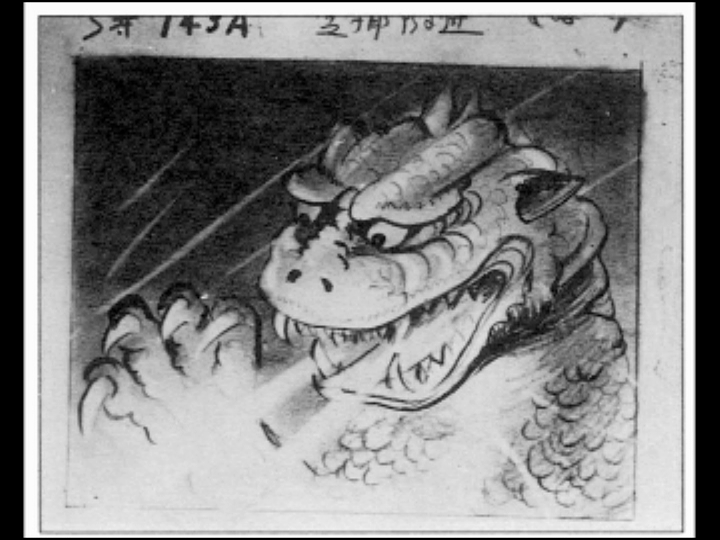
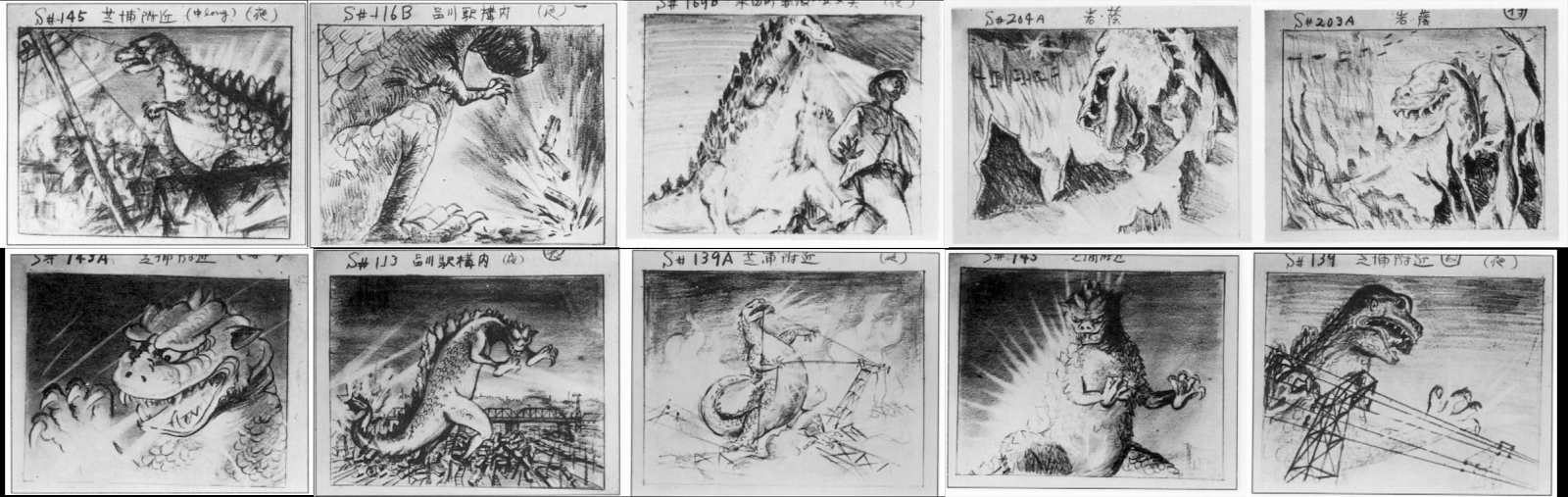
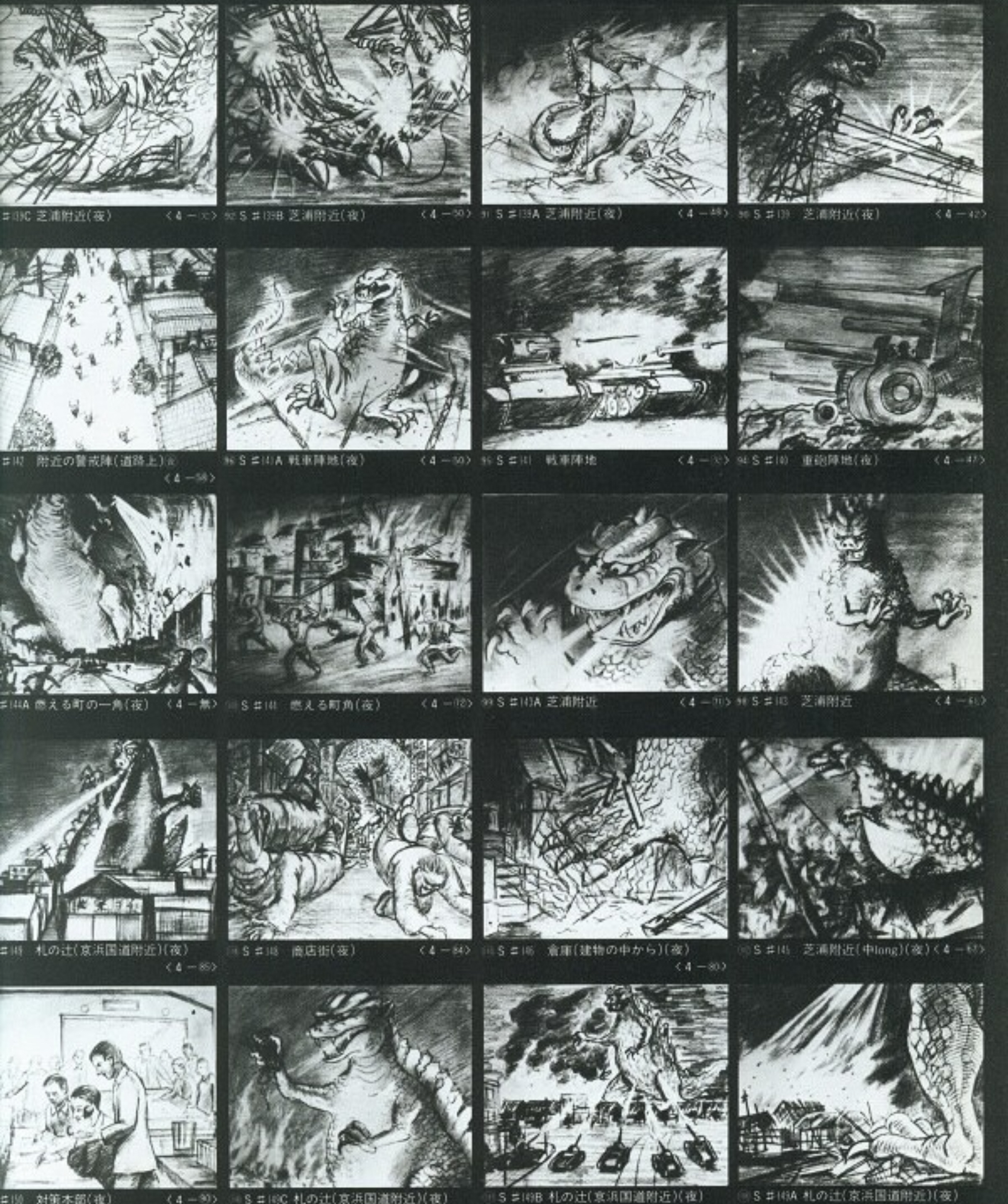
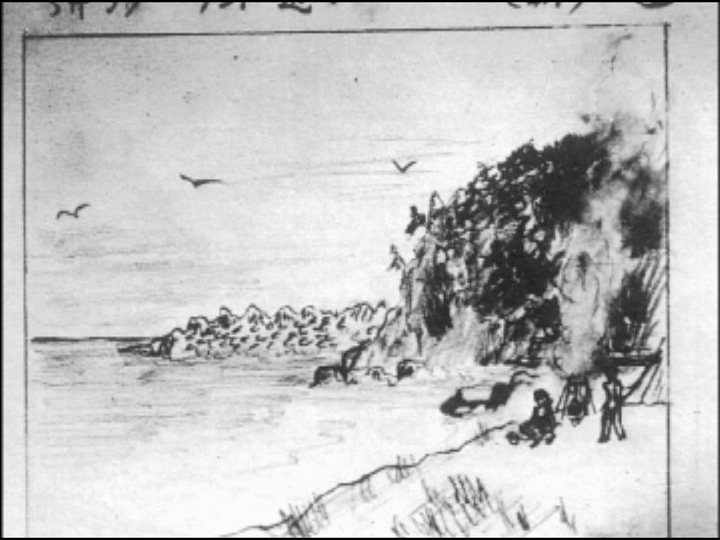
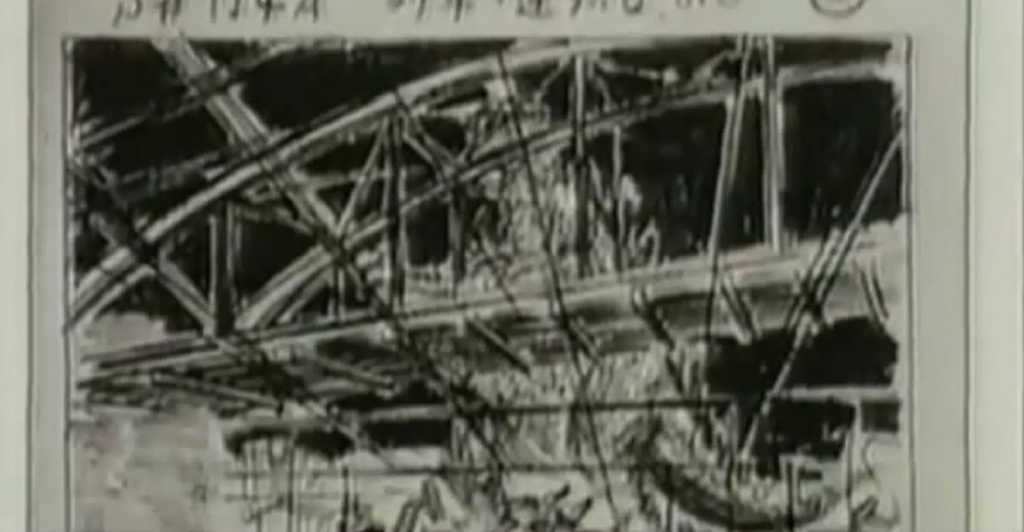
 Storyboard
 -
 Storyboard
 -
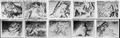 Storyboards
 -
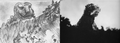 Storyboard
 -
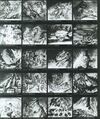 Storyboards
 -
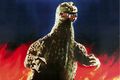 Artwork
 -
-
-
-
-
-
-
-
-
-
-
-
-
-
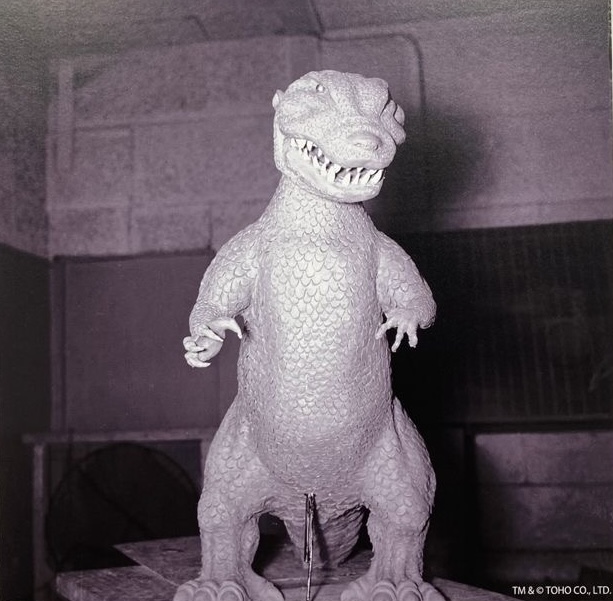
Production
Godzilla (1954)
-
-
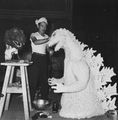 Painting the ShodaiGoji suit
 -
-
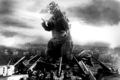 The finished ShodaiGoji
 -
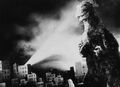
-
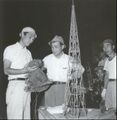
-
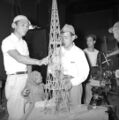
-
-
-
-
-
-
-
Godzilla skeleton prop
-
-
-
-
-
-
-
-
-
-
-
-
-
-
-
-
-
-
-
-
-
-
-
-
-
-
-
-

-
-
-
-
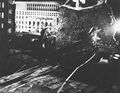
-
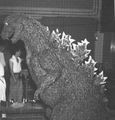
-
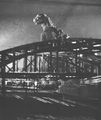
-
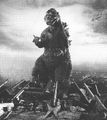
-
-
-
-
-
-
-
-

-
-

-
-
-
-
-
-
-
-
-
-
-
-
-
-
-
-
-
-
-
-
-
-
-
-
-
-
-
-
-
-
-
-
-
-
-
-
-
-
-
-
-
-
-
-
-
-
-
-
-
-
-
-
-
-
-
-
-
-
-
-
-
-
-
-
-
-
-
-
-
-
-
-
-

-
-
-
-
-
-
-
-
-
-
-
-
-
-

-

-

-
-
-
-
-
-
-
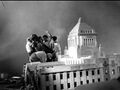
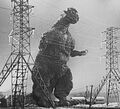
 Deleted scene
 -
-
-
-
-
-
-
-
-
-
-
-
-
-
-
-
-
-
-
-
-
-
-
-
-
-
-
-
-
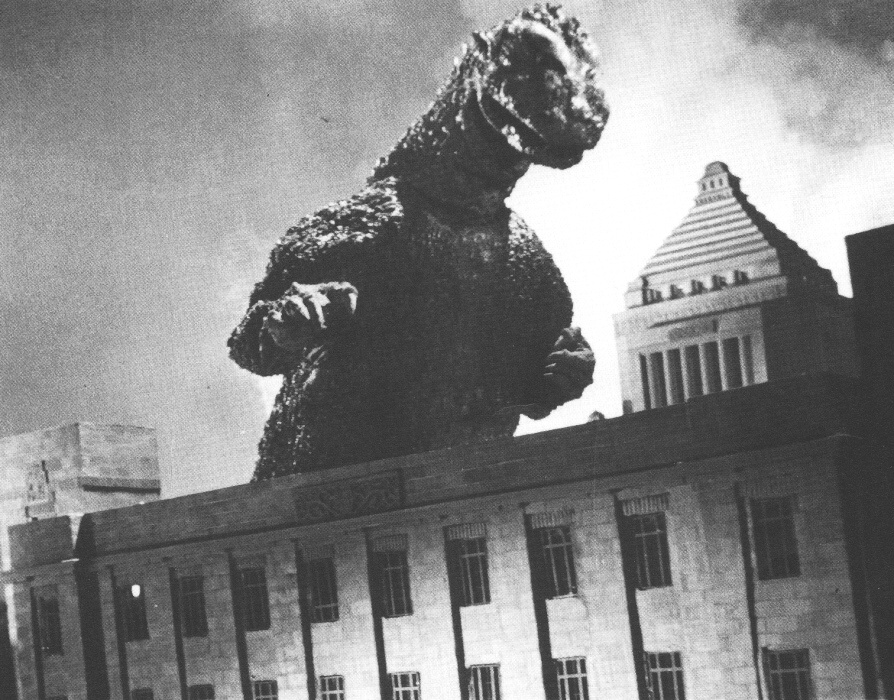
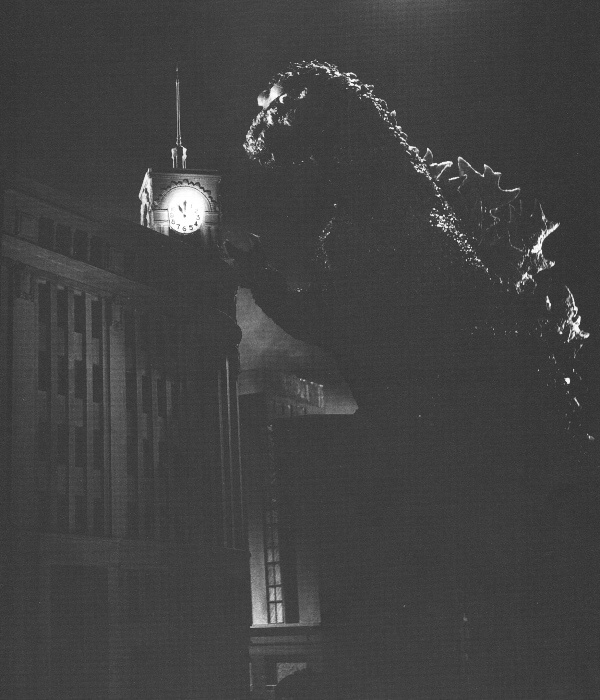
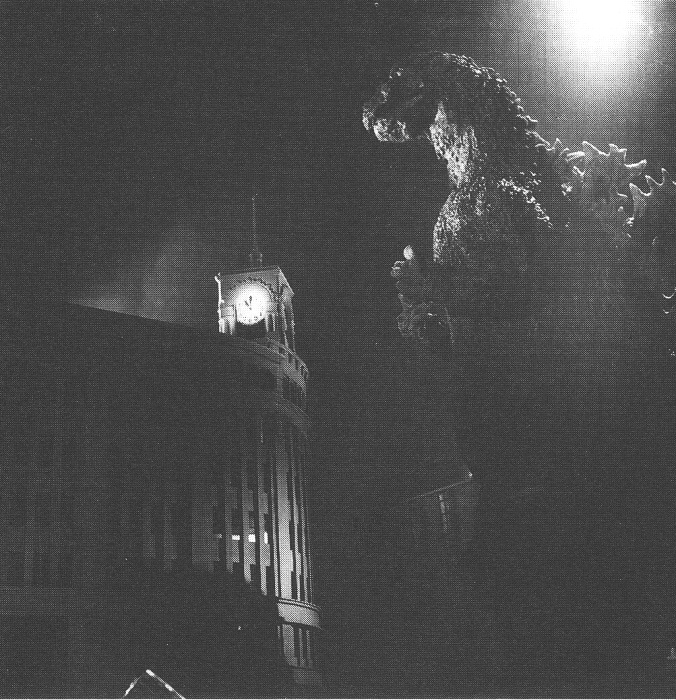
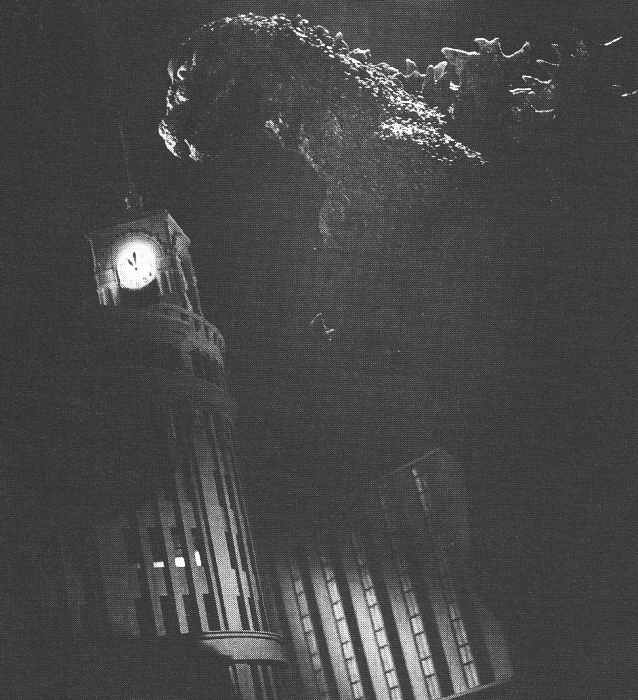
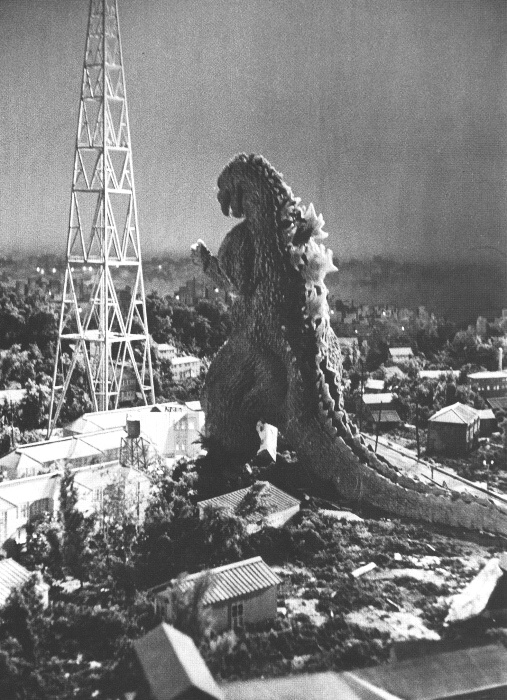
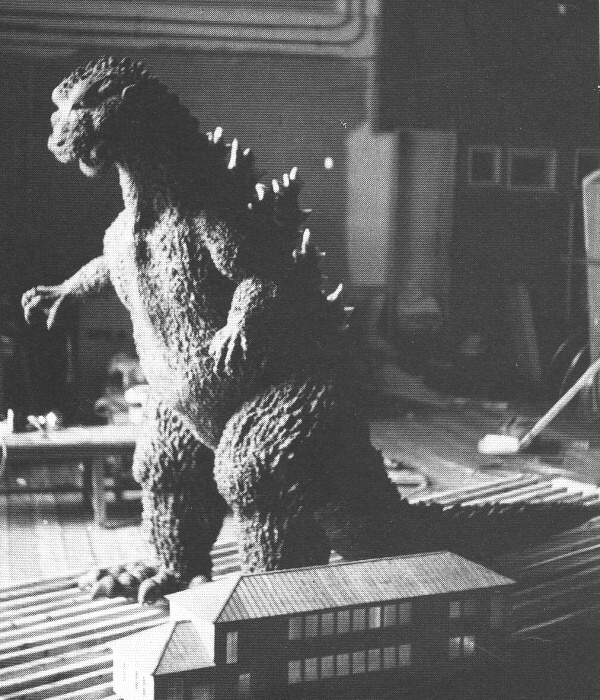
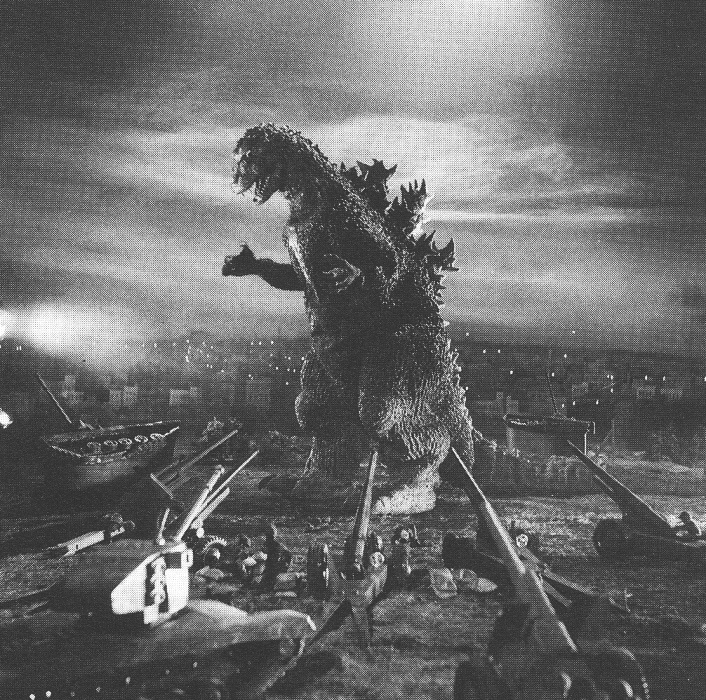
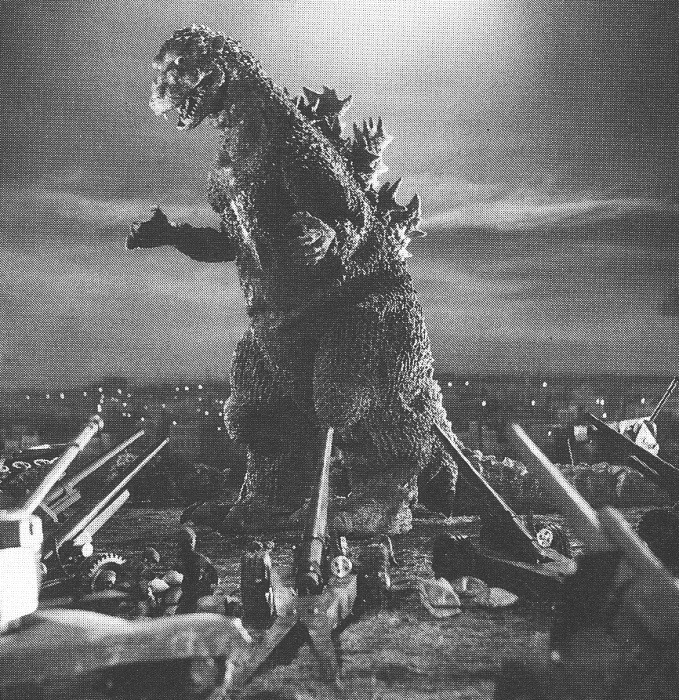
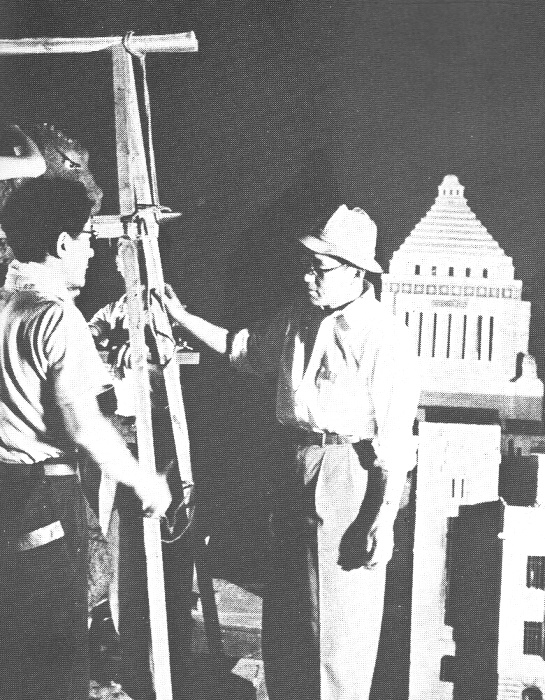
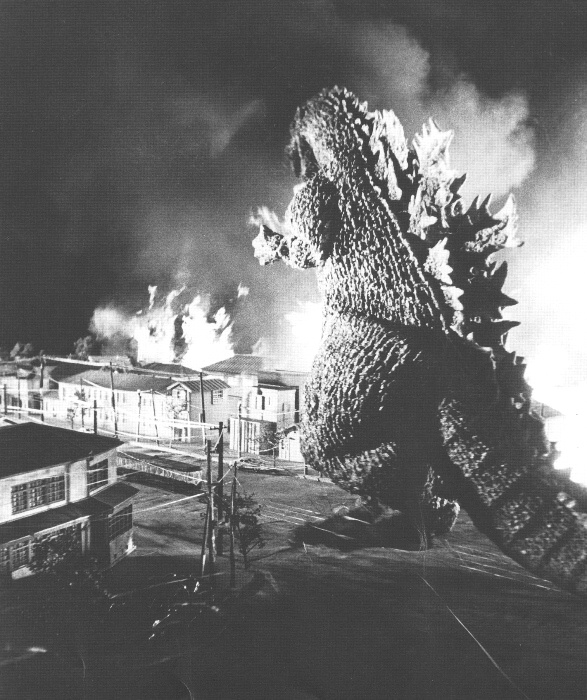
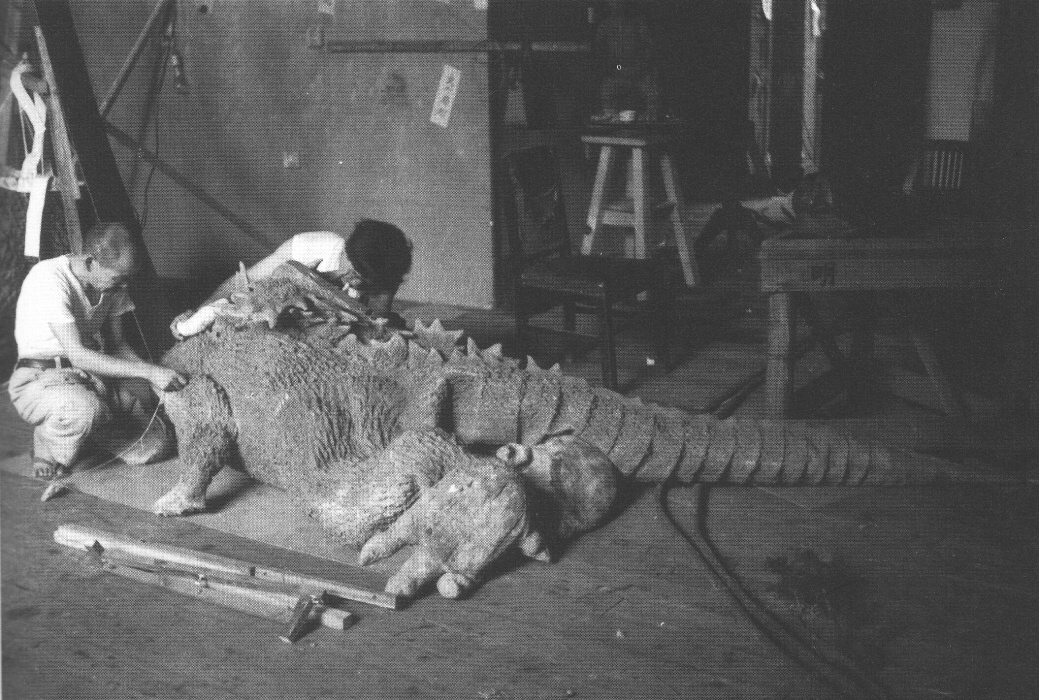
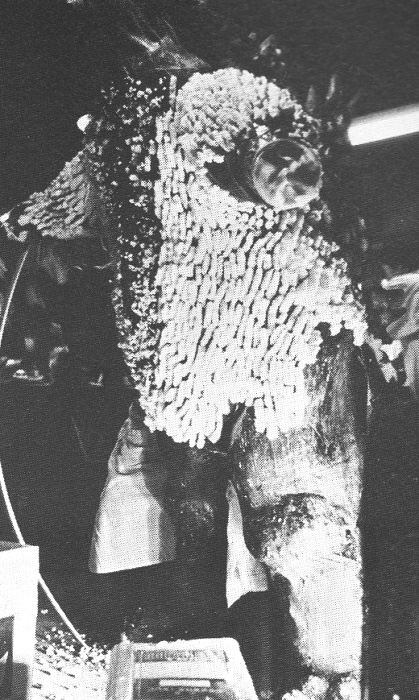
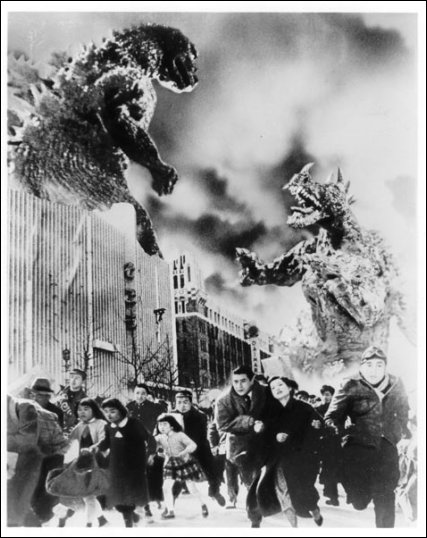
Godzilla Raids Again


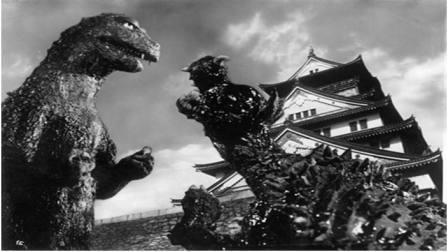

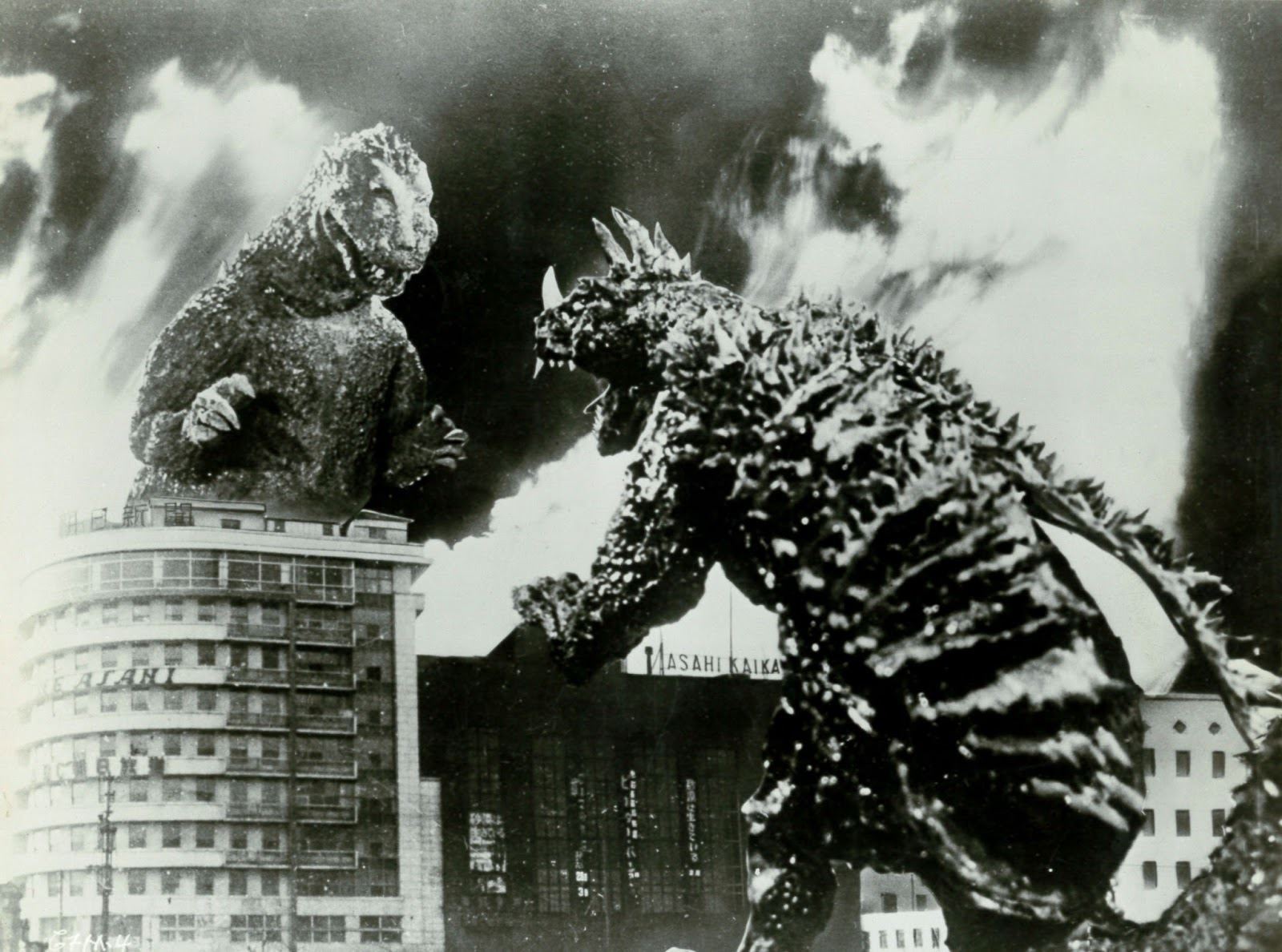
Godzilla Against Mechagodzilla
Dream Challenge: Godzilla Appears in Sukagawa
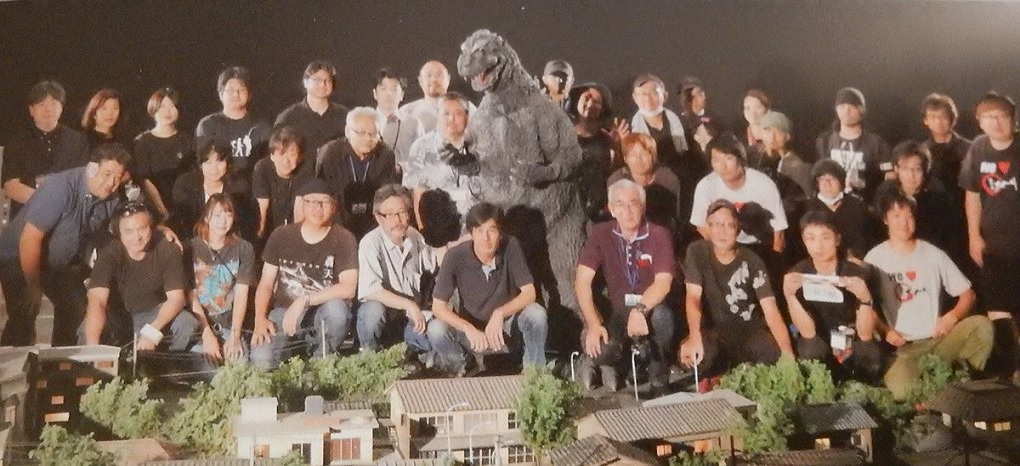
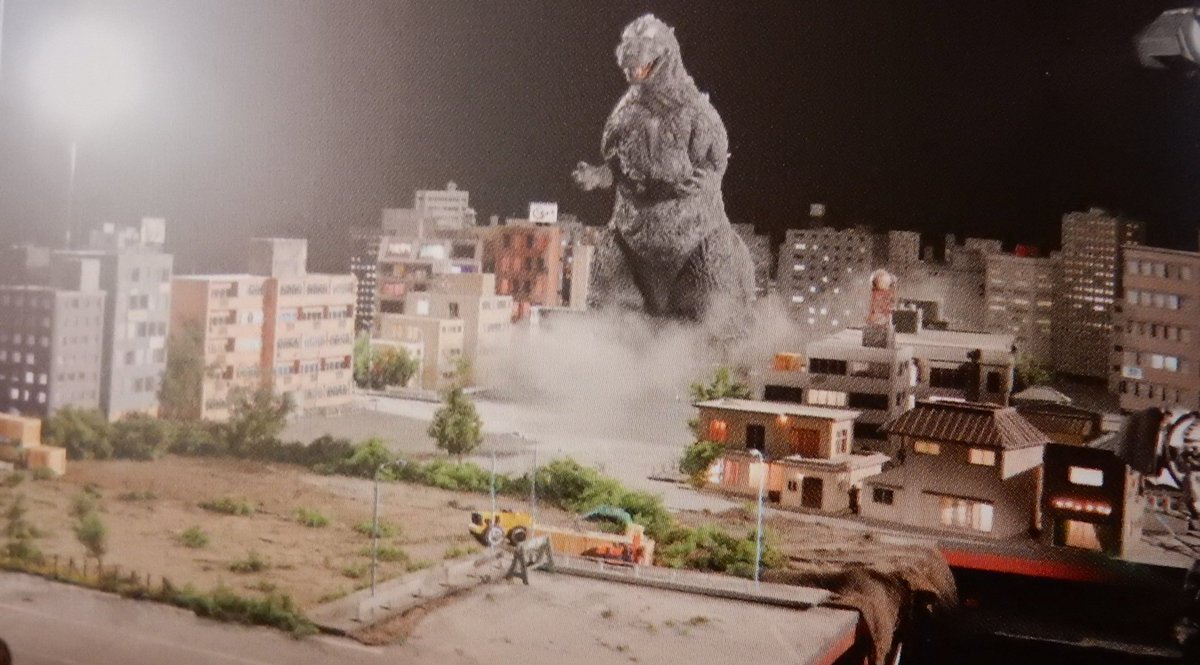
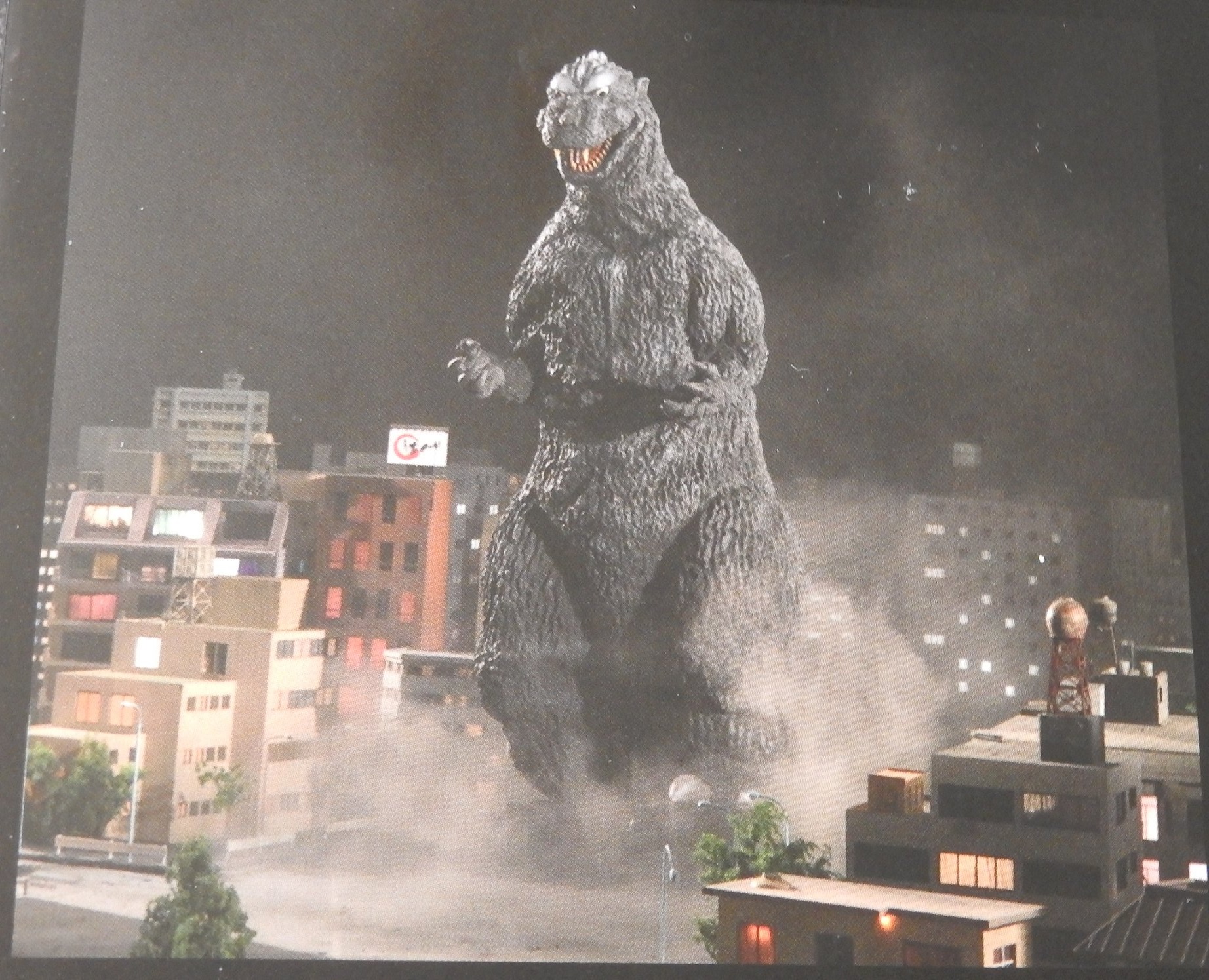
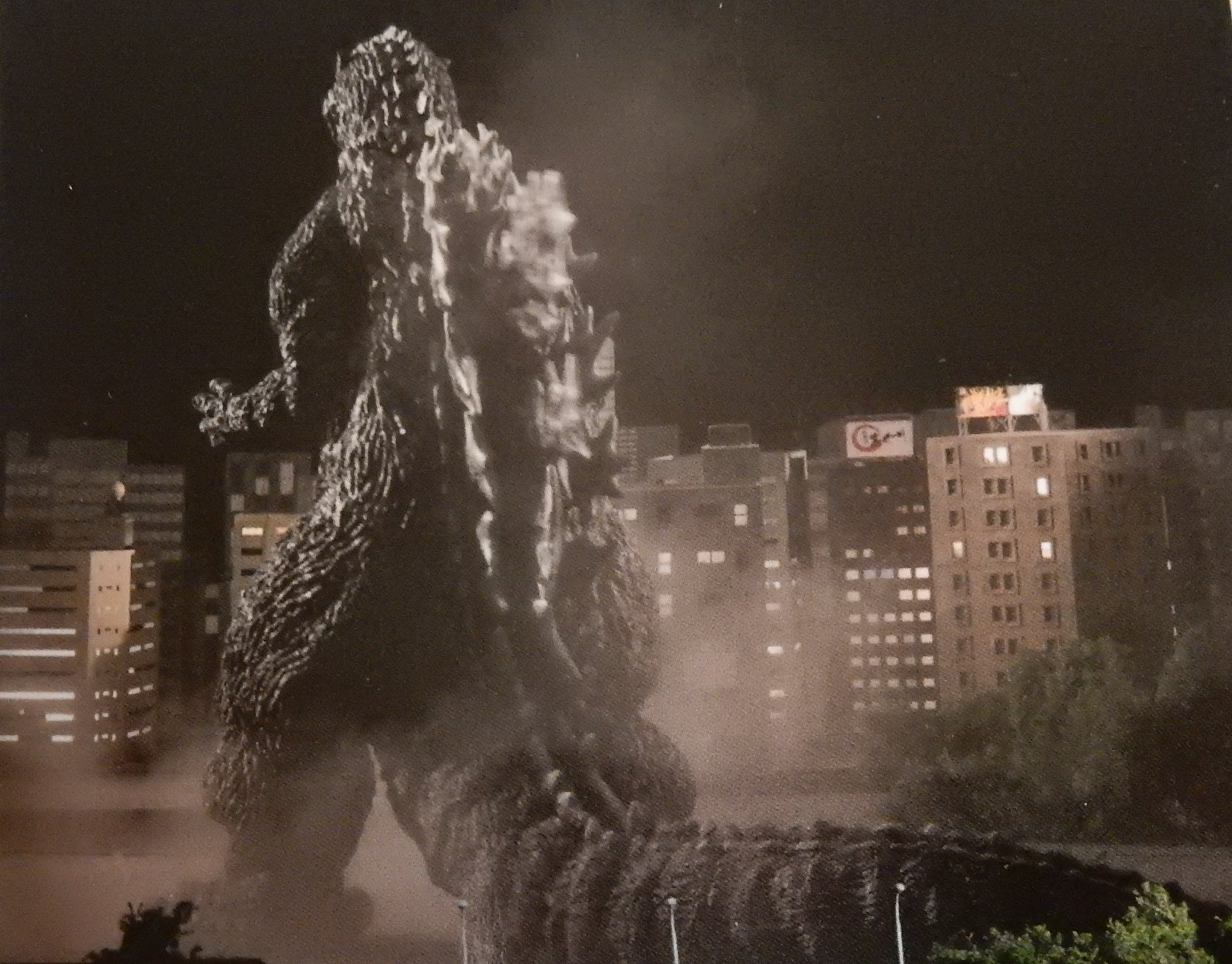
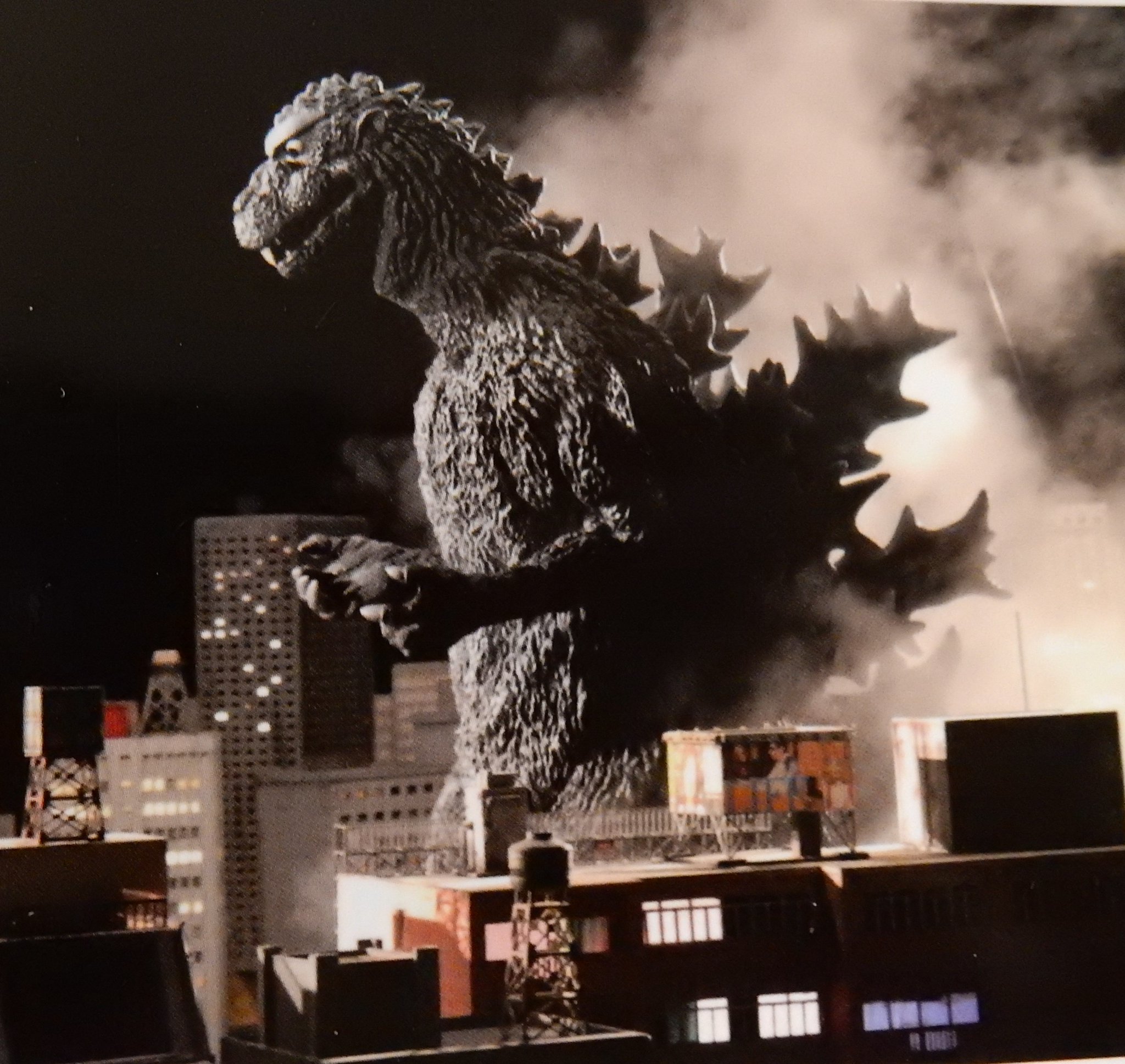
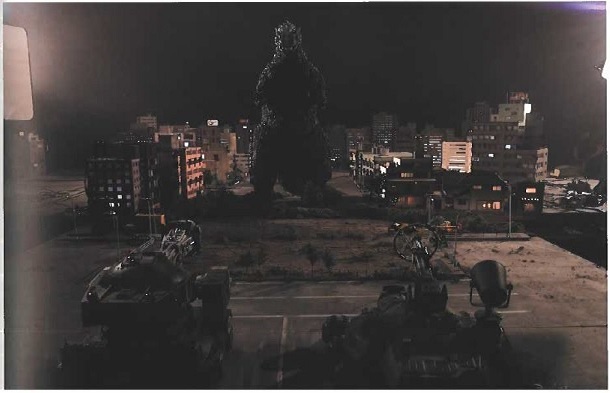
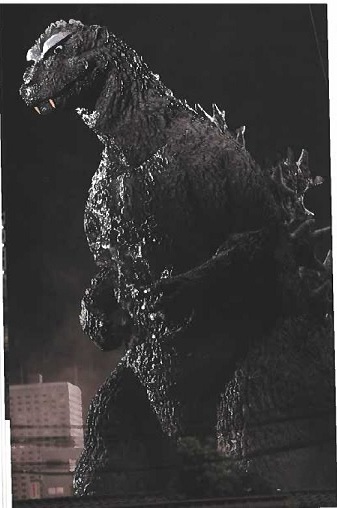
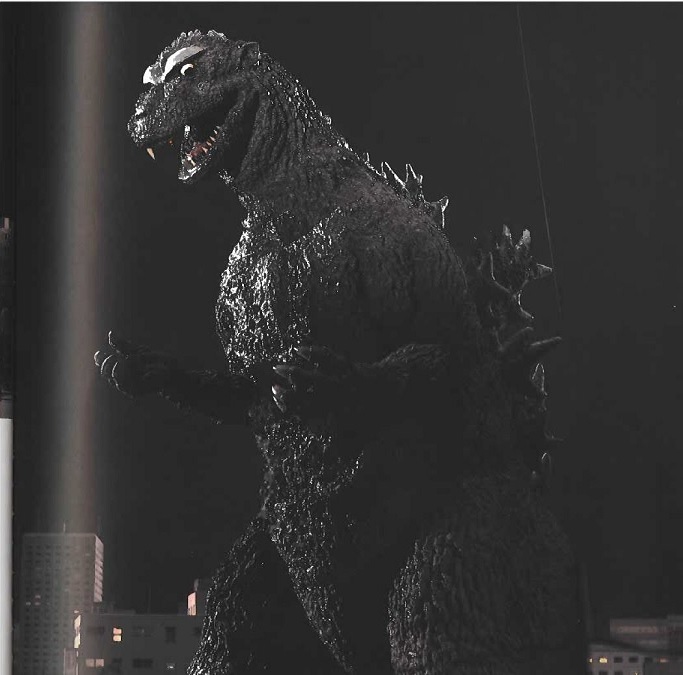
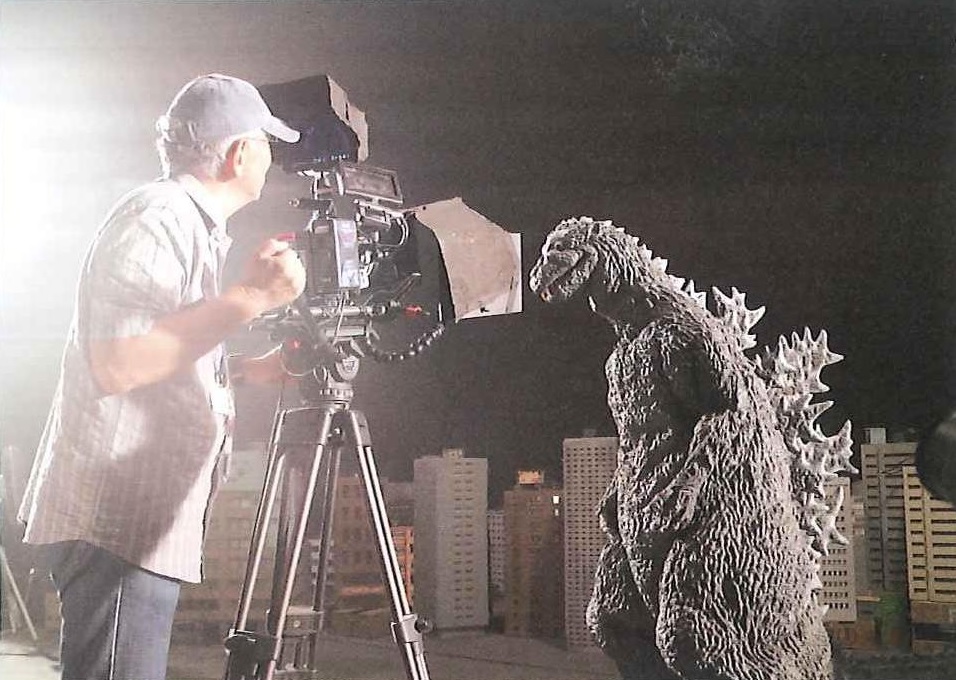
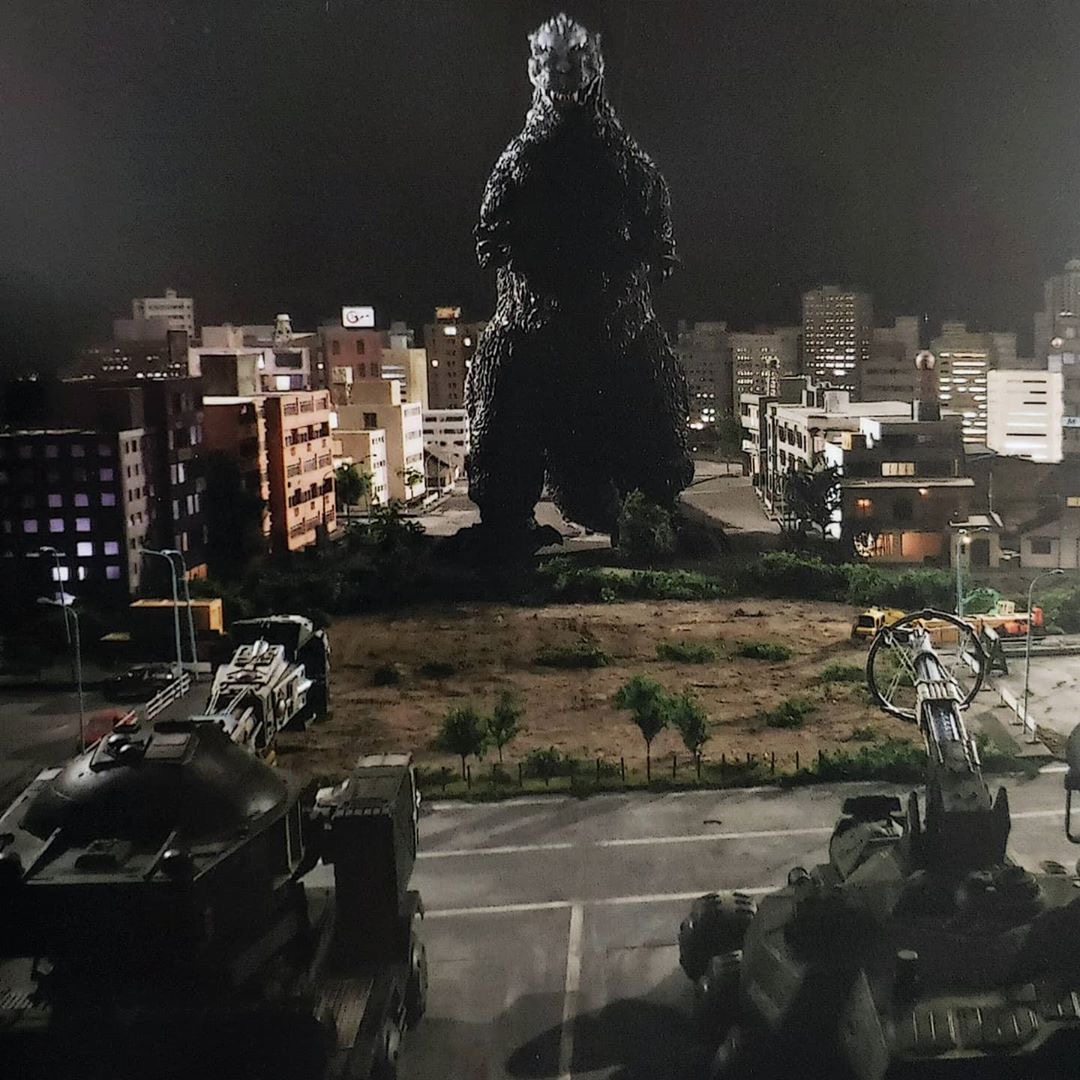
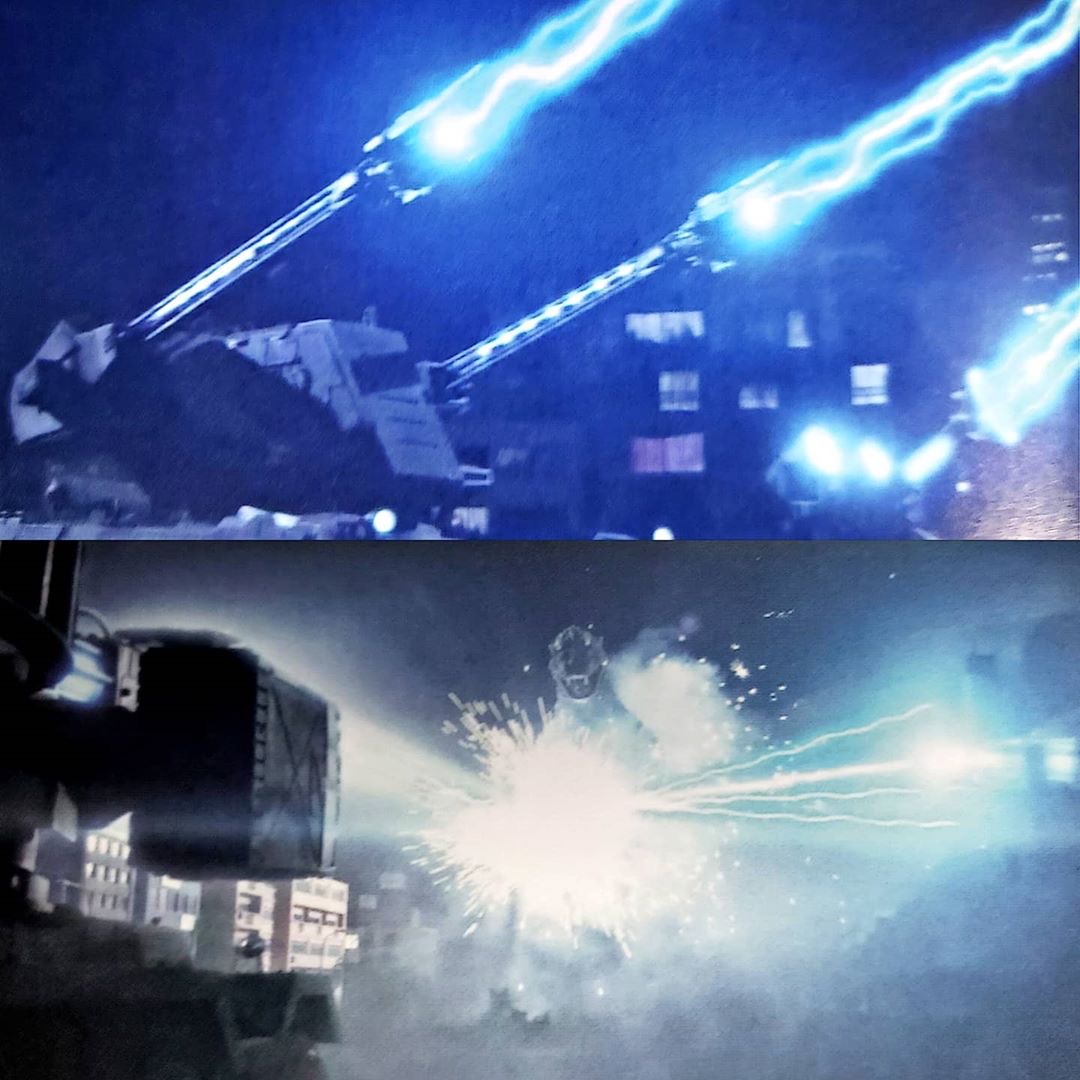
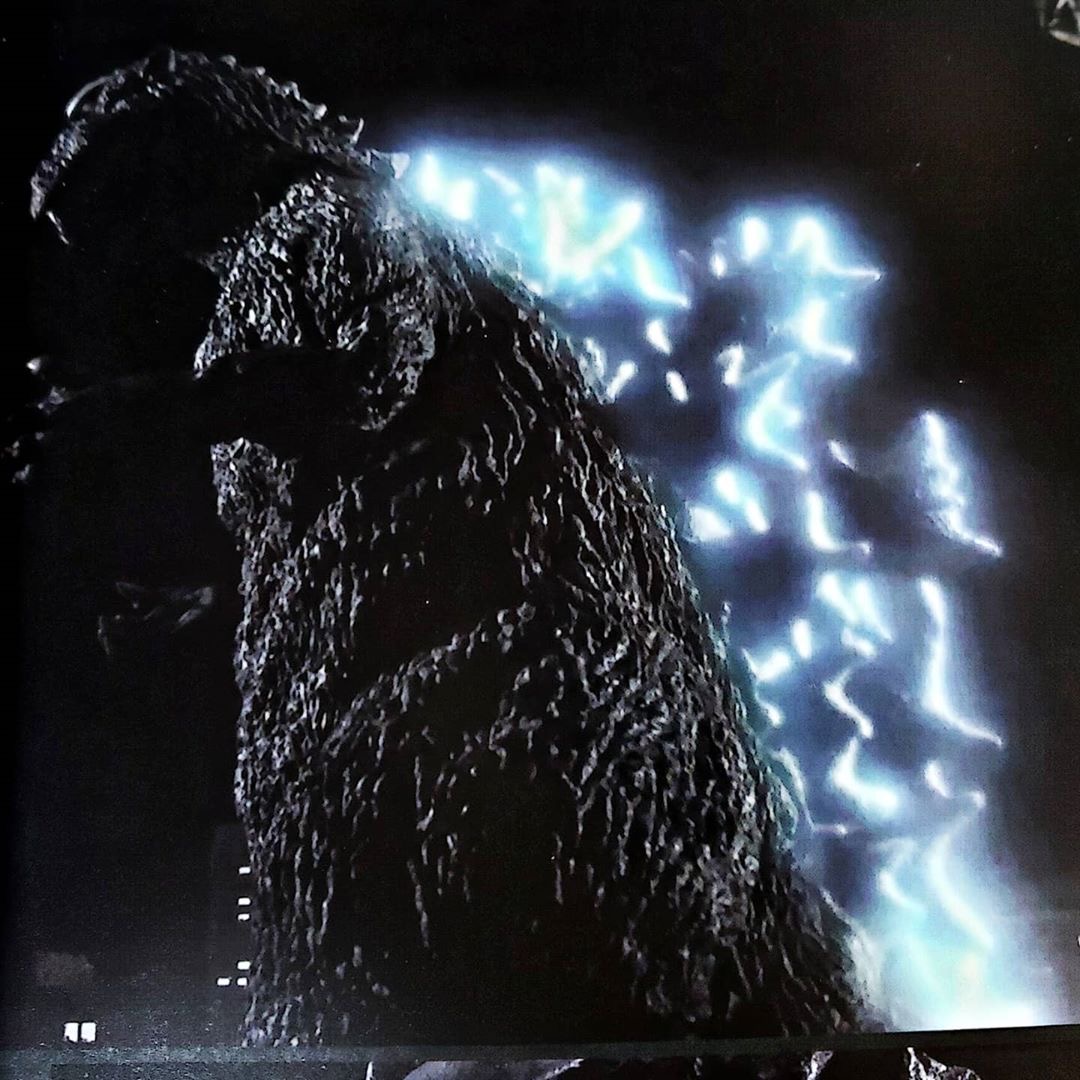
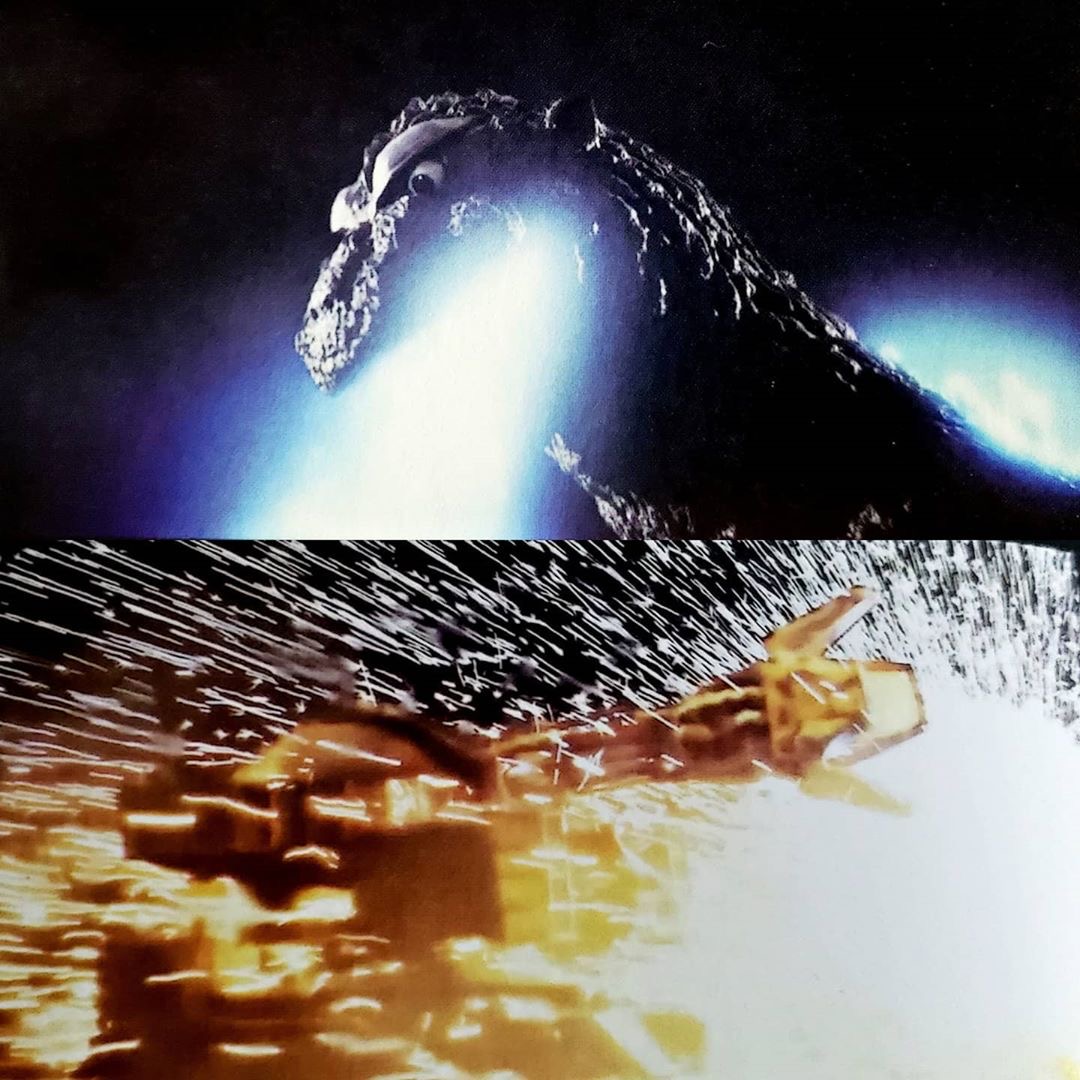
Screenshots
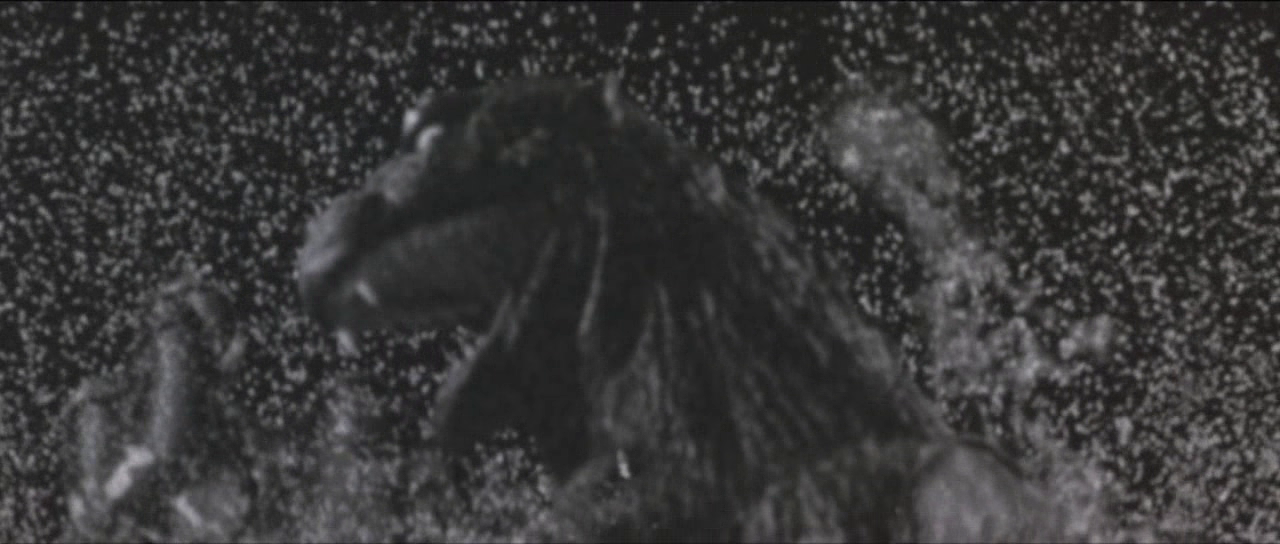
Godzilla (1954)
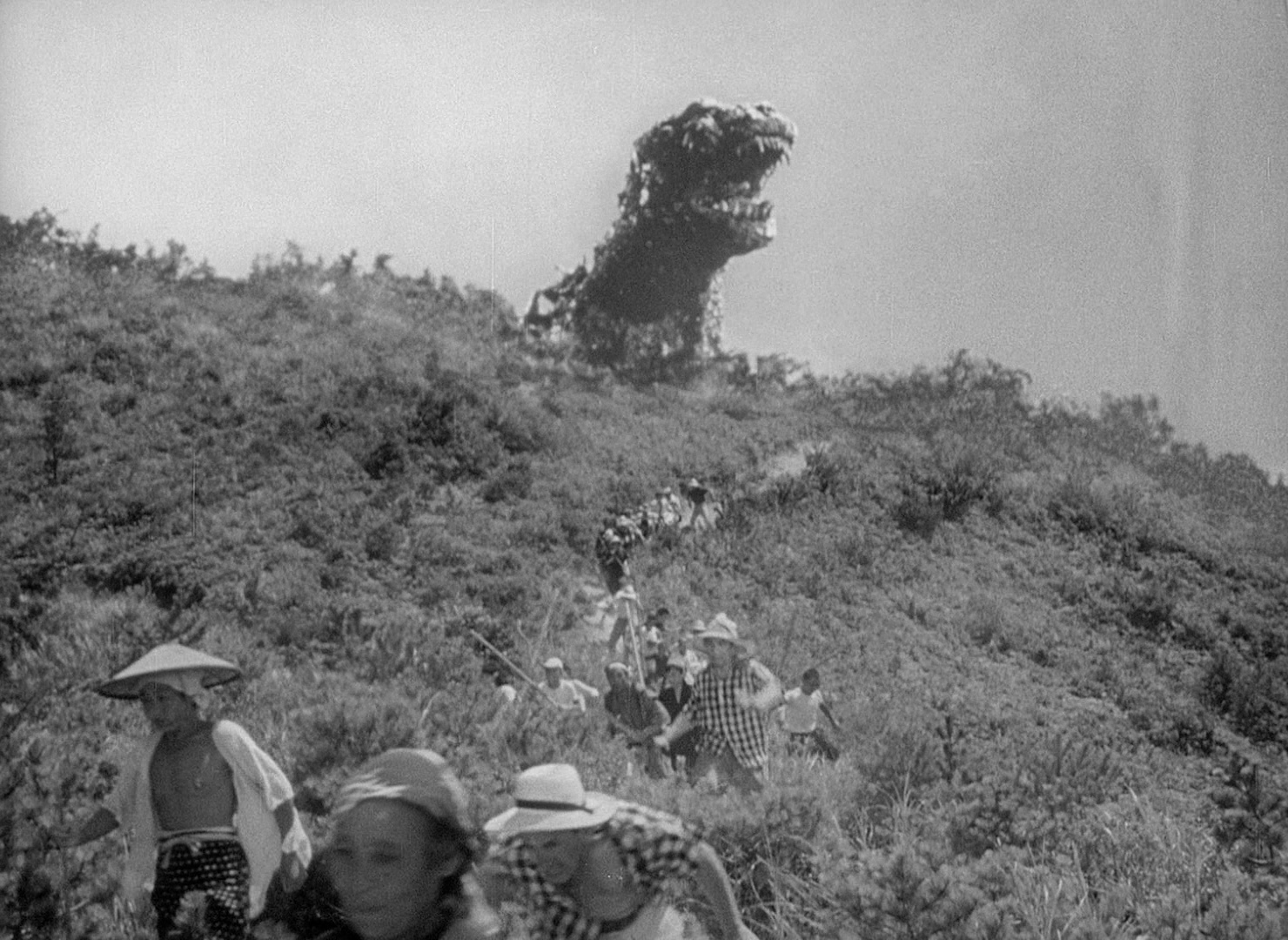
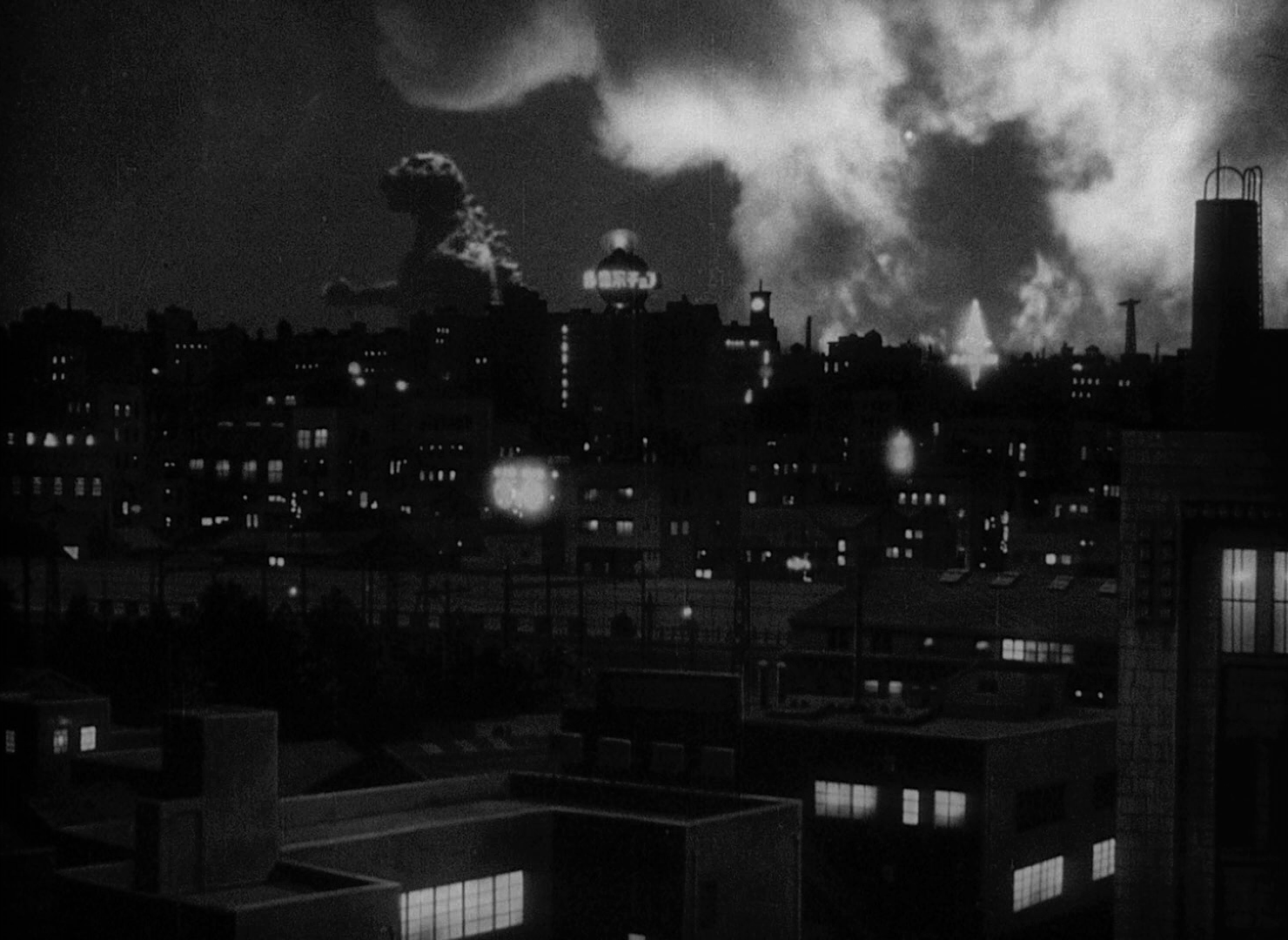
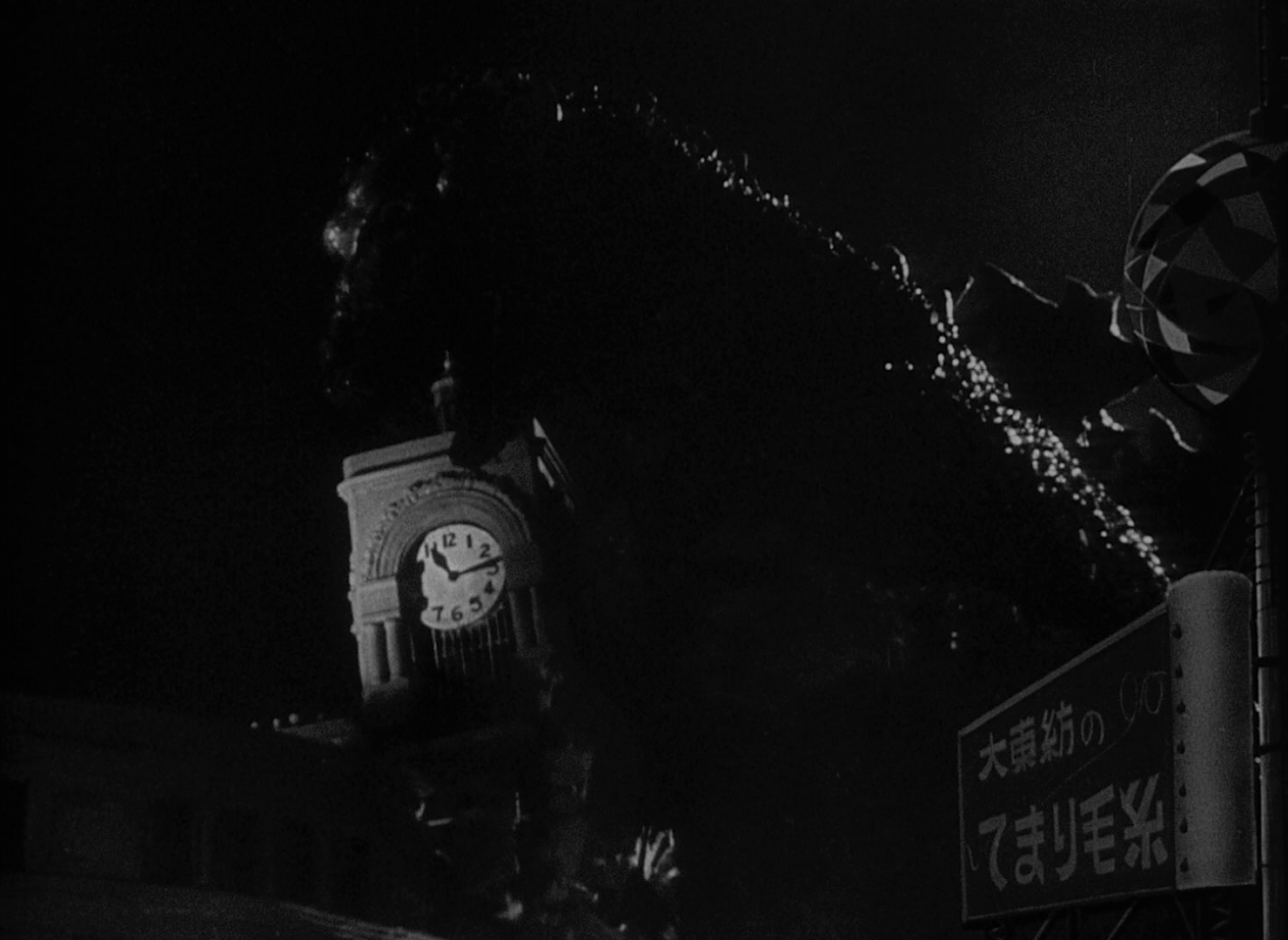
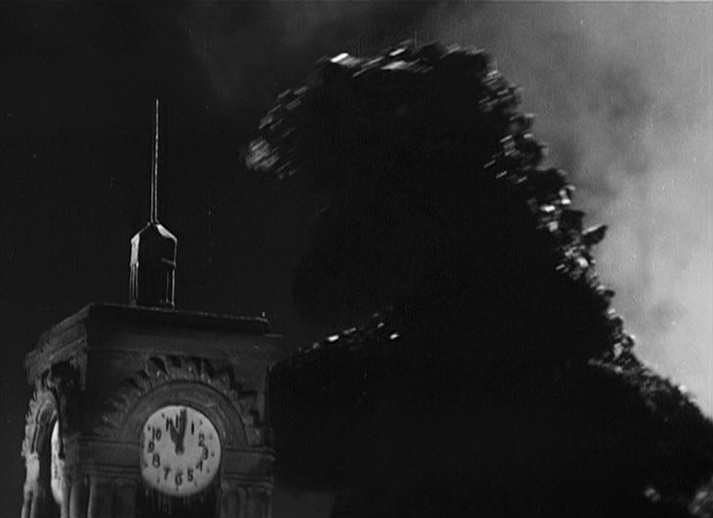
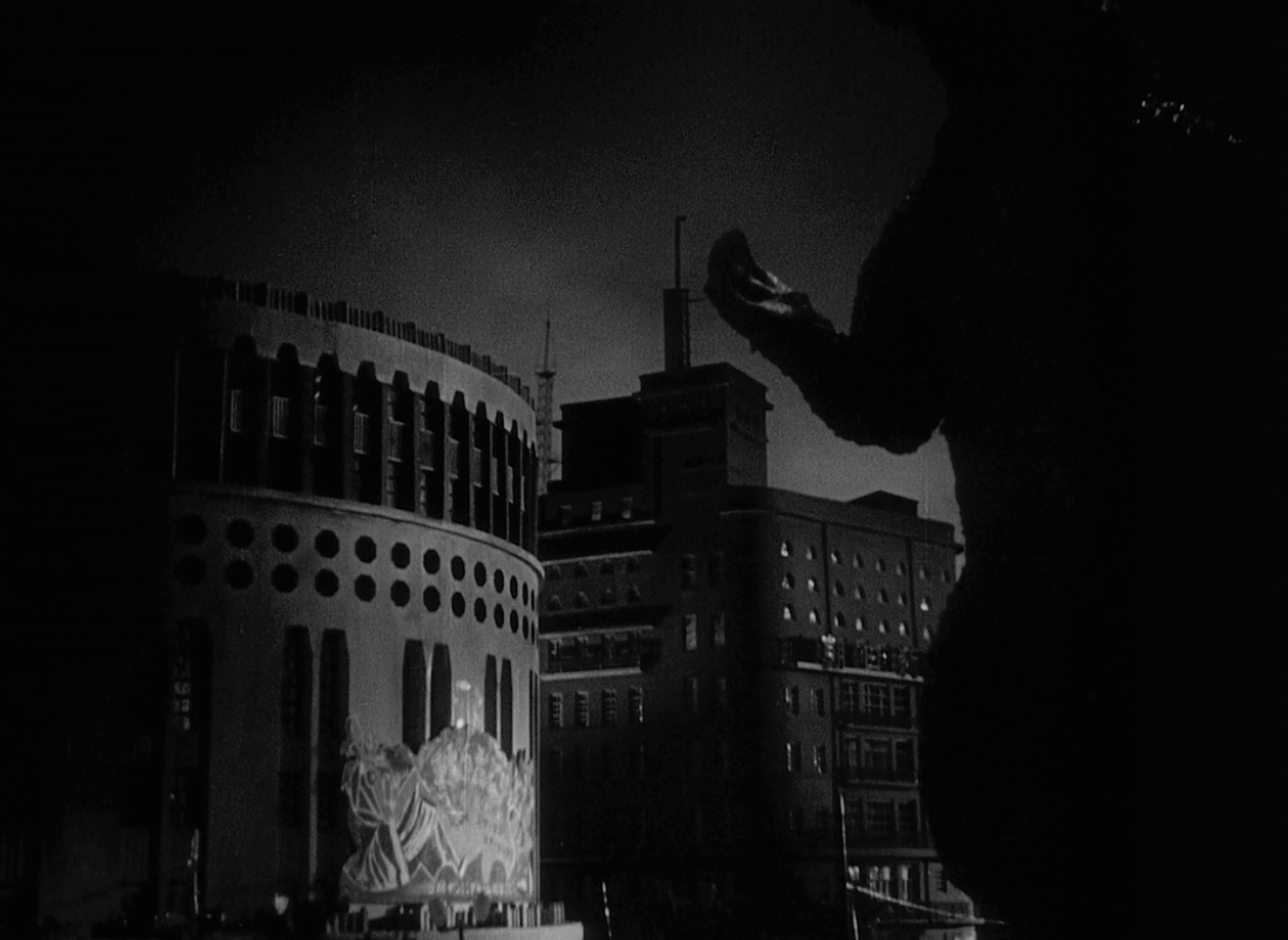
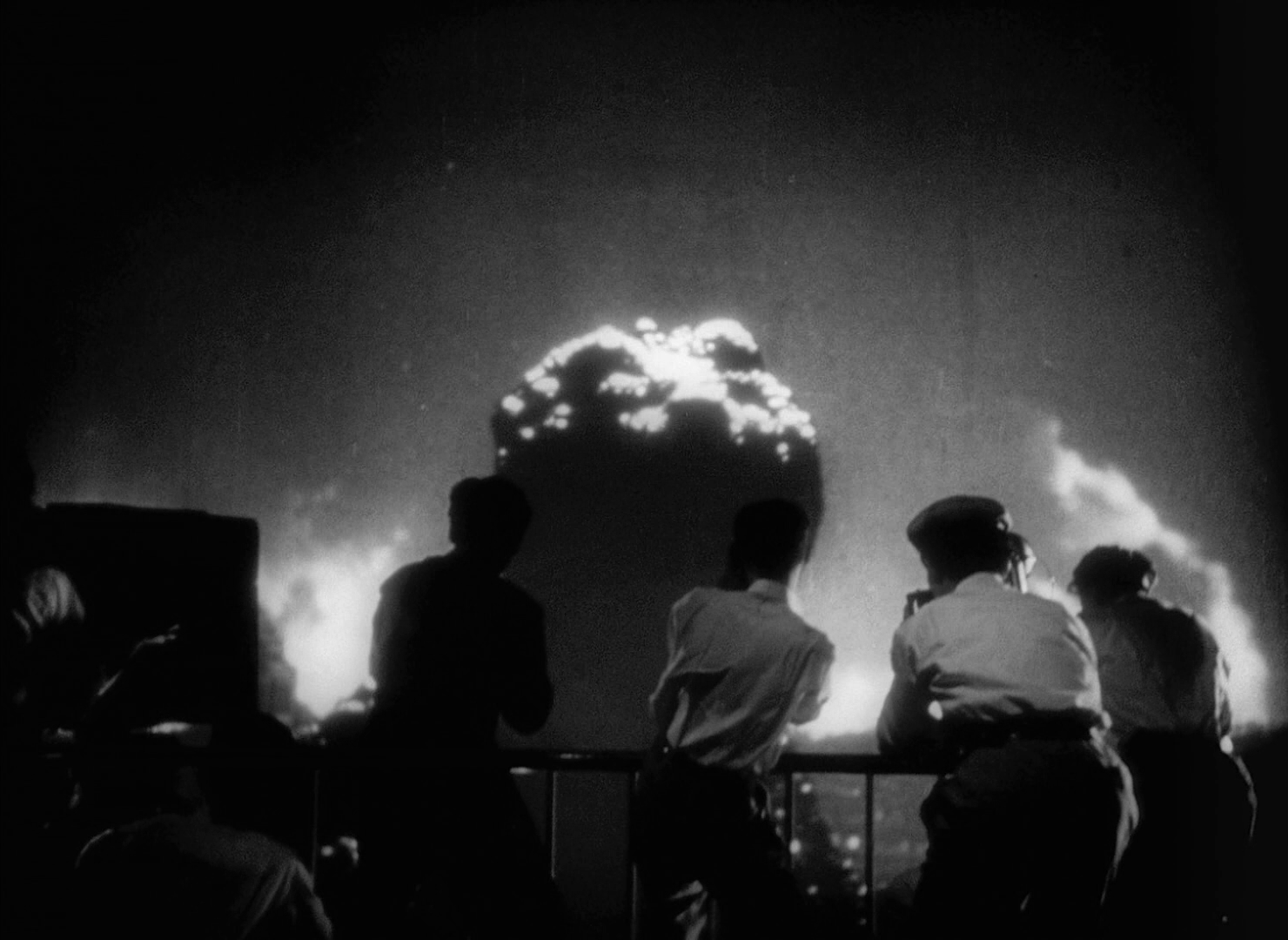
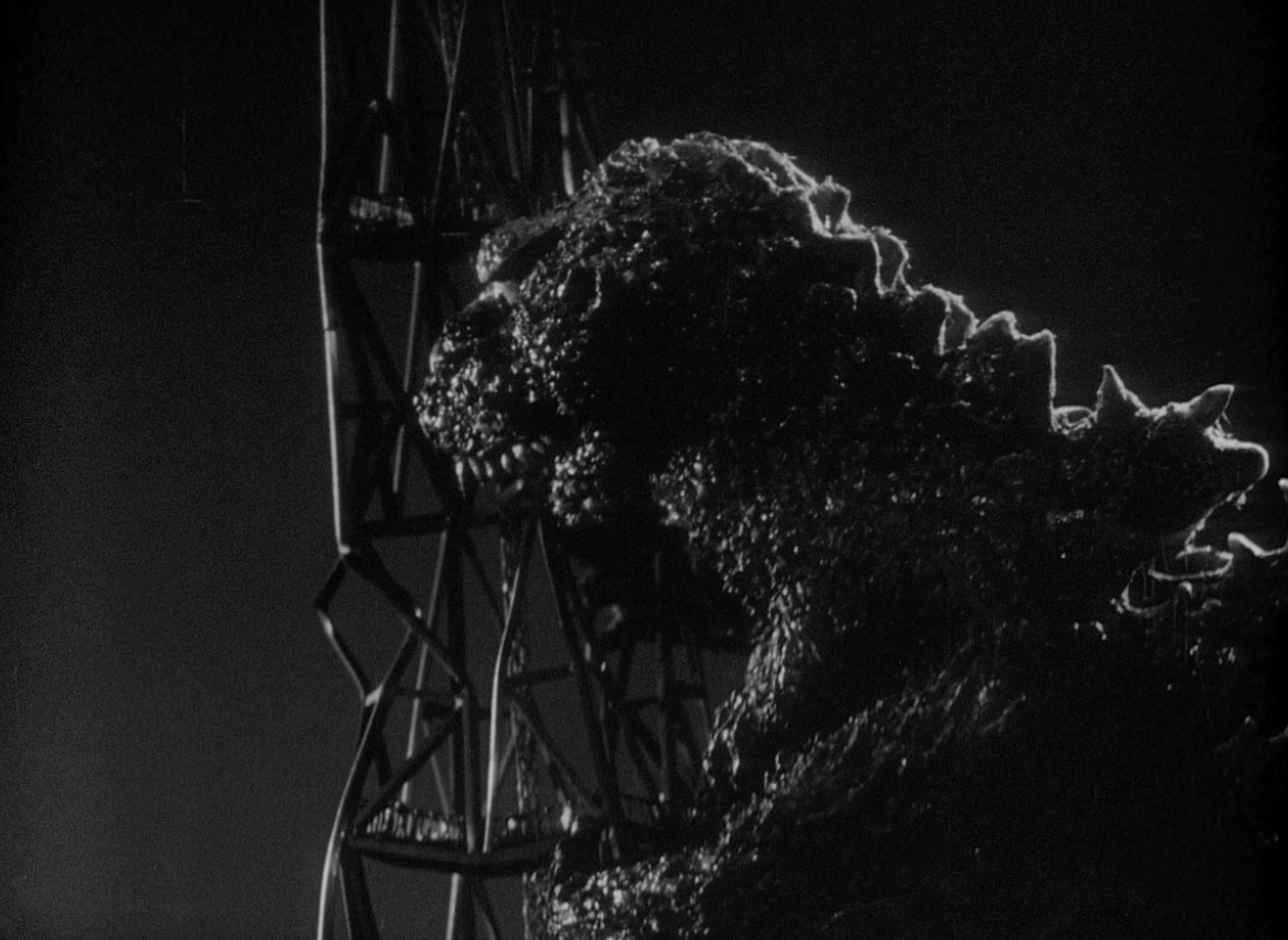
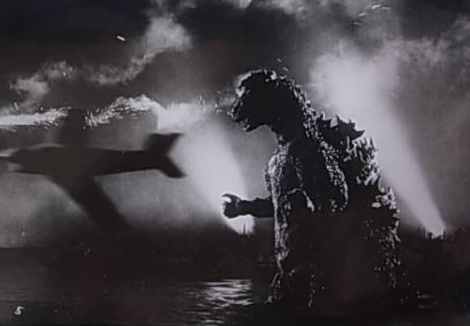
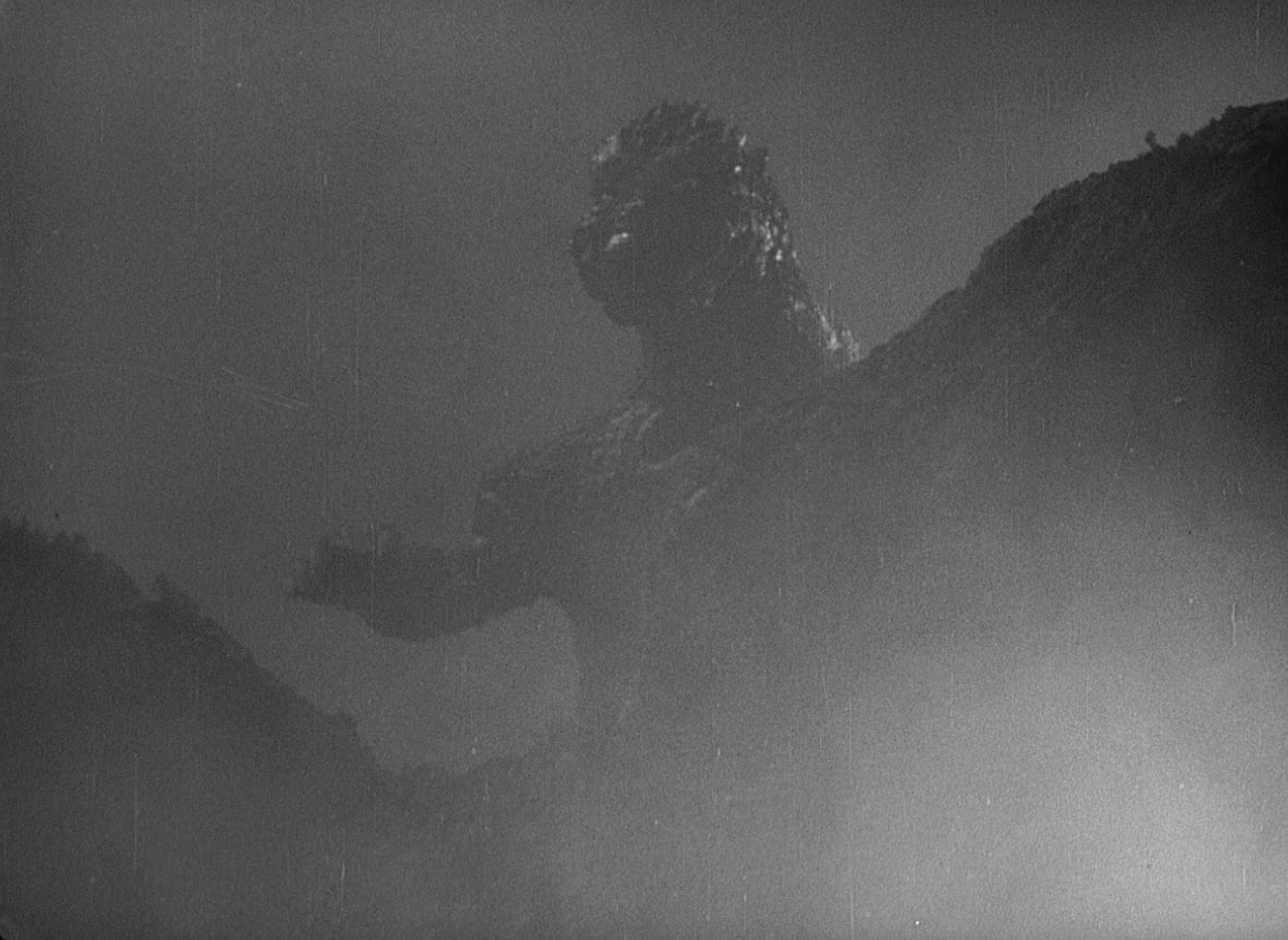
Godzilla Against Mechagodzilla
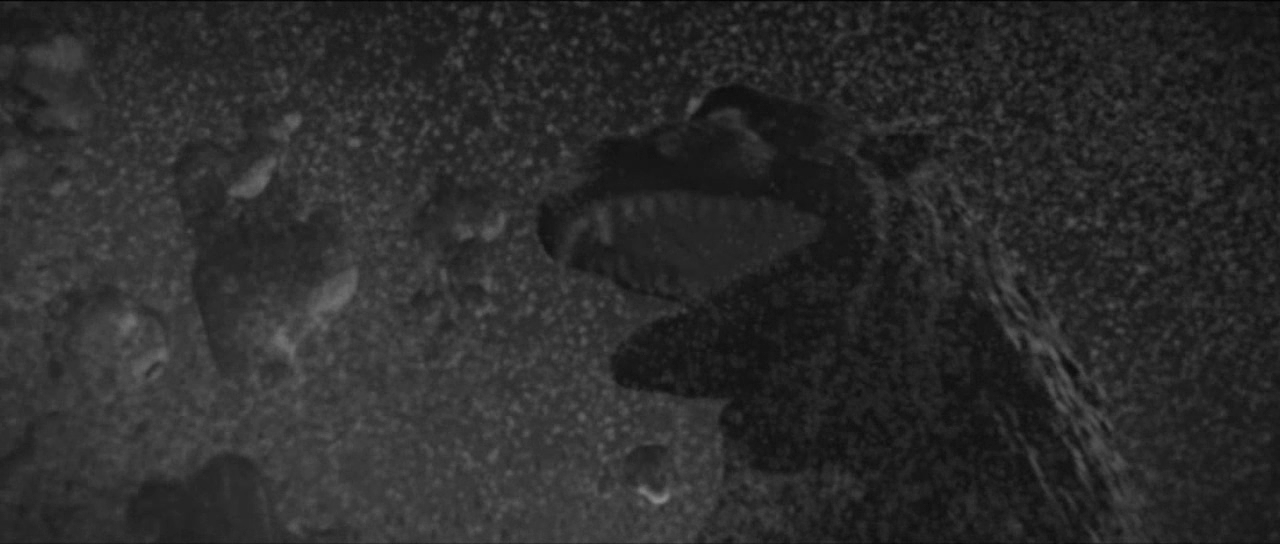
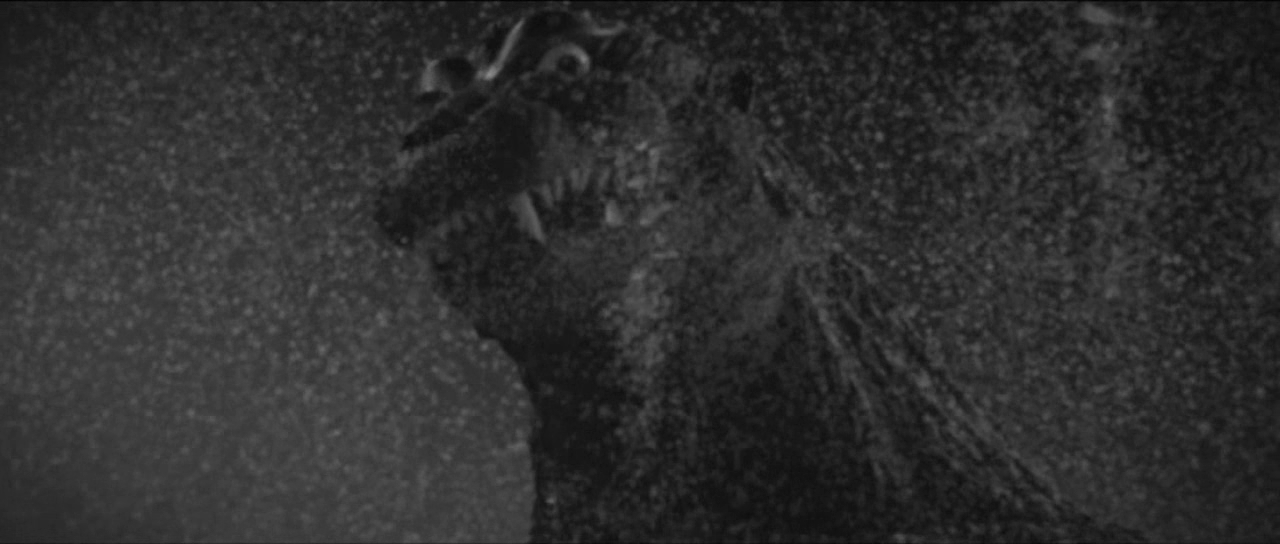
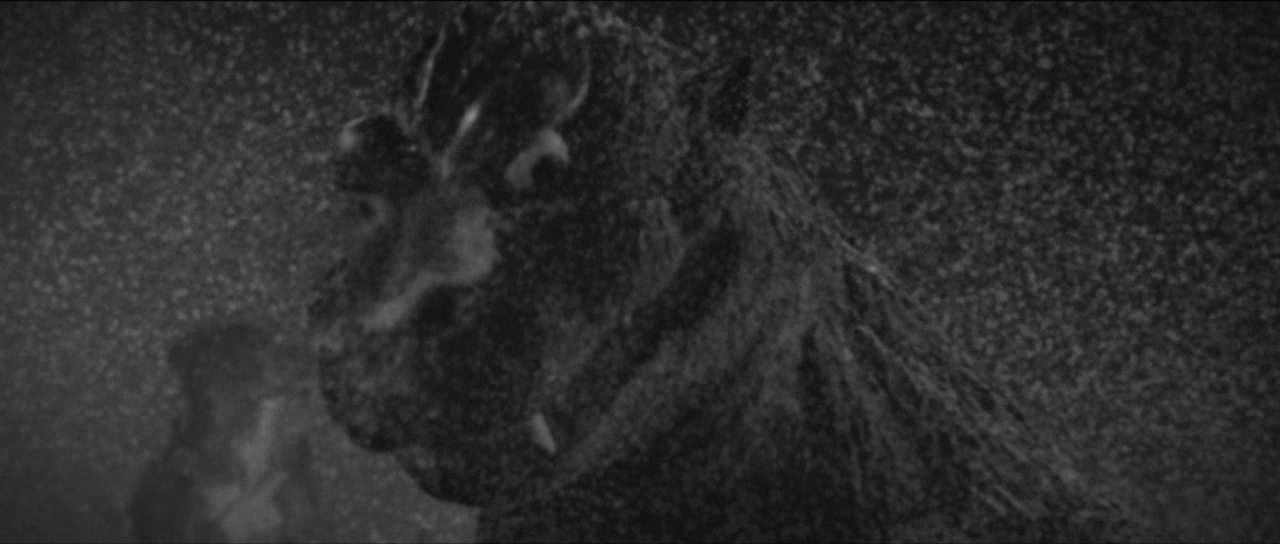
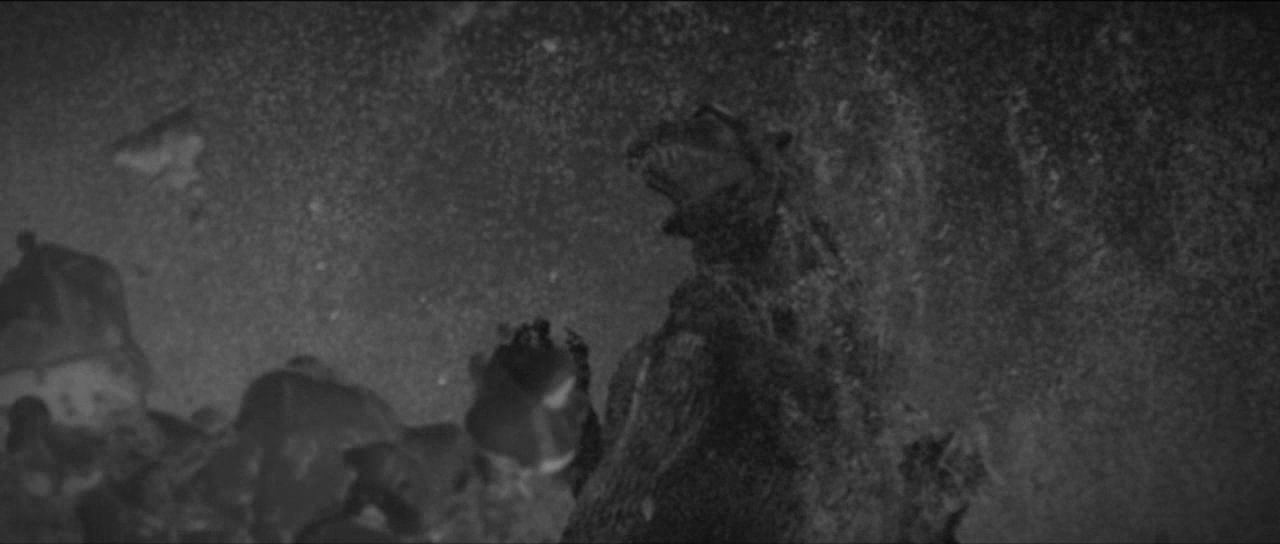
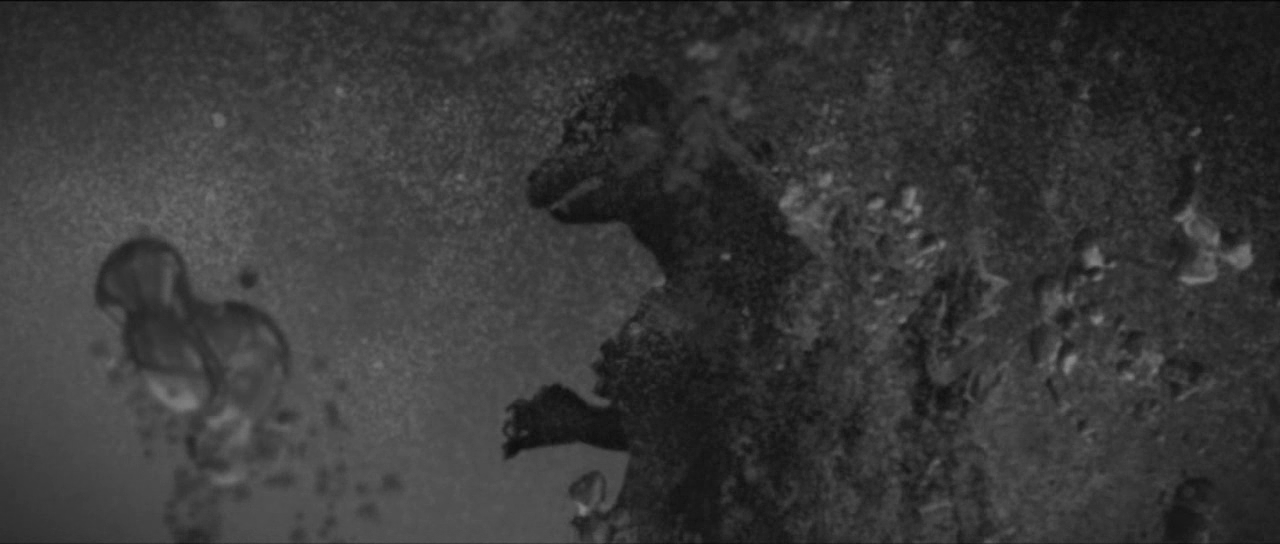
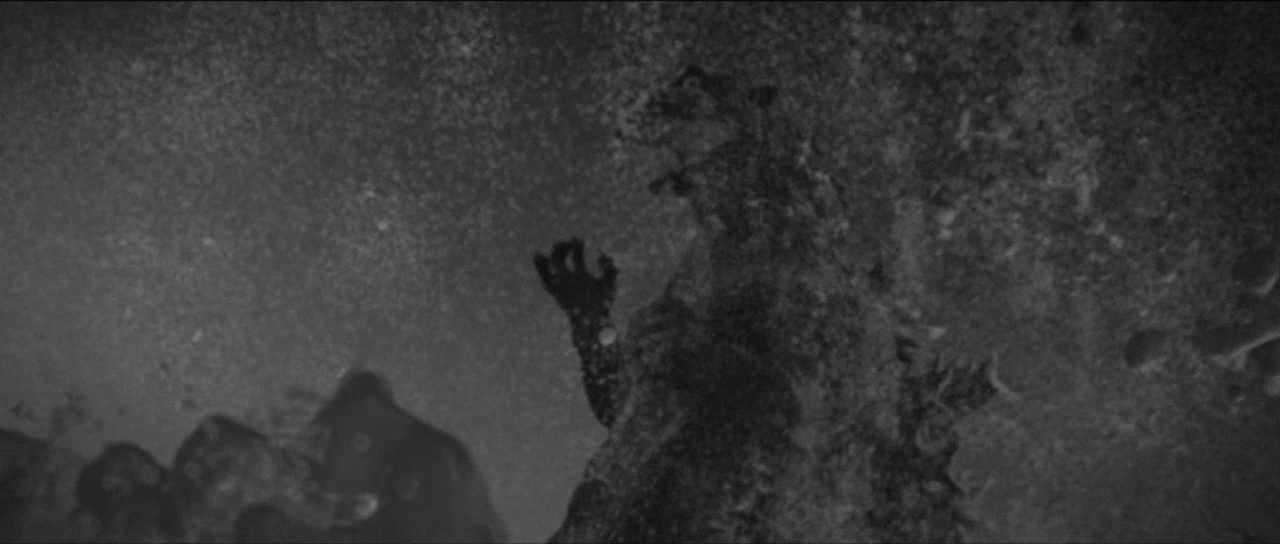
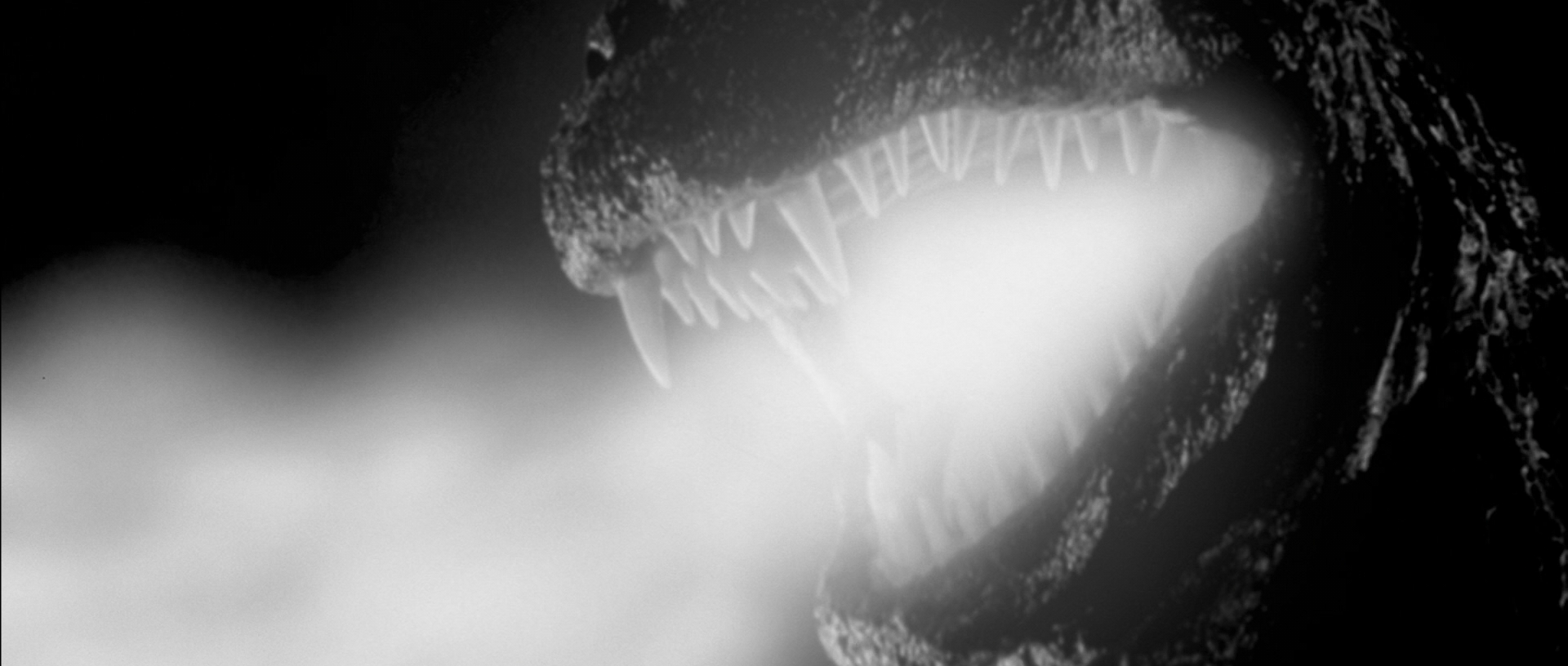
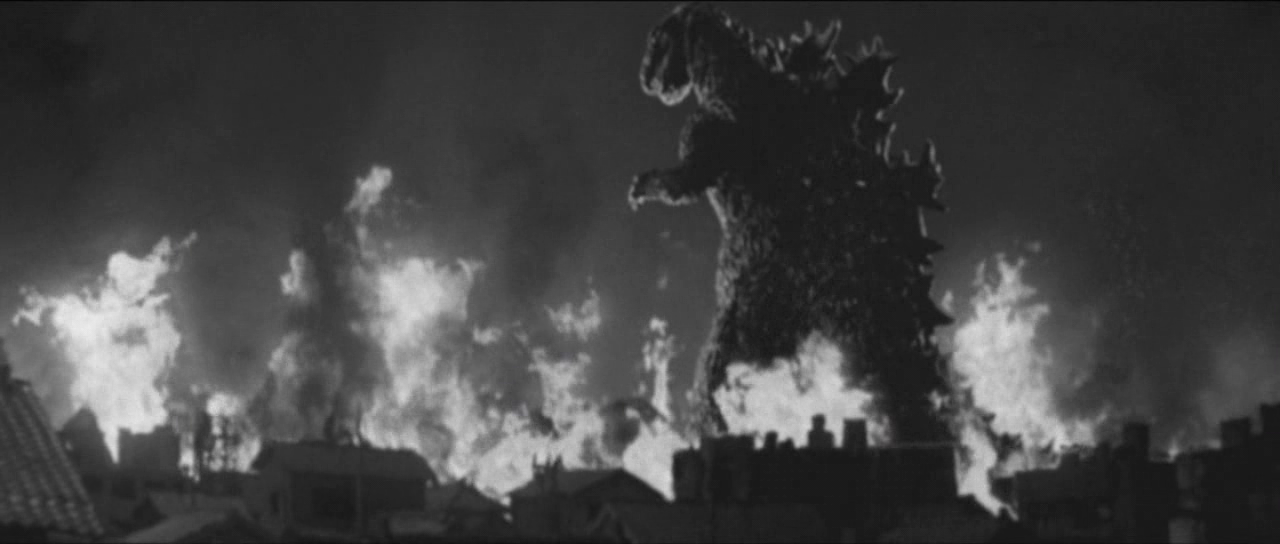
Dream Challenge: Godzilla Appears in Sukagawa
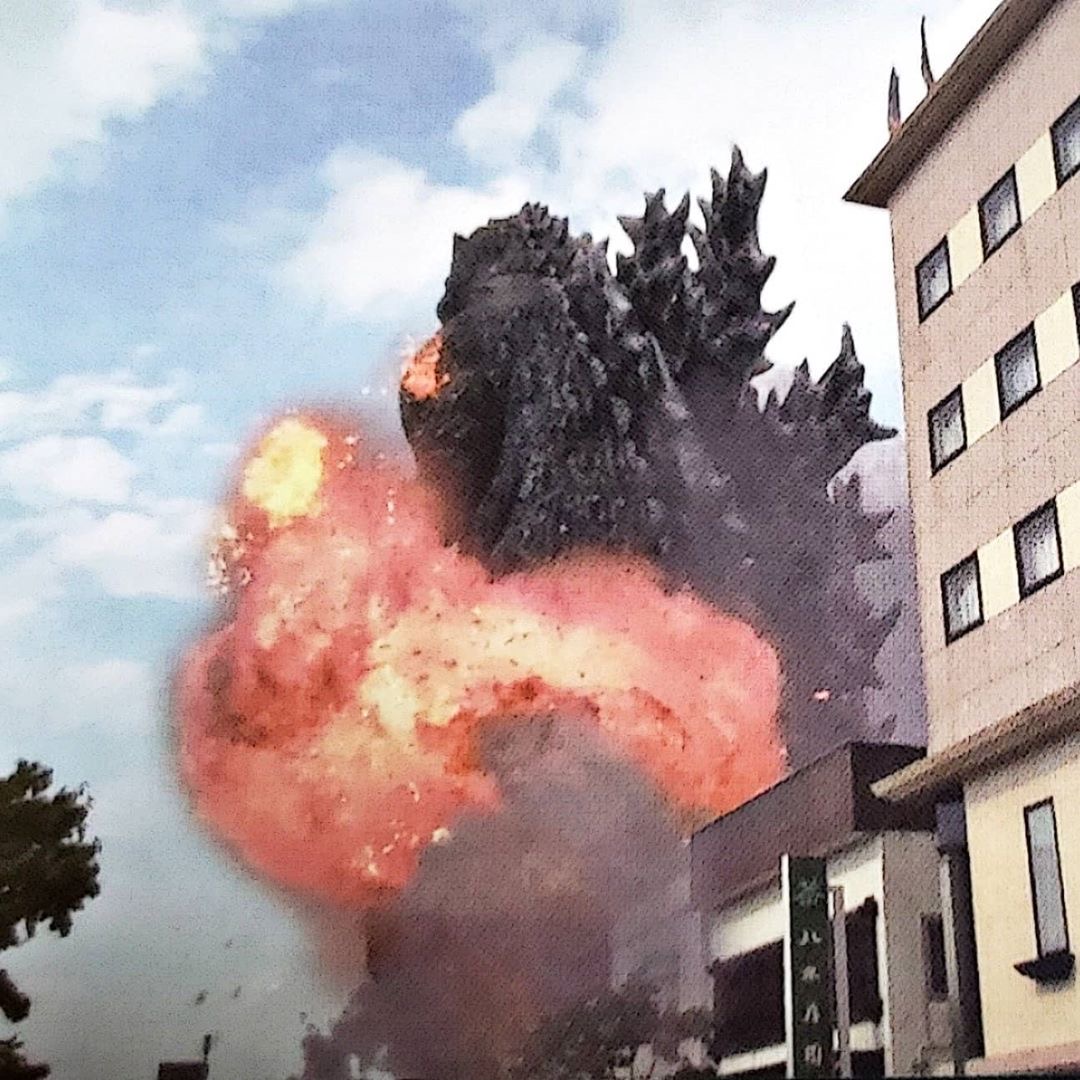
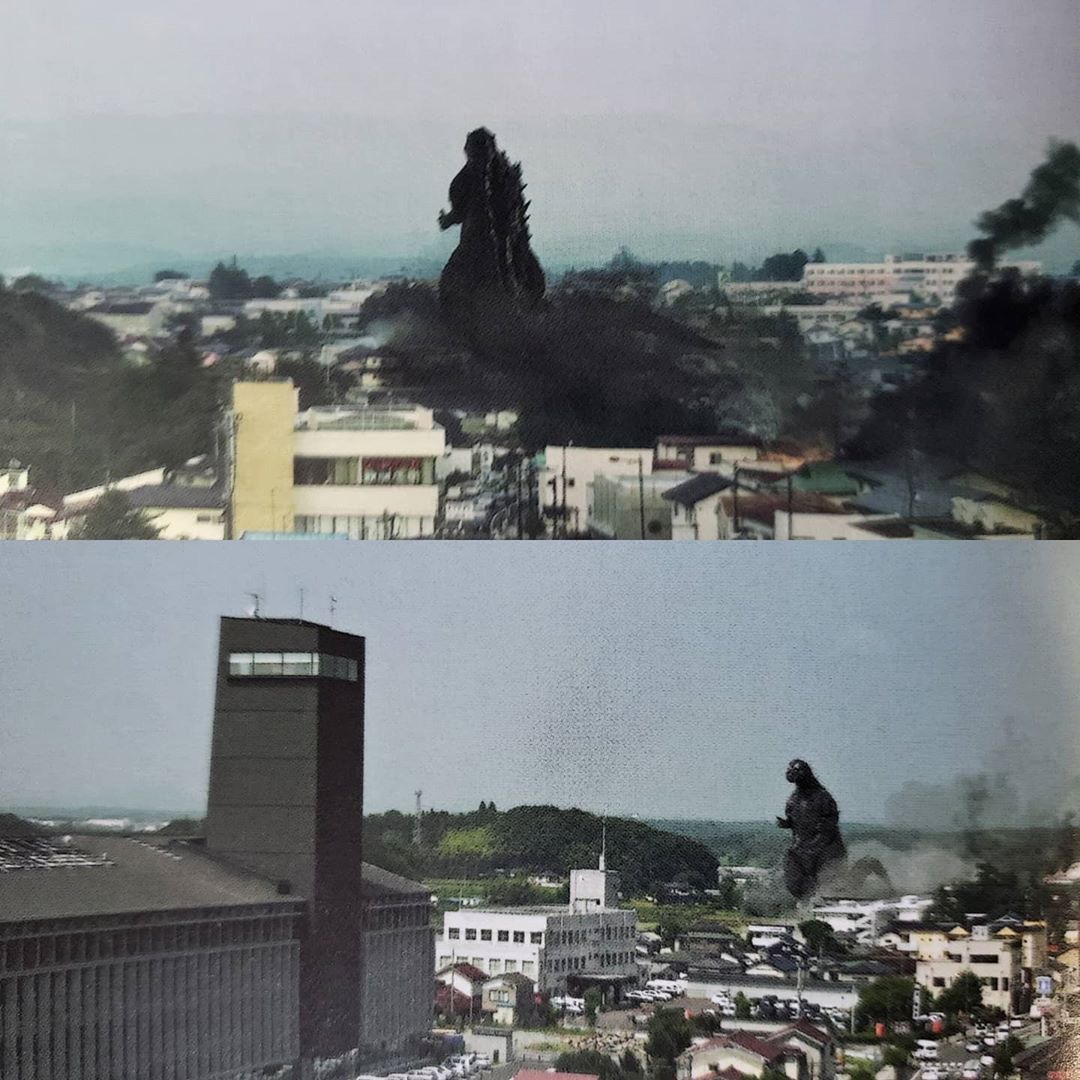
Post-production
-
-
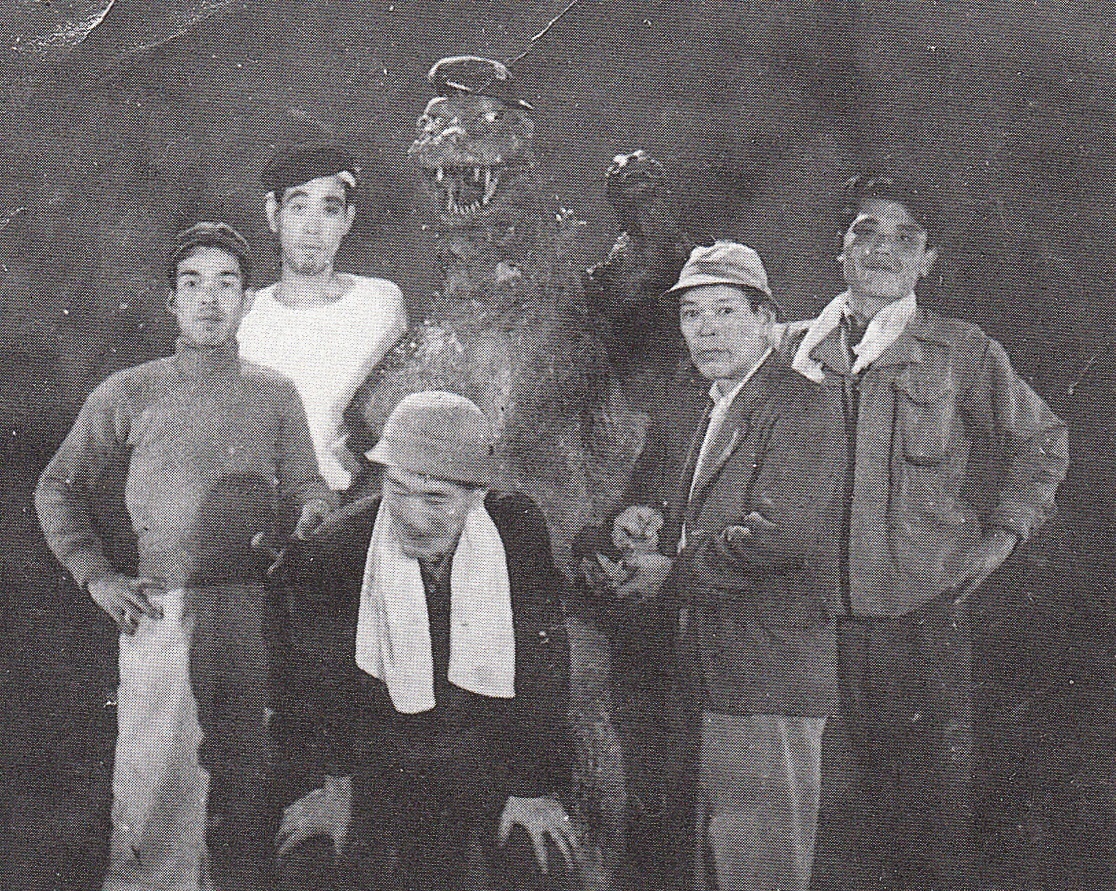
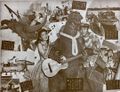
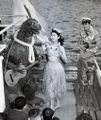 The cast throws a party after filming is finished
 -
-
-

-
-
-
-
-
-
-

-
-

-
-
-
-
-
-
The partial ShodaiGoji suit created for Godzilla Against Mechagodzilla alongside the Kamoebas prop from Godzilla: Tokyo SOS
-
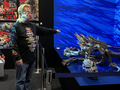
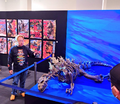
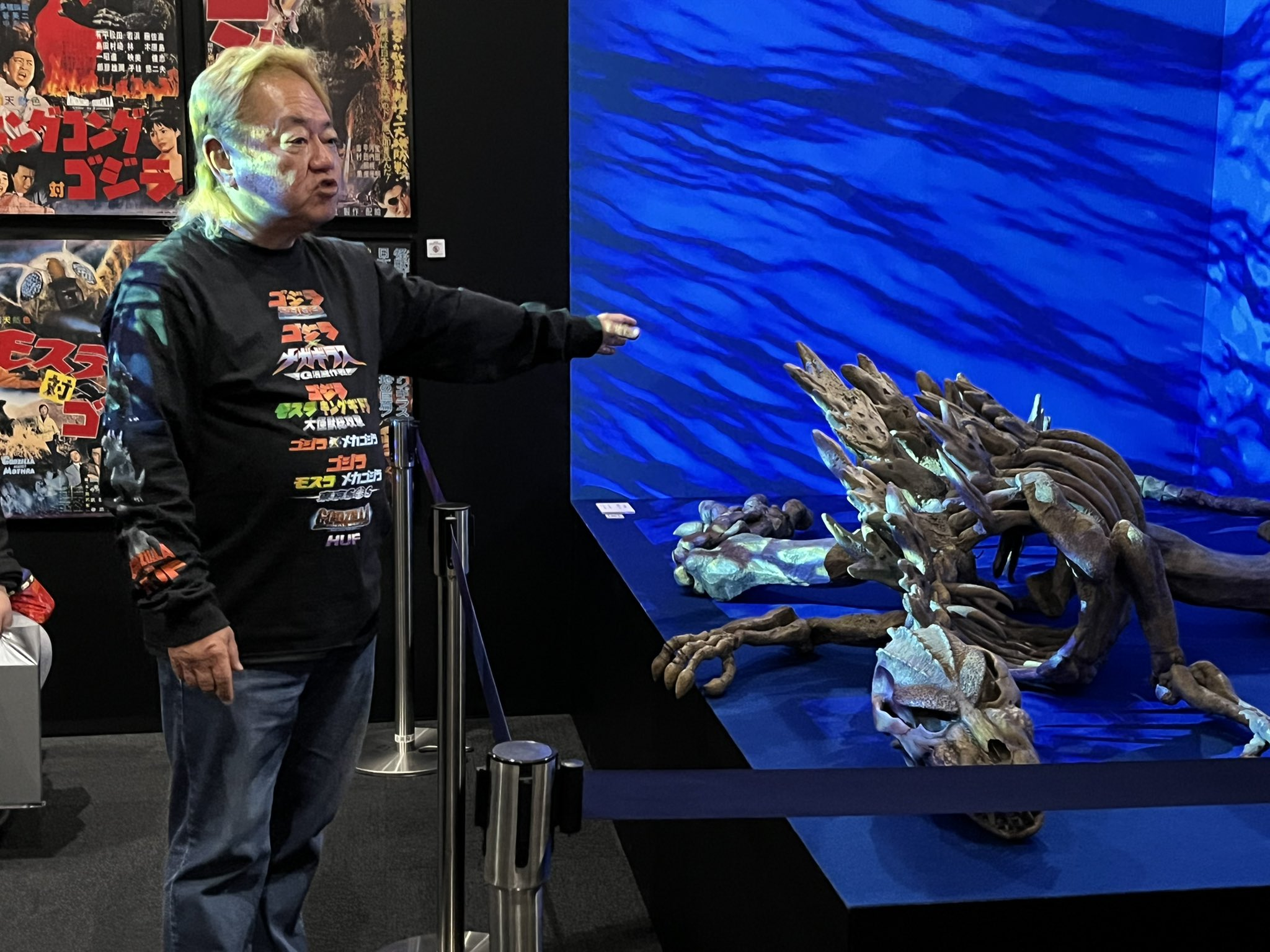
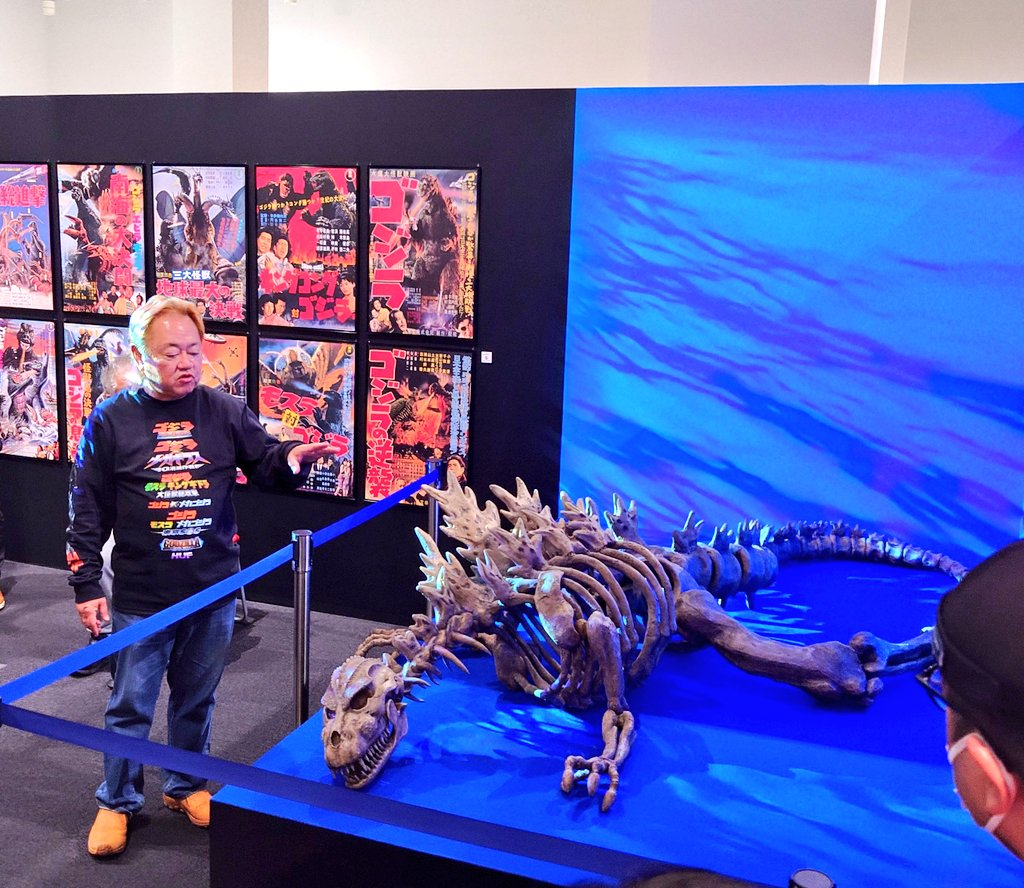
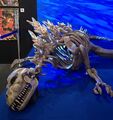 ShodaiGoji skeleton prop used in Godzilla Against Mechagodzilla
 -
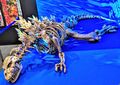 ShodaiGoji skeleton prop used in Godzilla Against Mechagodzilla
 -
-
-
-
-
-
-
-
-
-
-
-

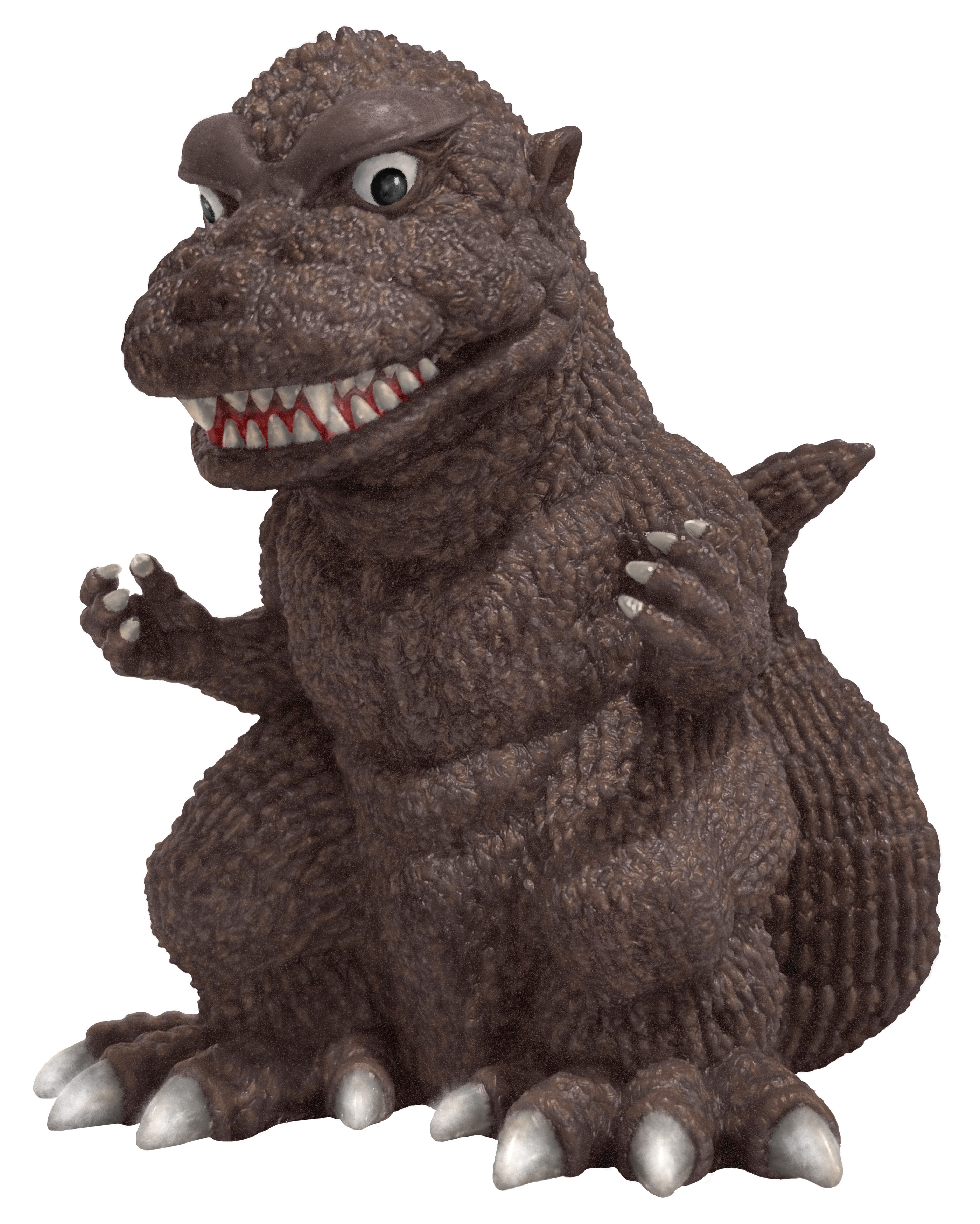
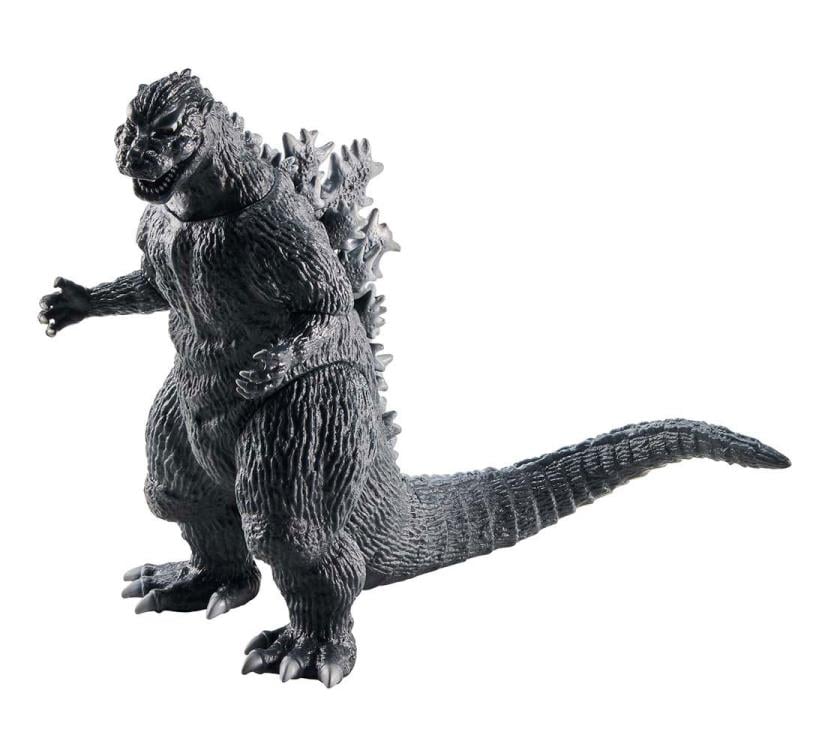
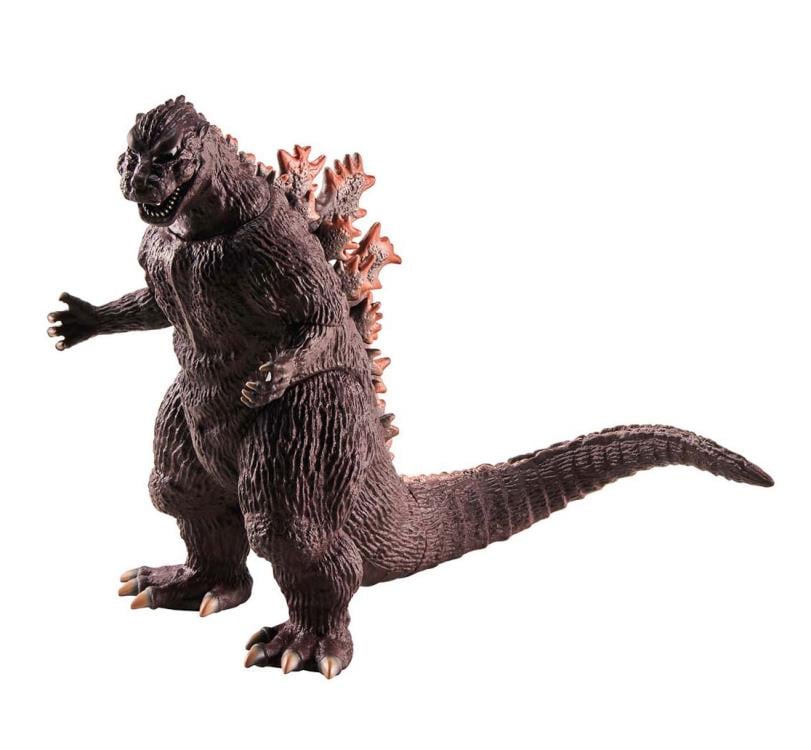
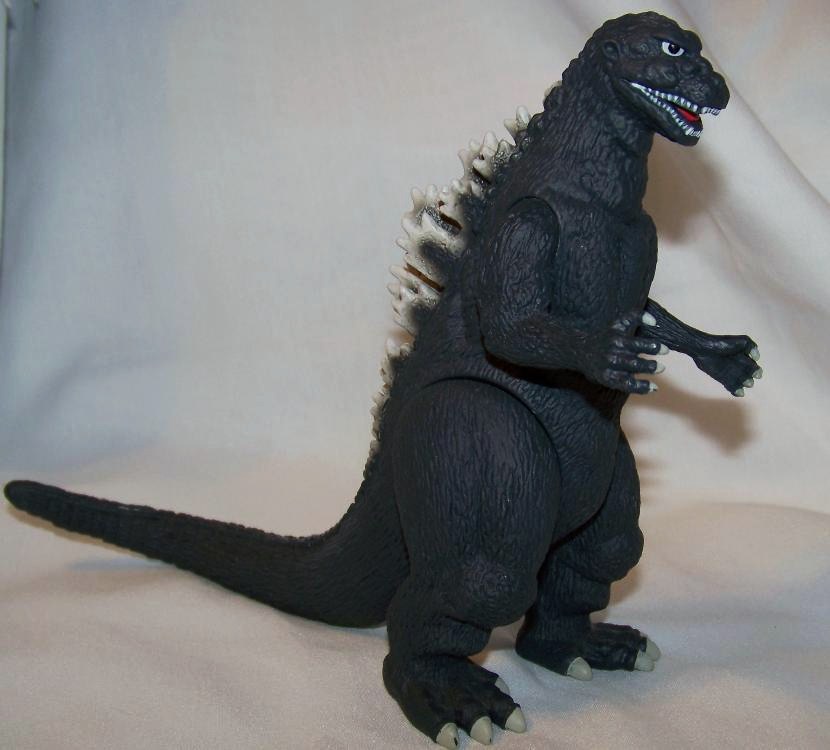
Merchandise
Covers
-
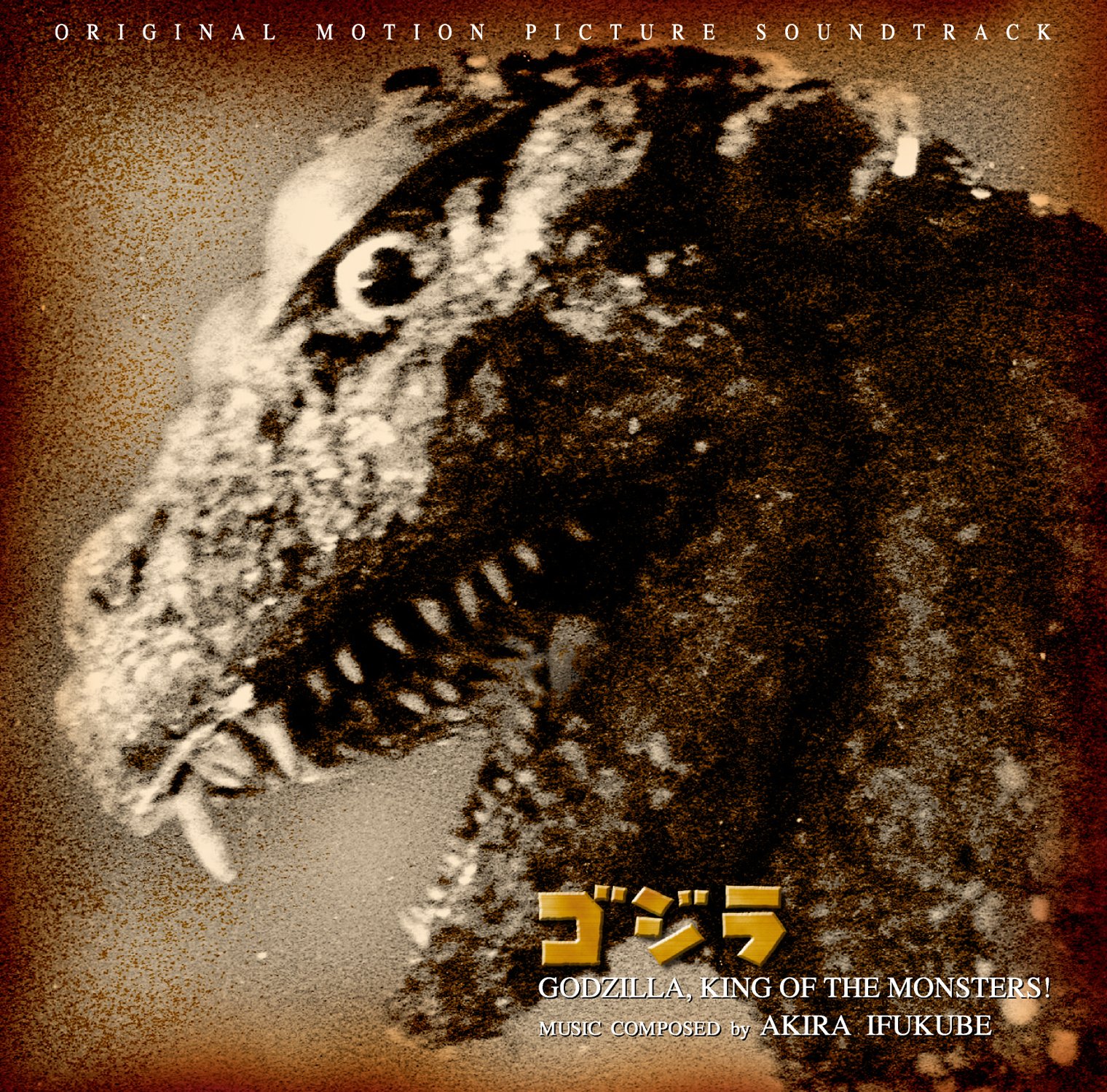
 The cover for the soundtrack of Godzilla (1954)
Toys
-

-
-

-
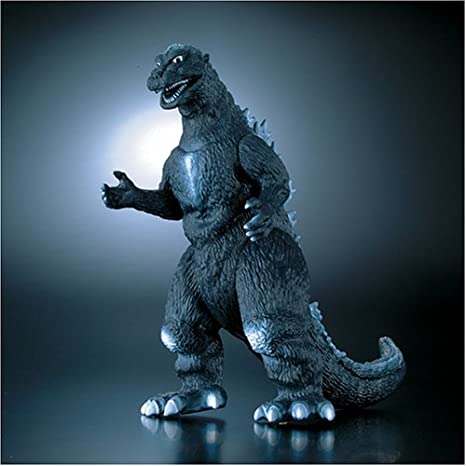
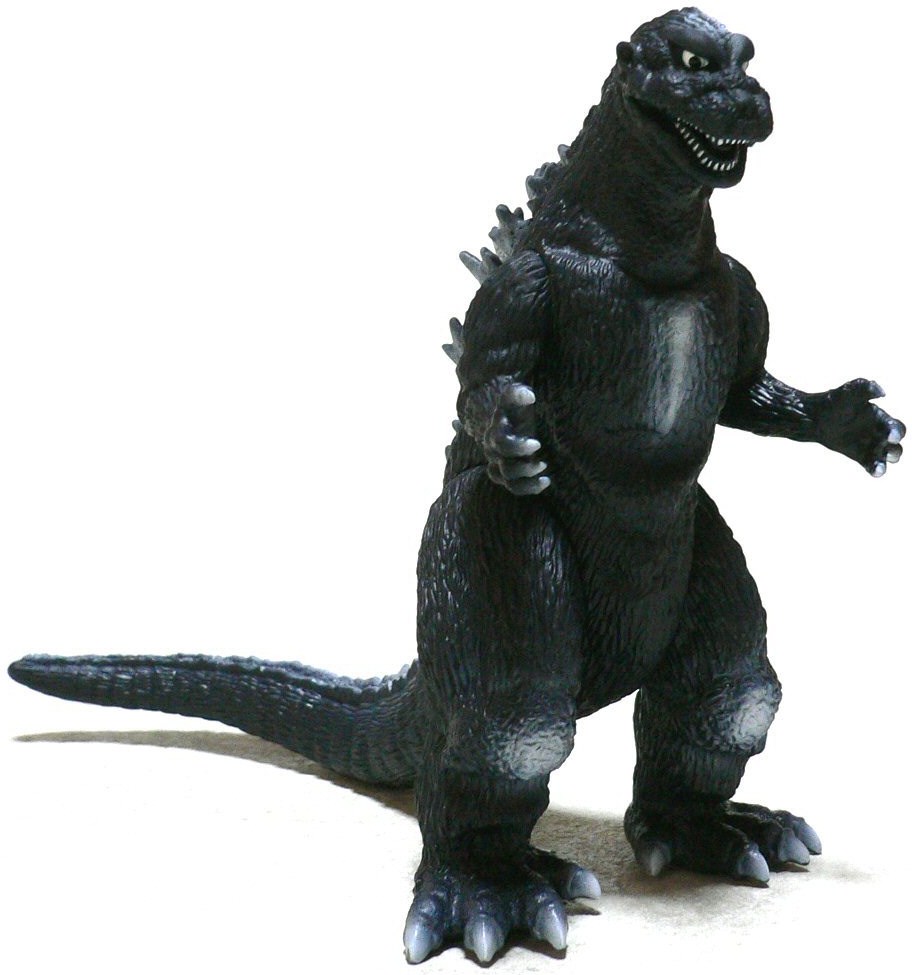
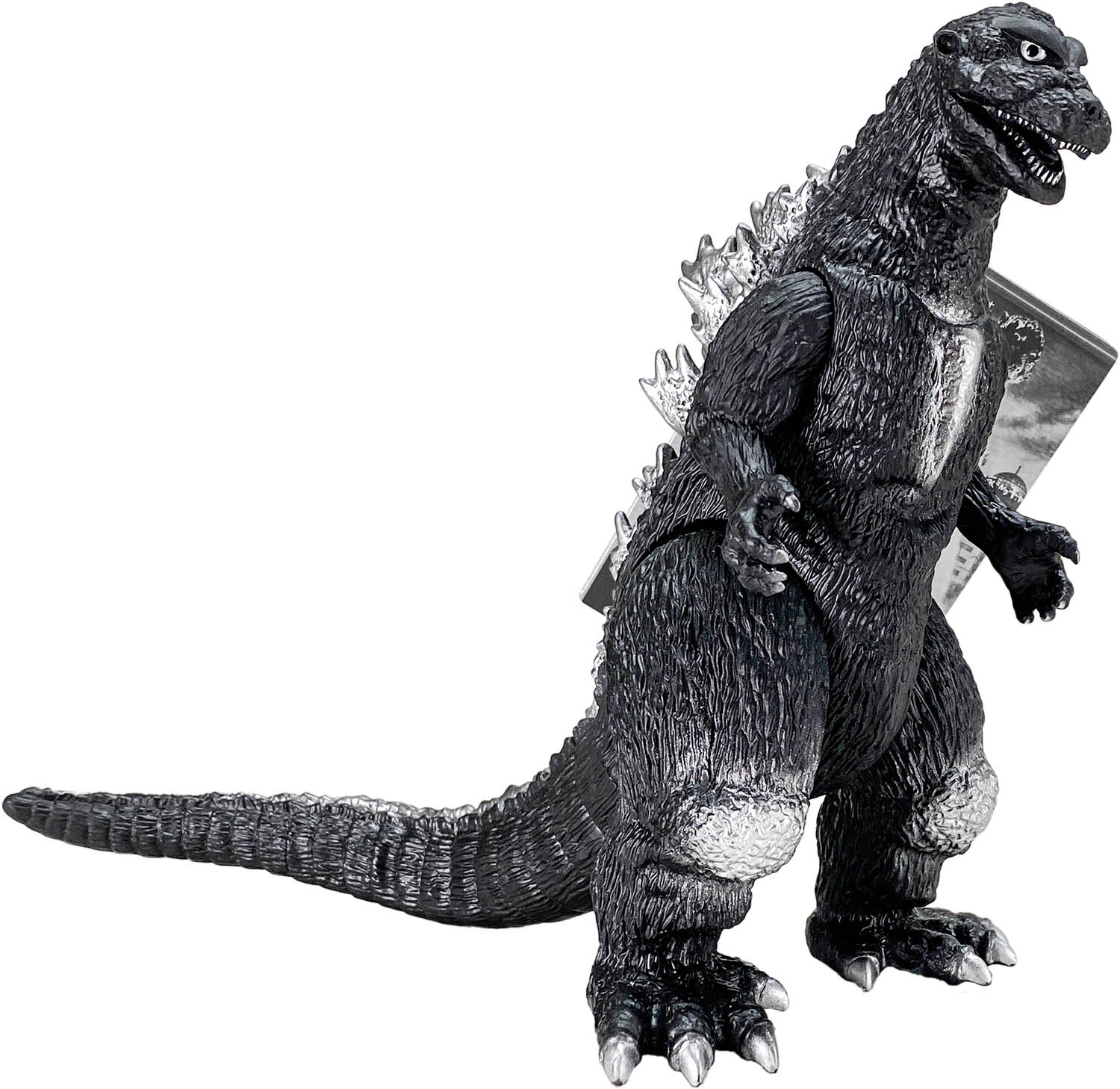
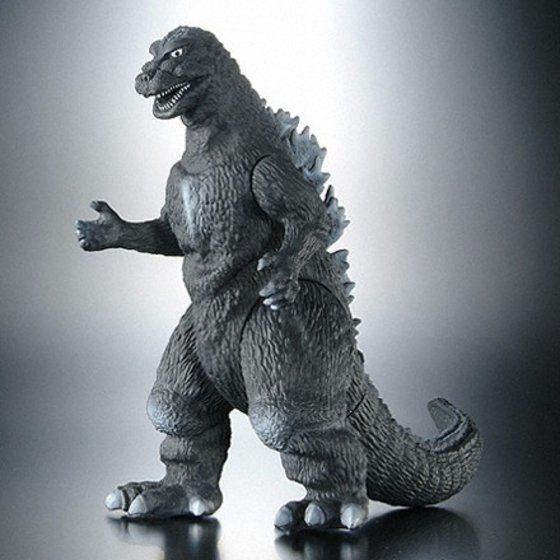
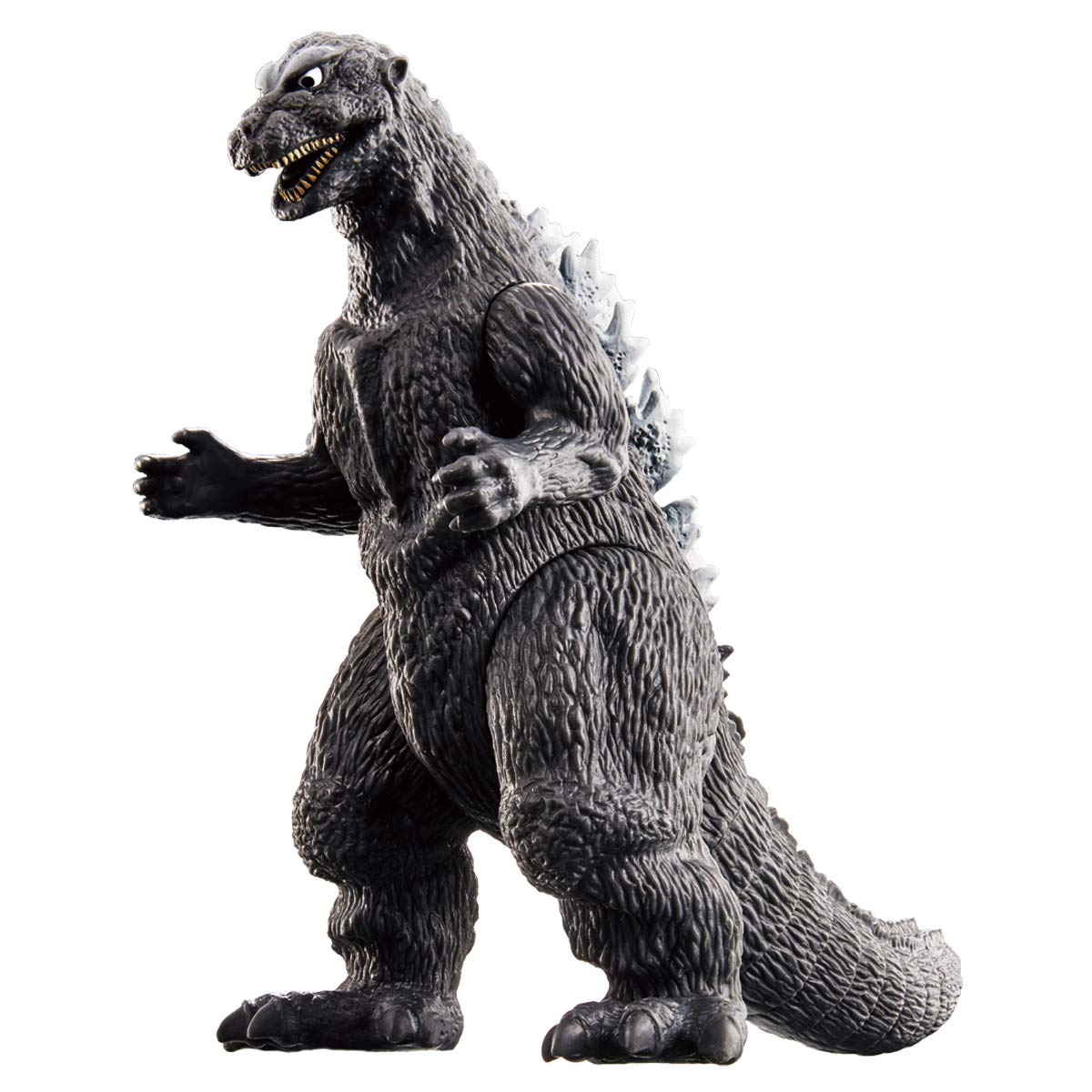
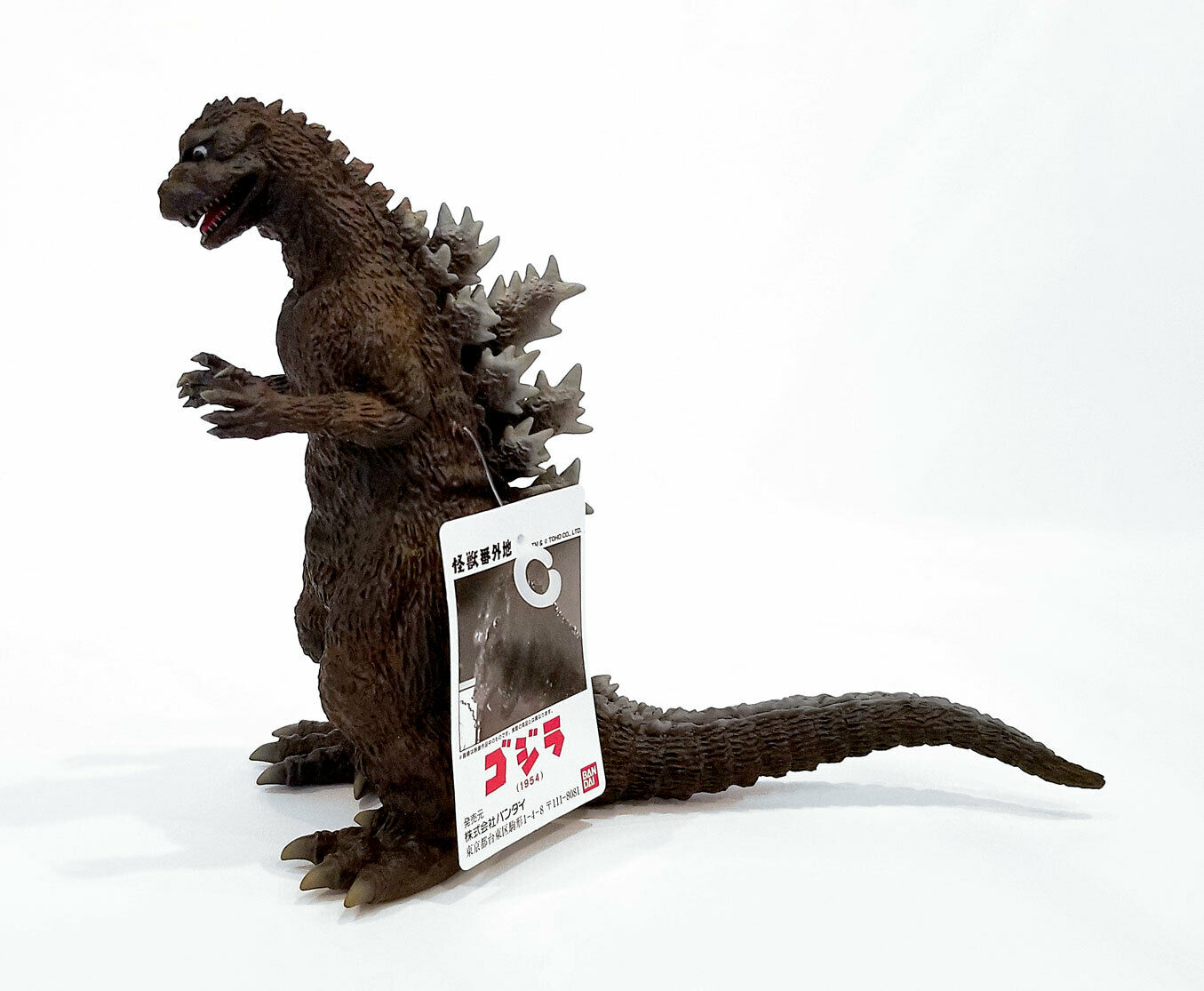
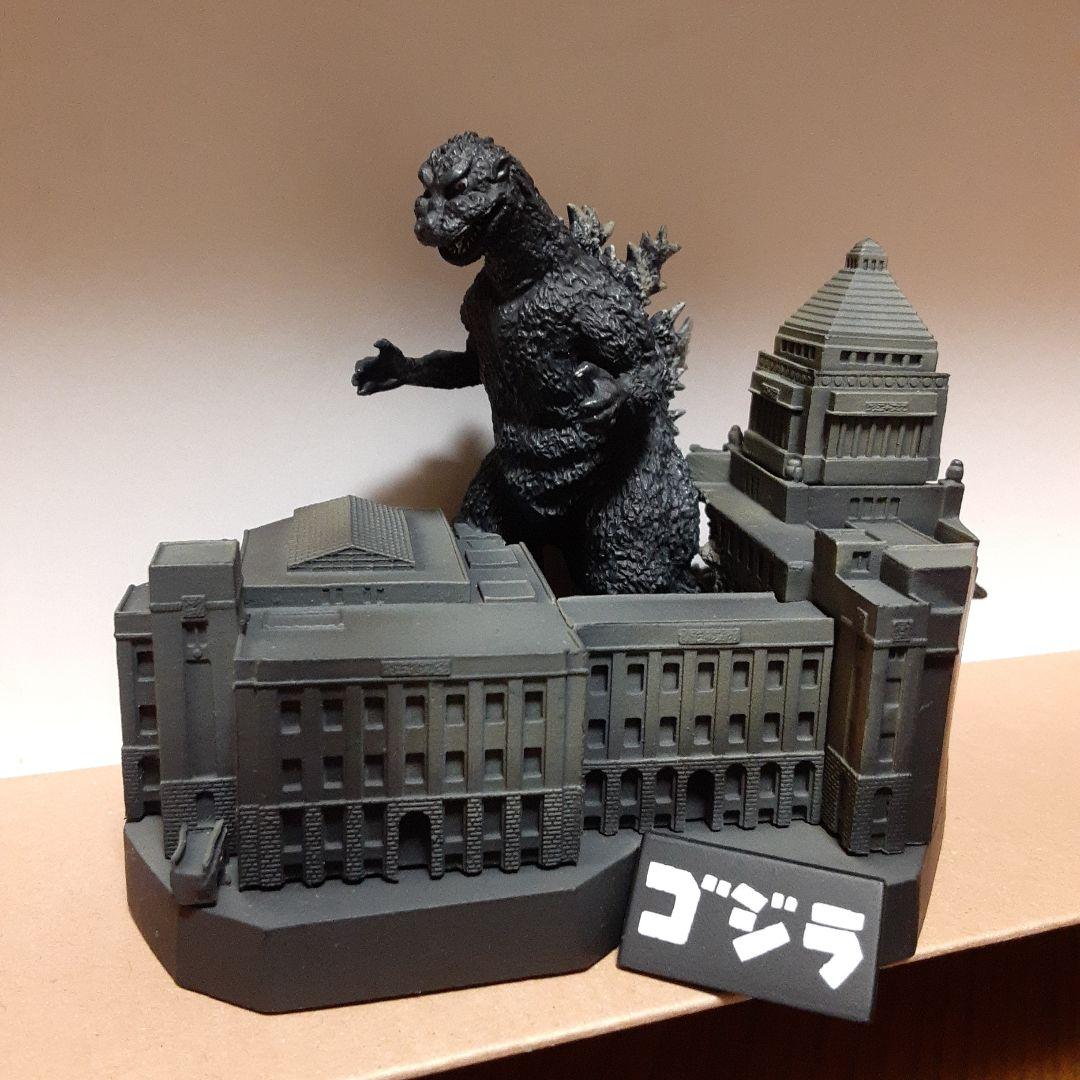
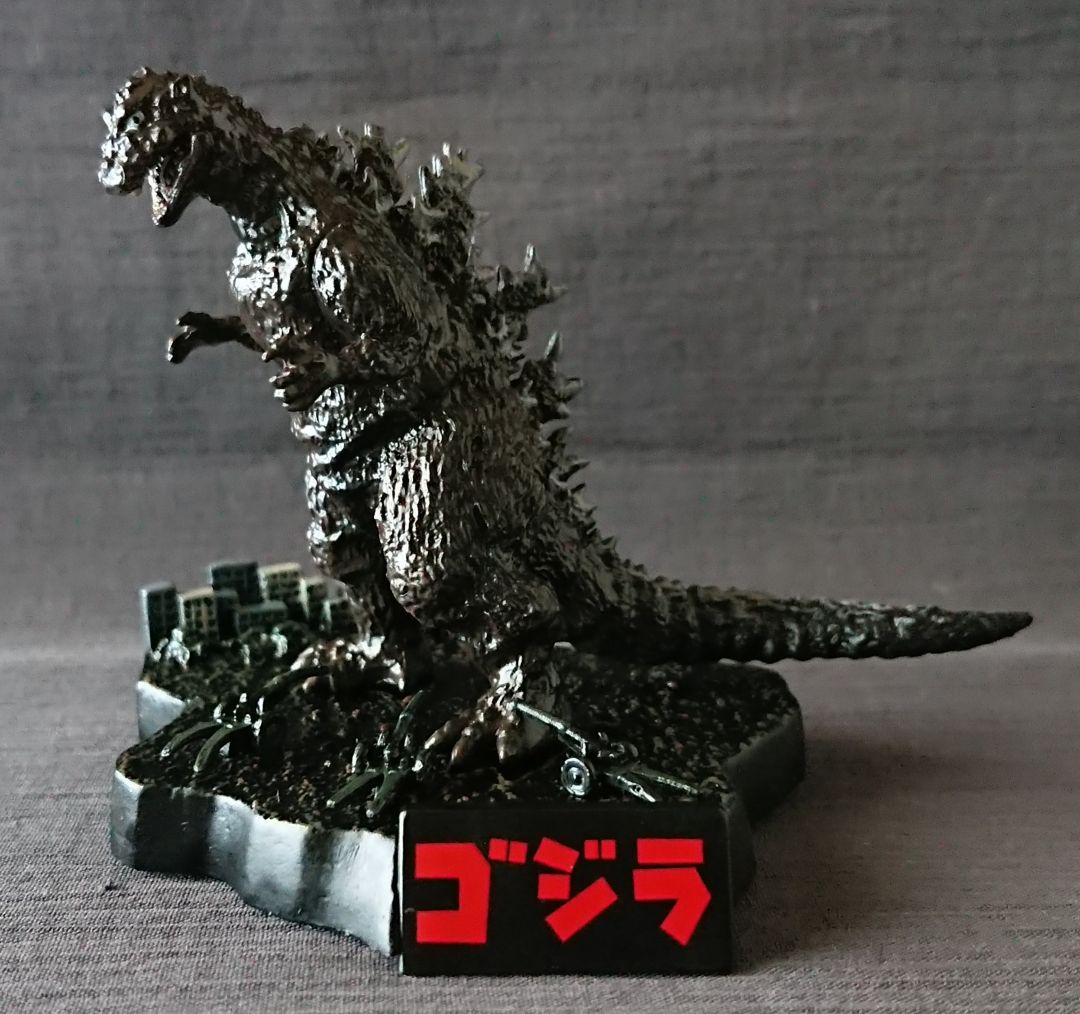
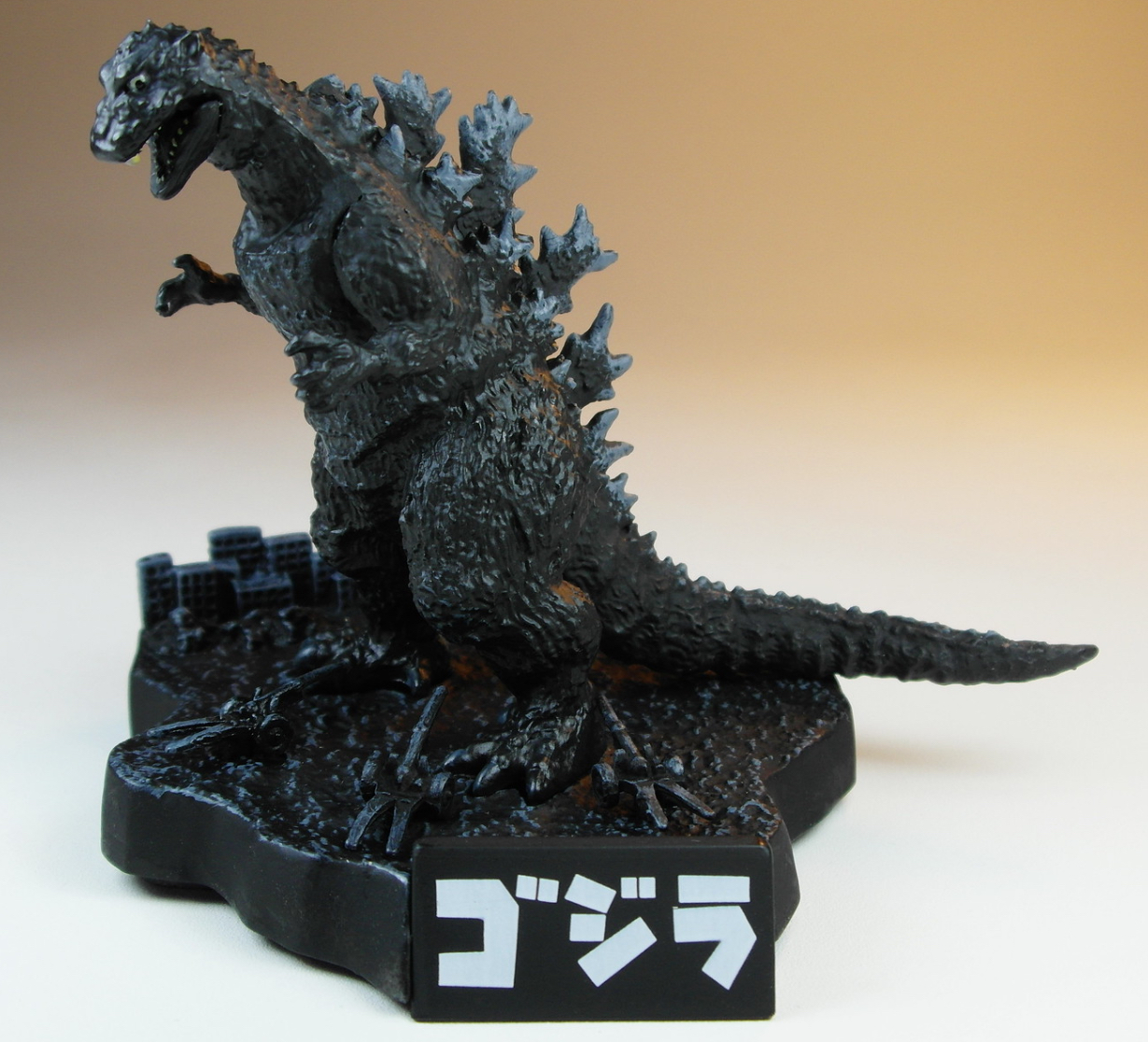
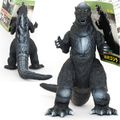 Bandai Toho Kaiju Series - First Generation Godzilla
 -

-
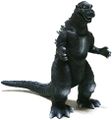 Bandai Godzilla 50th Anniversary Memorial Box - Godzilla 1954
 -
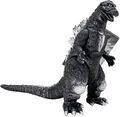 Bandai Godzilla DVD Collection - Godzilla 1954
 -

-
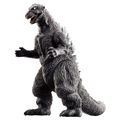
-
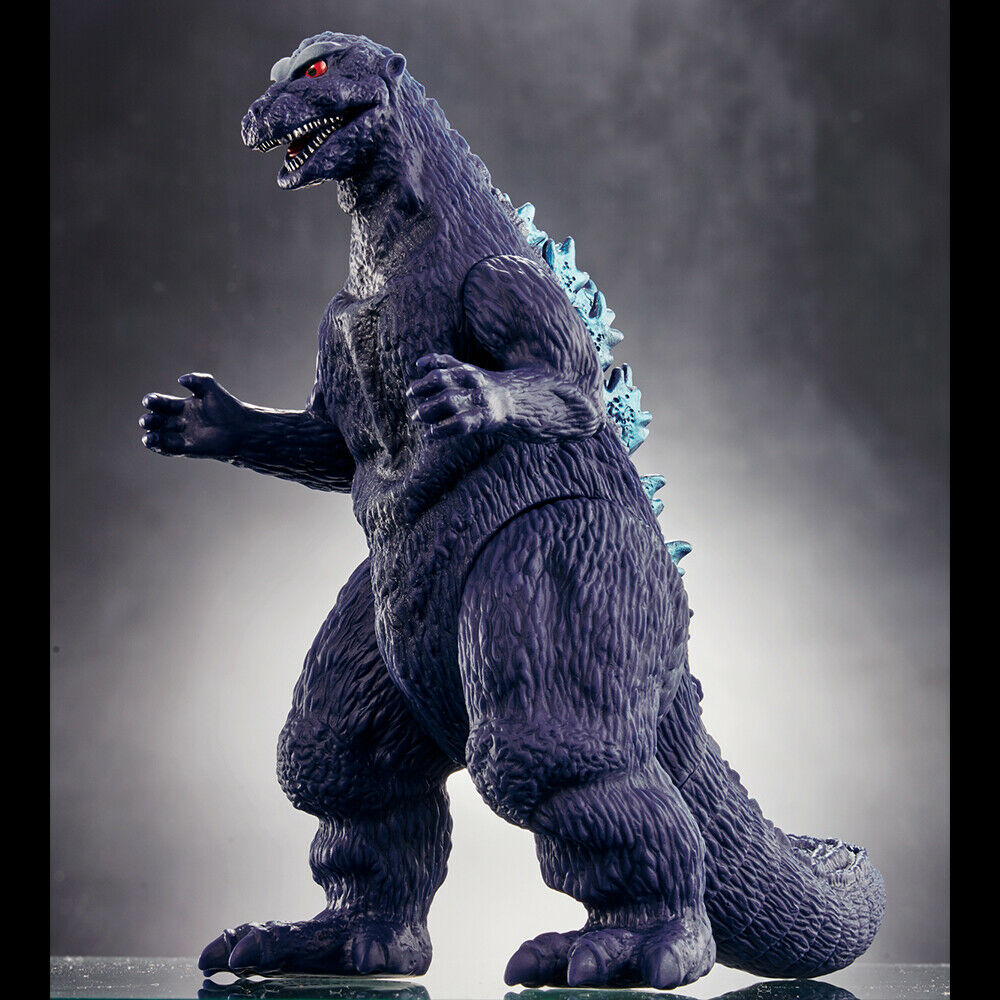
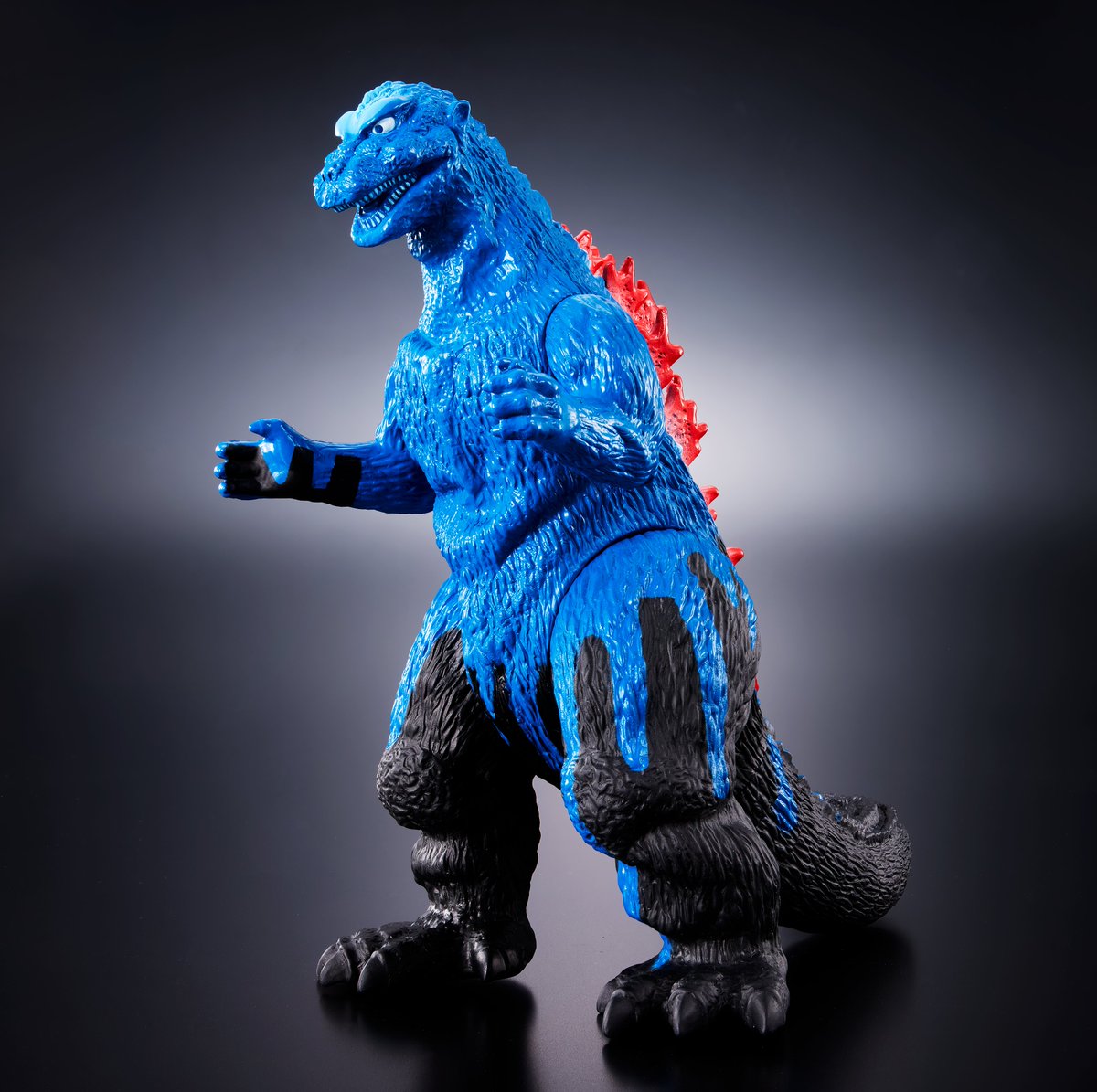
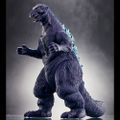 Bandai Movie Monster Series - Godzilla (1954) (Retro Blue ver.)
 -
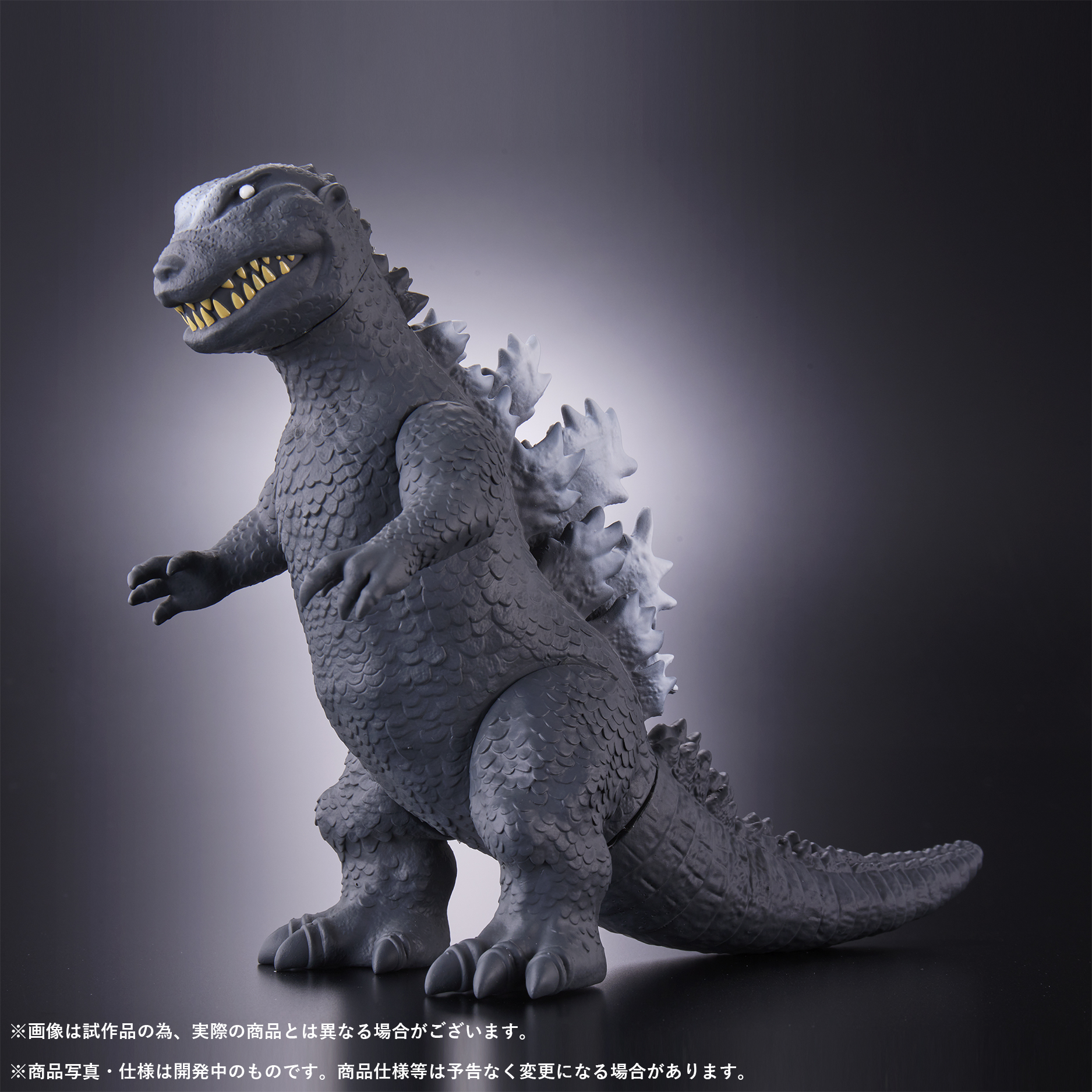
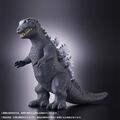 Bandai Movie Monster Series - Godzilla (1954) Model
 -
 Bandai Movie Monster Series - Godzilla (1954) Commemorative Color ver.
 -
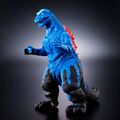 Bandai Movie Monster Series - Godzilla (1954) Kosuke Kawamura ver.
 -
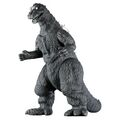
-
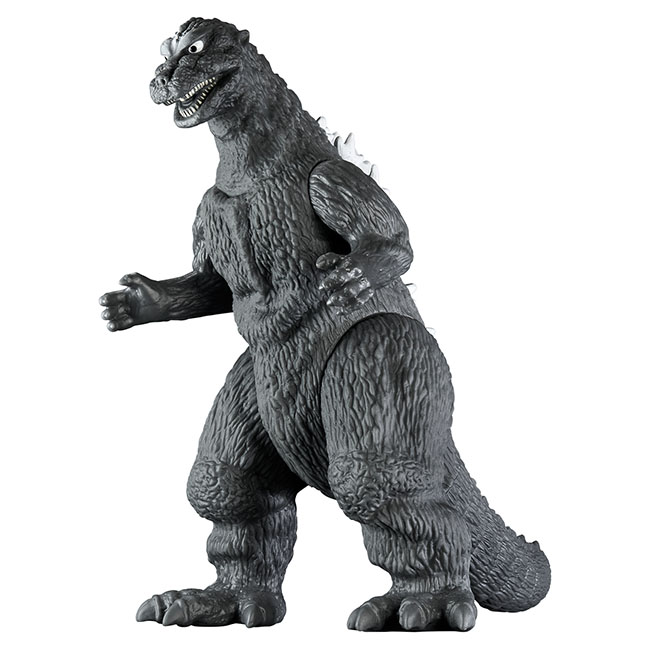
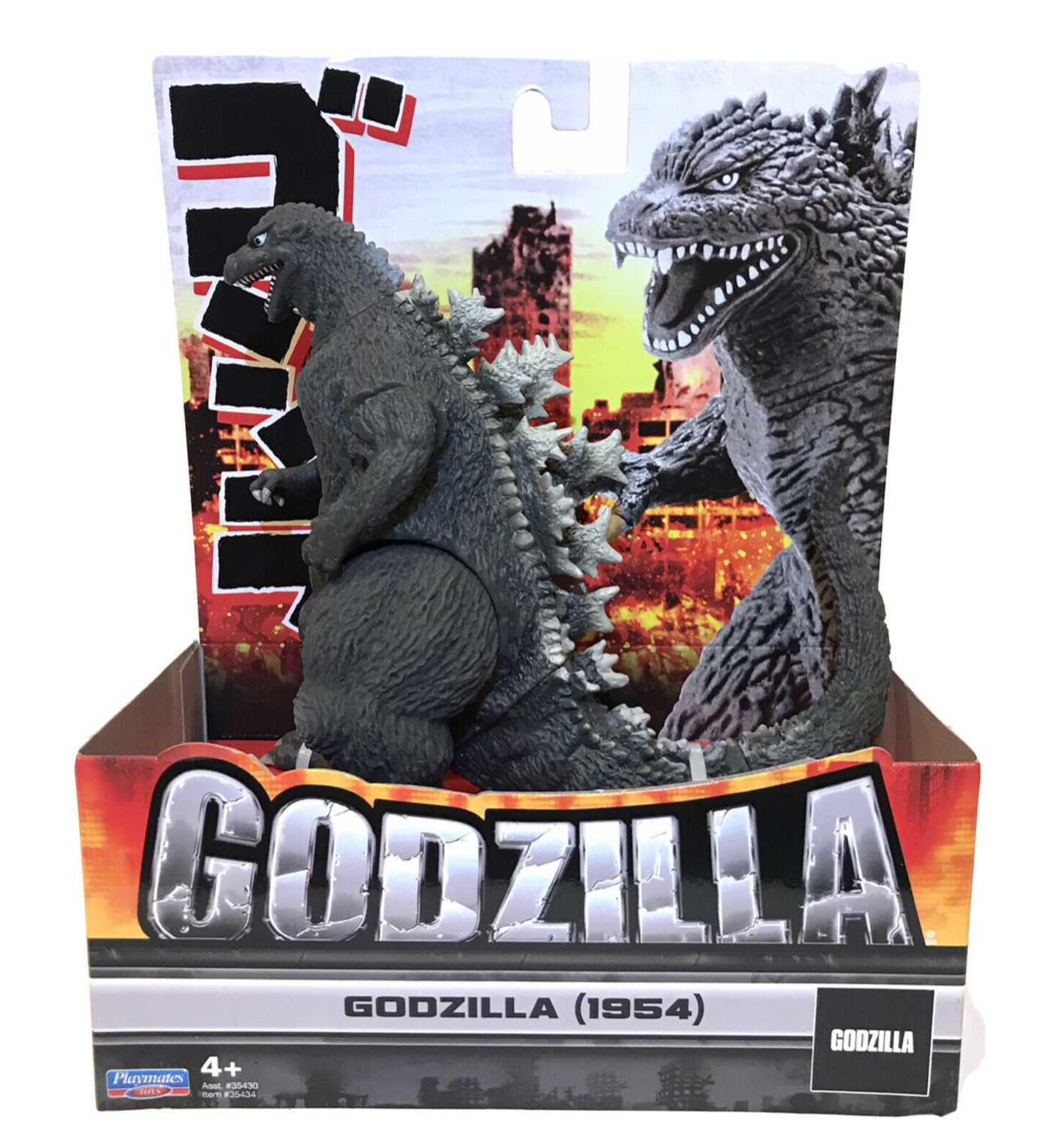
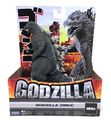 Playmates - Godzilla 1954
 -
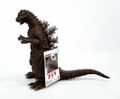 Bandai Premium - Godzilla 1954
 -
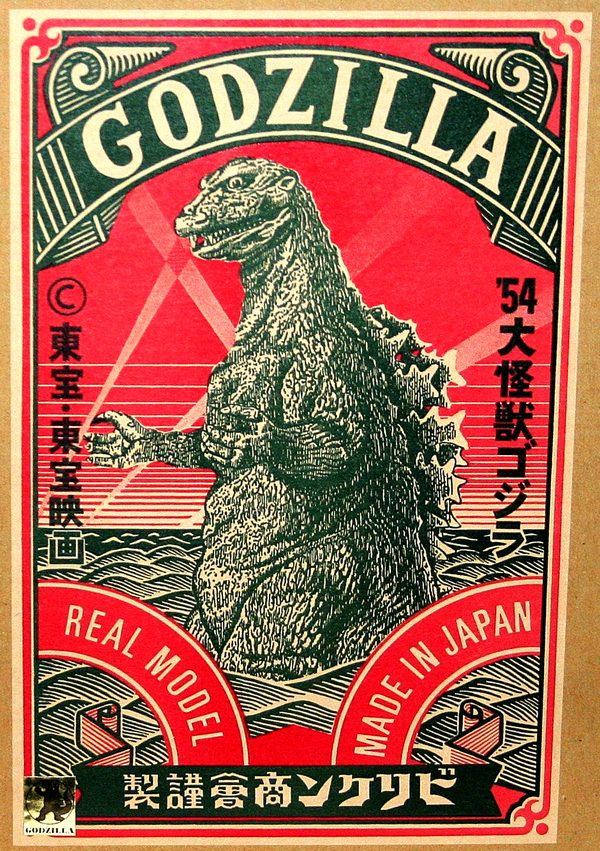
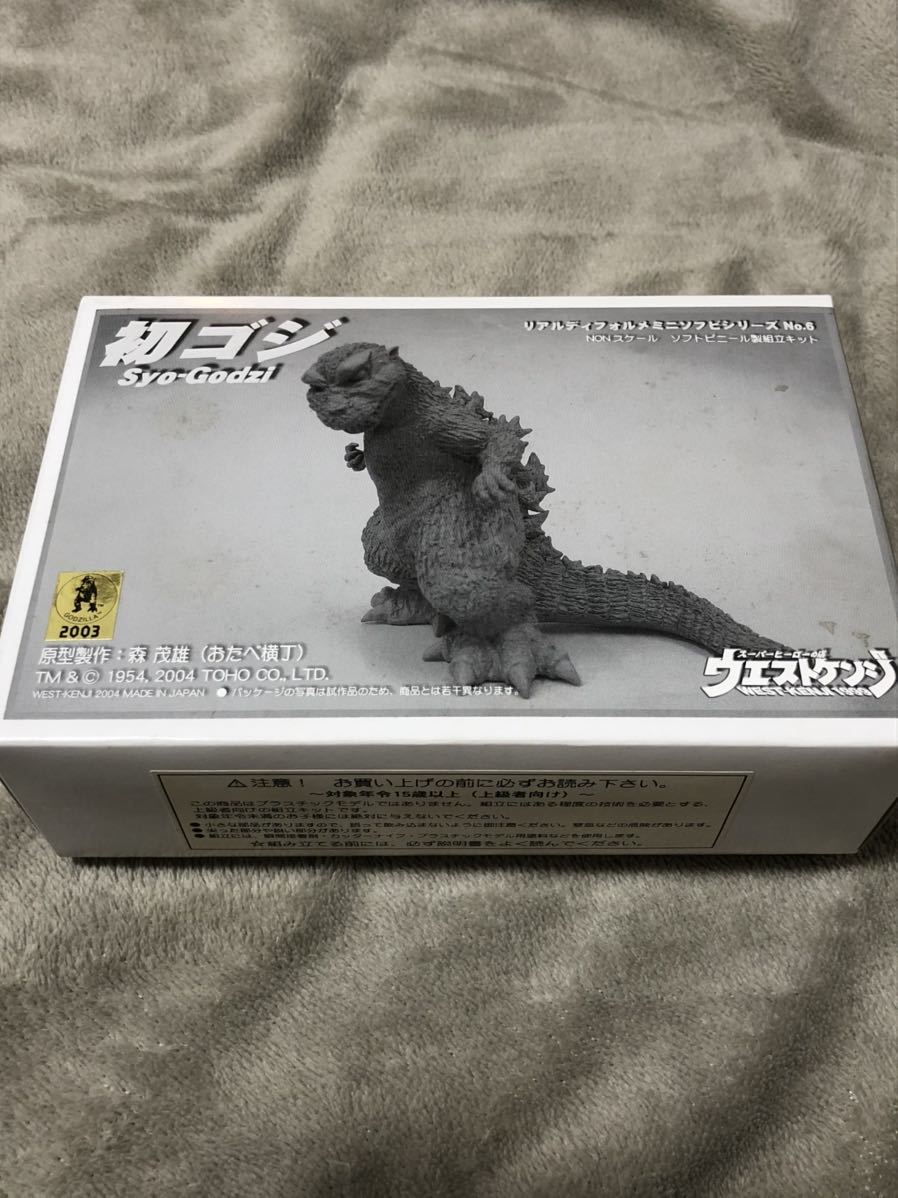
 Biliken Shokai model kit
 -
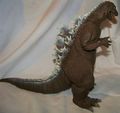 Banpresto - Godzilla 1954 (Colored Ver.)
 -
 Banpresto - Godzilla 1954 head magnet (Ver. 1)
 -
 Banpresto - Godzilla 1954 head magnet (Ver. 2)
 -
 Banpresto Toho Monsters Enshrined - Godzilla 1954 (Ver.A)
 -
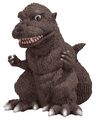 Banpresto Toho Monsters Enshrined - Godzilla 1954 (Ver.B)
 -
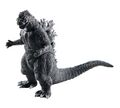 Banpresto Toho Monster Series - Godzilla 1954 roar attack (Ver.A)
 -
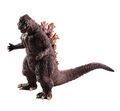 Banpresto Toho Monster Series - Godzilla 1954 roar attack (Ver.B)
 -
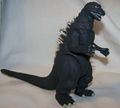 Bandai America 2002 - Godzilla 1954
 -
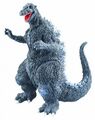 Bandai America 2009 - Godzilla 1954
 -
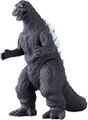 Bandai America 2024 Godzilla Monster Series - Godzilla 1954
 -
 Bandai America 2024 Godzilla Monster Series - Godzilla 1954 Translucent Edition
 -
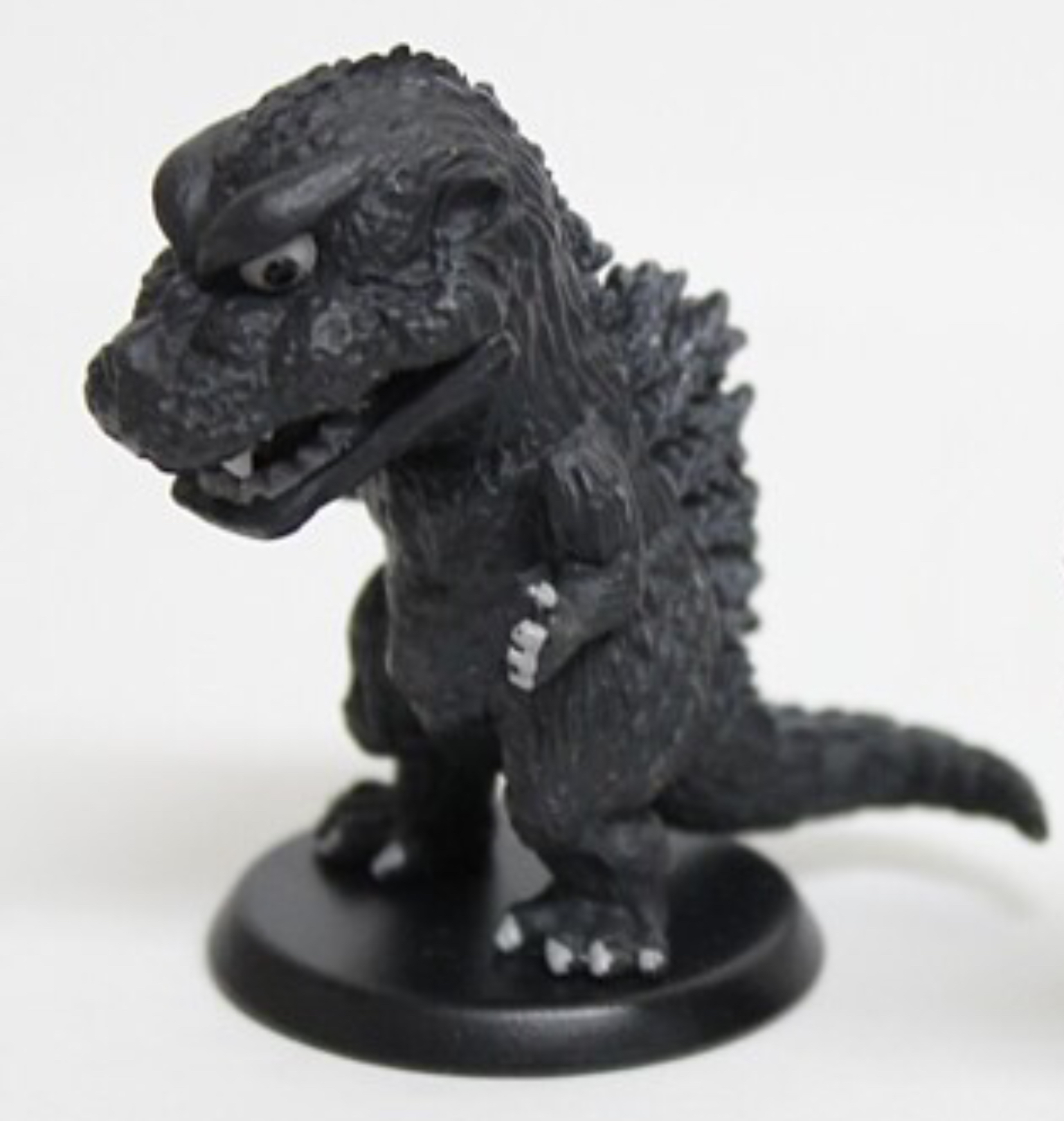
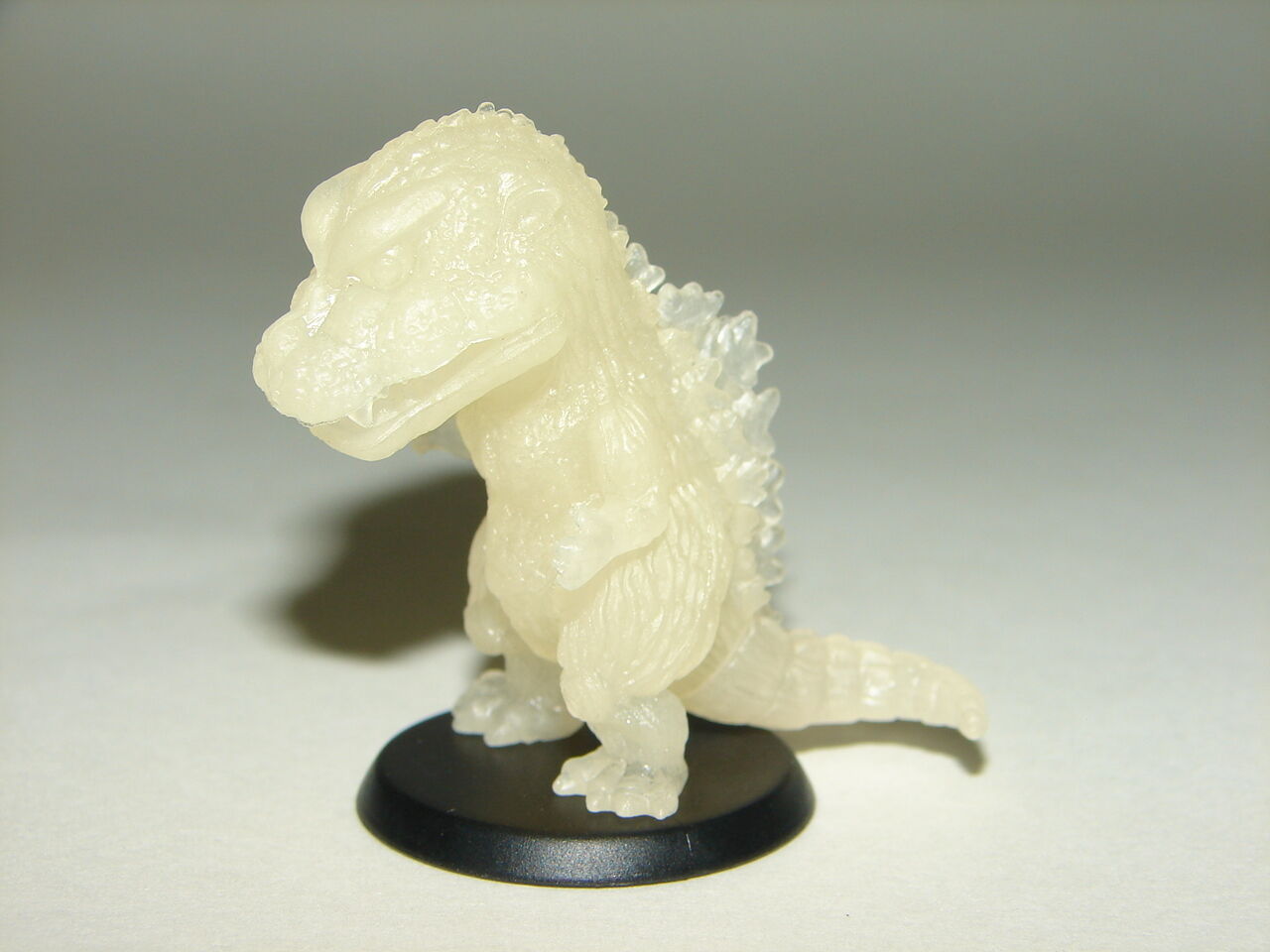
 Bandai America Mini Godzilla Collection
 -
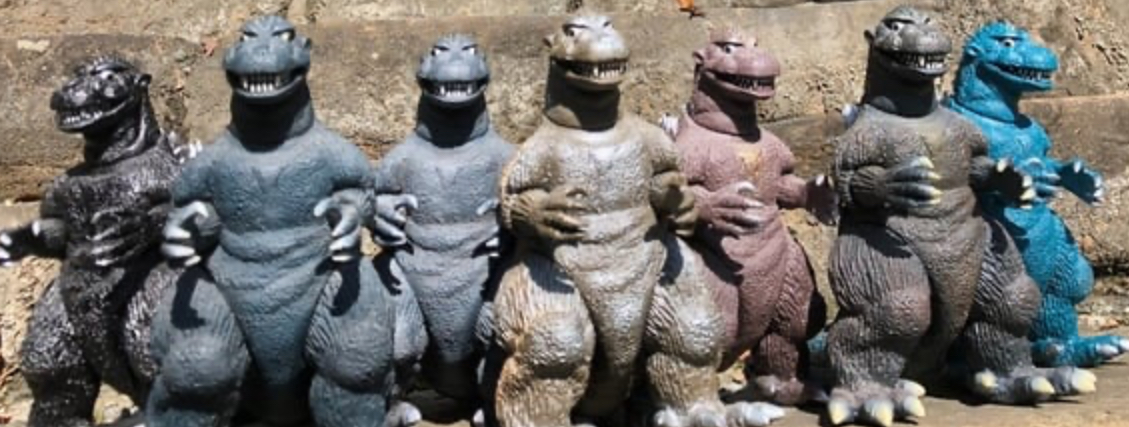
 Bandai America Mini Godzilla Collection color variants
 -
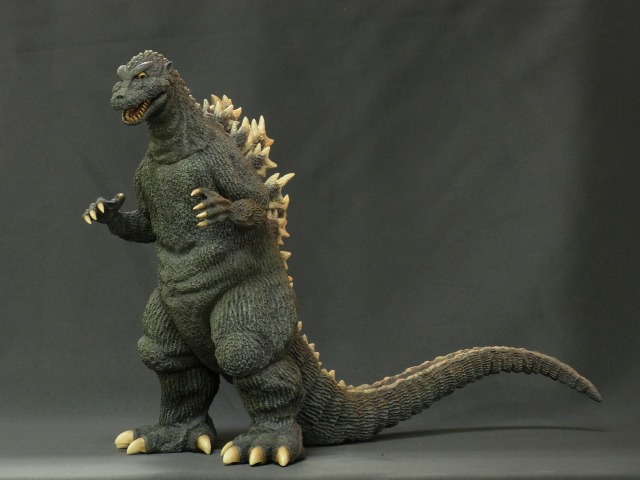
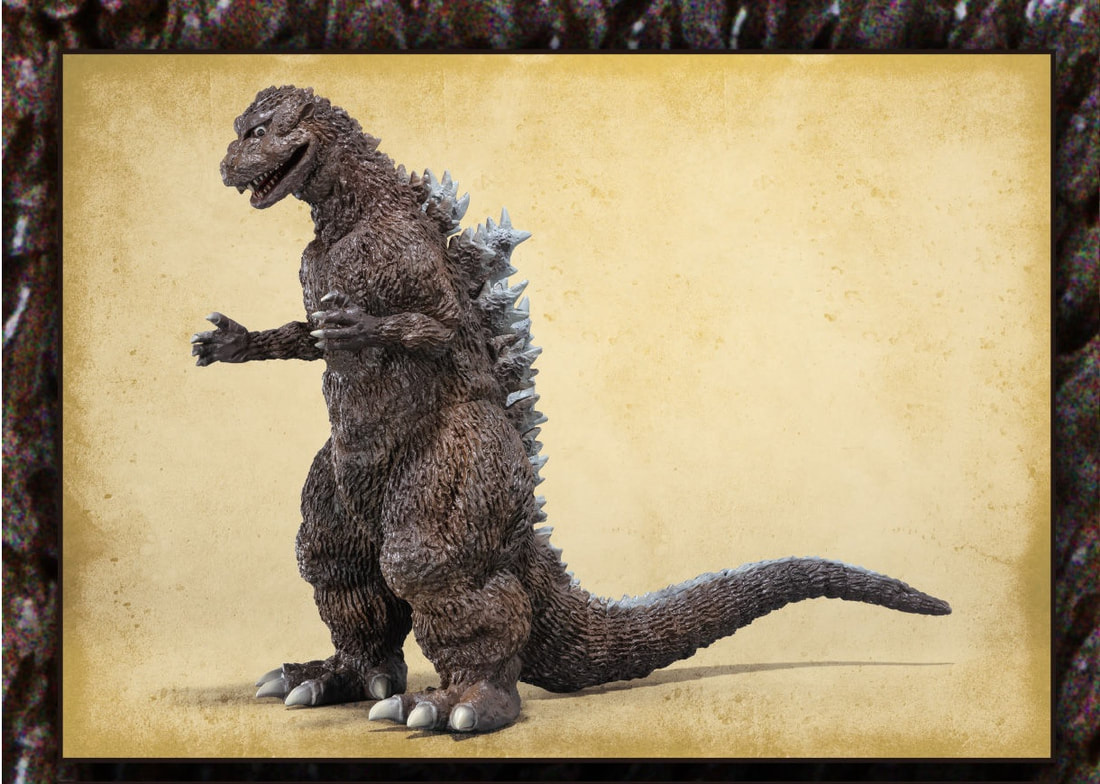
 X-Plus 25cm Prototype Godzilla (1954)
 -
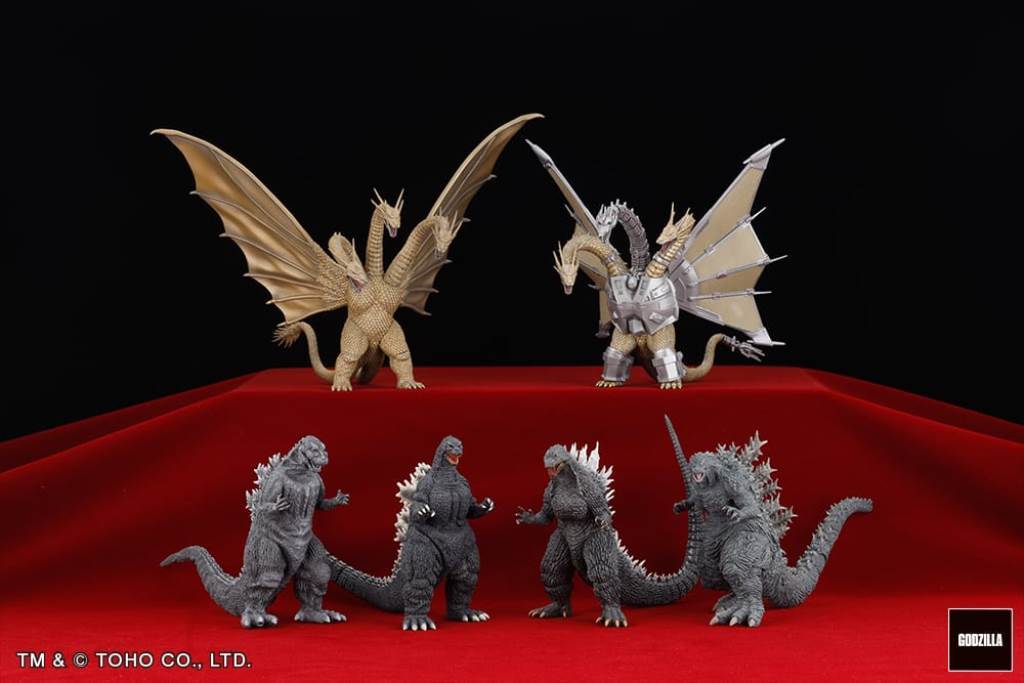
 X-Plus 10cm Godzilla 1954 and Godzilla 2004 Special Effects Museum Set
 -
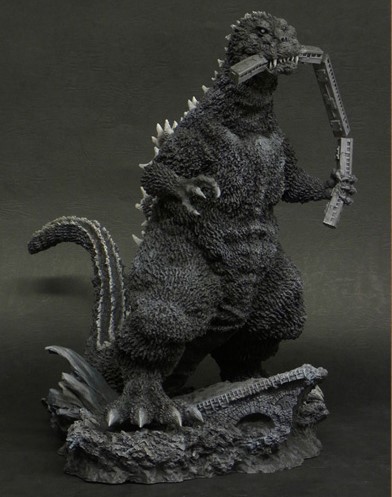
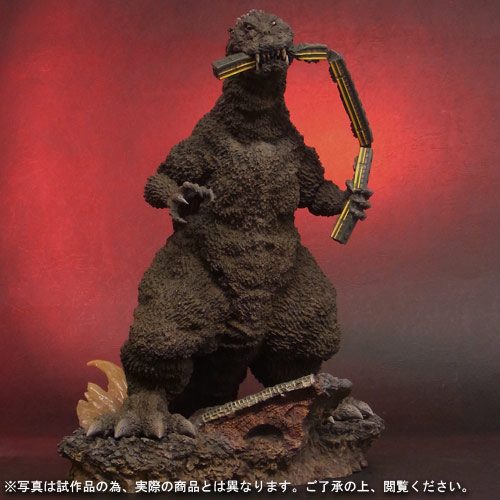
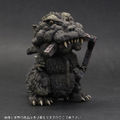 X-Plus DefoReal - Godzilla 1954 (Train Biter)
 -
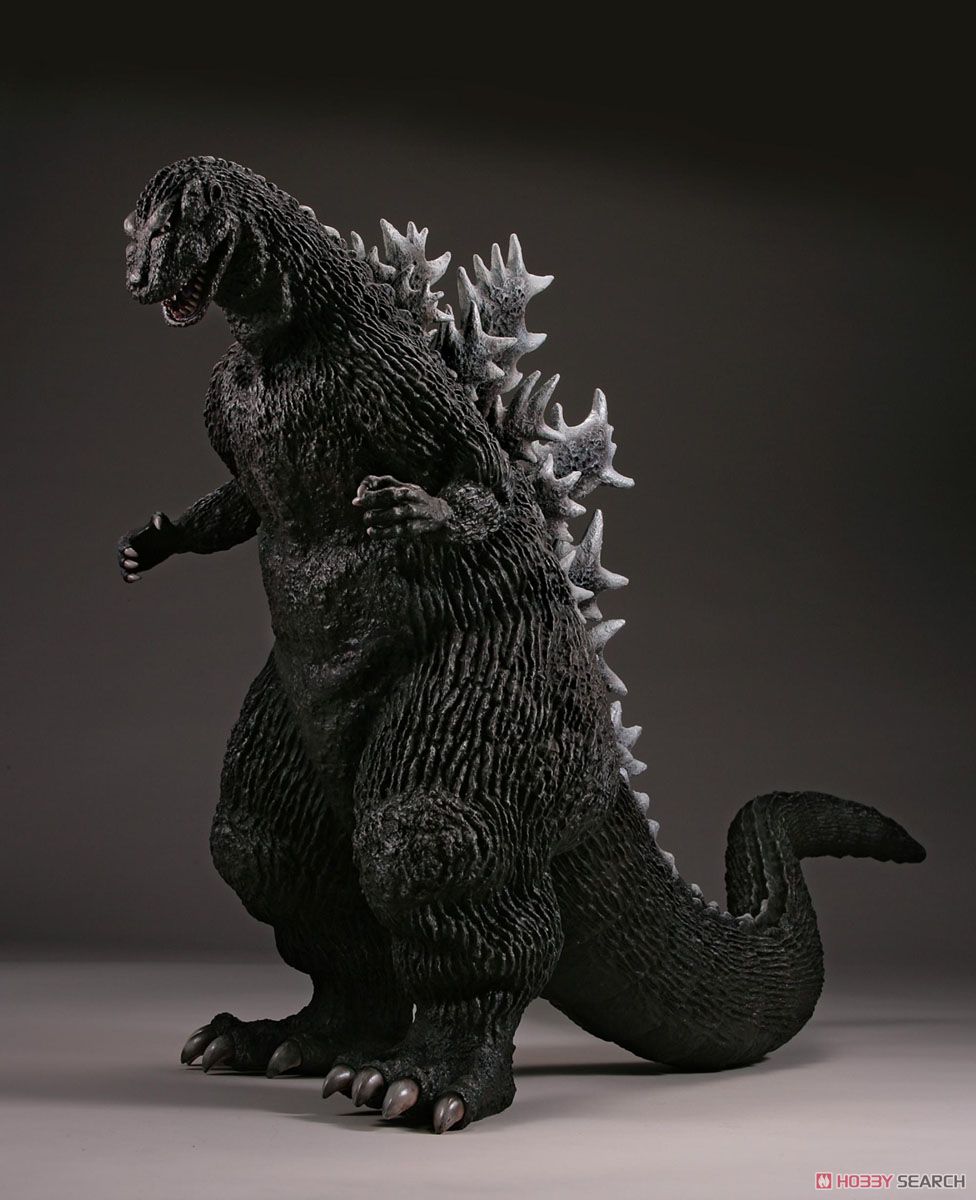
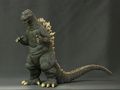 X-Plus - 30cm Godzilla 1954
 -
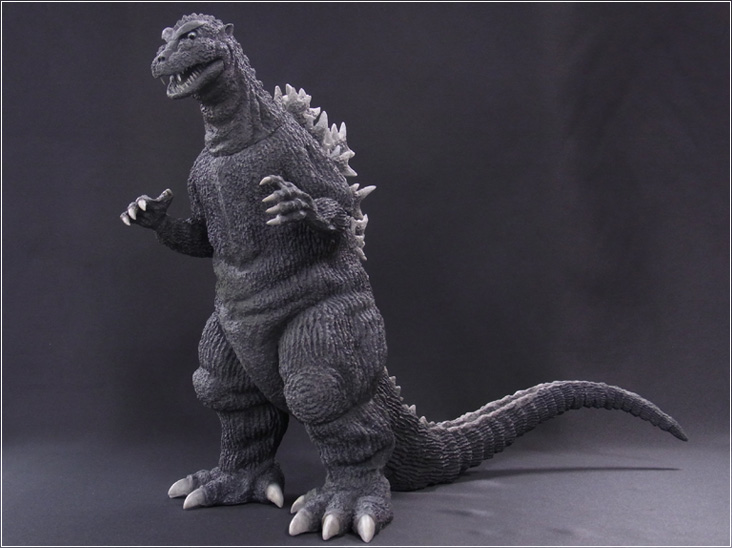
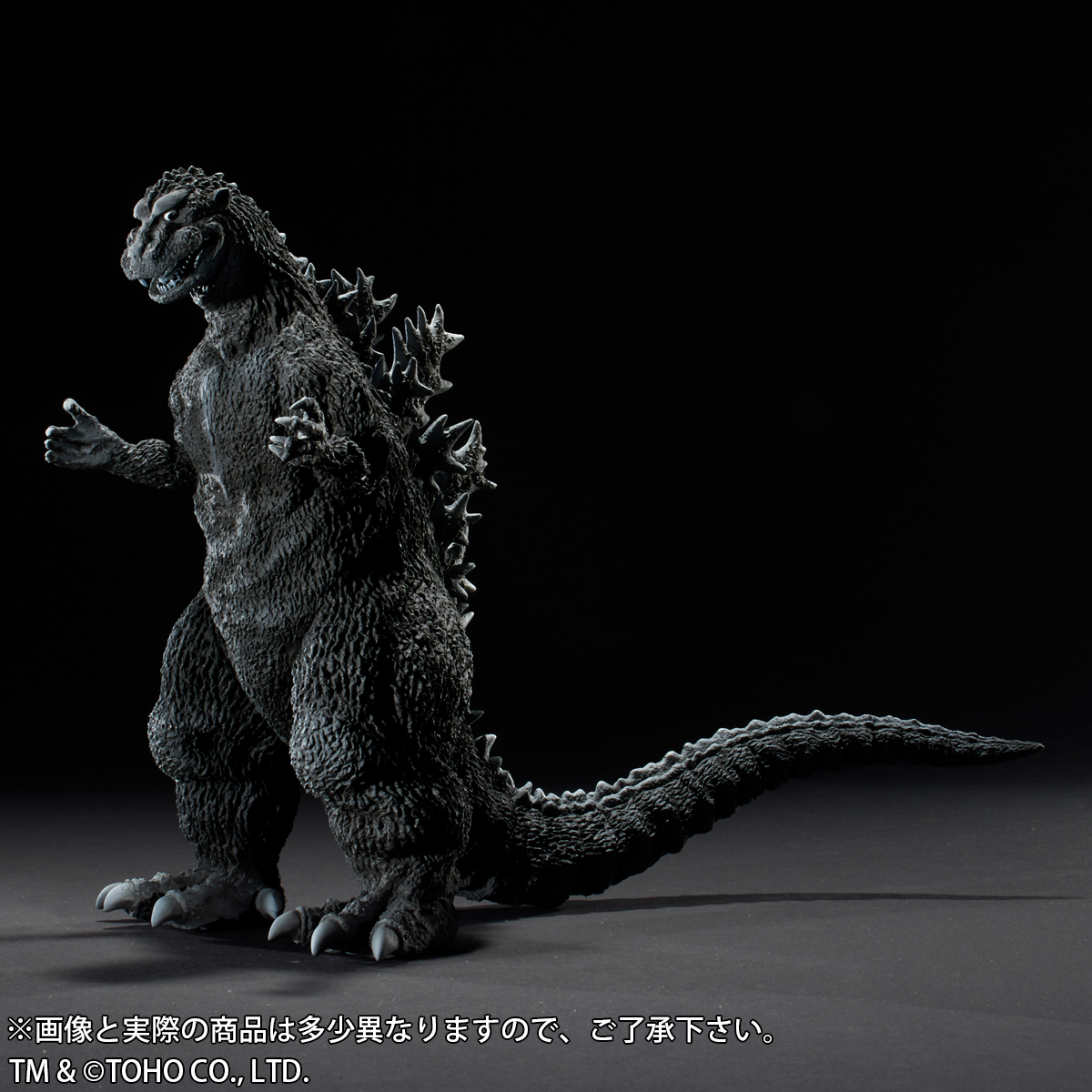
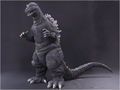 X-Plus - 30cm Godzilla 1954 monochrome version
 -
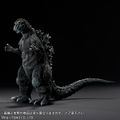 X-Plus - 30cm Yuji Sakai Modeling Collection Godzilla 1954
 -
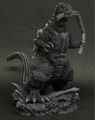 X-Plus - 30cm Godzilla 1954 with train in mouth (Monochrome Version)
 -
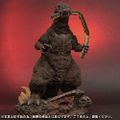 X-Plus - 30cm Godzilla 1954 with train in mouth (Color Version)
 -
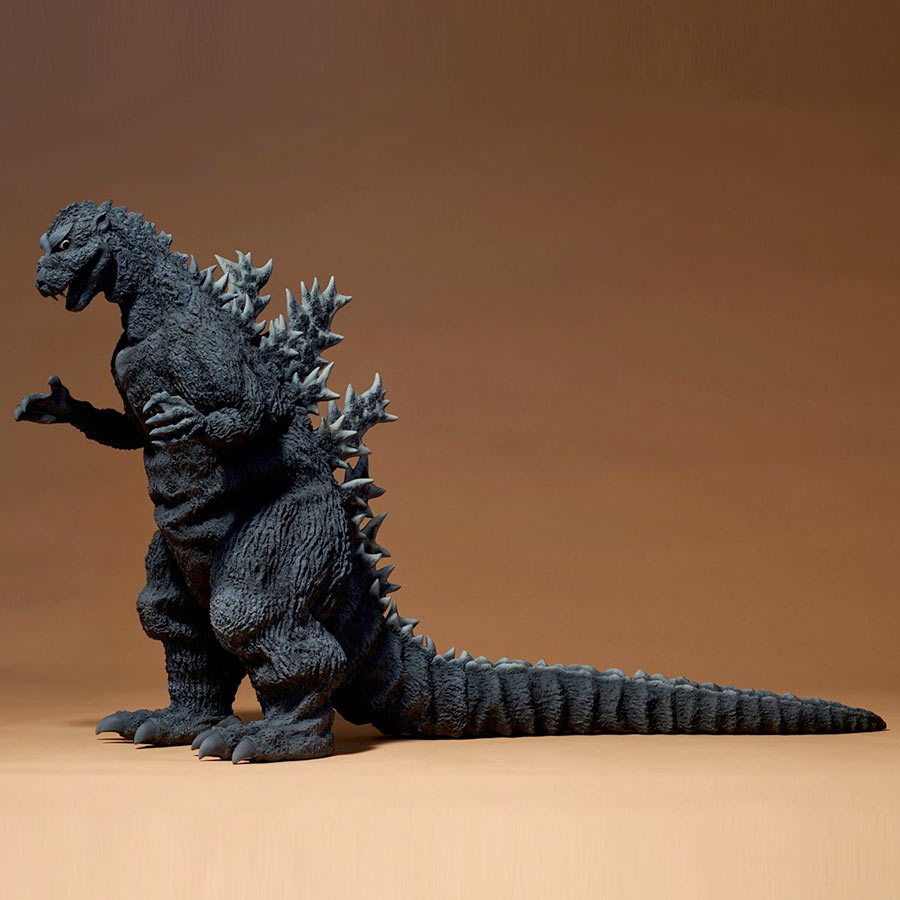
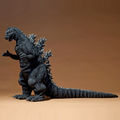 X-Plus - Gigantic Series Godzilla 1954
 -
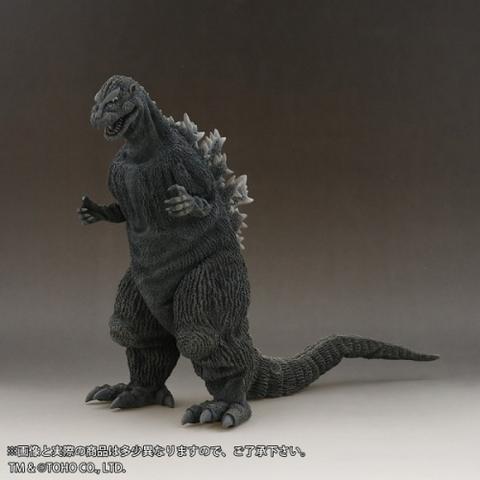
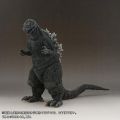 X-Plus - 25cm Godzilla 1954
 -
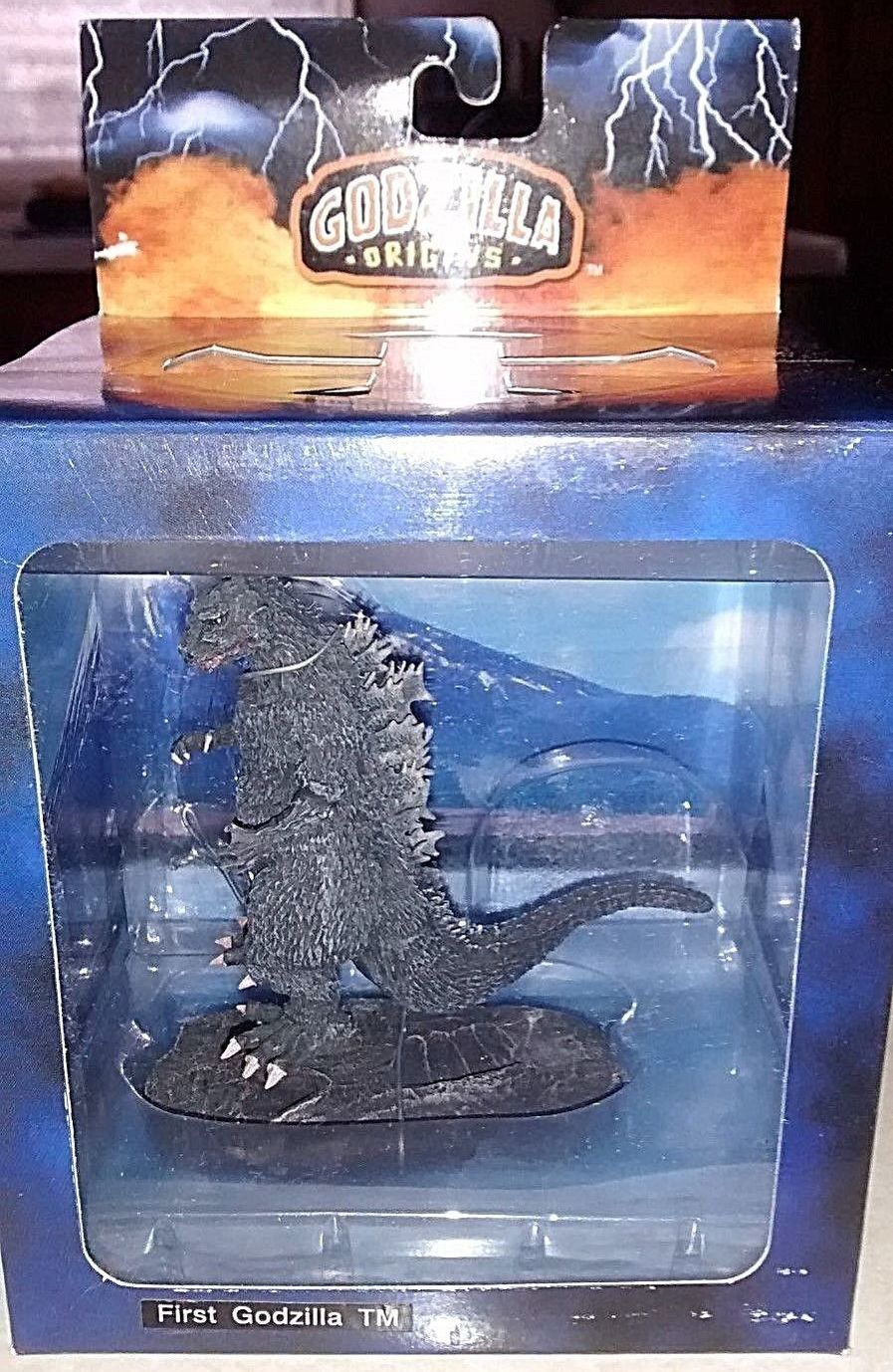
 X-Plus Godzilla Origins - Godzilla 1954
 -
 X-Plus USA 30cm Godzilla 1954 resin statue
 -
 M1 - Godzilla 1954
 -
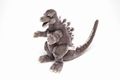 Steiff 60th Anniversary plush
 -
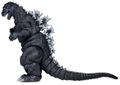 NECA - Godzilla 1954
 -
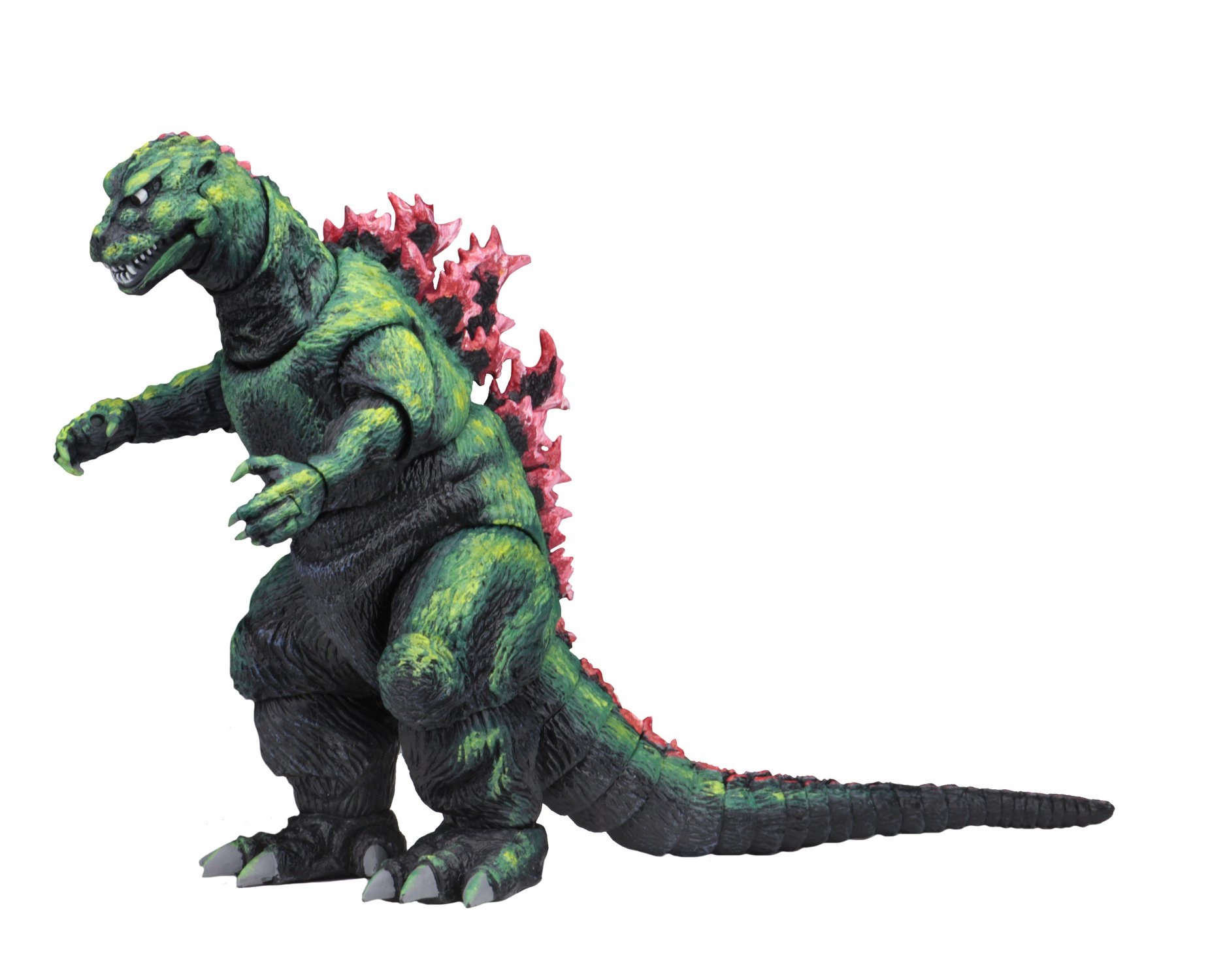
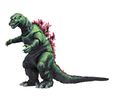 NECA - 1956 Movie Poster Godzilla
 -
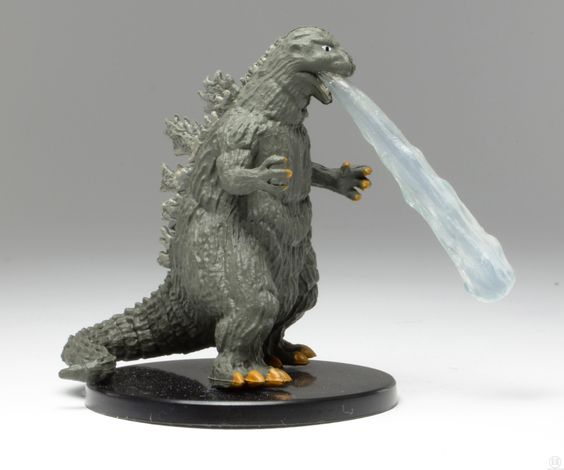
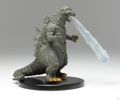 NECA Wizkids - Godzilla 1954
 -
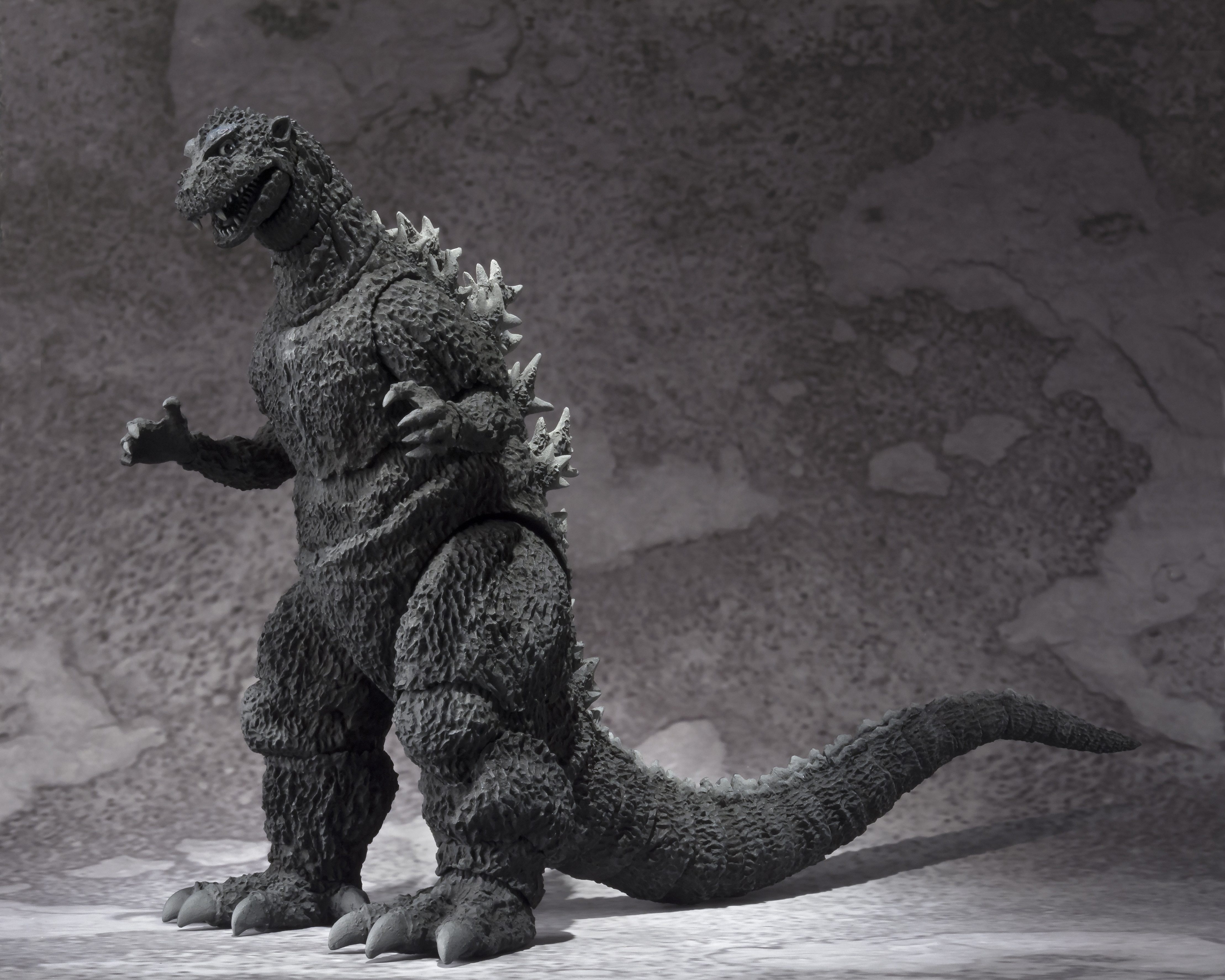
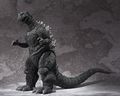 S.H. MonsterArts - Godzilla 1954
 -
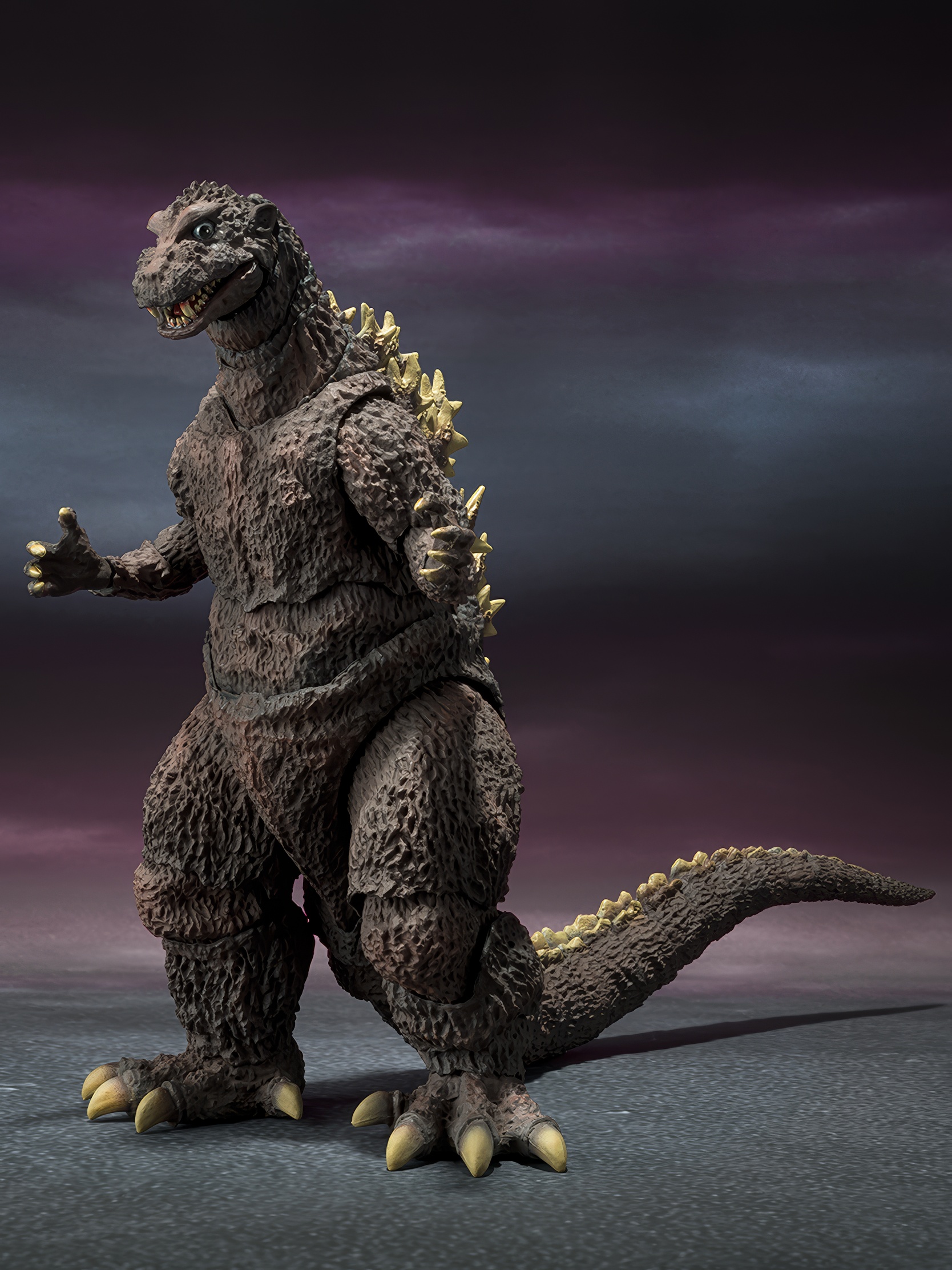
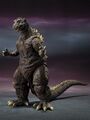 S.H. MonsterArts - Godzilla 1954 70th Anniversary Special Ver.
 -
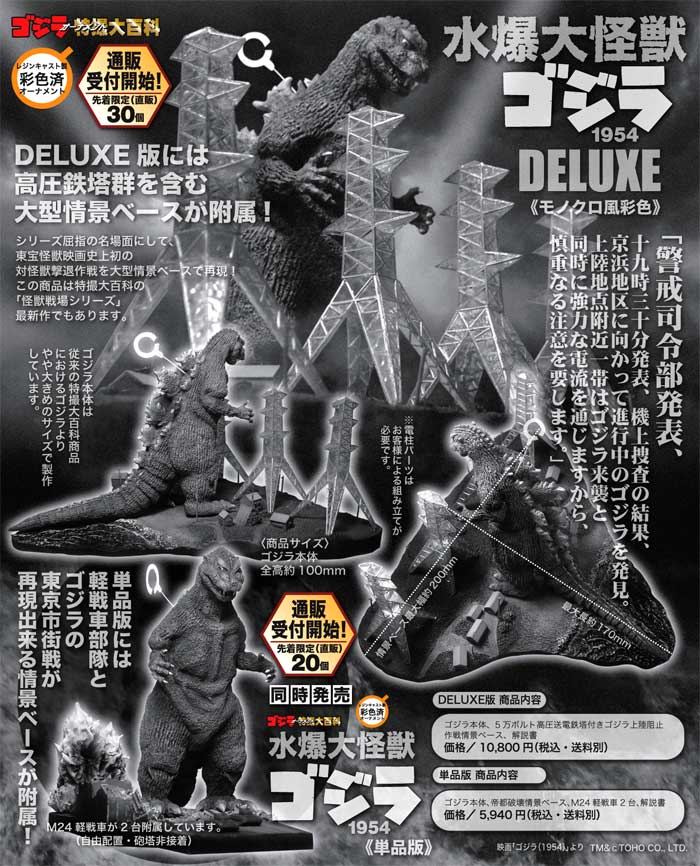
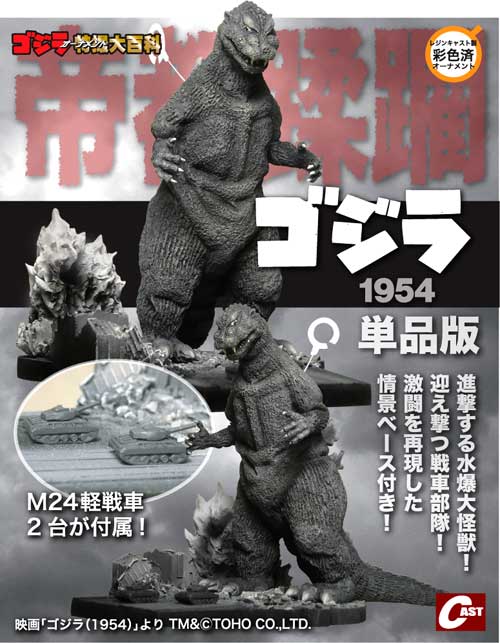
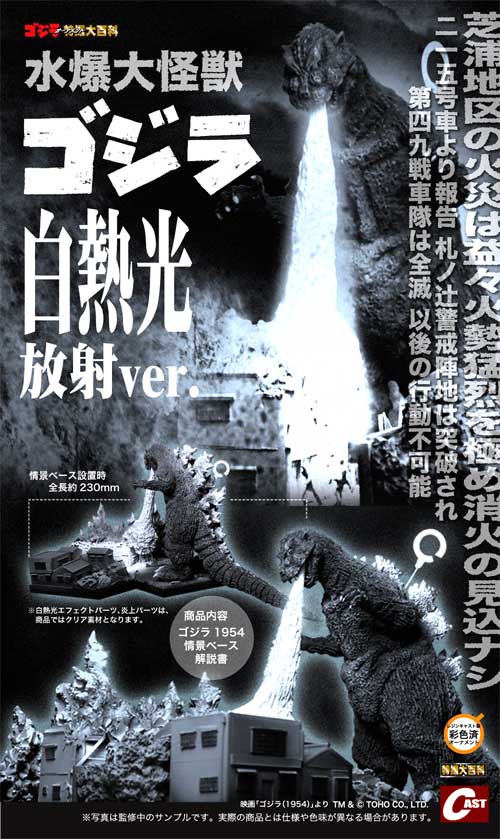
 Cast - Godzilla 1954 ornament
 -
 Cast - Godzilla 1954 ornament
 -
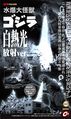 Cast - Godzilla 1954 ornament
 -
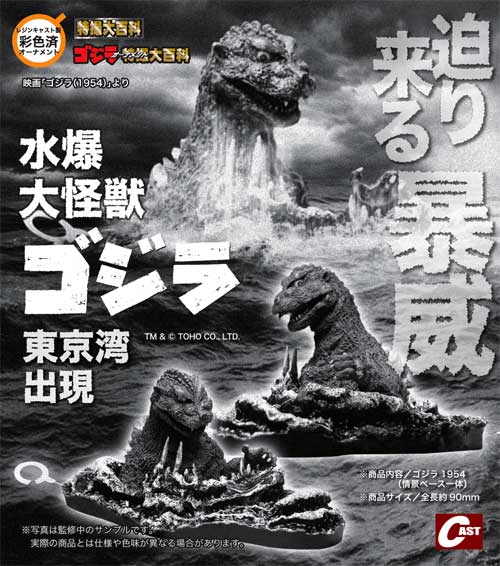
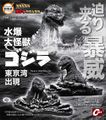 Cast - Godzilla 1954 emerging from the water ornament
 -
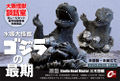 Cast - Godzilla 1954 dying from the Oxygen Destroyer ornament
 -
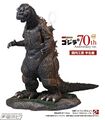 Cast - Godzilla 1954 70th anniversary ornament
 -
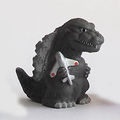 Bandai finger puppet
 -
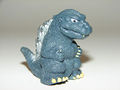 Bandai finger puppet
 -
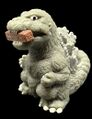 Bandai finger puppet
 -
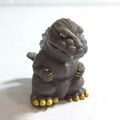 Bandai finger puppet
 -
 Bandai finger puppet
 -
 Bandai finger puppet
 -
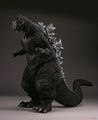 Resin kit
 -
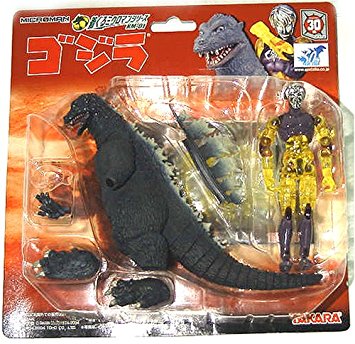
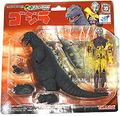 Microman - Godzilla 1954
 -
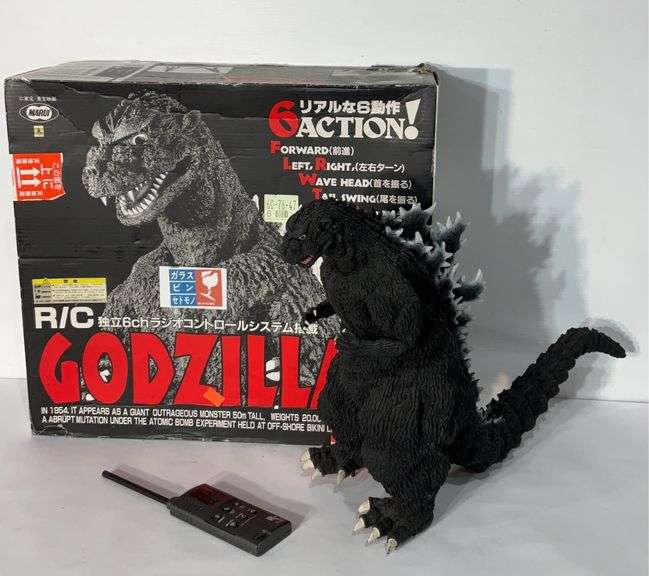
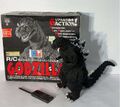 Bandai remote controlled Godzilla 1954
 -
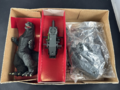 Bandai Real Action - Godzilla 1954
 -
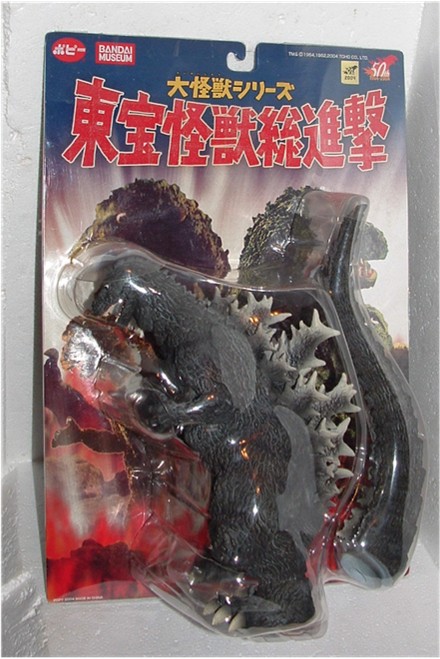
 Bandai Museum - Godzilla 1954
 -
 Hazawa-Gumi - Godzilla 1954
 -
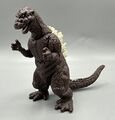 Bandai Hyper Godzilla - Godzilla 1954 (painted version)
 -
 Bandai Hyper Godzilla - Godzilla 1954
 -
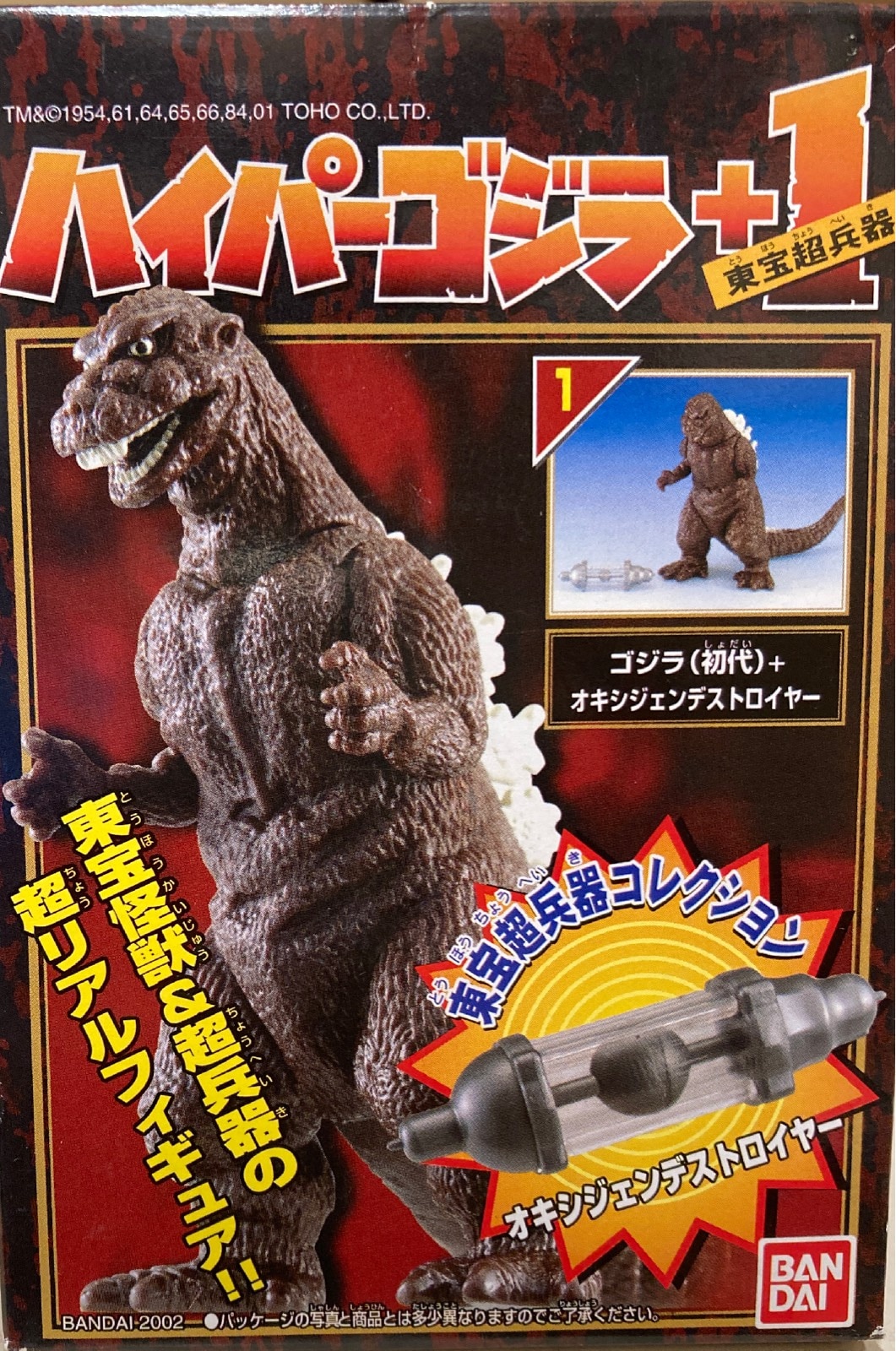
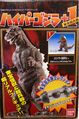 Bandai Hyper Godzilla +1 - Godzilla 1954
 -
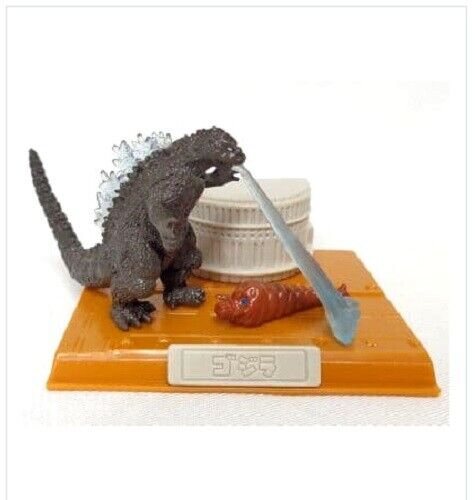
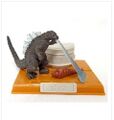 Bandai Best of Godzilla - Godzilla 1954 with Mothra Larva
 -
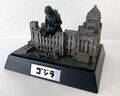 Bandai Godzilla Appearance - Godzilla 1954
 -
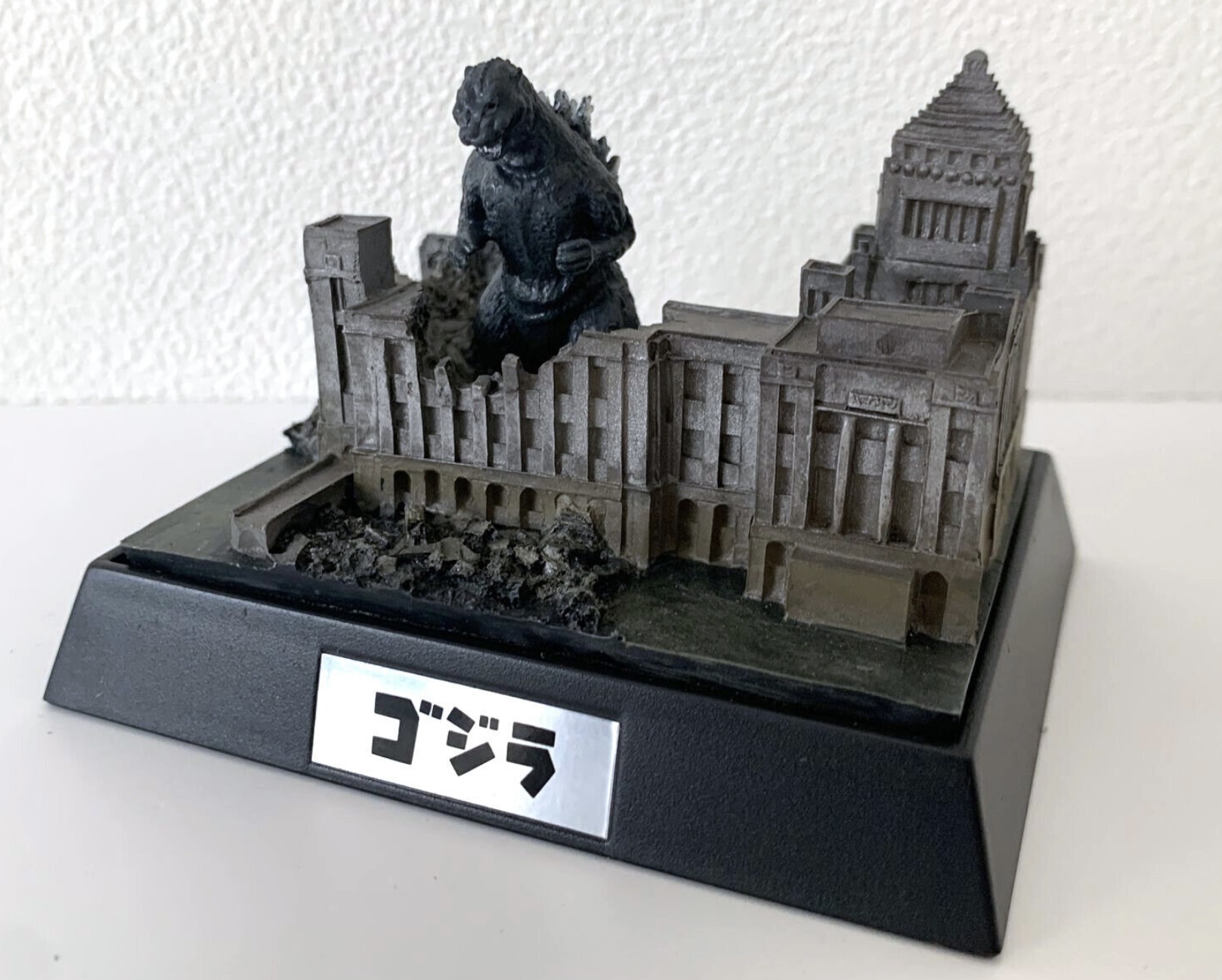
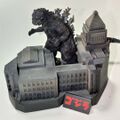 Bandai Godzilla Complete Works - Godzilla 1954
 -
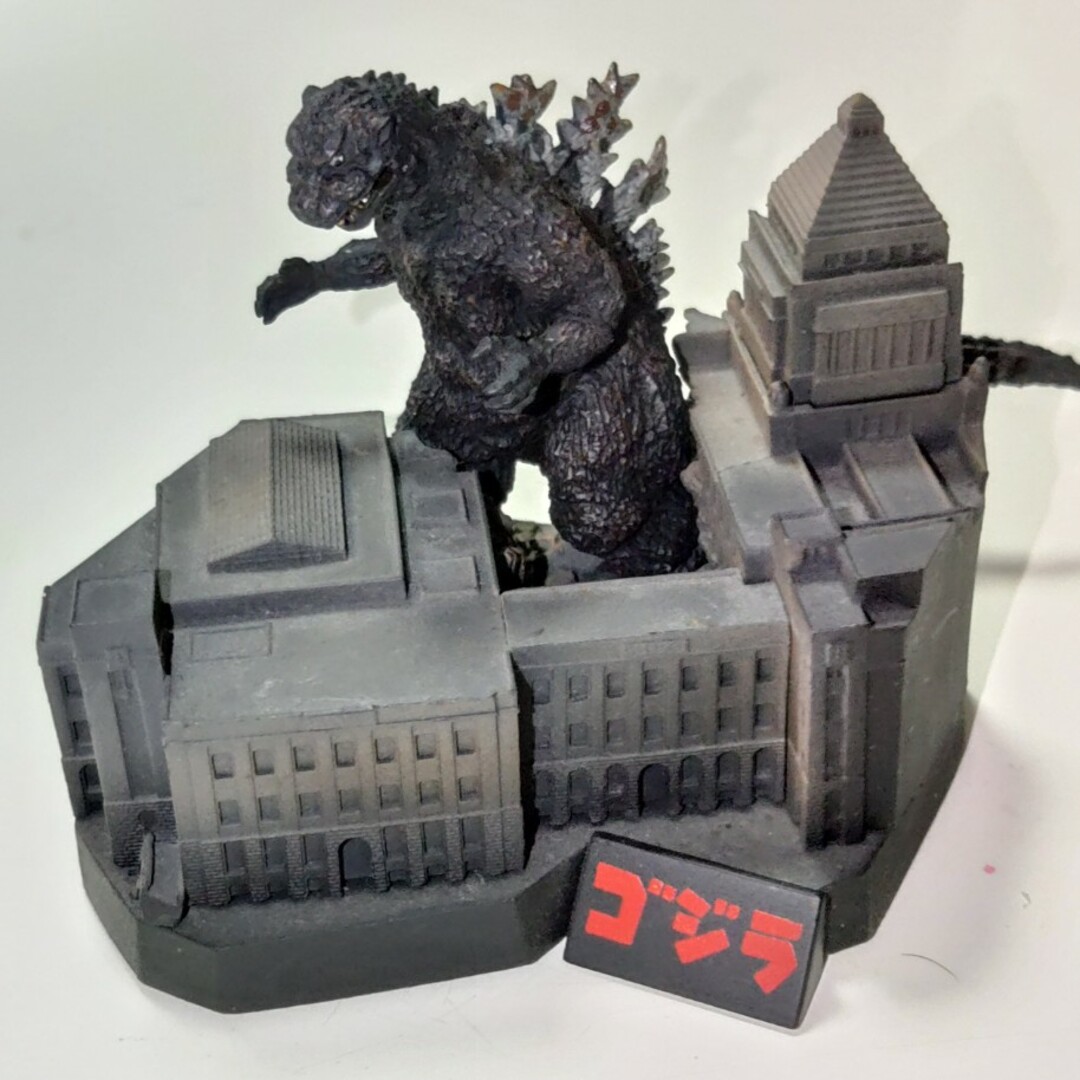
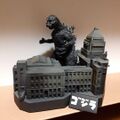 Bandai Godzilla Complete Works - Godzilla 1954 (B&W Version)
 -
 Bandai Godzilla Appearence - Godzilla (1954)
 -
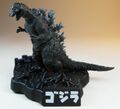 Bandai Godzilla Appearance - Godzilla 1954 (B&W Version)
 -
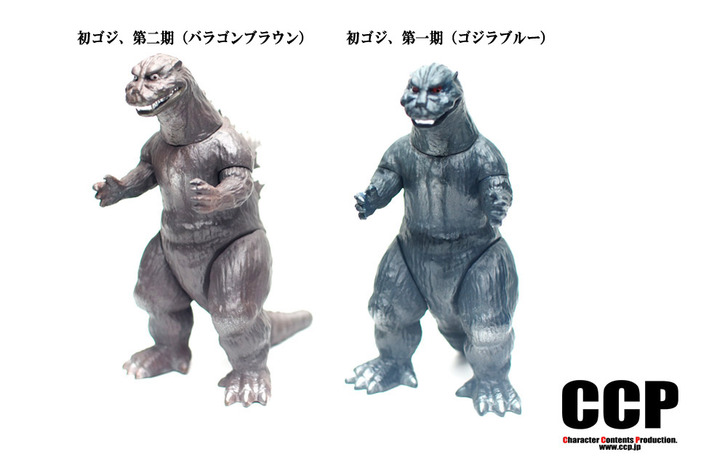
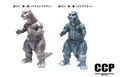 CCP minifigures
 -
 SD coaster
 -
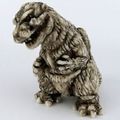 Godzilla 1954 Netsuke
 -
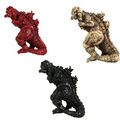 Godzilla 1954 Netsukes
 -
 Bandai - Godzilla 1954 Netsuke keychain
 -
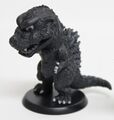 Zacca - SD Godzilla 1954
 -
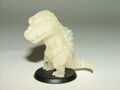 Zacca - SD Godzilla 1954 V2
 -
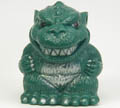
-
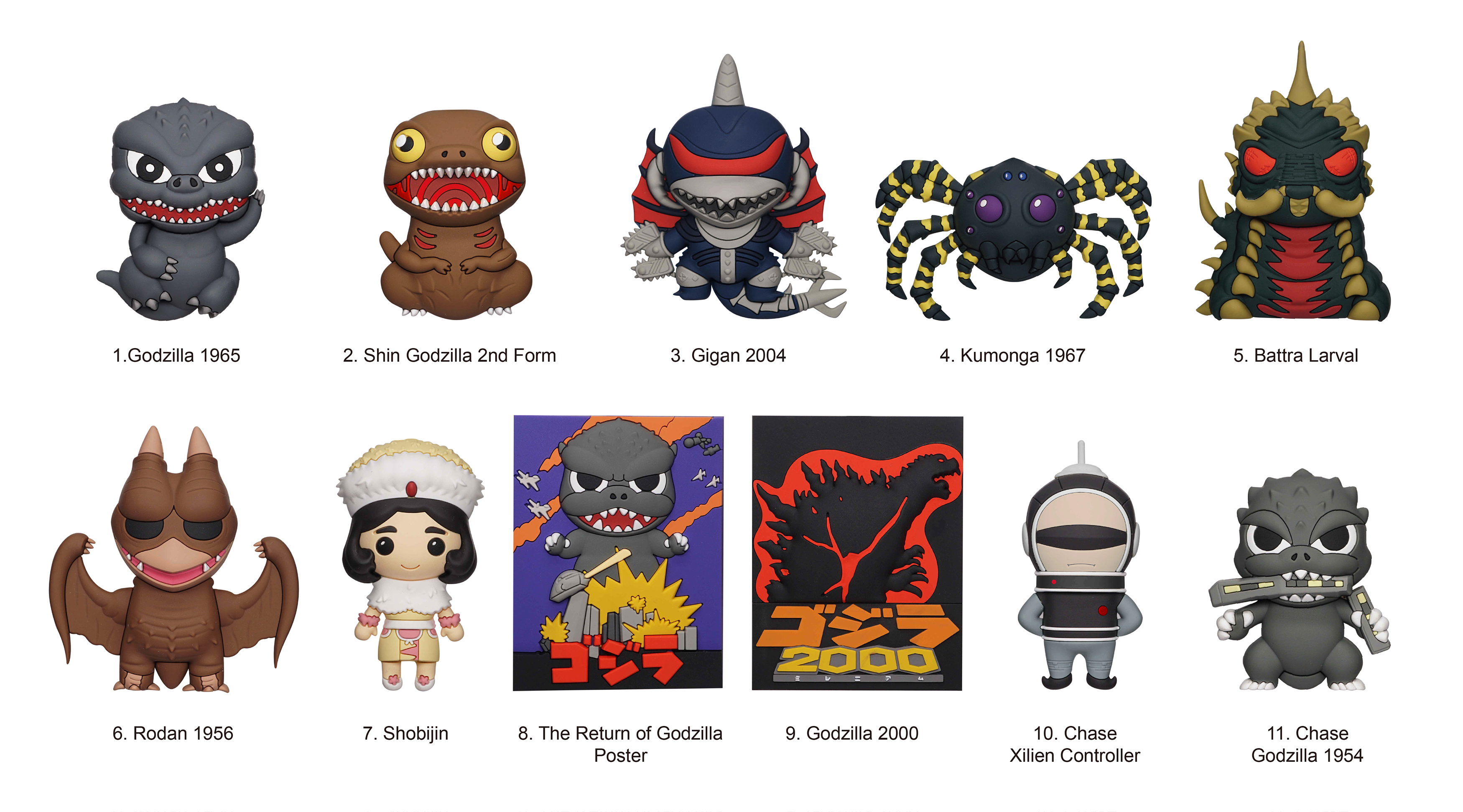
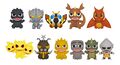 Monogram International Figural Bag Clips
 -
 Monogram International Figural Bag Clips
 -
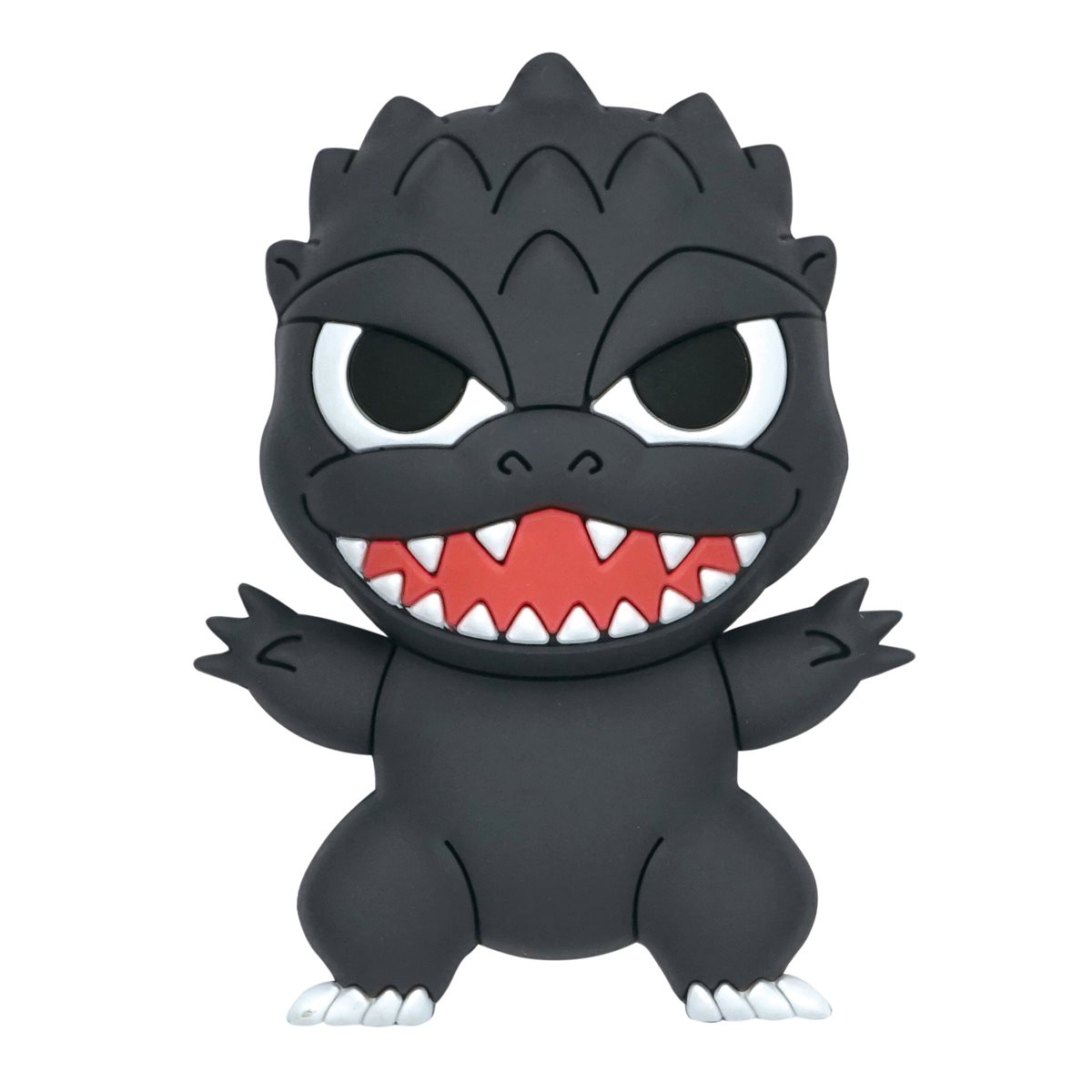
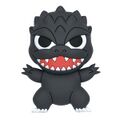 Monogram International 3D Foam Magnet
 -
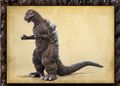 Premium Bandai Kaiju Out of the Laws - Godzilla 1954 Poster Color Version
 -
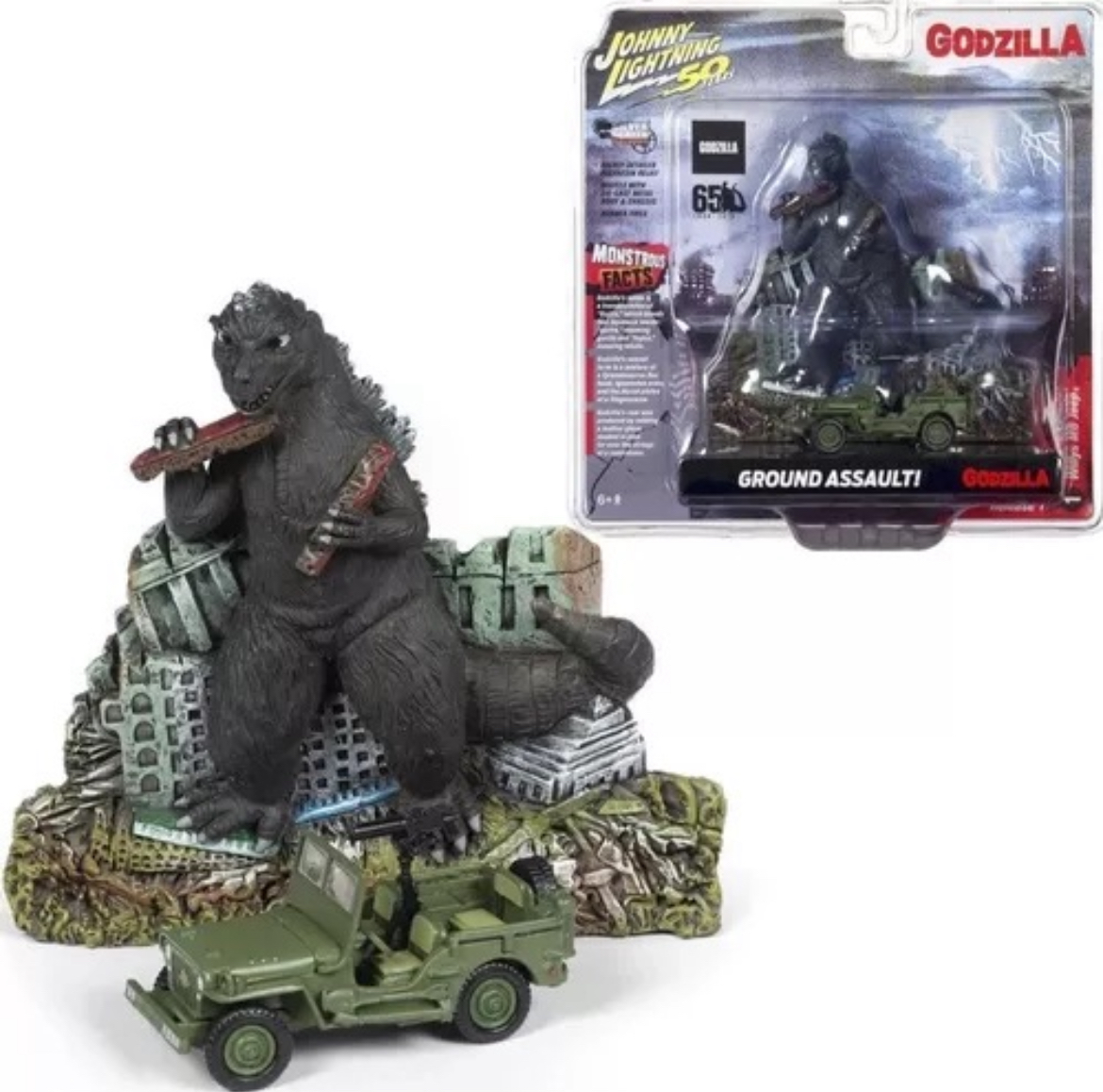
 Johnny Lightning Willys Jeep from Godzilla
 -
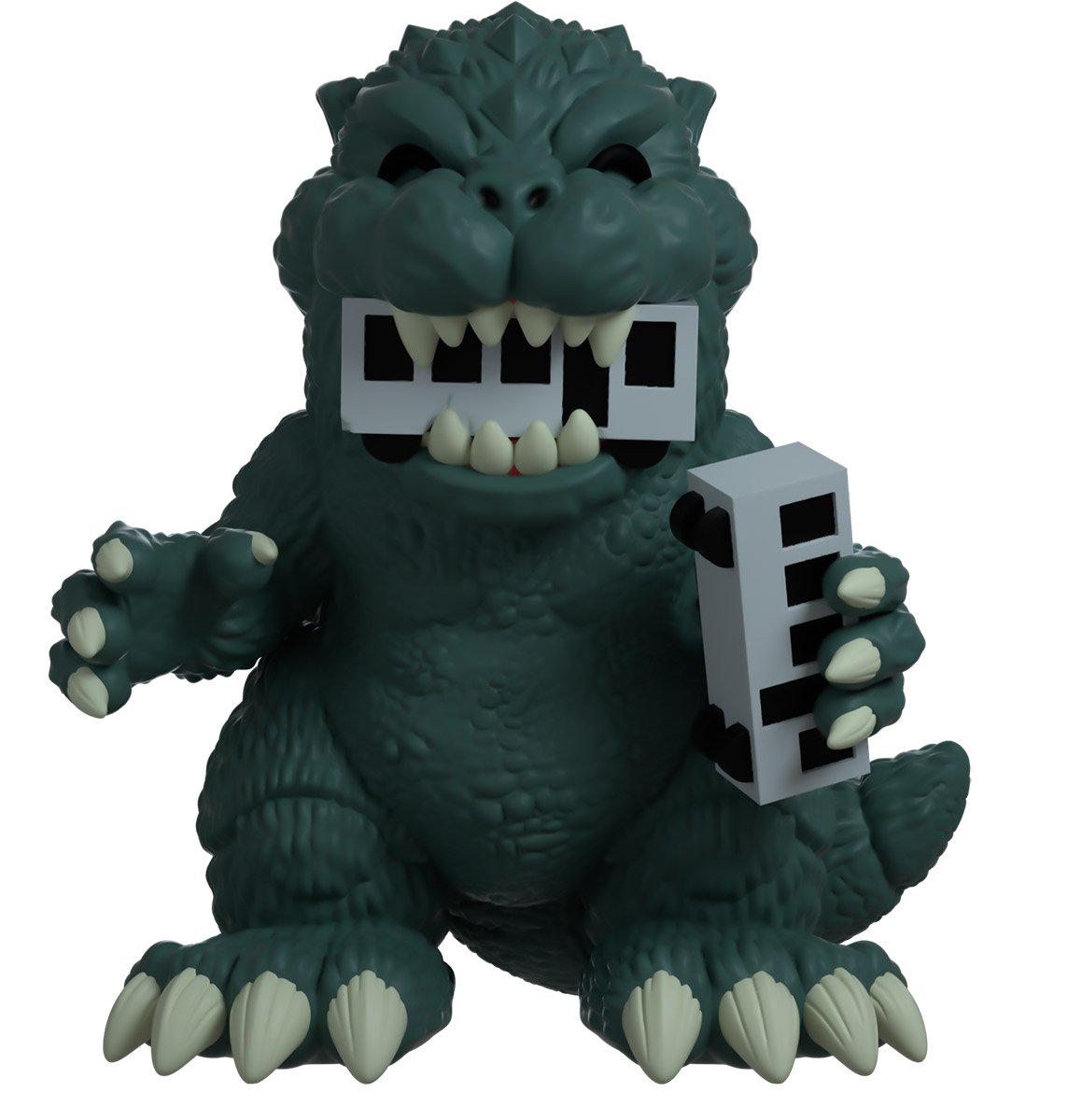
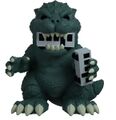 Youtooz figure
 -
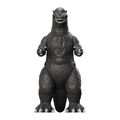 Super7 ReAction - Godzilla '54
 -
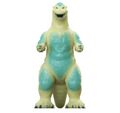 Super7 ReActions - Godzilla '54 (Glow)
 -
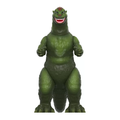 Super7 ReAction - American Poster Godzilla '54 (Target exclusive)
 -
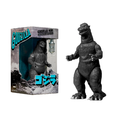 Super7 ReAction - Silver Screen Godzilla '54 with Oxygen Destroyer (Super7.com exclusive)
 -
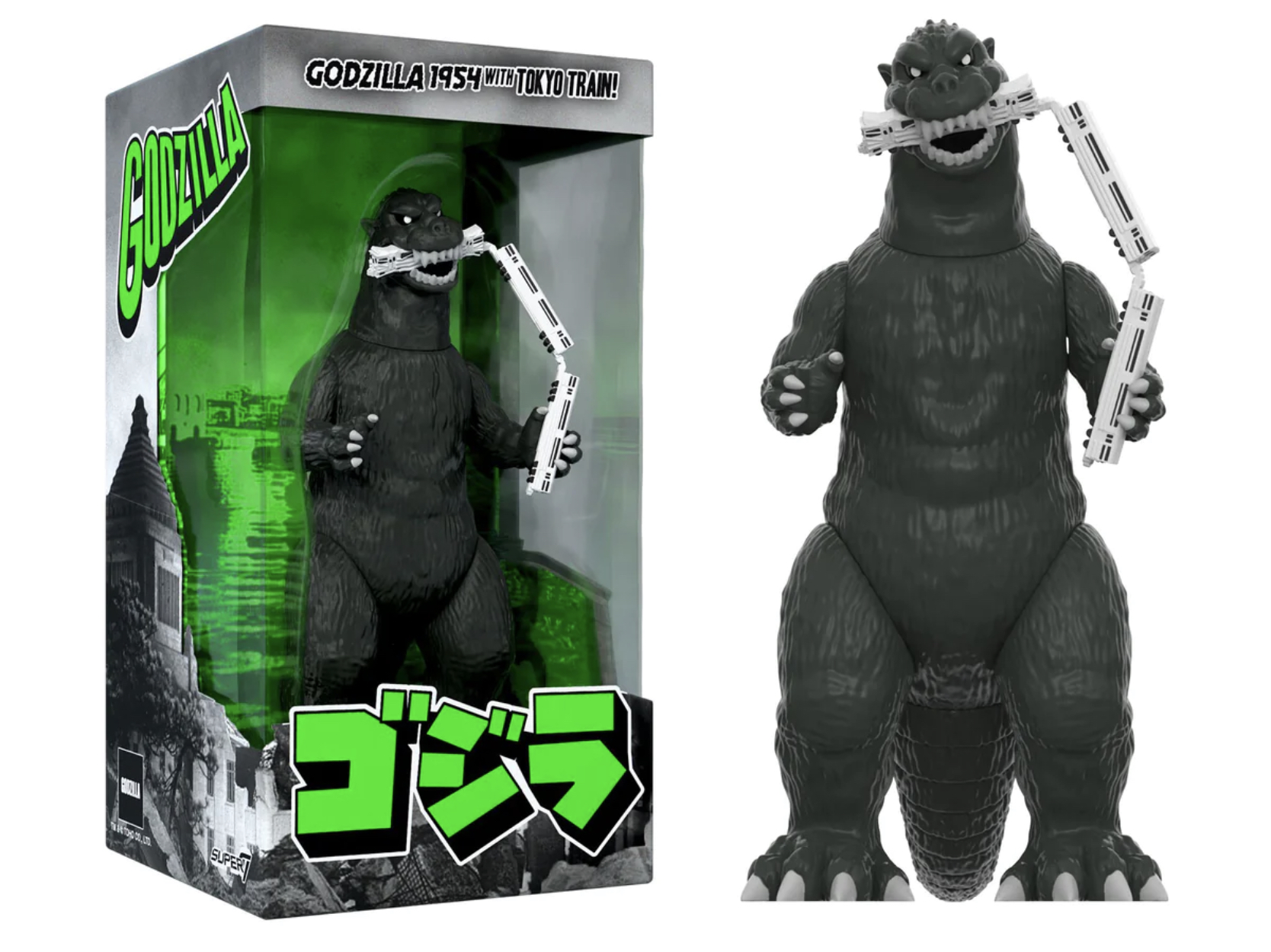
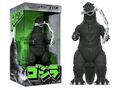 Super7 ReAction - Godzilla '54 Train Biter (SDCC exclusive)
 -
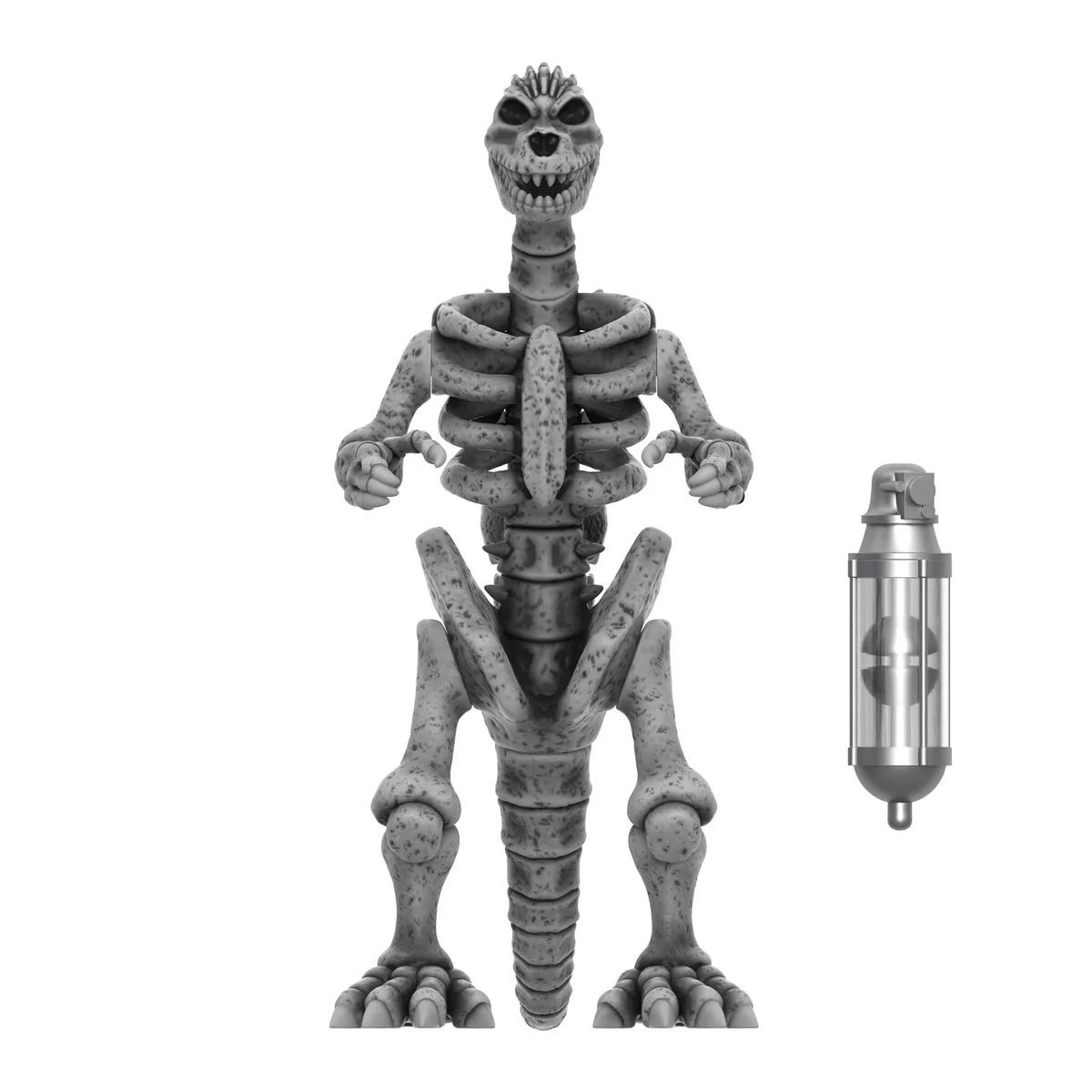
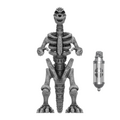 Super7 ReAction - Skeleton of Godzilla with Oxygen Destroyer
 -
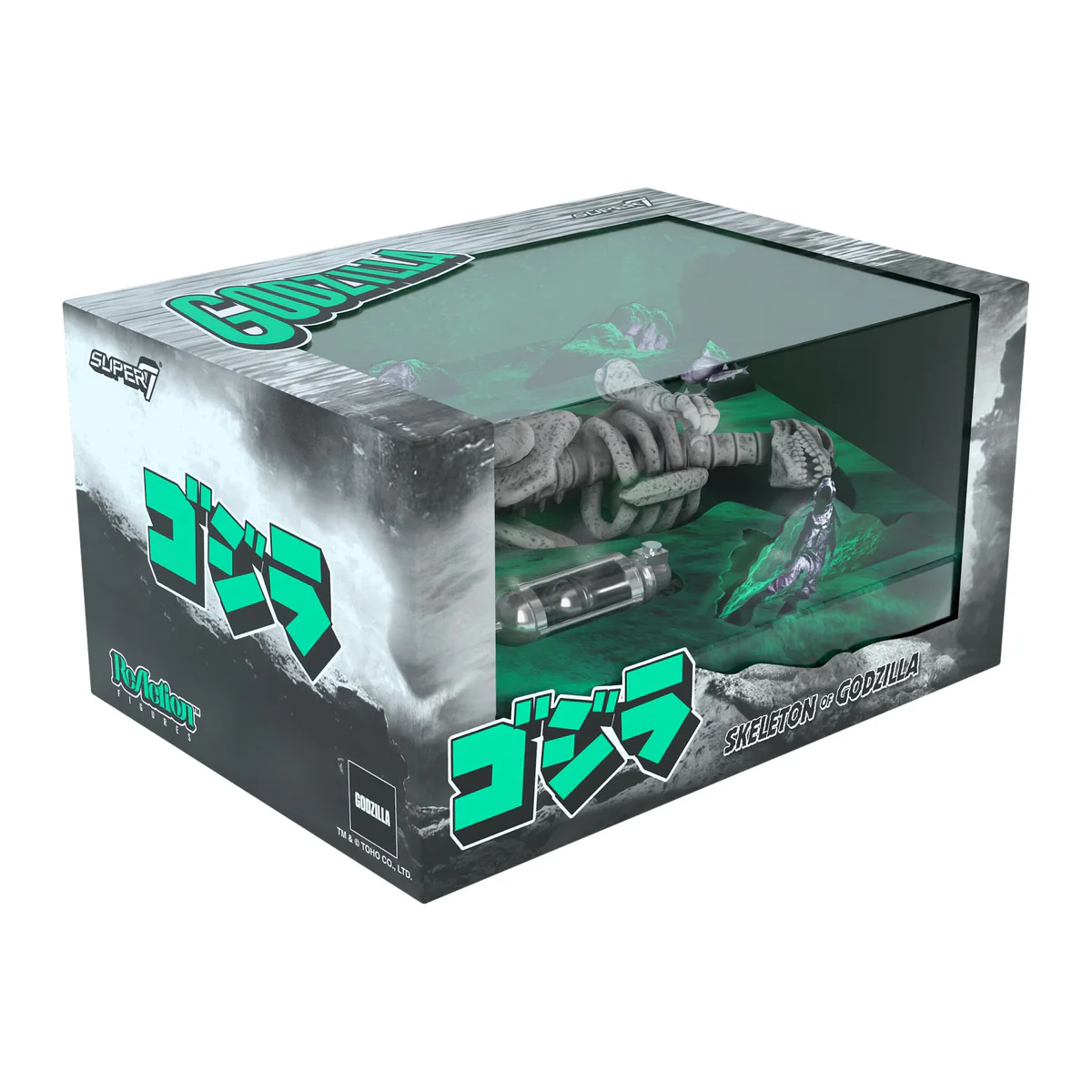
 Super7 ReAction - Skeleton of Godzilla (boxed)
 -
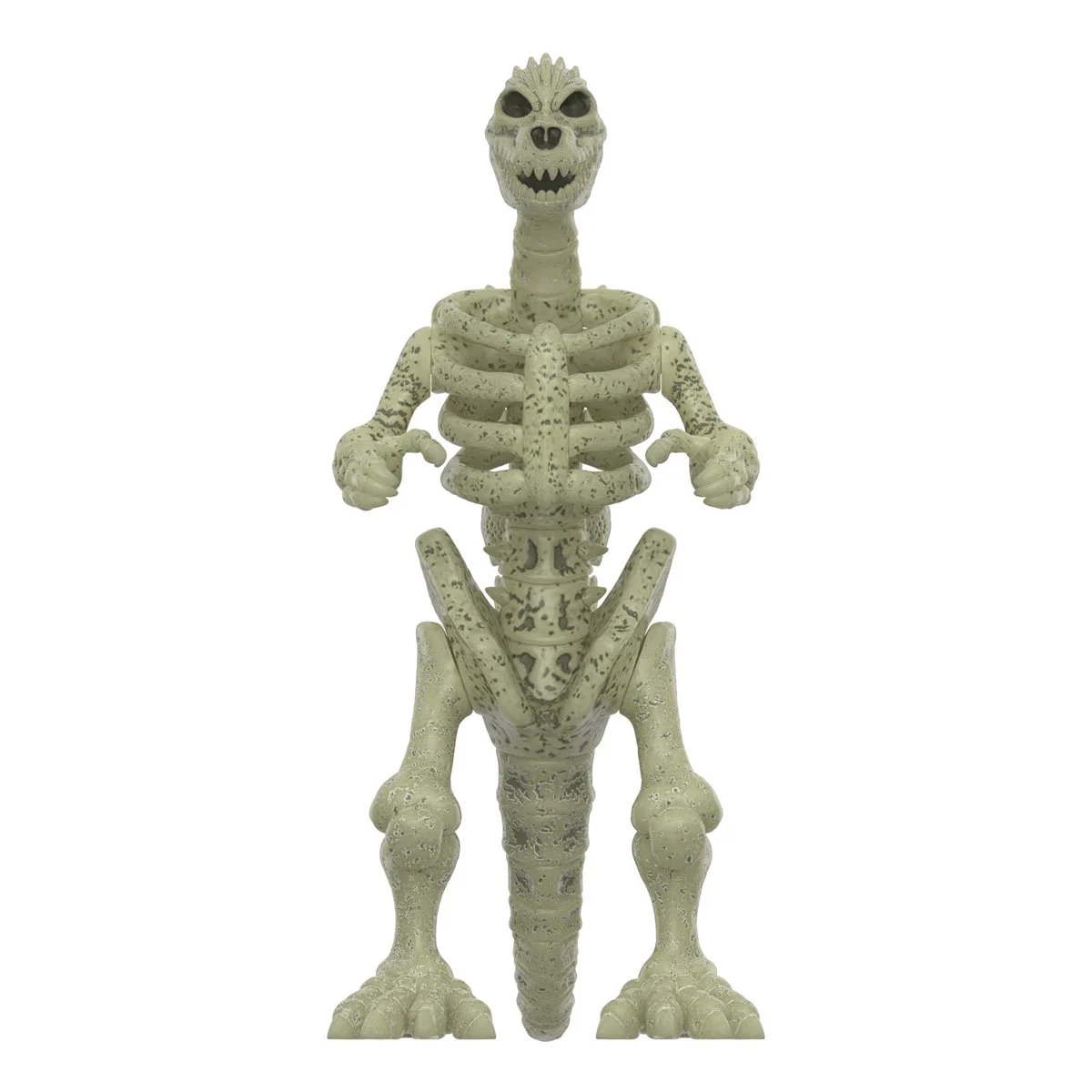
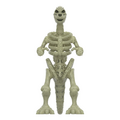 Super7 ReAction - Godzilla Skeleton (Glow)
 -
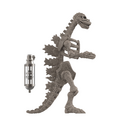 Super7 ReAction - Skeleton Godzilla with Oxygen Destroyer
 -
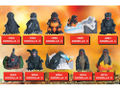 Yubi's Figurines
 -
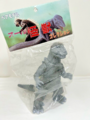 Bear Model - Godzilla 1954
 -
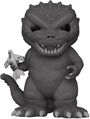 Funko Pop! - 4.25" Godzilla (1954)
 -
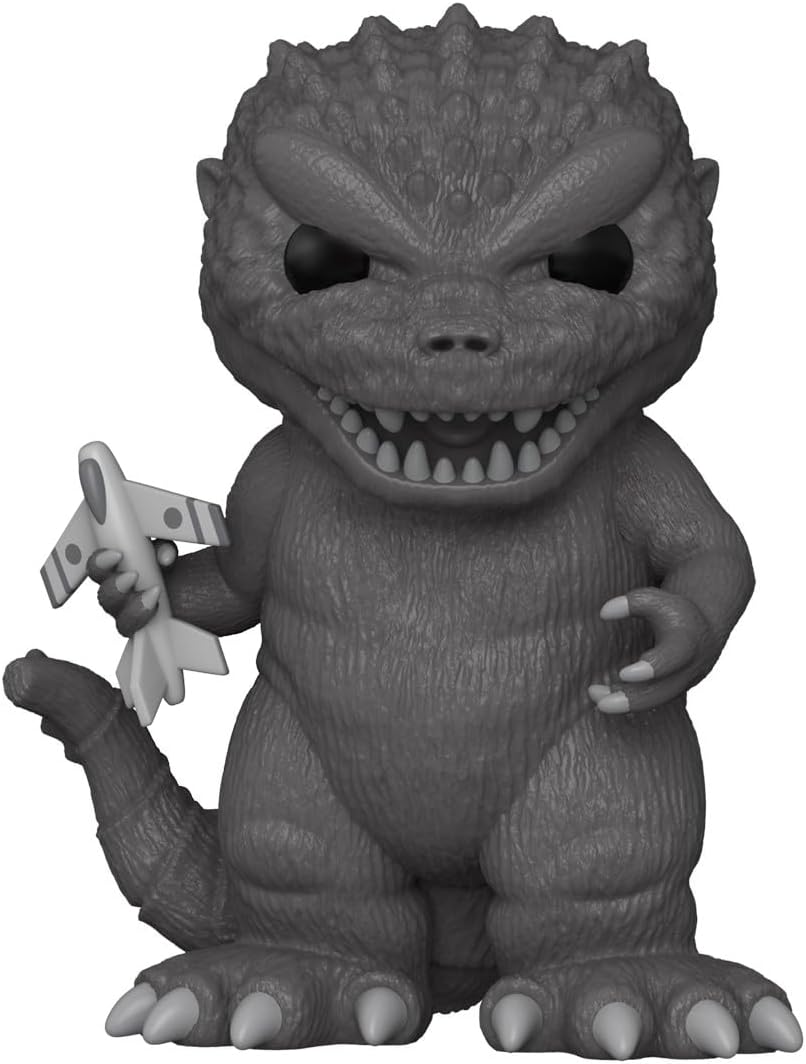
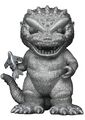 Funko Pop! - 6" Godzilla (1954) BAM Exclusive
 -
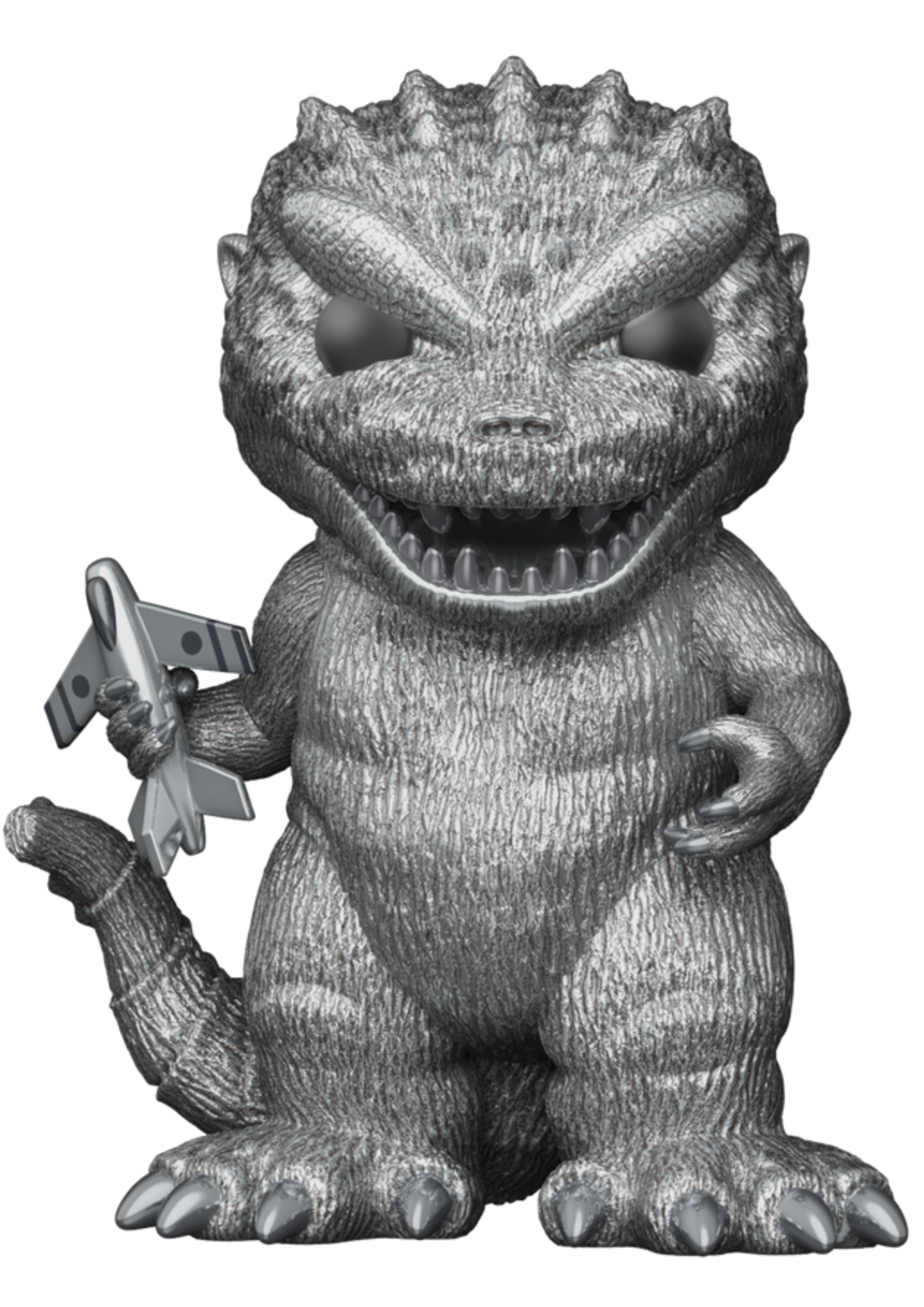
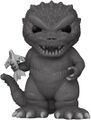 Funko Pop! - 10" Godzilla (1954)
 -
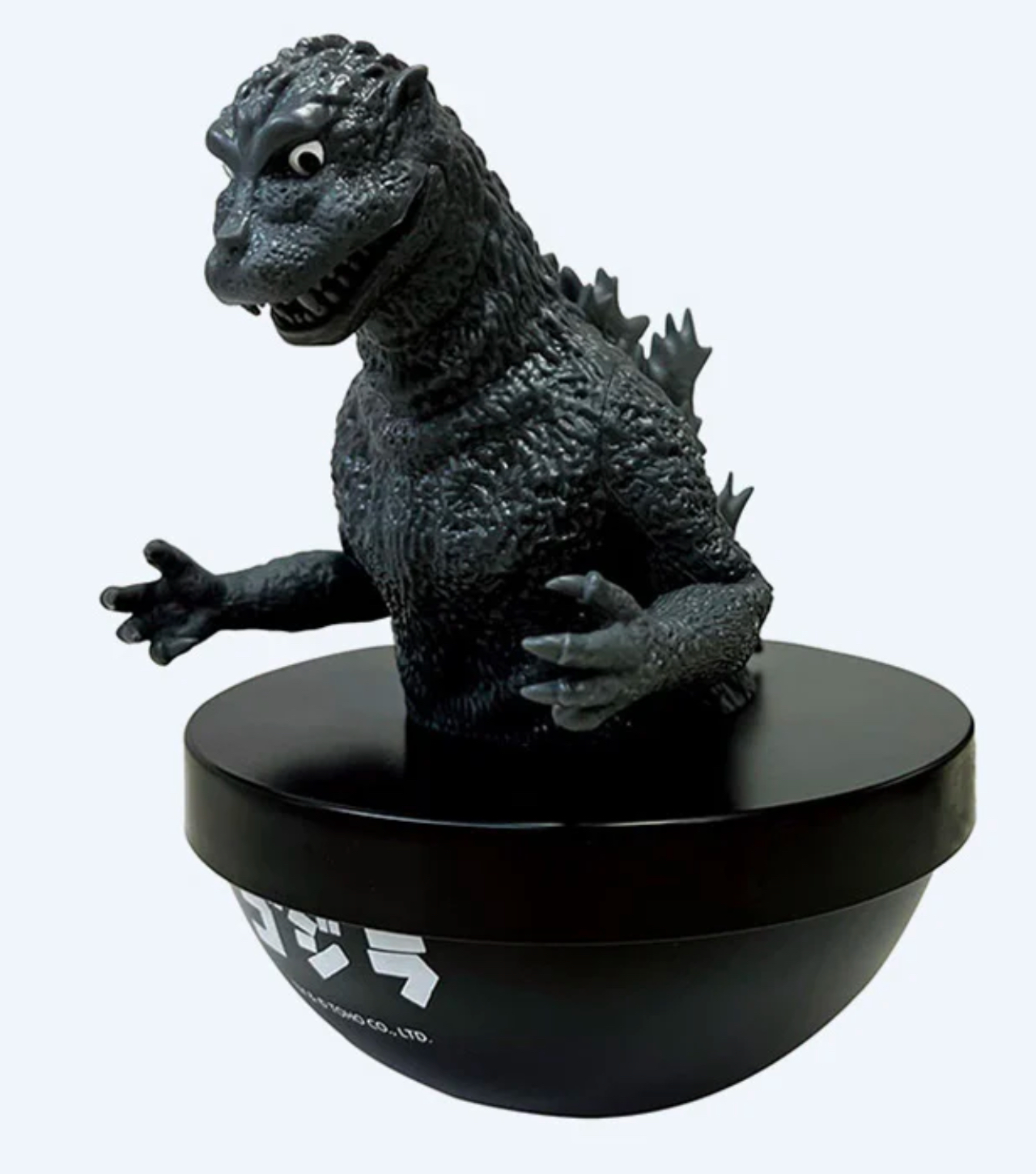
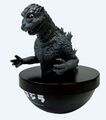 Gojimeshi - Godzilla 1954 bowl
 -
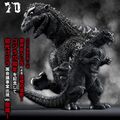 Sofvics - Godzilla 1954
 -
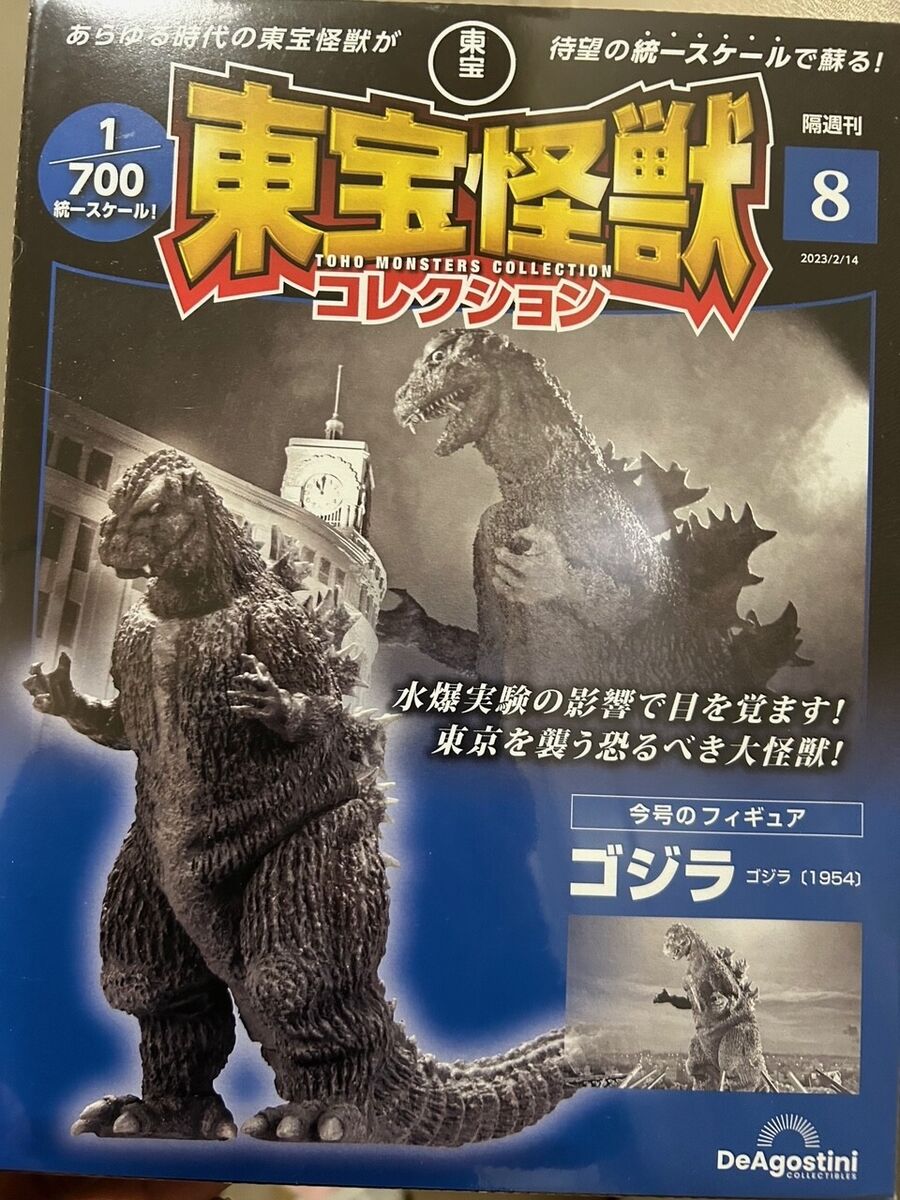
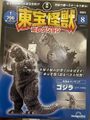 DeAgostini Toho Monsters Collection - Godzilla (1954)
 -
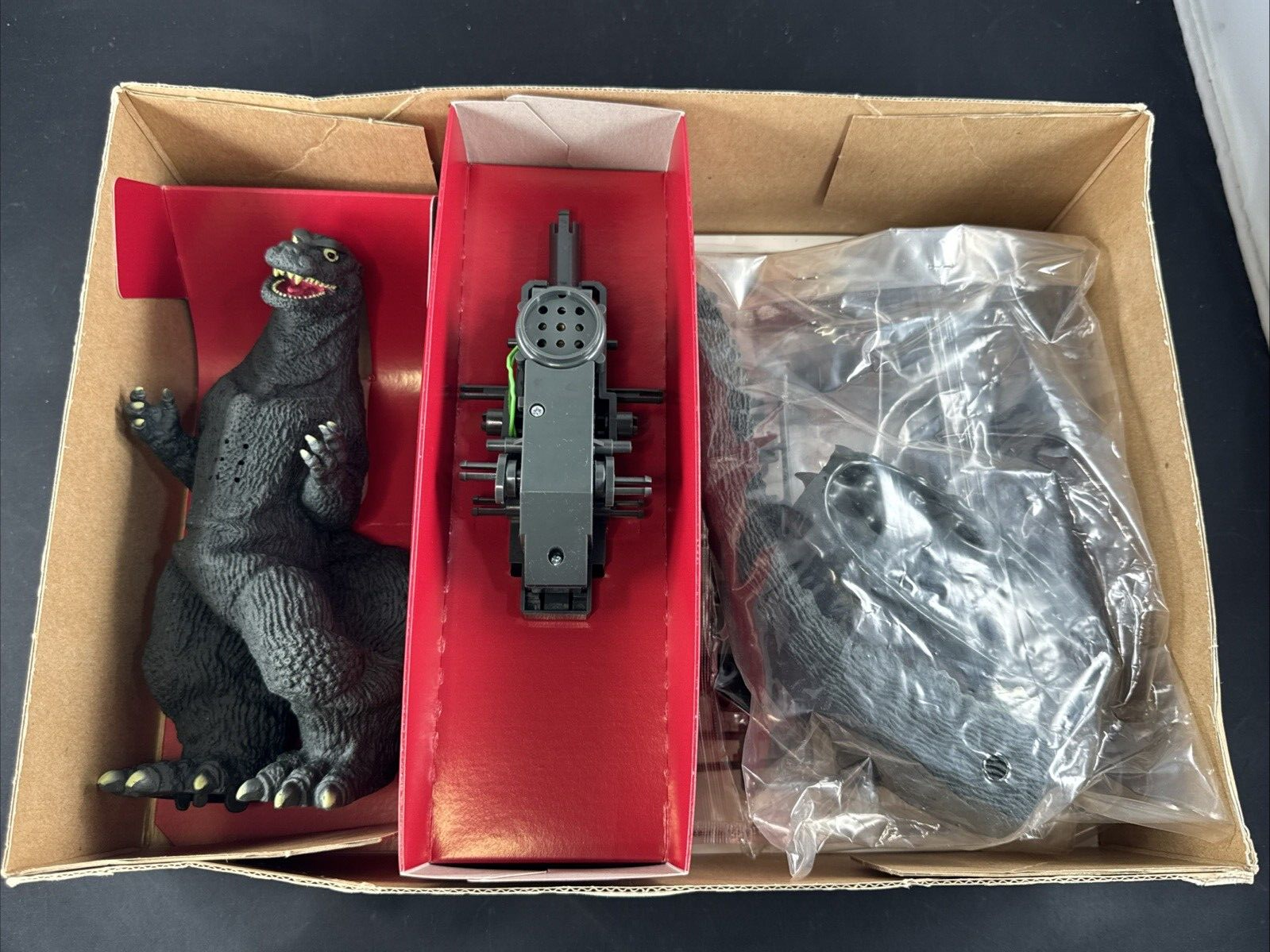
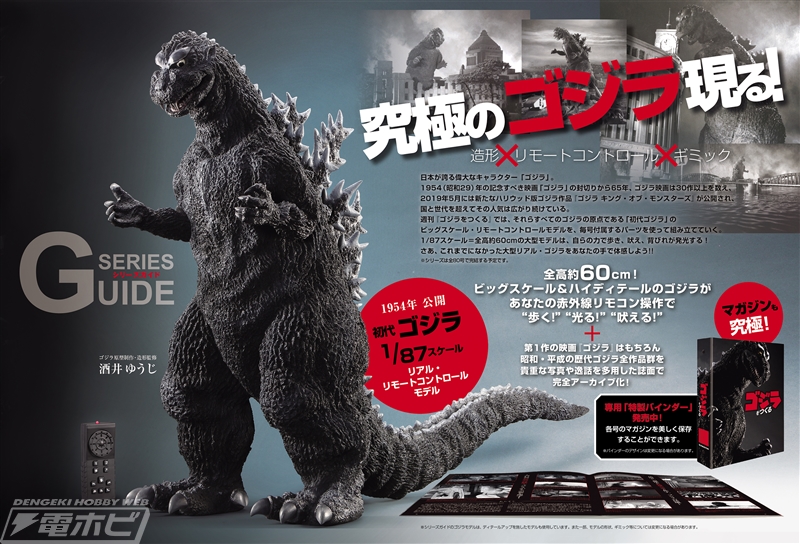
 DeAgostini Remote Control Godzilla 1954 model kit
 -
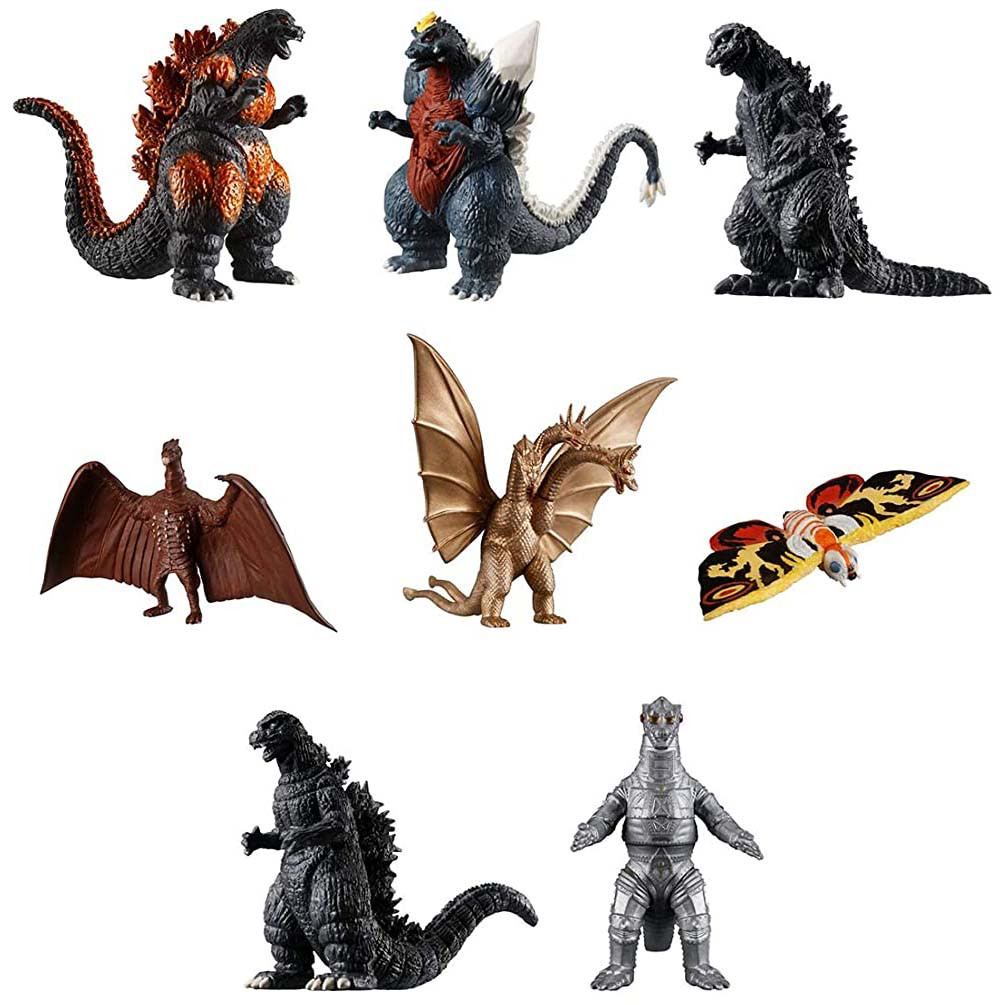
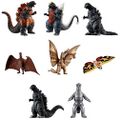 Bandai Godzilla blind bag collection
 -
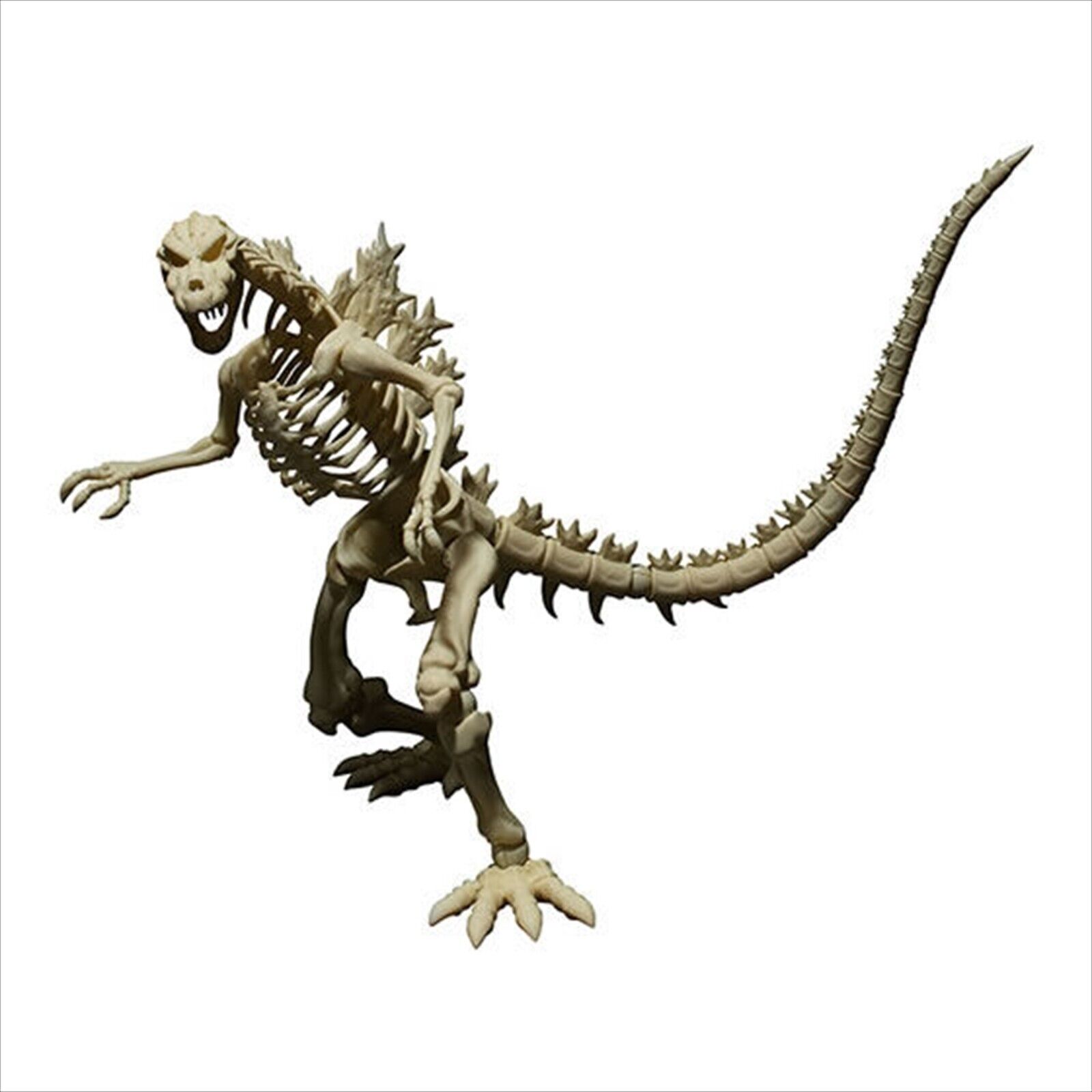
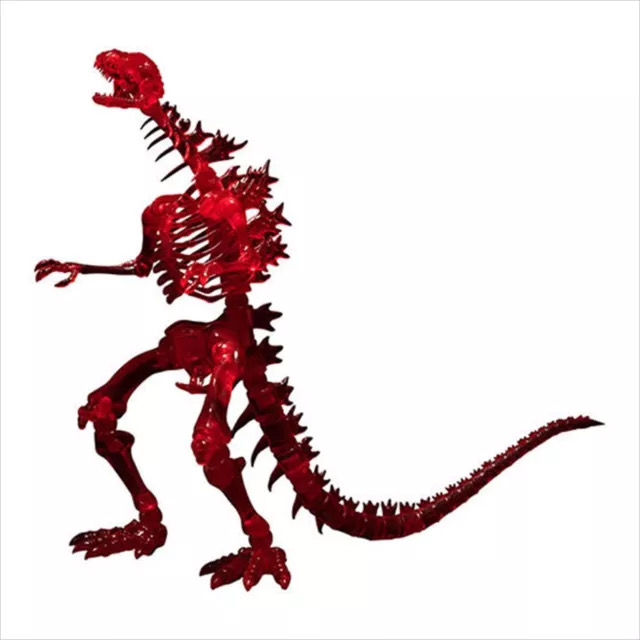
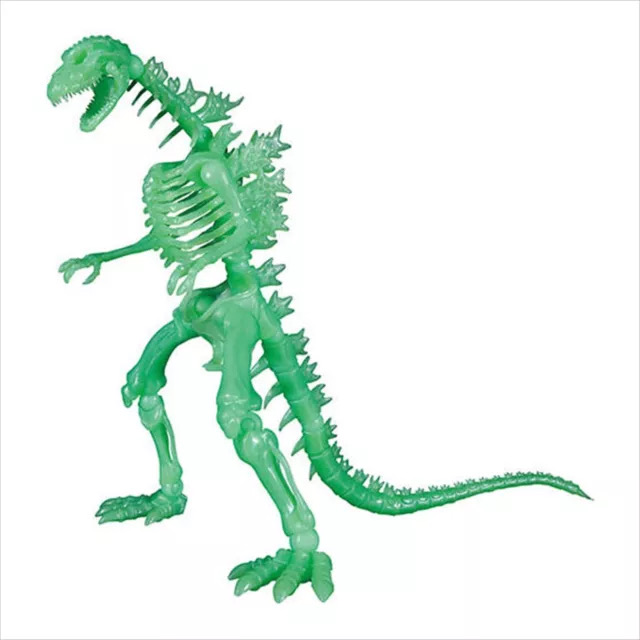
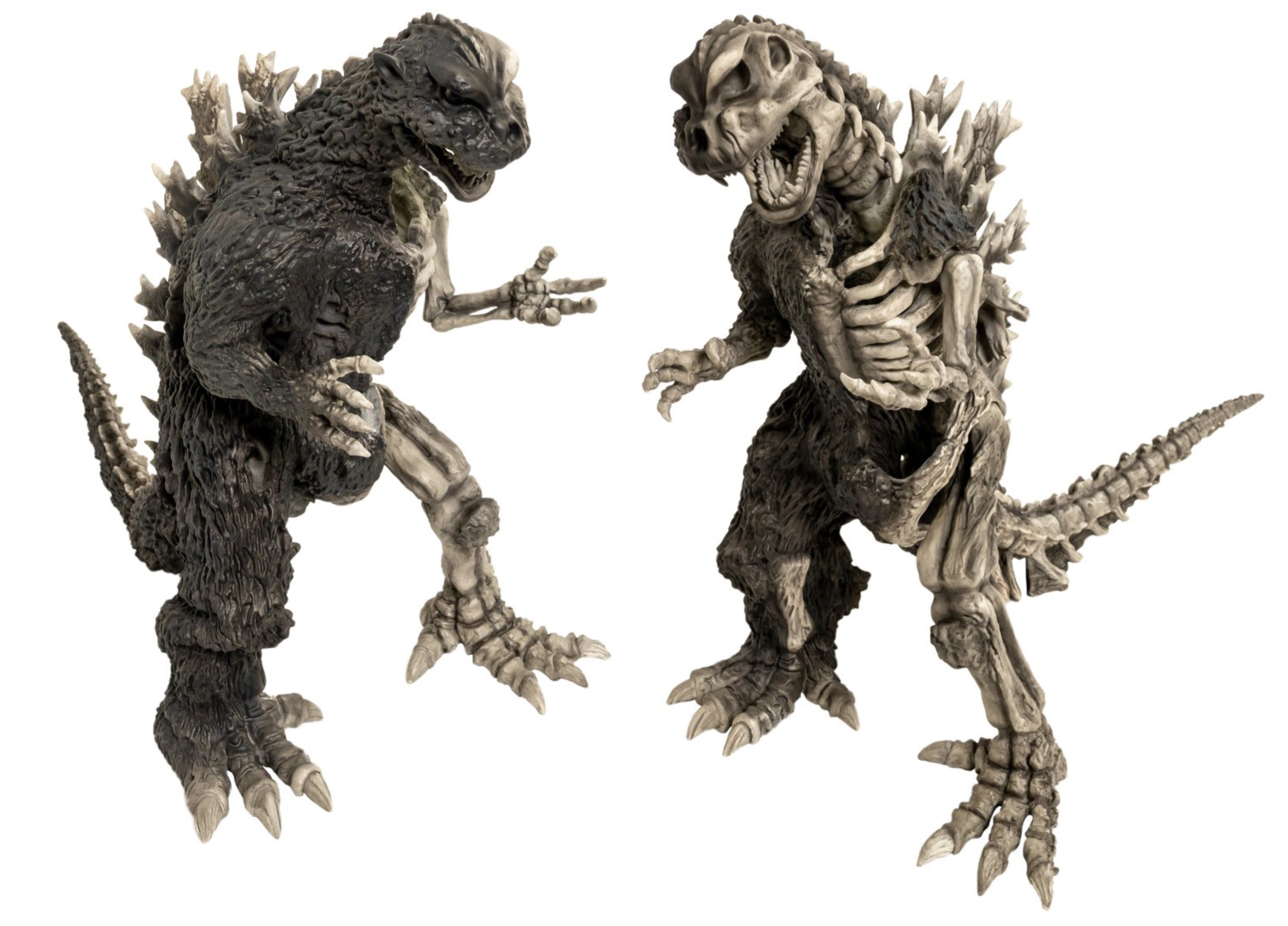
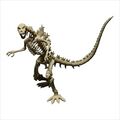 Bandai Godzilla Skeleton gashapon
 -
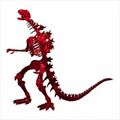 Bandai Godzilla Skeleton gashapon
 -
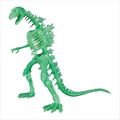 Bandai Godzilla Skeleton gashapon
 -
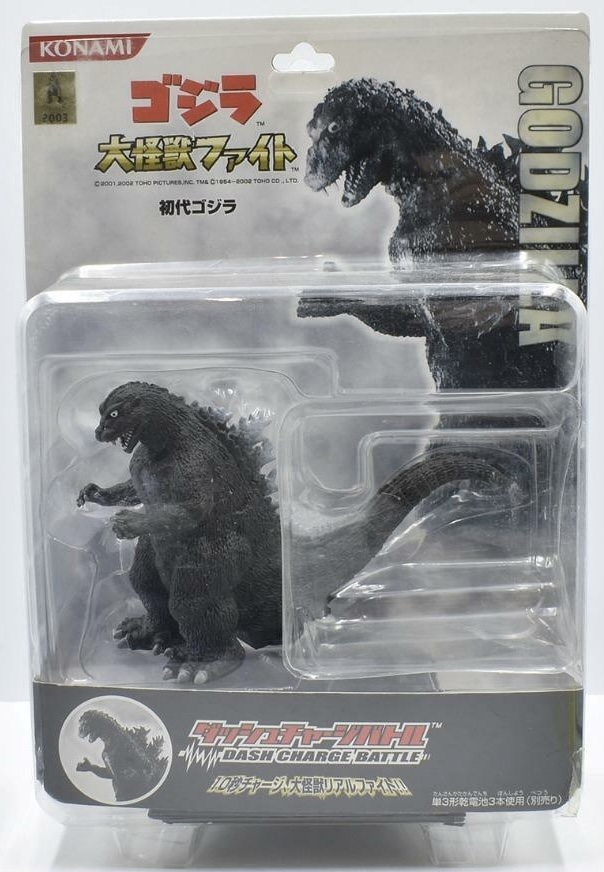
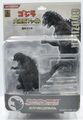 Konami Dash Charger Godzilla 1954
 -
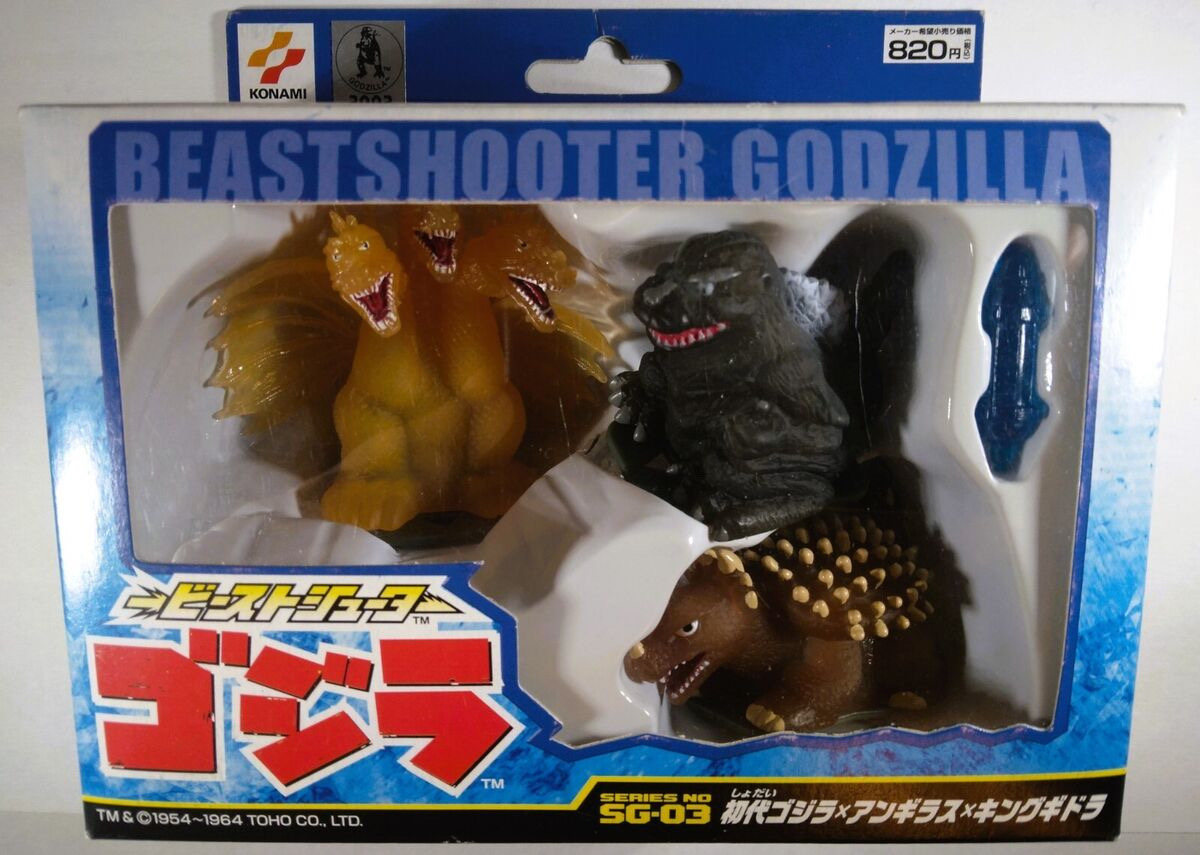
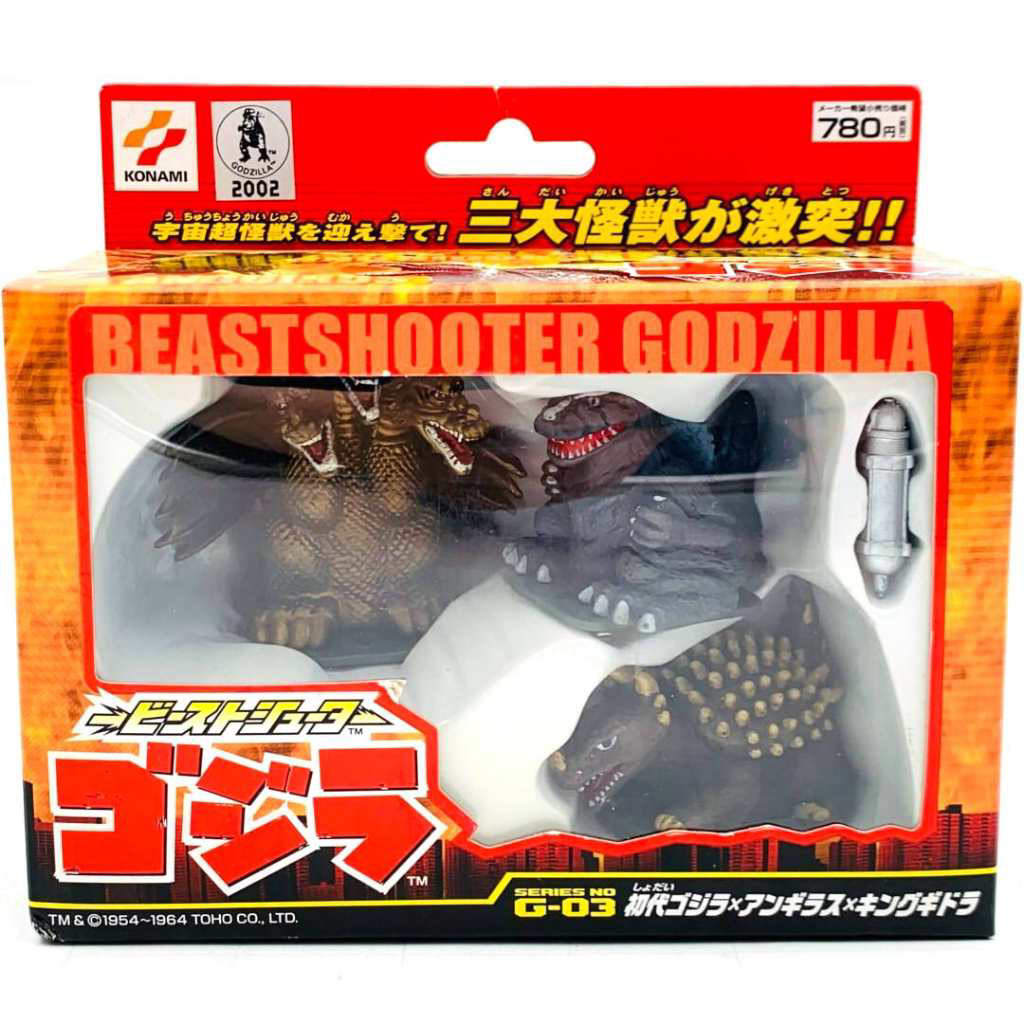
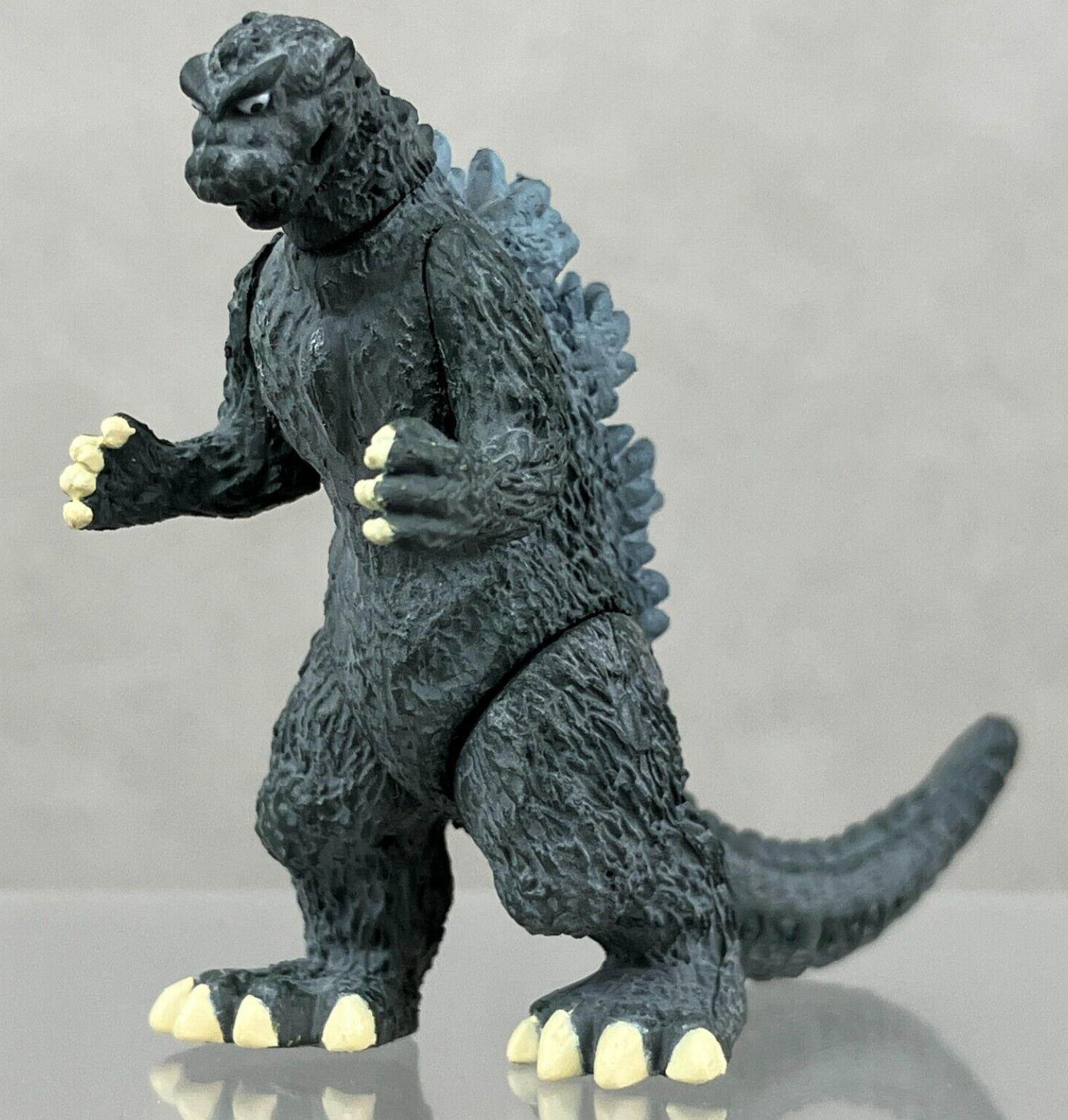
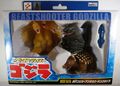 Konami Beast Shooter Godzilla 1954
 -
 Konami Beast Shooter Godzilla 1954
 -
 Bandai beef jerky Godzilla (1954) gashapon
 -
 Bandai beef jerky Godzilla 1954 model gashapon
 -
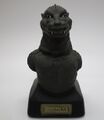 1998 Banpresto Godzilla (1954) bust
 -
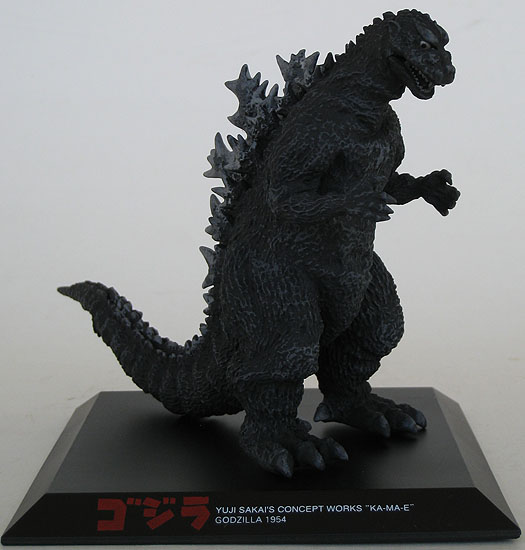
 Bandai Yuji Sakai concept works Godzilla (1954)
 -
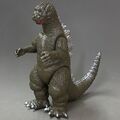 Sarujirushi Godzilla (1954)
 -
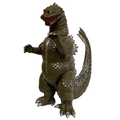 Nauts Godzilla (1954) storyboard version
 -
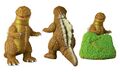 Medicom Godzilla (1954)
 -
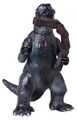 Medicom Vinyl Wars Godzilla (1954)
 -
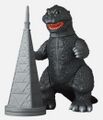 Medicom Godzilla (1954)
 -
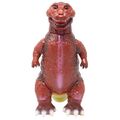 Medicom Godzilla (1954)
 -
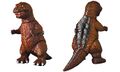 Medicom Godzilla (1954)
 -
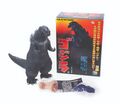 Medicom Real Action Heroes Godzilla (1954)
 -
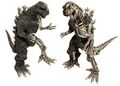 Medicom Godzilla (1954) final scene ver.
 -
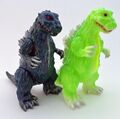 M1 Godzilla (1954) maquette ver.
 -
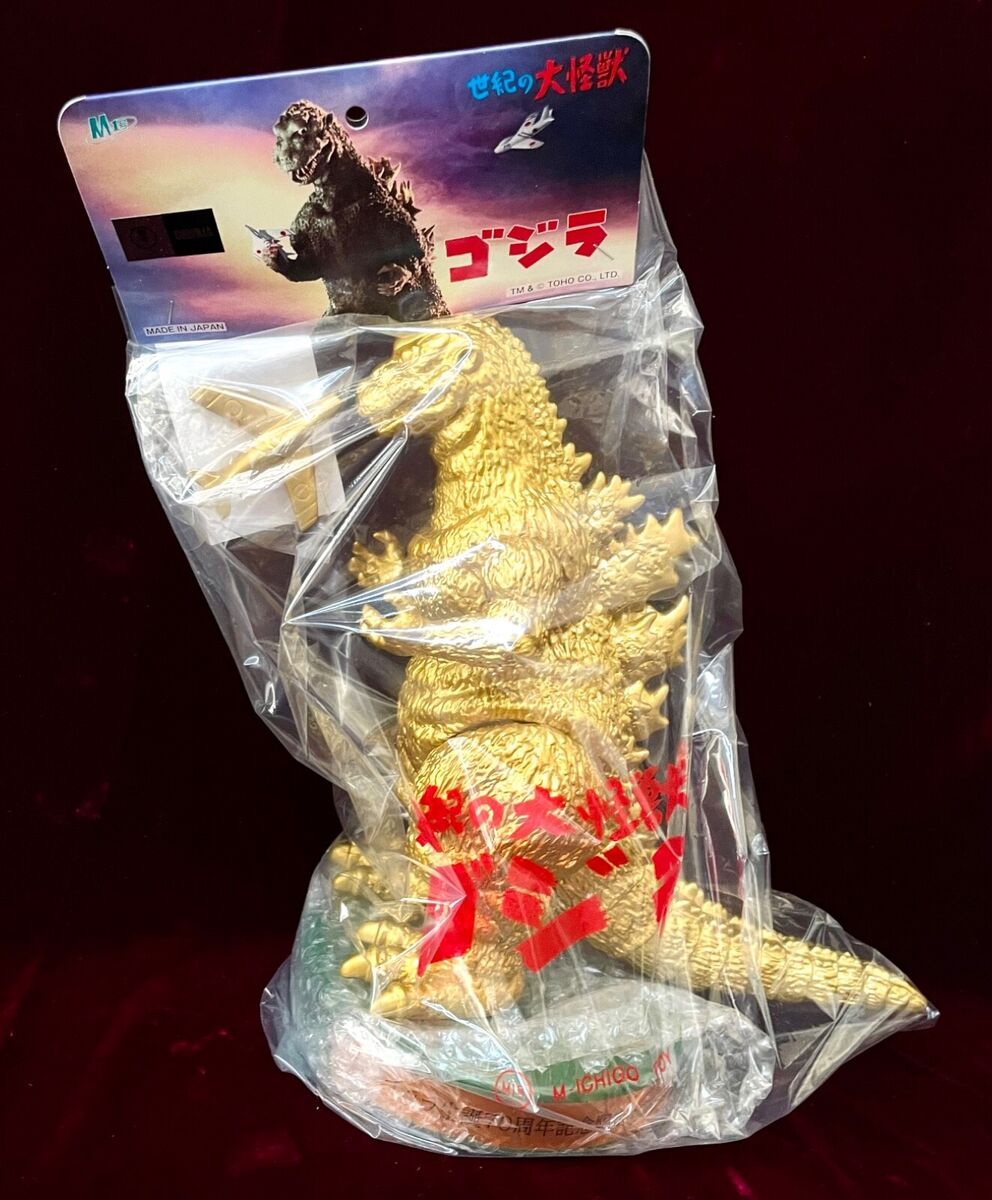
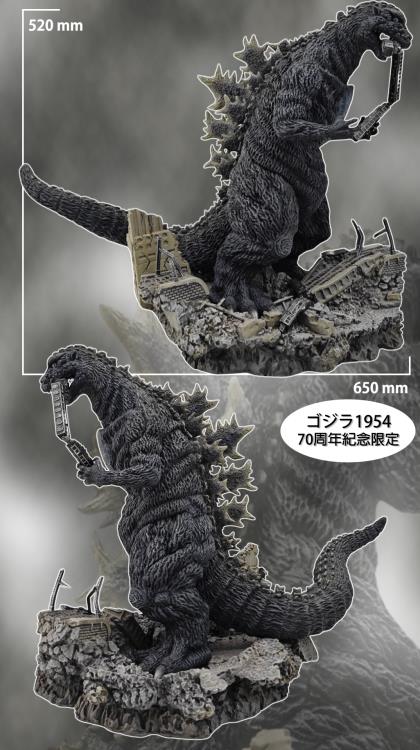
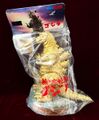 M1 70th anniversary Godzilla (1954)
 -
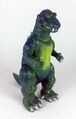 Marmit Godzilla (1954)
 -
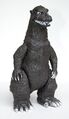 Marmit Vinyl Paradise Godzilla (1954)
 -
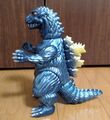 Marmit Monster Heaven Godzilla (1954)
 -
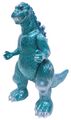 Marusan Godzilla (1954)
 -
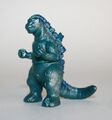 Marusan Kaiju Encyclopedia Godzilla (1954)
 -
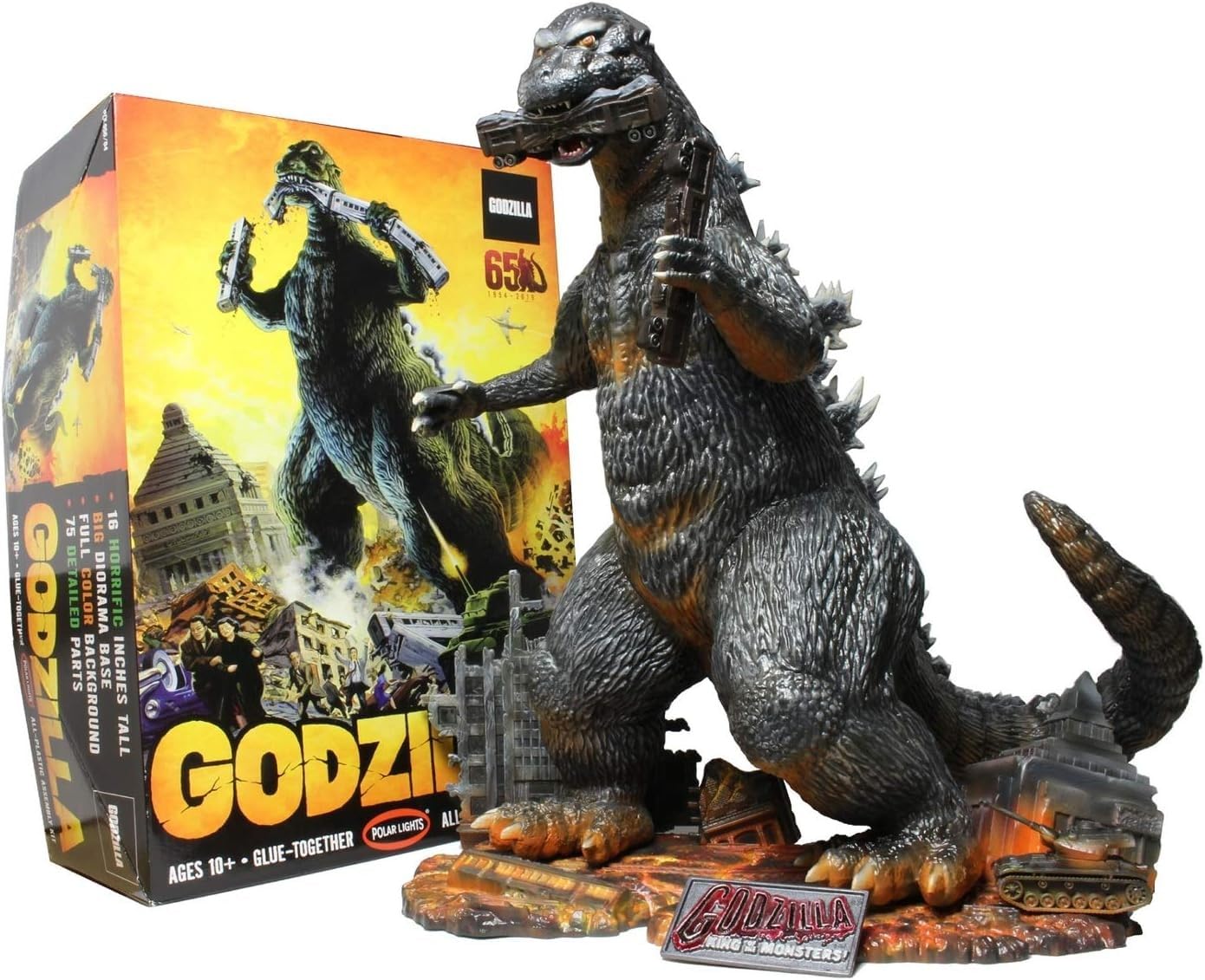
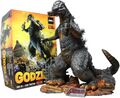 Polar Lights Godzilla (1954) model kit
 -
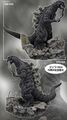 Ezhobi Omega Beast Series Godzilla (1954)
 -
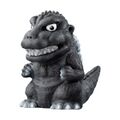 Bandai Sofvidoll Godzilla (1954) finger puppet
 -
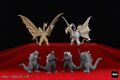 Plex Art Spirits figures
 -
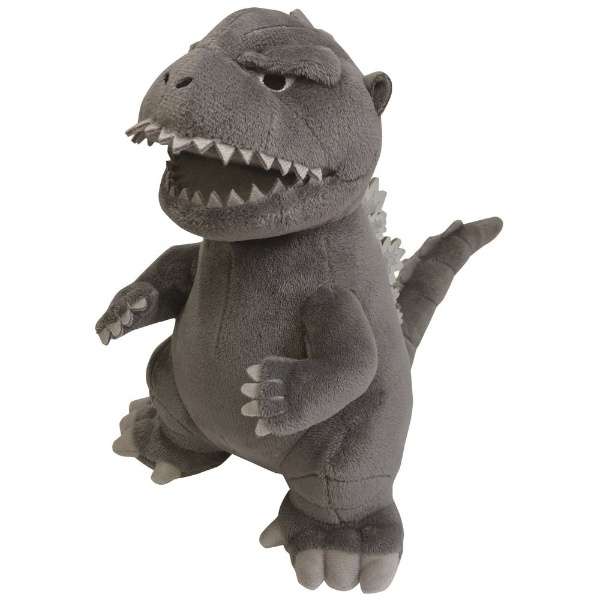
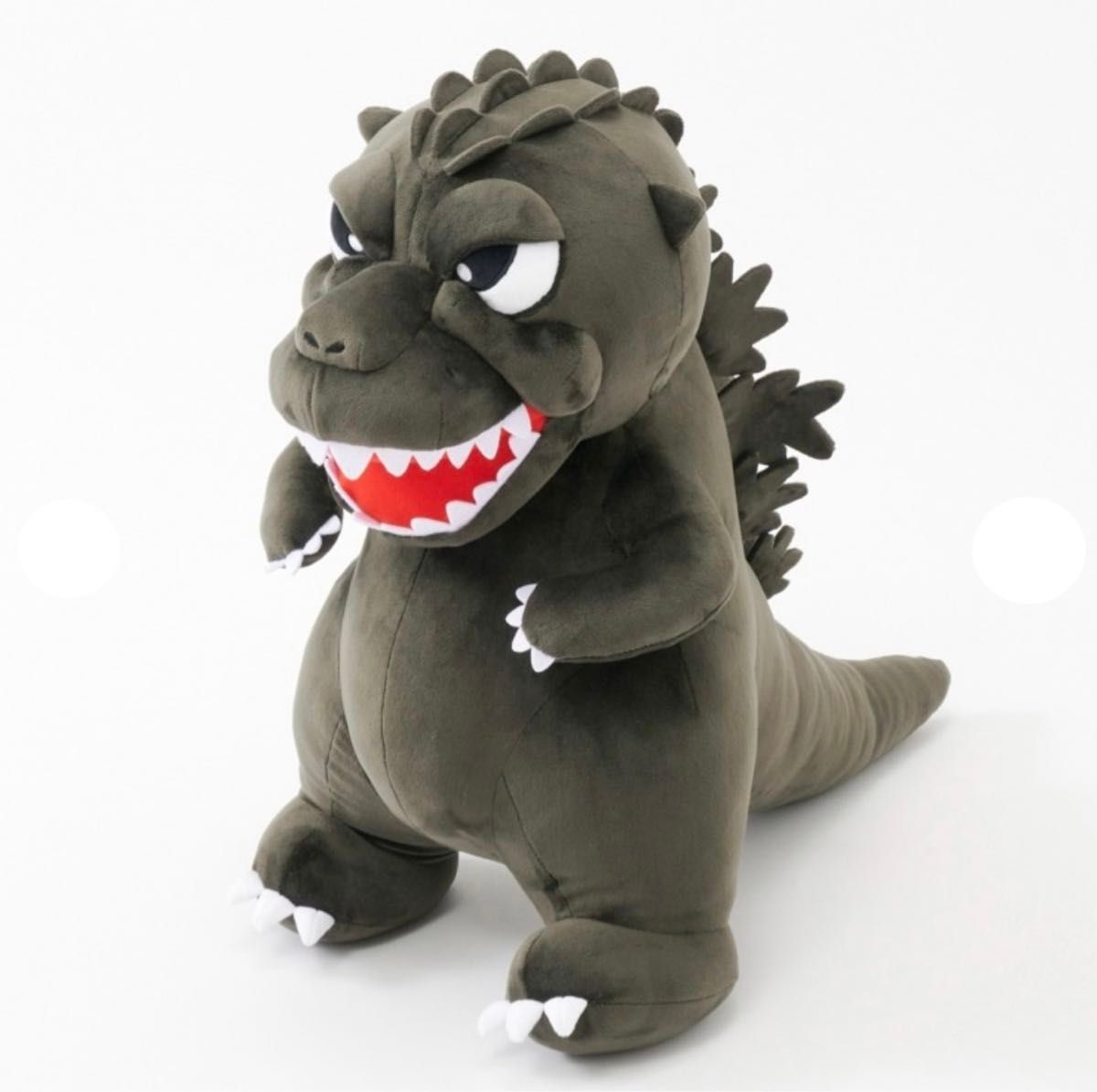
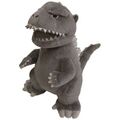 Godzilla (1954) plush
 -
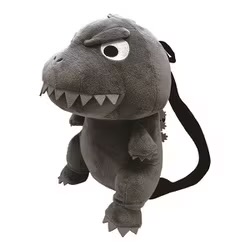
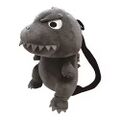 Godzilla (1954) plush backpack
 -
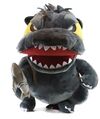 SK Japan Godzilla (1954) plush
 -
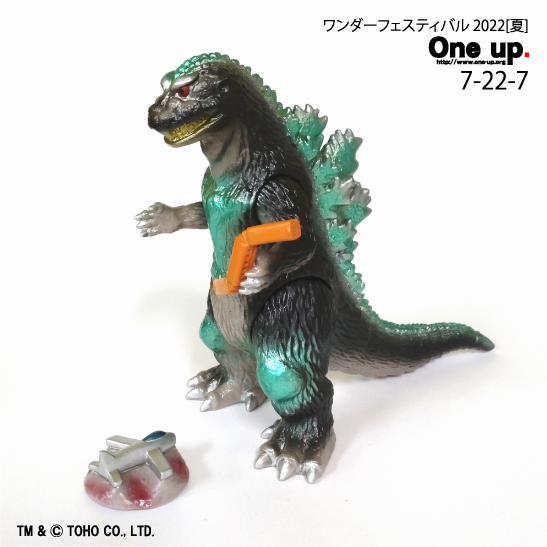
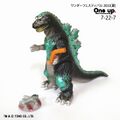 One Up Toys Godzilla (1954)
 -
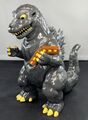 Neo Player One Godzilla (1954)
 -
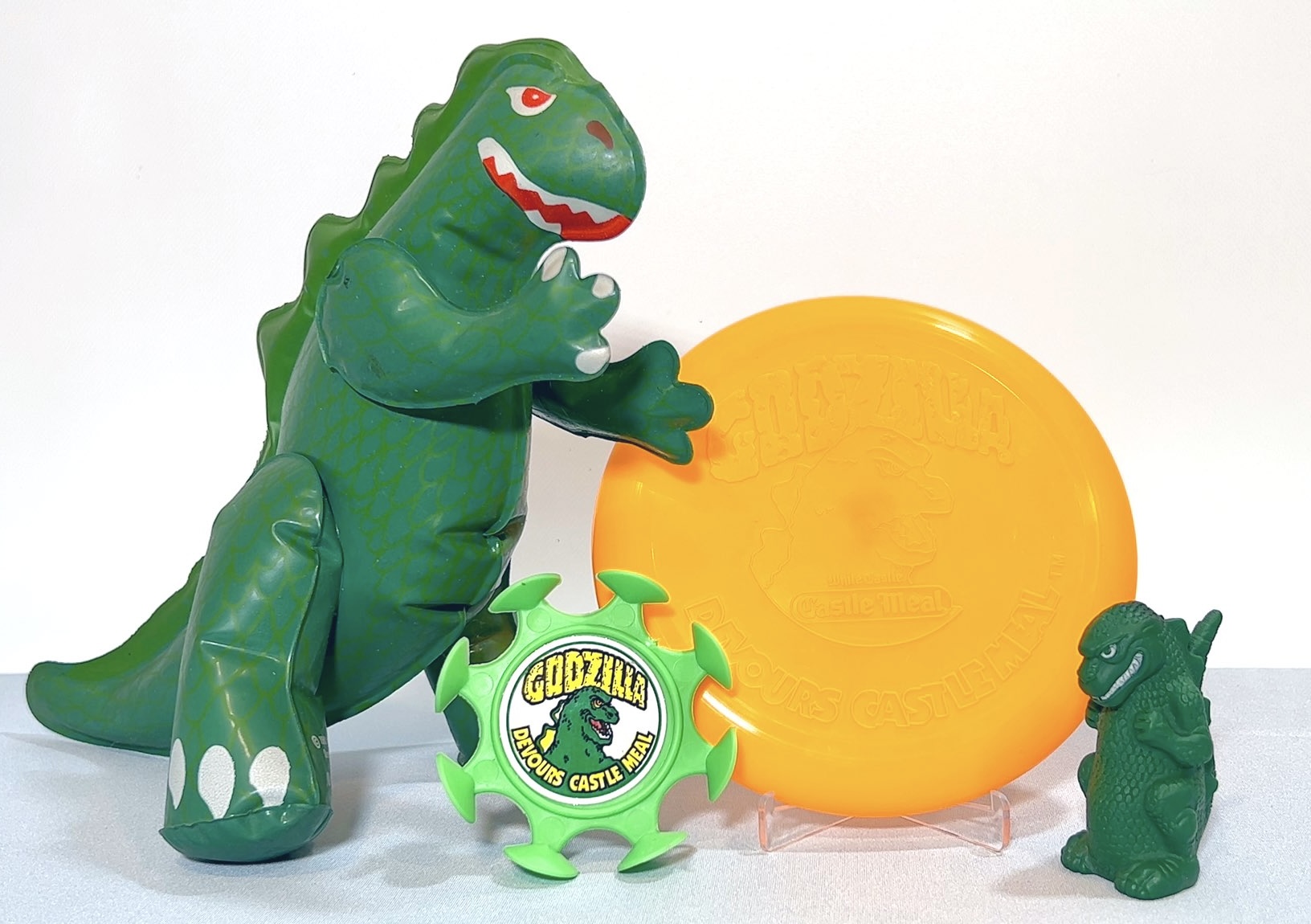
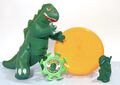 White Castle Godzilla meal
 -
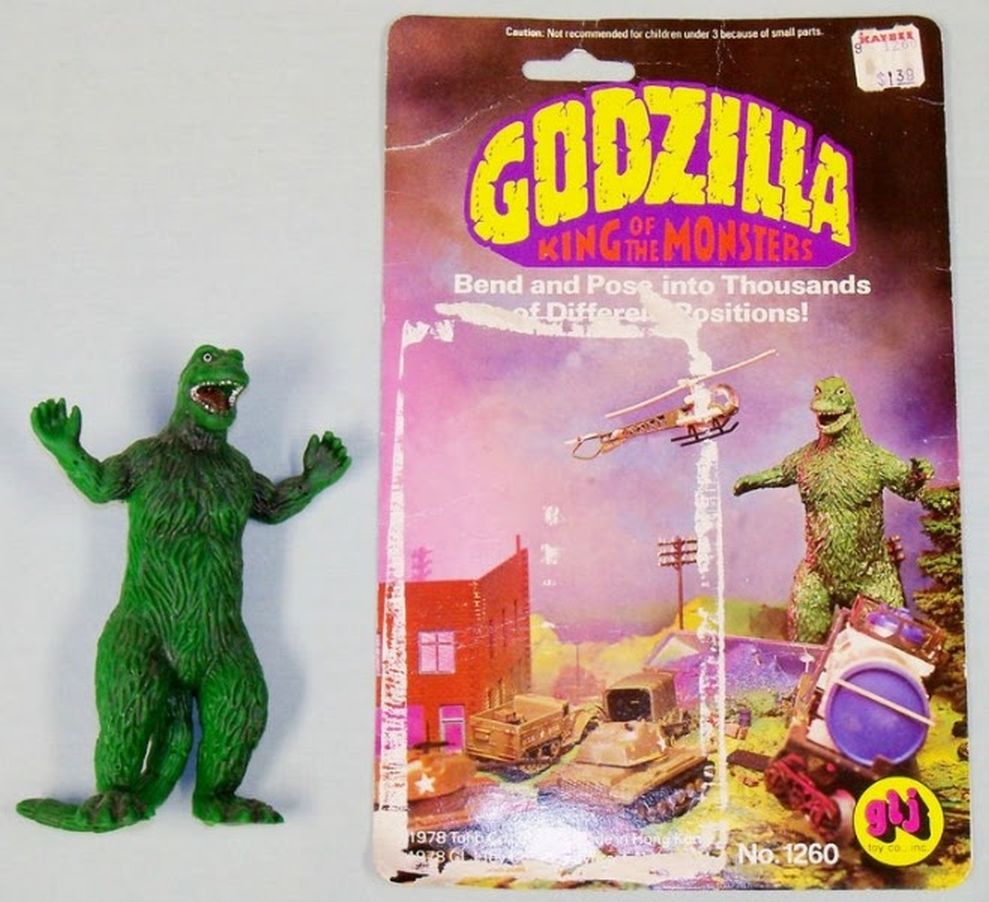
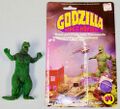 GLJ Godzilla bendy figure
 -
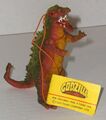 Ben Cooper Godzilla figure
 -
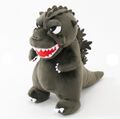 Godzilla (1954) plush
 -
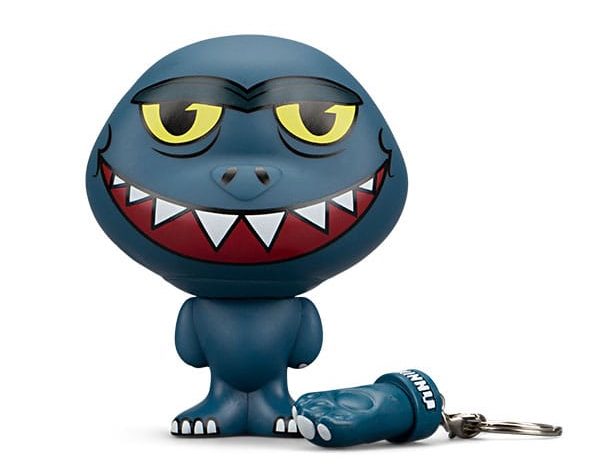
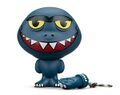 Kidrobot Bhunny Godzilla (1954)
 -
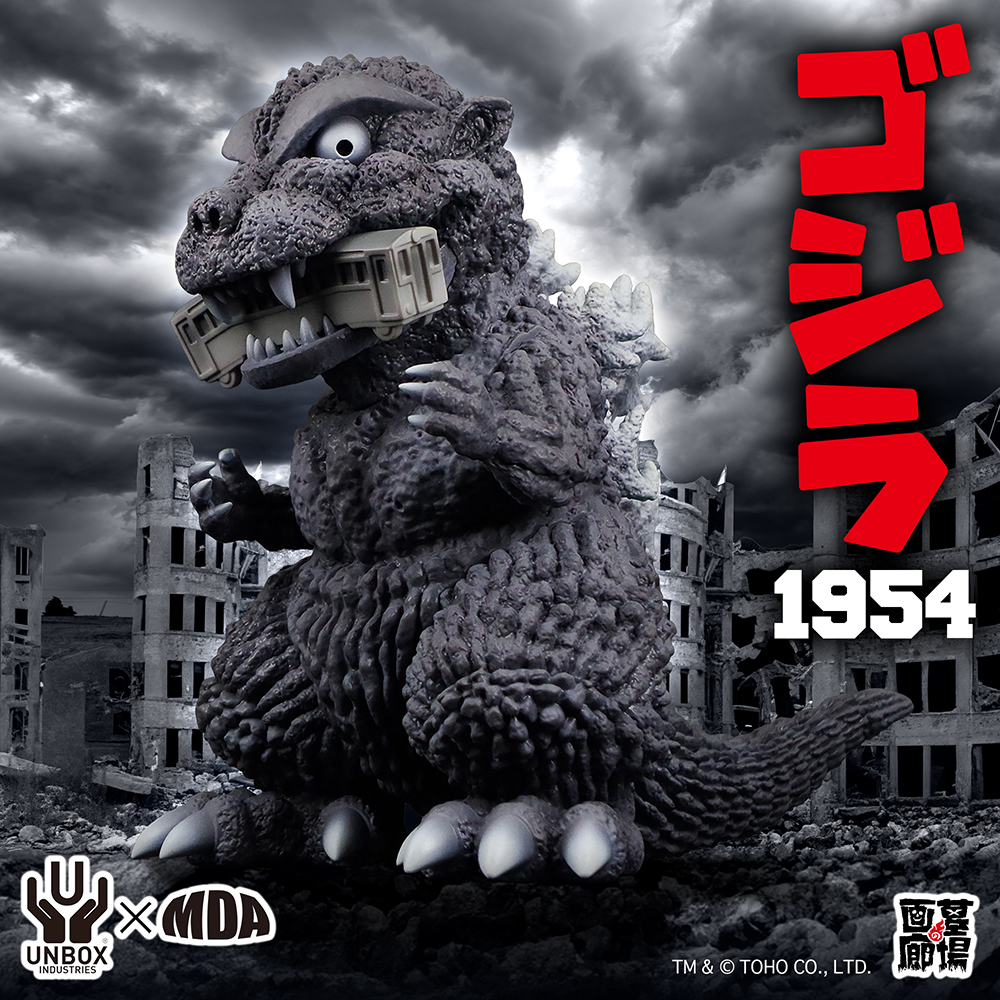
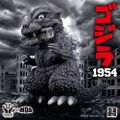 Unbox X MDA Godzilla (1954)
 -
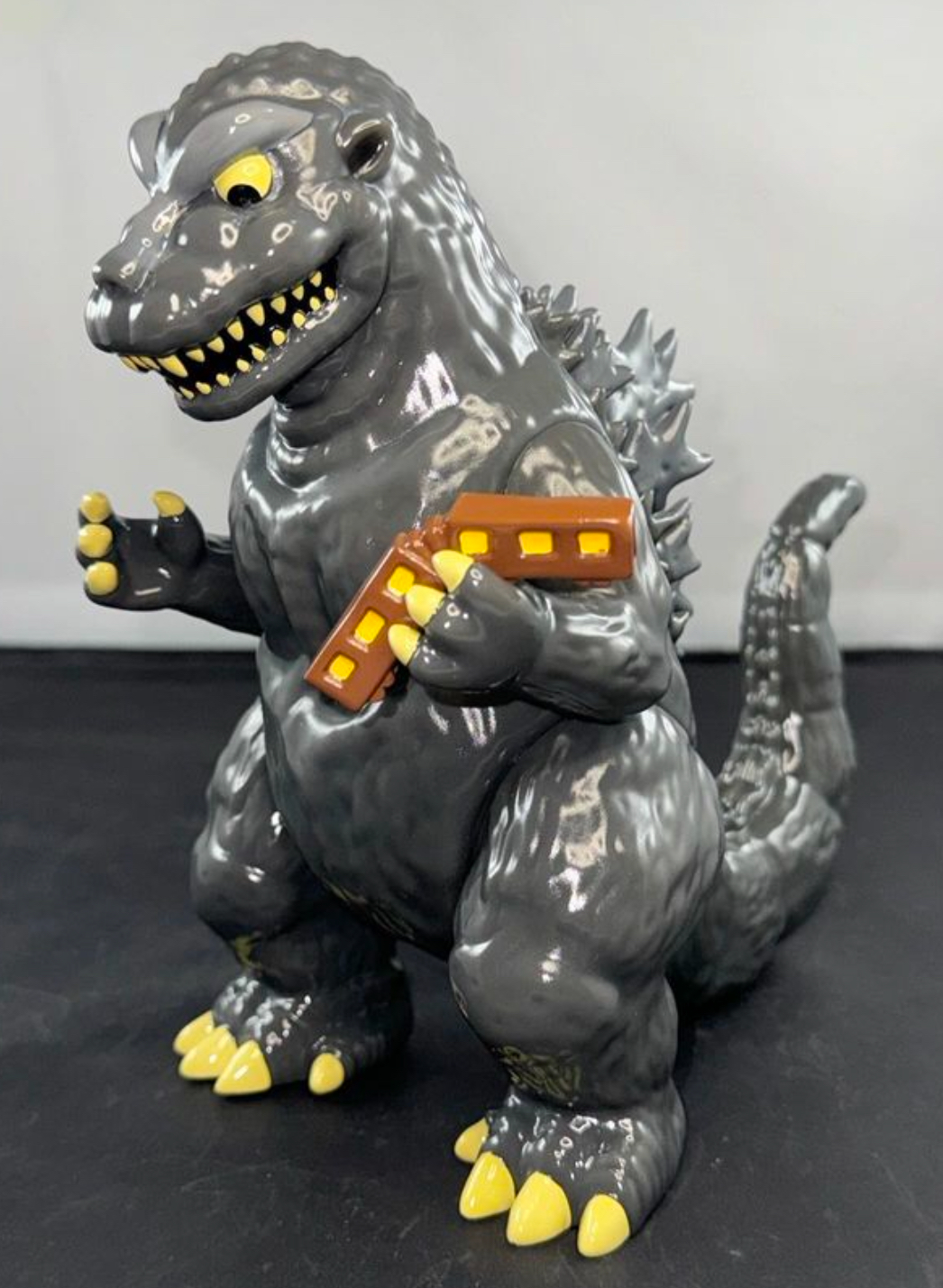
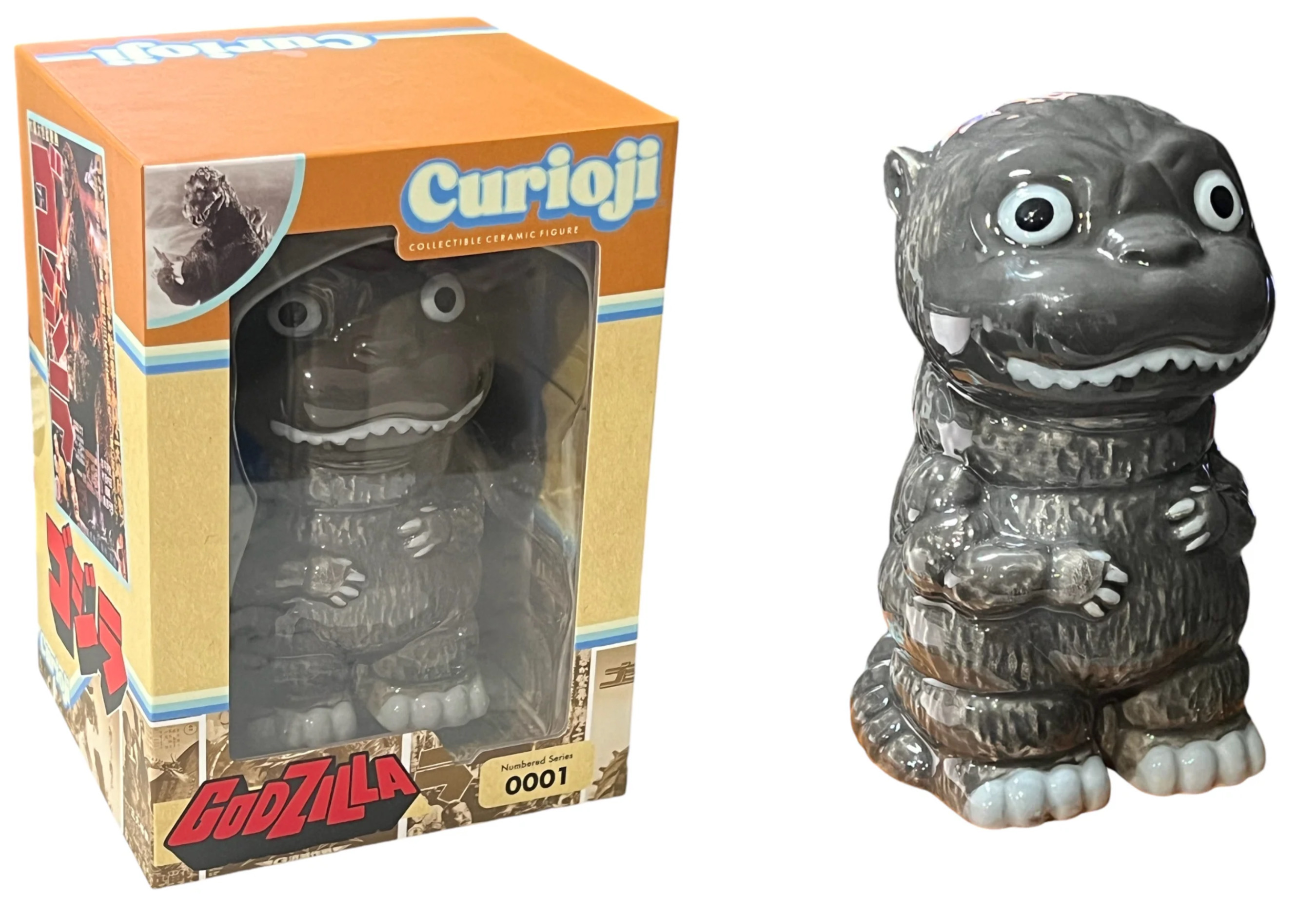
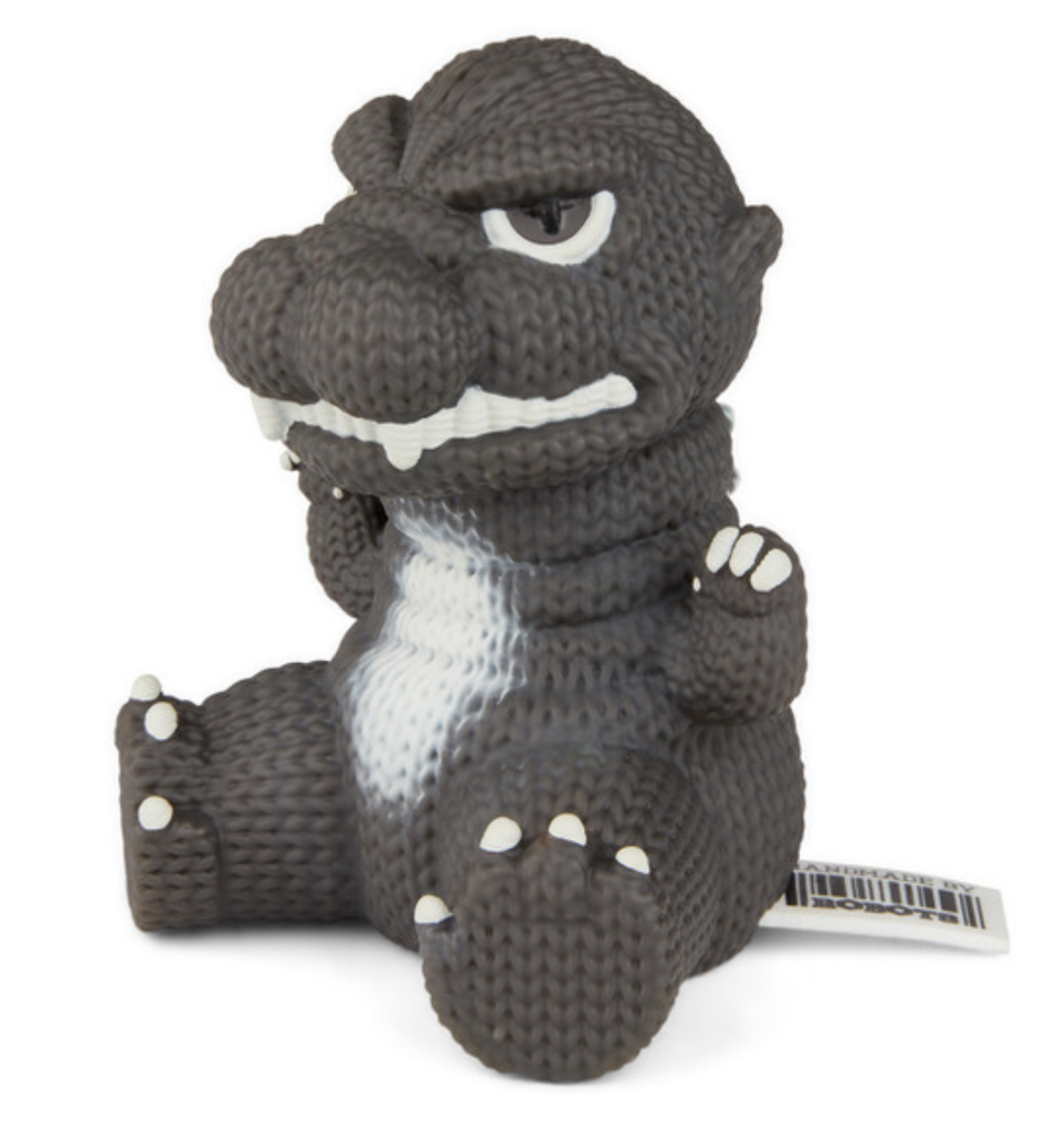
 Hand Made by Robots Godzilla (1954) ceramic figure
 -
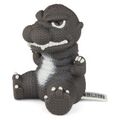 Handmade by Robots Godzilla (1954)
 -
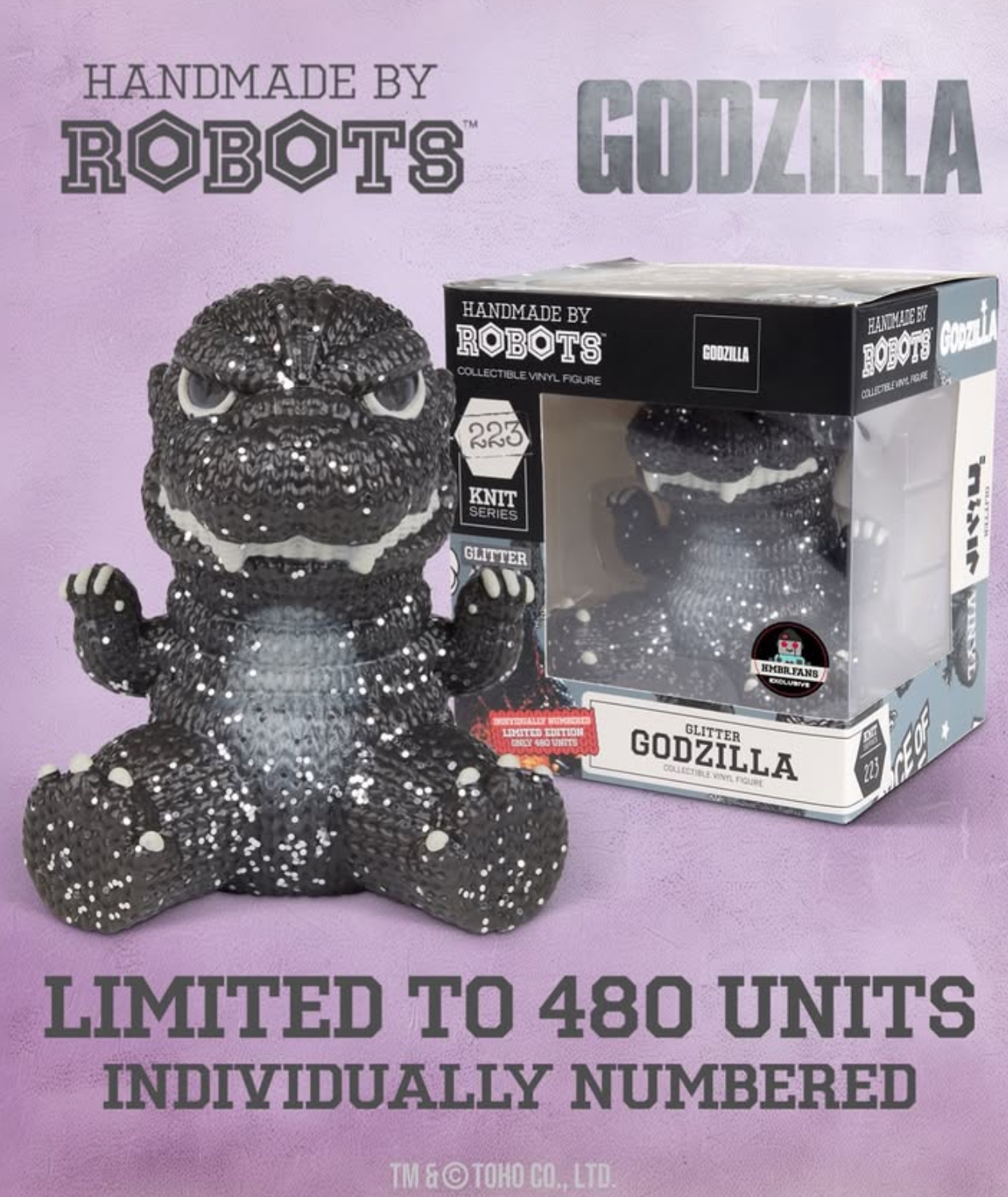
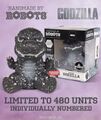 Handmade by Robots Godzilla (1954) glitter ver.
 -
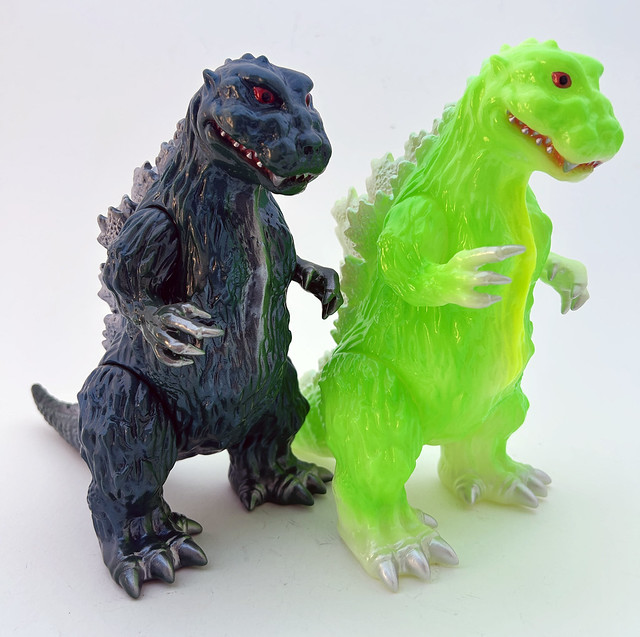
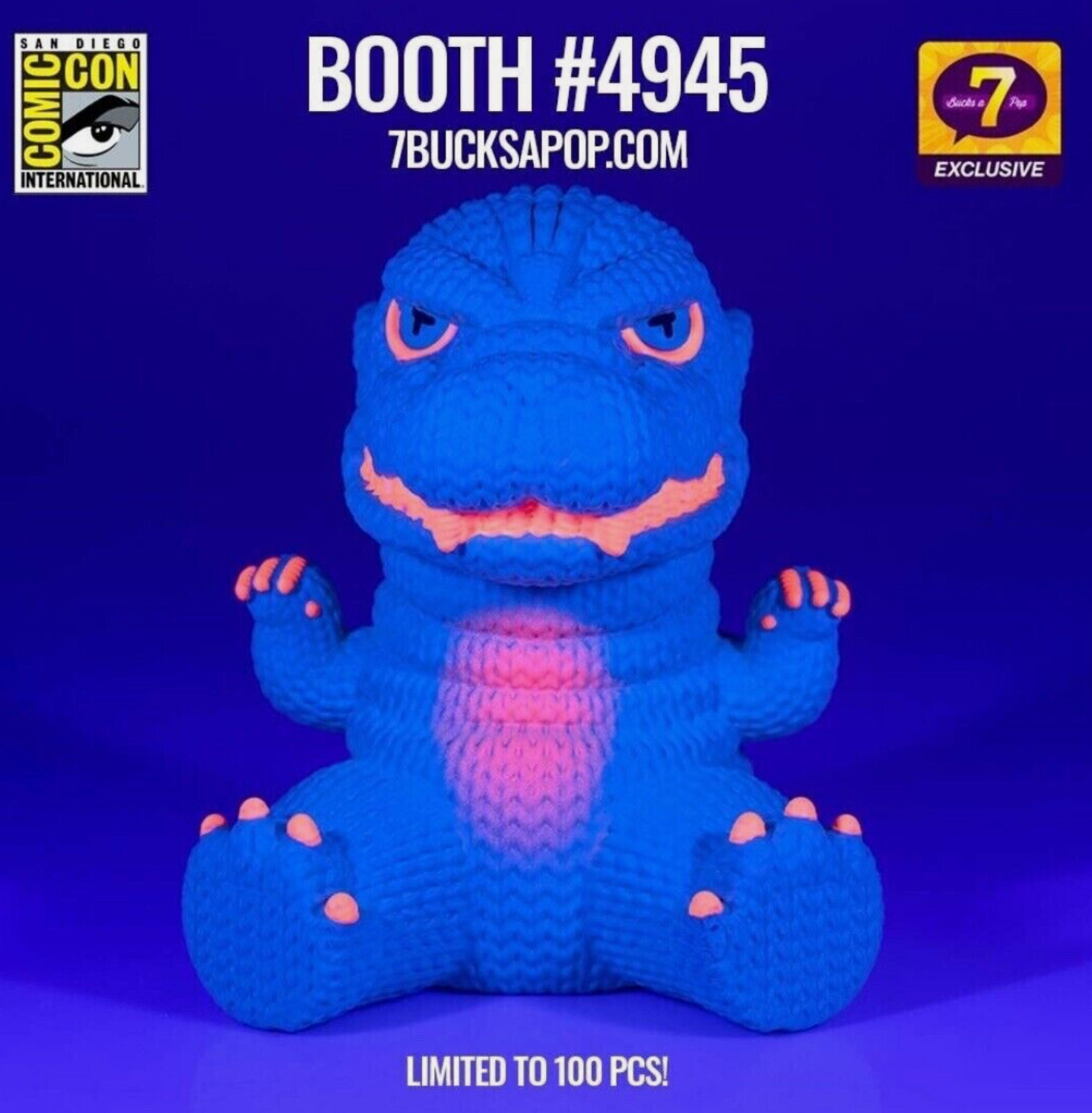
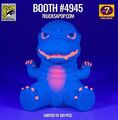 Handmade by Robots Godzilla (1954) black light ver.
 -
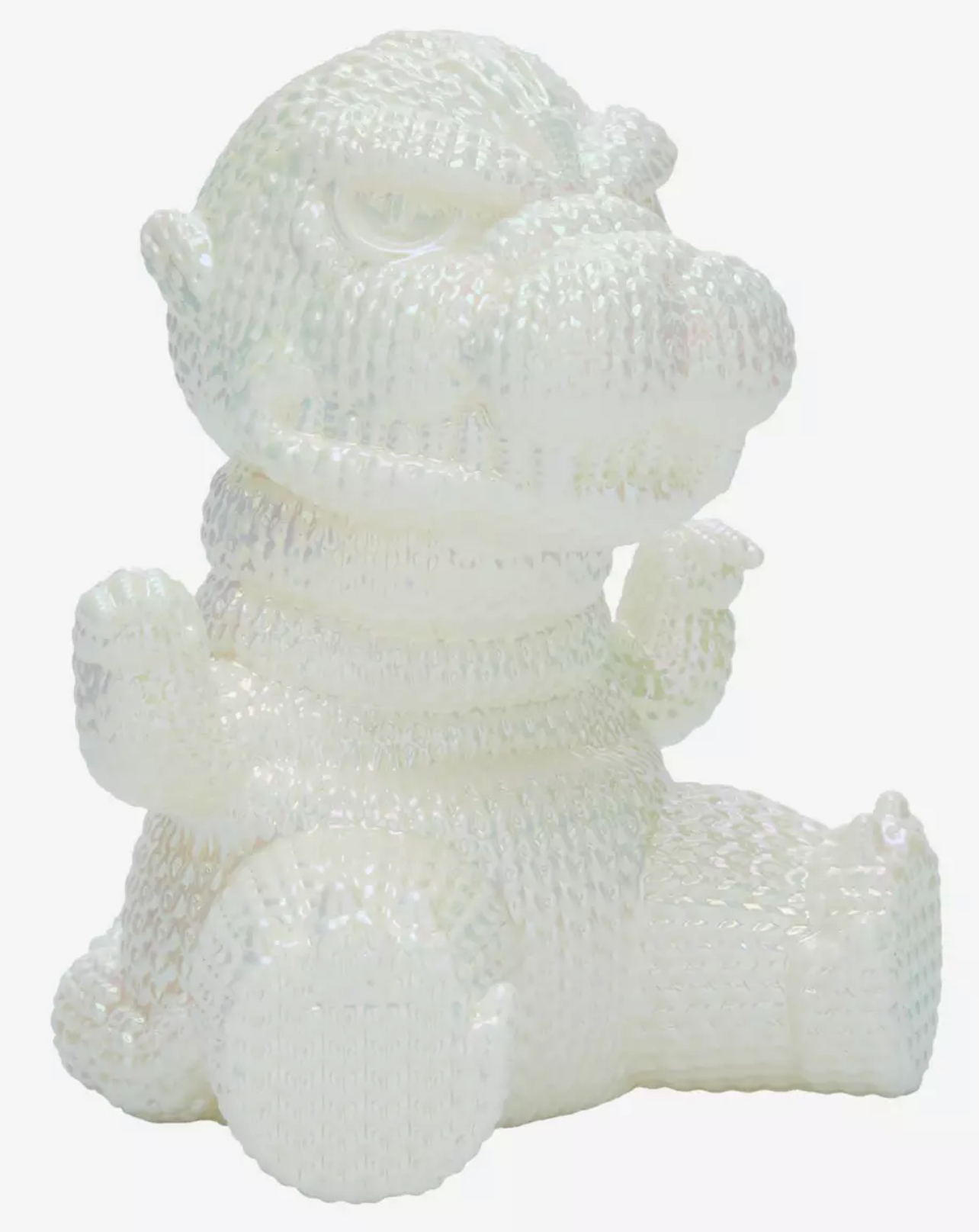
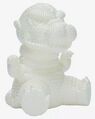 Handmade by Robots Godzilla (1954) pearlescent ver.
 -
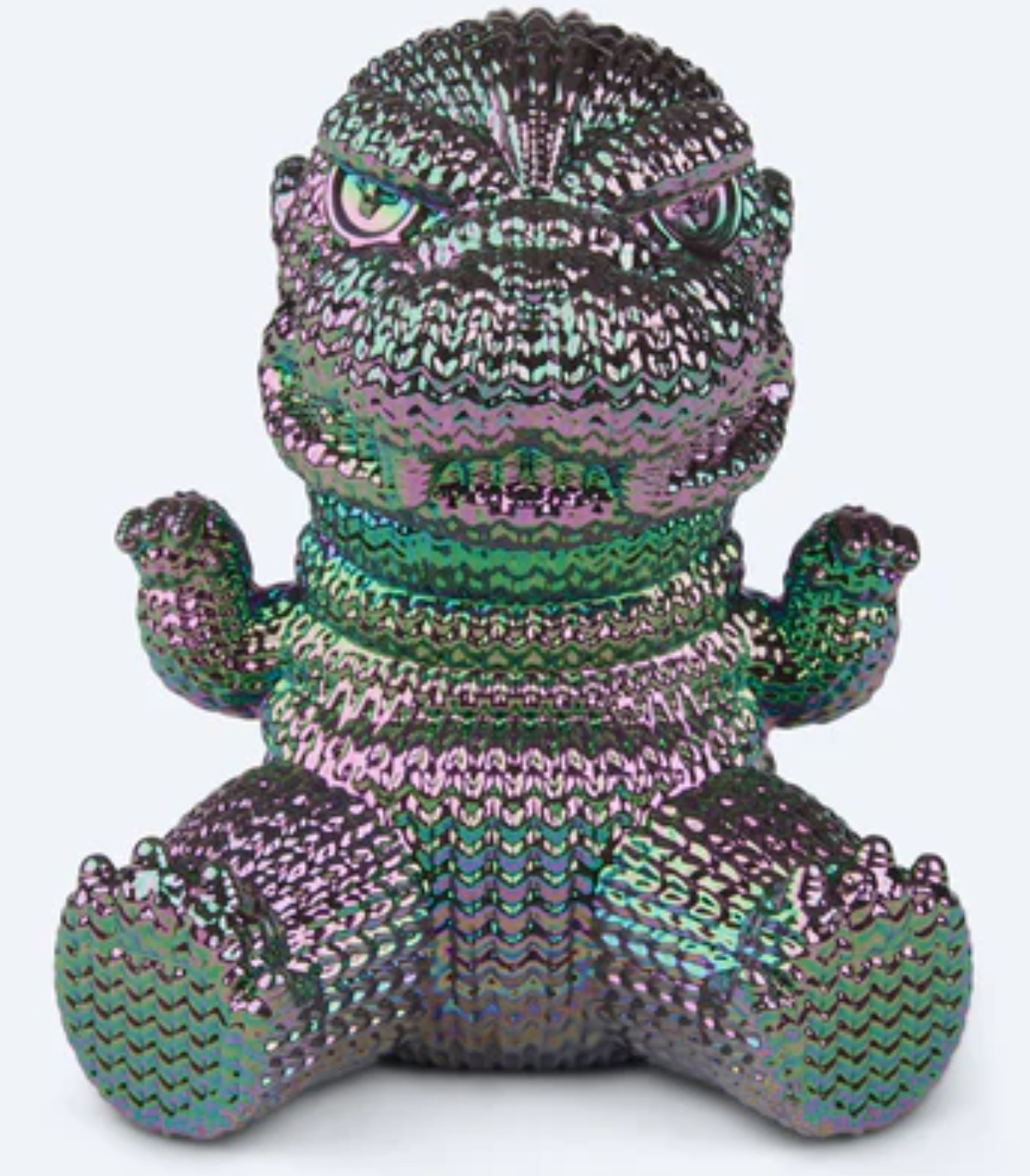
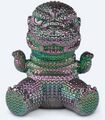 Handmade by Robots Godzilla (1954) oil slick ver.
 -
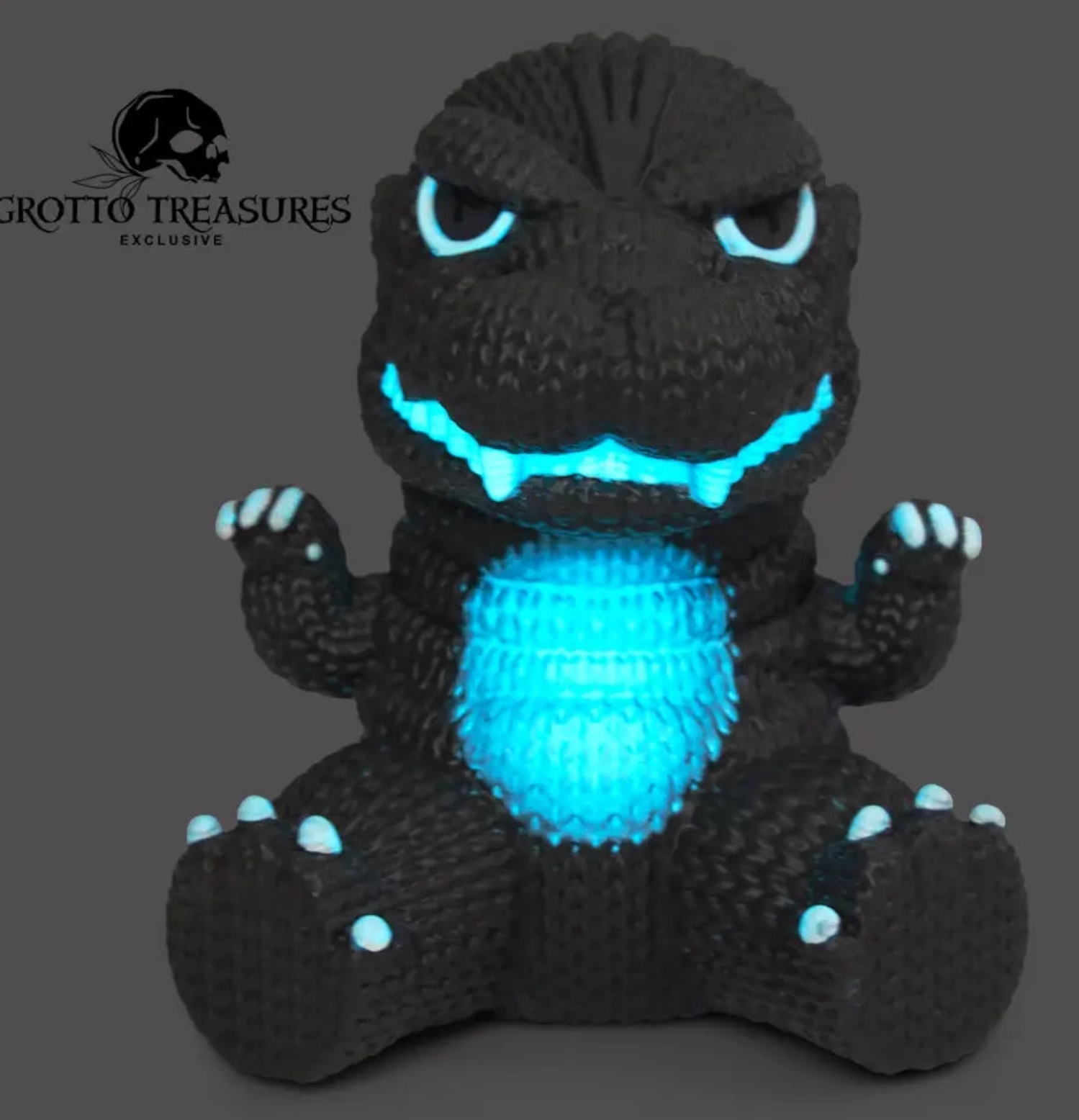
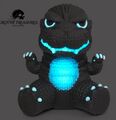 Handmade by Robots Godzilla (1954) glow in the dark ver.
 -
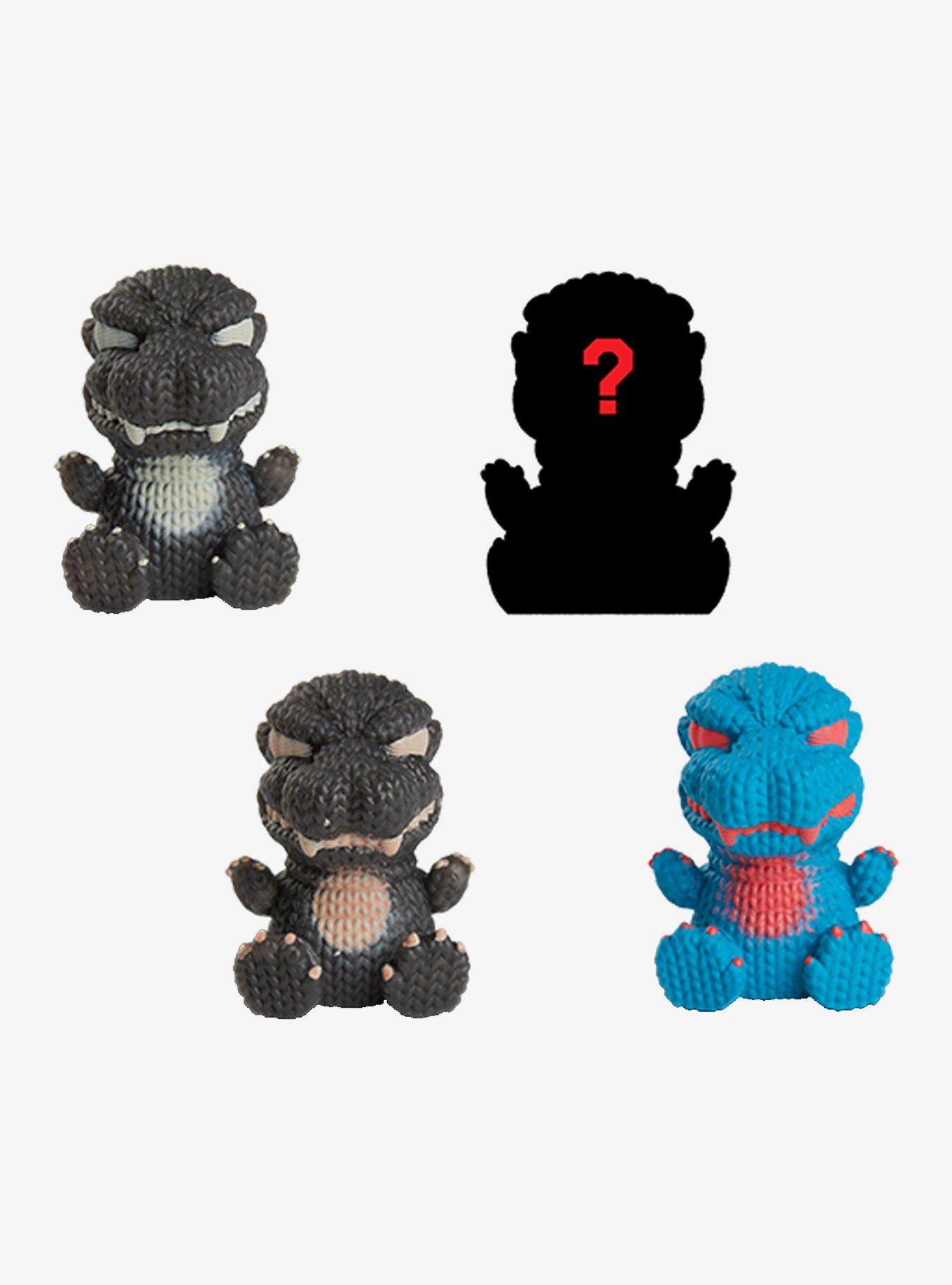
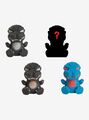 Handmade by Robots Godzilla (1954) blindbox figures
 -
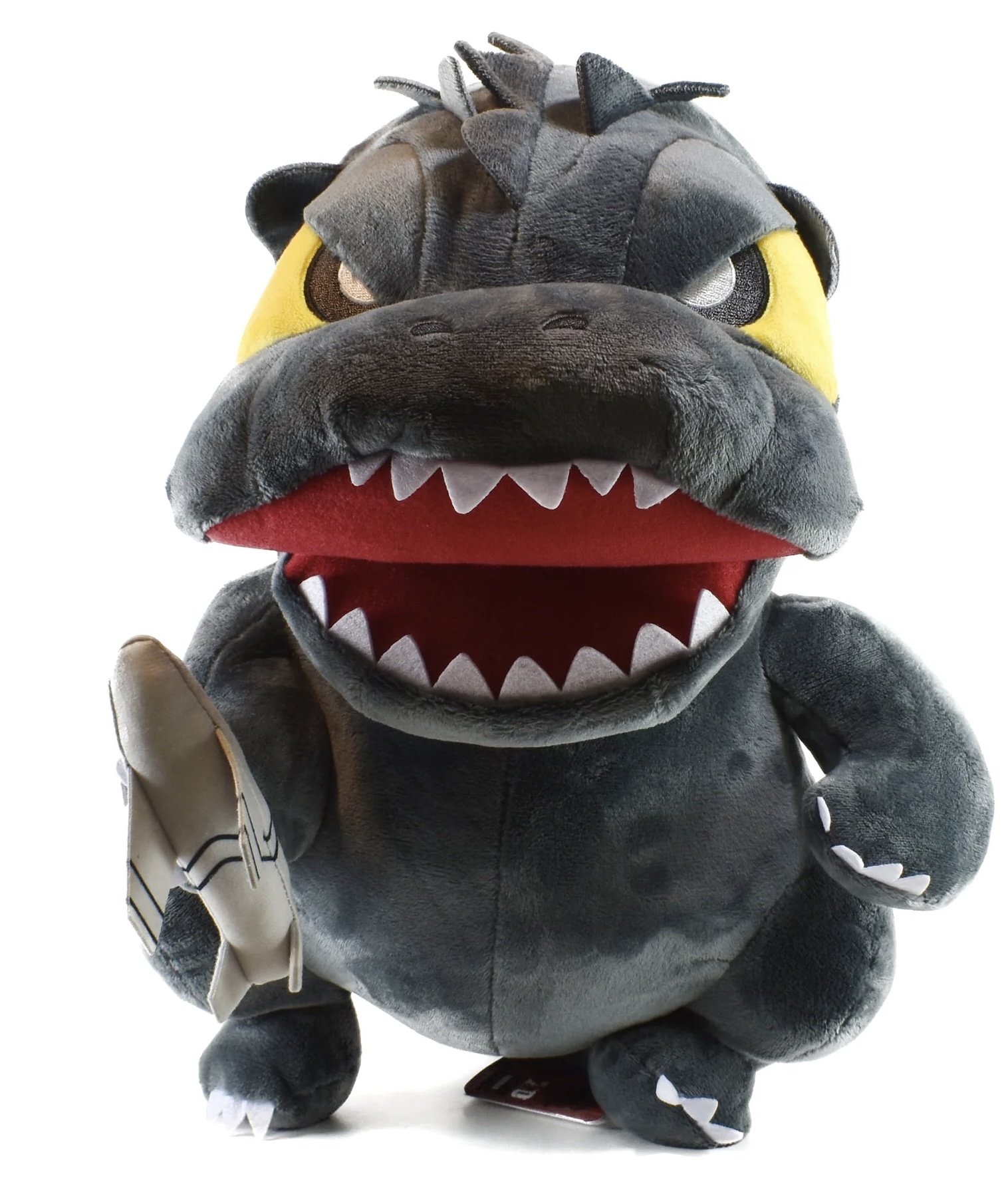
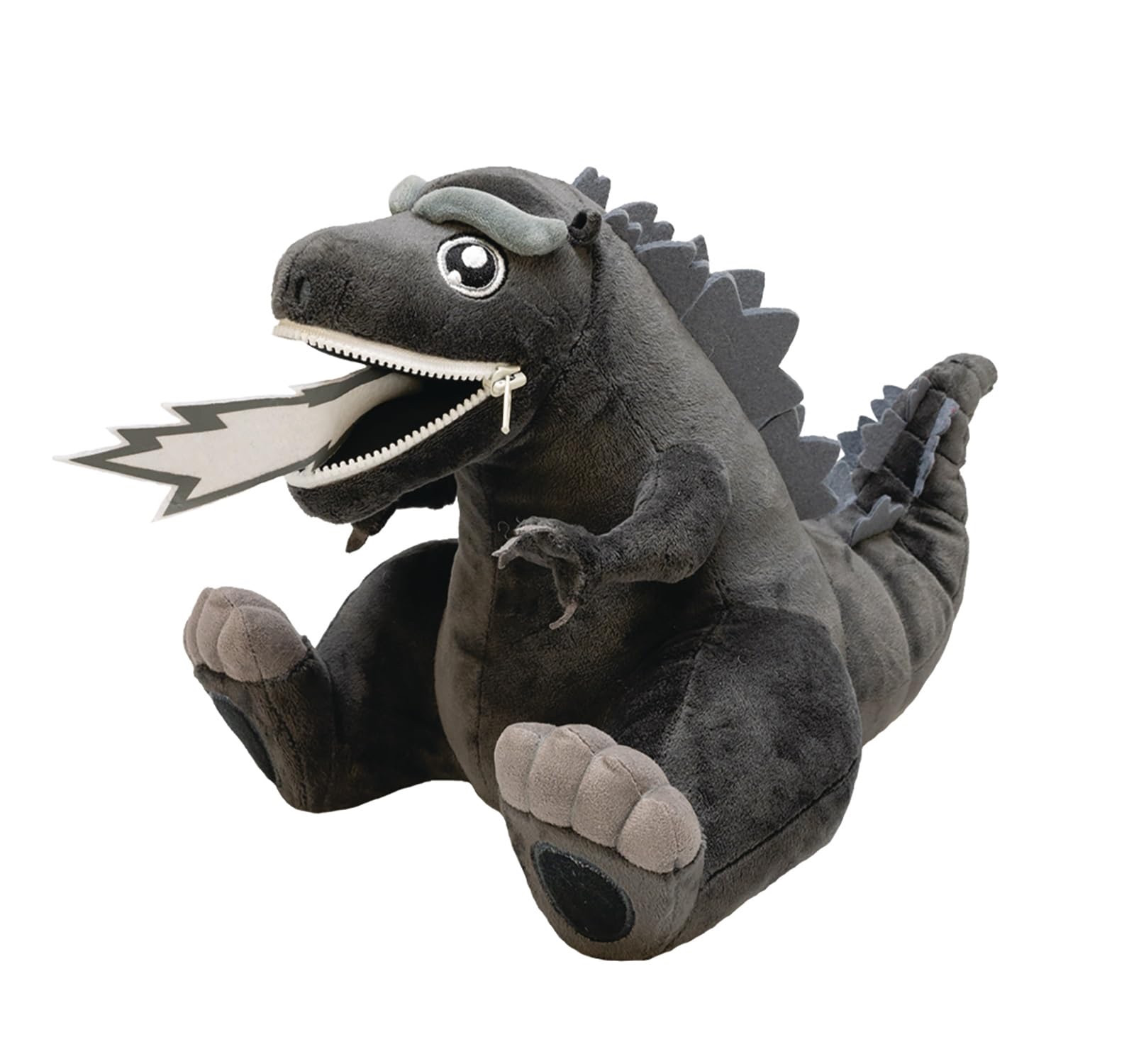
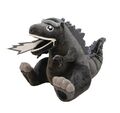 Zippermouth Godzilla (1954) plush
 -
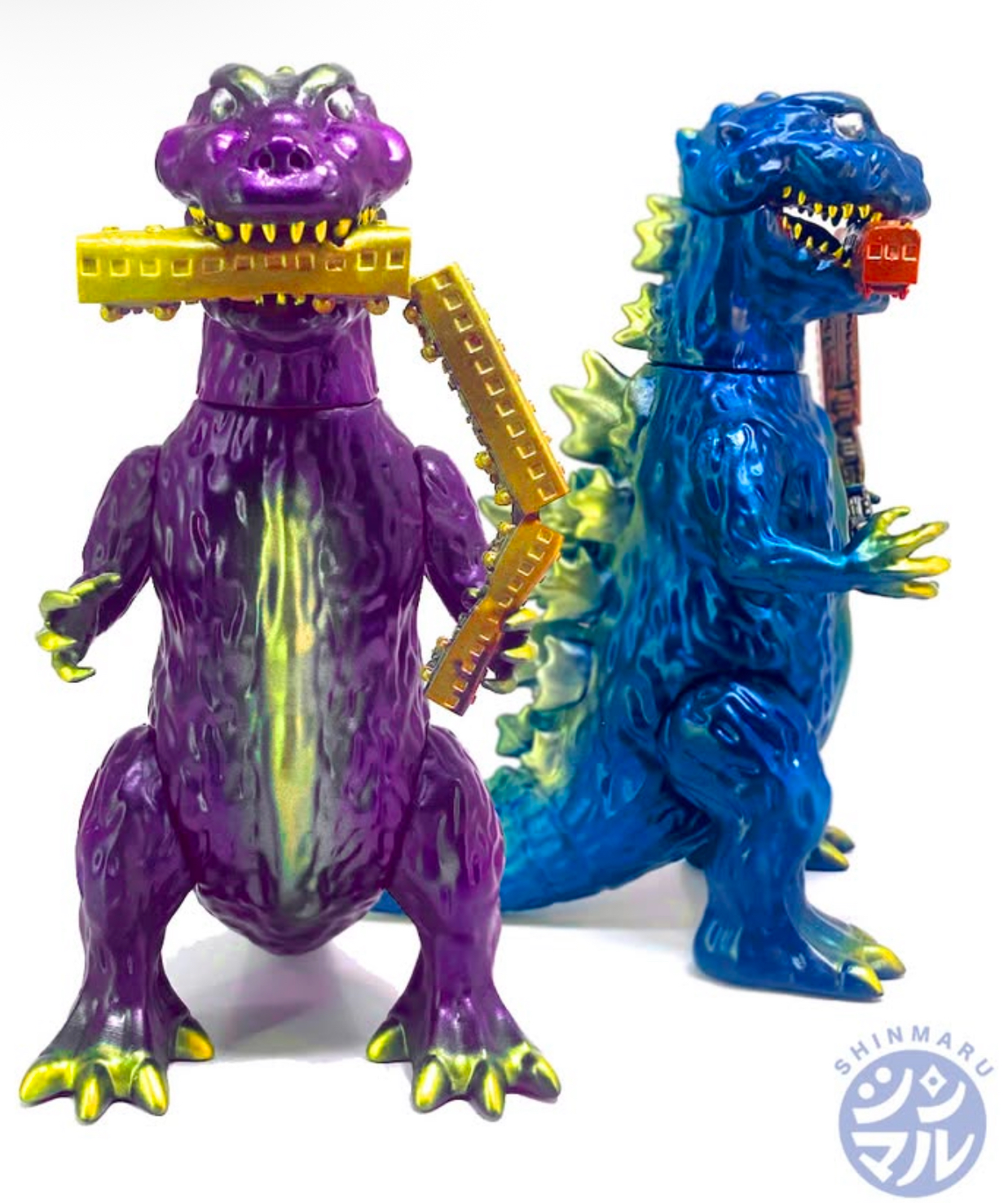
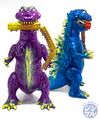 Shinmaru Godzilla (1954)
 -
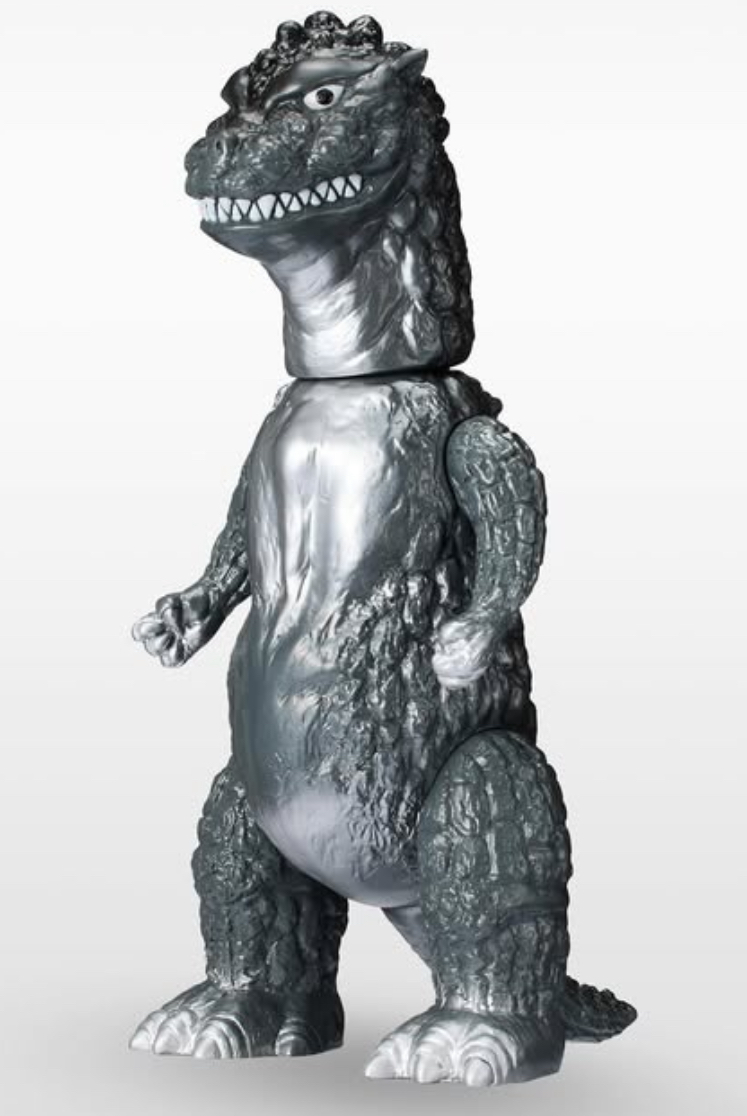
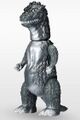 Enja Vinyl Godzilla (1954)
 -
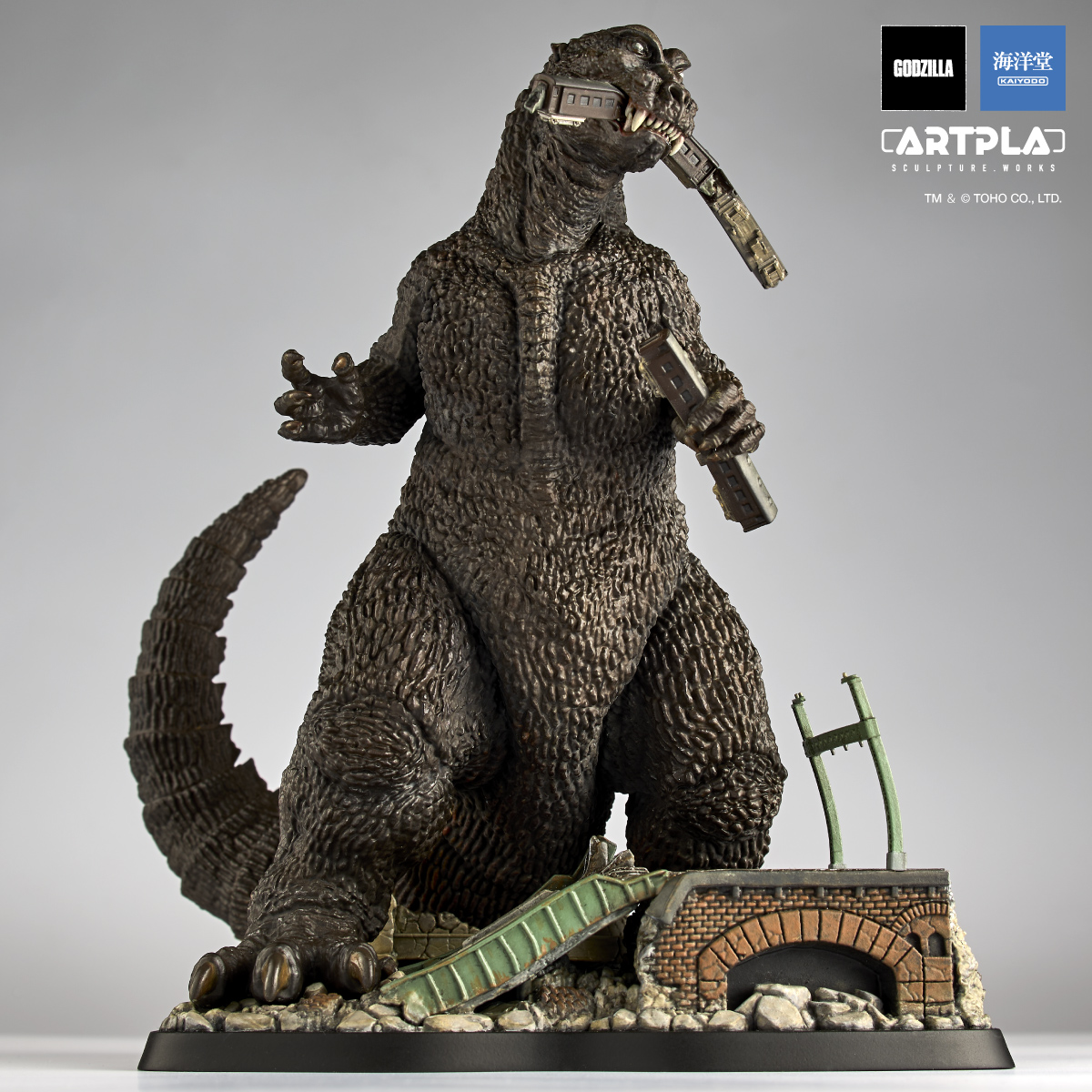
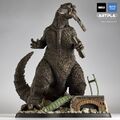 Kaiyodo ArtPla Godzilla (1954) model kit
 -
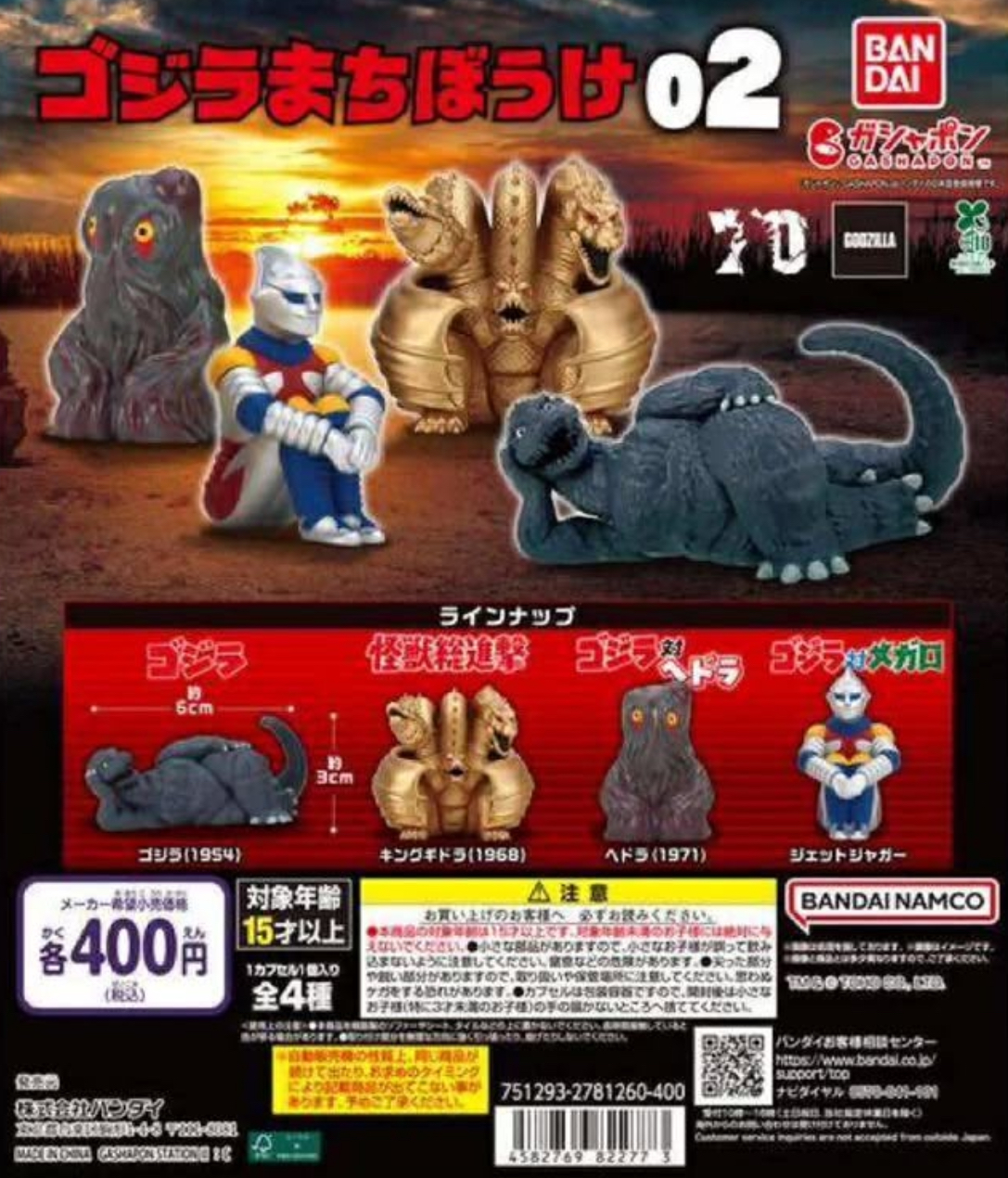
 Bandai Sitting Monsters 2 Gashapon set
 -
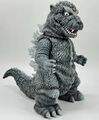 Kaiju One Godzilla (1954)
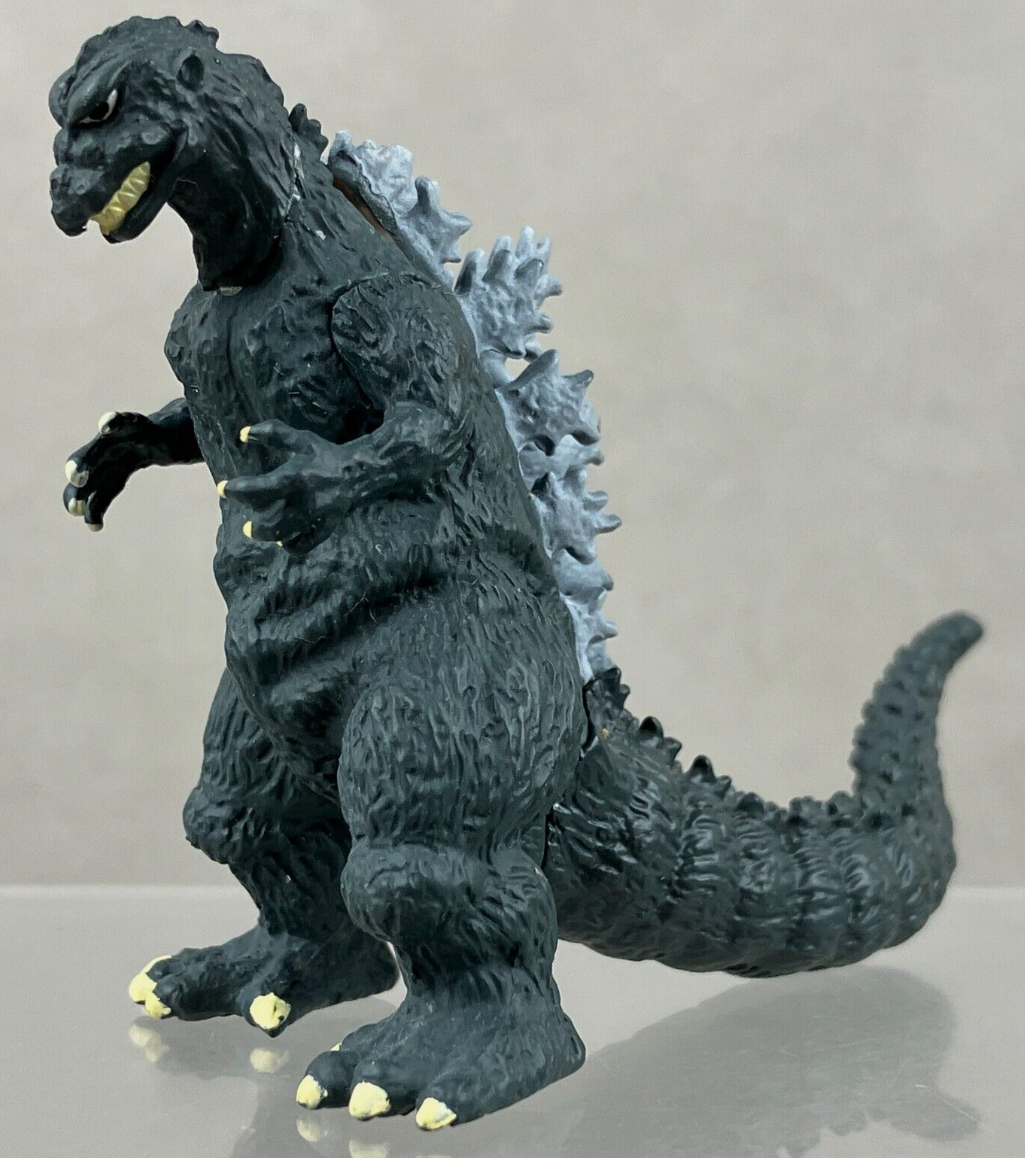
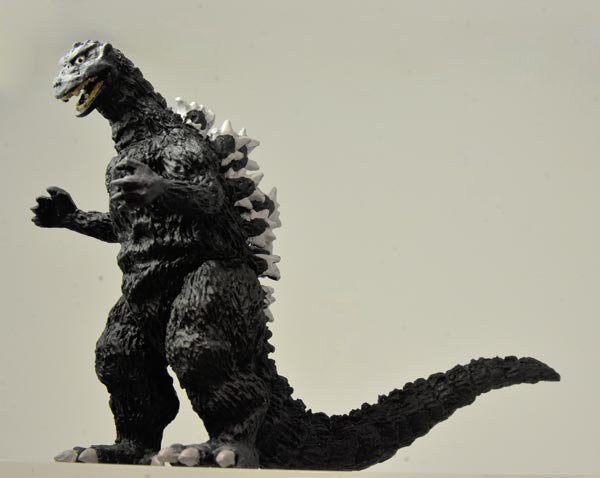
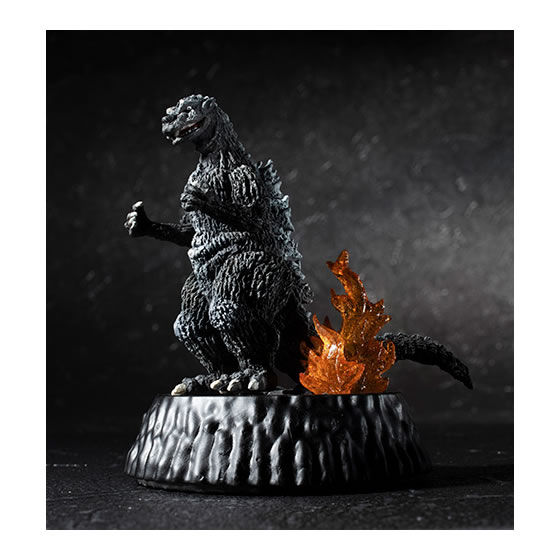
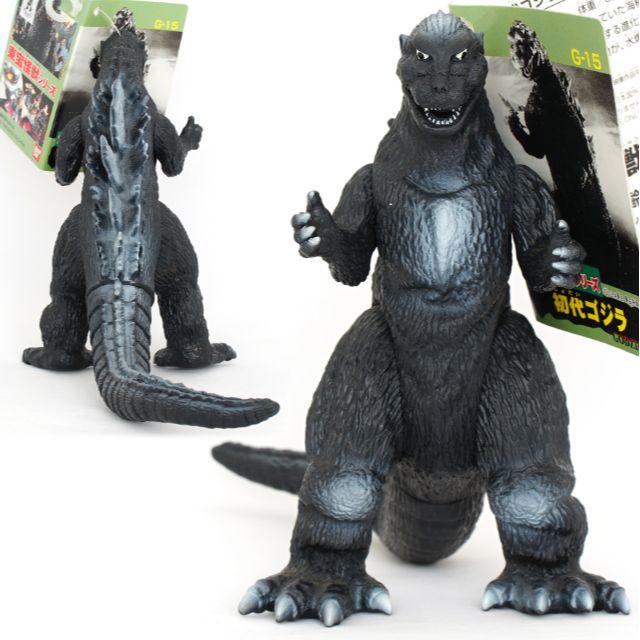

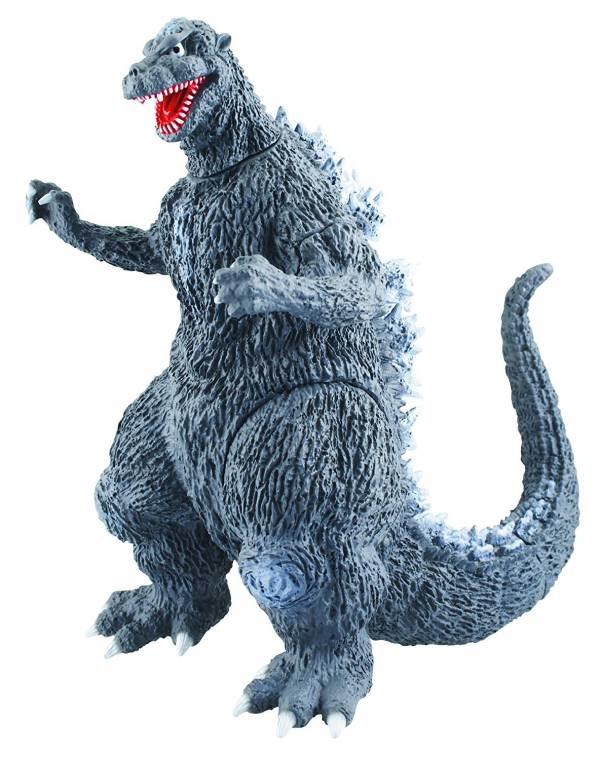
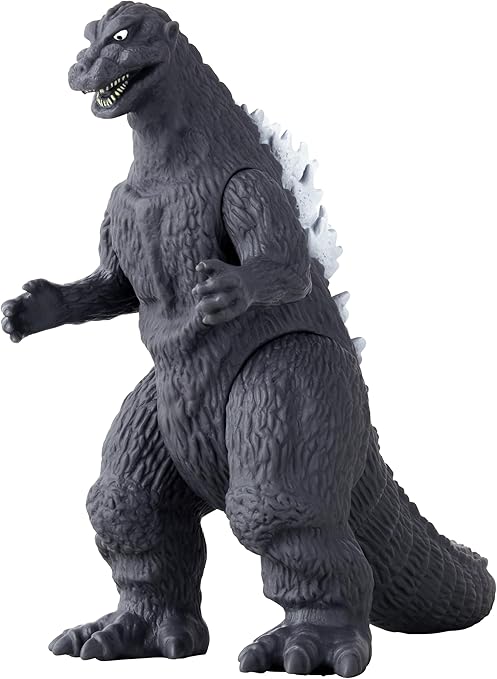
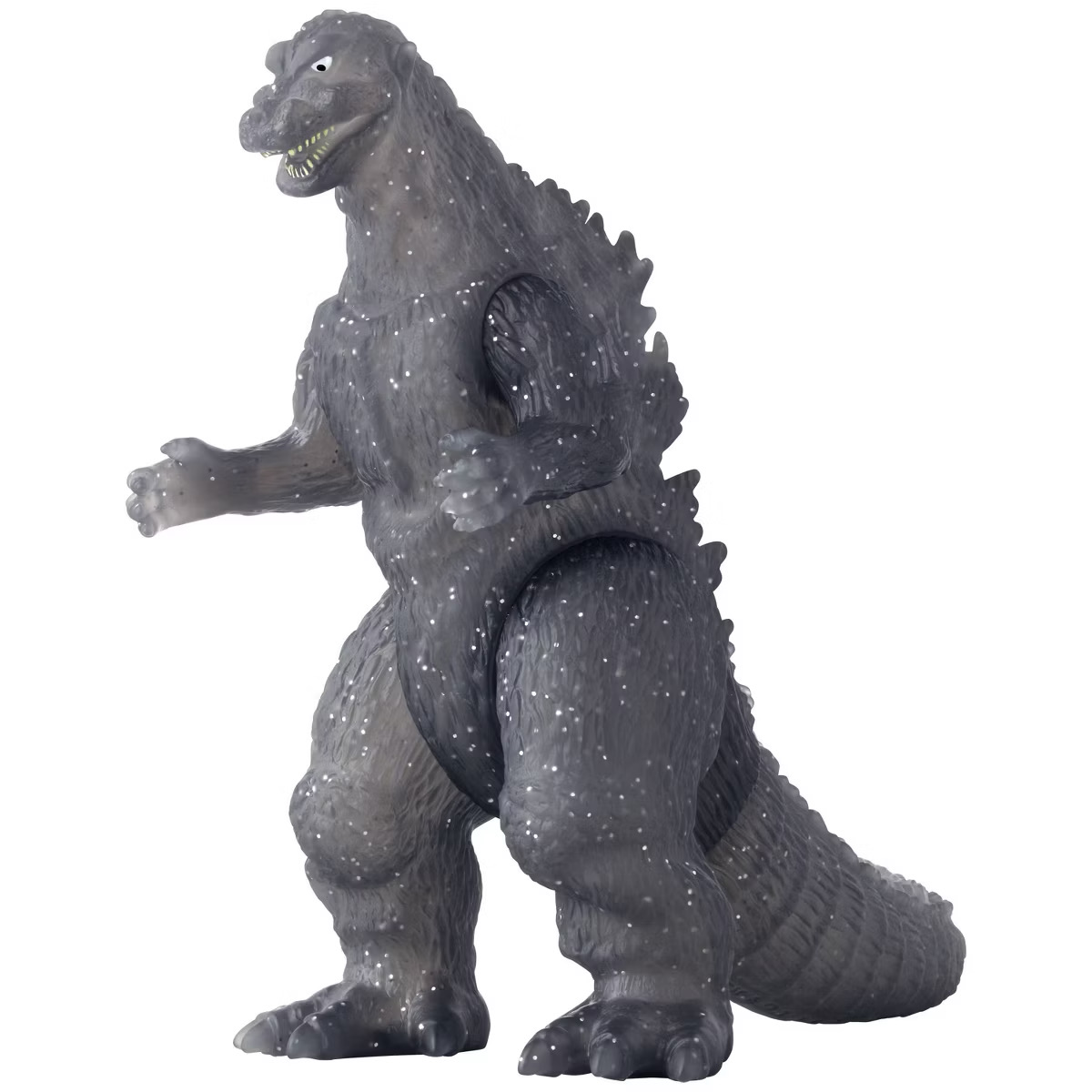
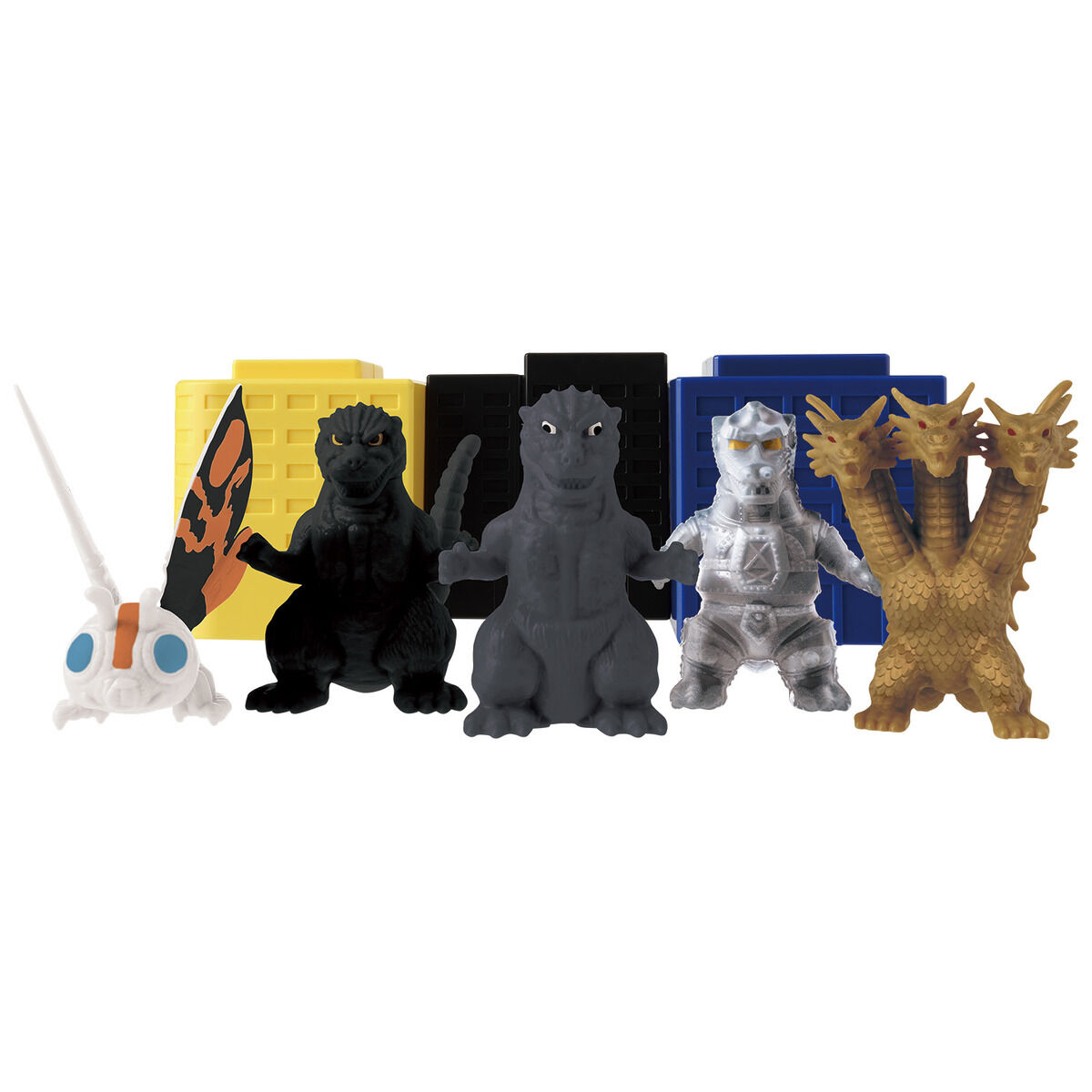
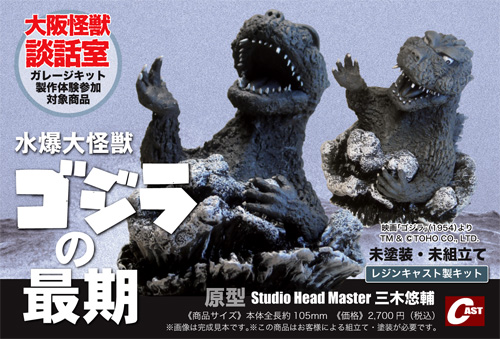
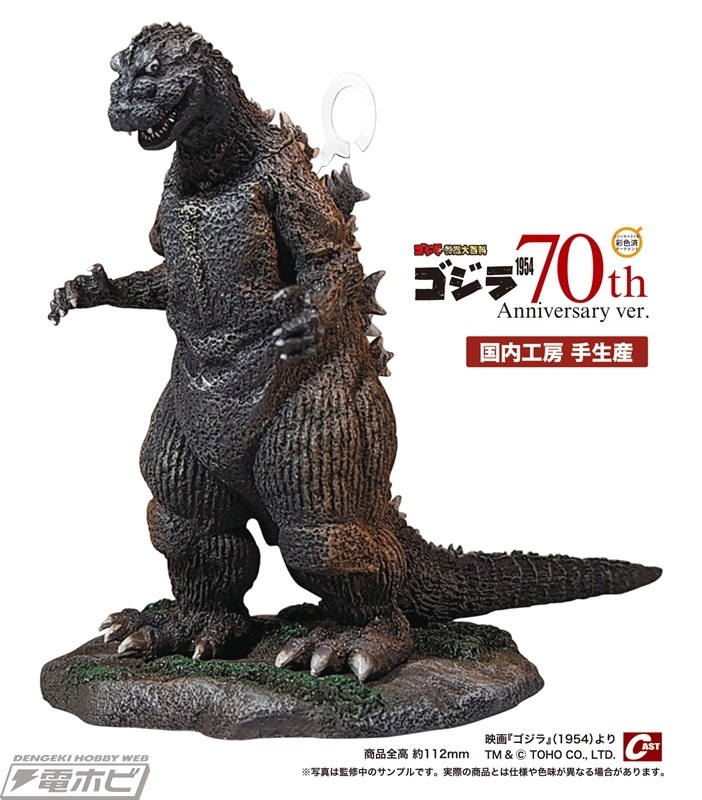
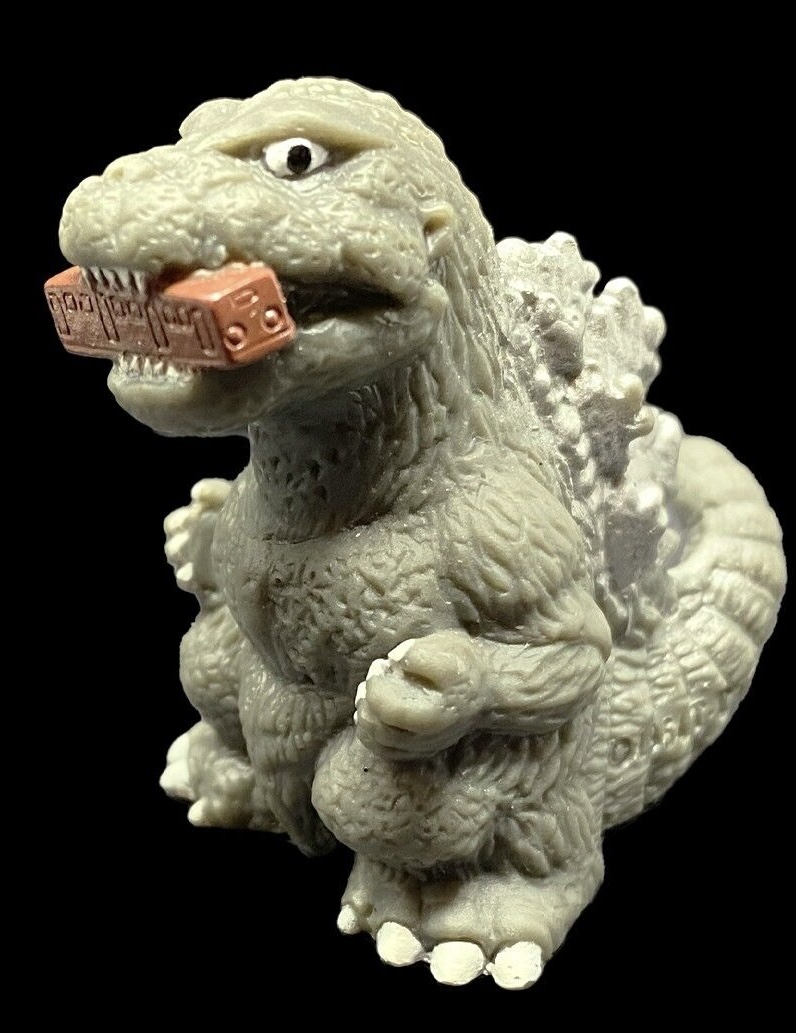
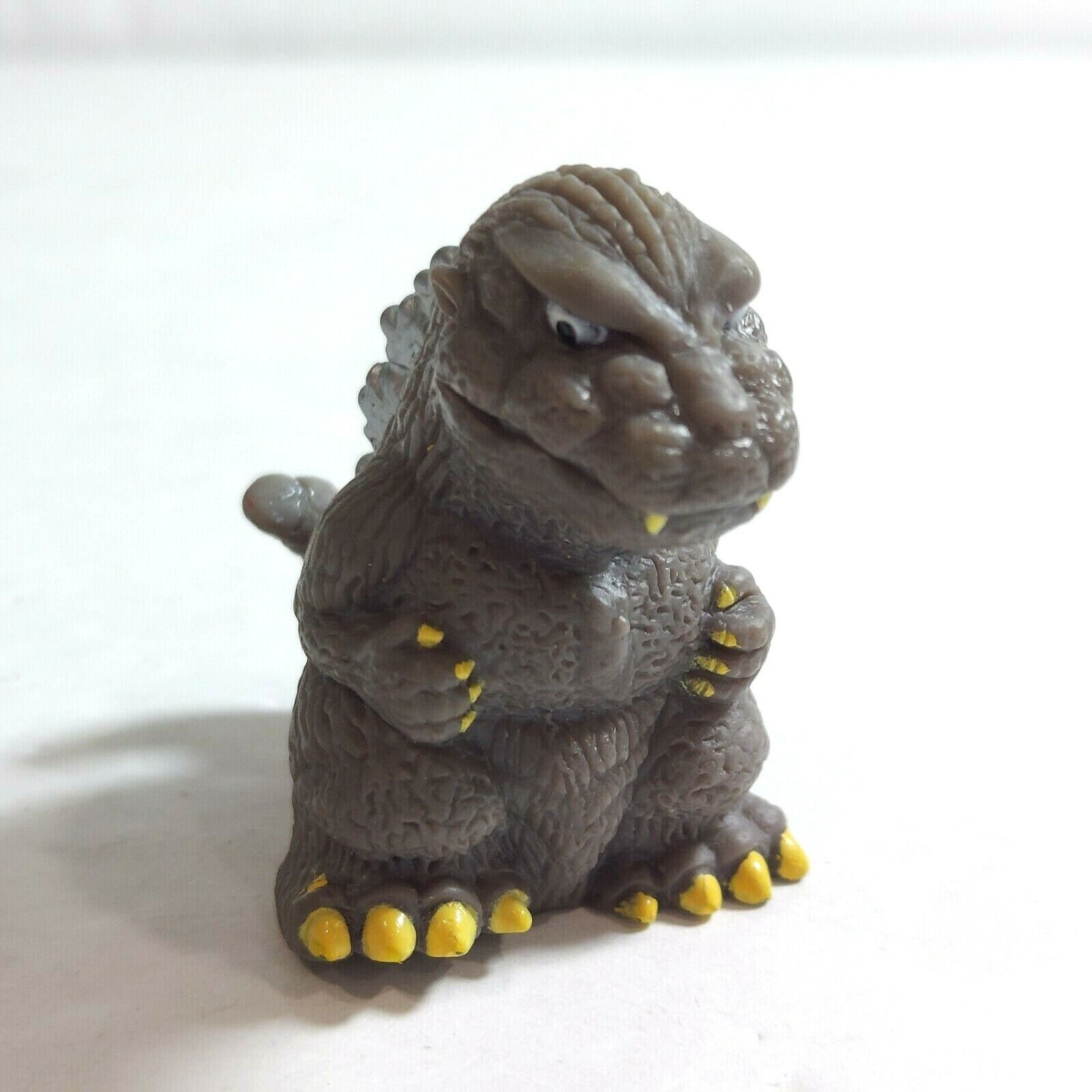
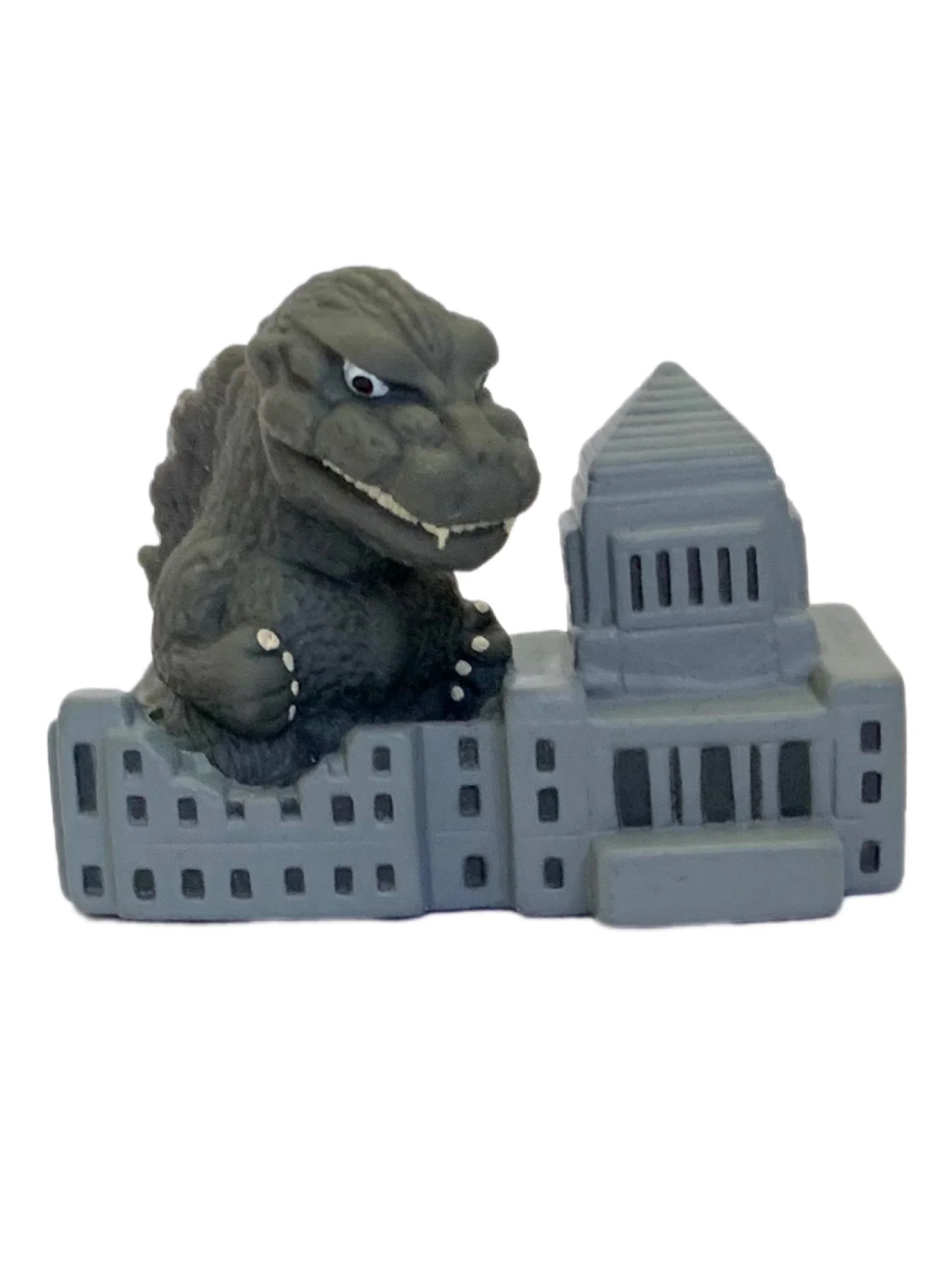
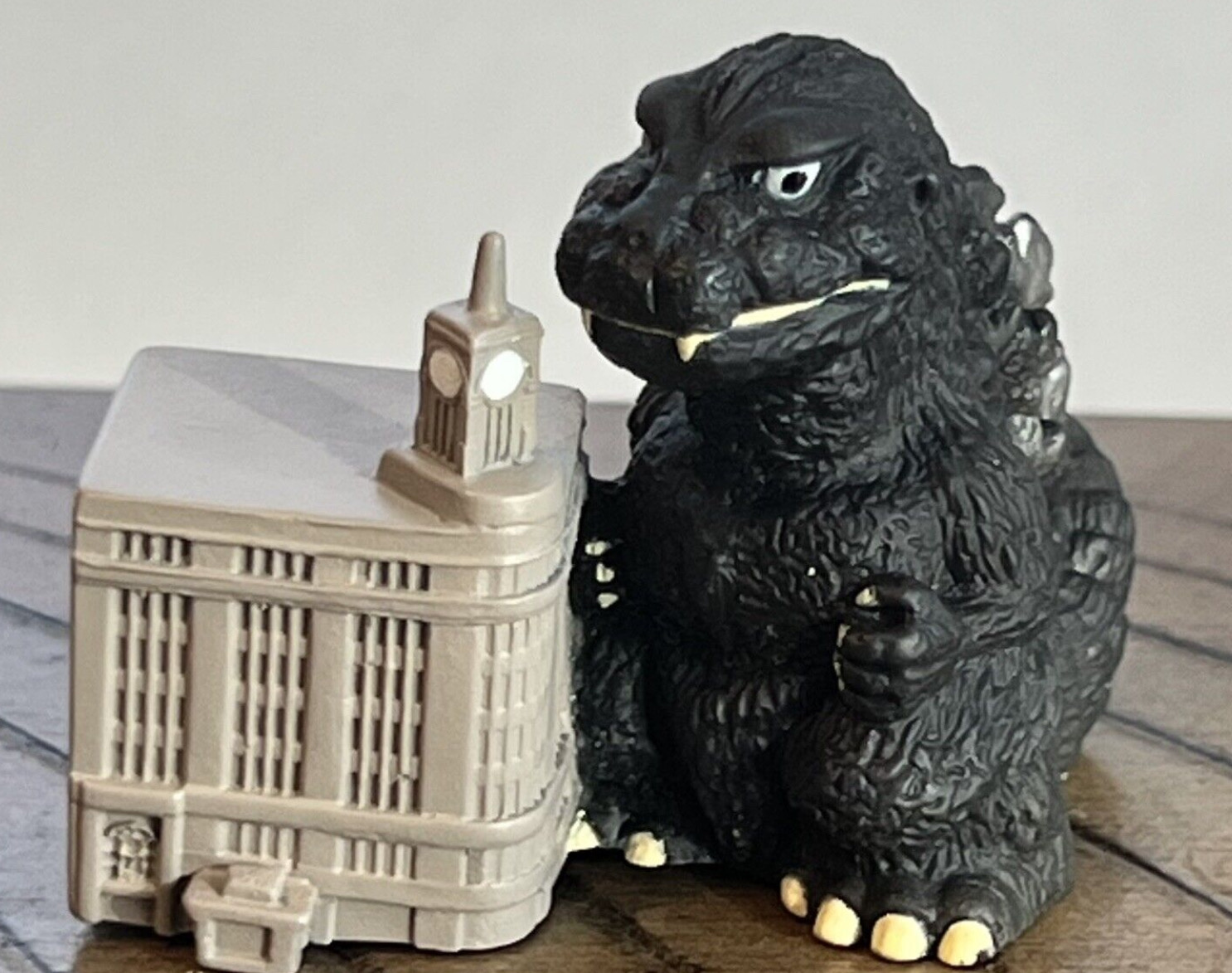
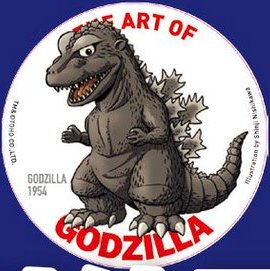
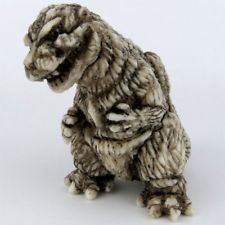
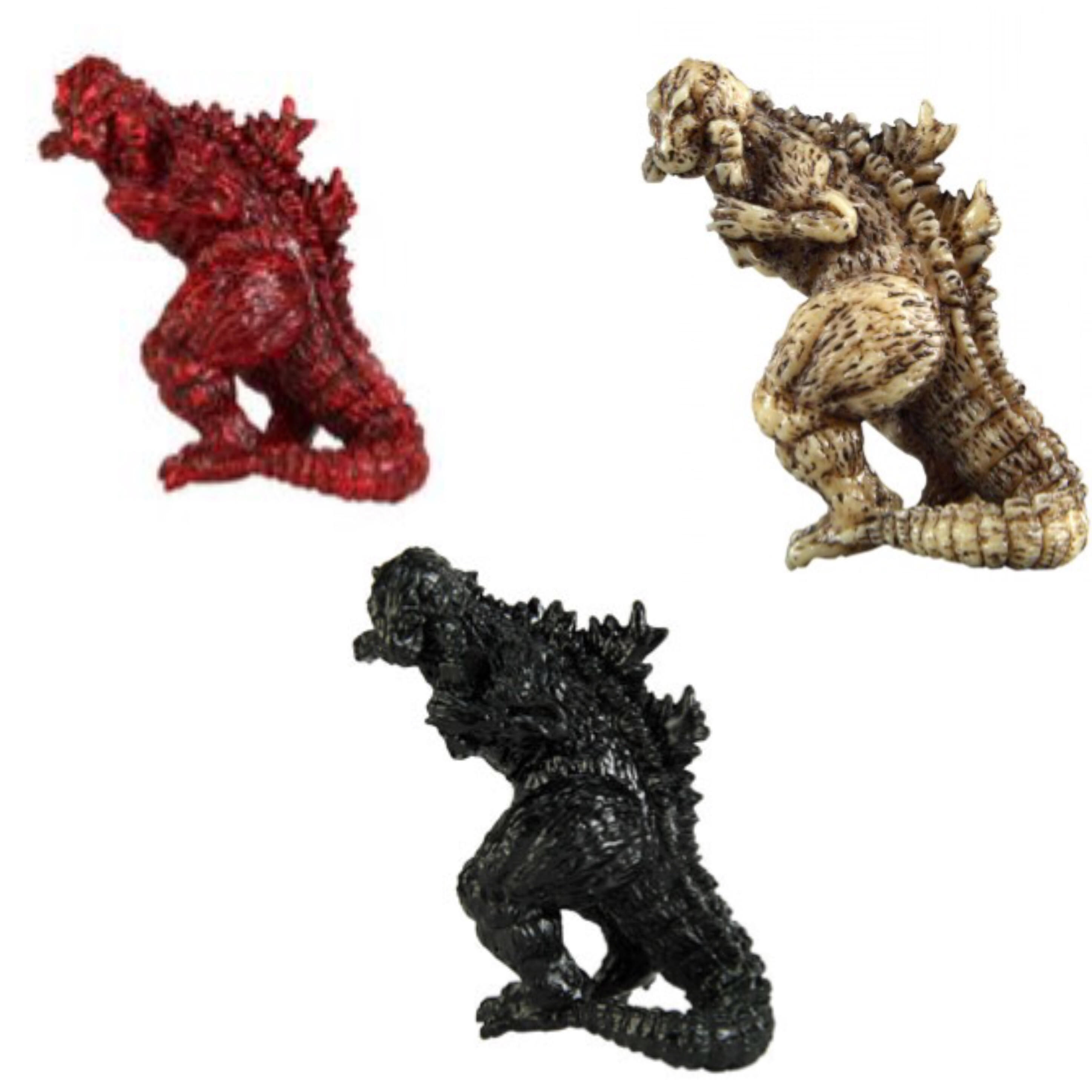
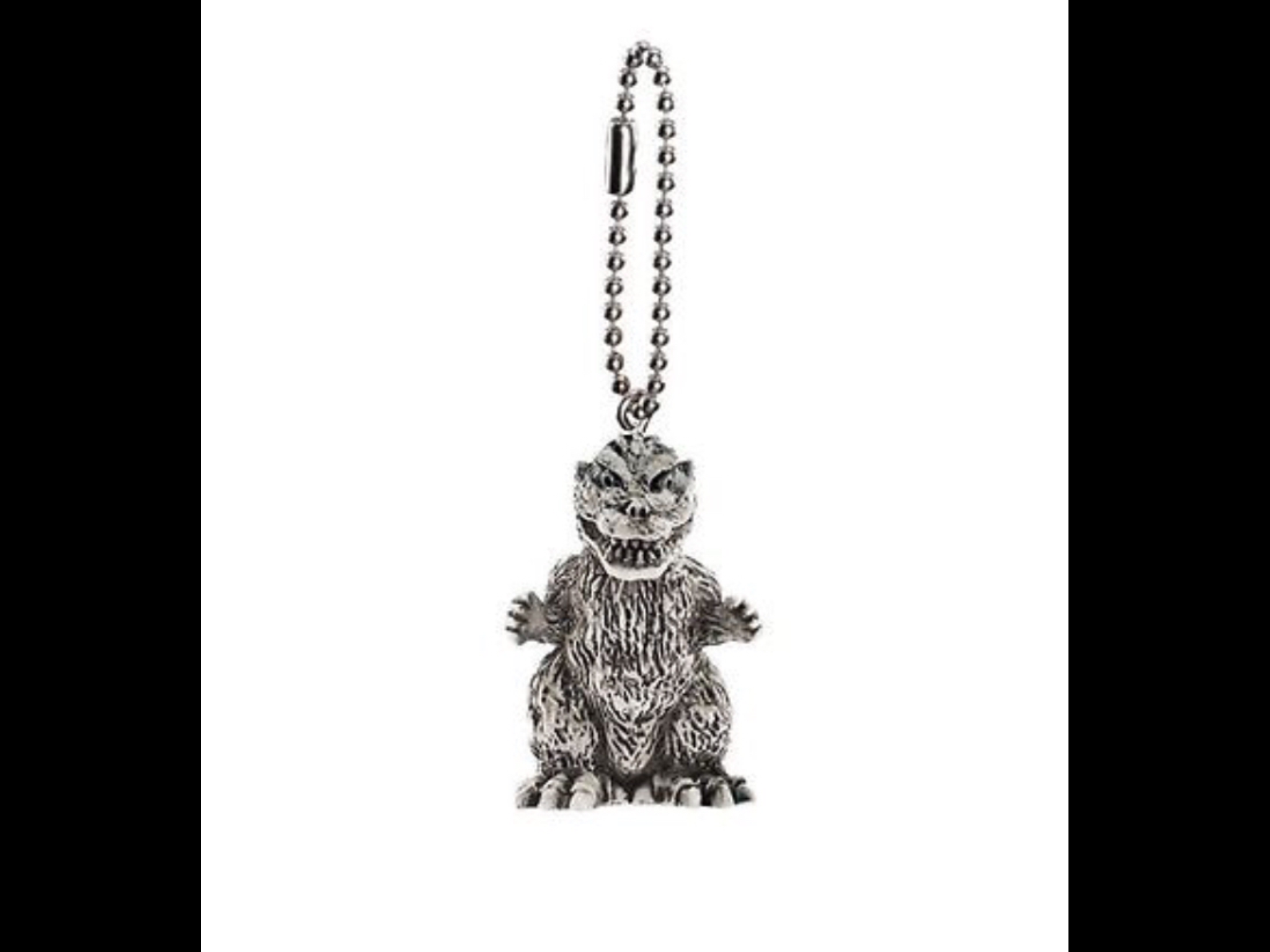
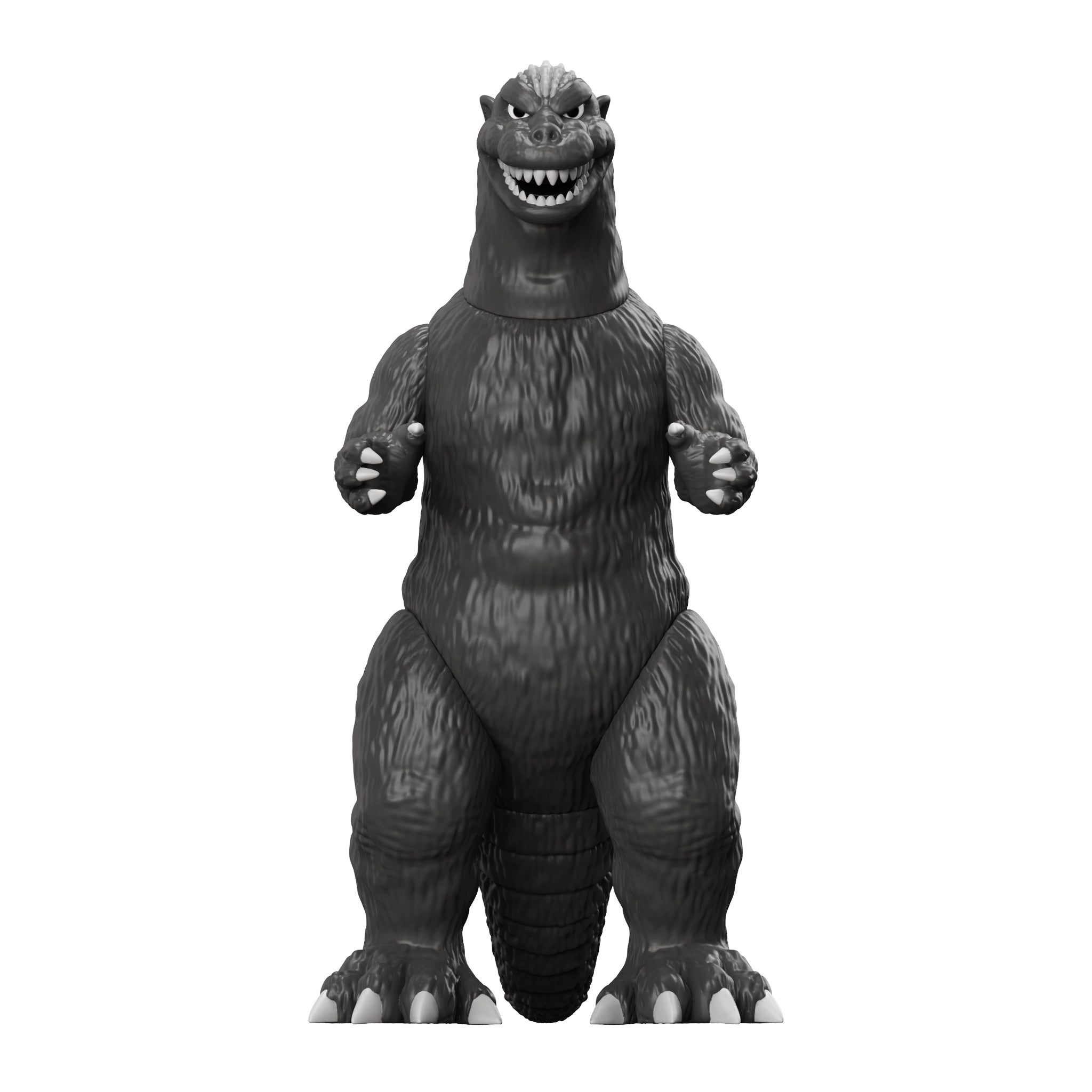
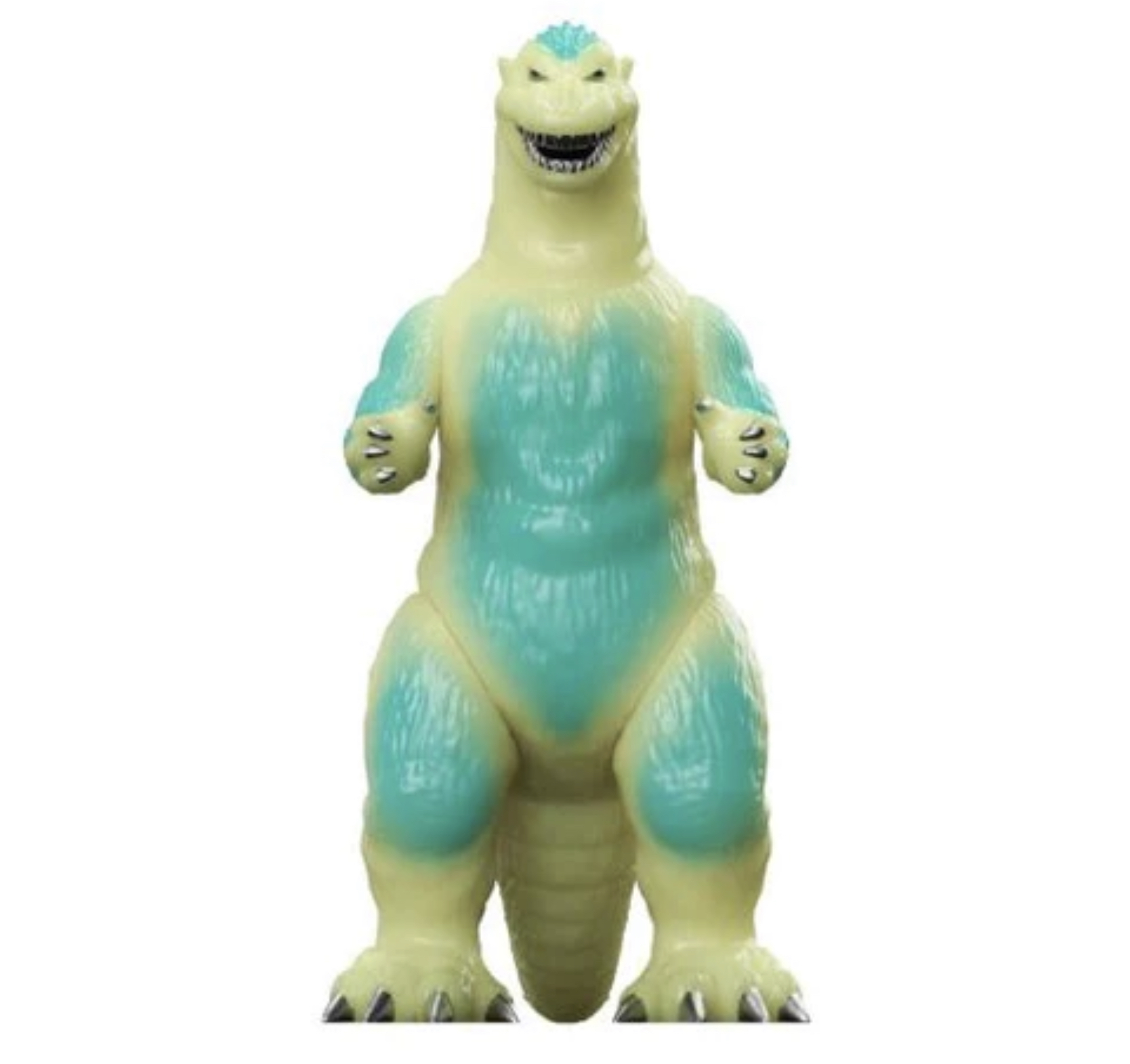
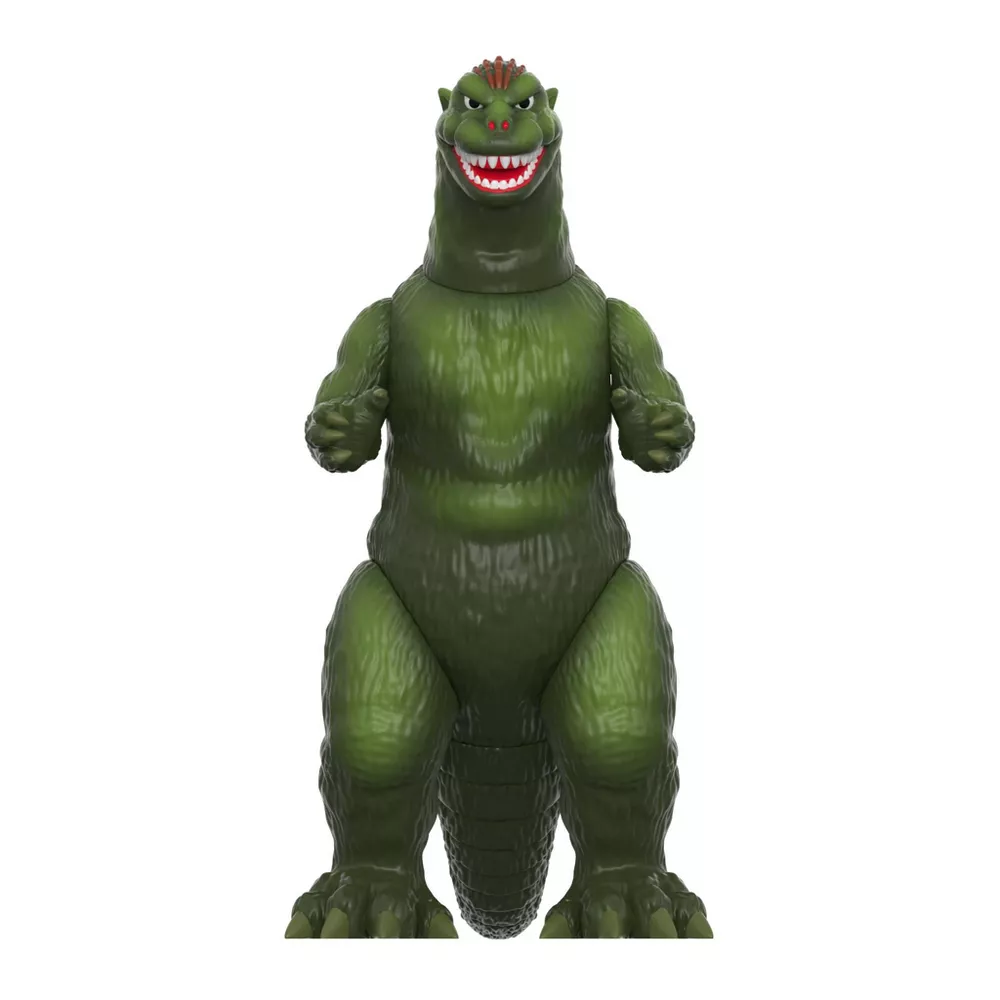
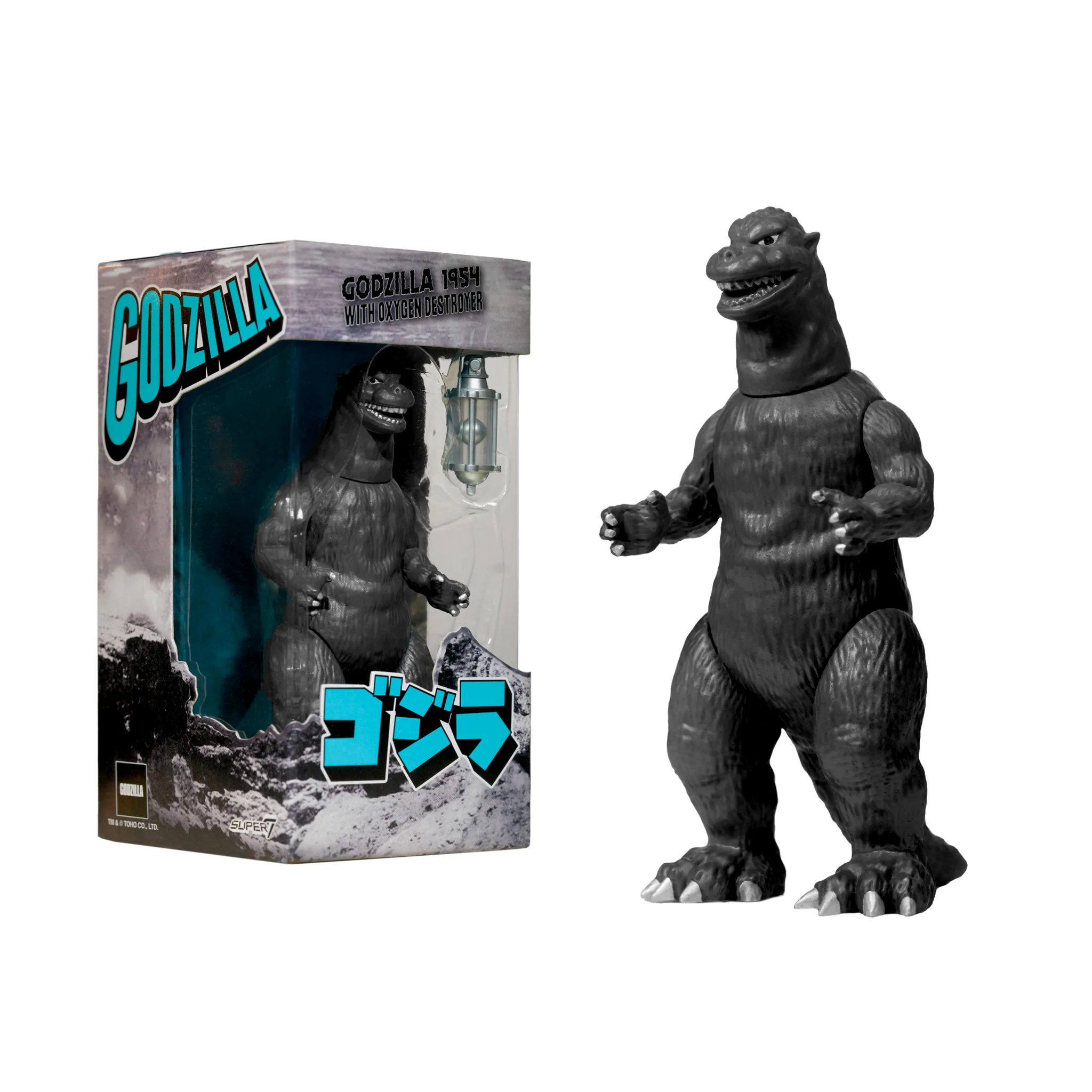

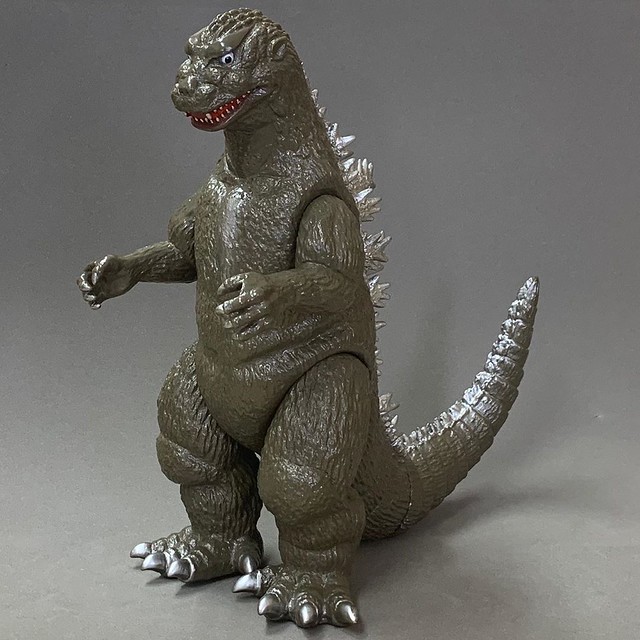
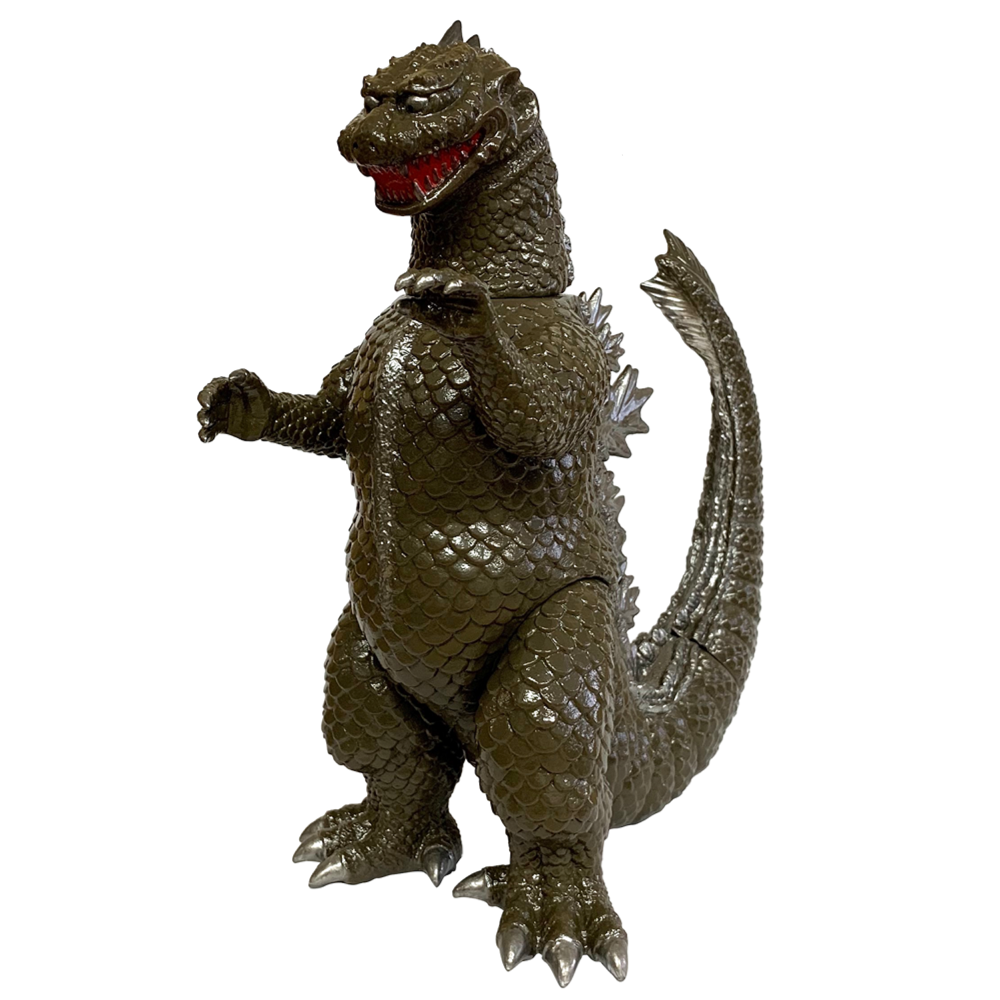
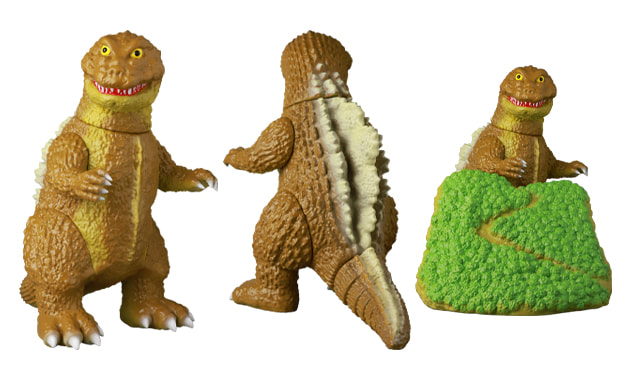
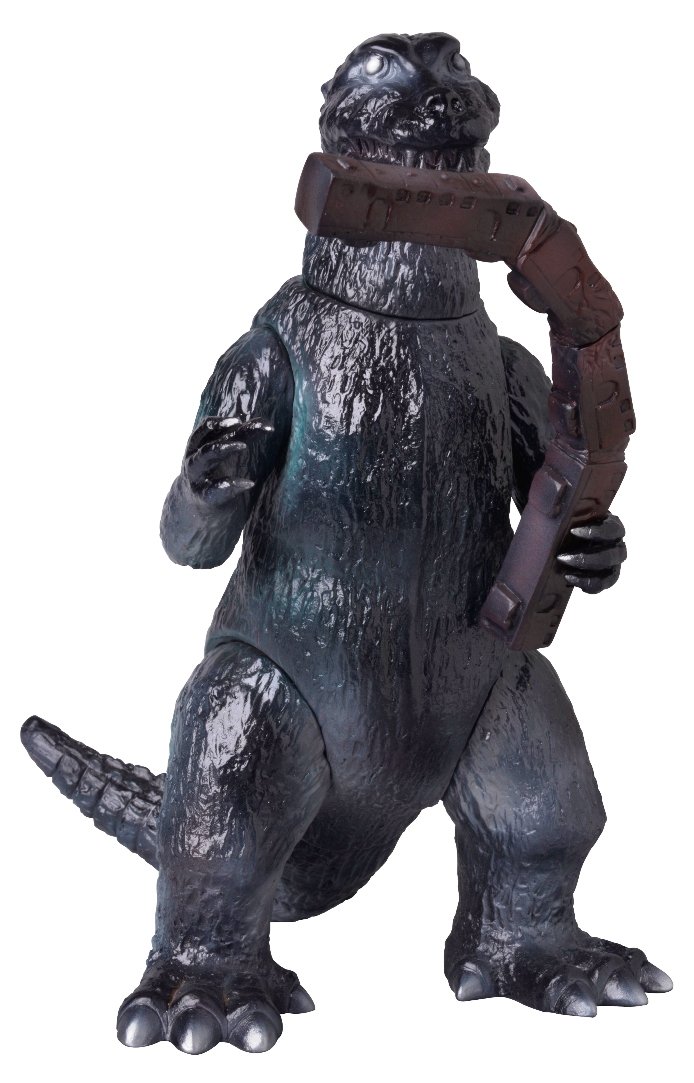
Books
-
 Toho SFX Movies Authentic Visual Book Vol. 1: Godzilla 1954
 -
 Toho SFX Movies Authentic Visual Book Vol. 1: Godzilla 1954
 -
 Toho SFX Movies Authentic Visual Book Vol. 1: Godzilla 1954
 -
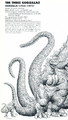
-
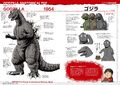
-
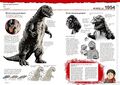 Godzilla: The Encyclopedia
 -
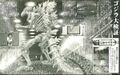
-
Trading cards
-
 Card that comes with a finger puppet
 -
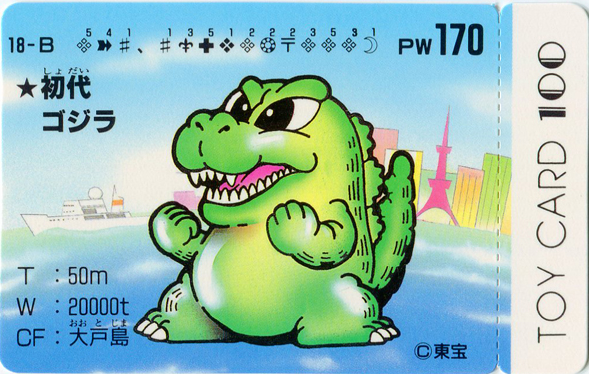
 First Generation Godzilla card featured in the Godzilla Wars line of Toy Card 100 trading cards.
 -
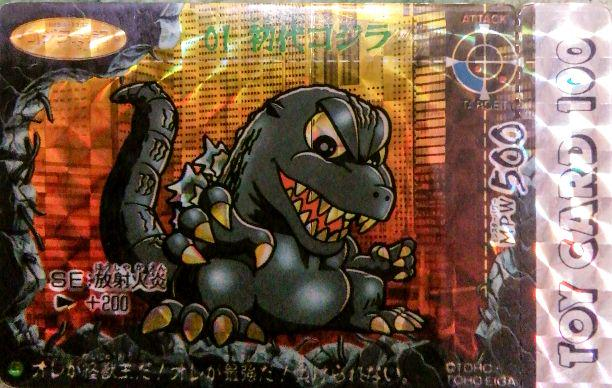
 First Generation Godzilla card featured in the Godzilla War Chronicle line of Toy Card.
 -
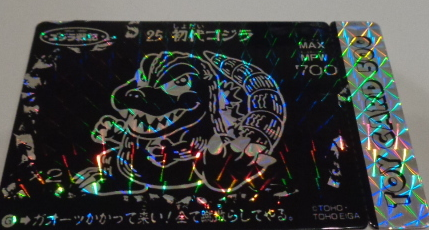
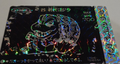 First Generation Godzilla card featured in the Godzilla War Chronicle line of Toy Card.
 -
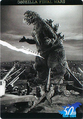
-
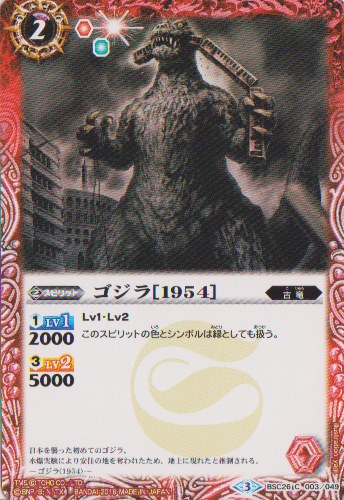
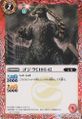 Battle Spirits BSC26 Godzilla (1954) card
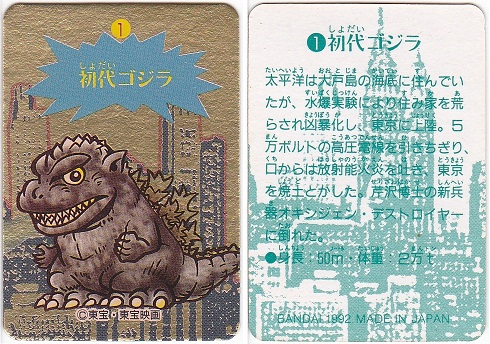
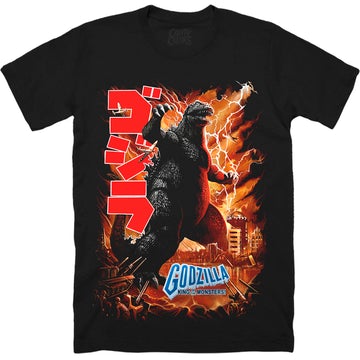
Clothing
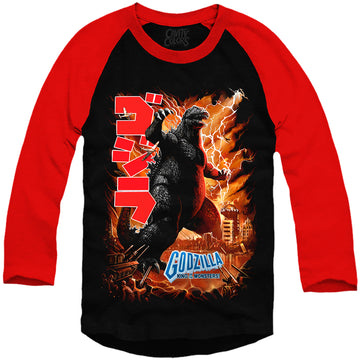
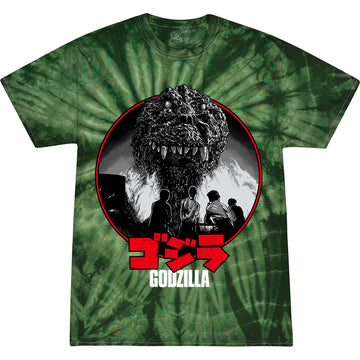
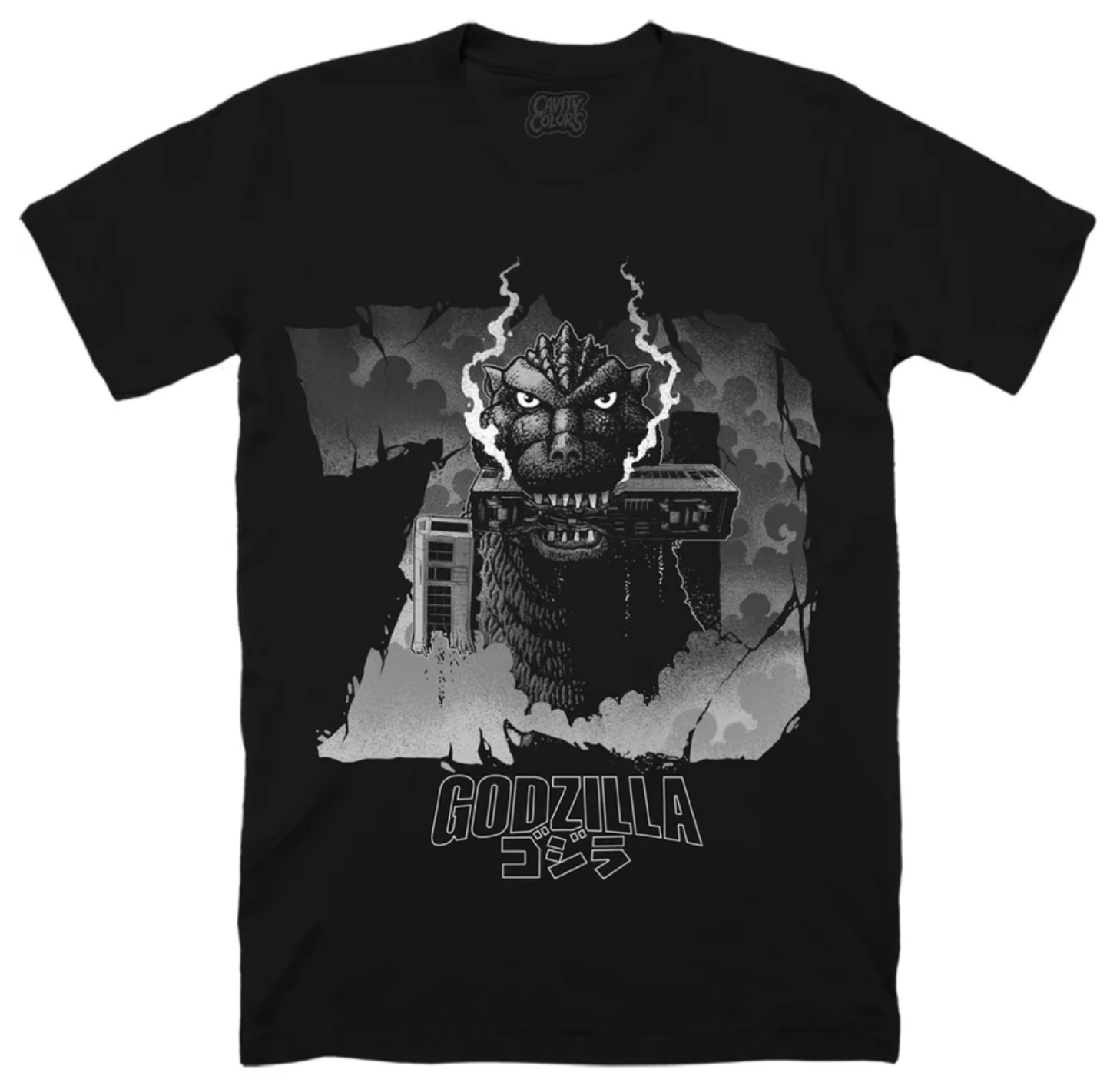
Miscellaneous
-
 Beetland paper holder
 -
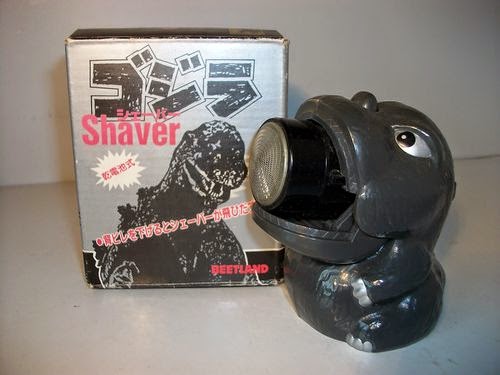
 Beetland electronic shaver
 -
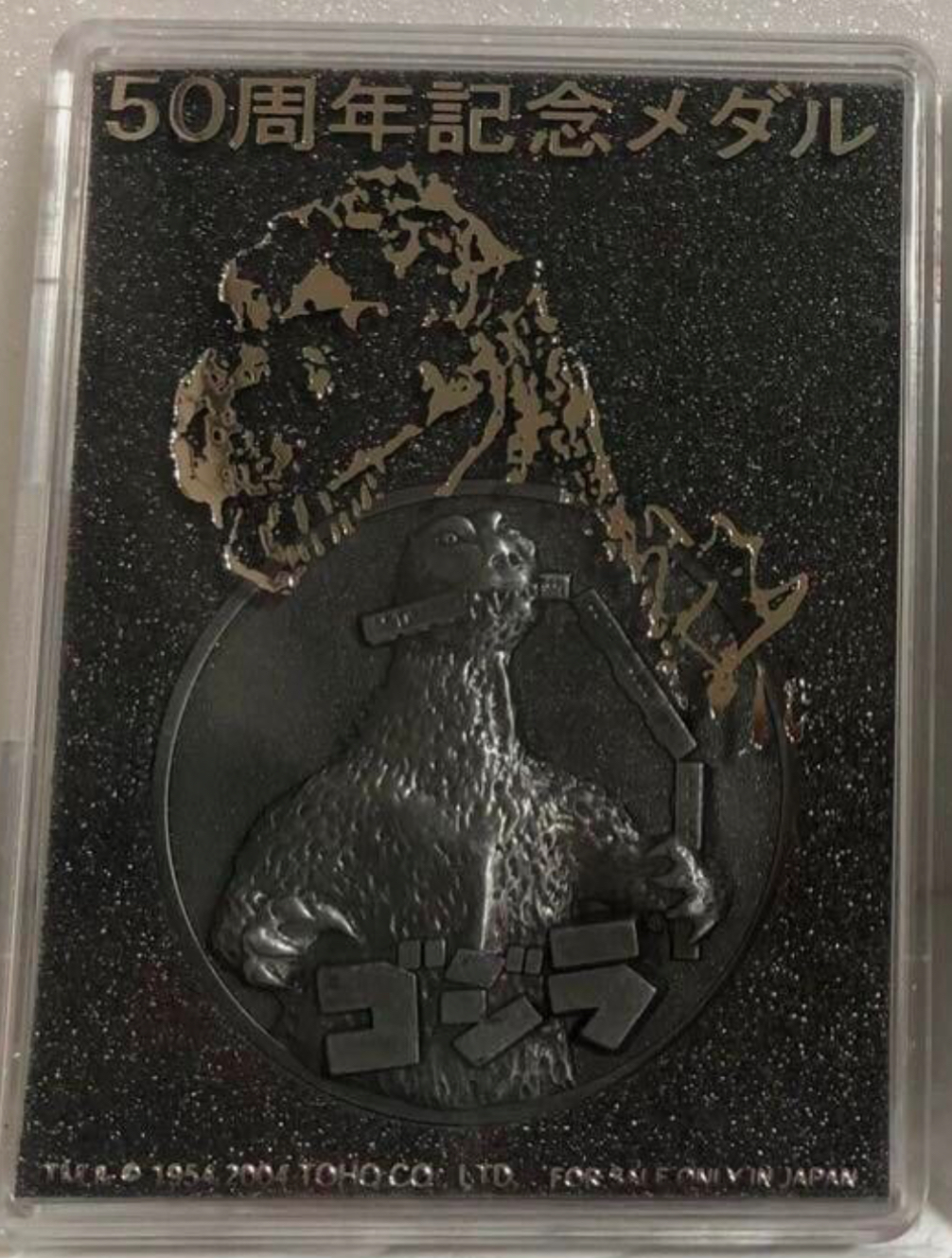
 Godzilla 50th anniversary coin
 -
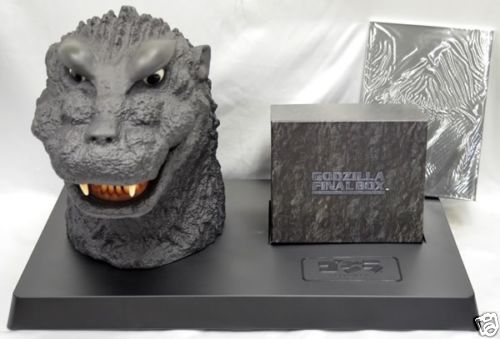
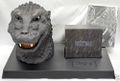 Godzilla head from the Godzilla Final Box
 -
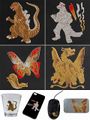 Godzilla 60th-anniversary stickers
 -
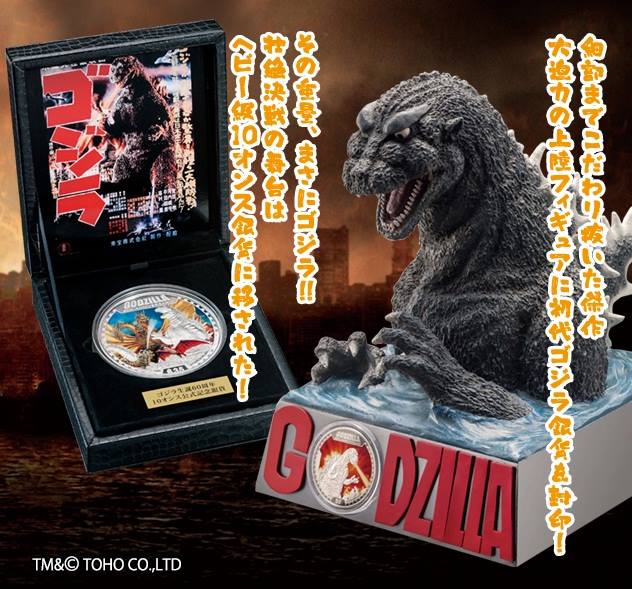
 Godzilla 60th anniversary coin set
 -
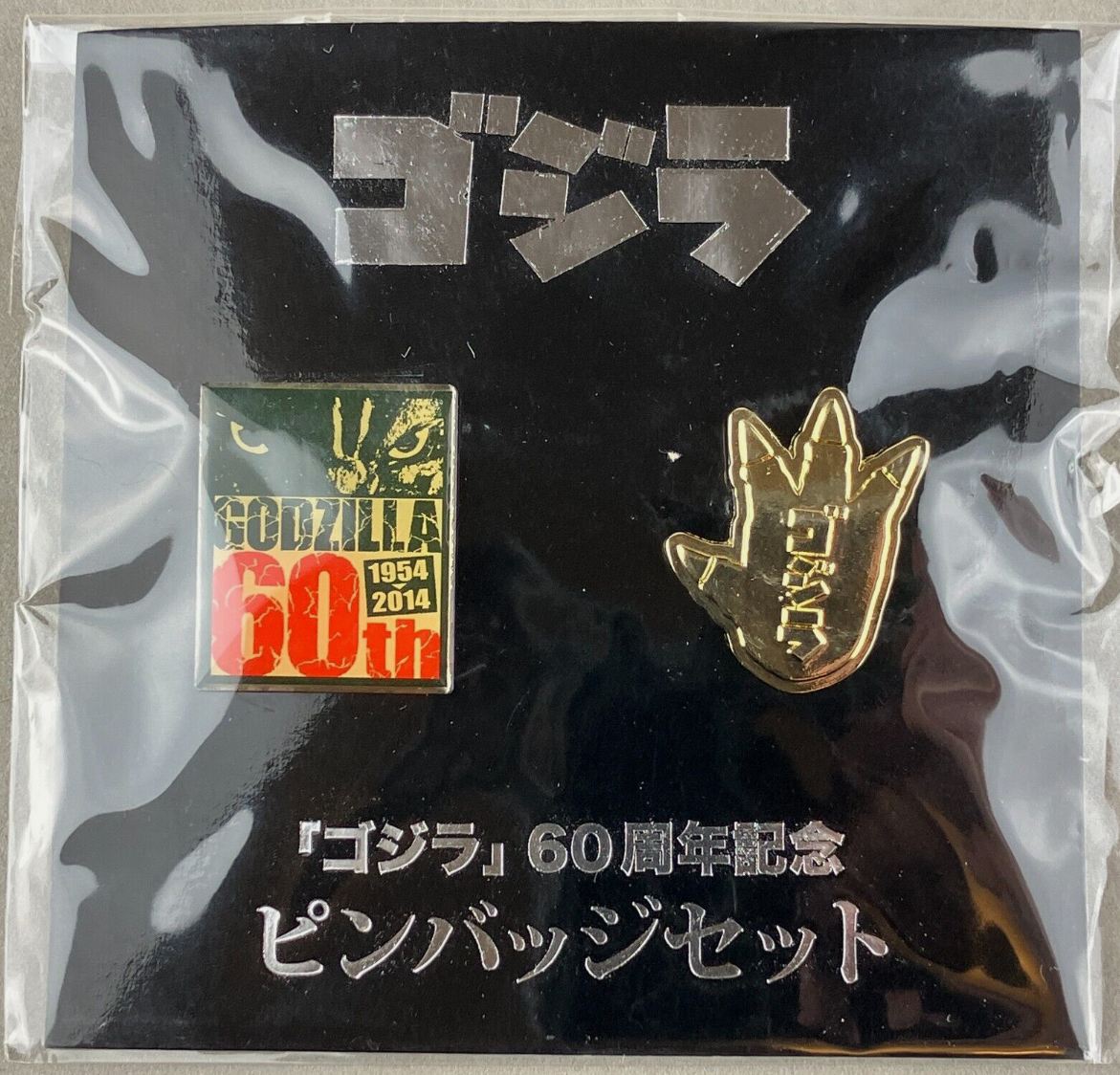
 Godzilla 60th anniversary pin set
 -
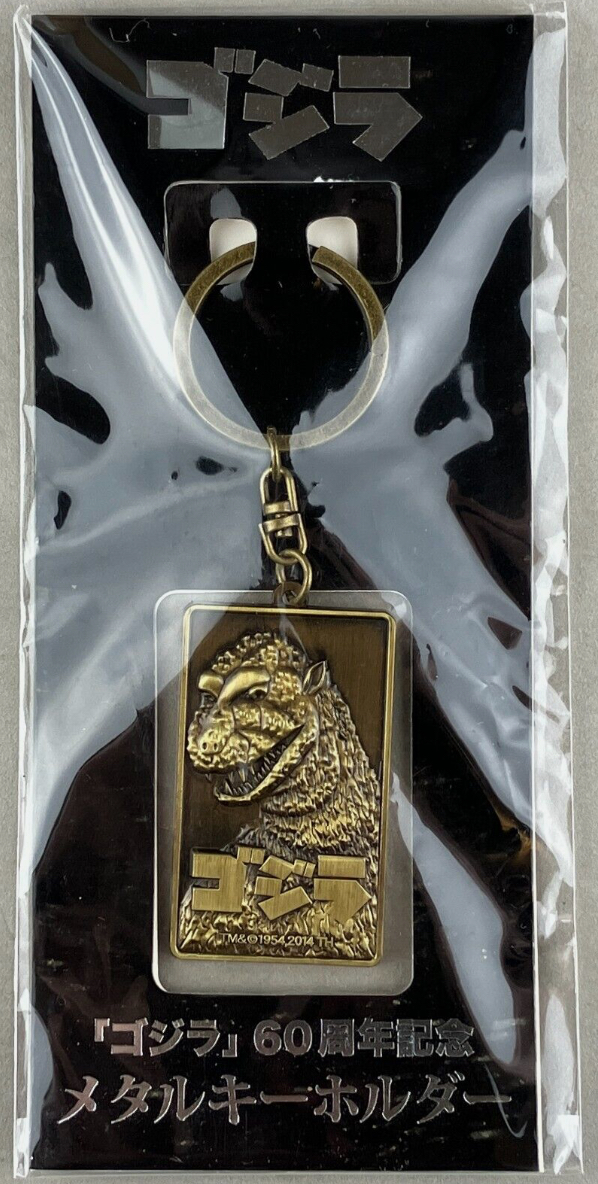
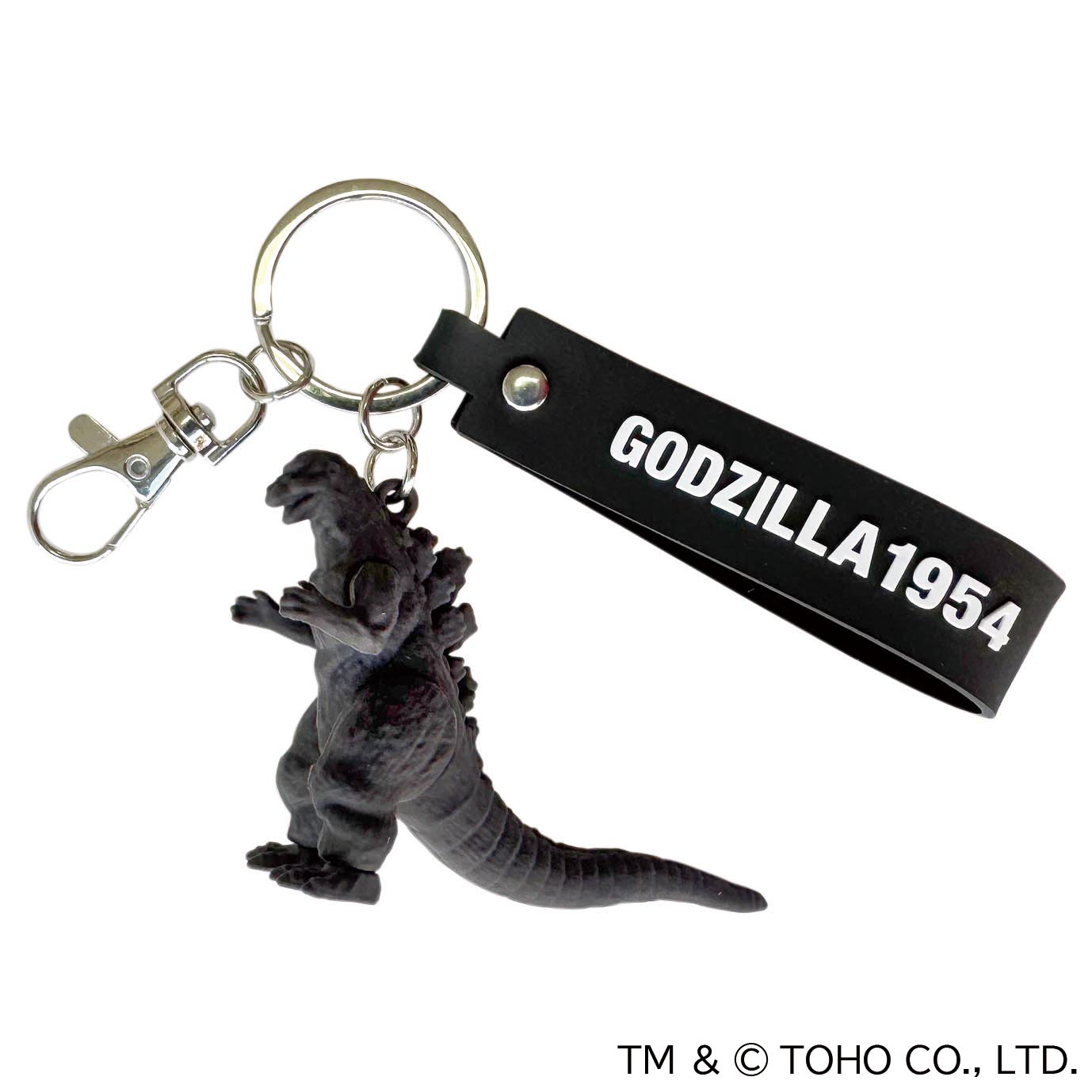
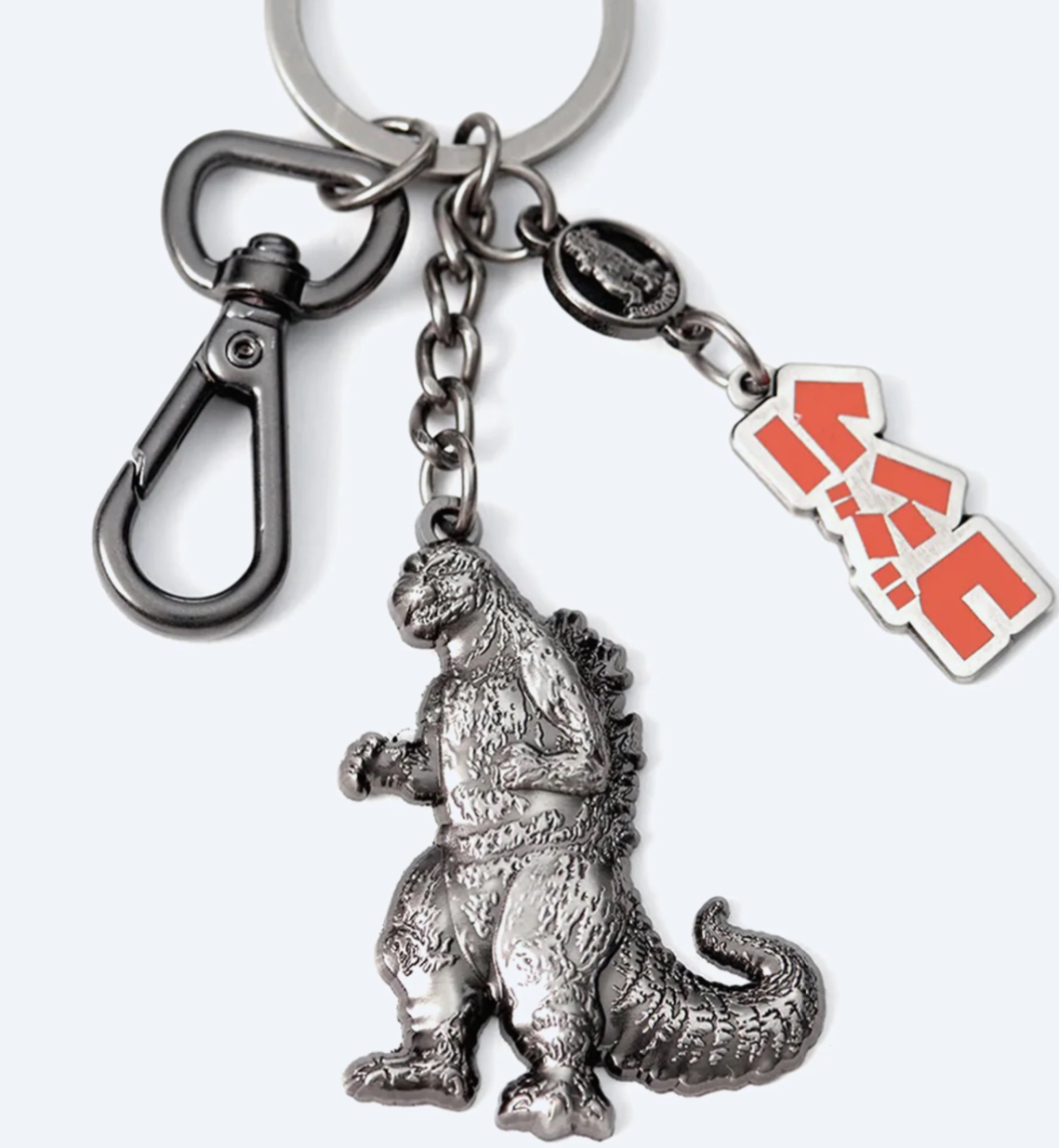
 Godzilla 60th anniversary keychain
 -
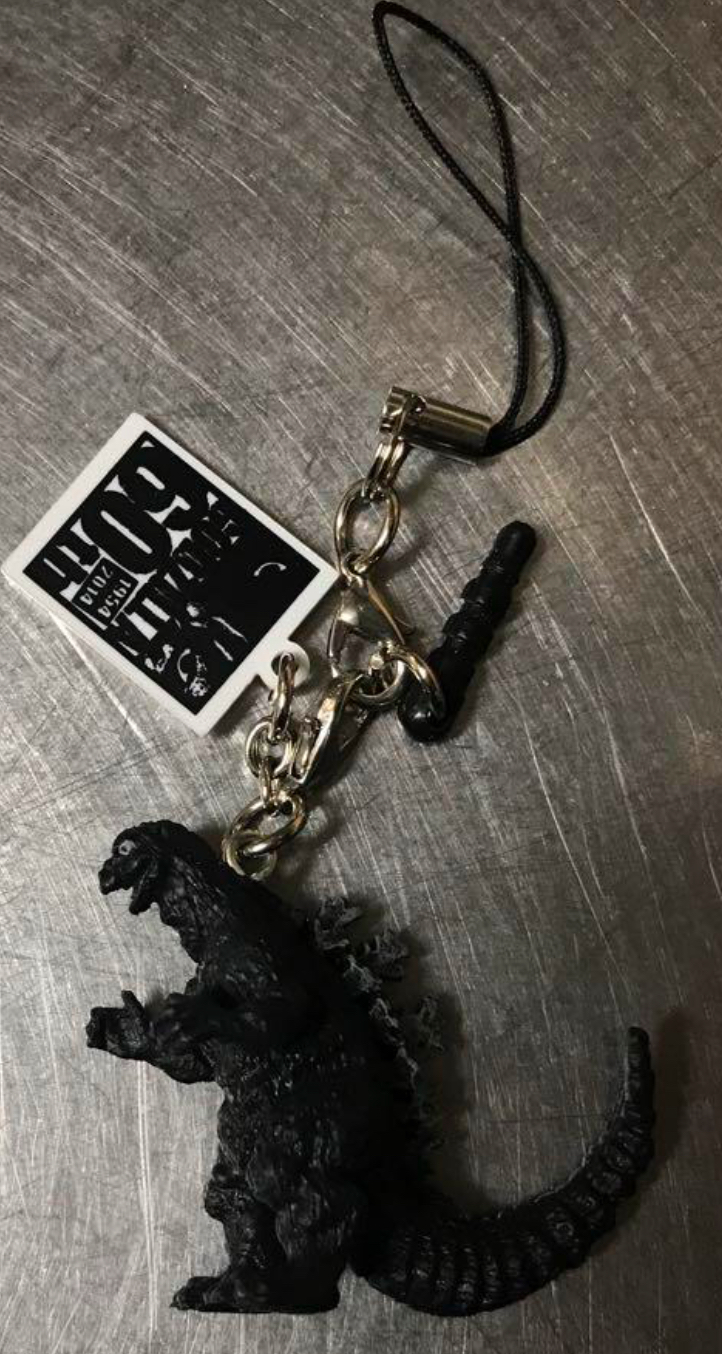
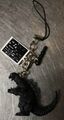 Godzilla 60th anniversary keychain
 -
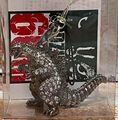 Godzilla 60th anniversary keychain
 -
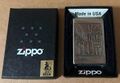 Godzilla 60th anniversary lighter
 -
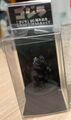 Godzilla 60th anniversary bottle cap
 -
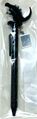 Godzilla 60th anniversary pen
 -
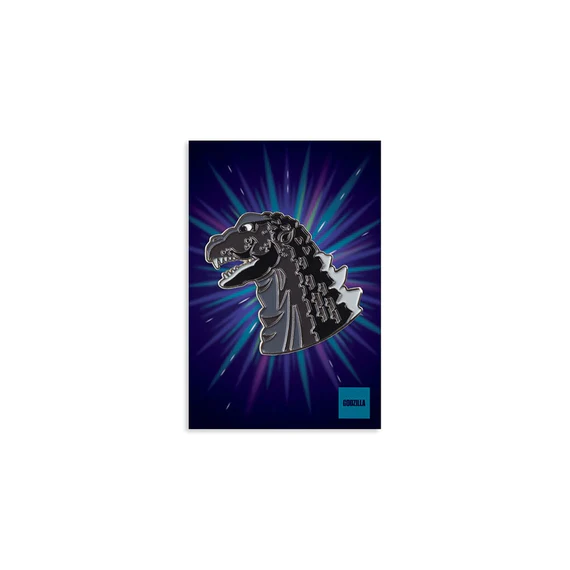
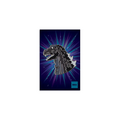 Mondo enamel pin
 -
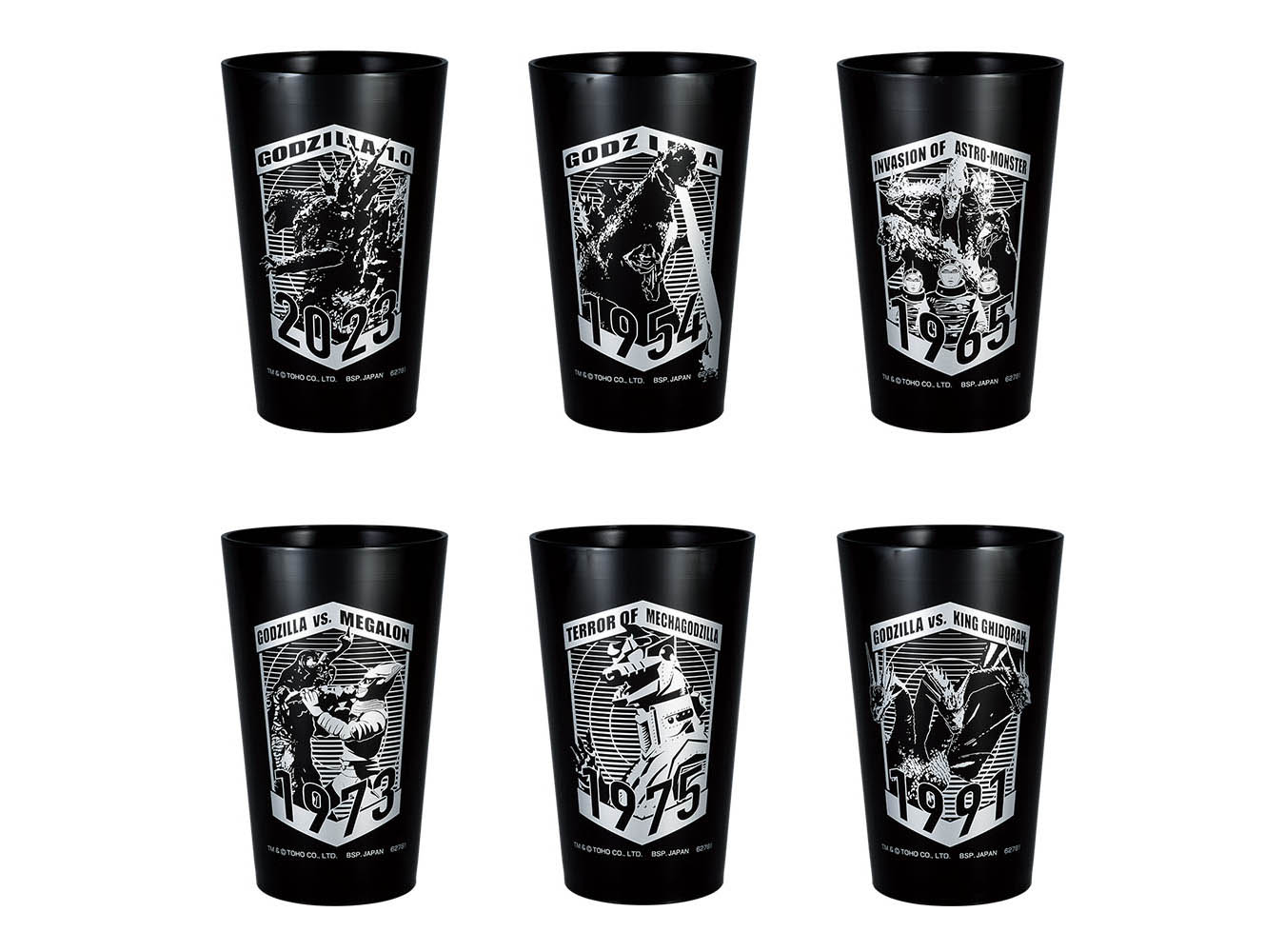
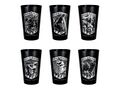 Black tumblers
 -
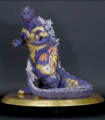
-
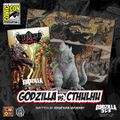
-
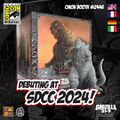
-
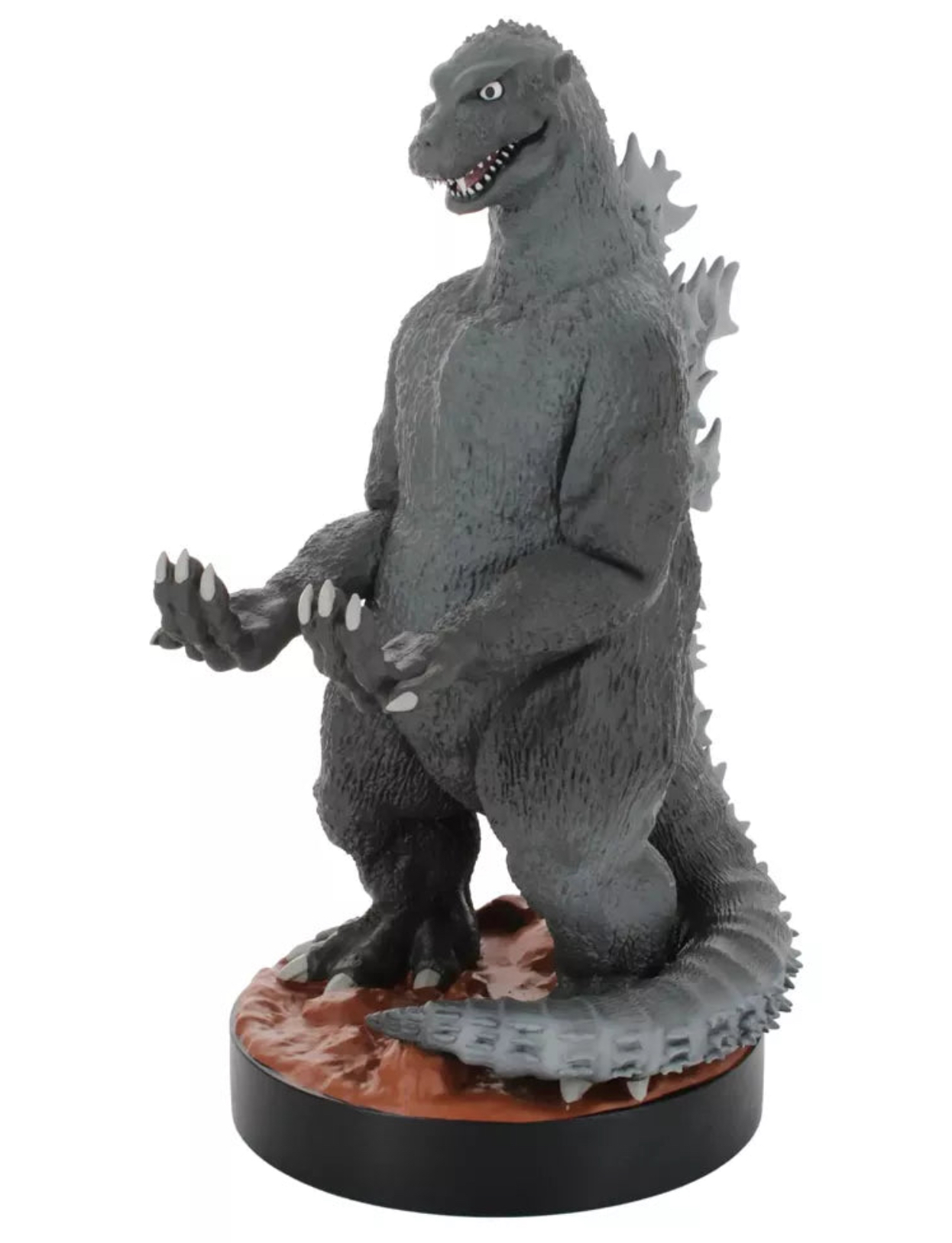
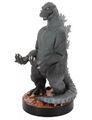 Smartphone/game controller holder
 -
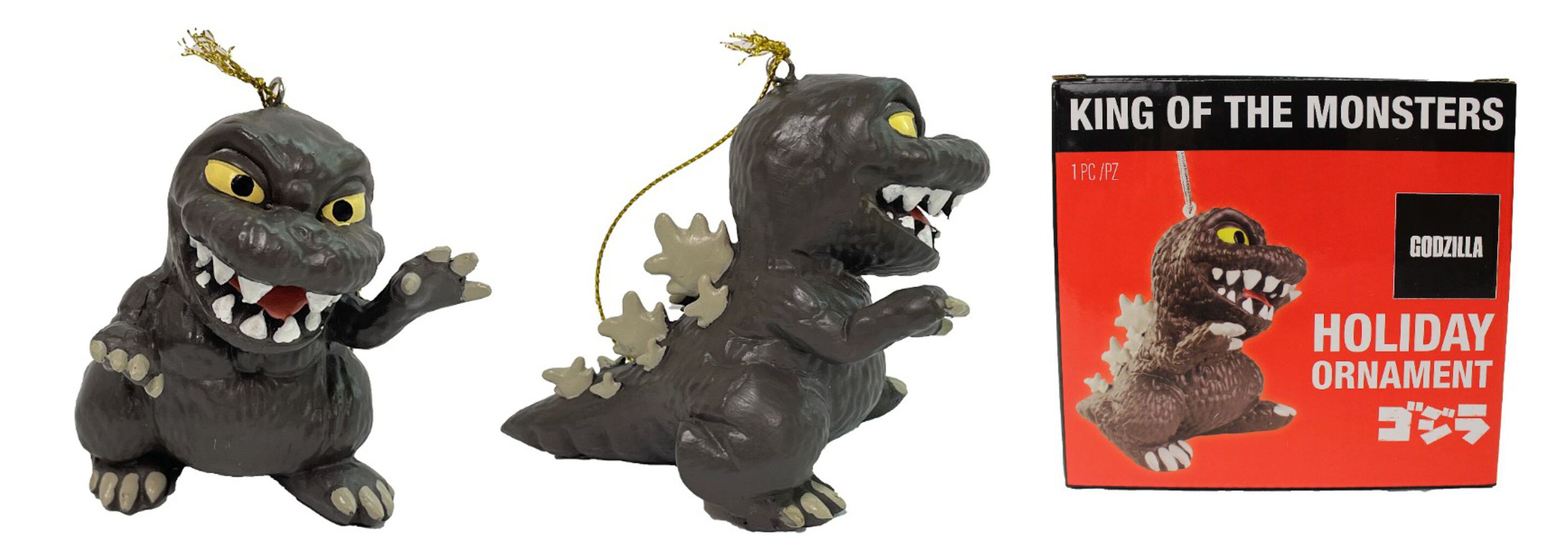
 Holiday ornament
 -
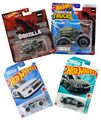
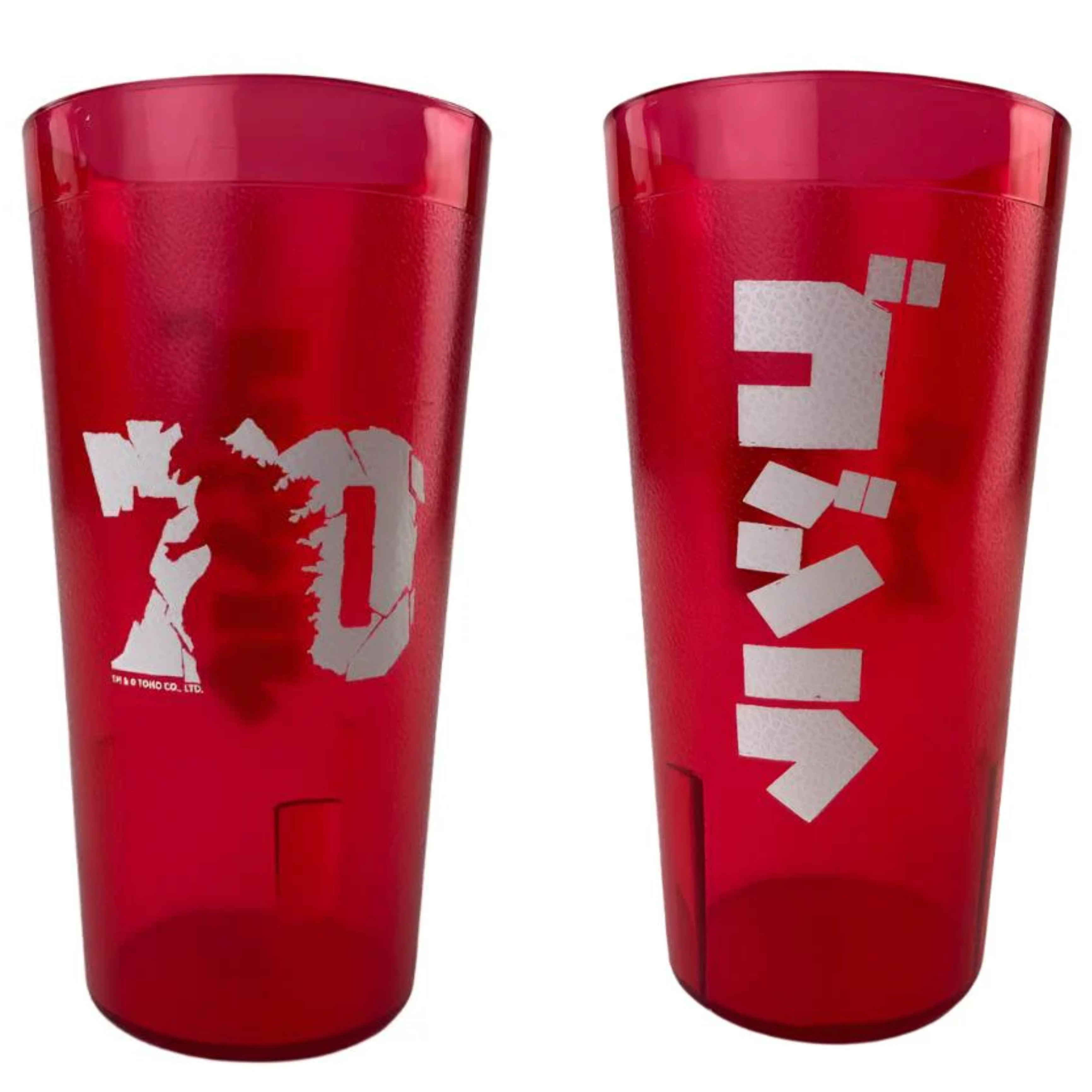
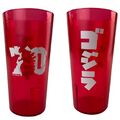 Godzilla 70th-anniversary cup
 -
-
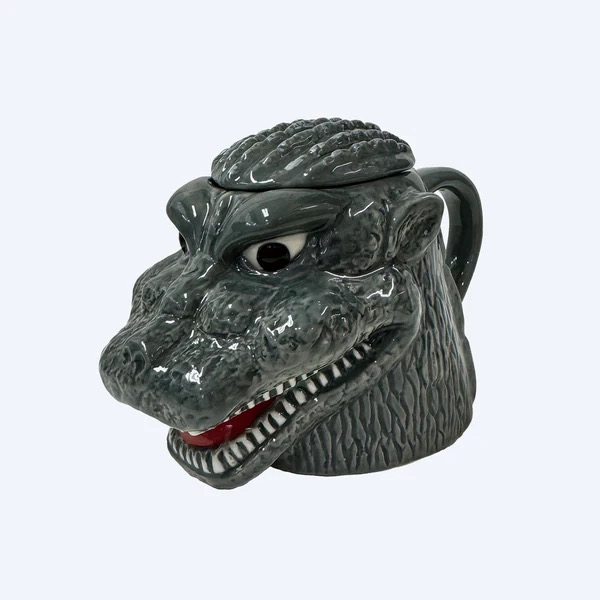
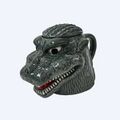 Mug
Mug -
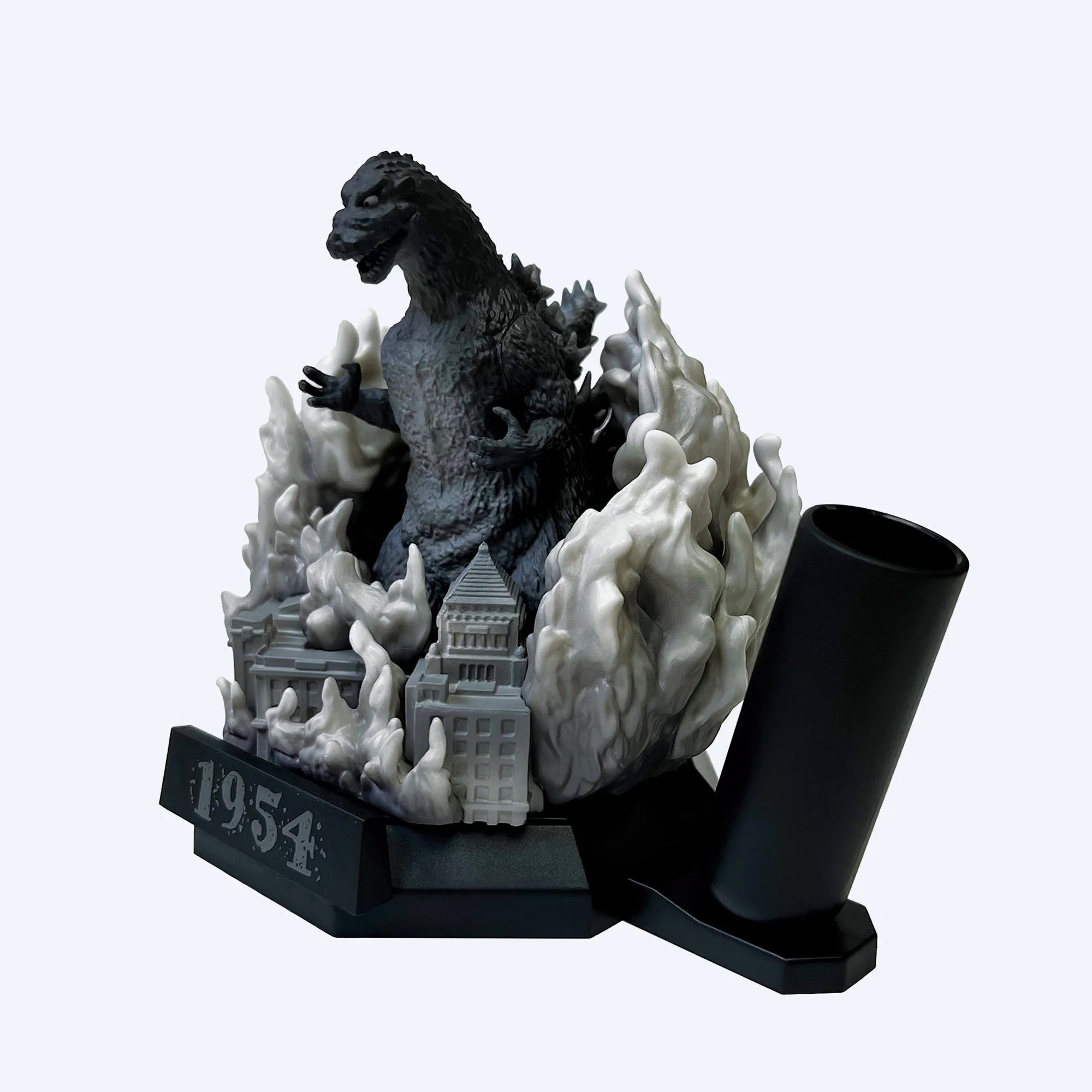
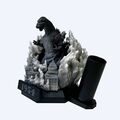 Pen holder
 -
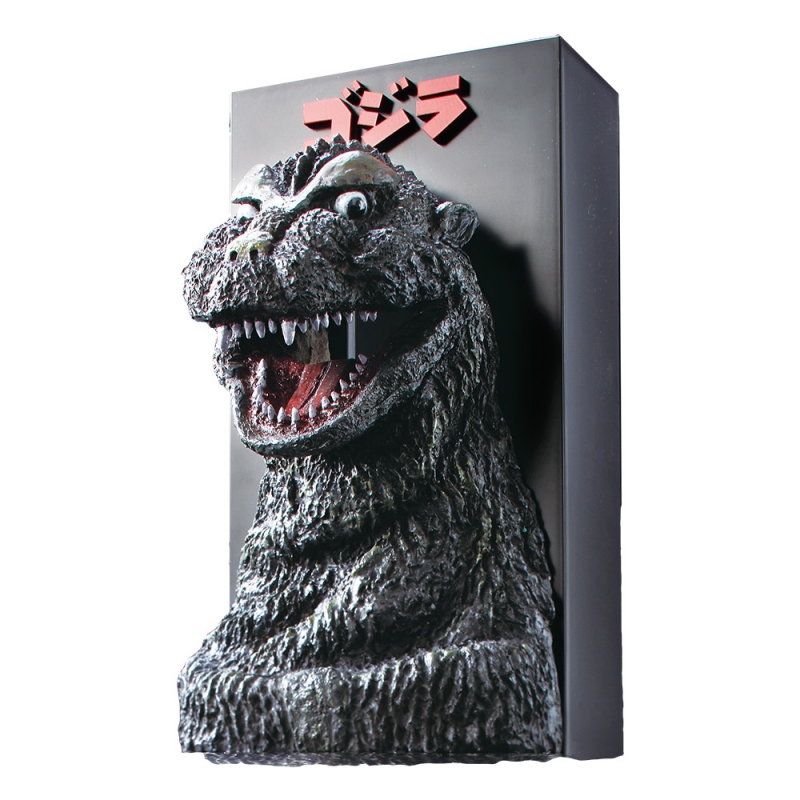
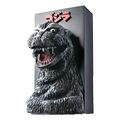 Godzilla 1954 tissue box
 -
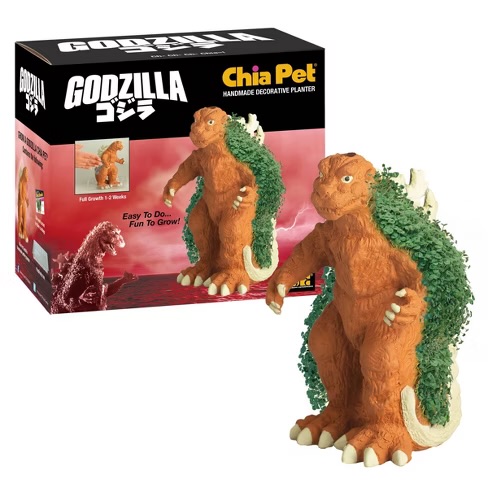
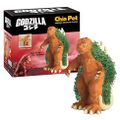 Chia Pet
 -
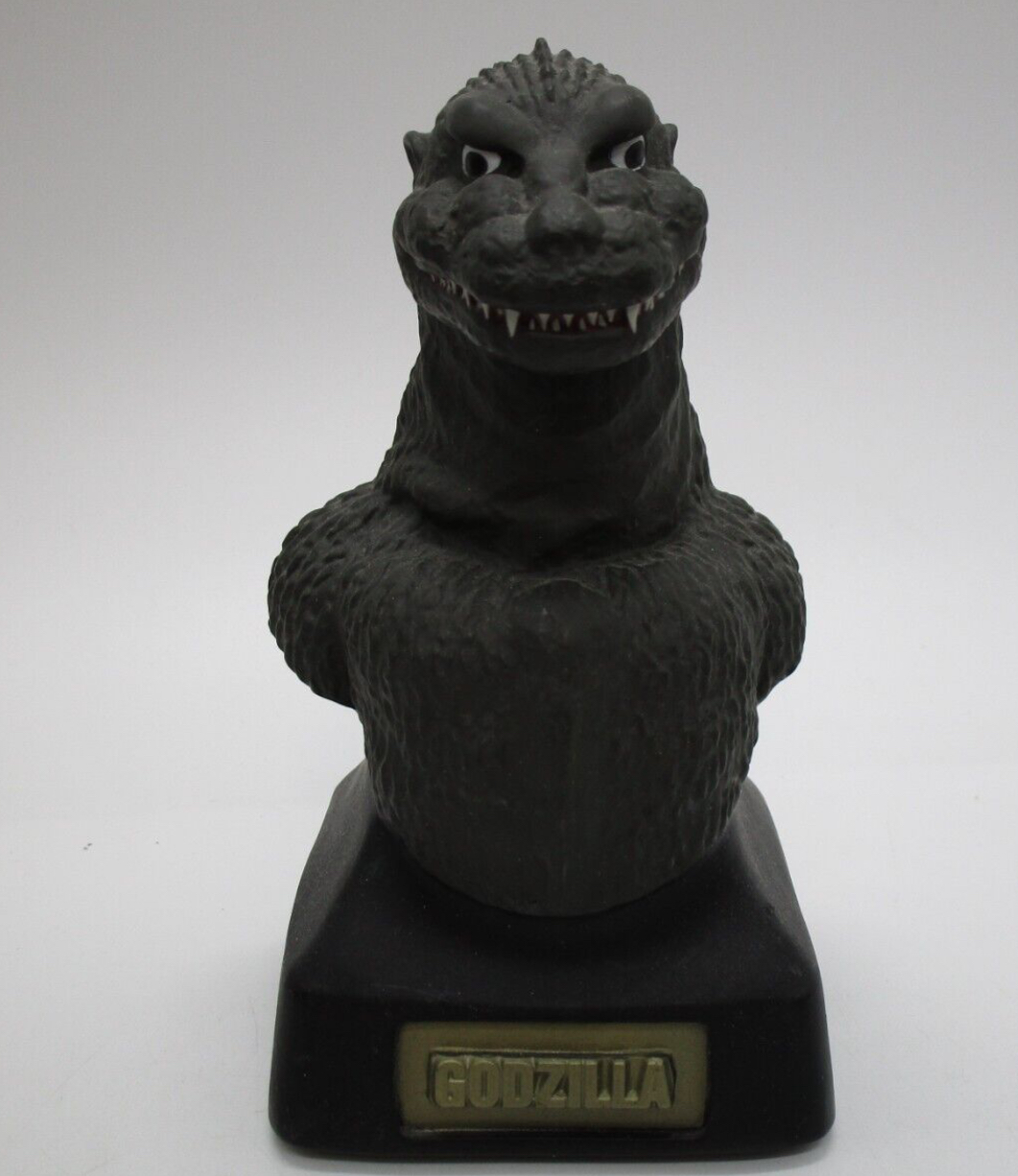
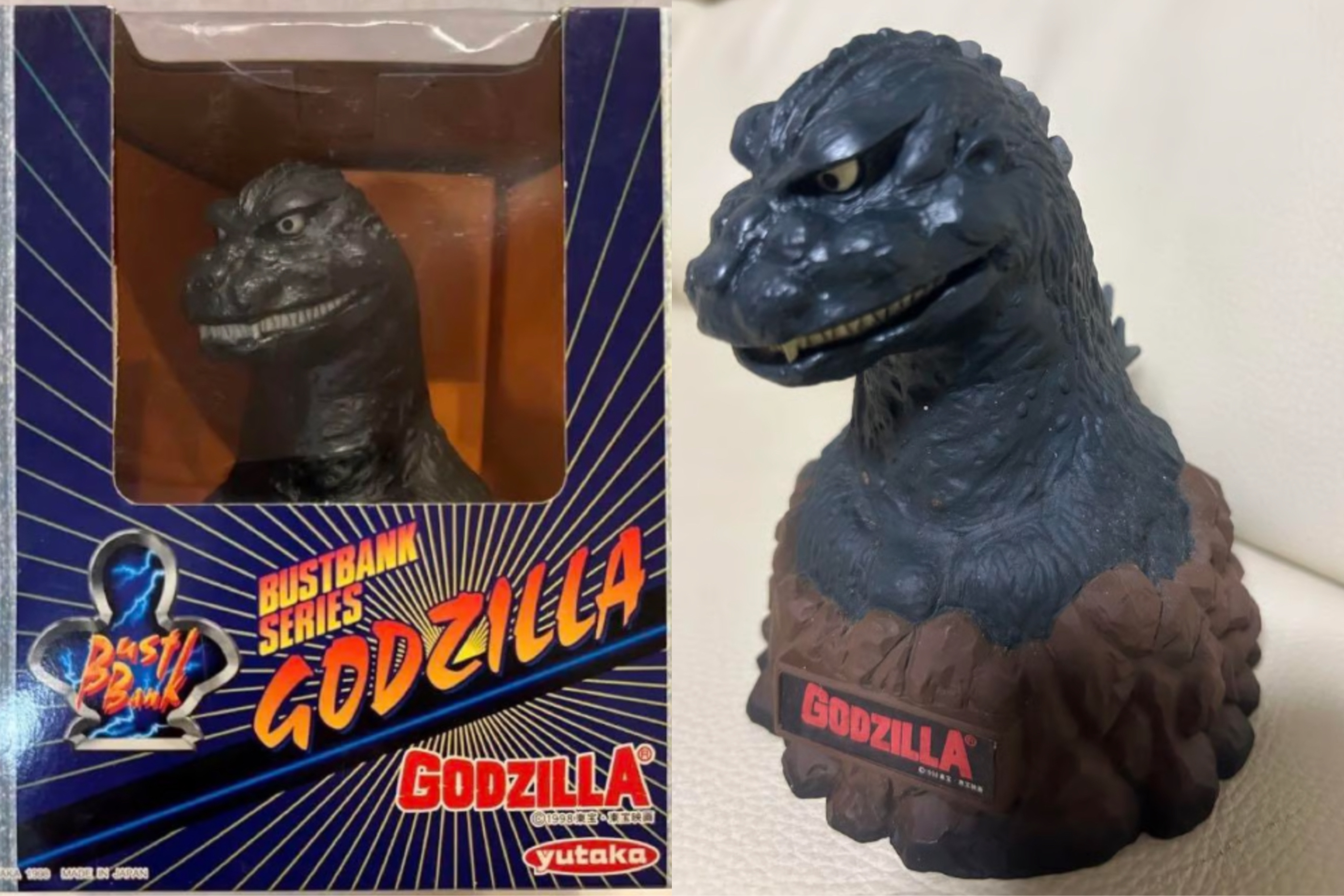
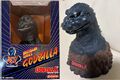 Yutaka Bust Bank Series Godzilla 1954 coin bank
 -
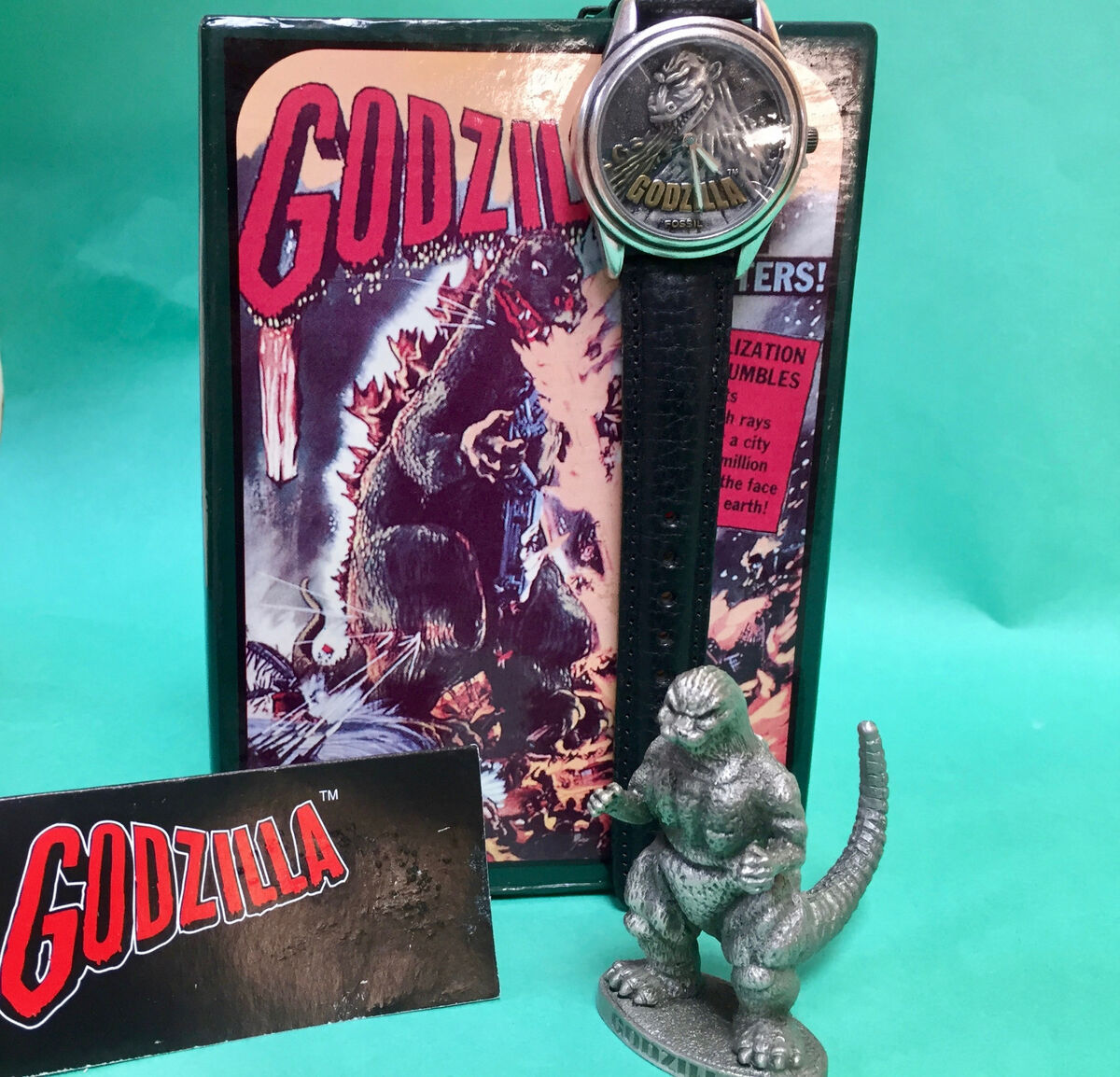
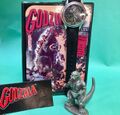 Fossil Watch
 -
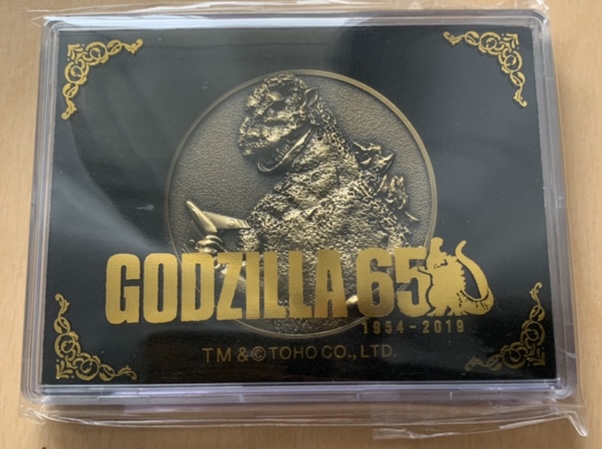
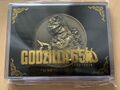 Godzilla 65th anniversary coin
 -
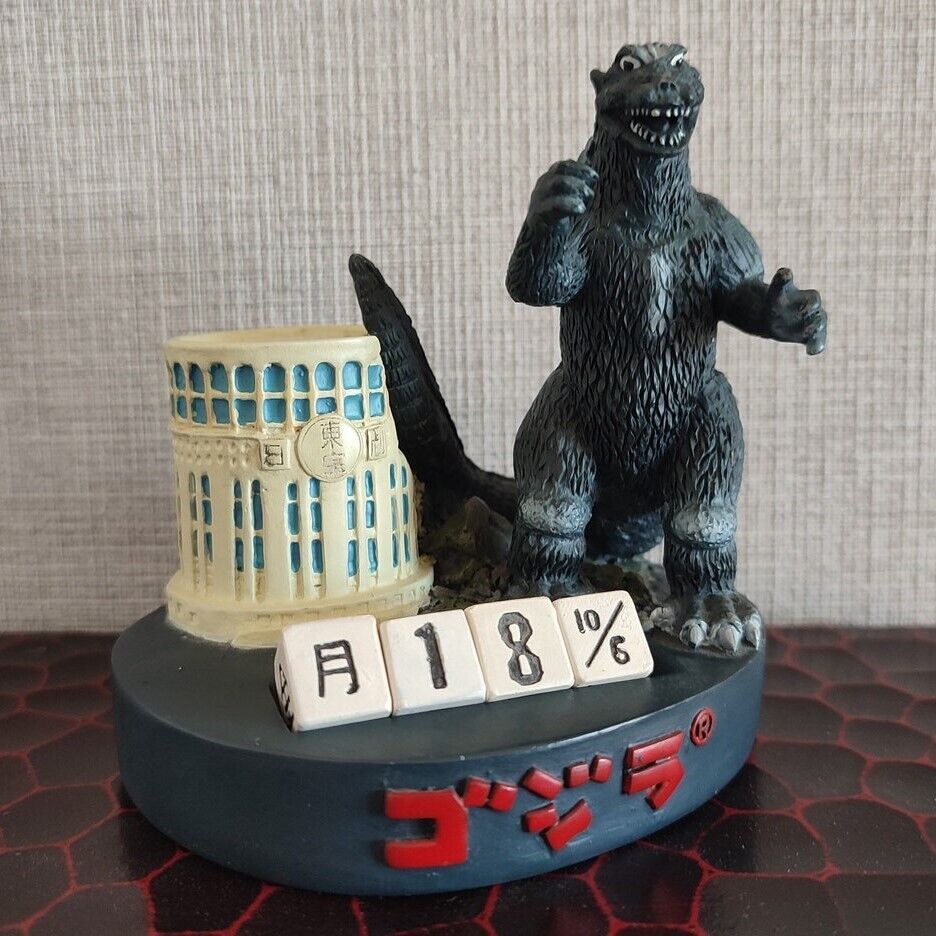
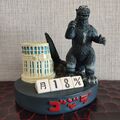 Dice calendar
 -
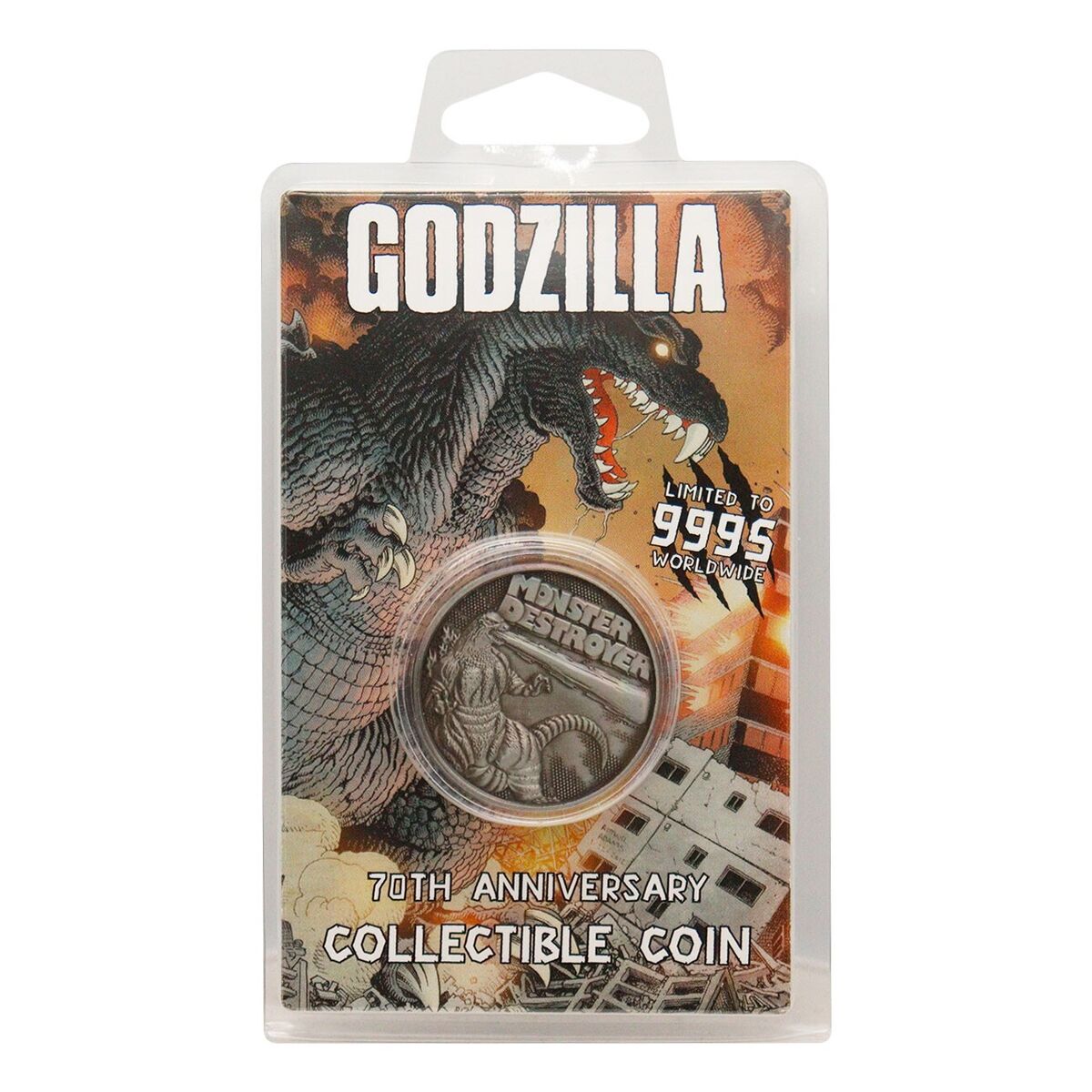
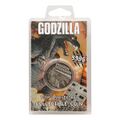 Godzilla 70th anniversary coin
 -
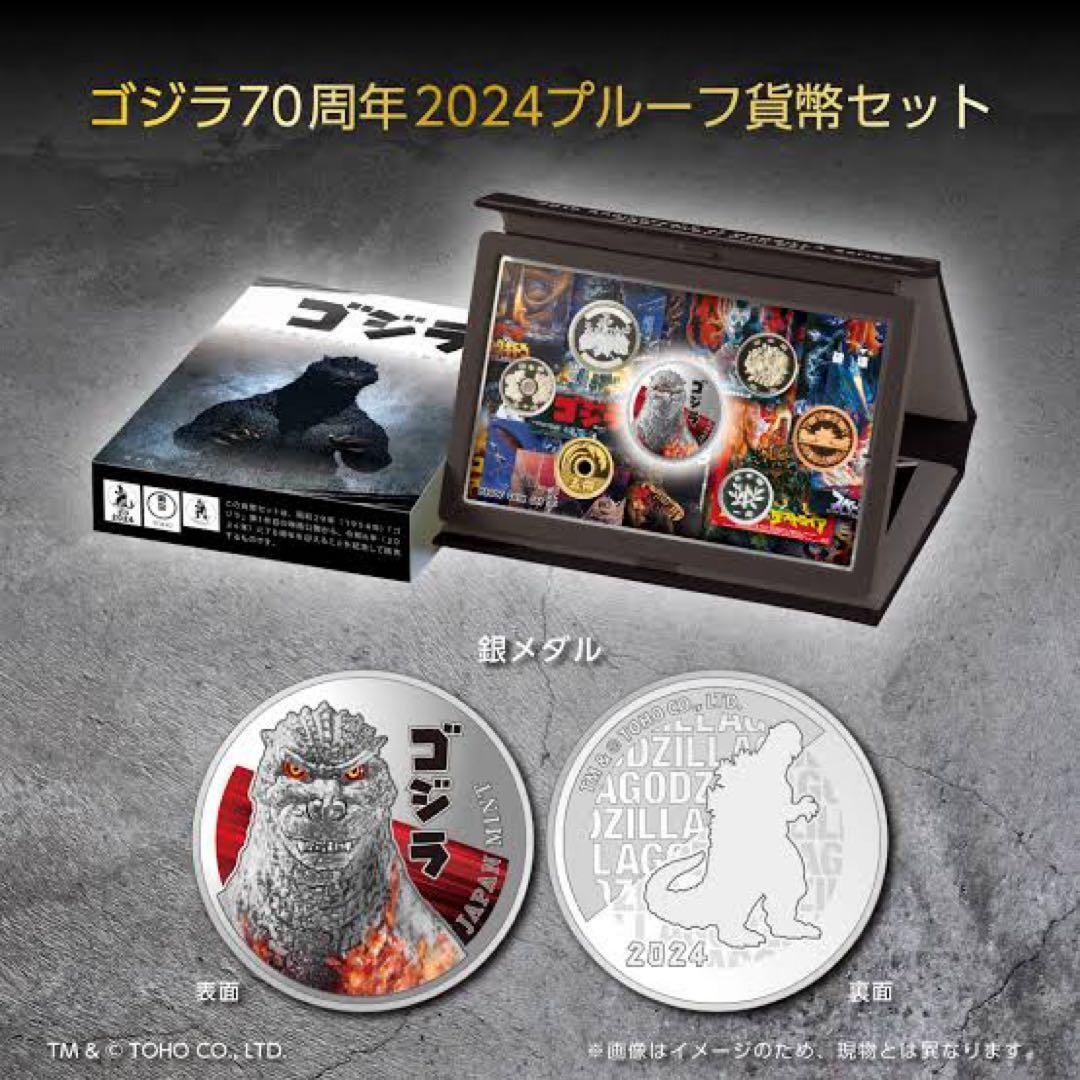
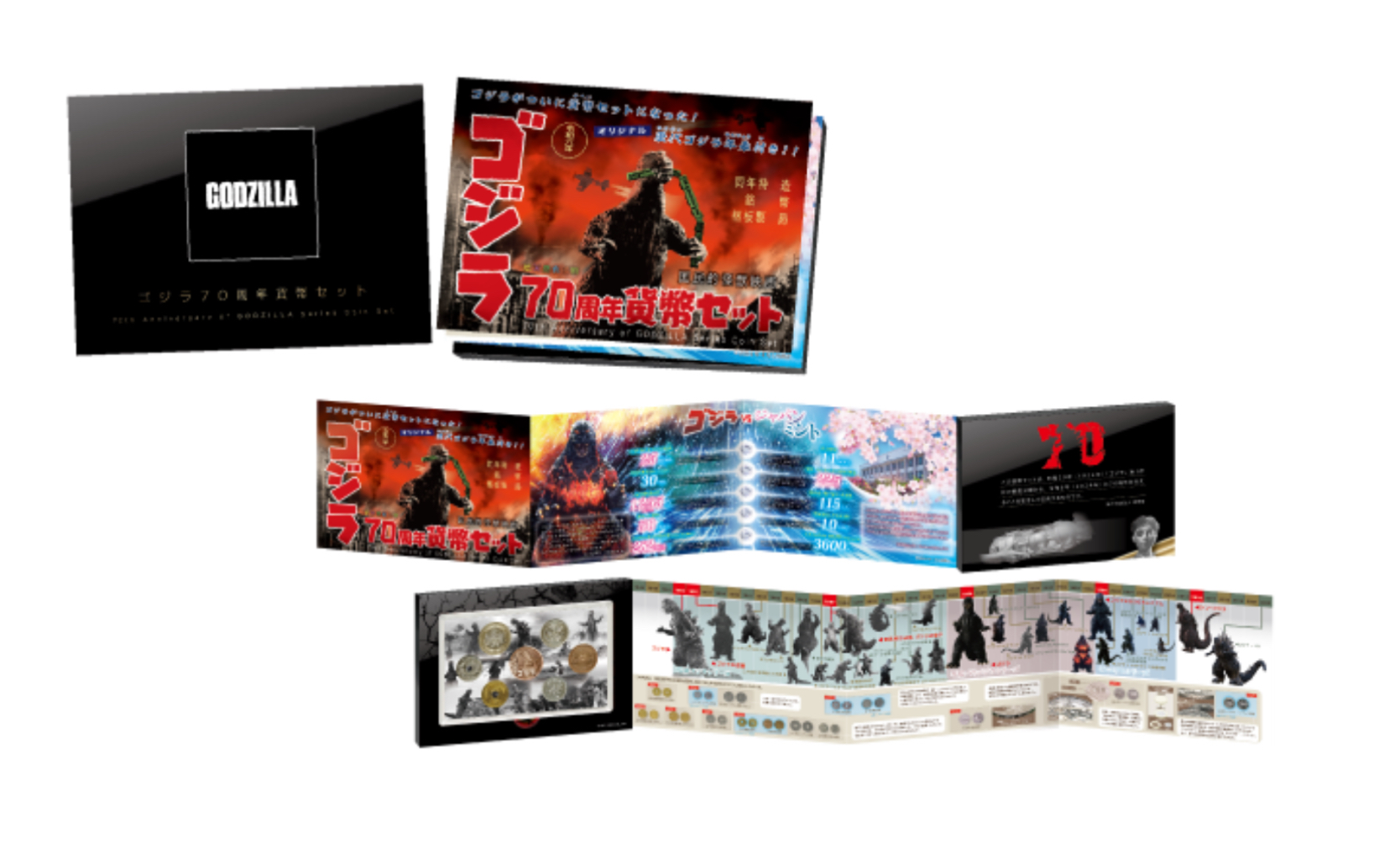
 Godzilla 70th anniversary coin set
 -
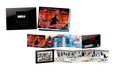 Godzilla 70th anniversary coin set
 -
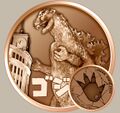 Godzilla 70th anniversary coin
 -
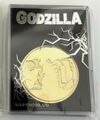 Godzilla 70th anniversary coin
 -
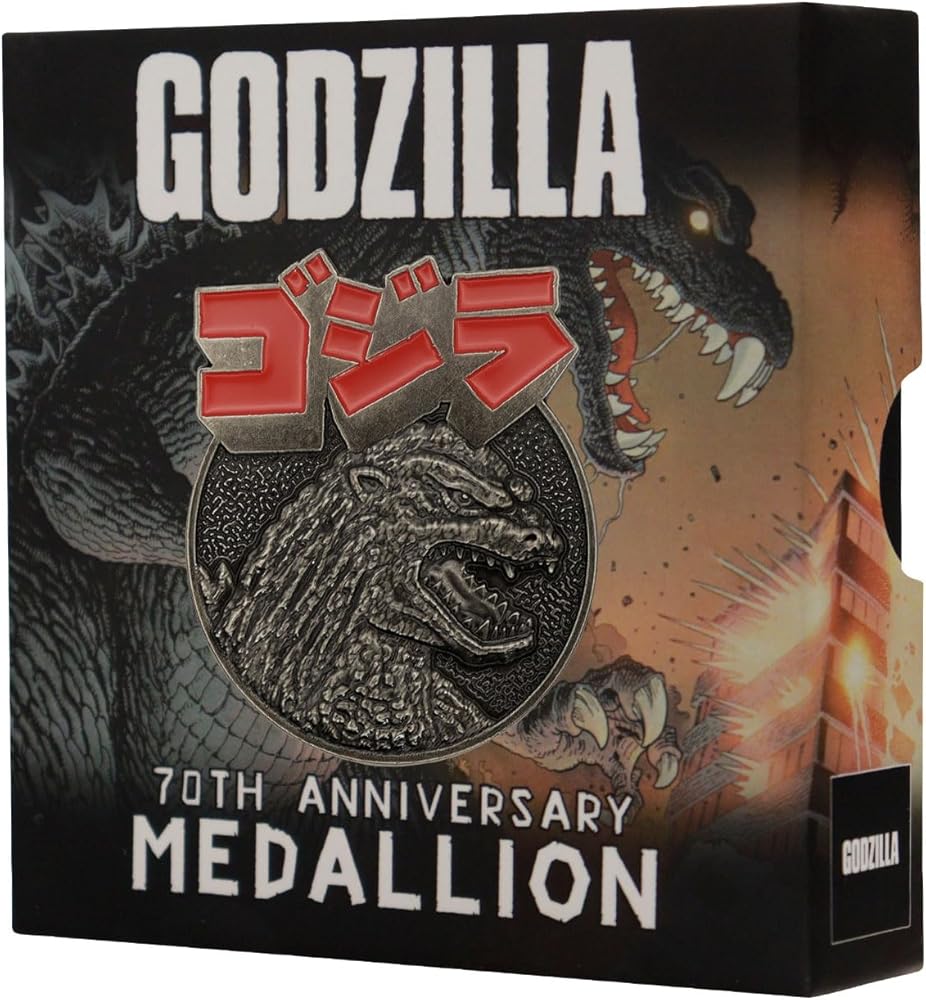
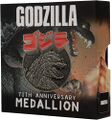 Godzilla 70th anniversary medallion
 -
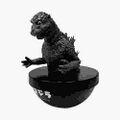 Gojimeshi bowl
 -
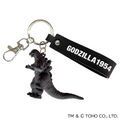 Keychain
 -
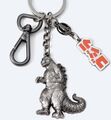 Keychain
 -
 Keychain
 -
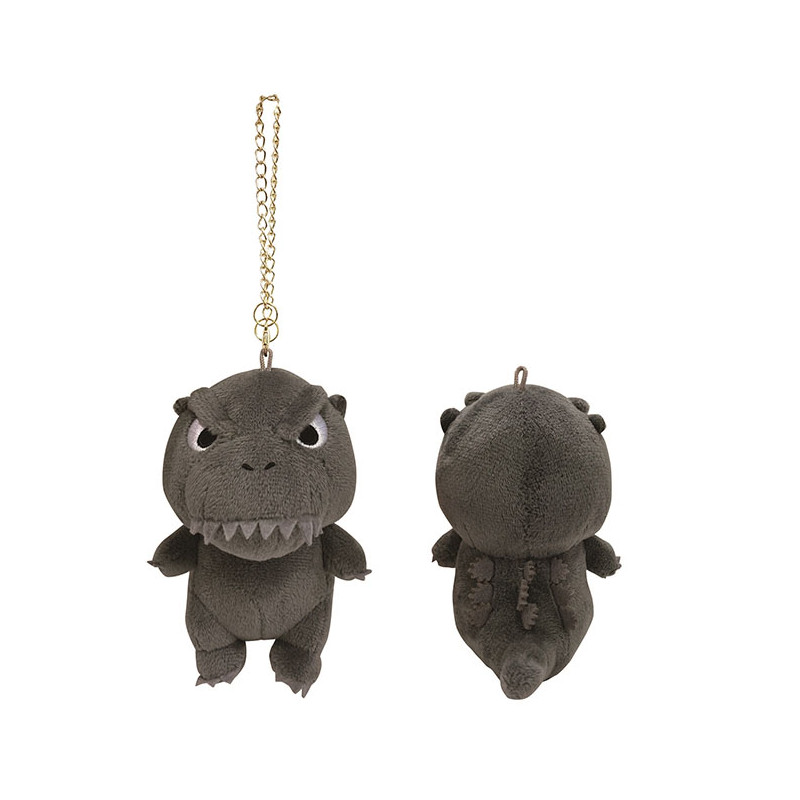
 Plush Keychain
 -
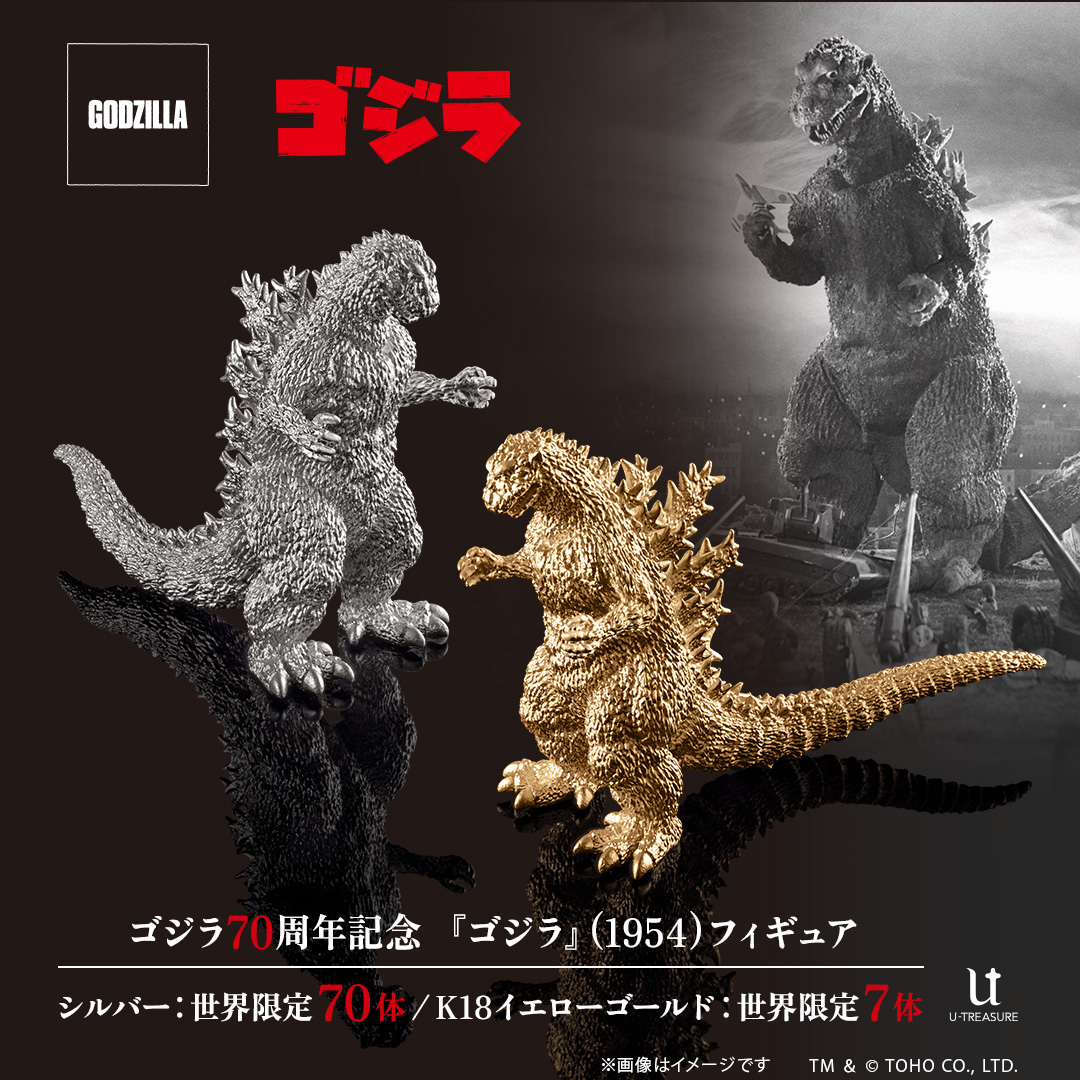
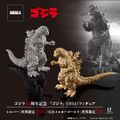 U-Treasure Silver and 18 Karot Gold Godzilla (1954)
 -
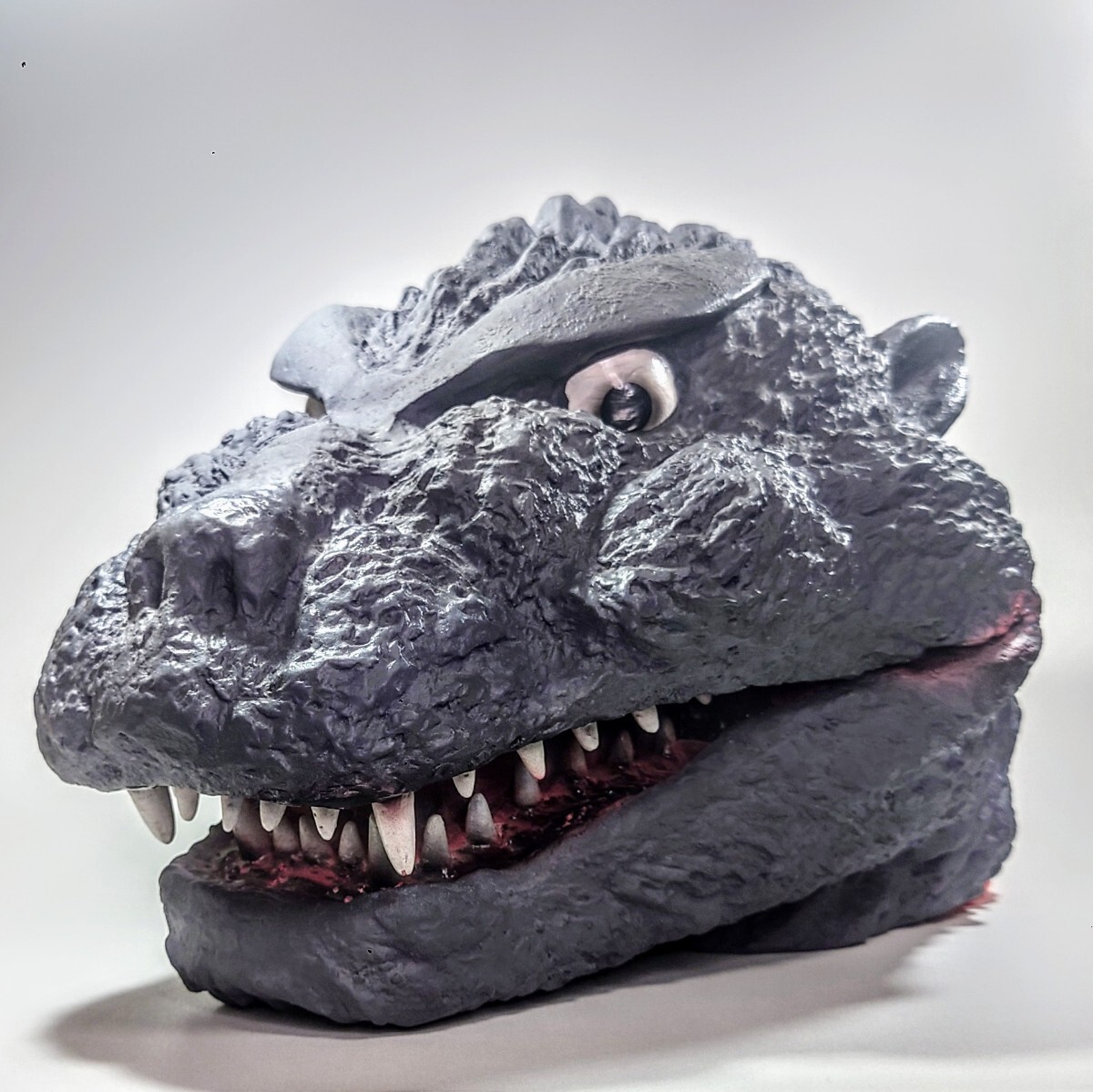
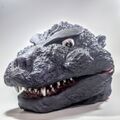 Godzilla (1954) Halloween mask
 -
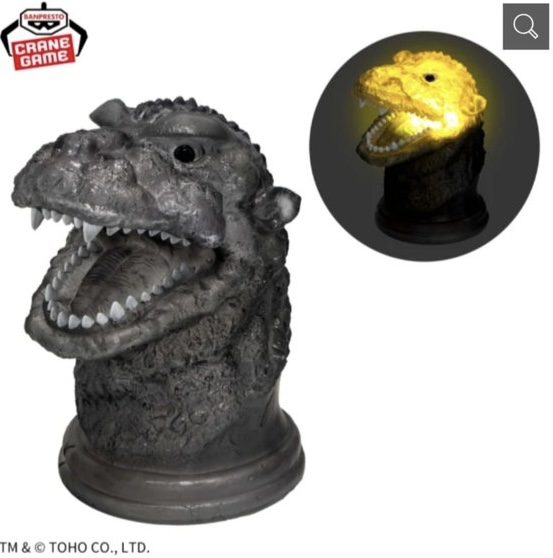
 Banpresto Godzilla (1954) light up bust
 -
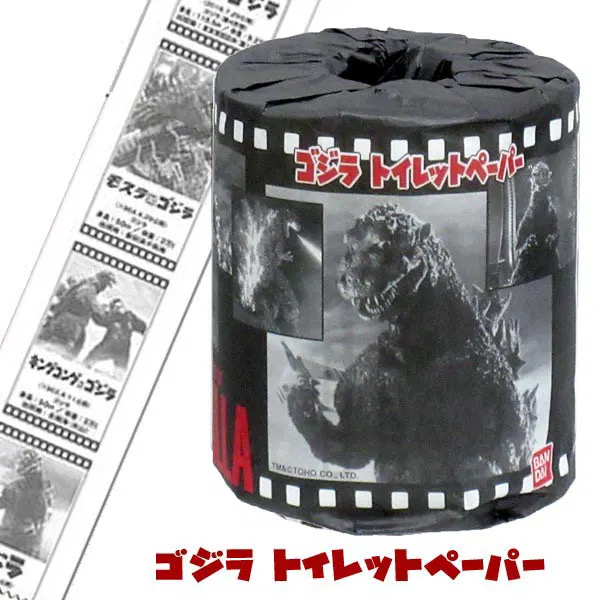
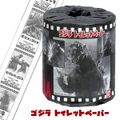 Bandai Godzilla print toilet paper
 -
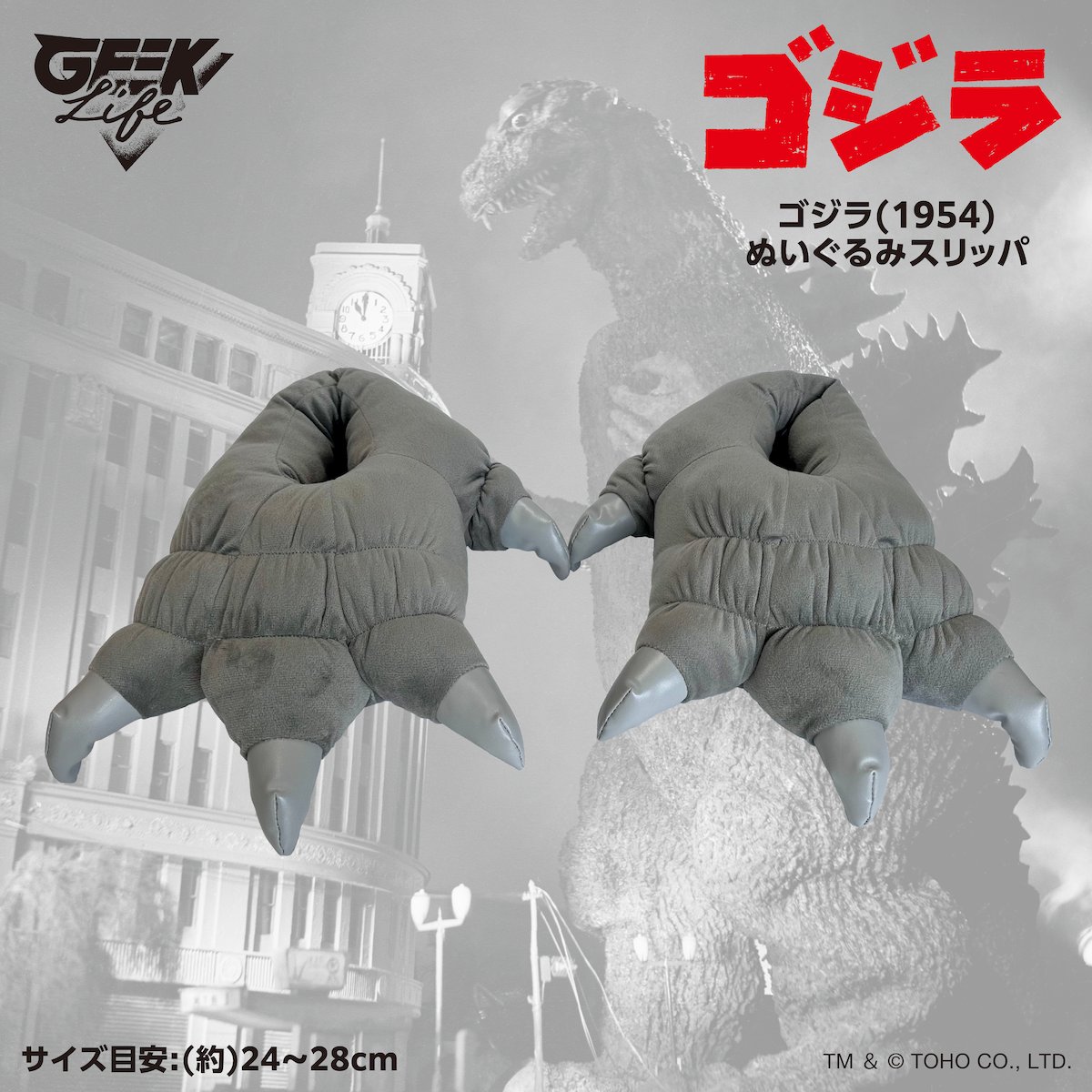
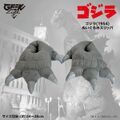 Notes Co. Godzilla (1954) plush slippers
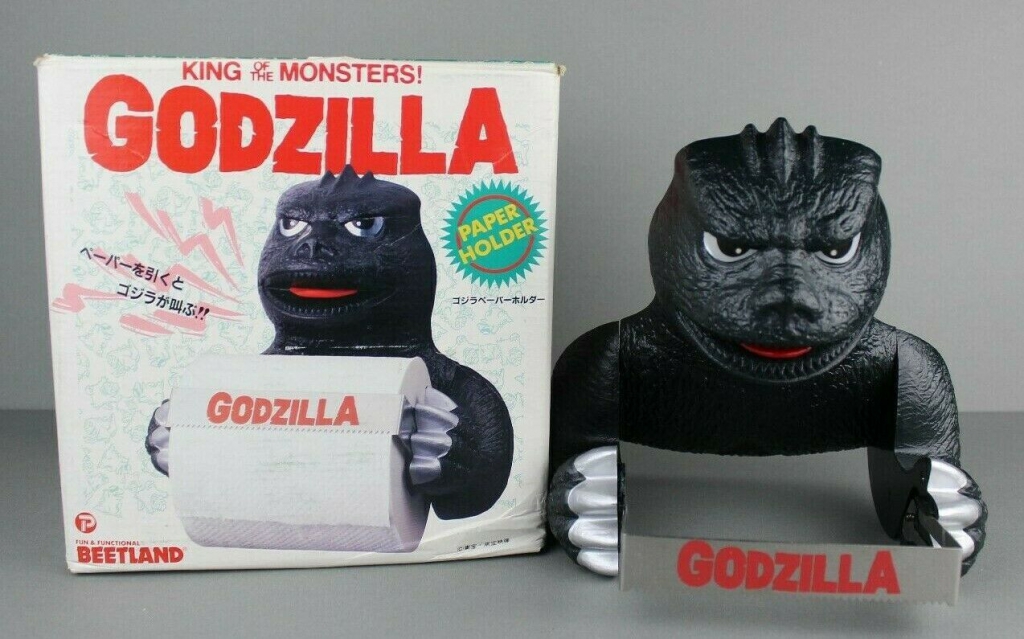
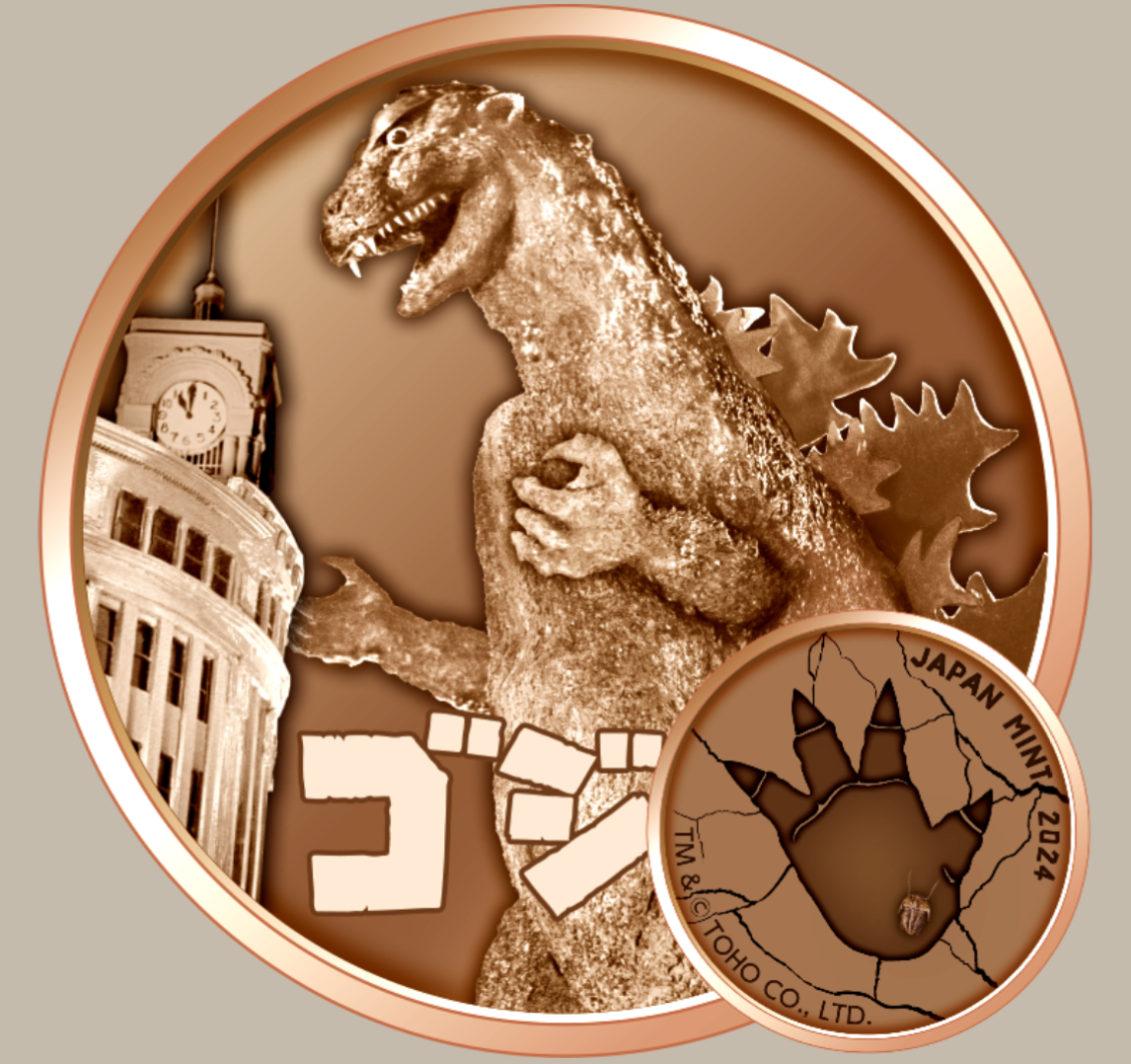
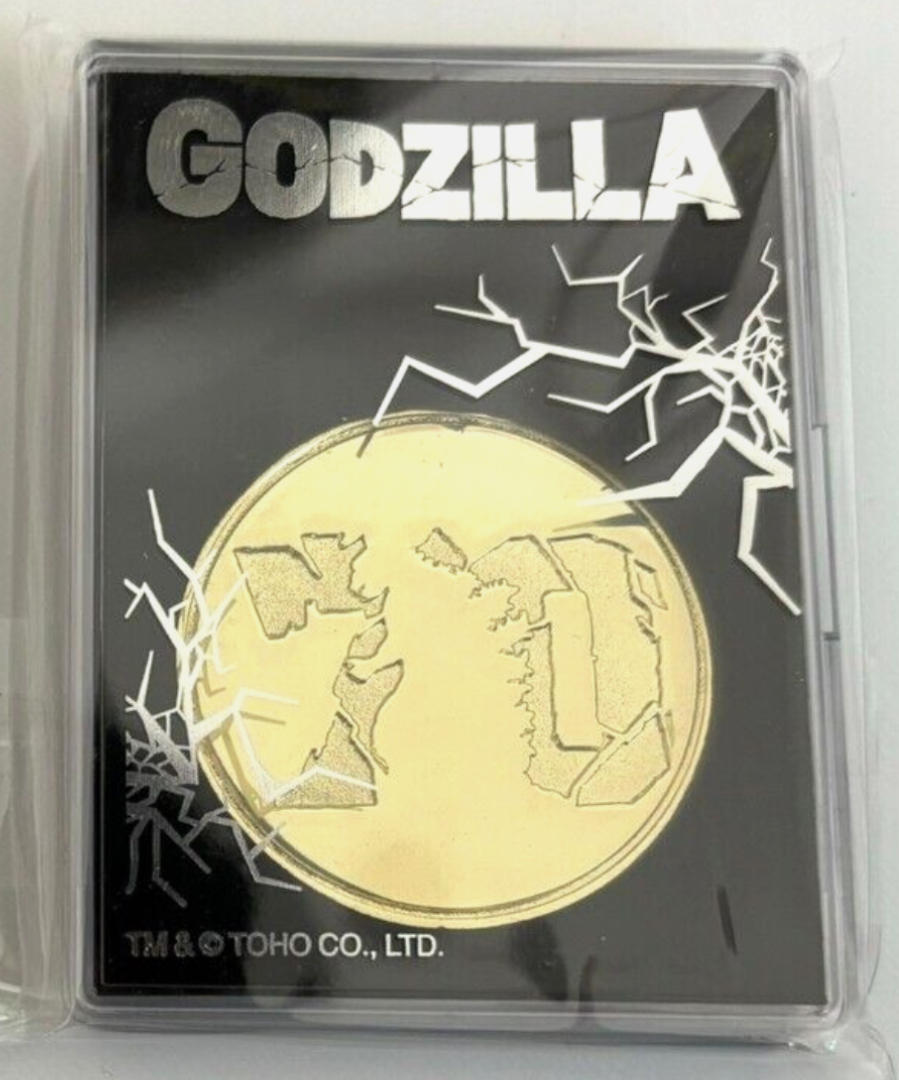
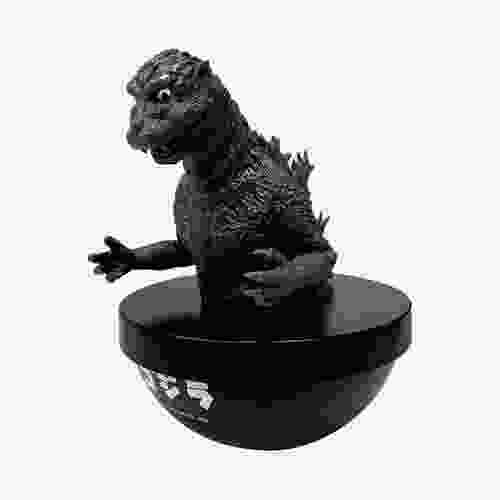
Unreleased
-
 Unreleased Bandai America Tokyo Vinyl Godzilla 1954
 -
-
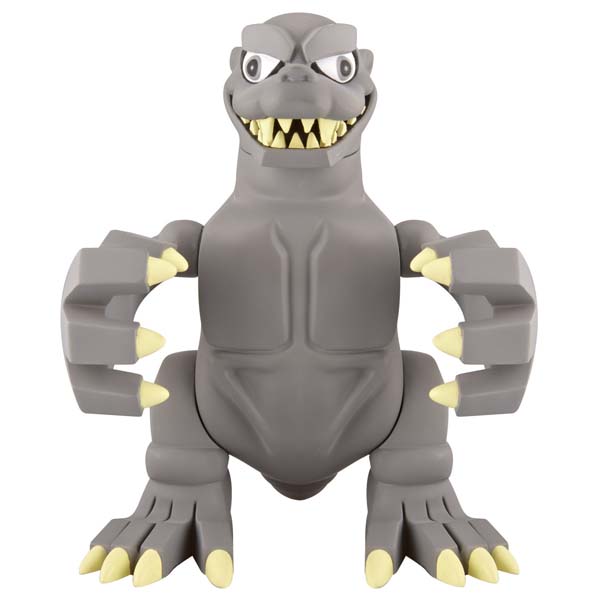
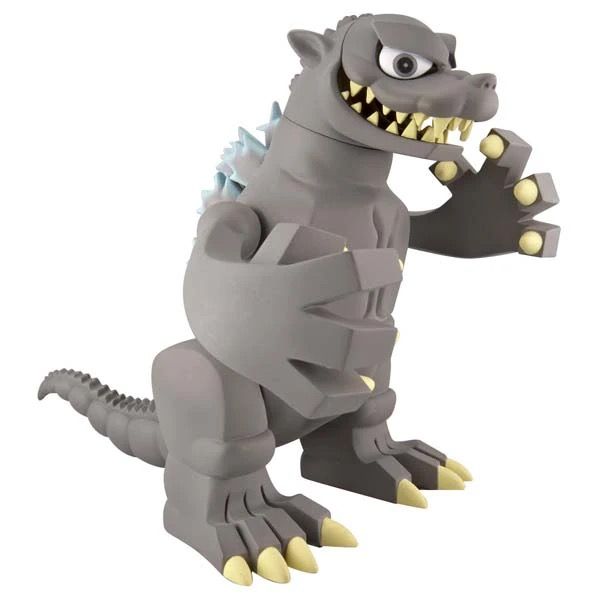
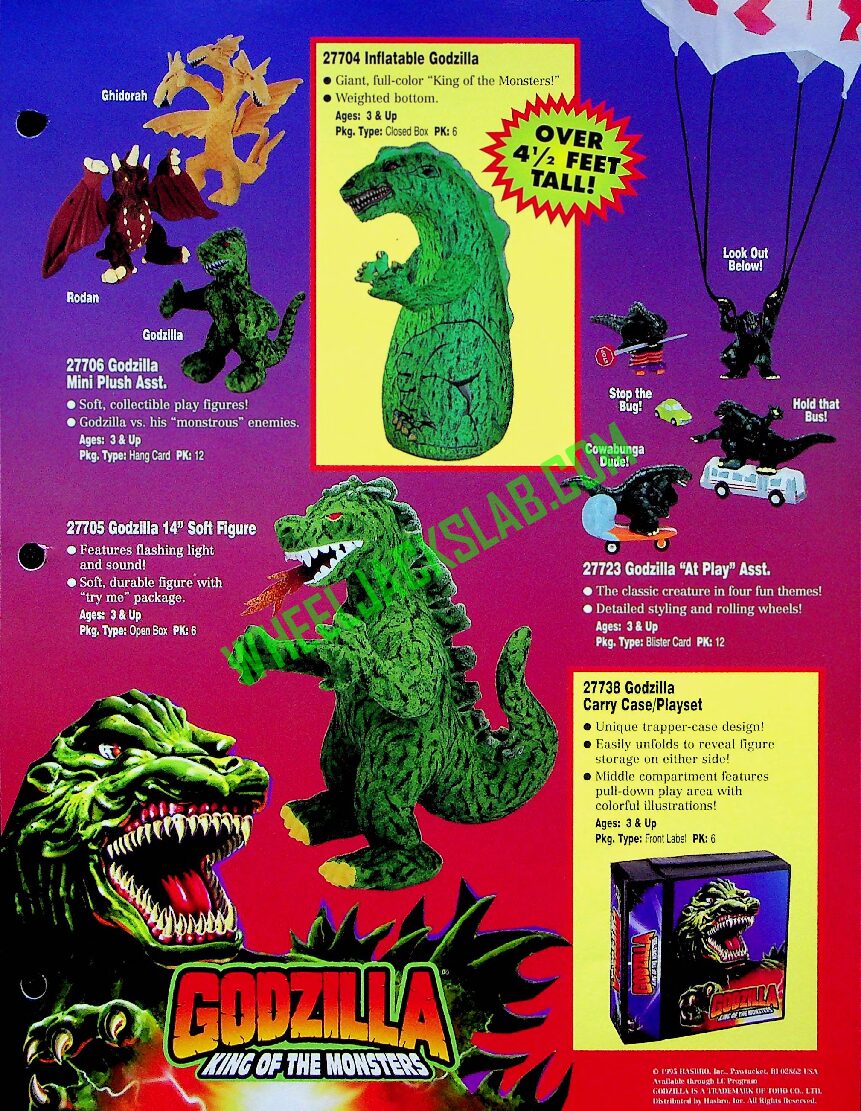
 Unreleased 1996 Godzilla, King of the Monsters Toyline
Miscellaneous
-

-
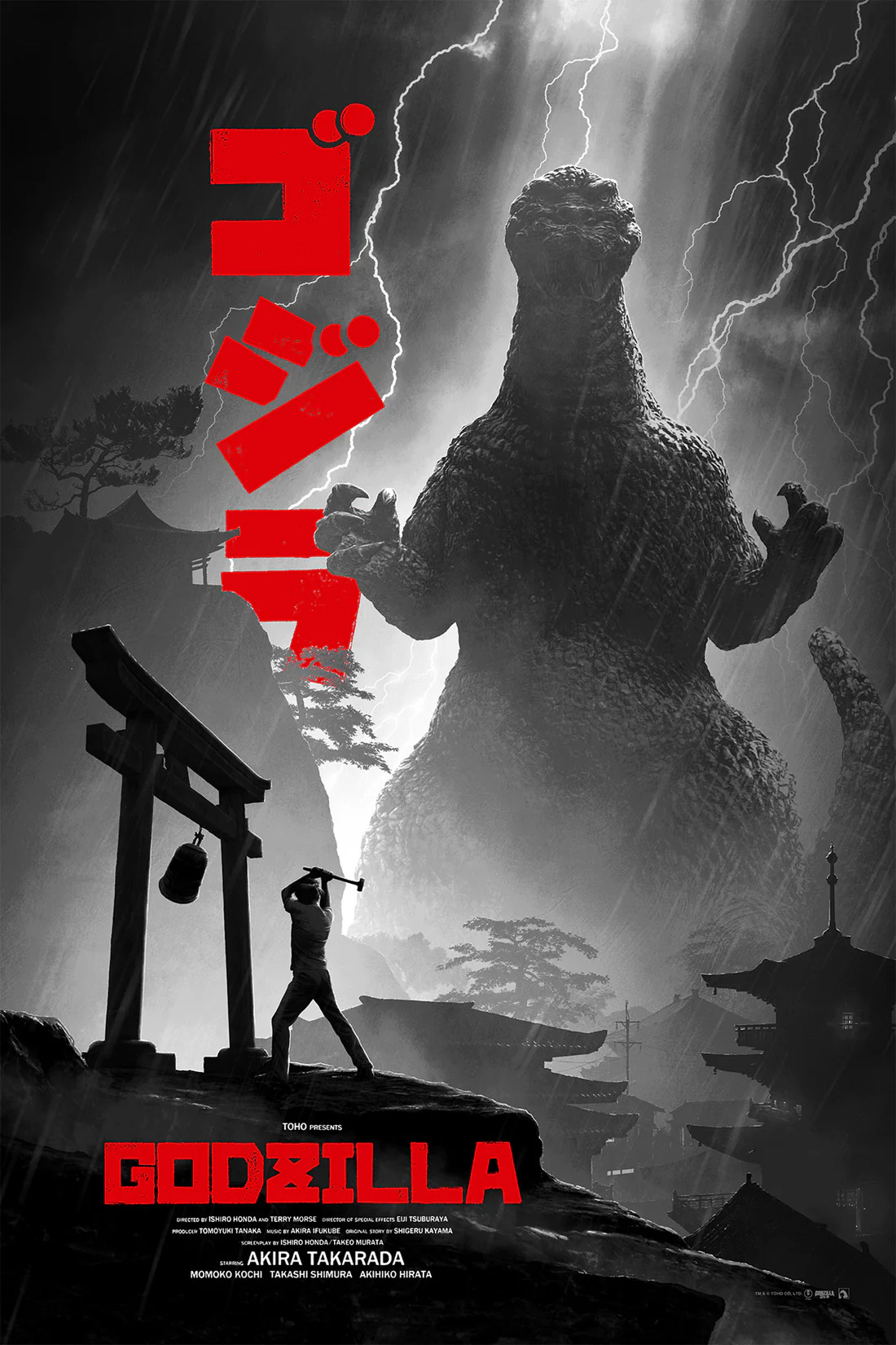
 Bottleneck Gallery print
Trivia
- The ShodaiGoji suit was 6.5 feet tall and weighed 200 pounds.[4]
- The ShodaiGoji heavily influenced later Godzilla designs, most noticeably the 84Goji, GMKGoji, ShinGoji, and DougheGoji. Besides on-screen incarnations, the ShodaiGoji design has also been used as a basis for Godzilla designs in comics such as Marvel Comics' Godzilla and IDW Publishing's Godzilla: Kingdom of Monsters.
- In the film Godzilla vs. Megaguirus, the ShodaiGoji was digitally replaced by the MireGoji in stock footage from the original film.
- The ShodaiGoji was made of "ready-mixed concrete," because rubber and plastics were hard to come by in post-war Japan. [7]
References
This is a list of references for ShodaiGoji. These citations are used to identify the reliable sources on which this article is based. These references appear inside articles in the form of superscript numbers, which look like this: [1]
|
| |||||||||||||||||||||||

| |||||
Comments
Showing 107 comments. When commenting, please remain respectful of other users, stay on topic, and avoid role-playing and excessive punctuation. Comments which violate these guidelines may be removed by administrators.

|

|

|

|