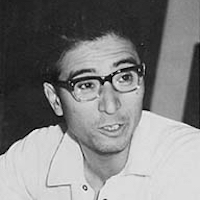
From Wikizilla, the kaiju encyclopedia
|
|
|
|
|
|
|
|
| Occupation
|
Special effects cinematographer,
director of special effects
|
|
| First work
|
The Woman in the
Typhoon Area (1948)
|
|
 
|
|
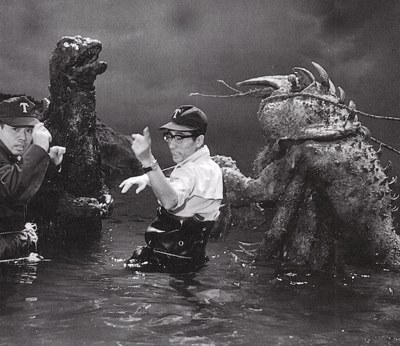
Sadamasa Arikawa (有川 貞昌, Arikawa Sadamasa), also known as Teisho Arikawa (有川 貞昌, Arikawa Teishō), was a Japanese special effects director and cinematographer. A protégé of Eiji Tsuburaya, Arikawa worked first as a cameraman, shooting the effects for every Toho science-fiction film from 1954 to 1965. Arikawa's first directorial assignment came in the form of the 1962 war film Blood in the Sky,[2] though he would not receive credit as a special effects director until the second episode of Tsuburaya Productions' Ultra Q (1966). Toward the end of Tsuburaya's life, Arikawa succeeded him as the special effects director of the Godzilla series, beginning unofficially with Ebirah, Horror of the Deep (1966) and officially with Son of Godzilla (1967), until Destroy All Monsters (1968).
Arikawa's final film for Toho was 1970's Space Amoeba,[note 1] after which he parted with the company due to Tsuburaya's death and the subsequent dissolution of Toho's in-house special effects department.[2] Another of Tsuburaya's students, Teruyoshi Nakano, took over effects on the Godzilla series in 1971. Arikawa transferred to International Television Films, Inc., through which he would ultimately collaborate with Toho again on the 1972 television series Warrior of Love Rainbowman. He also worked on two foreign films in the late 1970s: the 1977 Hong Kong film The Mighty Peking Man, for which he worked alongside several other former Toho staff, and the 1978 Taiwanese film The Phoenix. Arikawa passed away at age 80 due to lung cancer on September 22, 2005.
Selected filmography
Special effects cinematographer
Director of special effects
- Ultra Q (TV 1966) [episodes 2, 17–19]
- Ultraman (TV 1966–1967) [episodes 37–38]
- Monster Booska (TV 1966–1967) [episodes 29, 31, 36, 38]
- Ultraseven (TV 1967–1968) [episodes 4, 6]
- Ebirah, Horror of the Deep (1966)[note 2]
- Son of Godzilla (1967)
- Destroy All Monsters (1968)
- Mighty Jack (TV 1968) [episode 11]
- Fight! Mighty Jack (TV 1968) [episodes 1, 4–6, 9–10, 14–15, 19–20, 23–24]
- Space Amoeba (1970)
- Warrior of Love Rainbowman (TV 1972) [recurring]
- The Mighty Peking Man (1977) [uncredited][6]
- The Phoenix (1978)[note 3]
Selected bibliography
Gallery
See also
External links
Notes
- ↑ Episode 15 of the Toho co-production Warrior of Love Rainbowman, which featured special effects by Arikawa, was blown up for a theatrical release at the Summer 1973 Toho Champion Festival.
- ↑ Eiji Tsuburaya is the credited special effects director, with Arikawa receiving the unique billing "associate director" (監督補, kantoku-ho) in the special effects unit. In reality, Tsuburaya served a supervisory role and Arikawa was the director.
- ↑ It is unknown whether Arikawa is credited on the film's original Chinese-language version. The U.S. version gives a joint "Directed by" credit to him and Cheng Mei-Chun (as "Sam Arikawa" and "Richard Caan"). His memoir's filmography clarifies that he was the director of special effects.[6]
References
This is a list of references for Sadamasa Arikawa. These citations are used to identify the reliable sources on which this article is based. These references appear inside articles in the form of superscript numbers, which look like this: [1]
Bibliography
| Staff members
|
|
|
Directors
|
|
|
| Drama directors
|
|
|
|
| Effects directors
|
|
|
|
| Assistant directors
|
|
|
|
|
|
|
|
|
|
Producers
|
|
|
| Executive producers
|
|
|
|
| Producers/planners
|
|
|
|
|
|
|
|
|
|
Artists
|
|
|
| Production designers
|
|
|
|
| Illustrators
|
|
|
|
| Propmakers
|
|
|
|
|
|
Musicians
|
|
|
| Composers & arrangers
|
|
|
|
| Singers/performers
|
|
|
|
|
|
Miscellaneous
|
|
|
| Sound & editing
|
|
|
|
| Effects people
|
|
|
|
| Miscellaneous
|
|
|
|
|
Showing 1 comments. When commenting, please remain respectful of other users, stay on topic, and avoid role-playing and excessive punctuation. Comments which violate these guidelines may be removed by administrators.


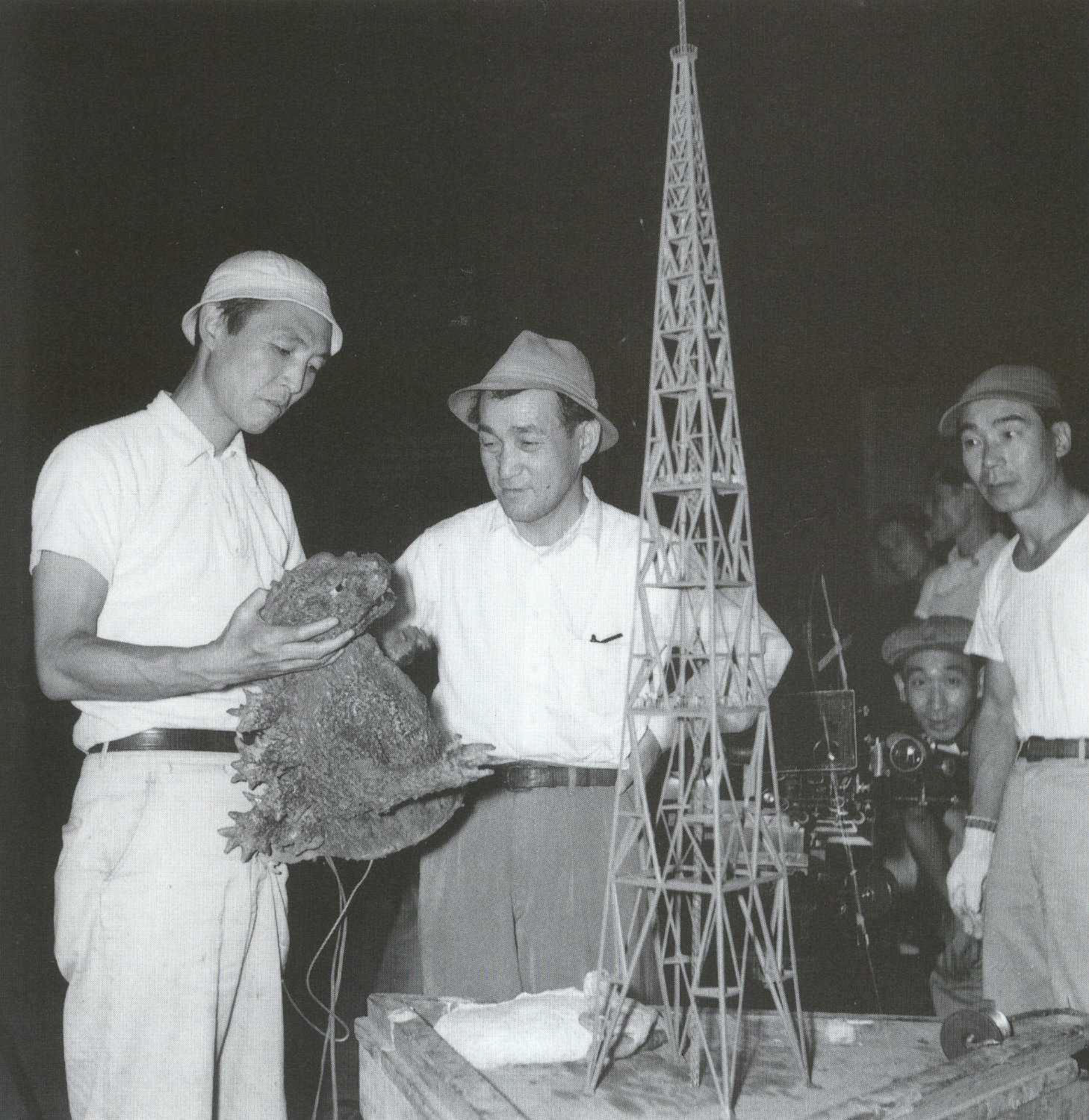
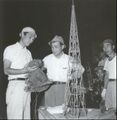 Arikawa (second from right) during filming of Godzilla (1954)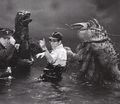
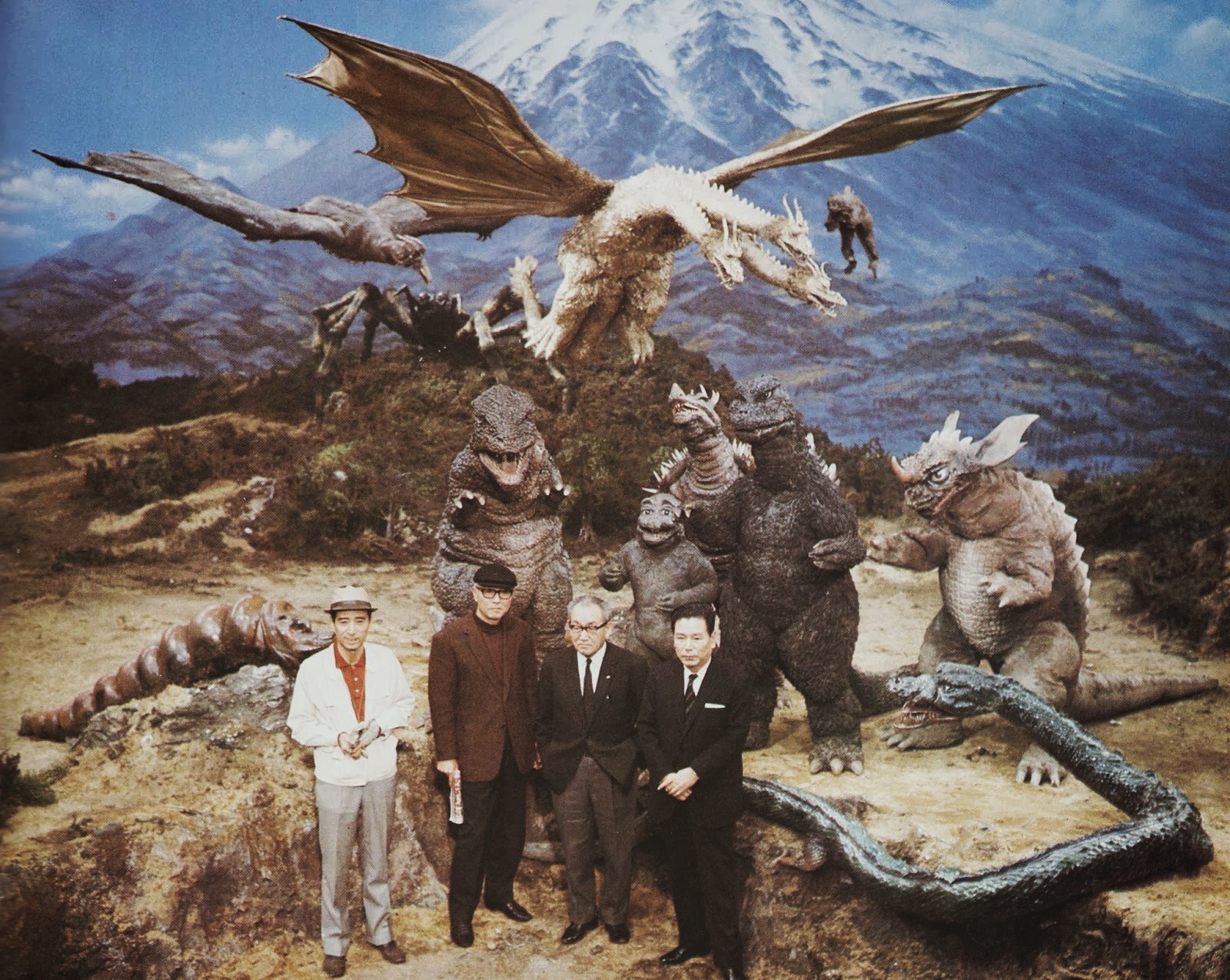
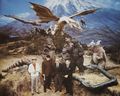 Arikawa (far left) in a publicity photo for Destroy All Monsters with Ishiro Honda, Eiji Tsuburaya, and Tomoyuki Tanaka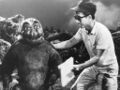
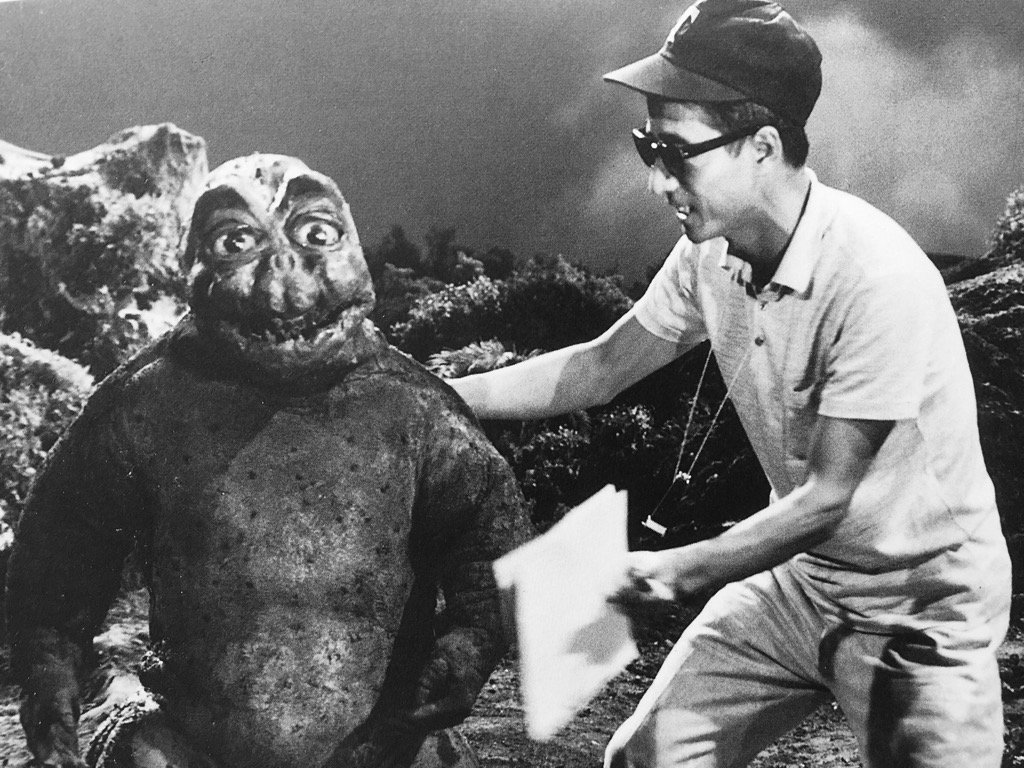
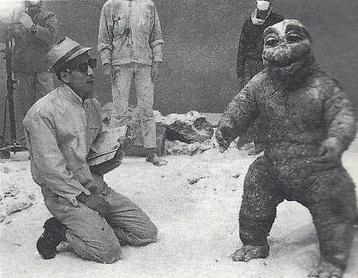
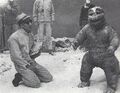 Arikawa instructing Fukazawa on the set of Son of Godzilla