

Takao
| ||||||||||||||||||||||||||||||||||||||||||||||||||||||||||
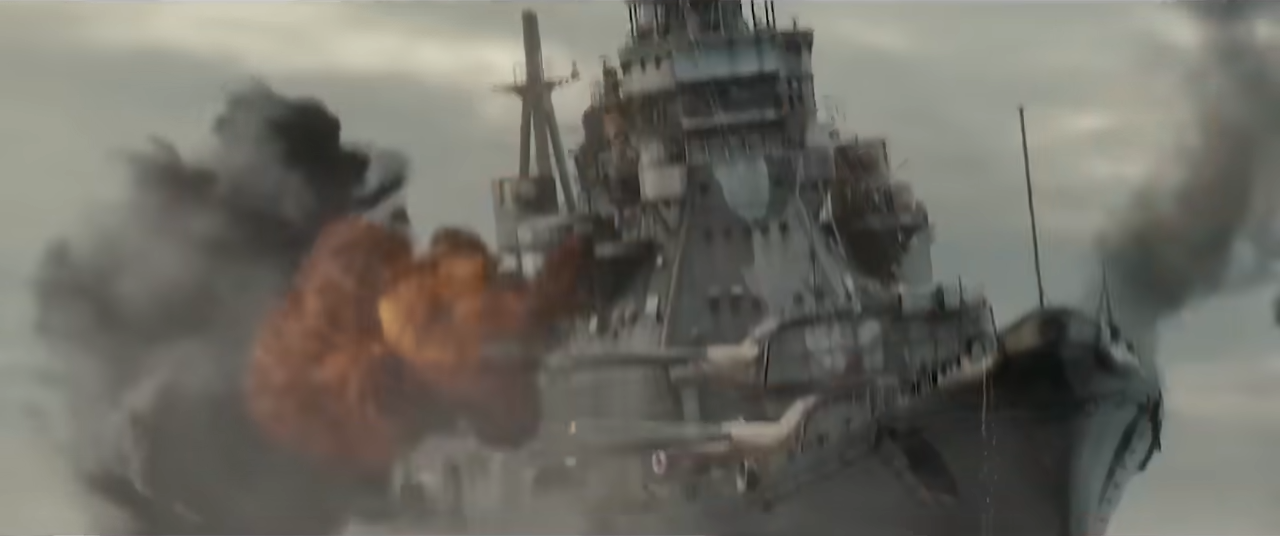
The Takao (高雄) was the lead vessel in the Takao-class heavy cruisers of the Imperial Japanese Navy, commissioned in 1932 and seeing frequent combat during World War II.[1] Takao survived the war, but was relinquished to the British in Singapore in September 1945 and sunk as a target ship in the Strait of Malacca in October 1946.[1] In an alternate history explored in the 2023 film Godzilla Minus One, Takao was instead returned to Japan in 1947 to allow the country to defend itself from Godzilla.
History
- Godzilla Minus One (2023)
Reiwa era
Godzilla Minus One
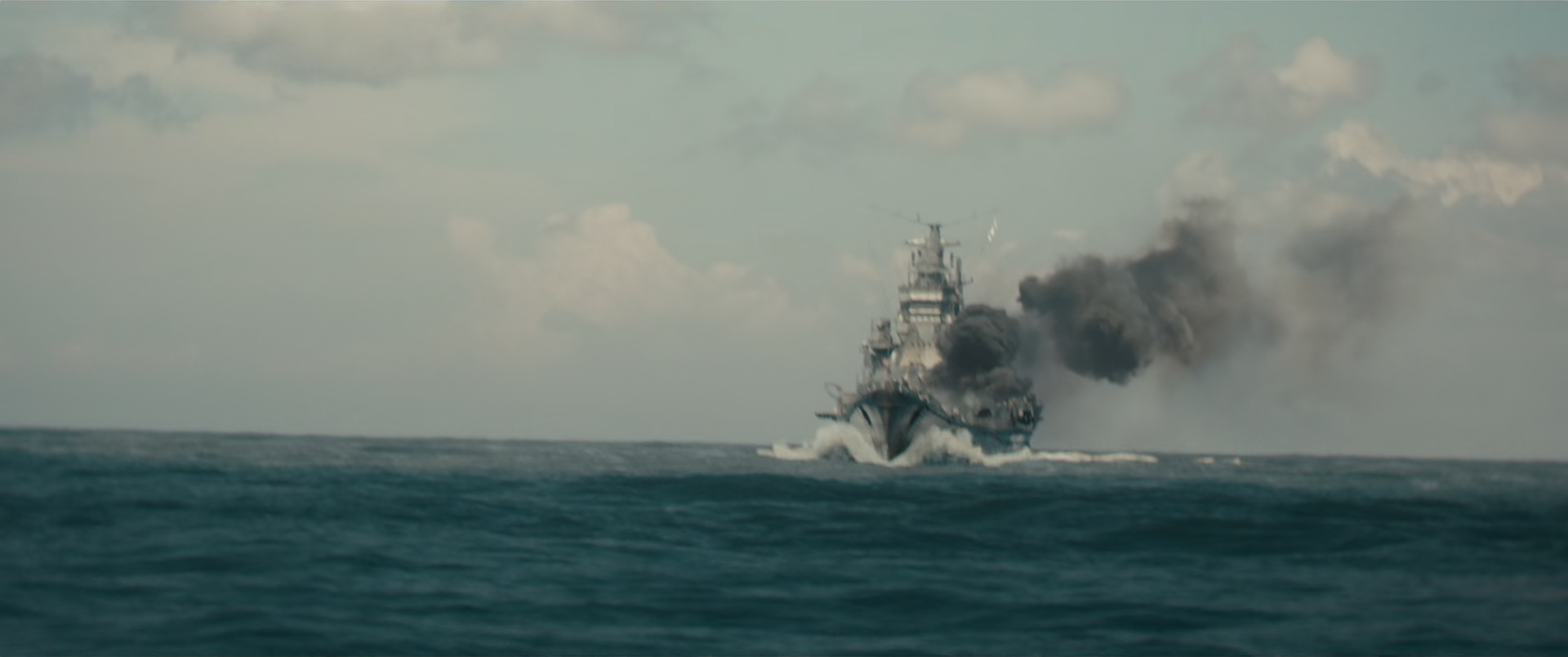
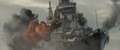
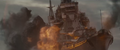
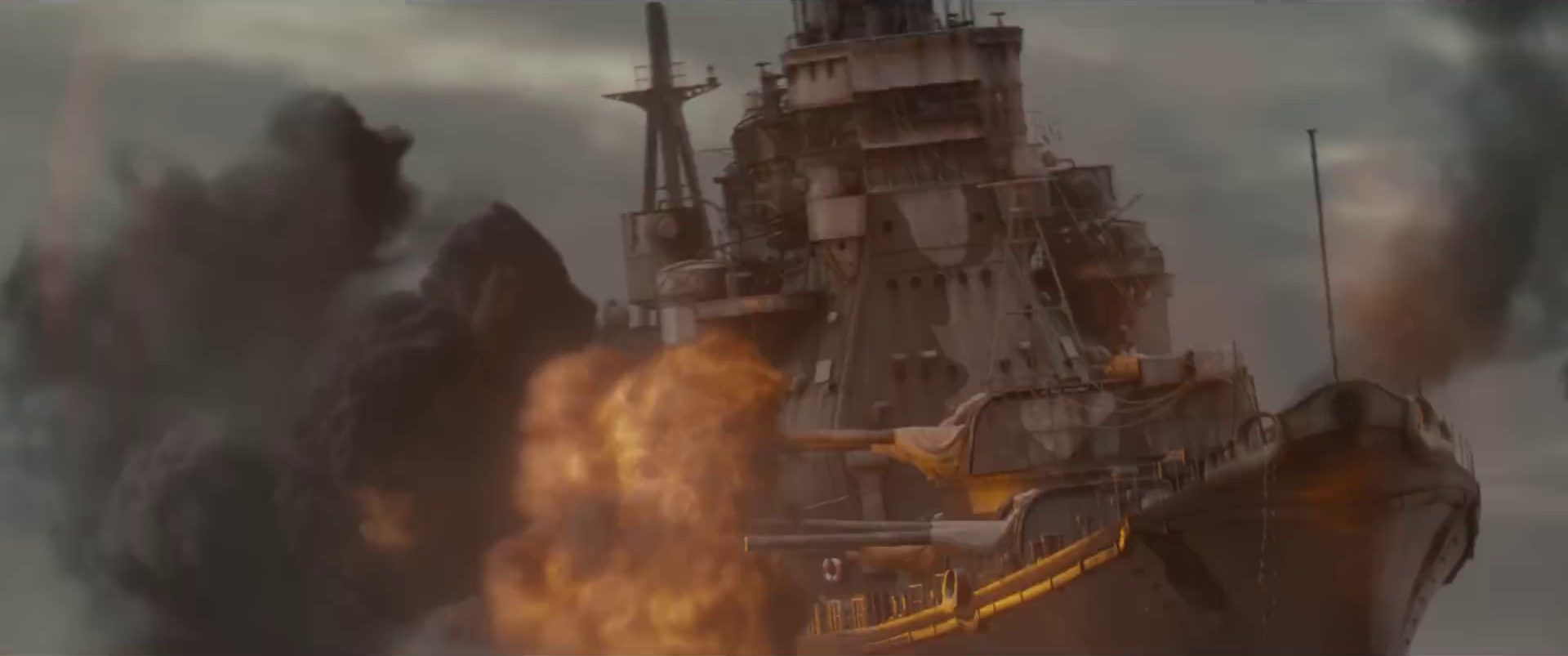
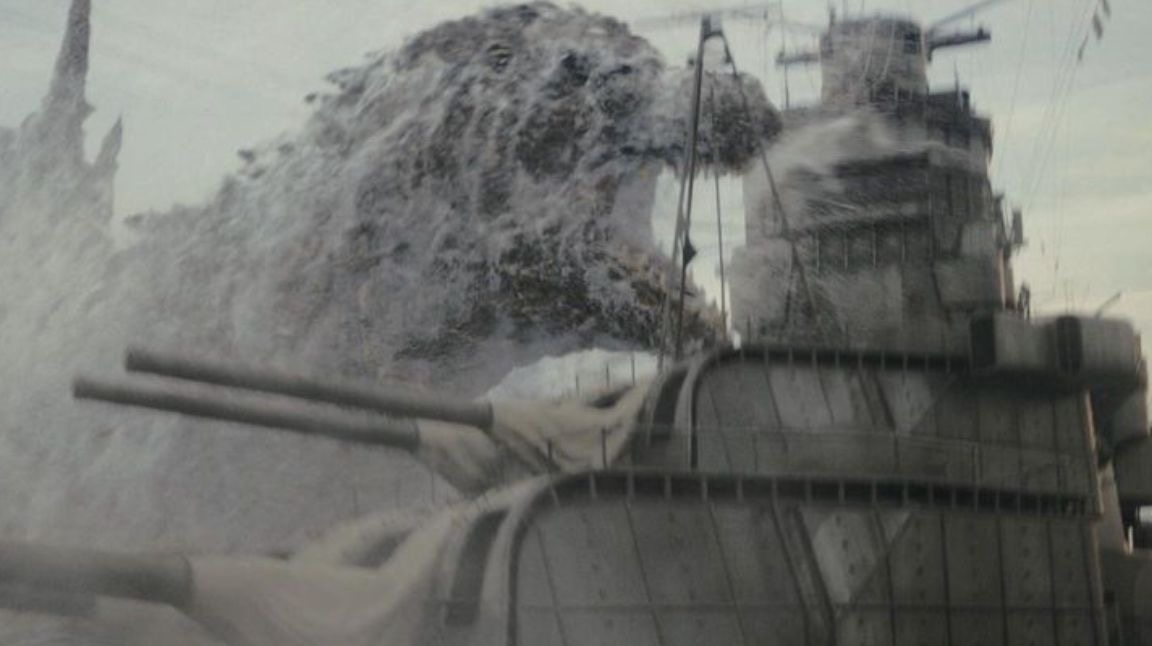
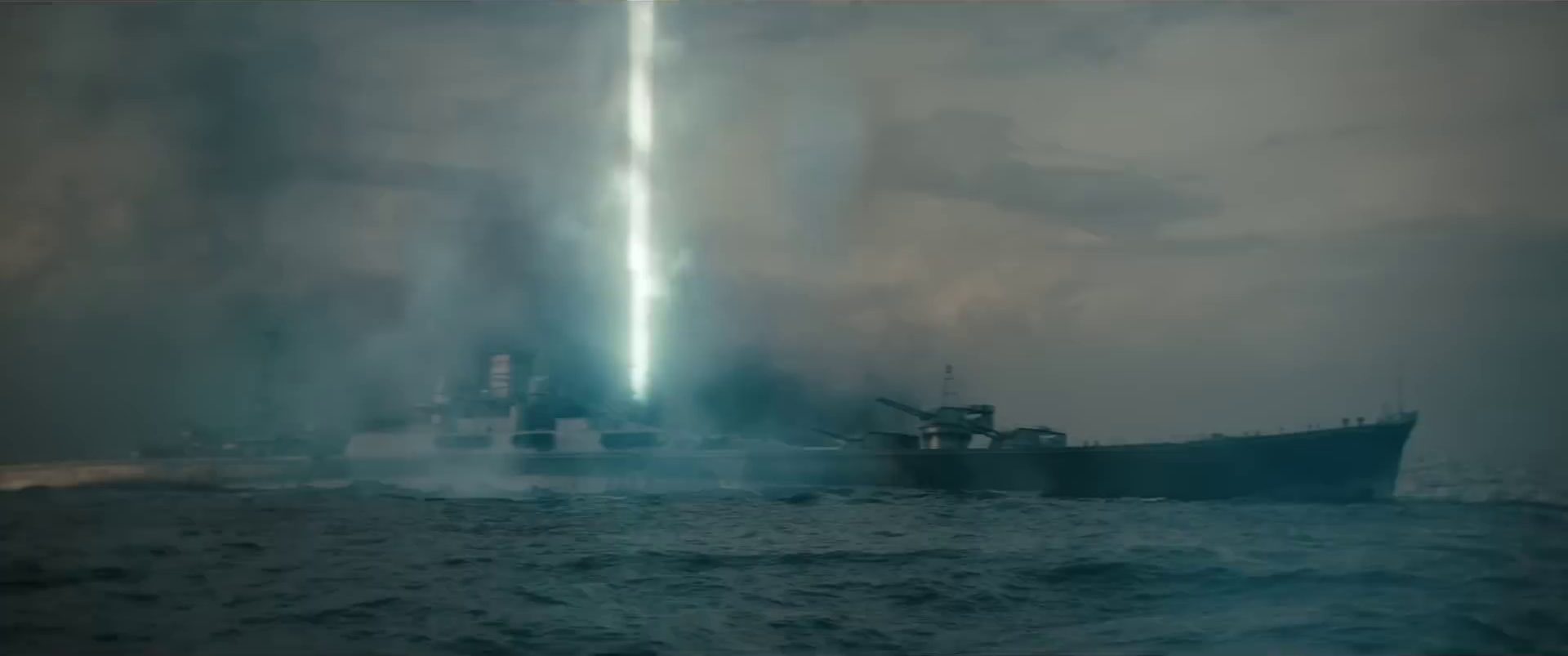
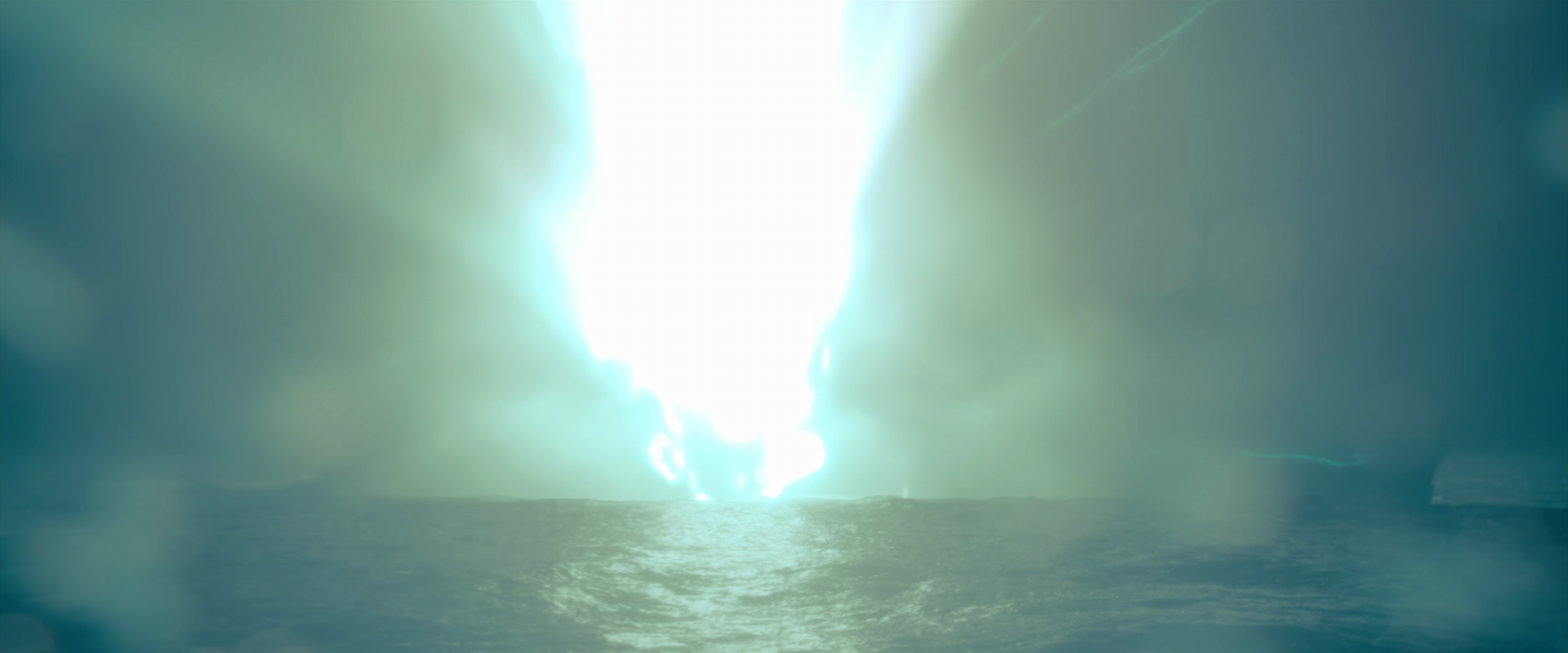
With a mysterious sea monster called Godzilla speeding towards Japan, and the United States unable to intervene without inflaming tensions with the Soviet Union, Supreme Commander for the Allied Powers Douglas MacArthur authorized a number of confiscated Japanese naval vessels that had survived World War II to be returned to Japan to allow the nation to defend itself, with the heavy cruiser Takao being among them. Setting sail from Singapore, the ship caught up with Godzilla during his pursuit of the minesweeper Shinseimaru near the Ogasawara Islands, catching him by surprise with a volley from its 20 cm guns. Recoiling, Godzilla sank into the sea, but then swam towards Takao, evading a second volley. When he surfaced, he grabbed hold of the ship and began tearing into its superstructure, pulling on the hull with so much force that the ship began to list. However, even with the ship's bridge and much of its superstructure completely destroyed, the Takao and its crew continued to fight on; Godzilla's close-range attack allowed the warship's guns to fire on him at point-blank range, knocking him back into the water. Just when her crew though the battle was won, Godzilla retaliated with his atomic breath, obliterating the ship from below. After most of the smoke cleared, Godzilla emerged from the water, roared, and swam away. Though the Takao had fallen in battle against Godzilla, her effort had ensured the survival of the crew of the Shinseimaru, who managed to return to Japan shortly before Godzilla made landfall in Tokyo.
Capabilities
Armaments
In real life, the Takao's final configuration included 10 20 cm 3rd Year Type No. 2 naval guns, eight 12.7 cm Type 89 naval guns, 60 25 mm Type 96 AA guns and 16 610 mm torpedo tubes. However, only the 20cm guns are displayed in Godzilla Minus One. When fired at close range, the 20cm guns had the capacity to injure Godzilla, as described by Kenji Noda, to the point that he needed to use his regeneration to heal the damage, and stunned him, causing him to fall backwards and let go of Takao.
Books
- Godzilla Minus One (2023)
Godzilla Minus One
In the film's novelization, Godzilla's attack on Takao's bridge is specified to have killed the captain and other officers aboard.[2] His atomic breath sublimates the iron which makes up the ship's hull.[3]
Gallery
Production
-
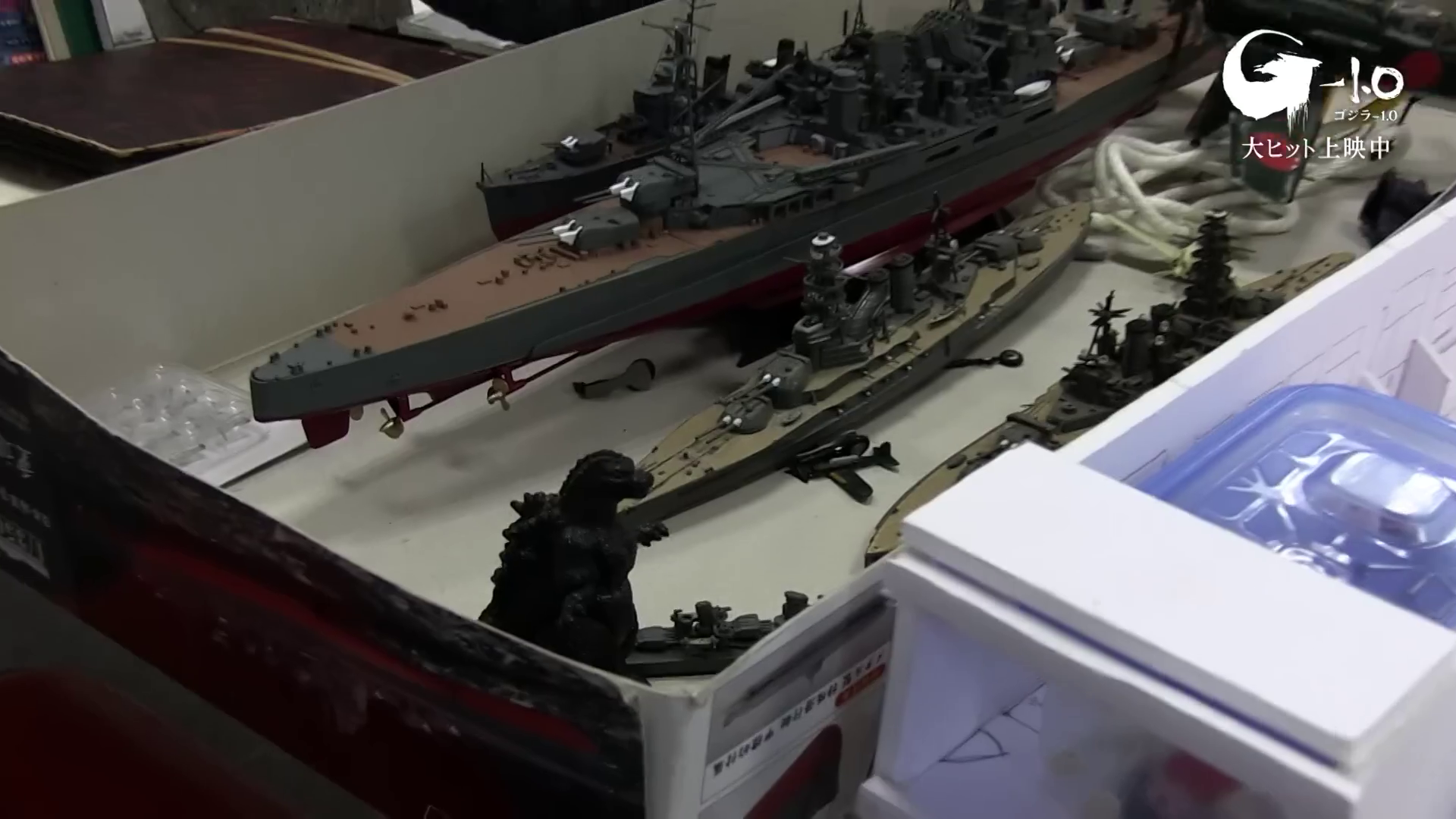
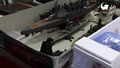 A 1/350 scale model of the Takao (middle left), alongside a 1/350 scale model of the Yukikaze (far left), and two 1/700 scale model of the Nagato (1920s configuration; bottom right)
 -
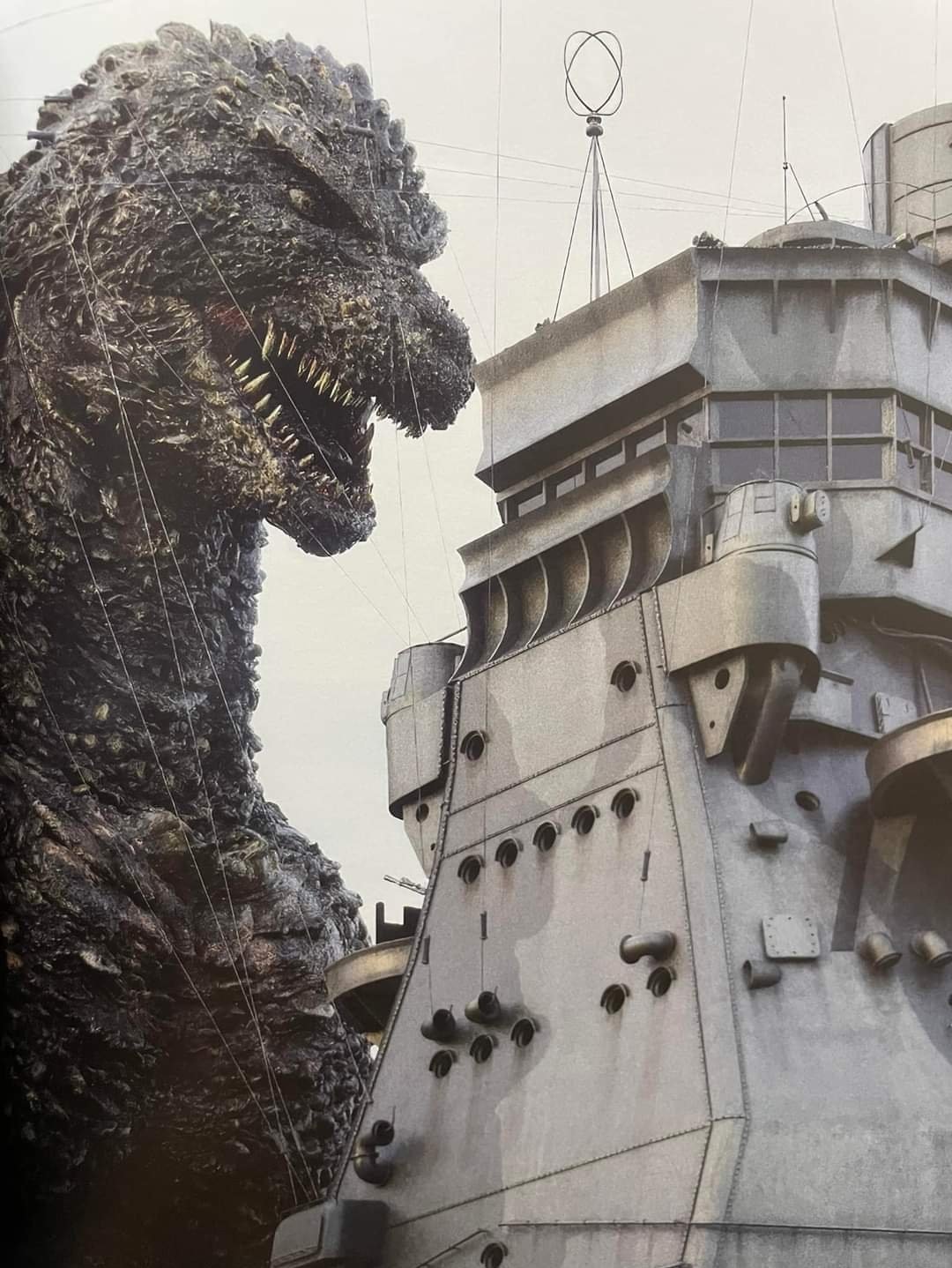
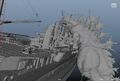 Development of Godzilla attacking the Takao
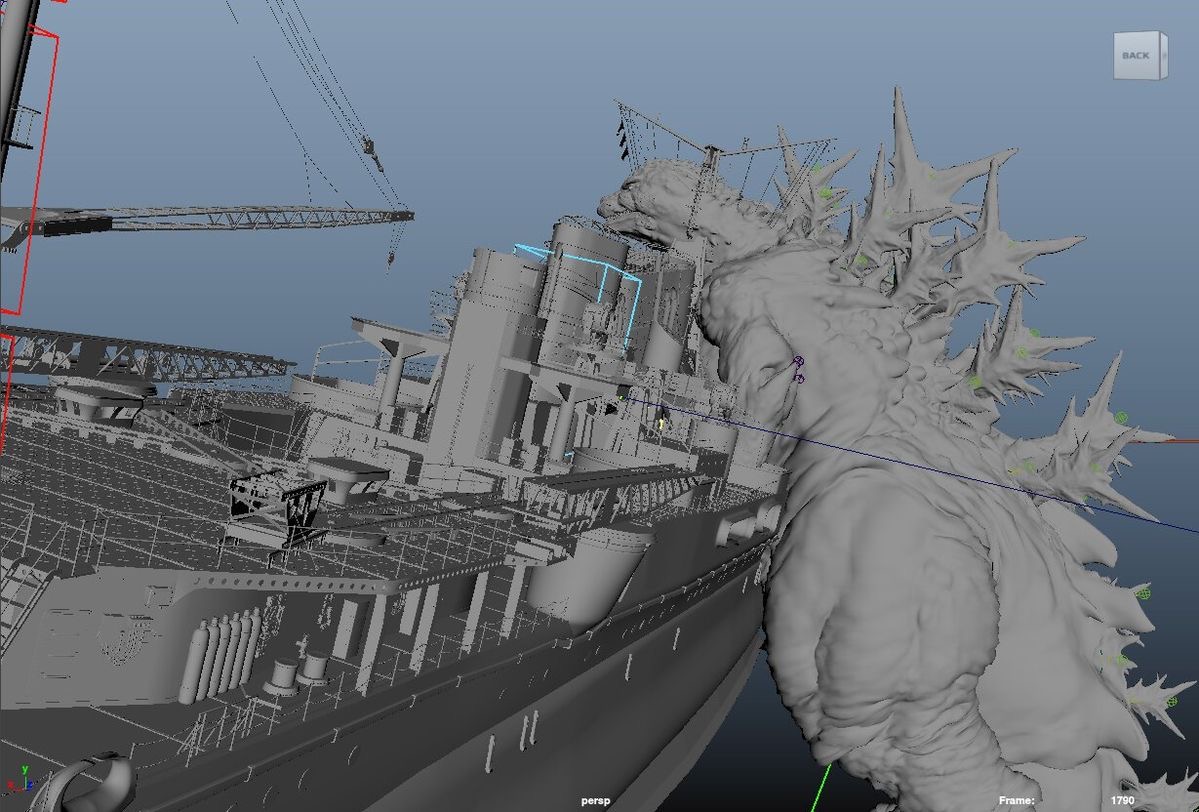
The Record of G-1.0
Screenshots
-
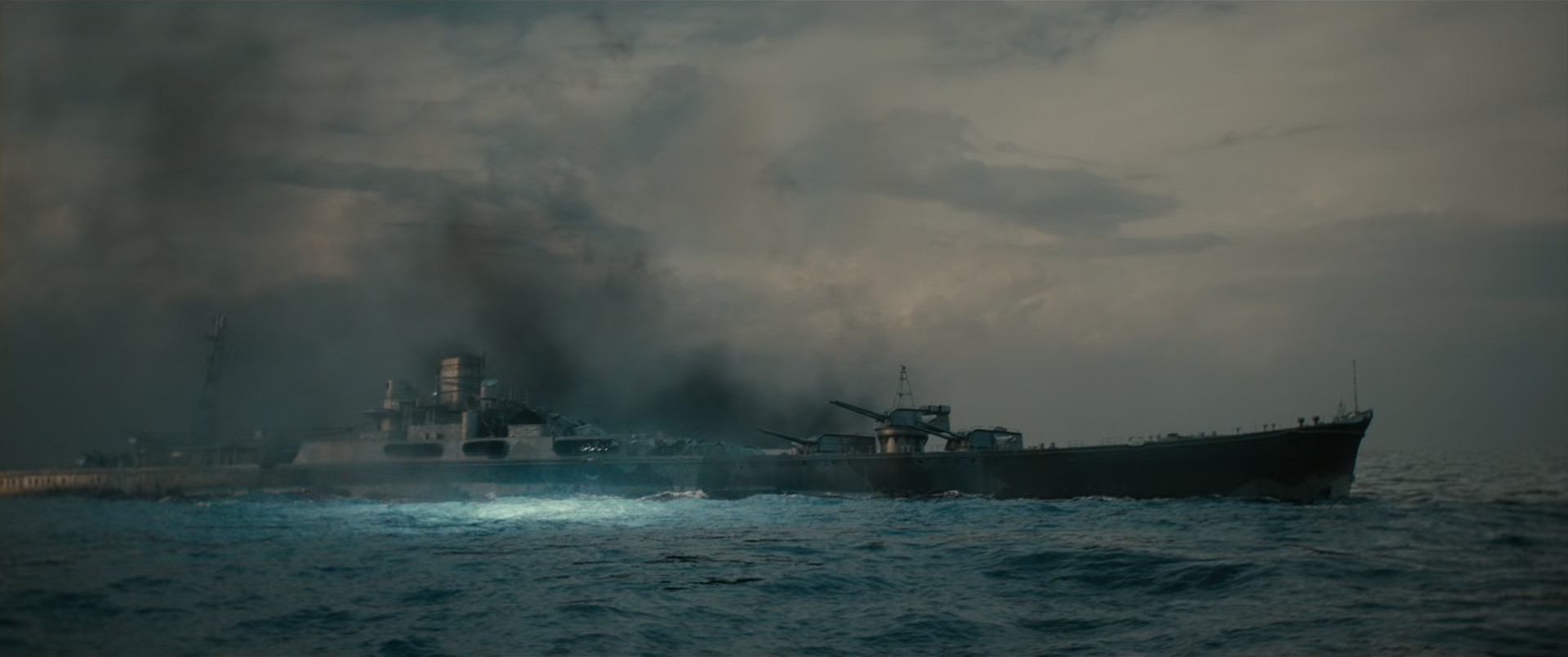
 Takao arrives to save the Shinseimaru
 -
-
-
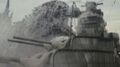 Godzilla lunging at the Takao
 -
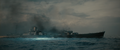 Godzilla charges his atomic breath beneath the damaged Takao, missing much of its superstructure after Godzilla's initial attack
 -
 Godzilla's atomic breath going through the Takao's hull
 -
 The Takao exploding after being hit by Godzilla's atomic breath
Trivia
- Takao is shown to be in a considerably better state post-war in Godzilla Minus One than in real life; while it remained operational, it had suffered significant damage in combat against the American submarine Darter during the Battle of Leyte Gulf. Having sustained additional damage that ultimately crippled it during Operation Struggle at the hands of a British submarine, HMS XE3, the Takao was deemed irreparable, reducing its role in the Japanese attempt to retain control of Singapore to a stationary anti-aircraft battery. It had completely ran out of ammunition for its main guns and was manned by a skeleton crew by the time the city was successfully retaken by the Allies.
References
This is a list of references for Takao. These citations are used to identify the reliable sources on which this article is based. These references appear inside articles in the form of superscript numbers, which look like this: [1]
|
Bibliography
- Yamazaki, Takashi (8 November 2023). Novel Version: Godzilla Minus One. Shueisha. ISBN 978-4-08-680525-4.
Comments
Showing 17 comments. When commenting, please remain respectful of other users, stay on topic, and avoid role-playing and excessive punctuation. Comments which violate these guidelines may be removed by administrators.

|

|

|

|