

Chernobyl exclusion zone
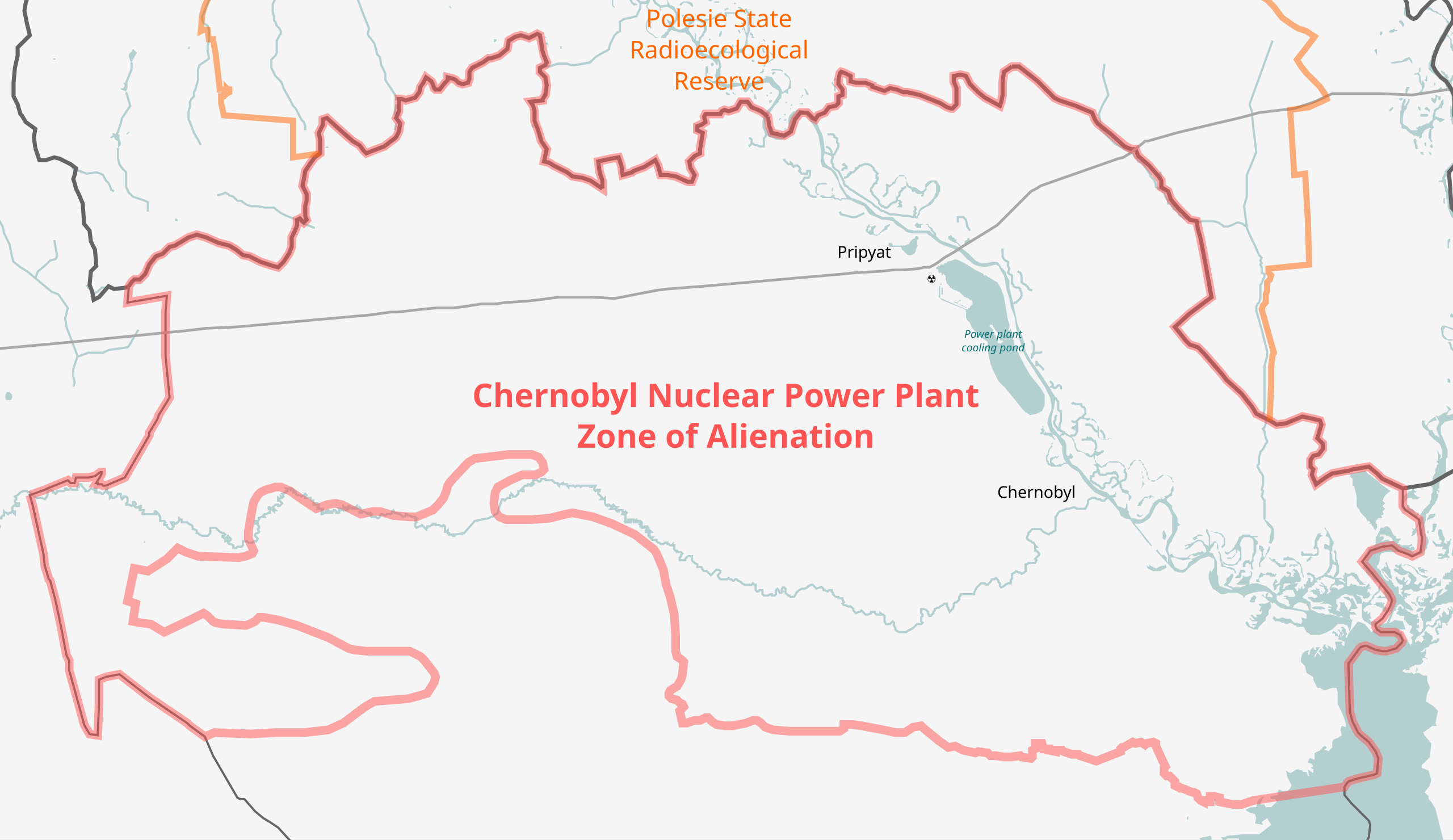
The Chernobyl exclusion zone (also referred to as the Chernobyl Nuclear Power Plant Zone of Alienation or the 30 Kilometre Zone) is an exclusion zone set up in the aftermath of the Chernobyl disaster of 1986. It originally covered 30 kilometers around the Chernobyl Nuclear Power Plant, and now encompasses 2,600 square kilometers of land afflicted by radiation,[1] and encompasses the northernmost areas of Vyshhorod Raion in Kyiv Oblast, Ukraine. Due to its historical significance as a testament to the effects that a nuclear reactor meltdown has on the surrounding land, it has appeared in a variety of works in popular culture, and has even influenced several pieces of media in the kaiju genre.
History
- GODZILLA (1998)
- Gamera 3: Revenge of Iris (1999) [mentioned]
GODZILLA (1998)
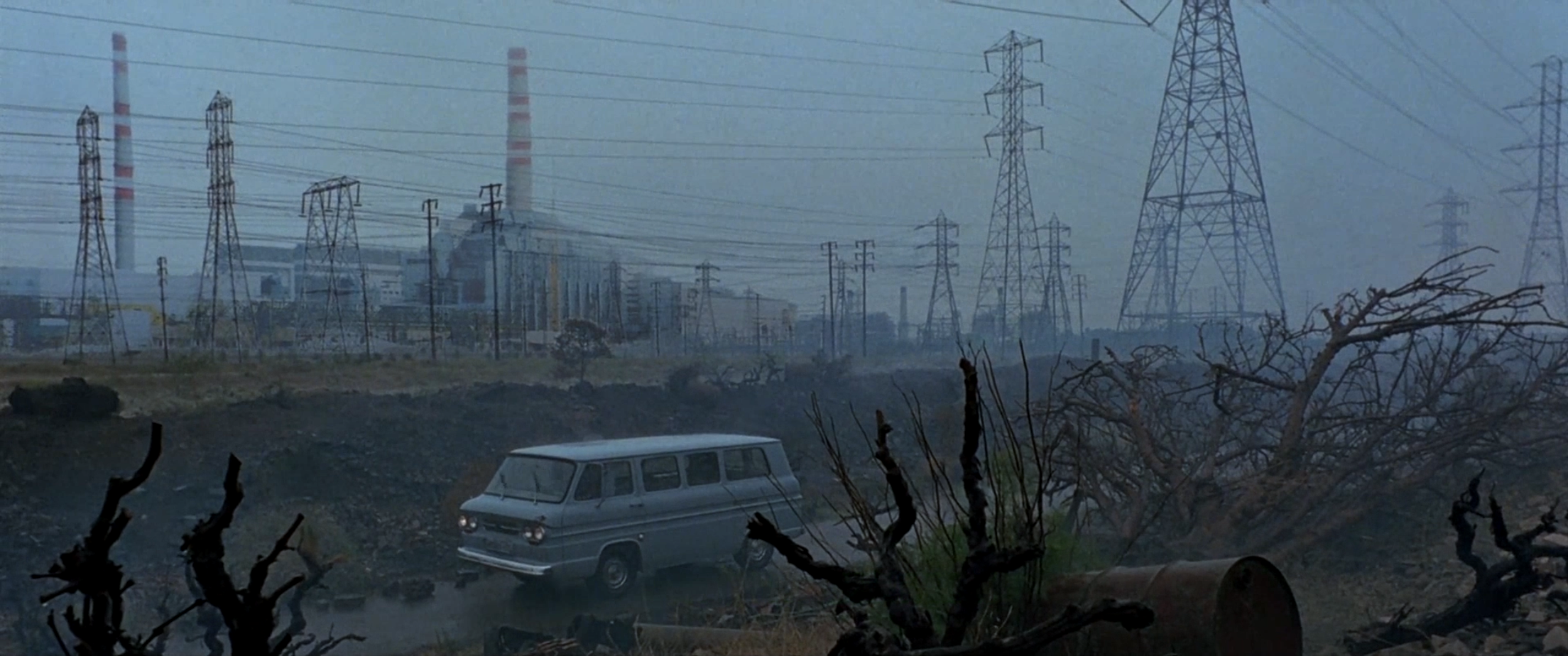
For three years prior to the events of the film, Nick Tatopoulos had been studying the effects of radiation in the Chernobyl exclusion zone on earthworms. One day, when he was studying, he was selected to take part in another study in Panama to identify an unidentified irradiated creature.
Gamera 3: Revenge of Iris
Shinya Kurata's video game Nevenyrrl identified the Chernobyl disaster as one of the recent manmade incidents that depleted the Earth's mana and allowed the Gyaos to return.
Trivia
- In the 1986 video game The Movie Monster Game, Tarantus and Mister Meringue are said to have been born in the fallout of the Chernobyl nuclear disaster, but whether they were within the bounds of the exclusion zone is unknown.
- In the American version of Godzilla 2000: Millennium, when hearing that Godzilla was bound for the Tokai Nuclear Power Plant, Yuki Ichinose said, "That's lovely, another Chernobyl."
- Janjira, a fictitious Japanese city in Godzilla (2014), likely was influenced by the Chernobyl exclusion zone, with dilapidated and overgrown infrastructure abounding 15 years after the male MUTO's attack on a nuclear power plant.
References
This is a list of references for Chernobyl exclusion zone. These citations are used to identify the reliable sources on which this article is based. These references appear inside articles in the form of superscript numbers, which look like this: [1]
|
Comments
Showing 3 comments. When commenting, please remain respectful of other users, stay on topic, and avoid role-playing and excessive punctuation. Comments which violate these guidelines may be removed by administrators.

|

|

|

|