

Petrox Corporation
“
|
Hail the power! Hail the power of Kong! ...And Petrox!
|
„
|
— Fred Wilson's speech on the King Kong show (King Kong (1976)) |
The Petrox Corporation (also known as the Petrox Oil Company[1] or simply Petrox) is a fictional American petroleum company that appears in the 1976 film King Kong. Its gas stations are located across a vast area from Maine to California.[note 1] In the 1970s, motivated by the energy crisis, Fred Wilson, an executive of the corporation, organized an expedition to the unexplored Skull Island, hoping to find oil there. There was no usable oil on the island, but Wilson was able to capture the giant ape Kong, which he took to New York City to advertise Petrox. The first show turned out to be the last, as Kong broke out of his cage and caused significant damage to the city. The fate of the corporation after this event is unknown. In the sequel King Kong Lives Petrox is never mentioned.
Design
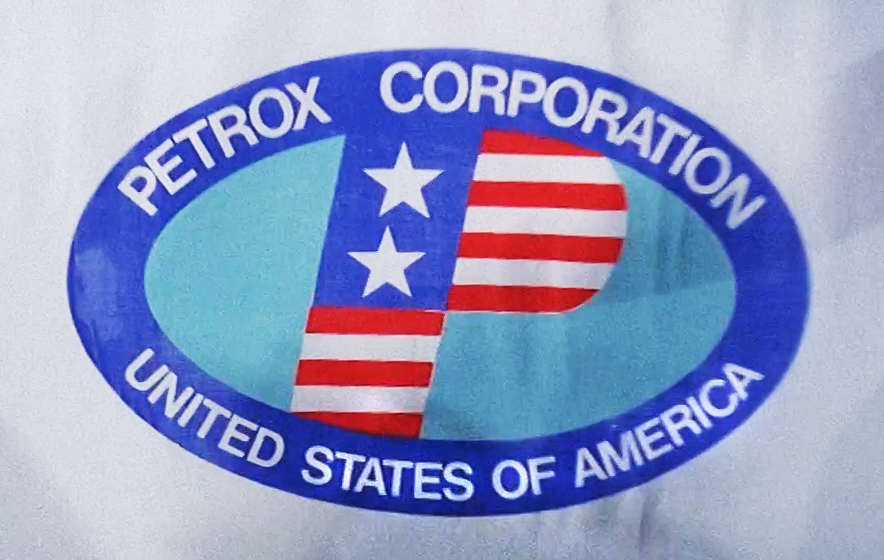
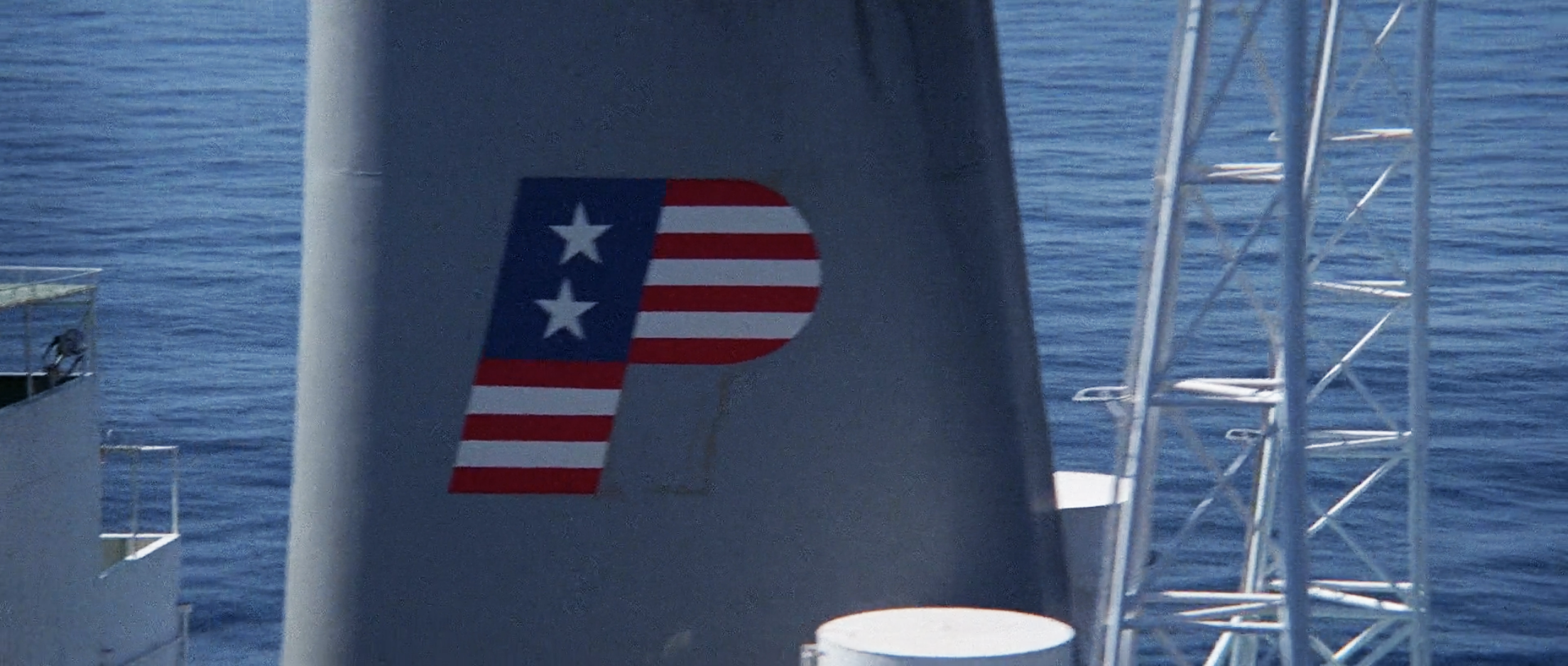
Petrox Corporation logo is the letter "P" in the colors of the American flag on a blue background with a dark blue outline.
History
- King Kong (1976)
King Kong (1976)
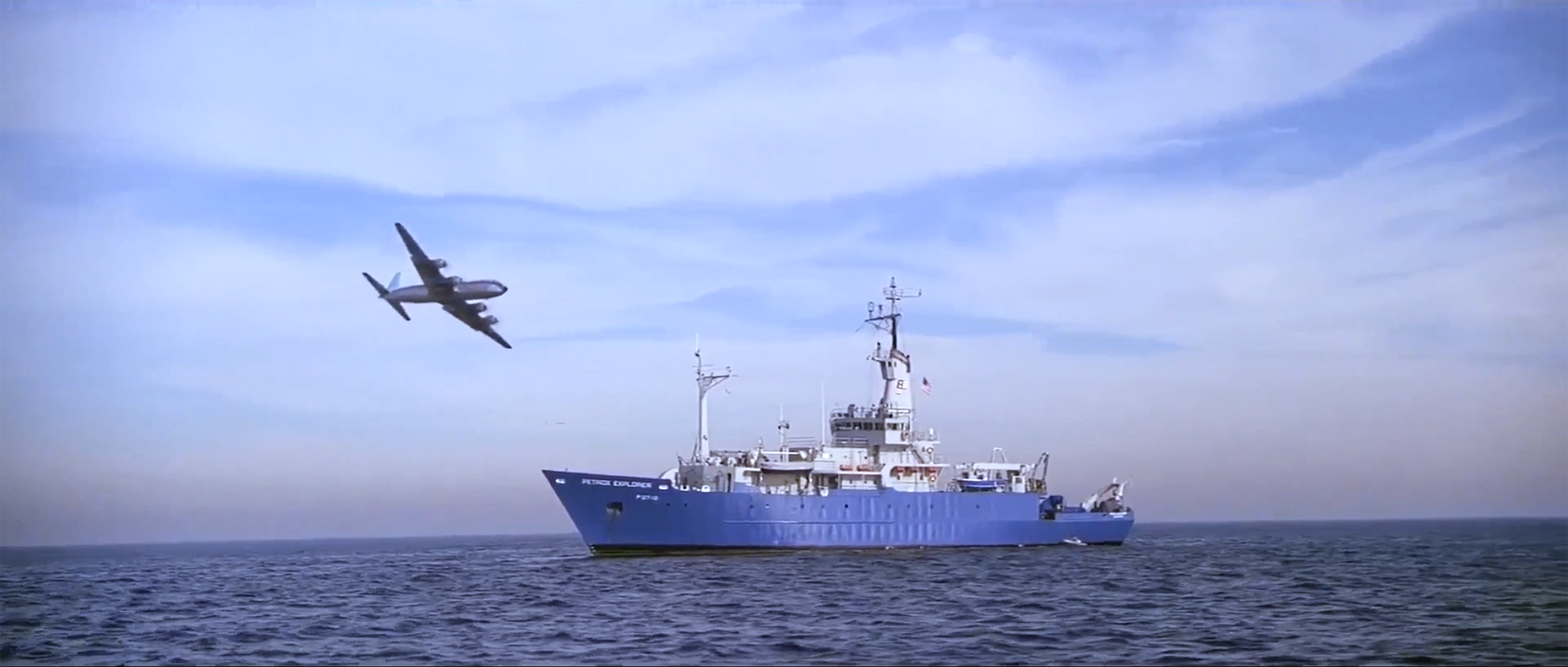
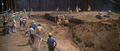
Fred Wilson, a greedy executive of the Petrox Corporation, led an expedition to the unexplored Skull Island in search of oil. Sailing from Surabaya, Indonesia, on the ship Petrox Explorer, Wilson and geologist Roy Bagley briefed the team on the purpose of the voyage. Jack Prescott, a primate paleontologist, was initially mistaken by Wilson for a spy for another oil company, but was later appointed the expedition's official photographer. Dwan, a castaway, also joined the expedition and later insisted on going to the coast of the island with the reconnaissance party, since she is a holder of a Petrox credit card. On the island, the group discovered a native settlement near a huge wall with equally huge gates, as well as a puddle with a substance similar to oil. Due to a conflict with the natives, they returned to the ship, but at night the islanders kidnapped Dwan and gave her to the giant ape Kong as a wife. Prescott and five crew members set out to search for Dwan, while the rest set up camp on the beach and examined the substance from the puddle. When Bagley revealed that the oil was unusable, Wilson decided to capture Kong and use him to advertise Petrox. Four of the corporation's members — Garcia, Timmons, Joe Perko, and Carnahan — died in an encounter with Kong in the mountains. Boan, who survived, returned and helped create a huge trap for the beast. Logan, another member of the corporation, placed the chloroform cylinders at the bottom of a wide pit. Later, Prescott and the rescued Dwan returned, and an enraged Kong came after them. He tried to grab Wilson, then broke through the gate and fell into a pit filled with chloroform, which put him to sleep.
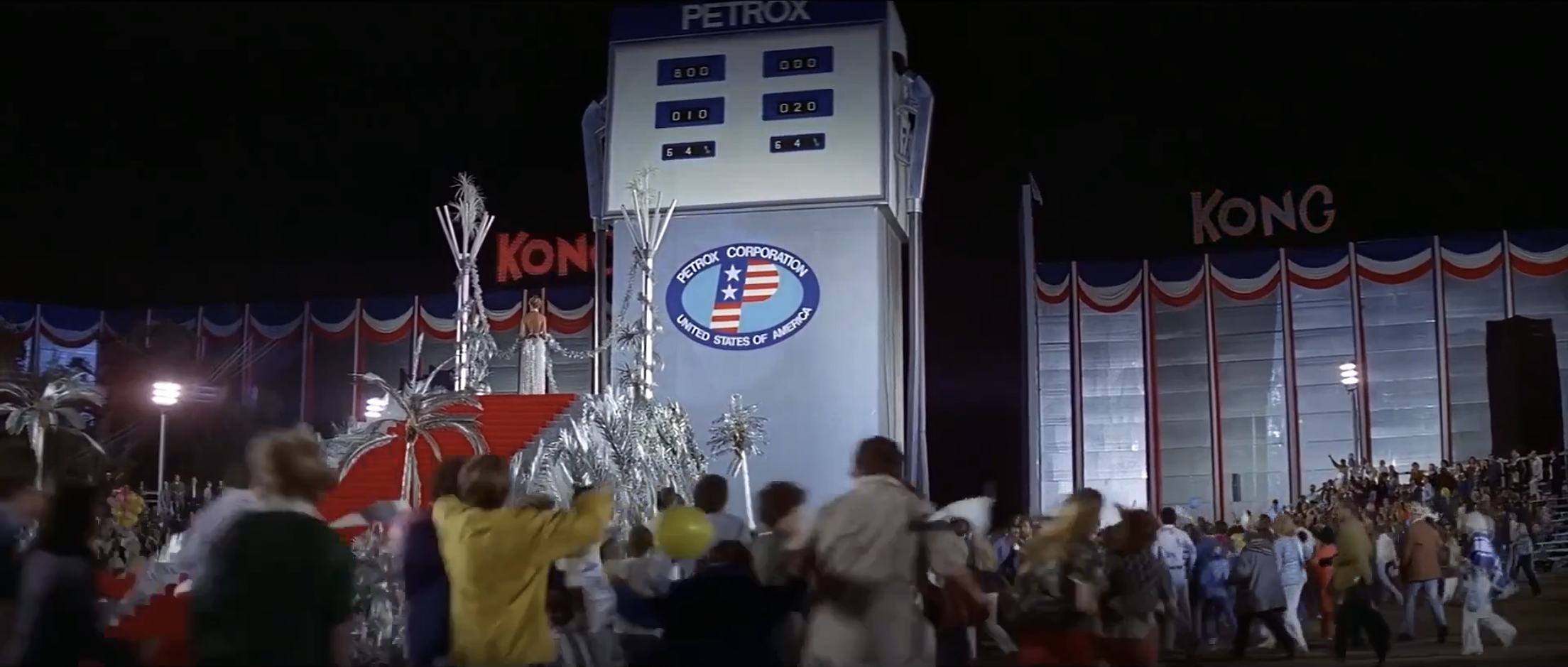
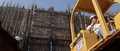
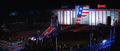
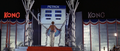
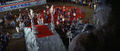
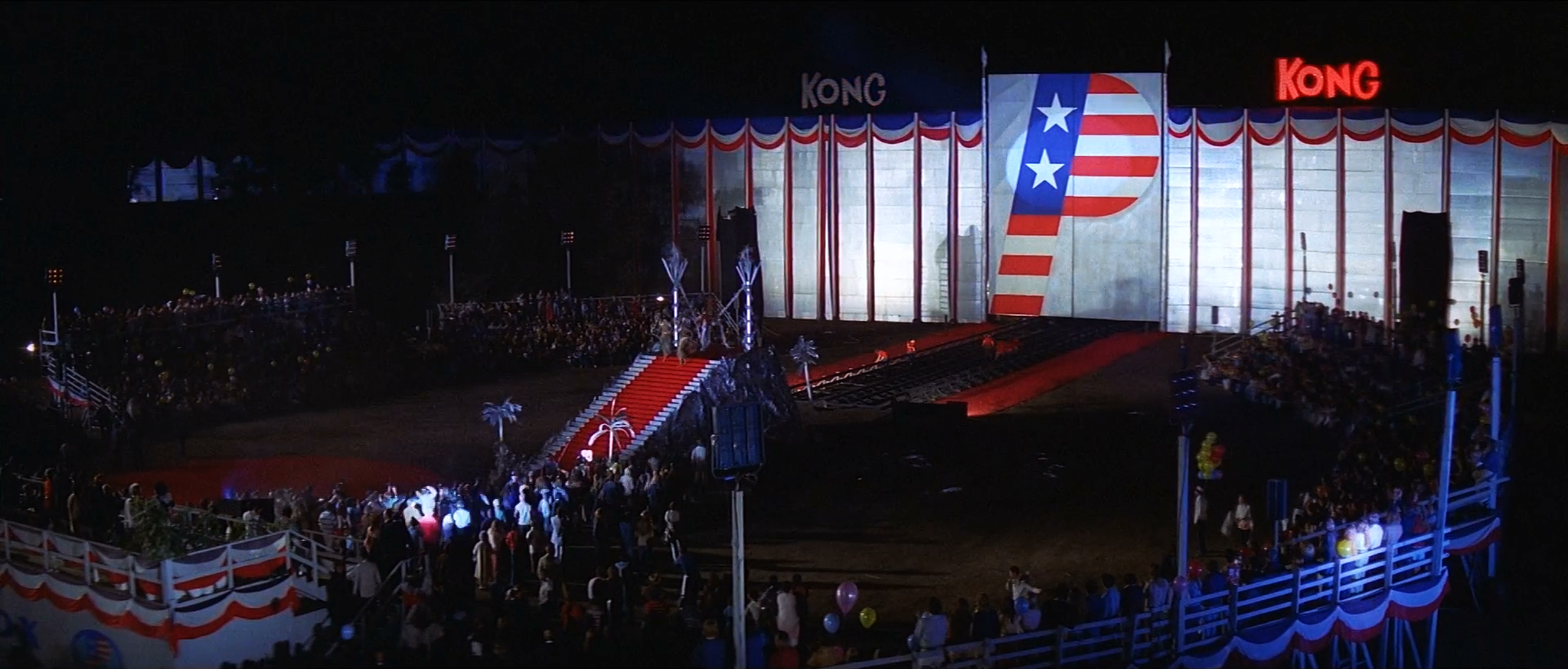
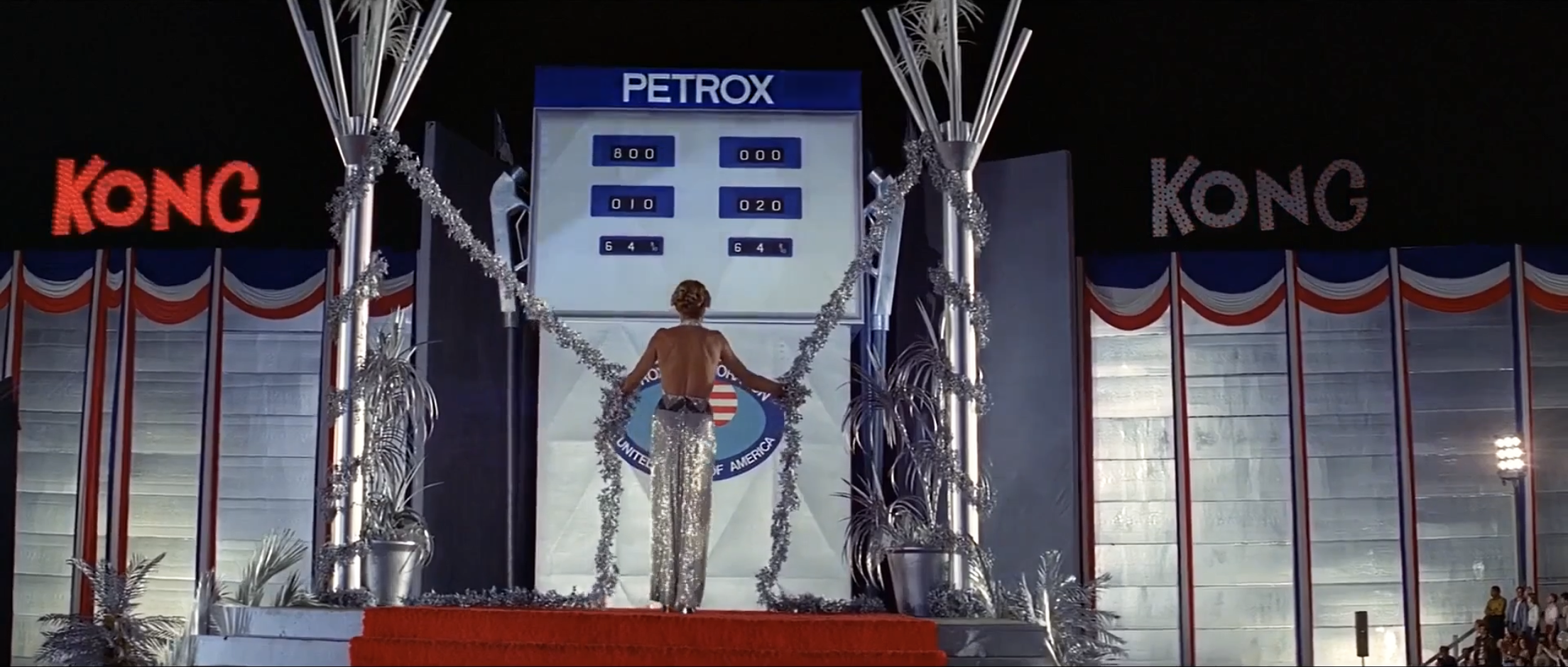
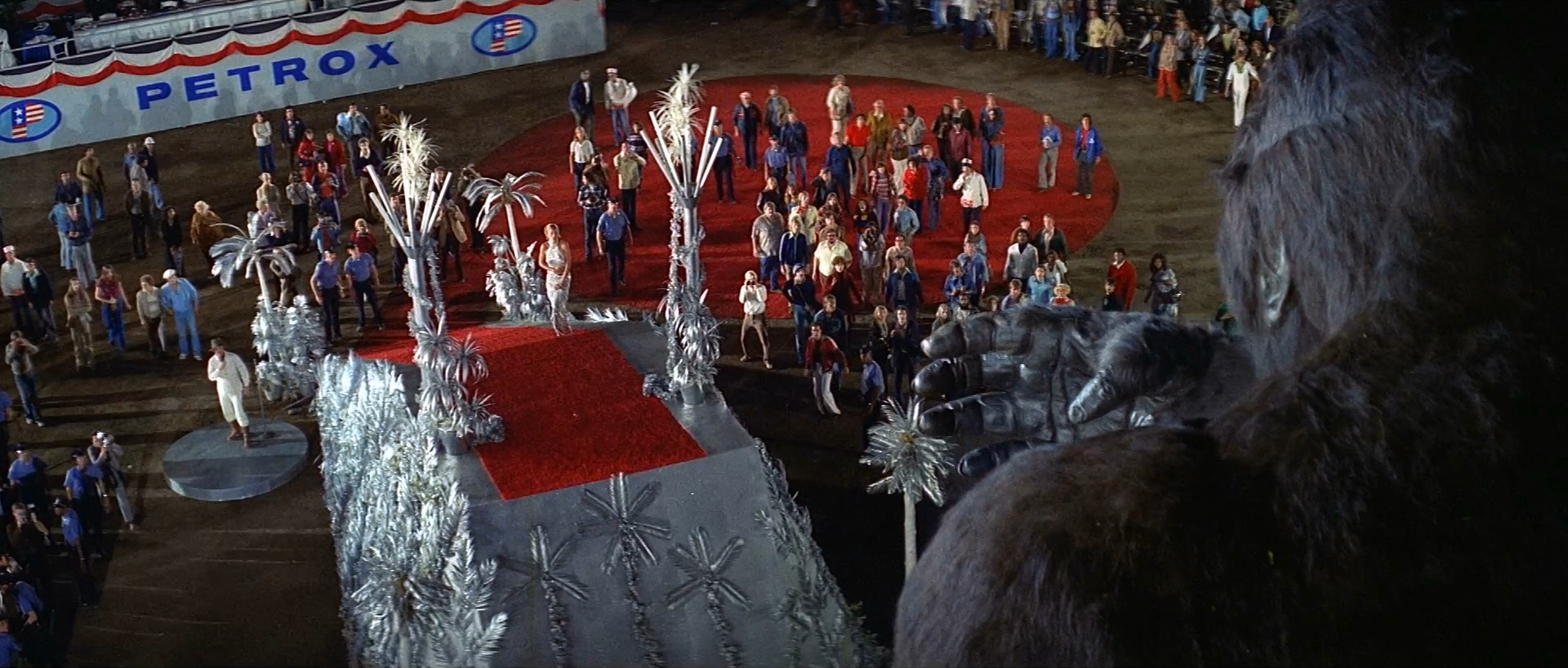
Apparently, none of the corporation members except Wilson went to New York on the tanker Susanne Onstad. During this journey, Kong was kept in an empty oil reservoir. In New York, Wilson staged a grand show, actively using the corporation's symbols to decorate the stadium and the dummy giant gates behind which the cage with Kong was hidden, and the cover for this cage was designed to look like a Petrox gas station. Shortly after the cover was removed, Kong broke out of the cage, thinking that Dwan was in danger from reporters. Panic ensued, and several spectators and Wilson were trampled by Kong, but Dwan and Prescott escaped. Seeing them running from one car to another, Kong growled and destroyed the stadium fence, tearing up the Petrox insignia.
Known members
- Fred S. Wilson (deceased)
- Roy Bagley
- Captain Ross
- Carnahan (deceased)
- Boan
- Joe Perko (deceased)
- Sunfish
- Garcia (deceased)
- Timmons (deceased)
- Logan
Vehicles
- Petrox Explorer
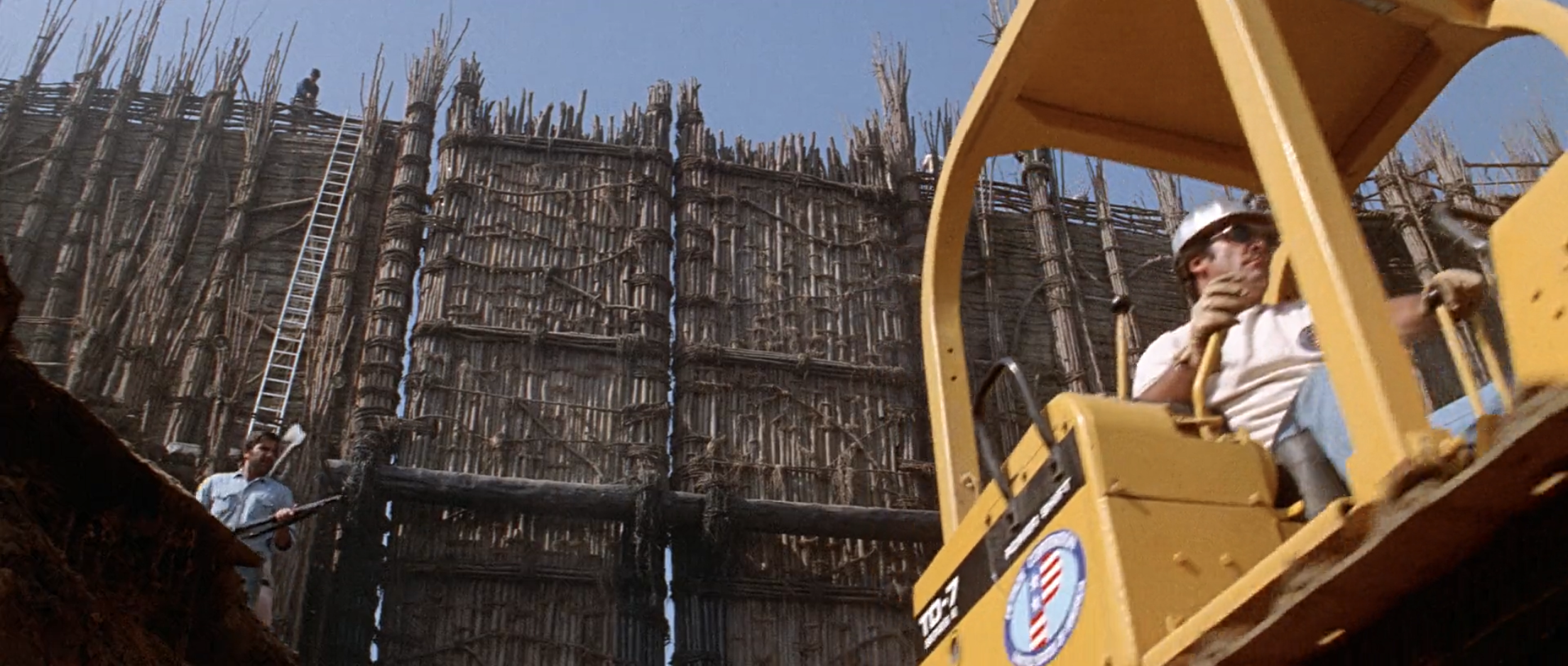
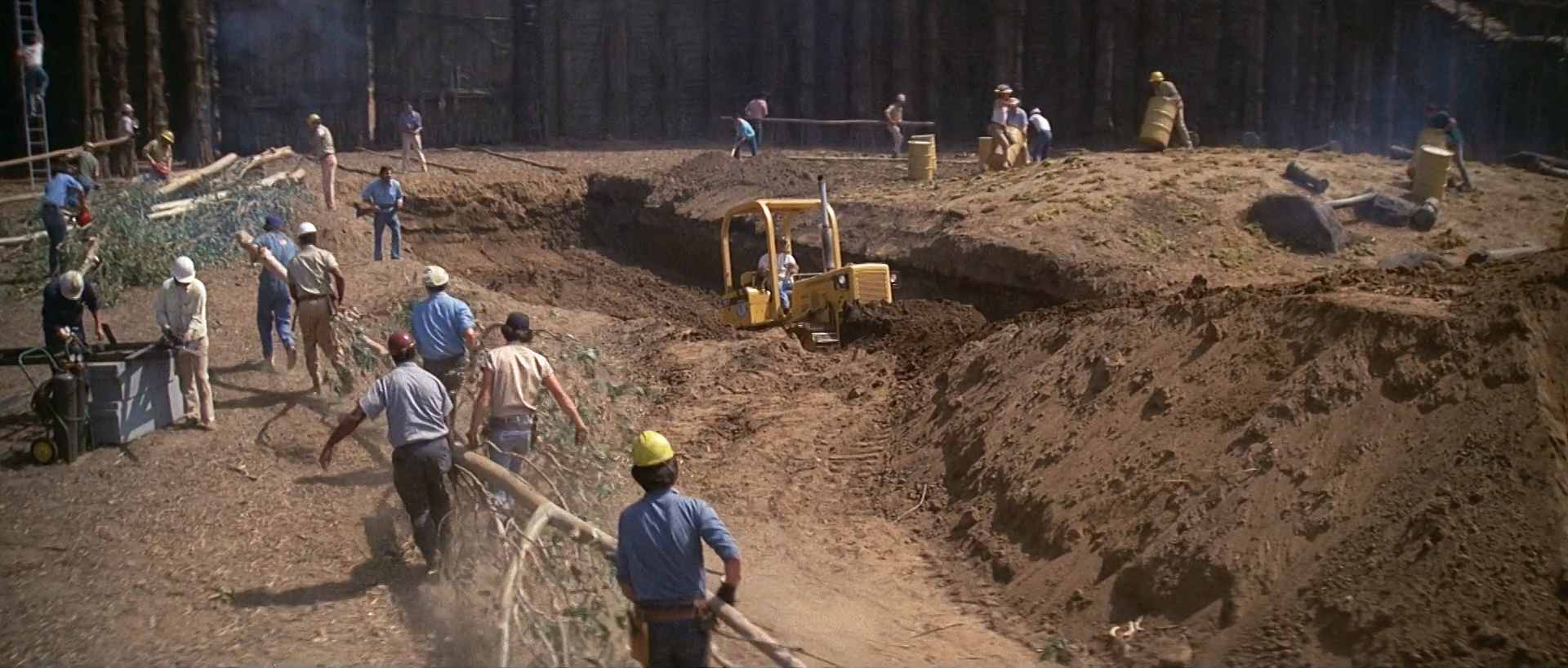
- International Harvester TD-7
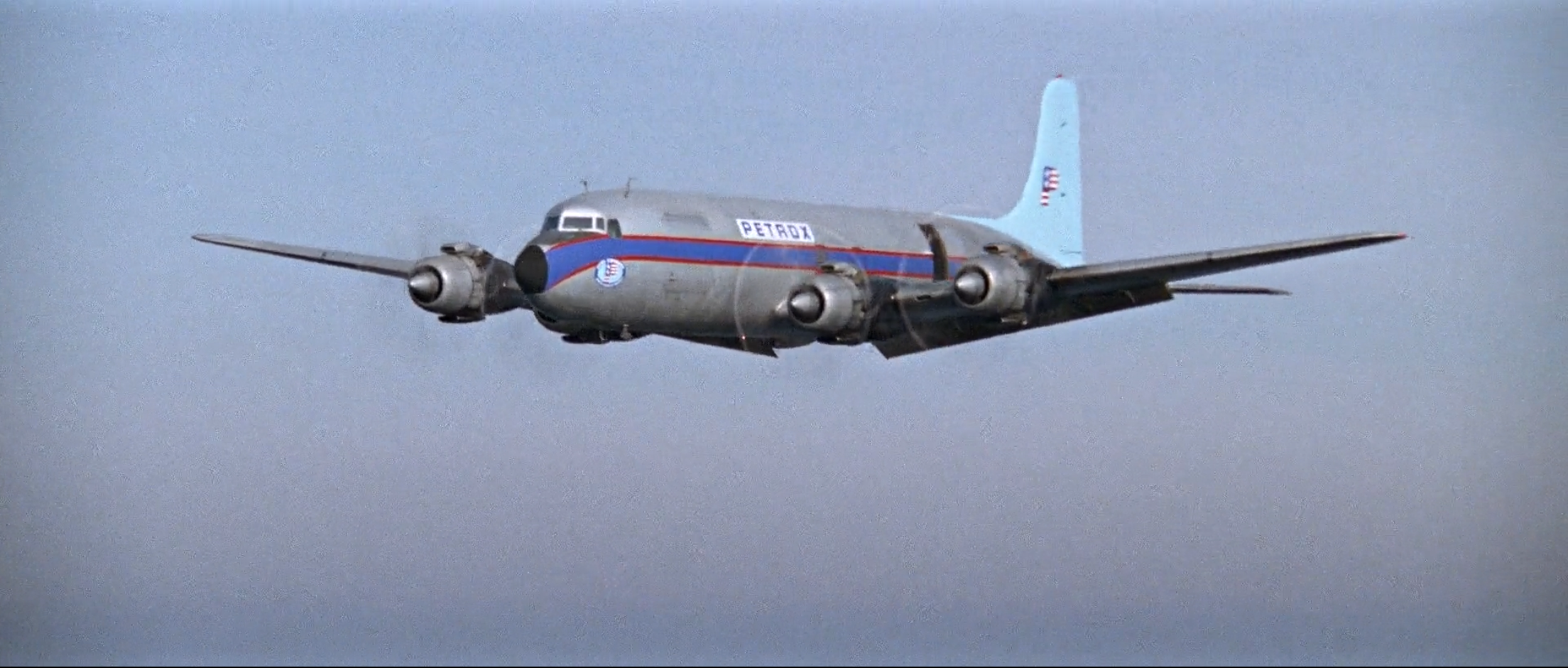
- Petrox airplane
- Susanne Onstad
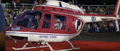
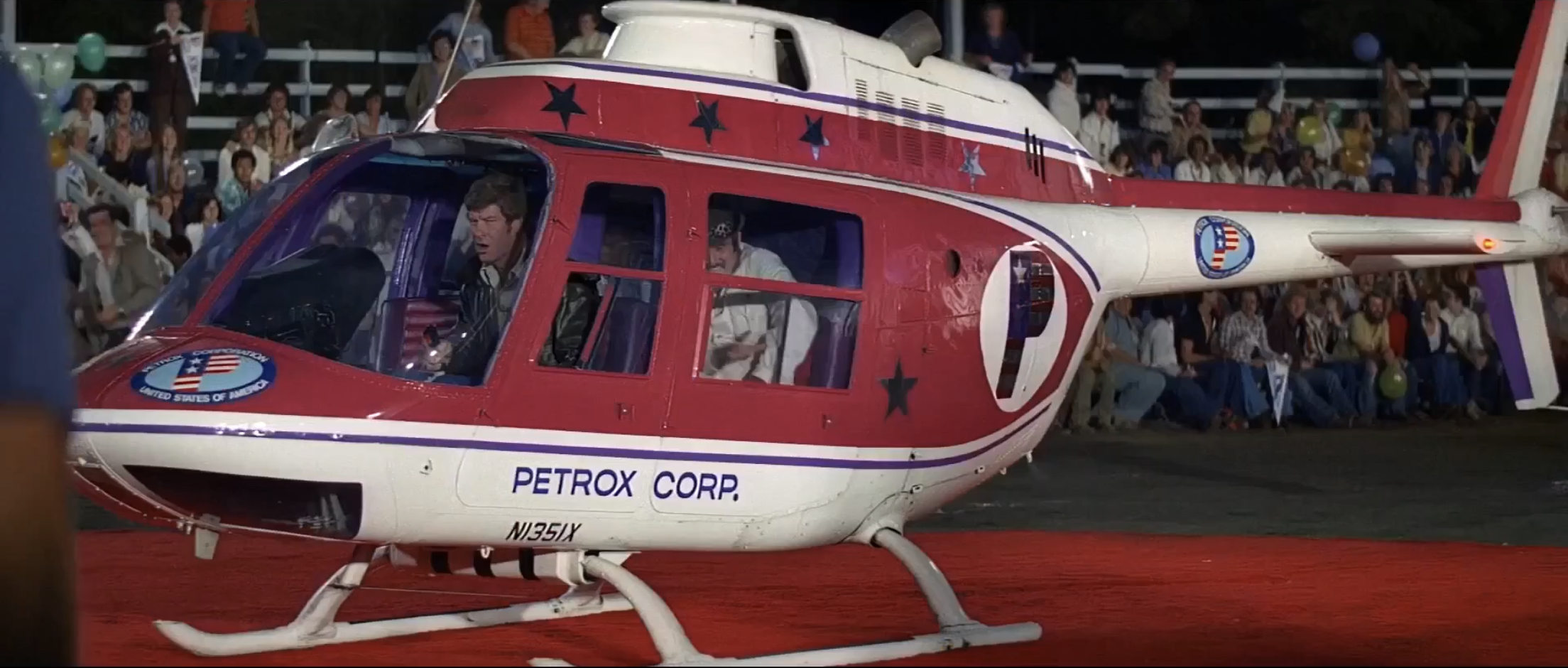
- Petrox helicopter
Gallery
-
 A Douglas DC-7 operated by the Petrox Corporation
 -
-
-
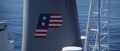 Petrox Corporation logo on the Susanne Onstad
 -
-
-
-
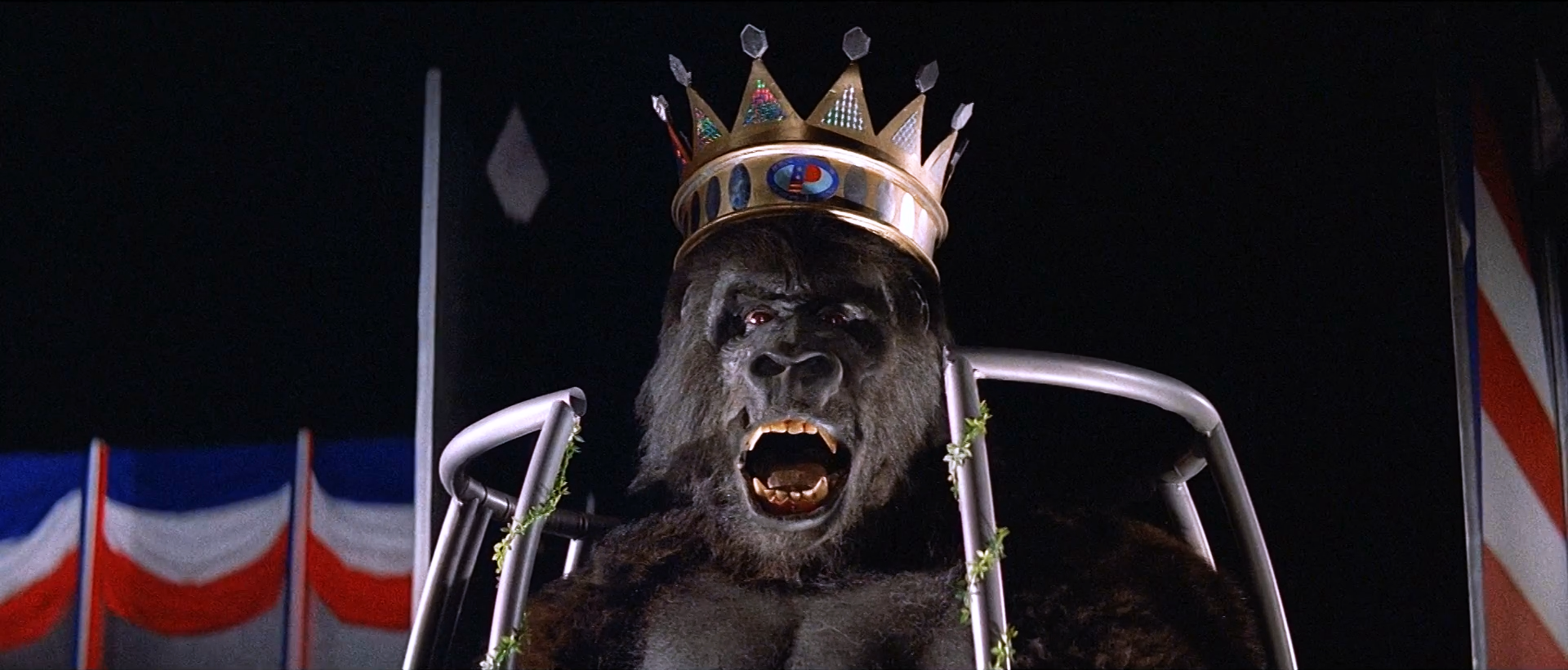
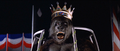 Petrox Corporation logo on Kong's crown
 -
Notes
References
This is a list of references for Petrox Corporation. These citations are used to identify the reliable sources on which this article is based. These references appear inside articles in the form of superscript numbers, which look like this: [1]
|
Comments
Showing 0 comments. When commenting, please remain respectful of other users, stay on topic, and avoid role-playing and excessive punctuation. Comments which violate these guidelines may be removed by administrators.

|

|