

Skull Island bugs
“
|
Mosquito nets here are useless - better to use barb wire and sentries
|
„
|
— Unknown, Fall expedition to Skull Island, 1936 (The World of Kong: A Natural History of Skull Island) |
The following is a list of arthropods living on Skull Island across the various continuities and stories featuring King Kong.
Press Ctrl+F on Windows or Cmd+F on Mac to look for a specific monster.
RKO
| Name | Image | Appearance(s) | Description |
|---|---|---|---|
Great Spider |
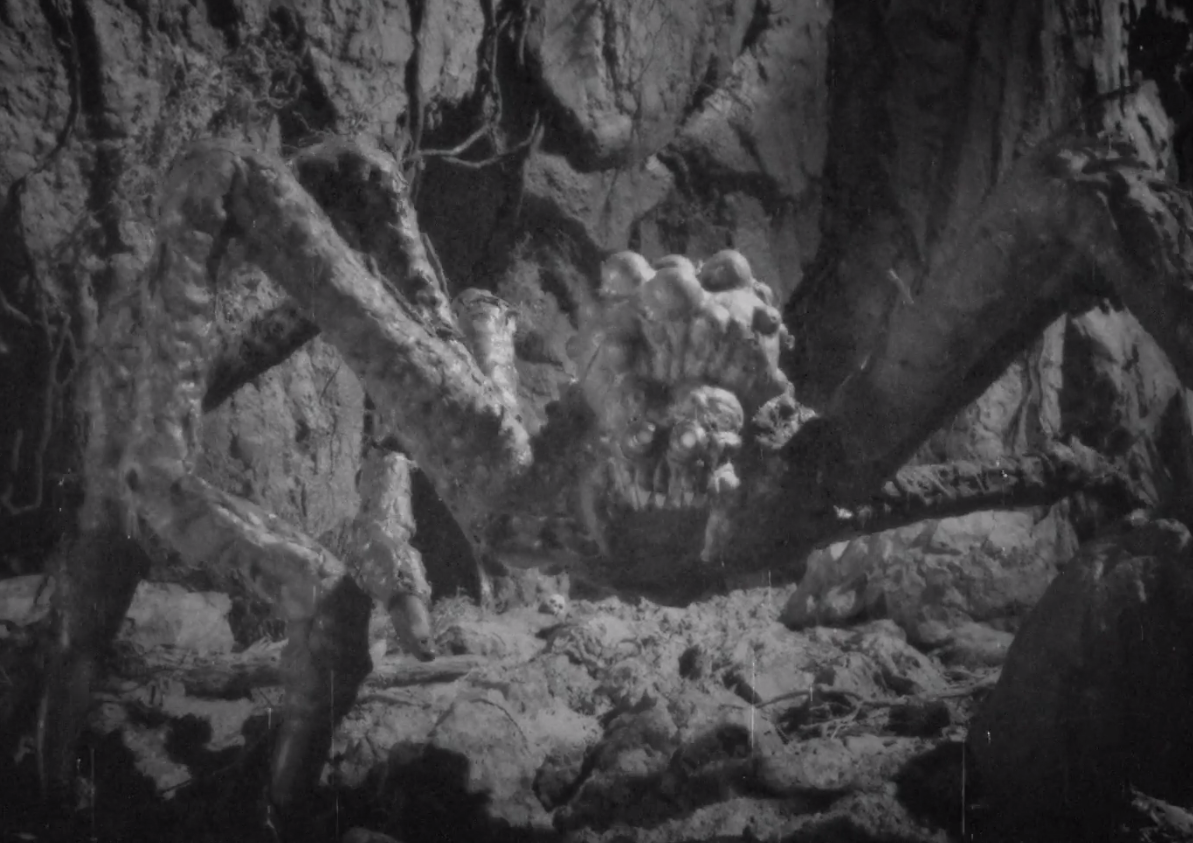 |
King Kong (1932), "The Lost Spider Pit Sequence" (2005) |
|
Octopus-Insect |
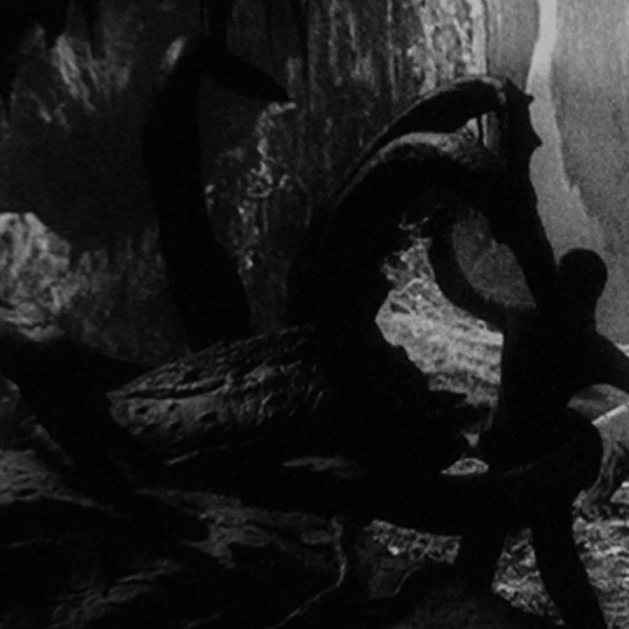 |
King Kong (1932), "The Lost Spider Pit Sequence" (2005) |
|
Crab creature |
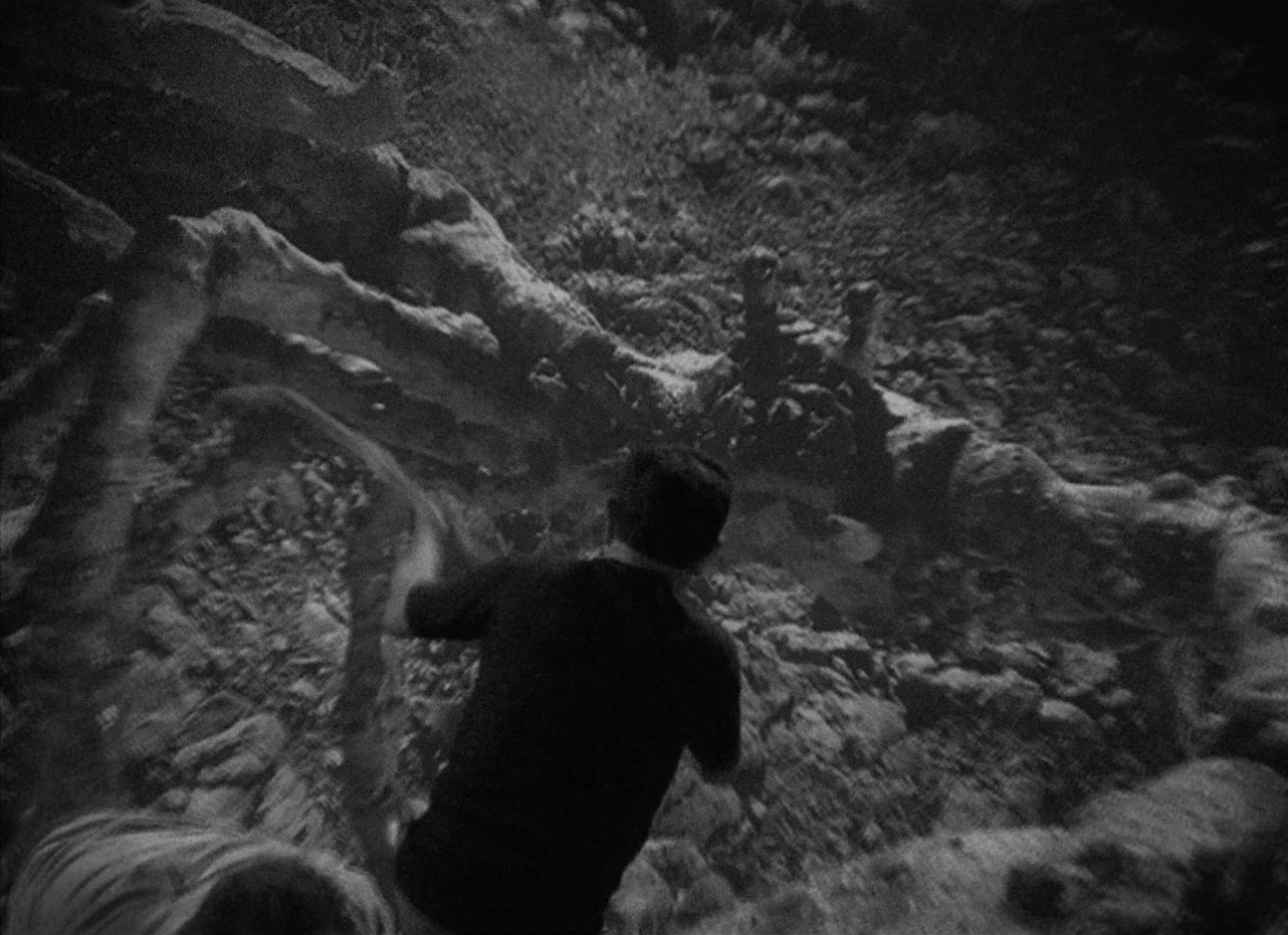 |
"The Lost Spider Pit Sequence" (2005) | A creature somewhere between a crab and a spider was intended to appear in the original film, but the sequence in which they appeared was cut and has since been lost to time. However, one appeared in Peter Jackson's recreation of the scene, in which it attacked and ate one of the crew members of the Venture. |
Universal
| Name | Image | Appearance(s) | Description |
|---|---|---|---|
Skull Island Termites |
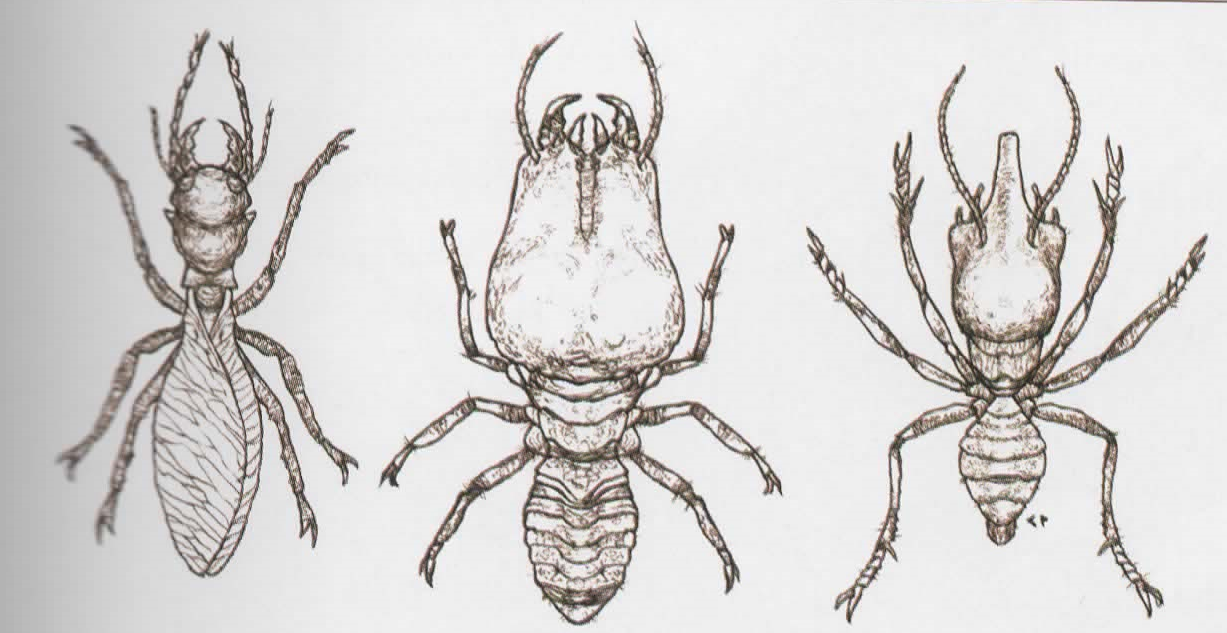 |
The World of Kong | The Skull Island Termites were divided into three castes. The winged caste left the mound to breed, and the two soldier castes protected it. The spade-shaped variety had powerful jaws, and the narrow-headed variety could spit noxious chemicals to ward away attackers. The termites were known to make enormous termite mounds that could rival the island's dinosaurs in size. Some dinosaurs like Ferrucutus used the termites to combat dermal parasites by brushing up on the mounds and allowing the termites to kill anything unwelcome, while its own hide kept the dinosaur from harm.[1] Their larvae were a favorite source of protein for Calcarisaurus.[2] |
Scissor-Beetle |
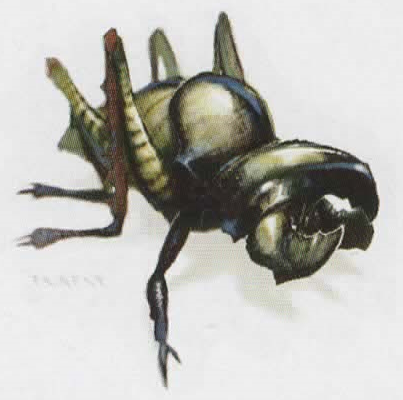 |
The World of Kong | Scissor-Beetles were blood-seeking flightless carrion-eating insects that used grasshopper-like legs to hop onto prey, where they used their blade-like mandibles to cut off chunks of meat.[3] |
Maggotfly |
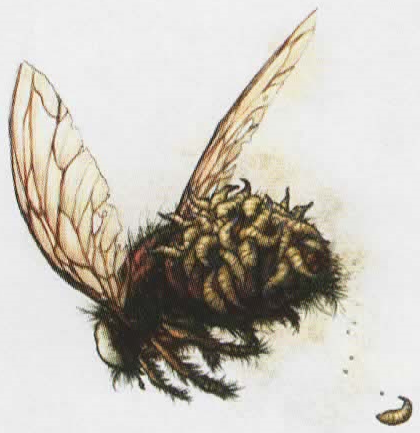 |
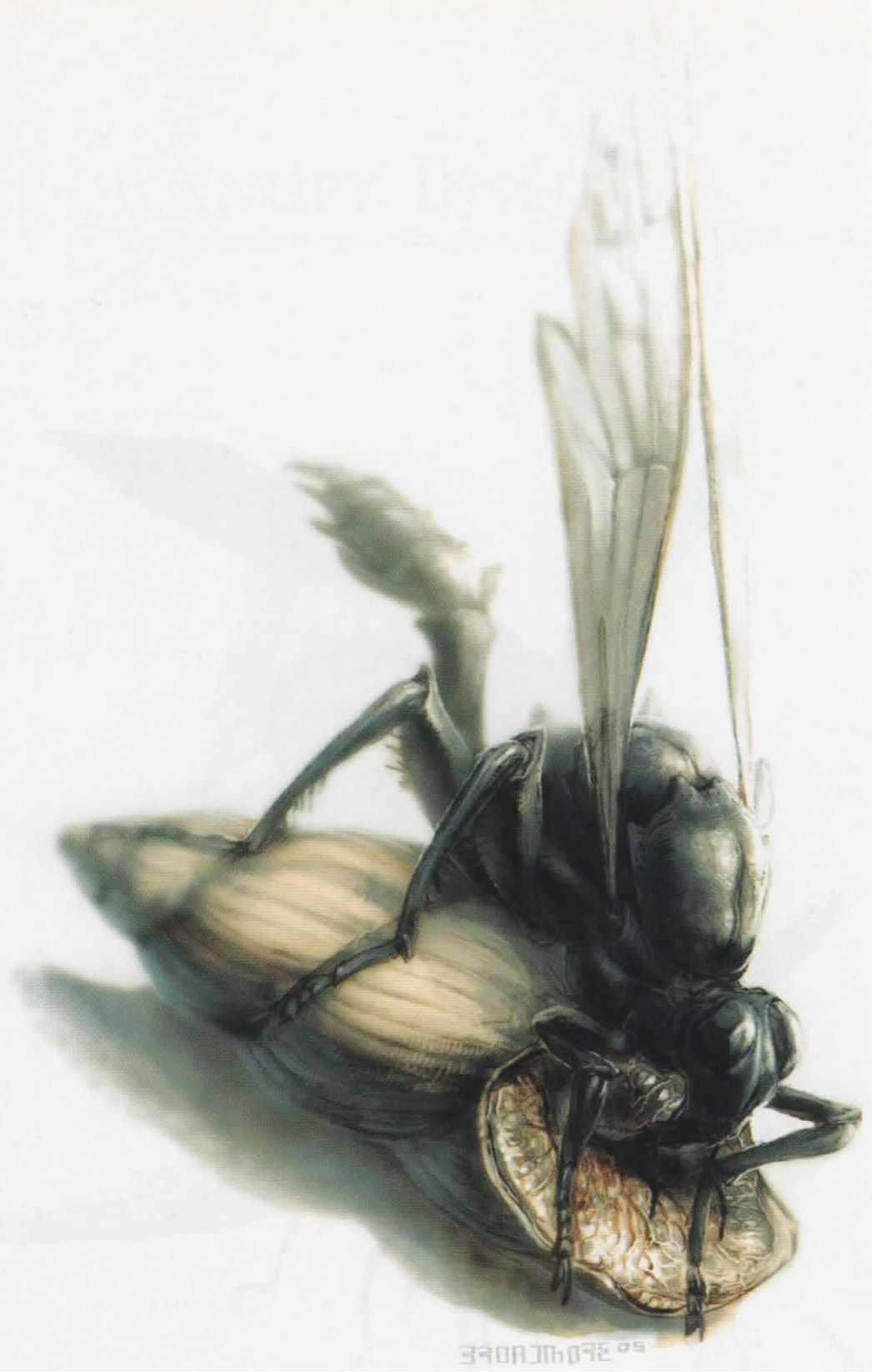
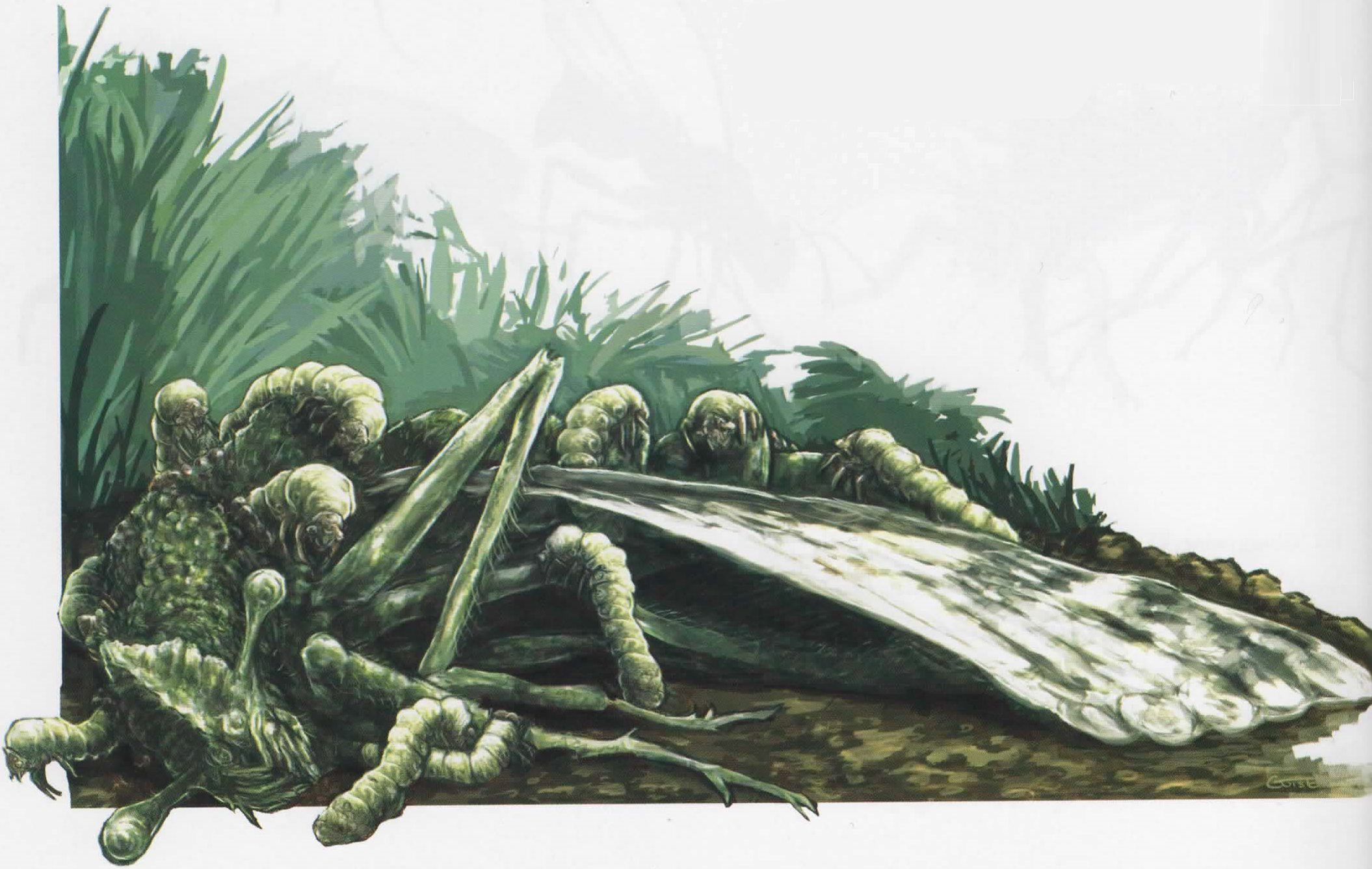
The World of Kong | Maggotflies were hairy, flying bugs that dropped their young on rotting carcasses, while feeding off the maggots left by other flies. If the adult Maggotfly was unable to deposit their young within the first few hours after their hatching, they would eat their parent, on which they rode.[3] |
Meat Weevil |
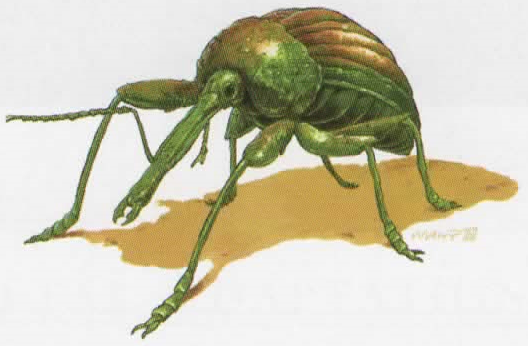 |
The World of Kong | Meat Weevils were a species that laid eggs in carcasses that were so resilient that they survived being eaten by carrion feeders that hatched and emerged from the respective animal's dung.[3] |
Carrion Centipede |
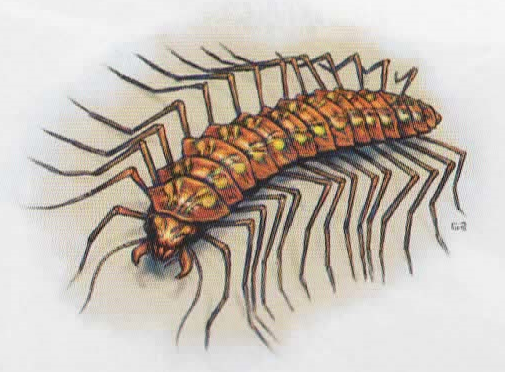 |
The World of Kong | Carrion Centipedes were carrion feeders that would remove meat from a carcass and bury it.[3] |
Ornate Carrion Beetle |
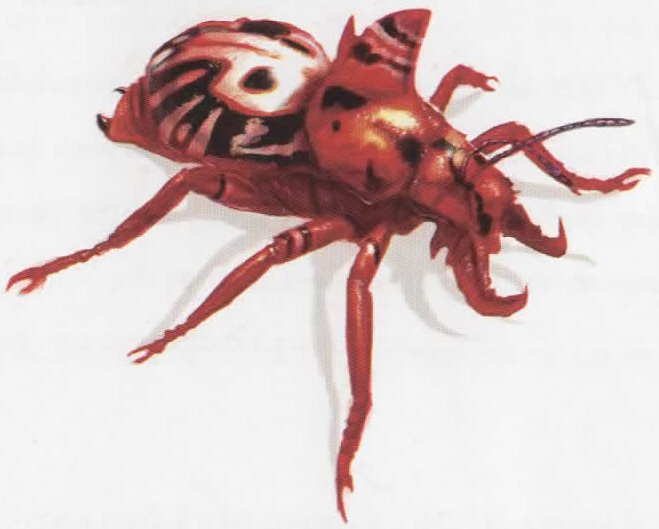 |
The World of Kong | Ornate Carrion Beetles, in order to stake their claims at the rare and highly demanded unattended kills of Skull Island, evolved to smell carrion from miles around, and emit noxious chemicals from their brightly colored shells to deter other carrion feeders. The swarms of beetles could then stake an exclusive claim to the carcass.[4] |
Nigracassida |
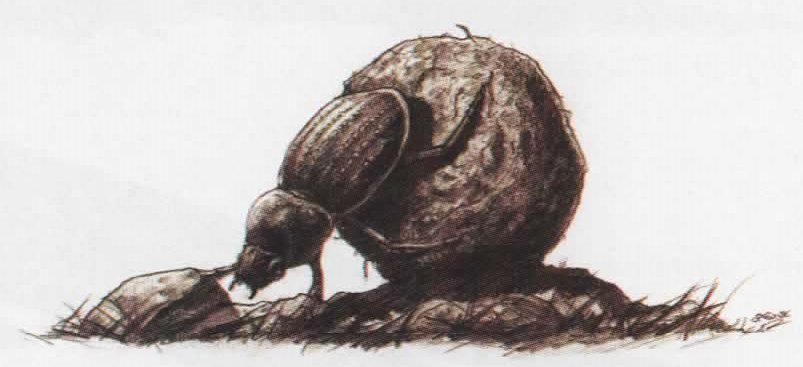 |
The World of Kong | Nigracassida dung beetles grew to three or four inches in length and specialized in harvesting the more than plentiful deposits of excrement on Skull Island and burying them for later consumption. They were preyed on by White Wedgeheads, a species of lizard that had evolved specifically to eat them.[5] |
Moonspider |
 |
• King Kong • The World of Kong |
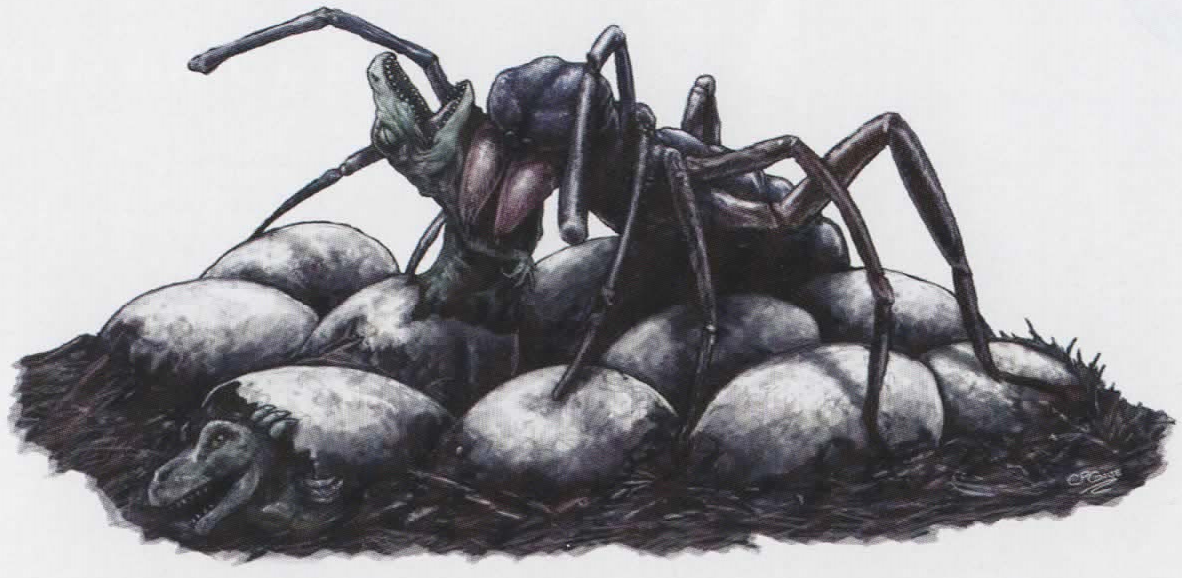
Moonspiders, a variety of the 10-legged Sunspiders, hunted at night to avoid being preyed upon by larger organisms. Their powerful jaws and paralytic venom made short work of the rodents, lizards, birds, and dinosaur chicks it fed on. Moonspiders adapted to pick up the scent of egg matter in the night, cluing the Moonspider in that a nest was hatching. The Moonspider then located the nest and would eat the dinosaur hatchlings.[6]
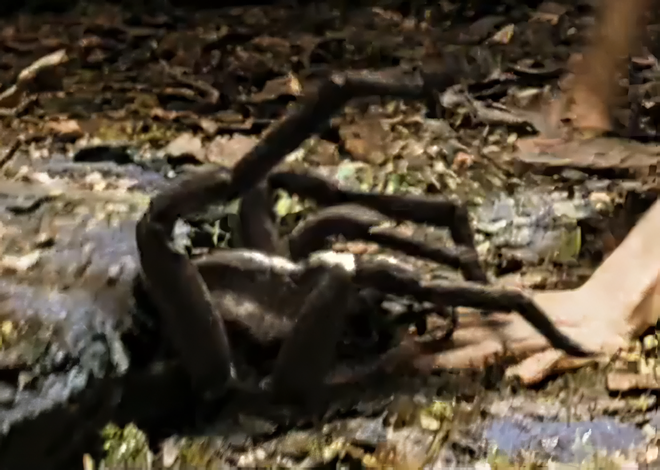
When Ann Darrow tried to escape from King Kong, the large spider-like animal, possibly the Moonspider, hiding under a flagstone began to move its limbs threateningly in front of her face. In an undated script of the film, only creepy insects are described in this scene.[7]
|
Estrivermus |
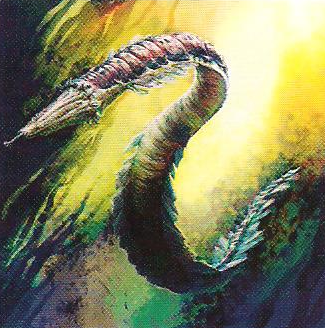 |
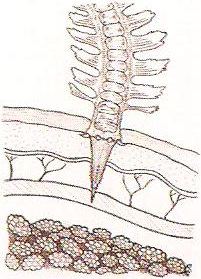
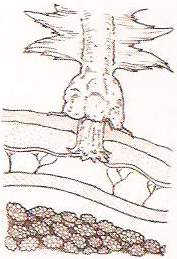
The World of Kong | Estrivermis were swamp-dwelling 15- to 20-inch parasites that used their sharp, pointed mouths to burrow into blood vessels and attach themselves. The Estrivermis would then attach themselves and feed from the blood vessel for the rest of its life, with its tail still hanging outside, spewing excrement and eggs into the swamp waters.[8]
|
Profanus |
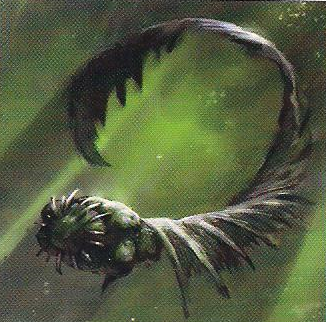 |
The World of Kong | Profanus were 20- to 30-inch-long free-swimming tapeworms that burrowed through the skin of their prey to expose the flesh and deposit their eggs into the wound. The Profanus larvae then hatched and lived in the wound until they swam away to breed.[8]
|
Contereobestiolla |
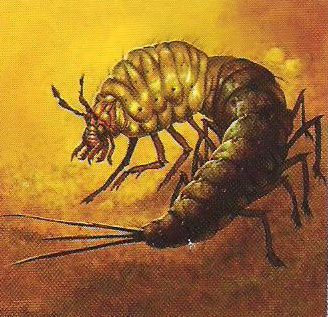 |
The World of Kong | Contereobestiolla lived as larvae in still freshwater until they were ingested by a fish. They then attached themselves to the fish's insides, pupated and lived in the gut as fully grown one- to three-inch arthropods that fed on swallowed food, and slowly multiplied inside the fish until they took over its entire digestive system.[8] |
Nepalacus |
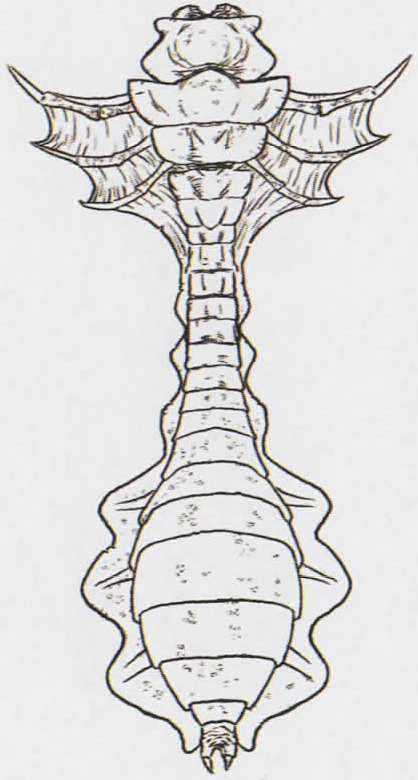 |
The World of Kong | Nepalacus were aquatic neopedes, Skull Island descendants of centipedes, that could grow to anywhere from eight to 16 inches in length. They had webbed legs, making them agile swimmers, and there were many species with varying ranges of leg lengths and webbing patterns.[9] |
Aspiscimex |
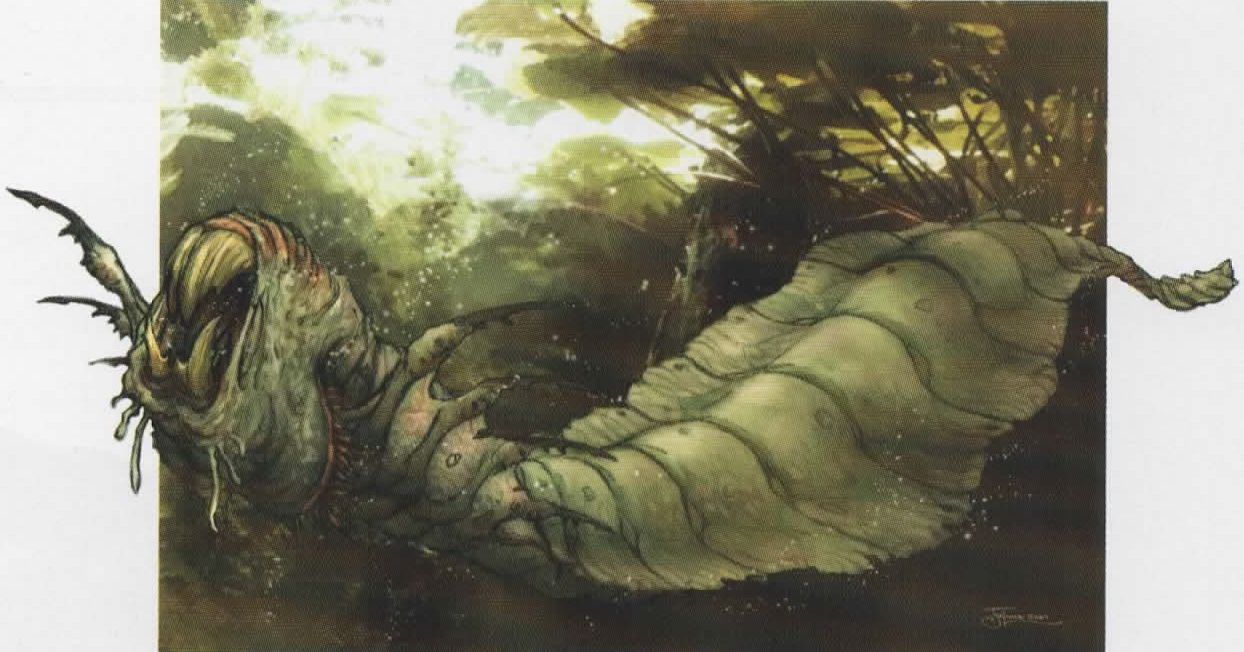 |
The World of Kong | Aspiscimex were predatory neopedes with soft, flexible bodies that lived in Skull Island's swampland. Their hind-most legs were replaced by a flat tail, and their jaws were sharp and powerful, allowing them to prey on small fish. They grew up to 18 to 23 inches in length.[10] |
Hydruscimex |
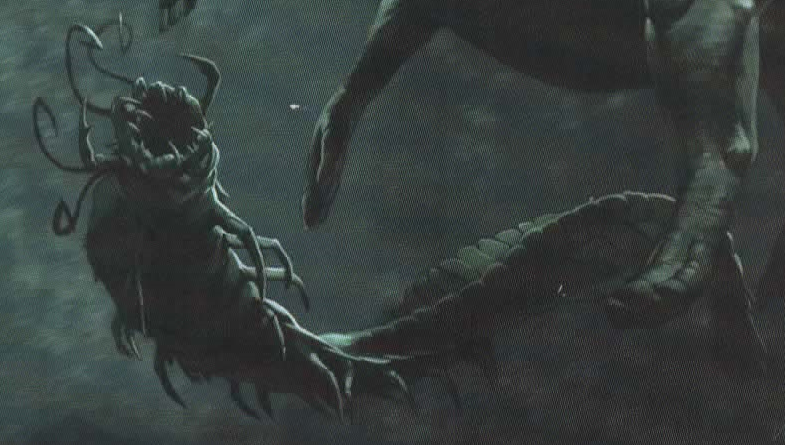 |
The World of Kong | Hydruscimex were the largest neopede at lengths ranging from nine to 12 feet. Its poison was not the most potent of the neopedes, but its size alone allowed it to inject lethal doses strong enough to down small dinosaurs.[10] |
Mortifillex |
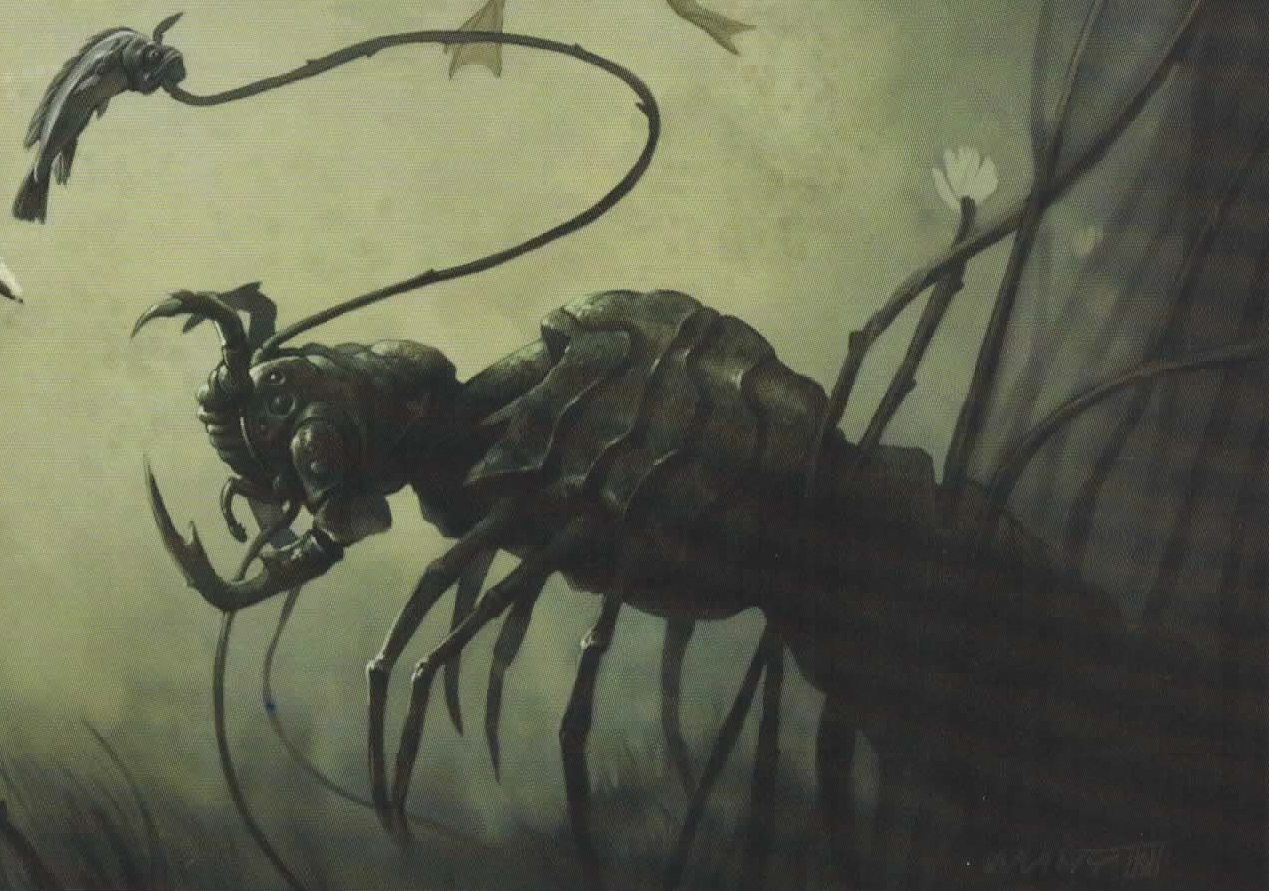 |
The World of Kong | Mortifillex were three- to four-foot-long aquatic bugs that used a hook-like lure to attract prey, and specially adapted mandible-like arms to inject nerve poison.[10] |
Scorpio-pede |
 |
• King Kong • The World of Kong |
|
Predatory Pond Skaters |
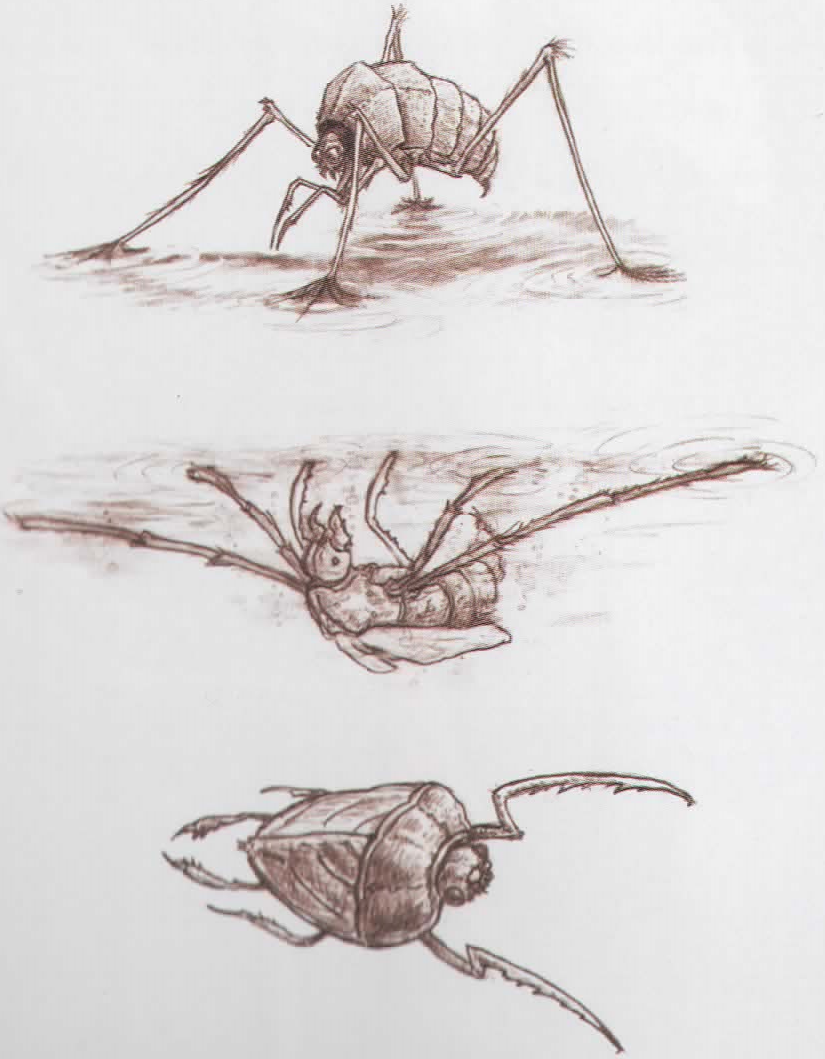 |
The World of Kong | Predatory Pond Skaters were insects that skimmed the surface of Skull Island's still waters that sucked fluid out of their unsuspecting victims after locating them by homing in on the ripples they created on the water's surface.[12] |
Mortaspis |
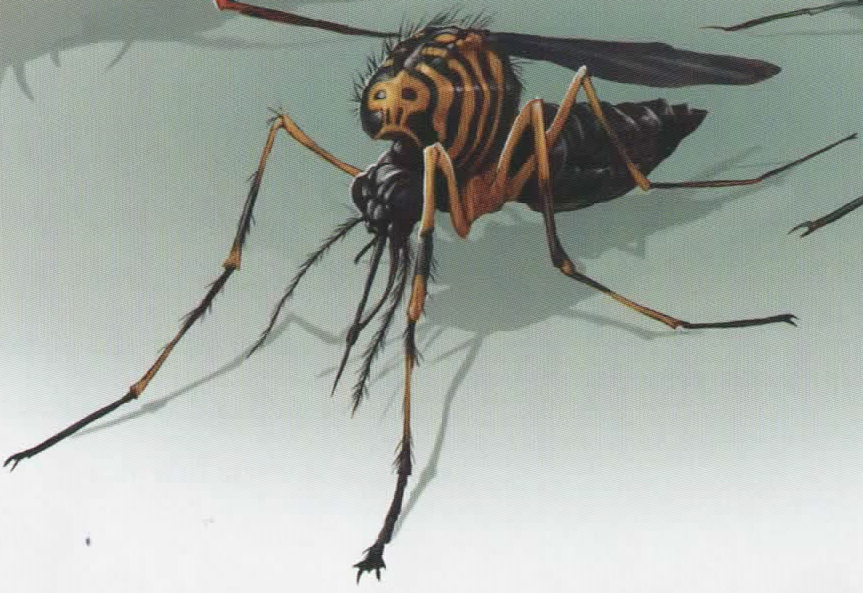 |
The World of Kong | Mortaspis were black and yellow relatives of the mosquito that sucked blood in Skull Island's swamps.[13] |
Spinaculex |
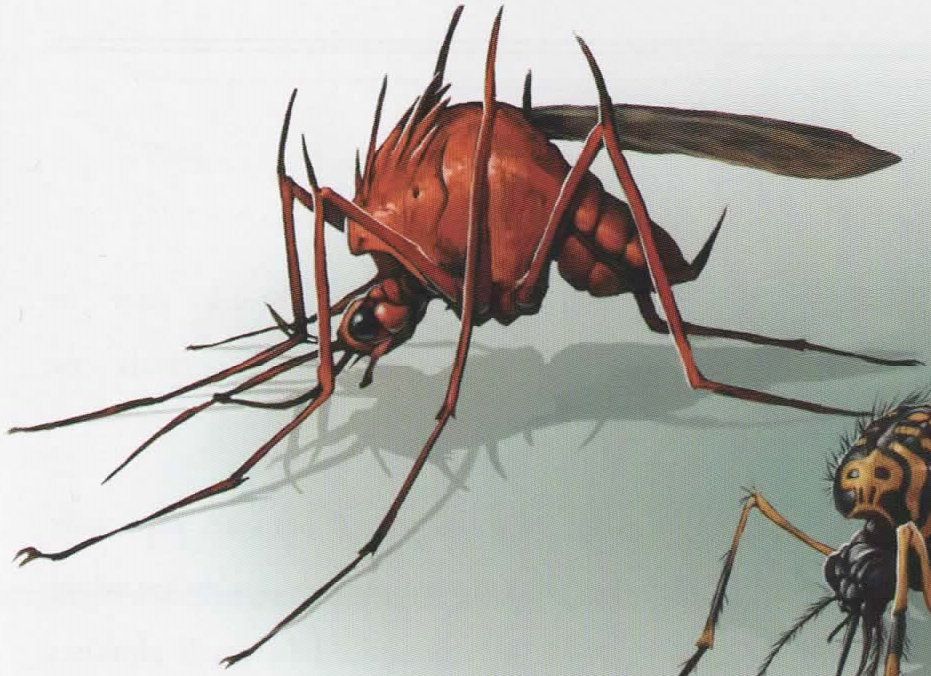 |
• The World of Kong • Journey to Skull Island |
Spinaculex were two-inch-long red spiny mosquitoes that had bulbous thoraxes that could expand to accommodate the blood they sucked. The constant drone of their wings was a constant annoyance to the young Ligocristus that lived in the swamps.[13] |
Gyas |
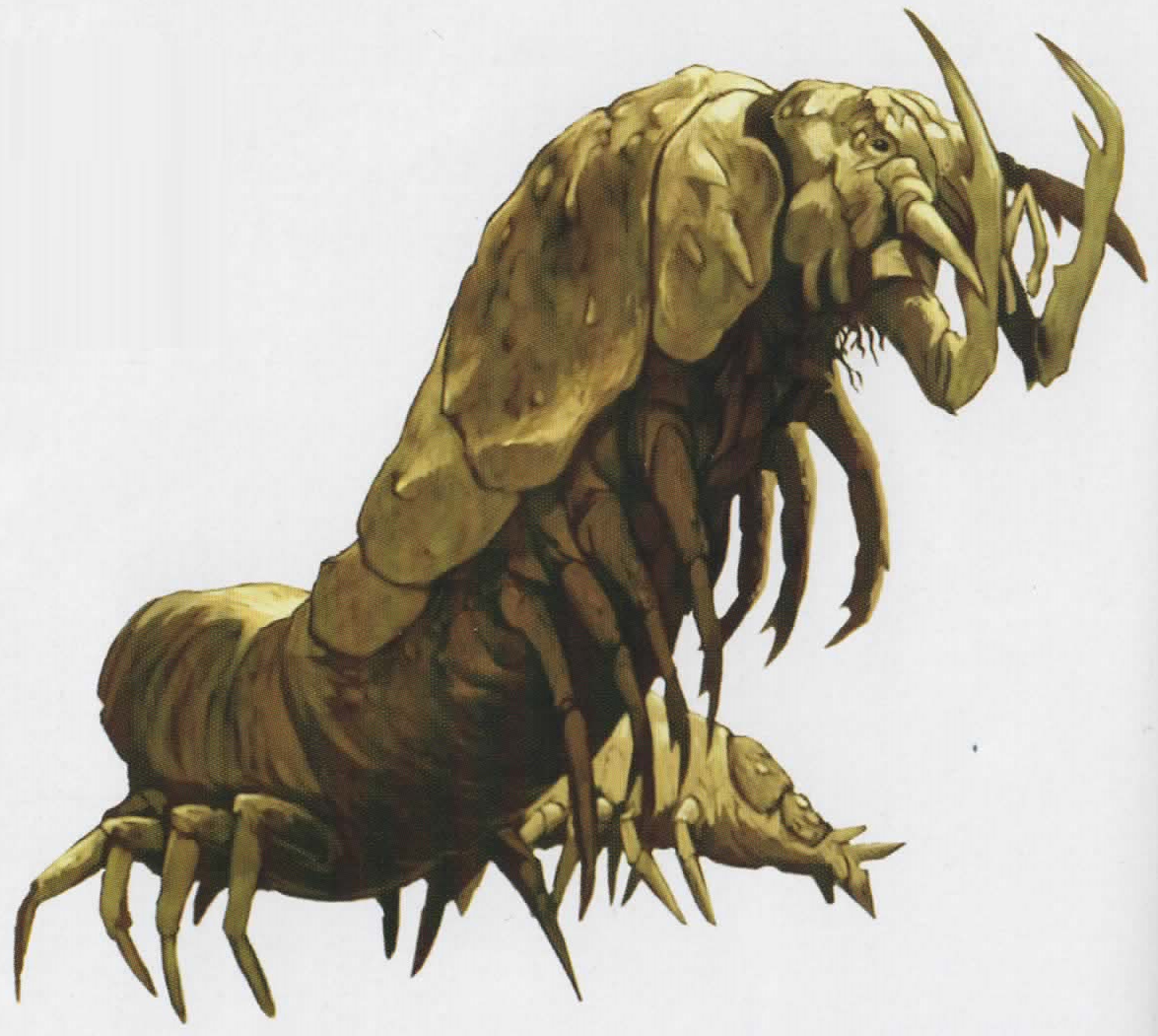 |
The World of Kong | Gyas were 20- to 30-inch-long centipedes that specialized in cracking eggshells from ground-nesting birds with their huge, scissor-like mandibles before drinking the escaping fluid.[14] |
Megapede horridus |
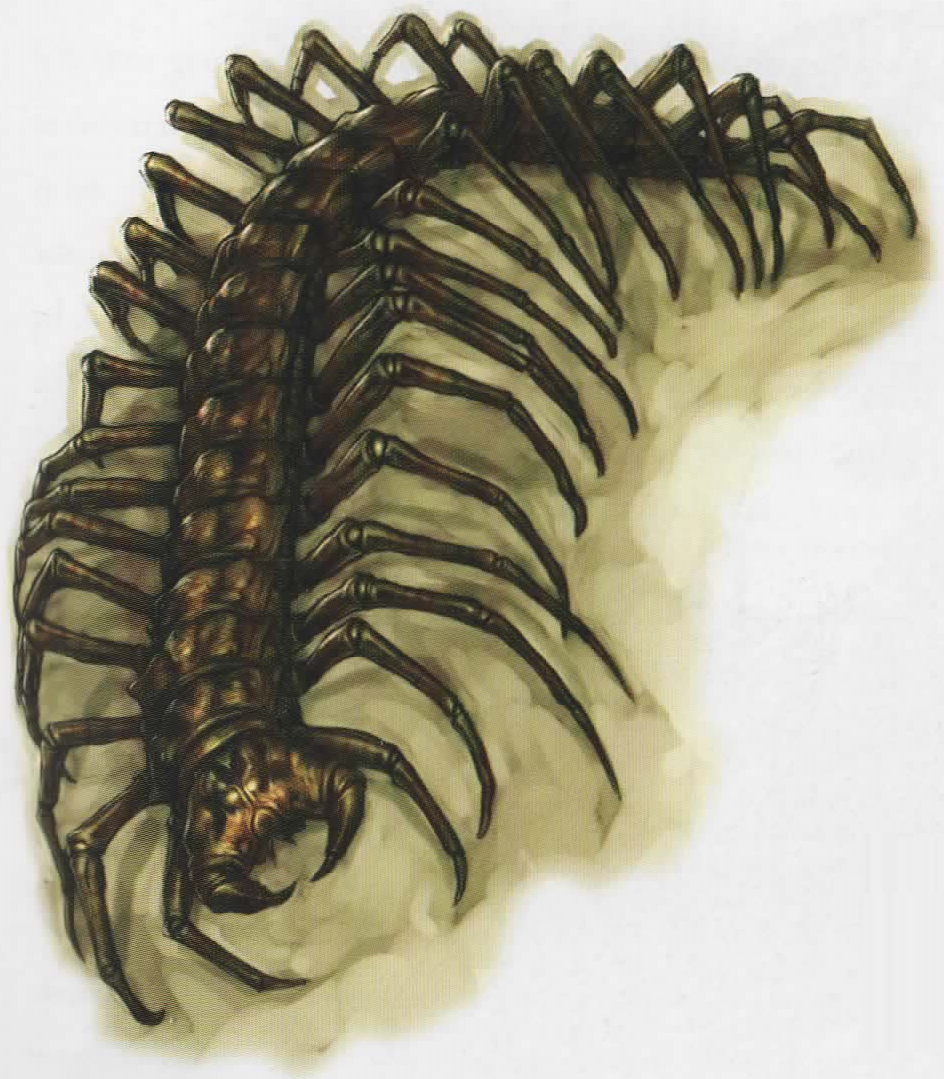 |
The World of Kong | Megapede horridus were three- to four-foot-long centipedes that used their strong legs to grab their prey from the jungle floors before injecting their venom.[14] |
Megapede dereponecis |
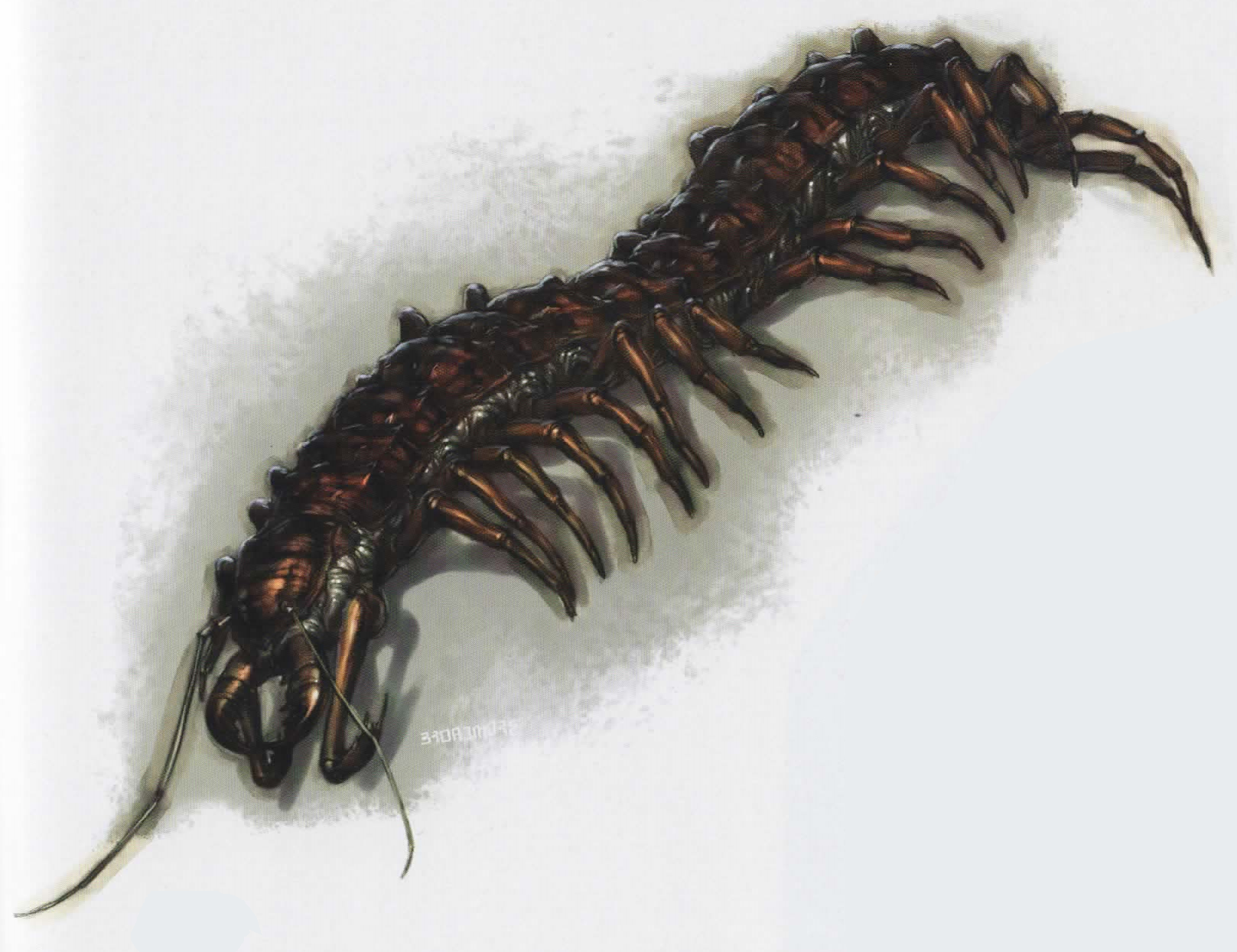 |
• King Kong • The World of Kong • Kong's Kingdom • Journey to Skull Island |
|
Megapede humus |
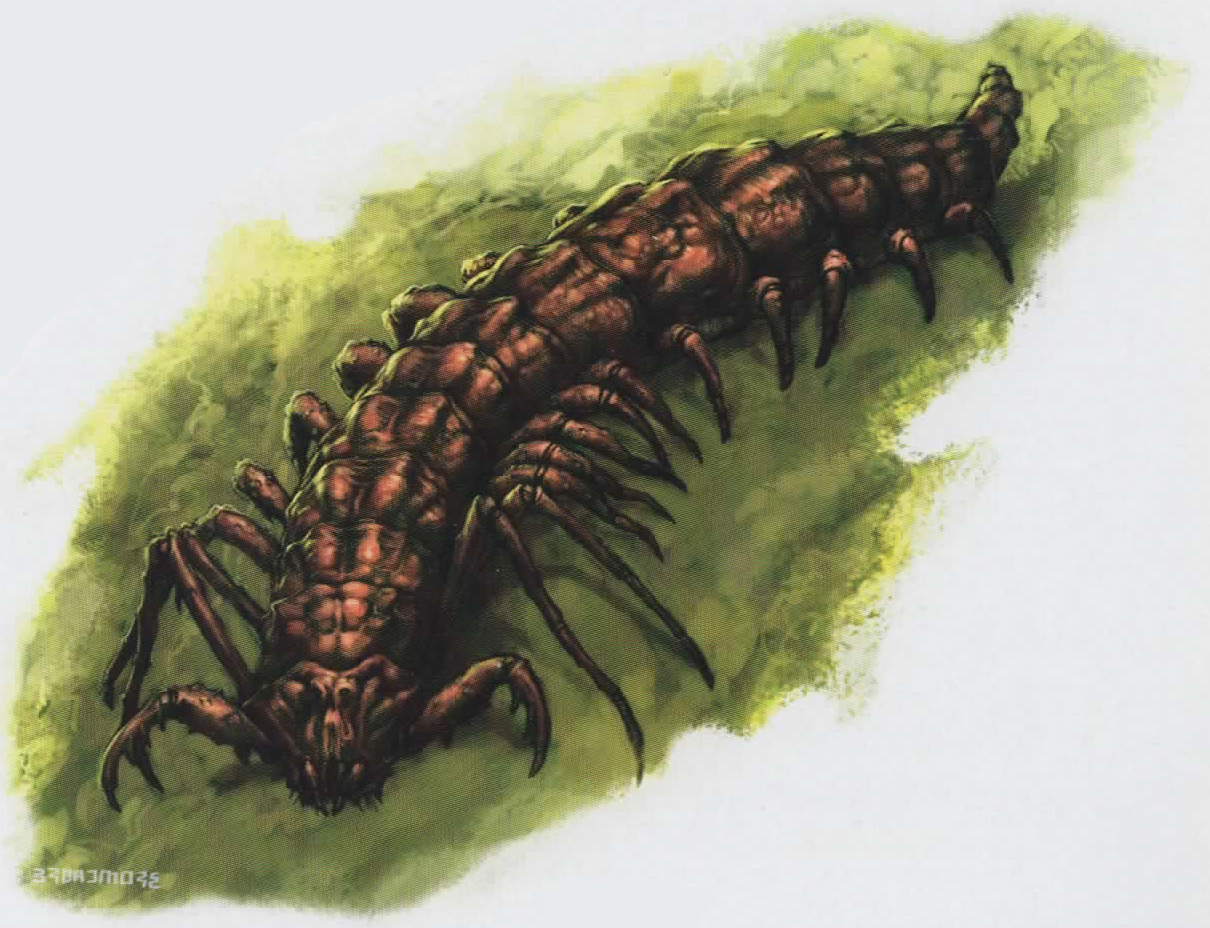 |
The World of Kong | Megapede humus were 26- to 40-inch-long centipedes that used their large sets of front legs to burrow underground and eat rats and other insects in their burrows.[14] |
Megapede impurus |
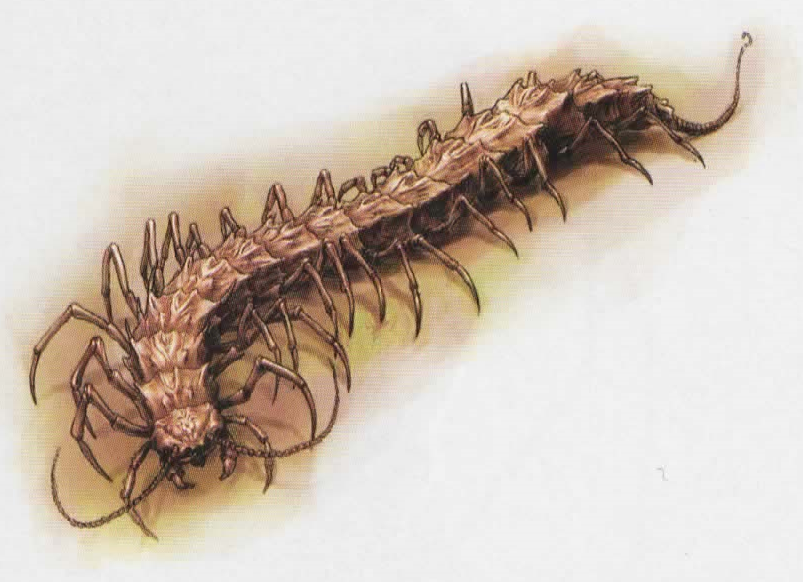 |
The World of Kong | Megapede impurus lived in the filth below Terapusmordax colonies. The nearly three-foot-long centipedes fed on infant Terapusmordax that fell from the ceiling, and would strike before they could crawl back up, assuming they had not died or sustained a horrible injury. |
Stickalithus |
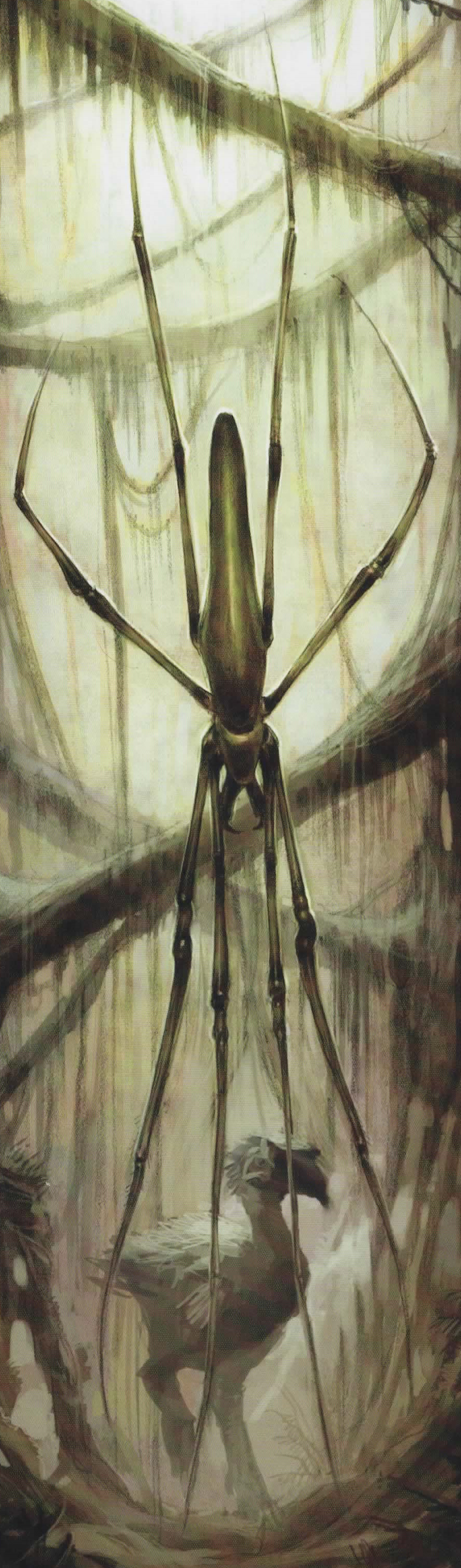 |
The World of Kong | Stickalithus were eight- to 12-foot-long spiders that ate human-sized carnivorous birds and dinosaurs. Being too large to spin an intricate web, Stickalithus instead used their silk to create a nursery for their young. To capture prey, they waited in the low branches and foliage to hide themselves and dropped down to drain their prey, whose empty husks littered the ground beneath their roosts.[15] |
Wicked Weaver |
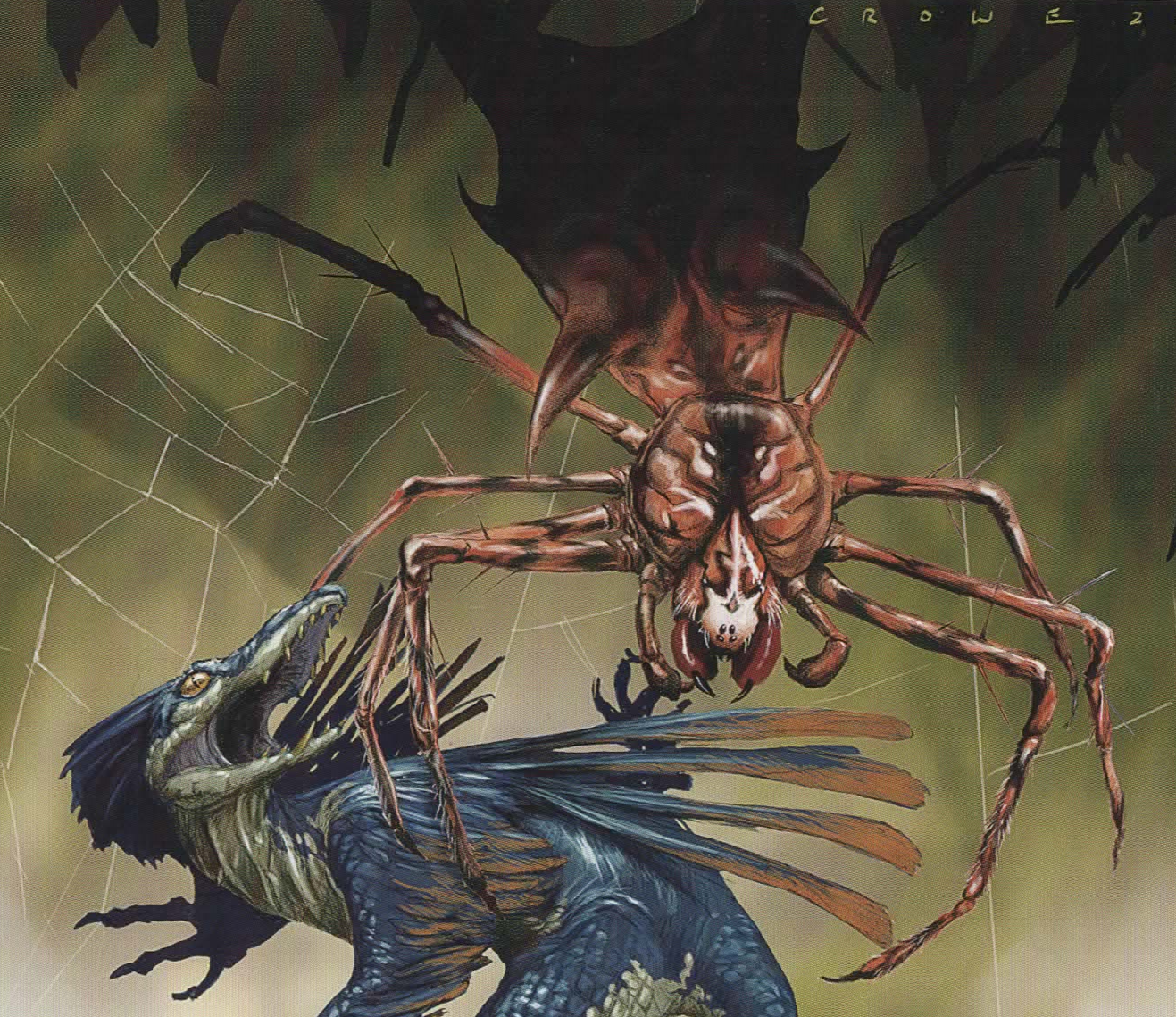 |
The World of Kong | Wicked Weavers were four- to six-inch-long spiders that spun thin webs to ensnare small birds, insects, and some flying lizards. While some prey was large enough to break free and fall to the jungle floor, the Wicked Weaver's venom quickly immobilized prey and minimized their chance of escape. |
Idolon illotus |
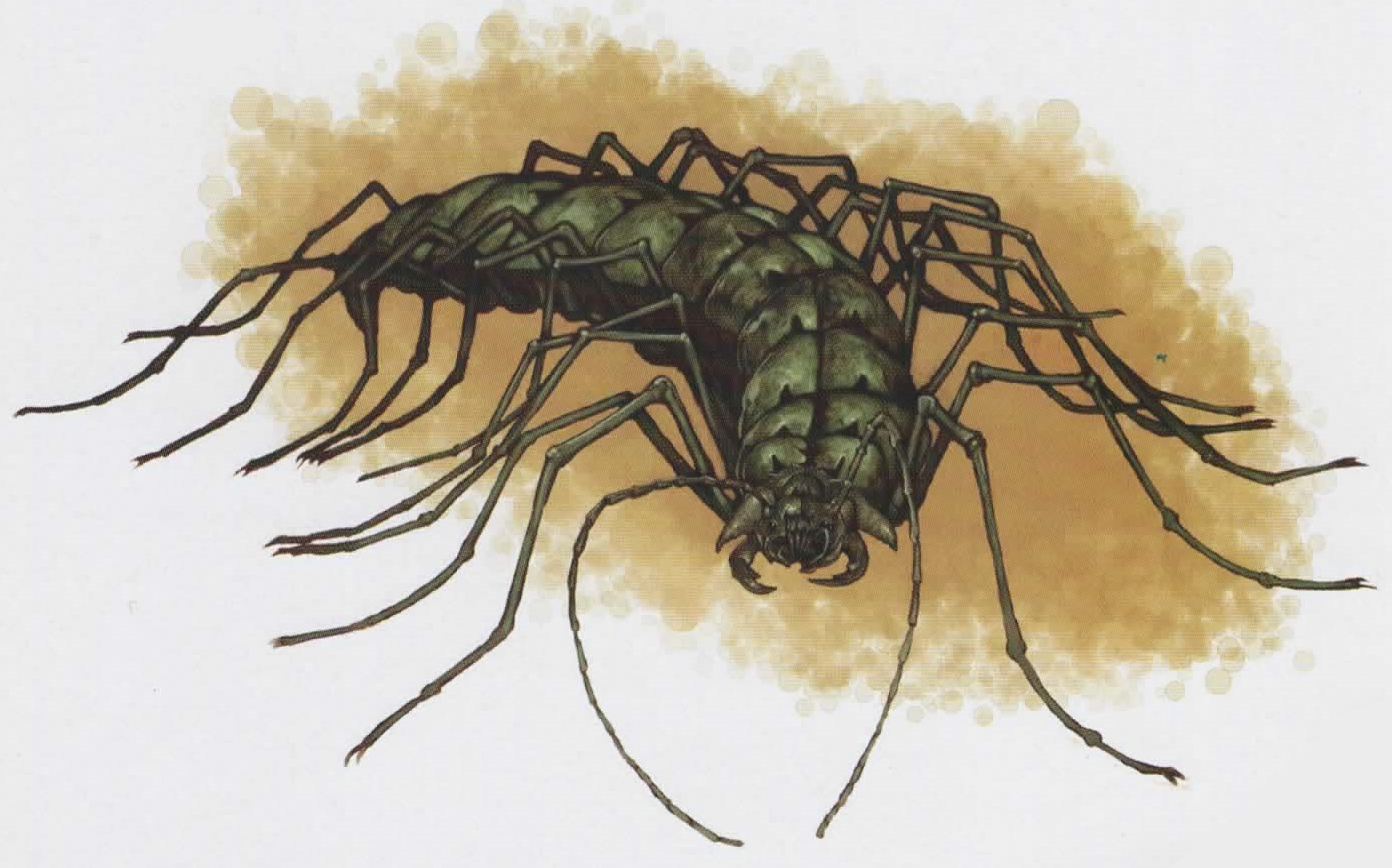 |
The World of Kong | Idolon illotus were slim and fast predatorial centipedes that lived in the jungle canopy and hunted for flizards. Its venom could kill prey within moments of a bite. They could grow to sizes ranging from 10 to 14 inches.[16] |
Idolon venefaucus |
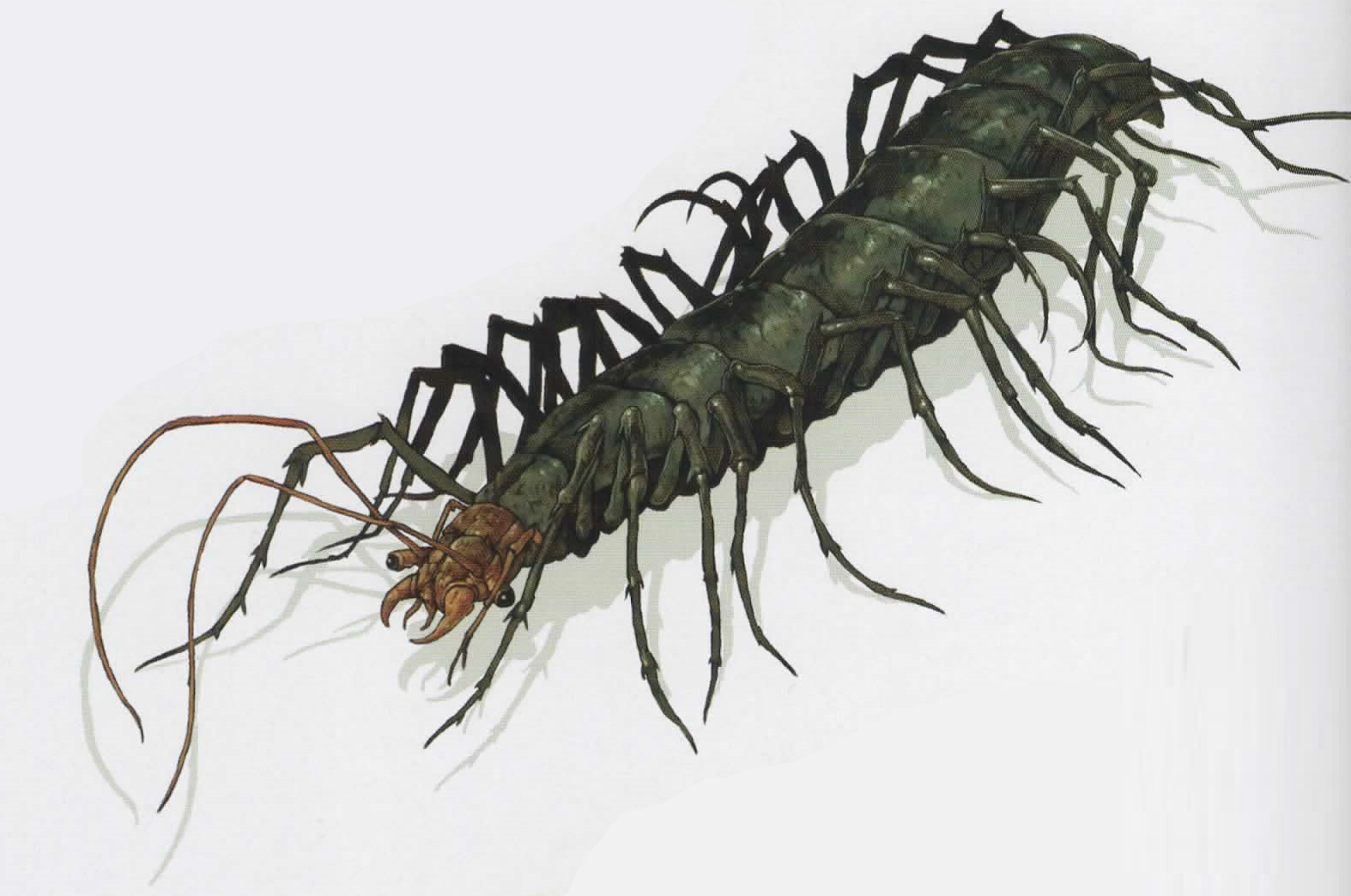 |
The World of Kong | Idolon venefaucus lived in the dense leaves and vines to ambush their prey. Their grey coloring served to camouflage their 20- to 24-inch-long bodies from predators and prey. Only the Skull Island Hornbill was immune to their particular venom and thus it was the only animal species that was able to eat them without harming itself or being killed. |
Omnimatercimex harpeforceps |
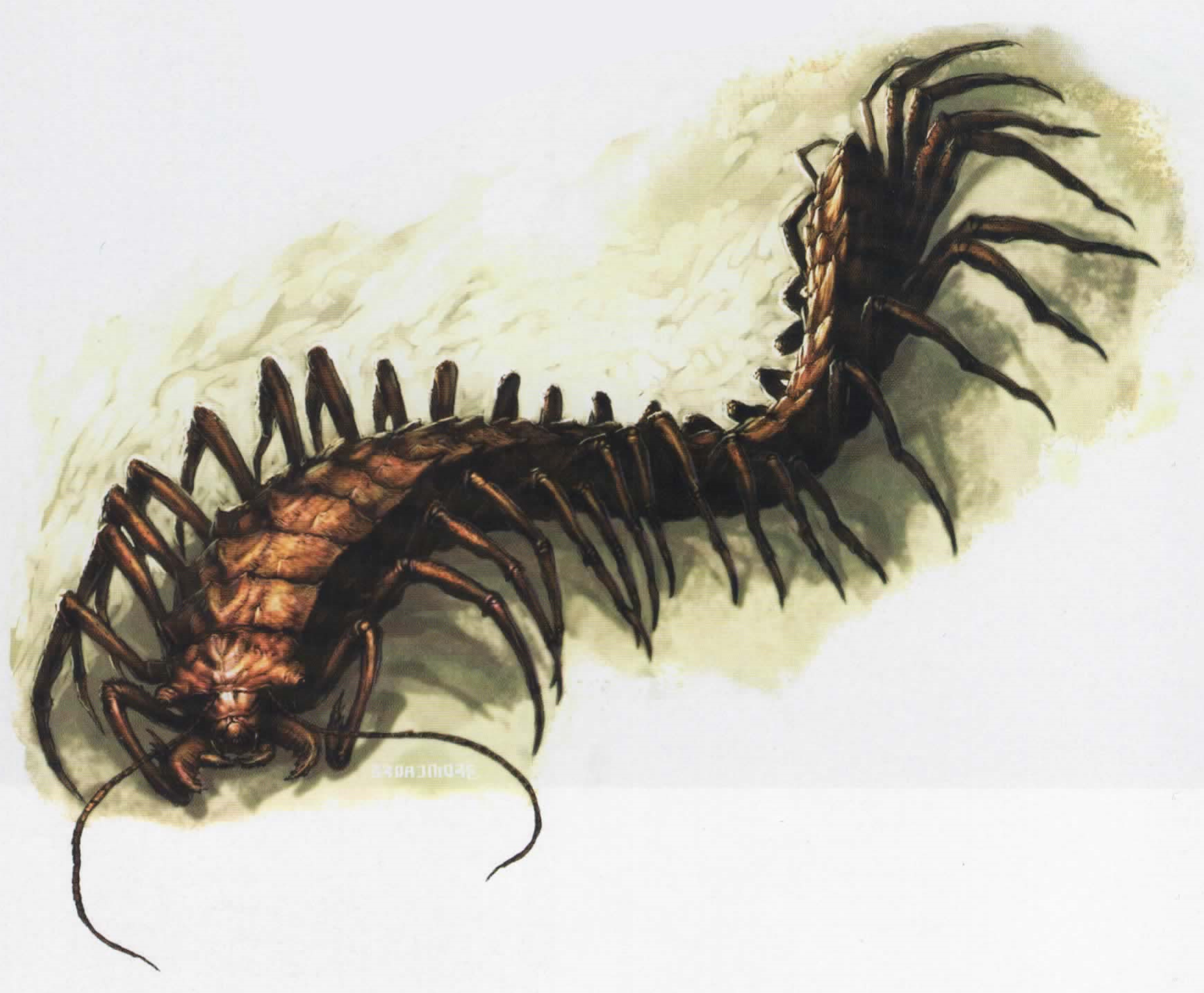 |
The World of Kong | Omnimatercimex harpeforceps, ranging from 30 to 35 inches in length, were the largest of the tree-dwelling Skull Island centipedes. They preyed primarily on baby birds and baby dinosaurs. They had the unique trait of eating a hole into their meal, and lining it with their scent to warn off carrion hunters and ate their meal whole from the inside out. Baby dinosaurs could feed an Omnimatercimex for weeks. |
Canopy Insects |
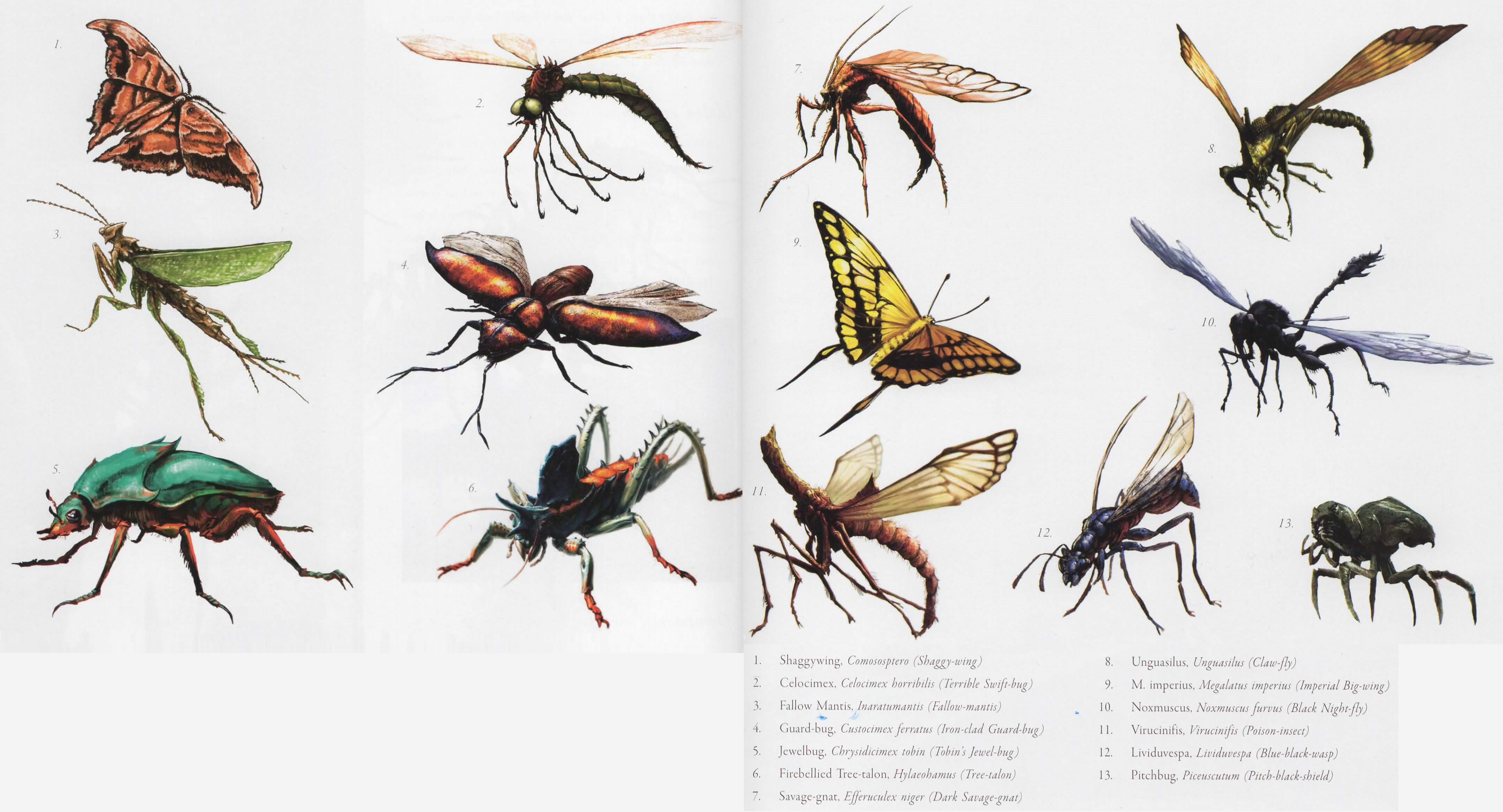 |
The World of Kong | The Canopy Insects of Skull Island lived in many different ways, ranging from colony dwellers to solitary insects that were as individually adapted as one might find in any other ecosystem; however, there is no data of most of their individual behaviors provided. |
Celocimex |
 |
• King Kong • The World of Kong |
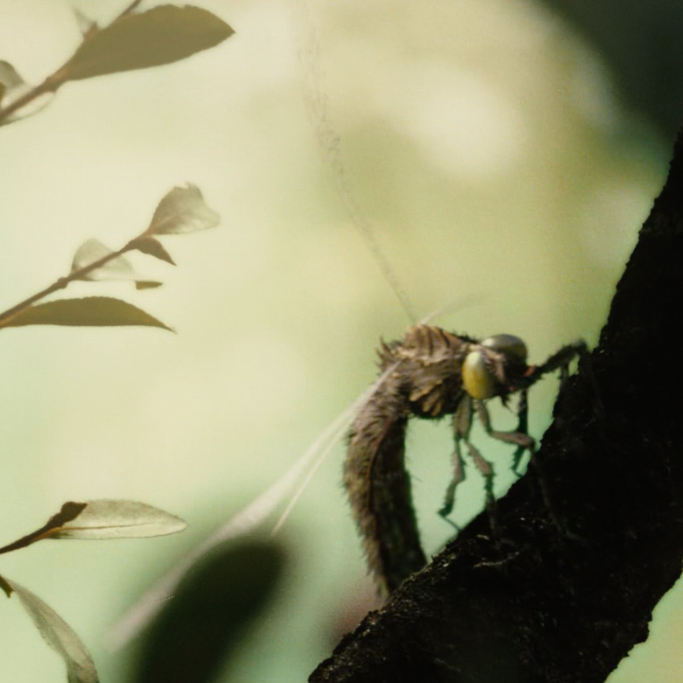
While the crew of the Venture were trekking through the Skull Island jungles, they were bothered by a swarm of Celocimex, which Lumpy blasted apart with his Tommy gun.
|
Noxmuscus |
 |
• King Kong • The World of Kong |
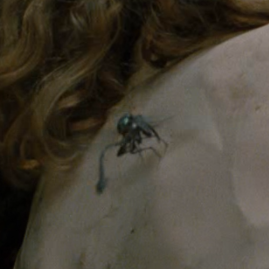
Noxmuscus were predators that chose to prey primarily on the Sap Snails of Skull Island, which fed, as their name suggests, on tree sap. The Noxmuscus had developed a strong, flat proboscis to pry the snails from trees and to allow them to drop to the jungle floor, where they would jab it into the soft flesh and drink the snail's insides.
While running away from Kong, Ann Darrow was stung on her shoulder by a Noxmuscus.
|
Unguasilus |
 |
• The World of Kong • Kong's Kingdom • Journey to Skull Island • Kong: The 8th Wonder of the World (Meredith books) |
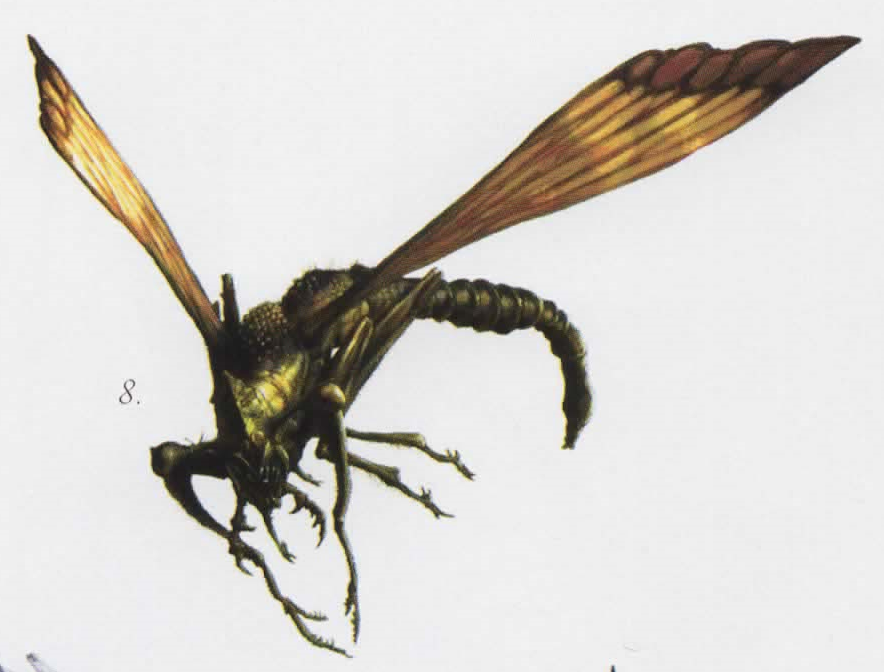
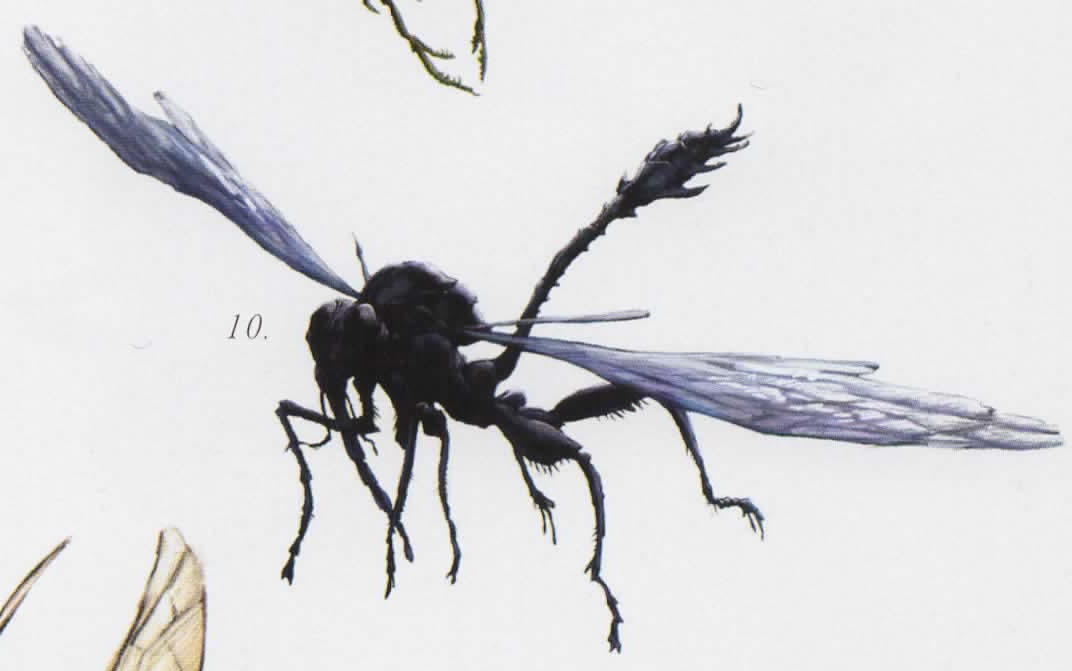
Unguasilus were bugs that sacrificed themselves for their young, a trait not commonly found in insects. Females laid parasitic eggs on their mate's thorax. The eggs then drained their father for nutrition through his porous exoskeleton. On hatching, the larvae slowly ate their father alive until they pupated in his dry husk and emerged as miniature versions of the fully grown wasps. Their likeness is used to represent all of the various Skull Island bugs in the electronic storybook based on the film.
|
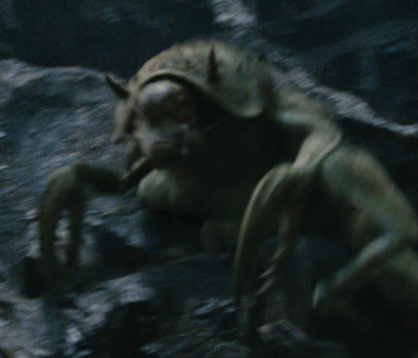
Decarnocimex |
 |
• King Kong • The World of Kong |
|
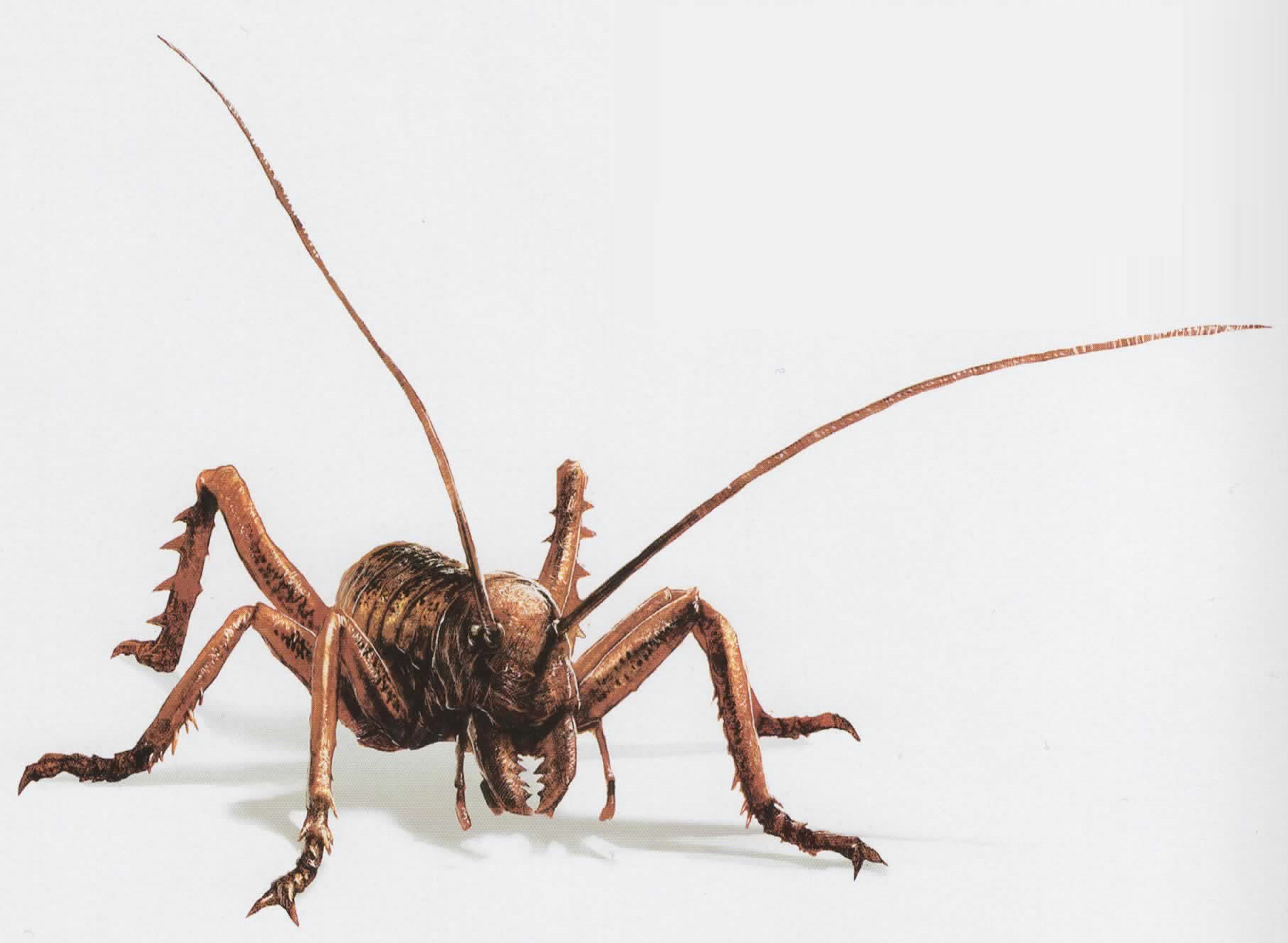
Weta-rex |
 |
• King Kong • The World of Kong |
|
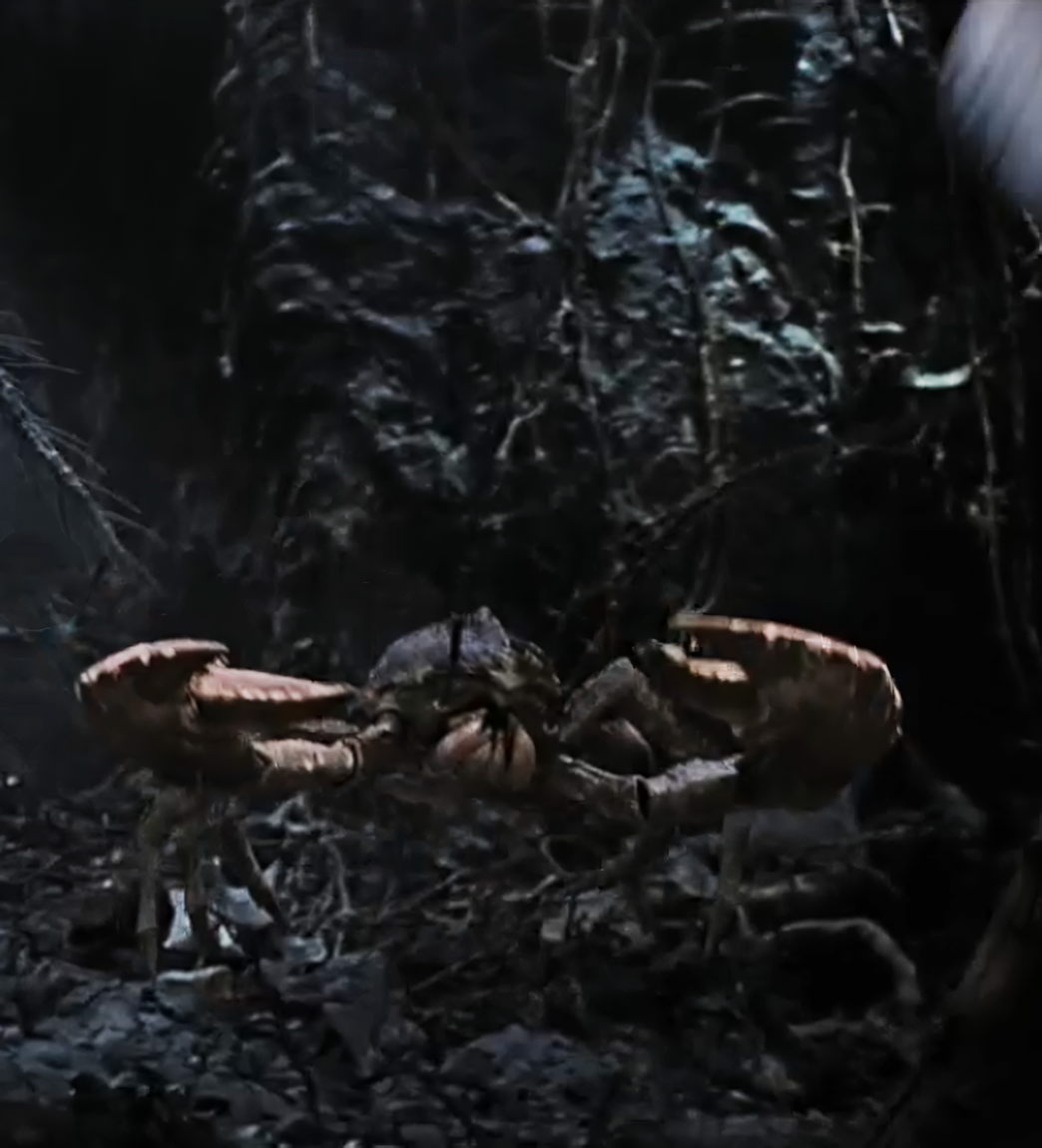
Deplector |
 |
• King Kong • The World of Kong |
|
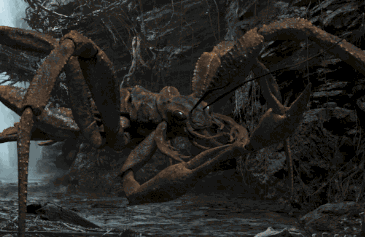
Arachno-claw |
 |
• King Kong • The World of Kong |
|
Unnamed spider |
 |
King Kong (novelization) | While hiding from predators in a hollow beneath a tree, Ann Darrow was approached by a spider with hairy legs that were at least two feet long. It had only just begun to feel around on her leg when she fled from the scene in terror.[17] Perhaps upset by the noise, several giant spiders, possibly of the same species encountered by Darrow, swarmed out of the cracks in the cliff walls as Bruce Baxter fired down at the bugs in the pit below to save the crew of the Venture.[18] |
Giant dragonfly |
|
• King Kong (novelization) • Peter Jackson's King Kong: The Official Game of the Movie |
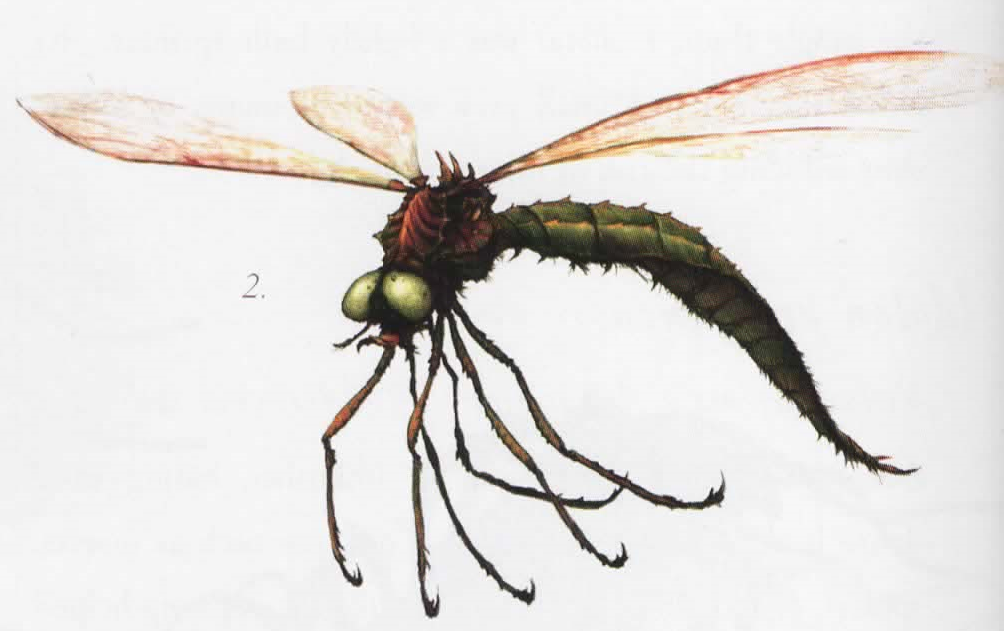
A type of gigantic dragonfly-like bugs with wasp-like thoraxes were present when the surviving members of the crew of the Venture were rescued by Bruce Baxter. Several of the dragonfly creatures were blasted apart during this operation.[19] In the video game, the corpses of giant dragonflies can be used to lure other creatures away from Jack if killed with a spear. Shooting them down will attract predators. |
Scarab beetle |
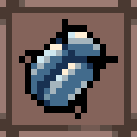 |
• Kong: The 8th Wonder of the World | The island was home to sizable scarab beetles whose shells could be found on the ground under various low bushes. Their shells could be combined with sulphur to create makeshift explosives comparable to a hand grenade. |
Monsterverse
| Name | Image | Appearance(s) | Description |
|---|---|---|---|
Mother Longlegs |
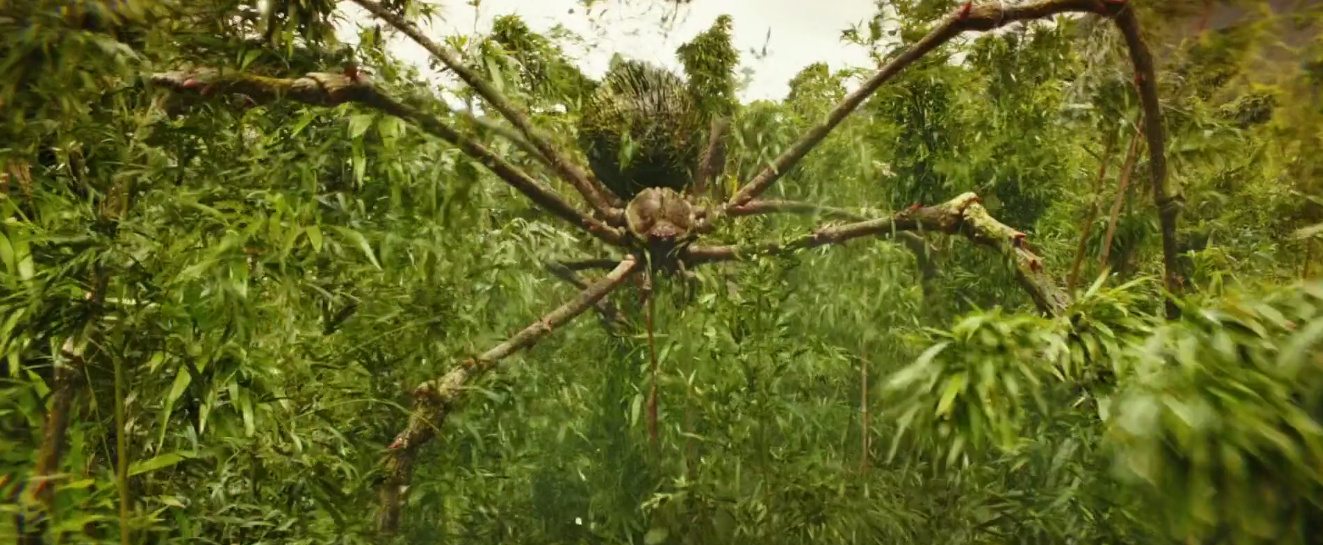 |
Kong: Skull Island, Skull Island: The Birth of Kong |
|
Spore Mantis |
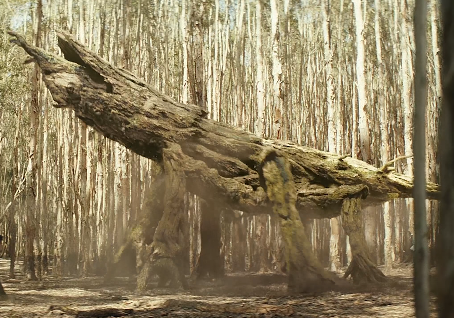 |
Kong: Skull Island |
|
Swamp Locust |
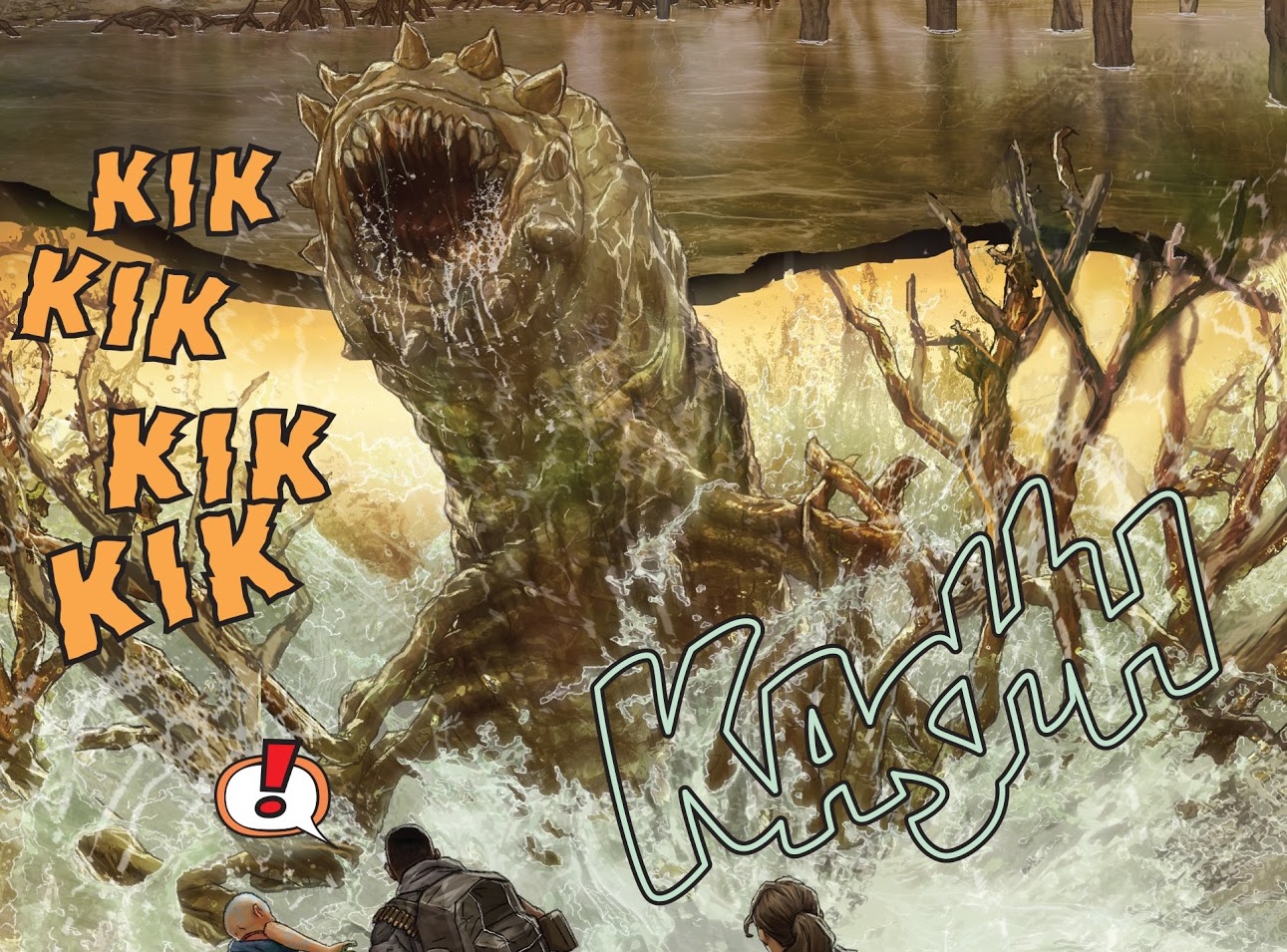 |
Skull Island: The Birth of Kong |
|
Snarehunter |
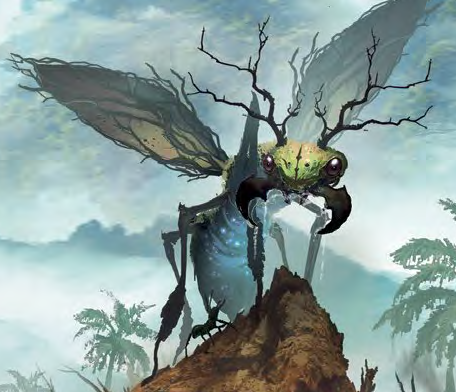 |
Kong: Skull Island, Kong: Skull Island Cinematic Adventure |
|
Giant wasp |
|
Kong: Skull Island - The Official Movie Novelization | During their expedition through the island, Conrad's party encountered a carnivorous plant with several dead animals inside its maw, including a wasp the size of Weaver’s hand. |
Vinestrangler |
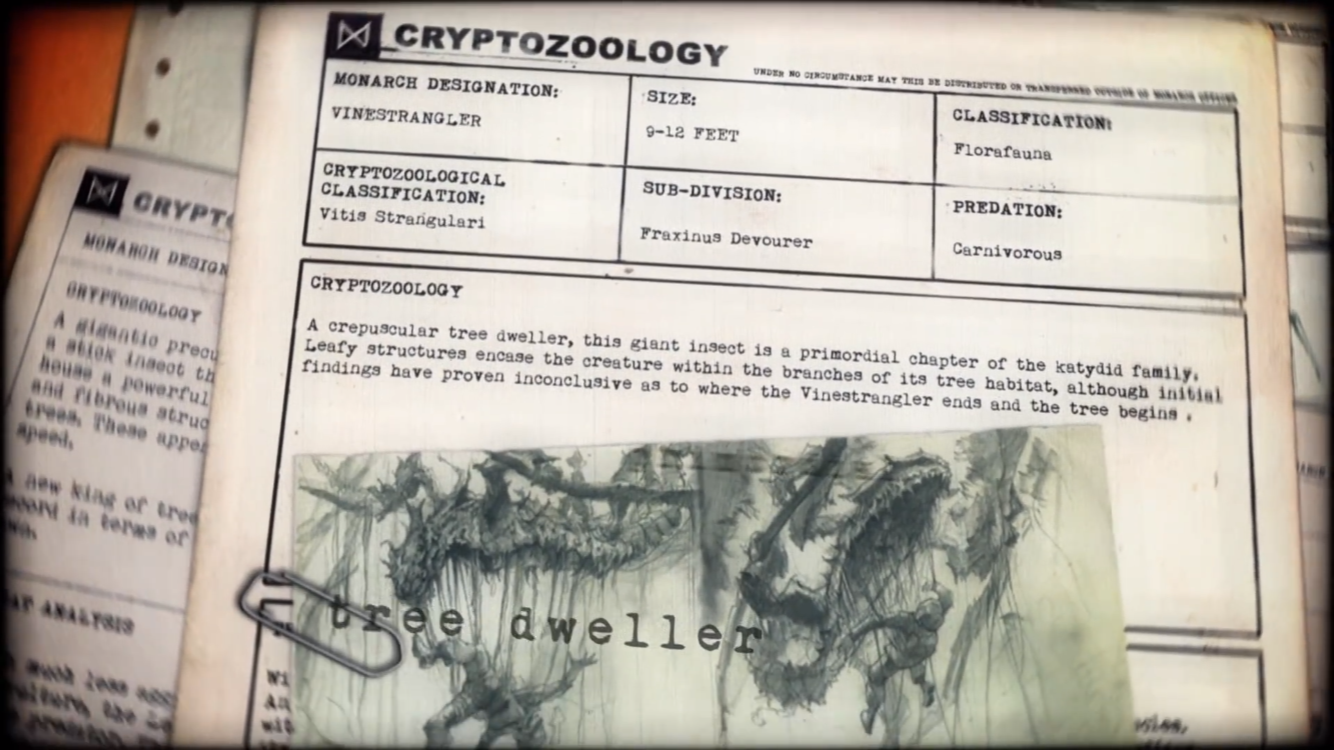 |
Kong: Skull Island bonus feature — "Monarch Files 2.0 (Companion Archive)" |
|
Trapdoor Crab |
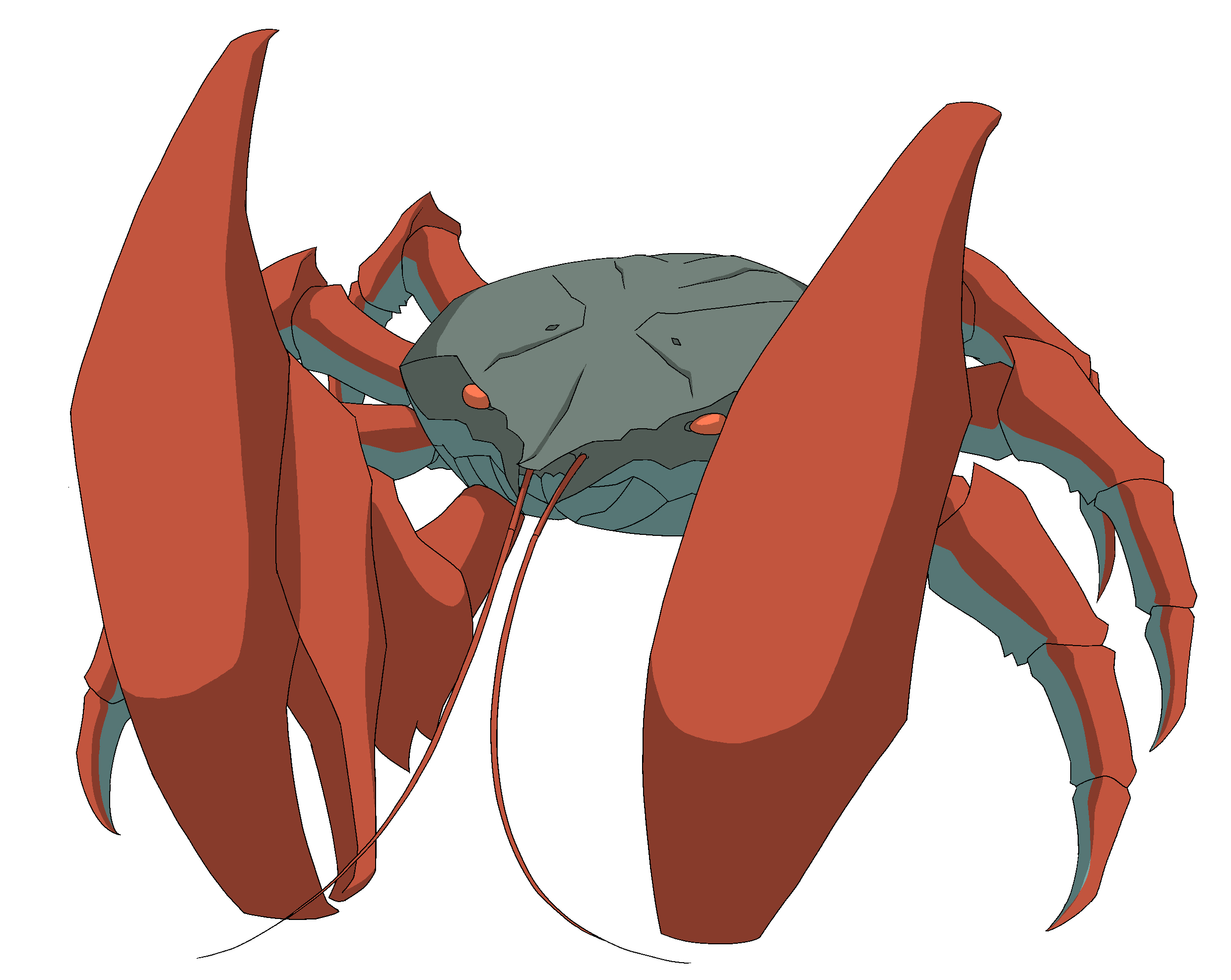 |
Skull Island |
|
Rock Bug |
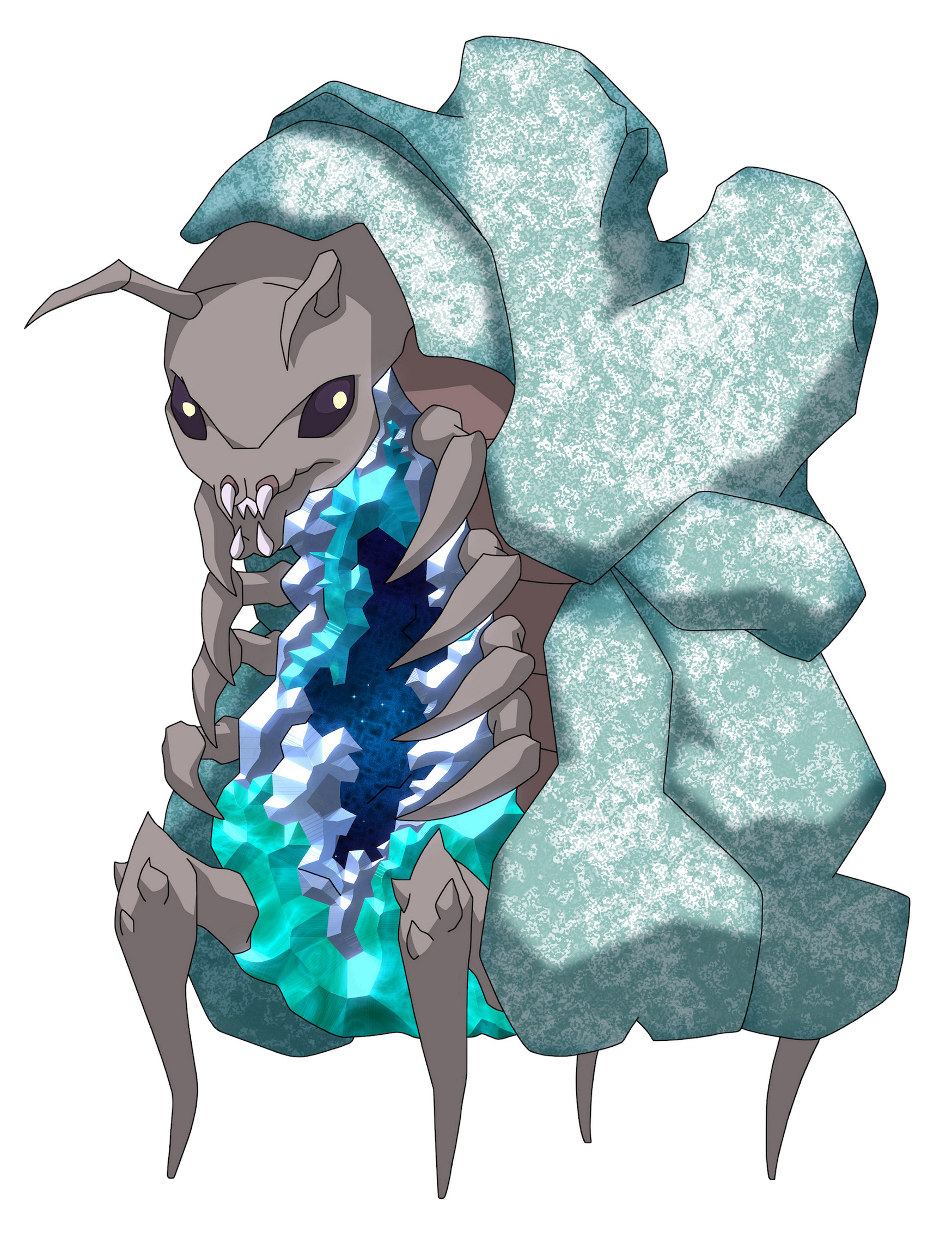 |
Skull Island |
|
Giant Ant |
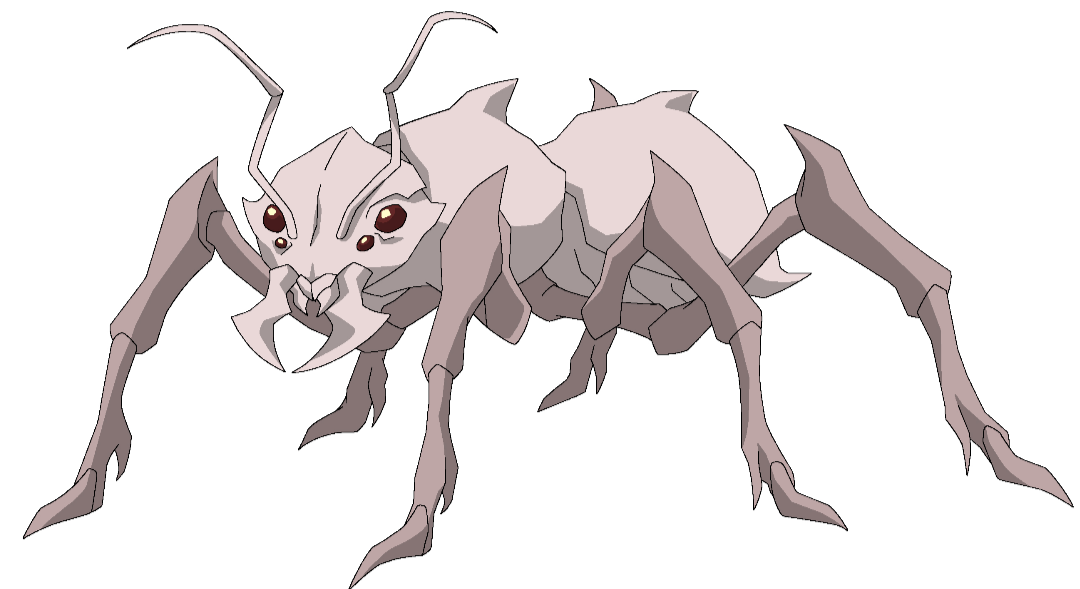 |
Skull Island |
|
Giant scorpion |
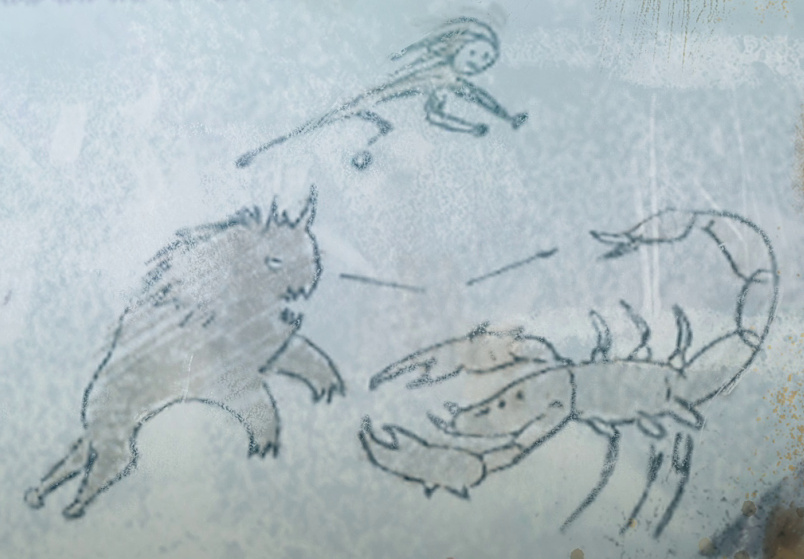 |
Skull Island | In "Terms of Endearment", Irene and her mercenaries discovered the art that Annie had carved on the hull of the beached ship that had stranded her on Annie's Island. One scene showed her and Dog fighting a giant scorpion.
|
Amberpede |
 |
Skull Island |
|
Mantleclaw |
 |
Monarch: Legacy of Monsters |
|
Skull Island grub |
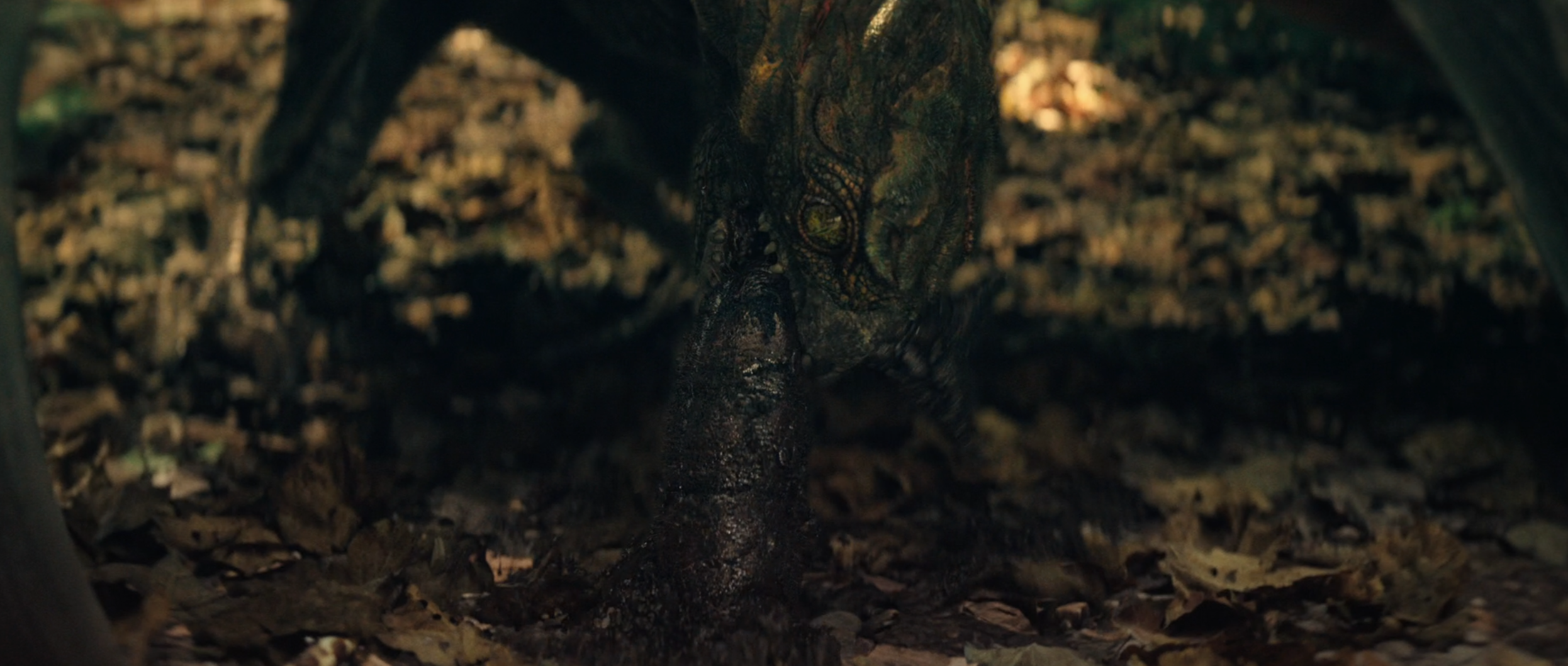 |
Monarch: Legacy of Monsters | In "Cause and Effect", a Psychovulture, oblivious to the humans hiding nearby, pulled a large grub out of the ground and ate it, then flew away. |
King Kong of Skull Island
| Name | Image | Appearance(s) | Description |
|---|---|---|---|
Giant spider |
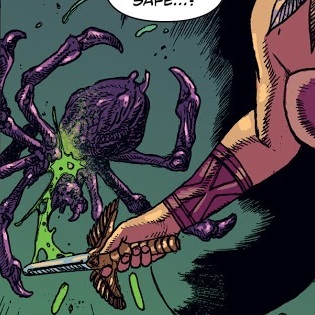 |
Kong of Skull Island (2016-17) | While confronting Ewata in the jungle, Queen Usana of the Tagatu was nearly attacked by a giant spider, which Ewata skewered before it could cause her harm. |
Unnamed giant centipede |
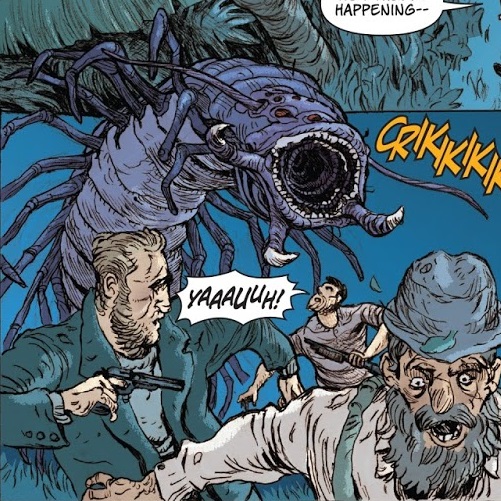 |
Kong: Gods of Skull Island (2017) | While Captain Cooper and his four remaining crewmen of the 1912 Conrad expedition to Skull Island was being chased through the jungle by Kong, a giant purple centipede with many red eyes leaped out of the jungle and ate one of the sailors. |
Giant worm |
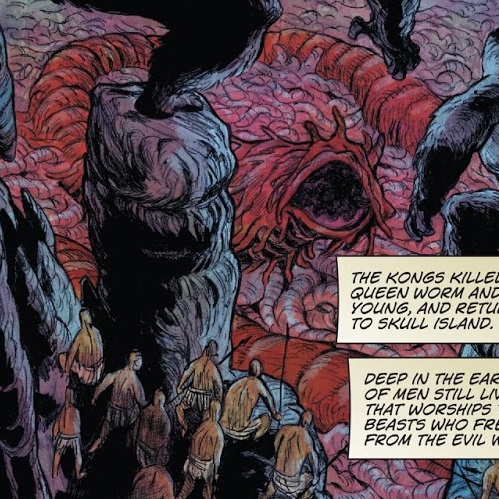 |
Kong: Gods of Skull Island (2017) | In Bar-Atu's Kong religion, there is a tale of Kong's youth stating that when Kong was young, he was kidnapped by a giant worm from the center of the Earth, and rescued by his mother with whom he helped to kill the worm and liberate its followers. |
Giant mosquitoes |
 |
Kong: Gods of Skull Island (2017) | A swarm of gigantic mosquitoes attacked Conrad and his missionaries as they trekked through the jungle. |
Giant locust |
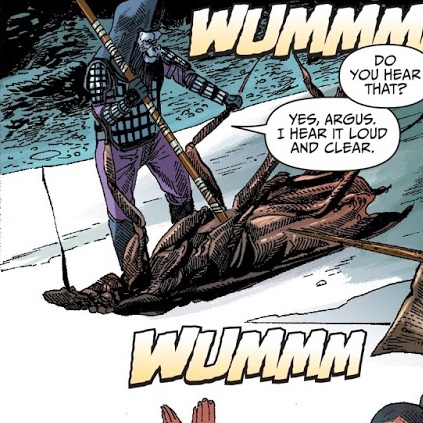 |
Kong on the Planet of the Apes (2018) | While stationed on Skull Island, some gorilla troops killed a gigantic locust-like creature. |
Winged maggots |
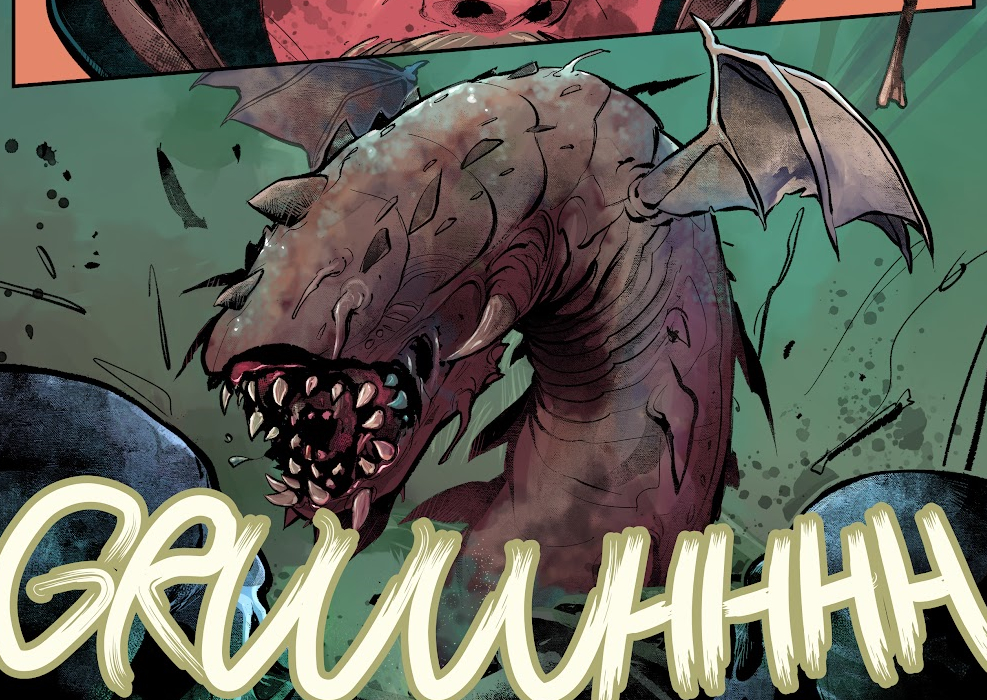 |
Kong: The Great War (2023) | A population of at least 23 winged maggots made their home in a mud pit on the island, feeding on unsuspecting prey including several humans, which it left stripped to the bone. |
Kong Reborn
| Name | Image | Appearance(s) | Description |
|---|---|---|---|
Purple fly |
|
Kong Reborn | A species of fly that inhabited the coastal regions of Skull Island. They were far larger than a housefly, but by no means monstrous. Their bodies were purple in color. |
White spider |
|
Kong Reborn | A species of thick-legged white spiders about two feet across inhabited the jungles, and spun webs across well-traveled paths to snare passing creatures. |
Giant centipede |
|
Kong Reborn | 30-inch-long creatures resembling giant centipedes were a common sight in the jungle. They could be seen feeding on carrion. |
Goliath fly |
|
Kong Reborn | Goliath flies were a species of fly of a size comparable to Goliath beetles. |
Flat beetle |
|
Kong Reborn | When a group of mercenaries arrived on Skull Island to assassinate Jack Denham, what is described solely as a "huge flat beetle" could be spotted traversing the stony ground around their Osprey.[22] |
Giant beetle |
|
Kong Reborn | A species of one-foot-long cockroach-like beetles could be seen crawling on the island's trees. One specimen was blown to bits by a mercenary who had been spooked by its hissing vocalizations.[23] |
Scavenger beetle |
|
Kong Reborn | A species of carrion feeding beetle lived on Skull Island and could be seen feeding on the carcasses of dinosaurs alongside giant vultures and other insects. |
See also
References
This is a list of references for Skull Island bugs. These citations are used to identify the reliable sources on which this article is based. These references appear inside articles in the form of superscript numbers, which look like this: [1]
Bibliography
- Falconer, Daniel; Weta Workshop (22 November 2005). The World of Kong: A Natural History of Skull Island. Pocket Star. ISBN 978-1-4165-0519-8.
- Golden, Christopher (13 December 2005). King Kong. Pocket Star Books. ISBN 978-1-4165-0391-0.
- Blackford, Russell (1 November 2005). Kong Reborn. ibooks. ISBN 1-59687-133-4.
Comments
Showing 10 comments. When commenting, please remain respectful of other users, stay on topic, and avoid role-playing and excessive punctuation. Comments which violate these guidelines may be removed by administrators.

|

|

|

|